
All Places
1,073 places around the world
1,073 places · page 34 of 45
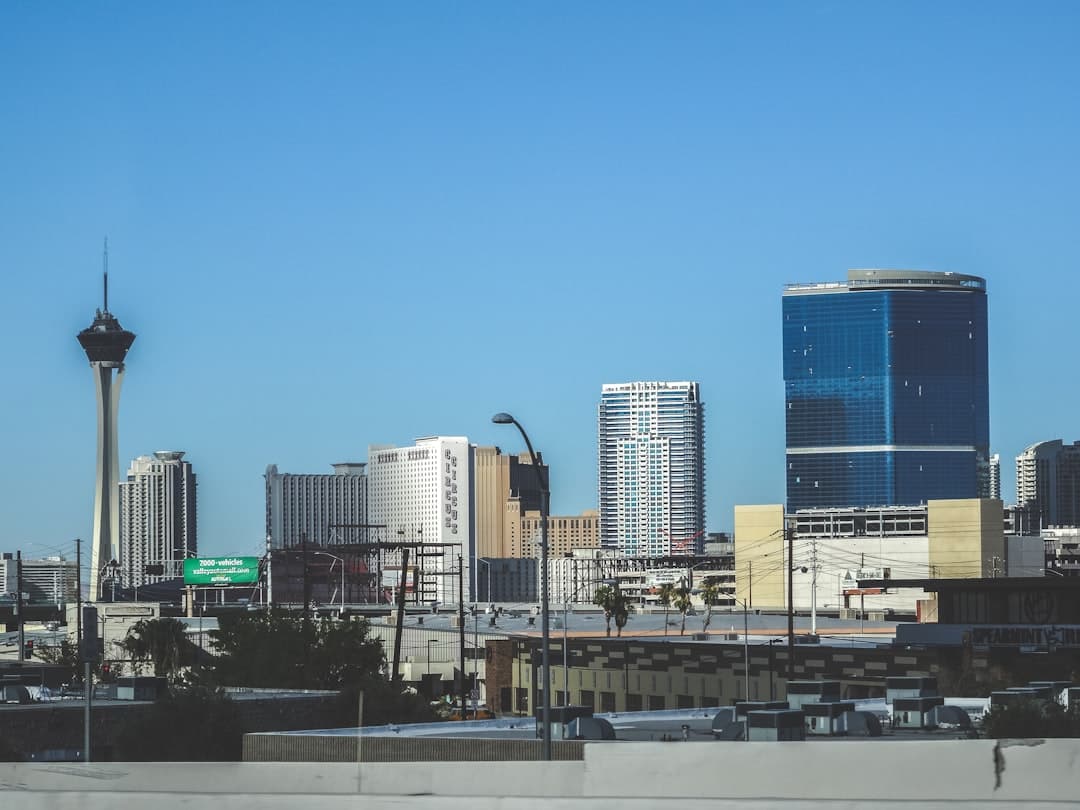
Red Rock Canyon
Red Rock Canyon National Conservation Area is a dramatic sweep of Mojave Desert landscape managed by the Bureau of Land Management, sitting about 17 miles west of Las Vegas. The defining feature is the Calico Hills — a wave of crimson and cream Aztec sandstone that was pushed upward along the Keystone Thrust fault some 65 million years ago, creating cliffs and escarpments that rise nearly 3,000 feet above the valley floor. For anyone who thinks Las Vegas is nothing but neon and slot machines, this place is a genuine revelation: wild, ancient, and completely absorbing. The heart of the visit is the 13-mile one-way scenic drive, which loops past the most dramatic rock formations with pullouts and short trails branching off throughout. You can keep it easy with a stroll to Calico Hills overlook or the short Moenkopi Loop, or push deeper into the backcountry on trails like Calico Tanks (a rewarding 2.5-mile round trip to a natural water pocket with Strip views) or the more demanding Turtlehead Peak. Rock climbing is serious business here — Red Rock is one of the premier sport and trad climbing destinations in the American Southwest, drawing climbers from around the world to routes like Crimson Chrysalis and Epinephrine. The scenic drive has a timed entry reservation system for most of the year — particularly from October through May when crowds are heaviest — so booking ahead through the Recreation.gov platform is essential. Arrive early regardless: the desert light at sunrise and in the first hours of morning is extraordinary, temperatures are far more manageable, and the parking areas fill fast on weekends. The visitor center at the entrance has good interpretive displays on geology and desert ecology, and rangers there can point you toward trails that match your fitness level. Cell service is limited once you're inside the loop.
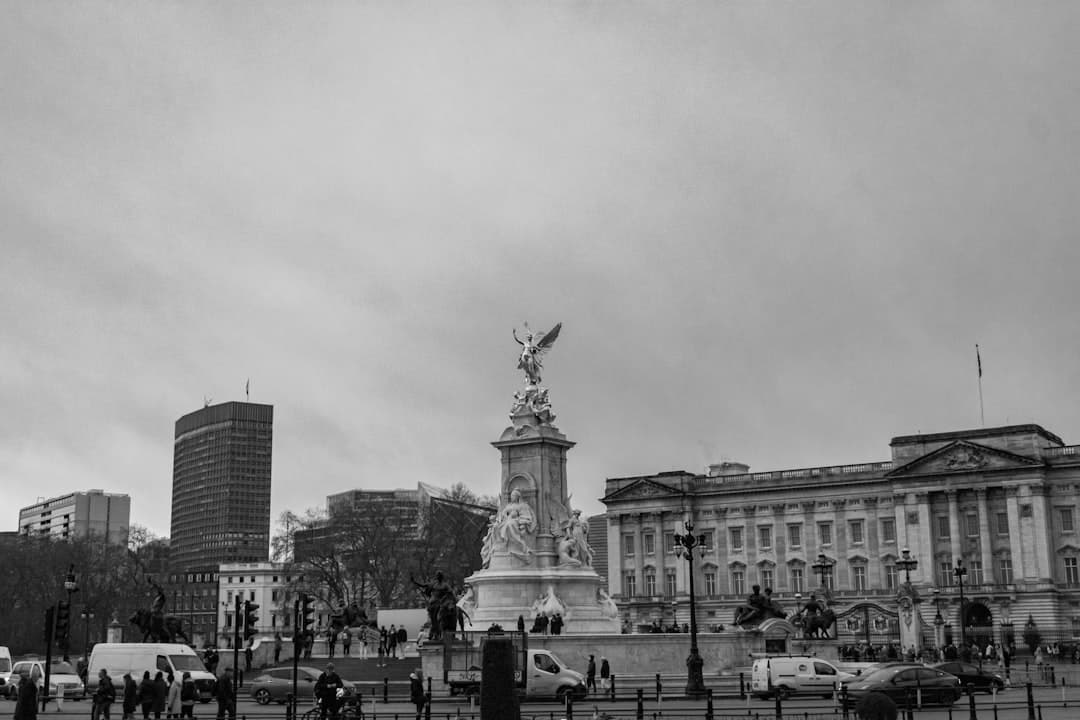
Regent's Park
Regent's Park is a 395-acre royal park in north-central London, designed in the early 19th century by architect John Nash as part of a sweeping vision to connect the park to the Prince Regent's Carlton House via a grand ceremonial route — today's Regent Street. The result is one of the most formally beautiful open spaces in the city, ringed by Nash's stunning white stucco terraces and home to immaculate gardens, sports facilities, a boating lake, and the northern boundary of ZSL London Zoo. It's a working park in the best sense — locals jog here at dawn, office workers eat sandwiches on the grass at lunch, and tourists wander the rose gardens in the afternoon. The Inner Circle is the park's most curated zone, home to Queen Mary's Gardens — arguably the finest public rose garden in Britain, with around 12,000 roses in 85 varieties blooming across summer. Also inside the Inner Circle is the Open Air Theatre, one of London's most beloved summer venues, staging Shakespeare and musicals under the sky from May to September. Beyond the gardens, Regent's Park offers a large boating lake where you can rent pedal boats, sports pitches, tennis courts, a café with terrace views, and wide tree-lined paths ideal for cycling or a long, aimless walk. The northern edge borders Primrose Hill, a separate park worth combining for its skyline views. The park is free to enter and open daily from early morning. The main entrances are near Baker Street, Great Portland Street, and Regent's Park tube stations — Baker Street is the most convenient for the Inner Circle and gardens. Avoid summer weekends in the rose garden if crowds bother you; early mornings are peaceful regardless of season. The Open Air Theatre requires separate tickets and books up well ahead for popular shows.
Reichstag
The Reichstag is the seat of Germany's federal parliament, the Bundestag, and one of the most historically loaded buildings in Europe. Built in the 1890s, it survived fire in 1933 — used as a pretext by the Nazis to seize emergency powers — Allied bombing, Soviet graffiti, and decades of division before being spectacularly reimagined after German reunification. British architect Norman Foster wrapped the restored neo-Renaissance shell in a gleaming glass dome in the late 1990s, creating a building that deliberately places citizens above their government — you walk above the debating chamber itself, which is visible through the dome's glass funnel below. The experience centers on the rooftop and the dome. You register in advance, pass through security, and take an elevator to the roof terrace, where Berlin unfolds in every direction — the Brandenburg Gate is right there, the Tiergarten stretches west, the TV Tower anchors the eastern skyline. Then you walk a gentle spiral ramp inside the dome itself, past mirrored panels that bounce natural light down into the parliamentary chamber below. Audio guides keyed to your location explain what you're seeing inside and out. It takes about 45 minutes to an hour to do it properly, and the views justify every minute. The visit is free but requires pre-registration on the official website — this trips up a huge number of visitors who show up expecting to walk in. Book at least a few days ahead, more in summer. Evening slots are particularly good: the city lights up, the dome glows, and the queues tend to be shorter than midday. The building is also a working parliament, so access can occasionally be restricted during high-security sessions.
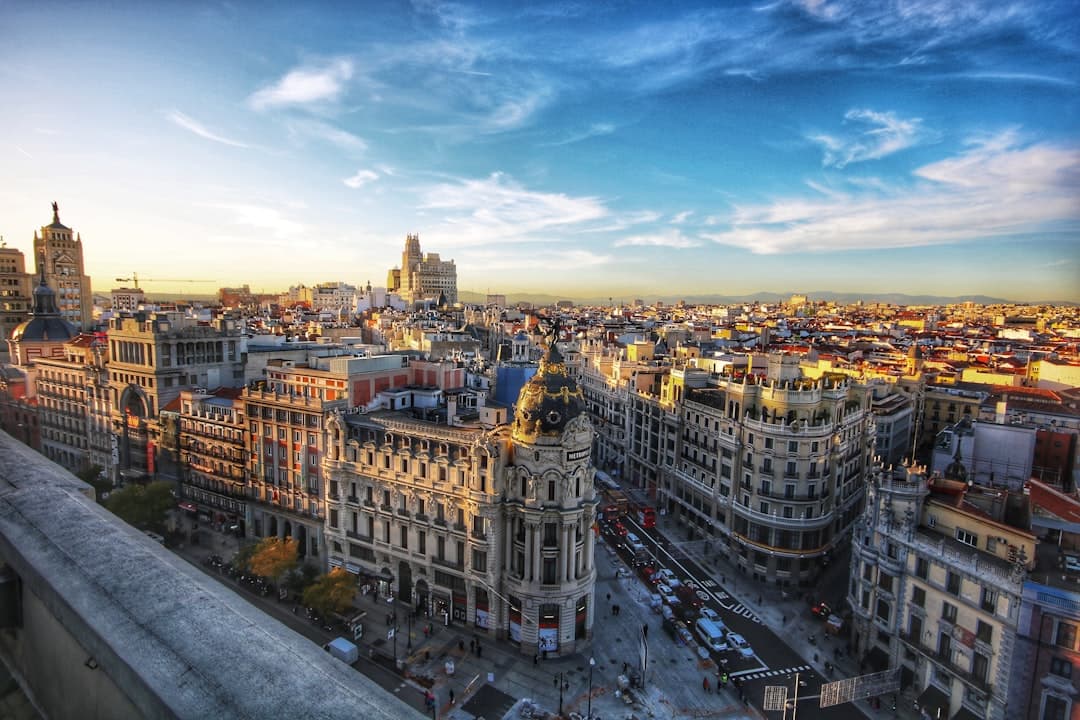
Reina Sofía
The Museo Reina Sofía is Spain's national museum of 20th-century art, housed in a magnificent 18th-century former hospital in the heart of Madrid. It opened in its current form in 1992 and sits at the southern end of the Paseo del Arte — the city's famous art mile — alongside the Prado and Thyssen-Bornemisza. The collection covers modernism, Surrealism, and the post-war avant-garde, with particular depth in Spanish art, and it is anchored by one of the most important paintings in the world: Pablo Picasso's Guernica, his monumental response to the 1937 Nazi bombing of a Basque town during the Spanish Civil War. The experience of standing in front of Guernica in Room 206 is genuinely moving — the painting is enormous, nearly twelve feet tall and over twenty-five feet wide, and it hits you before you're even close to it. Beyond that centrepiece, the collection includes major works by Salvador Dalí, Joan Miró, and Juan Gris, as well as an impressive range of international artists from Lucio Fontana to Francis Bacon. The original 18th-century building, with its elegant glass lift towers added by architect Ian Ritchie in the 1990s, connects to a dramatic 2005 extension by Jean Nouvel — a red-toned structure that adds galleries, a library, and a bookshop worth visiting in its own right. The museum is free on weekdays from 7pm to 9pm and all day Sunday until 2:30pm — which sounds great in theory, but those windows get genuinely crowded. If you want to see Guernica without jostling for position, come mid-morning on a Wednesday or Thursday. Tuesday is the one day the museum is completely closed, which catches out a surprising number of visitors. The Nouvel building also houses a café with outdoor terrace access, and the ground-floor bookshop is one of the best art book stops in the city.
Rembrandt House Museum
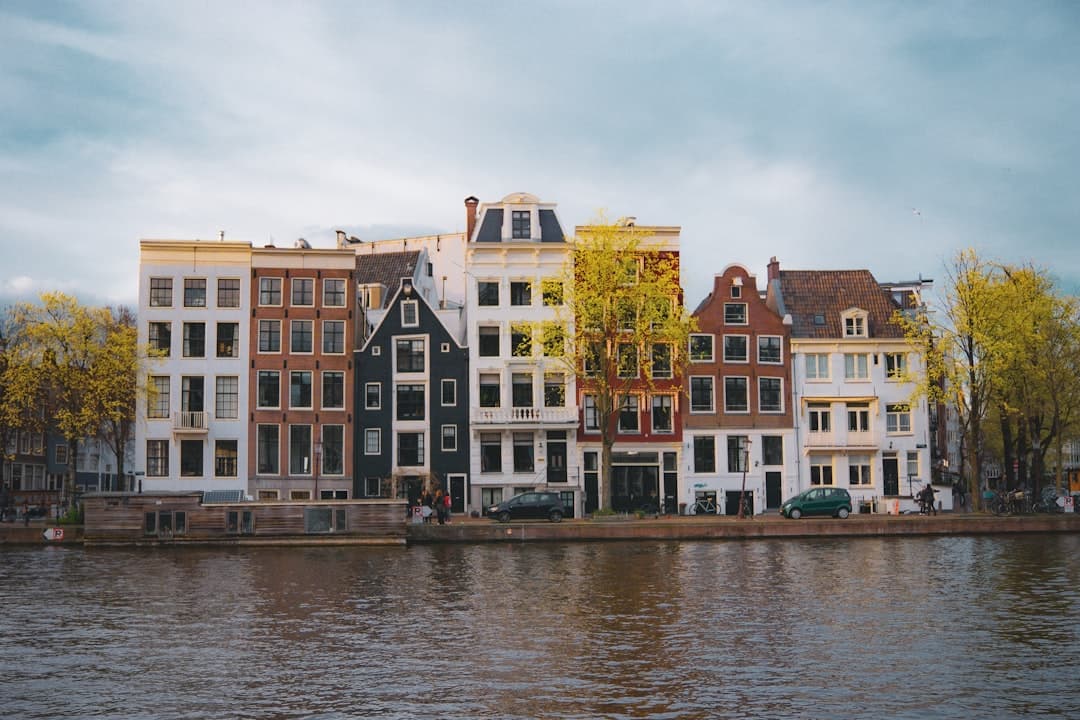
The Rembrandt House Museum sits on Jodenbreestraat in Amsterdam's old Jewish Quarter, occupying the large canal house where the painter Rembrandt van Rijn lived and worked from 1639 to 1658. He bought the house at the height of his fame and spent some of his most productive years here, creating hundreds of paintings, drawings, and etchings in its rooms. The house was eventually seized when Rembrandt went bankrupt — he couldn't keep up with the mortgage — and its contents were auctioned off. Today the museum has meticulously reconstructed the interior based on the bankruptcy inventory, restoring it to what it would have looked like in Rembrandt's time. You move through the house room by room: the large studio flooded with north-facing light where Rembrandt painted, the smaller rooms used for storing his vast collection of curiosities, shells, antique busts, and weapons that he used as props and inspiration. The collection of Rembrandt's own prints and etchings displayed here is one of the largest in the world — nearly 260 works — and watching museum staff give live etching demonstrations in the studio is one of those genuinely memorable museum moments. This isn't a white-wall gallery experience; it feels more like a forensic reconstruction of a creative mind. The museum is right on the edge of the Waterlooplein flea market and a short walk from the Portuguese Synagogue, so it fits naturally into a half-day exploring this historically rich corner of the city. It tends to be quieter than the Rijksmuseum or the Van Gogh Museum — partly because it's slightly off the main tourist drag — which means you can actually stand in the studio and look around without being jostled. Skip it if you're looking for a major collection of Rembrandt paintings (those are at the Rijksmuseum); come here for the atmosphere, the etchings, and the sense of stepping into a real working life.
Retiro Park
El Retiro is Madrid's most beloved park — 350 acres of formal gardens, shaded promenades, fountains, and open lawns right in the heart of the city. Originally a pleasure ground for Spanish royalty, it was opened to the public in 1868 and has been the living room of Madrid ever since. In 2021, it became part of a UNESCO World Heritage Site along with the Paseo del Prado, recognising the entire cultural corridor it anchors. On a Sunday afternoon, you'll understand immediately why Madrileños treat it less like a park and more like an essential part of daily life. The park rewards slow exploration. Rent a rowboat on the Estanque Grande — the big rectangular lake at the heart of the park — and drift past the monumental Alfonso XII monument that towers over one end. Wander through the formal Rosaleda rose garden, which peaks in May and June with thousands of blooms. Don't miss the Palacio de Cristal, a stunning iron-and-glass greenhouse from 1887 that now functions as an exhibition space for the Reina Sofía museum — it's free to enter and one of the most beautiful buildings in Spain. Nearby is the Palacio de Velázquez, another brick-and-tile exhibition hall worth checking for current shows. Street performers, puppet shows, book stalls near the Puerta de Alcalá entrance, and weekend craft markets all add to the texture. Go early on weekday mornings if you want the park to yourself — runners, dog walkers, and pensioners doing tai chi have it almost entirely. On weekend afternoons it fills up beautifully, but not unpleasantly — there's enough space. The park is free, always open by 6am, and closes at midnight in summer (hours vary by season — 10pm is typical in shoulder season). The Retiro metro stop on Line 2 drops you right at the main eastern entrance.
Reunification Palace
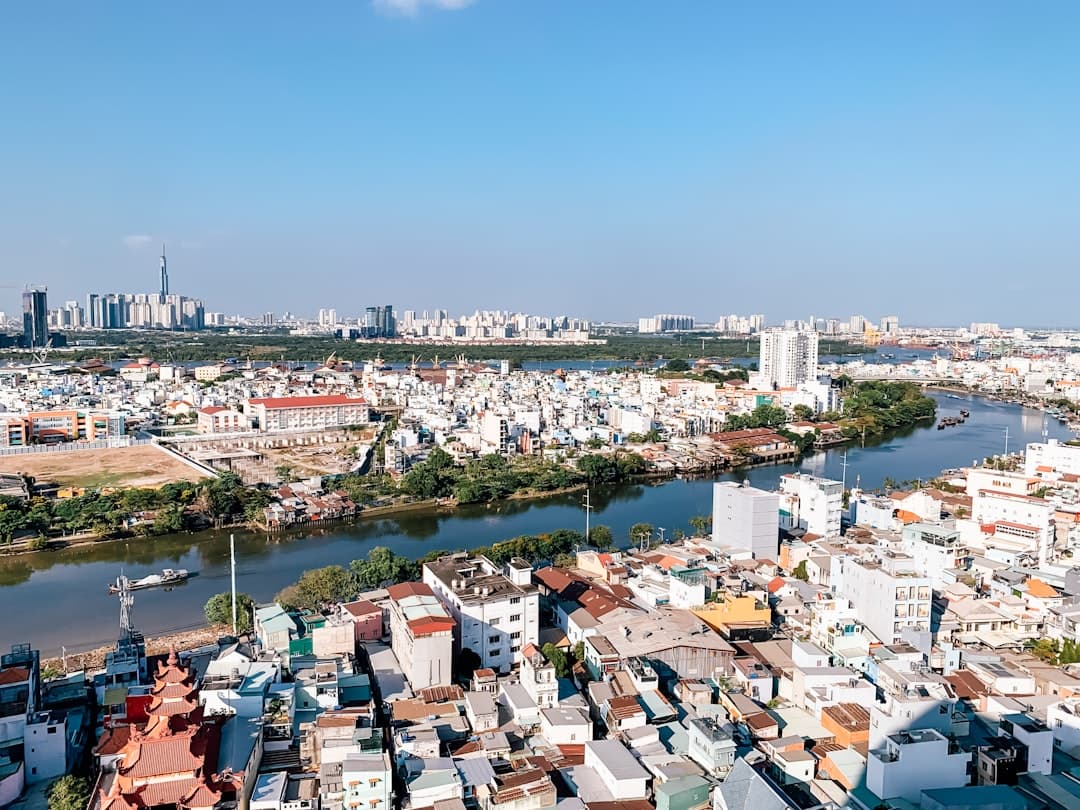
On April 30, 1975, a North Vietnamese Army tank crashed through the gates of this building and ended decades of war. Originally built in 1966 as the presidential palace of South Vietnam under President Nguyen Van Thieu, the Reunification Palace — also called Independence Palace — was the nerve center of a government that would cease to exist that afternoon. Today it stands as one of the most historically charged sites in Southeast Asia, frozen almost entirely in the state it was in when it fell. Visiting feels less like a museum and more like walking through a time capsule. The rooms are fully furnished in their original 1960s and 70s style — the presidential reception rooms with their lacquerware and teak, the cabinet meeting room with its long mahogany table, the war room in the basement with maps still on the walls, radio equipment, and the kinds of bunkers and tunnels that make the Cold War suddenly feel very tangible. There are two actual tanks parked on the grounds — replicas of the ones that broke through the gates. You can wander through the rooftop helipad, the game room, the bar, and the cinema used by the South Vietnamese president. The whole thing is strangely intimate. Come early in the morning to beat the tour groups, which arrive in force by mid-morning. The audio guide available at the entrance is genuinely useful and worth the small extra cost. The grounds are beautifully maintained and offer a peaceful counterpoint to the chaotic city just outside the gates. Budget at least 90 minutes to do it properly — the basement level alone deserves half an hour.

Reykjavik Art Museum
The Reykjavik Art Museum is actually spread across three distinct venues around the city — Hafnarhús, Kjarvalsstaðir, and Ásmundarsafn — each with its own character and collection focus. Together they form the largest art museum in Iceland, and a single ticket gets you into all three. The museum is the central institution for Icelandic visual art and regularly hosts major international shows alongside deep dives into the country's own artistic heritage. The address on Tryggvagata corresponds to Hafnarhús, the flagship venue housed in a renovated harbour warehouse that still feels industrial and cool. It's the place to see contemporary and experimental work, and it's also home to a large permanent collection of works by Erró, the prolific Icelandic pop artist whose dense, politically-charged canvases cover entire walls. Kjarvalsstaðir, the other main gallery, focuses on the landscape paintings of Jóhannes S. Kjarval, one of Iceland's most beloved artists — his luminous, almost mystical interpretations of the lava fields are hard to forget. Ásmundarsafn, set in a sculptor's studio in the Laugardalur area, is smaller and quirkier, dedicated to the sculptor Ásmundur Sveinsson. Hafnarhús is worth building a proper visit around — allow at least an hour and a half here, more if you're genuinely into contemporary work. Thursday evenings the museum stays open until 10pm, which is a genuinely pleasant time to visit when the daytime crowds have thinned. The old Harbour district is right outside, so it pairs naturally with a walk along the waterfront and dinner somewhere in the neighbourhood afterward.
Rialto Bridge
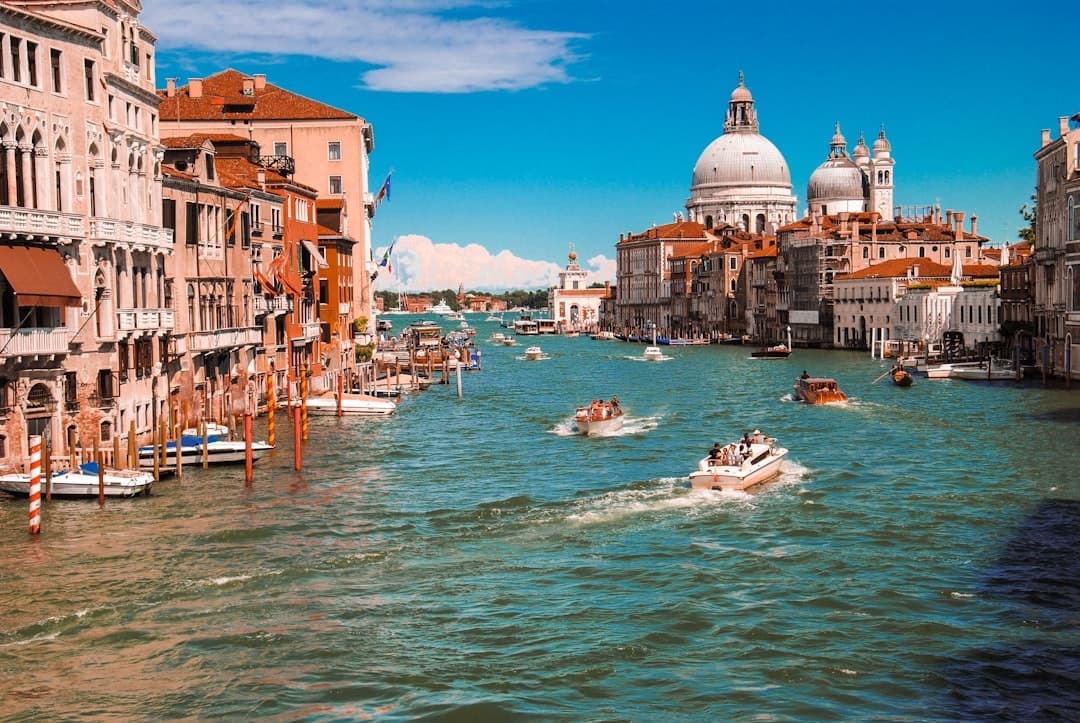
The Rialto Bridge is the oldest and most famous of the four bridges spanning Venice's Grand Canal, and for centuries it was the only one. Built between 1588 and 1591 to a design by Antonio da Ponte — beating out proposals from Michelangelo and Palladio, no less — it's a single bold arch of white Istrian stone, 48 meters wide and lined with covered arcades housing small shops. It sits at the commercial heart of Venice, connecting the San Marco and San Polo districts, in the same spot where a pontoon bridge first appeared in the 12th century. This wasn't built as a monument; it was built as infrastructure, and it still functions as one. Crossing it takes only a few minutes, but the experience is layered. From the top of the arch, you get one of the most iconic views in Venice — vaporetti churning along the Grand Canal, gondolas threading between them, Renaissance palazzi reflected in the water. The arcades on either side are packed with jewellery and souvenir shops, which are charming if you're in the mood and easy to ignore if you're not. The real pleasure is simply pausing mid-bridge to watch the canal traffic, or descending to the fondamenta on either side where the Rialto Market spreads out — fish on one side, fruit and vegetables on the other — in a tradition that dates back nearly a thousand years. The bridge is always open and free to cross, which means it's also always crowded — particularly mid-morning to late afternoon in peak season. The single best move is arriving early, ideally before 8am, when the market vendors are setting up, the light is soft and low, and you might have the top of the arch nearly to yourself. The area around the bridge, not just the bridge itself, is worth your time: the Rialto Market is one of the few parts of Venice that still feels genuinely functional rather than staged for tourists.
Ribeira
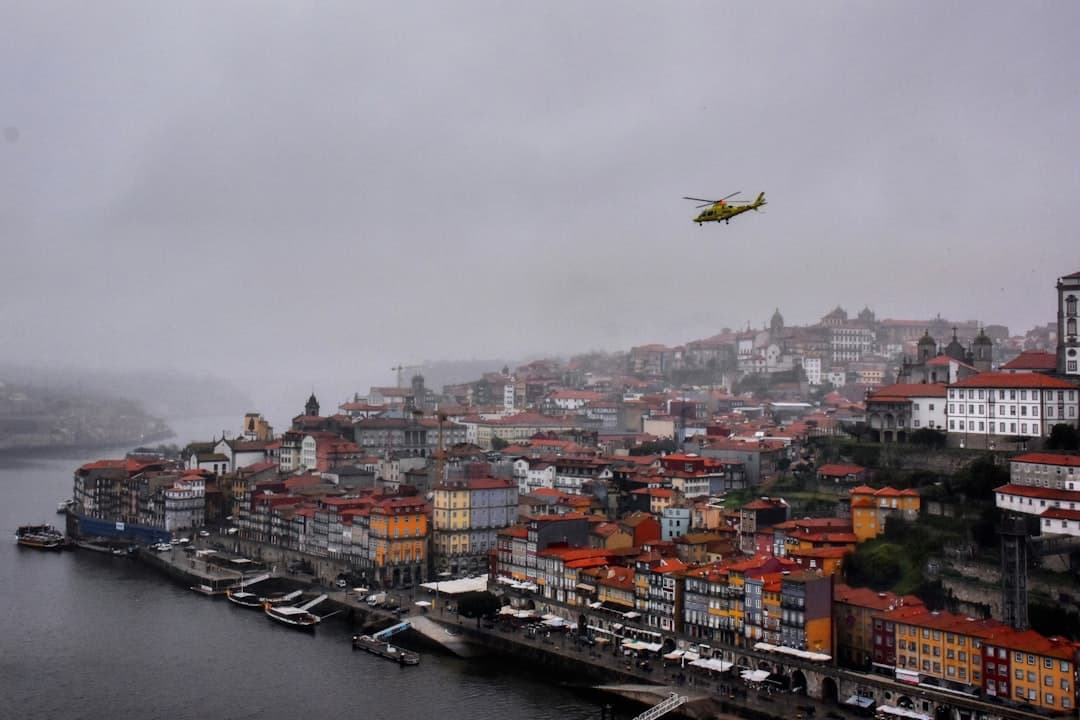
Ribeira is Porto's historic riverside quarter — a tangle of narrow medieval lanes, crumbling azulejo-tiled facades, and sun-bleached laundry strung between windows that tumble down to the edge of the Douro River. It's the oldest part of the city, a UNESCO World Heritage Site since 1996, and the image most people picture when they think of Porto. If you only spend a few hours anywhere in the city, this is where they should go. The experience is largely about wandering and absorbing. The Praça da Ribeira, the square at the heart of it all, anchors everything — it opens onto the river with café terraces and a 19th-century pillar at its center, and it's the natural place to get your bearings. From there you can walk the Cais da Ribeira promenade along the waterfront, watching the flat-bottomed rabelo boats moored on the Douro, look across to Vila Nova de Gaia and its port wine lodge signs stacked up the hillside, and then lose yourself in the lanes behind — past the Igreja de São Francisco with its jaw-dropping gilded baroque interior, through Rua da Alfândega, and up toward the Sé Cathedral above. There's good food here too, though quality varies wildly — look for places with locals eating lunch, not just tourist menus. Ribeira rewards patience. Go early morning to see it quiet and golden, or at dusk when the lights come on across the river and the terraces fill up. The neighborhood itself is small — you can cross it in fifteen minutes — but the depth of history in every crumbling wall makes it worth several hours. Watch your step on the wet cobblestones after rain, and expect the summer crowds to be dense along the waterfront promenade.
Rijksmuseum
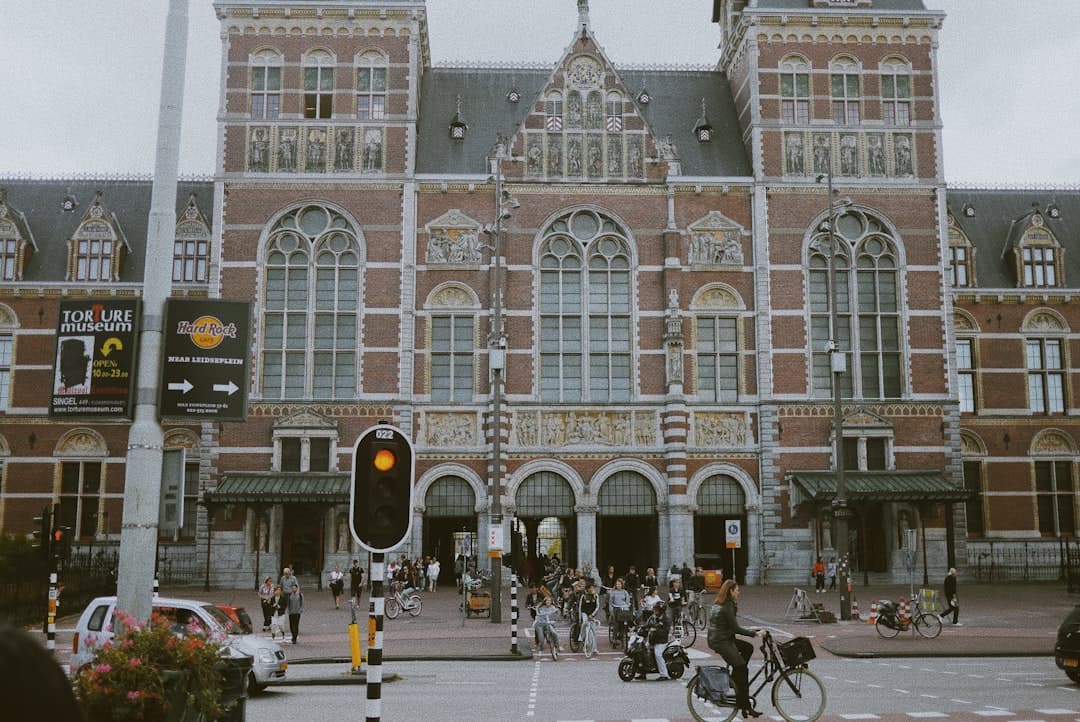
The Rijksmuseum is the Netherlands' national museum of art and history, housed in a vast neo-Gothic and Renaissance building designed by Pierre Cuypers, which opened in 1885. It holds around 8,000 objects on display — out of a collection of one million — spanning 800 years of Dutch and Flemish history, from medieval silverware to 17th-century masterpieces to Delftware and ship models. This is the single best place in the world to understand the Dutch Golden Age, a period in the 1600s when the Netherlands was the wealthiest trading nation on earth and its artists — Rembrandt, Vermeer, Frans Hals, Jan Steen — were producing some of the most extraordinary paintings ever made. The experience centers on the Gallery of Honour, a grand enfilade of rooms on the second floor that leads to the Great Hall, where Rembrandt's enormous Night Watch hangs at the end like a punctuation mark. Seeing it in person — roughly 3.5 by 4.5 meters, painted in 1642 — is a genuine shock. Vermeer's The Milkmaid and Woman Reading a Letter are nearby, small and intimate and devastating in their quiet precision. Beyond the paintings, the museum rewards wandering: the Asiatic Pavilion has objects from Japan, China, and Indonesia reflecting the Dutch colonial trade networks, and the ground floor has sculpture, furniture, and decorative arts that put the paintings in social context. The museum underwent a decade-long renovation and reopened in 2013, and the result is genuinely one of the most beautiful museum spaces in Europe — light-filled, legible, and intelligently laid out. Book timed-entry tickets online before you go; on busy days the queues for walk-ins can be brutal and tickets do sell out. The museum café inside is decent for lunch, but if you're visiting in good weather, Museumplein — the park directly outside — is one of Amsterdam's great public spaces for a post-visit decompression.
Ringstrasse
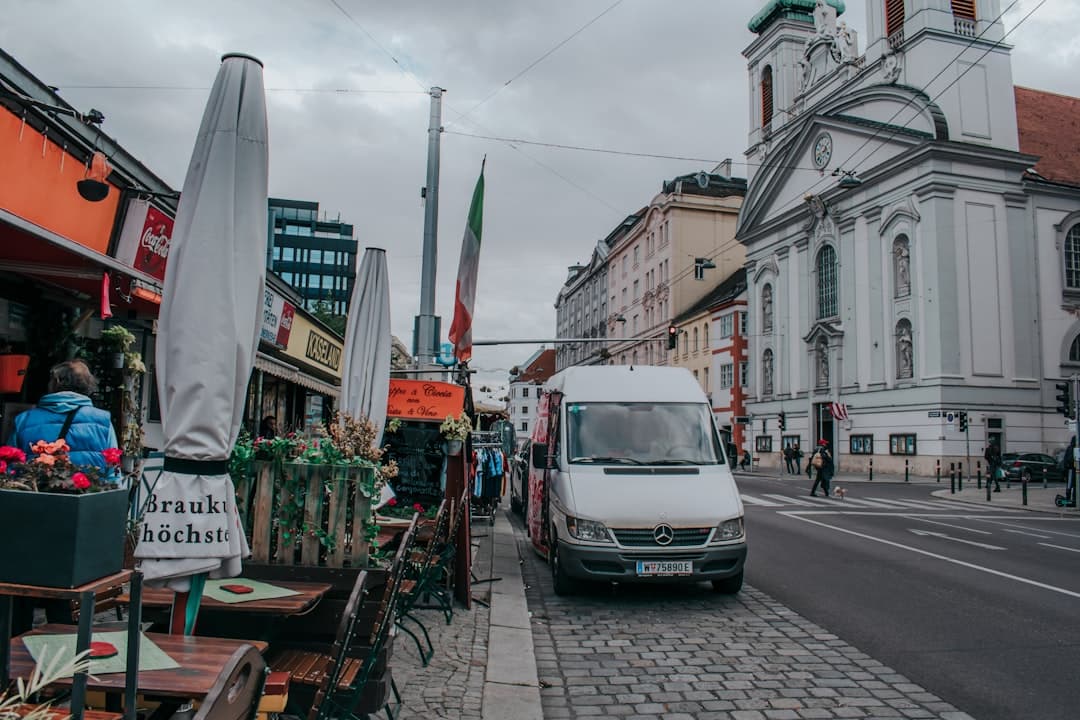
The Ringstrasse is a monumental circular boulevard encircling Vienna's historic inner city, commissioned by Emperor Franz Joseph I in 1857 as a statement of Habsburg ambition and cultural prestige. Over roughly four decades, the empire tore down its medieval fortifications and replaced them with one of the most audacious urban planning projects of the 19th century — a 5.3-kilometer ring road lined with palaces, museums, opera houses, parliament buildings, and parks, each designed in a different historical style meant to evoke the ideals it housed. Neo-Gothic for the Rathaus (city hall), Greek Revival for the Parliament, Renaissance for the museums. It was deliberate, theatrical, and magnificent. Walking the Ring today means moving through an open-air museum of 19th-century imperial architecture. The Vienna State Opera anchors one end, with the Kunsthistorisches Museum and Naturhistorisches Museum facing each other like mirror-image cathedrals to art and science. The Burgtheater, the Parliament building (currently re-emerged from years of renovation), and the Rathaus follow in sequence, each set back behind formal gardens or flanked by statues. Trams rattle along the outer lanes while cyclists weave through the tree-lined inner paths. You can walk the whole ring, hop the famous tram line 1 or 2, or do a combination — pausing at whichever facades grab you. The insider move is to walk it at dusk, when the facades are lit and the tourist crowds thin slightly. Most visitors rush between the major institutions without stopping to look up at the buildings themselves — the exteriors are worth serious attention. The Ringstrasse is also a useful orientation spine for the whole city: nearly everything worth seeing in central Vienna clusters around or just inside it.
Ripley's Aquarium of Canada
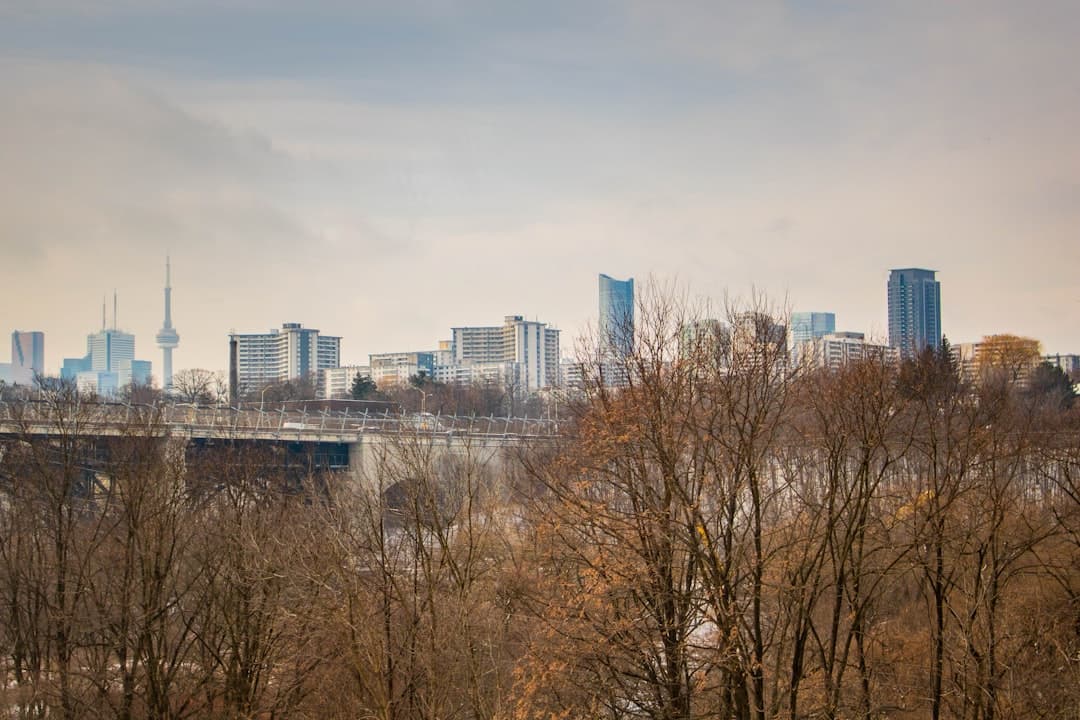
Ripley's Aquarium of Canada opened in 2013 right at the base of the CN Tower in downtown Toronto, and it quickly became one of the city's most popular attractions. It houses over 16,000 aquatic animals across more than 100 exhibits, making it one of the largest aquariums in the country. It's run by the Ripley Entertainment group, the same company behind similar aquariums in Chicago, Atlanta, and Myrtle Beach, but the Toronto location has its own distinct character — partly because of its sheer scale, partly because of how thoughtfully the exhibits are laid out. The centrepiece is the Dangerous Lagoon, a 97-metre underwater viewing tunnel where you ride a slow-moving walkway through a tank filled with sand tiger sharks, sawfish, green sea turtles, and a staggering variety of rays. It's genuinely jaw-dropping, especially when a shark drifts directly overhead. Beyond that, you'll move through galleries dedicated to Pacific kelp forests, Canadian waters, tropical reefs, and a touch-pool area where kids can handle horseshoe crabs and stingrays. The jellyfish gallery — Planet Jellies — is mesmerising in its own quiet way, with tanks backlit in shifting colours. The aquarium is open every day and doesn't close for holidays, which makes it a reliable option year-round. That said, it gets seriously crowded on weekends and during school holidays — the tunnel walkway can feel like a rush-hour subway car on a Saturday afternoon. Buying tickets online in advance saves you money and skips the queue. The gift shop is unavoidable on the way out, but the café food is pretty standard. If you can, aim for a weekday morning or the late evening hours when the crowds thin out considerably.
Robben Island
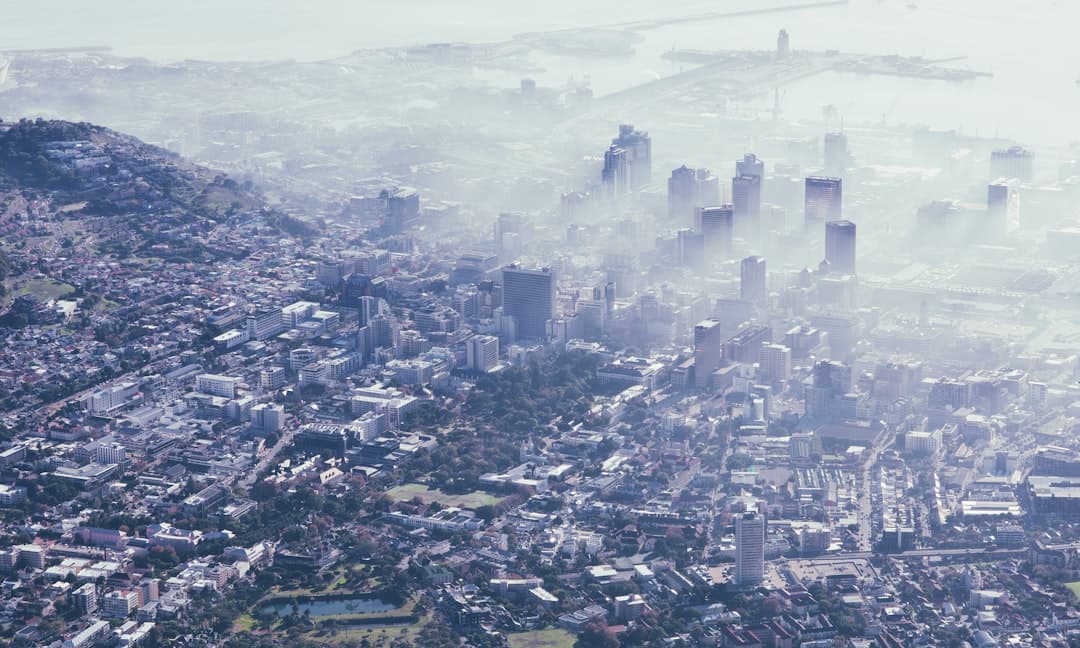
Robben Island sits in Table Bay, about 11 kilometres off the coast of Cape Town, and for most of the 20th century it was South Africa's most feared political prison. Under apartheid, the white minority government used it to isolate and silence the country's Black political leadership — Nelson Mandela, Walter Sisulu, Govan Mbeki, and Robert Sobukwe all did time here. When apartheid ended and Mandela became president in 1994, the island was transformed into a UNESCO World Heritage Site and a museum. It is one of the most powerful places in Africa for understanding what the fight for democracy actually cost. You get here by a 30-minute ferry from the V&A Waterfront's Nelson Mandela Gateway terminal. On the island, the tour splits into two parts: a bus circuit of the grounds — including the lime quarry where prisoners worked in blinding sun and suffered lasting eye damage — and a guided walk through B Section of the Maximum Security Prison itself. The prison guide is invariably a former political prisoner, which changes everything. These aren't historians reciting facts. They are people who slept in these cells, who tell you what the cold floor felt like, who explain what a 'D group' prisoner was allowed to eat. When your guide points to a cell and says 'that is where Mandela slept,' you are standing three feet from it. Book well in advance — tours sell out days or weeks ahead, especially in peak summer months. The full experience including ferry transit takes around four to five hours, so plan your day accordingly. Morning ferries tend to offer cleaner light and calmer seas. The island can be cold and windy even in summer, and the Southern Ocean doesn't care what the forecast said in Cape Town.
Rockefeller Center
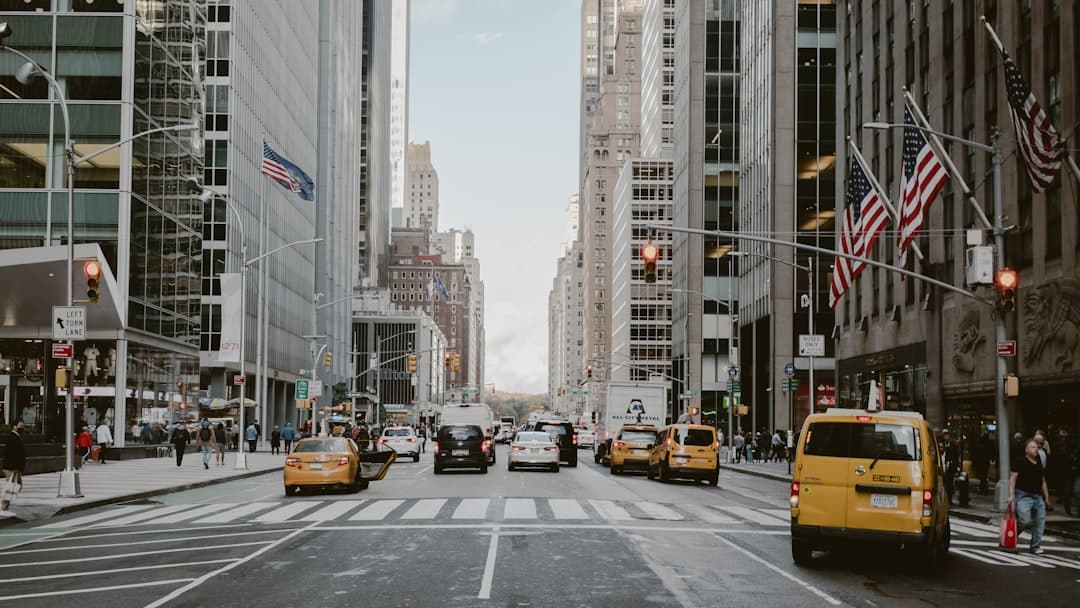
Rockefeller Center is one of the great feats of 20th-century urban planning — a privately owned complex of 19 commercial buildings spread across 22 acres in the heart of Midtown Manhattan. Built between 1930 and 1939 during the depths of the Great Depression, it was the brainchild of John D. Rockefeller Jr., who leased the land from Columbia University and commissioned a team of architects to create something entirely new: a city within a city. The result became an Art Deco masterpiece, anchored by 30 Rock (30 Rockefeller Plaza), and remains one of the most visited destinations in New York. The center of the complex is the Channel Gardens promenade, which leads down to the famous sunken plaza — home to the golden Prometheus statue by Paul Manship and, in winter, one of the most iconic skating rinks in the world. In summer that same space becomes an outdoor café. The complex is also home to Radio City Music Hall, the NBC Studios (where Saturday Night Live has been filmed since 1975), the Top of the Rock observation deck on the 70th floor, and dozens of shops and restaurants. Art lovers should look up and around — the buildings are covered in murals, sculptures, and bas-reliefs, including José Maria Sert's American Progress in the lobby of 30 Rock. The outdoor plazas are free and open around the clock, which is part of what makes Rockefeller Center so satisfying — you can wander through, absorb the architecture, and feel the energy of Midtown without spending a cent. If you want the full experience, buy tickets for Top of the Rock in advance, which offers arguably the best views in New York because, unlike the Empire State Building, you can actually see the Empire State Building from here. December is extraordinary — the Christmas tree lighting is a cultural event of its own — but also brutally crowded.
Roman Forum
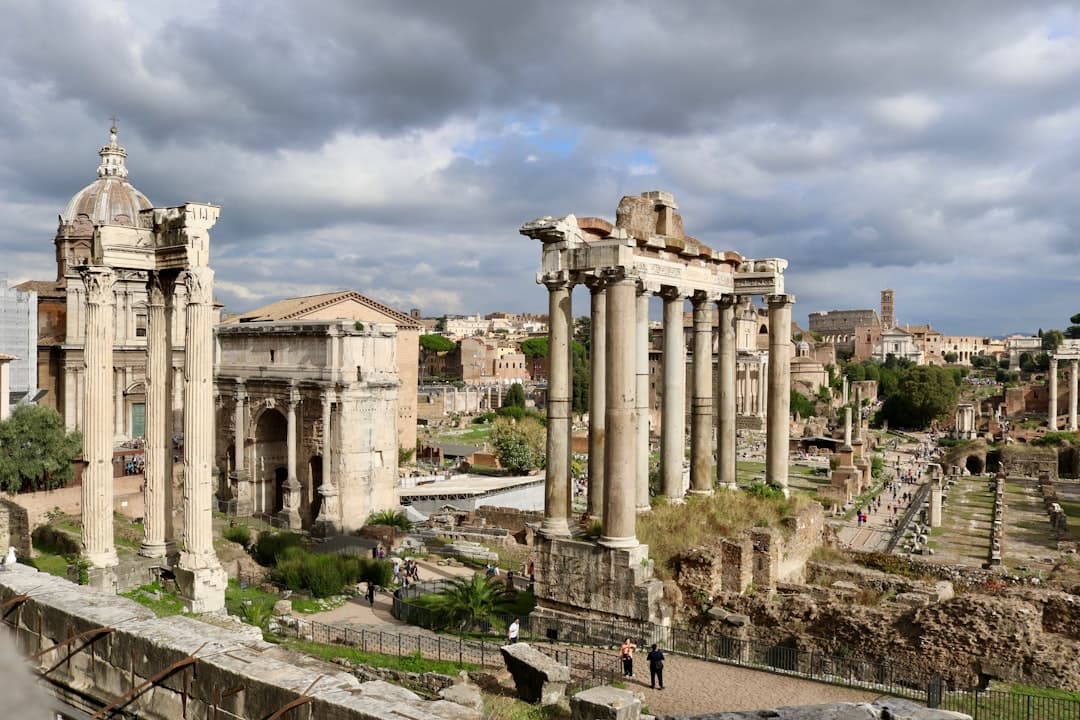
The Roman Forum was the beating heart of ancient Rome — the civic, religious, and political center of one of history's greatest empires. For nearly a thousand years, this rectangular valley between the Palatine and Capitoline hills was where Romans gathered to vote, hold trials, conduct business, and watch triumphal processions. Today it's an extraordinary archaeological site stretching across several acres, packed with the ruins of temples, basilicas, arches, and sacred roads that shaped Western civilization. If you've ever wondered where the idea of a senate, a public square, or a triumphal arch came from, you're standing in the answer. Walking through the Forum, you follow the Via Sacra — the Sacred Road — past landmarks that every Roman would have known by heart. The Arch of Septimius Severus, still remarkably intact, marks one end. The Temple of Saturn's eight surviving columns rise dramatically against the sky. You can peer into the Curia Julia, where the Roman Senate met, and stand at the spot where Julius Caesar's body was cremated, marked by the Temple of Divus Julius, where flowers are still occasionally left. The Basilica of Maxentius gives you a sense of the staggering scale Romans worked at. Nothing is roped off at a safe distance — you walk among the stones themselves. The Forum is covered by the same combined ticket as the Colosseum and Palatine Hill, and visiting all three on the same day is the standard approach — and a smart one, since the Palatine's hilltop views over the Forum are genuinely spectacular. Come early in the morning to beat both the crowds and the heat, especially in summer. The site has very little shade, so a hat and water are non-negotiable in July and August. Audio guides and apps (the Colosseum's official app is worth downloading) help enormously, because signage on-site is sparse and without context, ruins can blur together quickly.
Roman Theatre
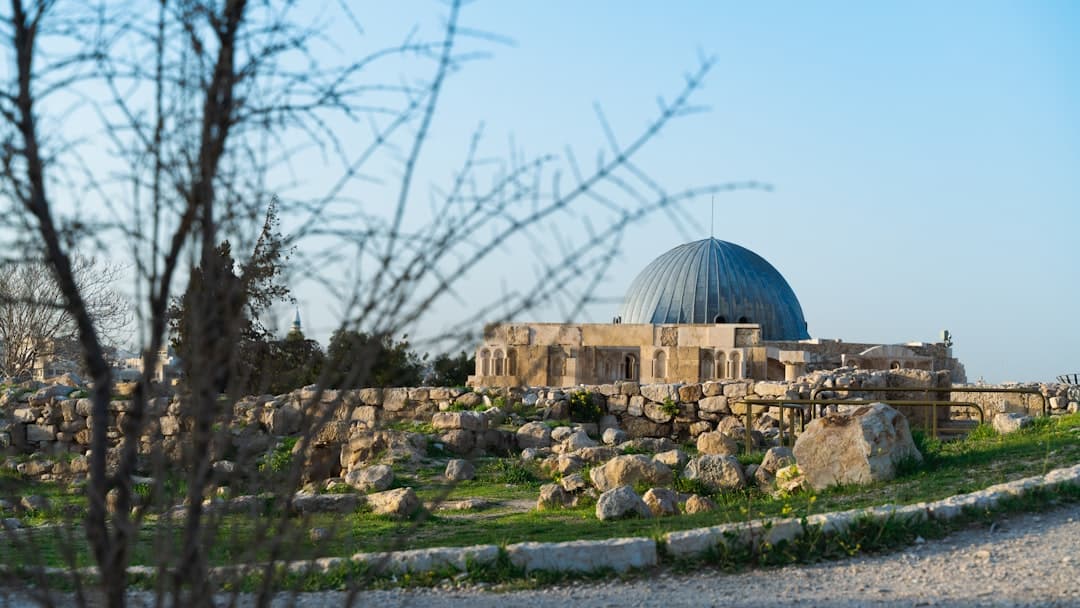
Built during the reign of Emperor Marcus Aurelius in the 2nd century AD, Amman's Roman Theatre is one of the best-preserved Roman structures in the entire Middle East. It was constructed into the northern slope of a hill — the Romans were masterful at using natural topography to amplify sound — and could seat around 6,000 spectators for performances and public events. What's remarkable is that it sits right in the middle of a living, breathing city: you step off a downtown street and suddenly you're standing in front of something that was already ancient when the Crusaders passed through. Visiting is a genuinely immersive experience. You can climb all the way to the top rows of the seating tiers, and the view over downtown Amman — its jumble of white limestone buildings stacked up the surrounding hills — is one of the best in the city. At the base of the theatre sit two small but worthwhile museums: the Jordan Folklore Museum and the Museum of Popular Traditions, both housed in the theatre's vaulted side galleries. They're easy to miss but worth the extra twenty minutes for their collections of traditional Bedouin dress, jewellery, and mosaics. The theatre is located in the Hashemite Plaza area of downtown Amman, known locally as Al-Balad, which puts it right next to the Odeon — a smaller, more intimate Roman theatre just across the square. A joint ticket covers both. Mornings are your best bet: the light is good for photos, crowds are thinner, and the heat is manageable. Hustlers and souvenir sellers occasionally work the perimeter, but inside it's calm.
Roppongi
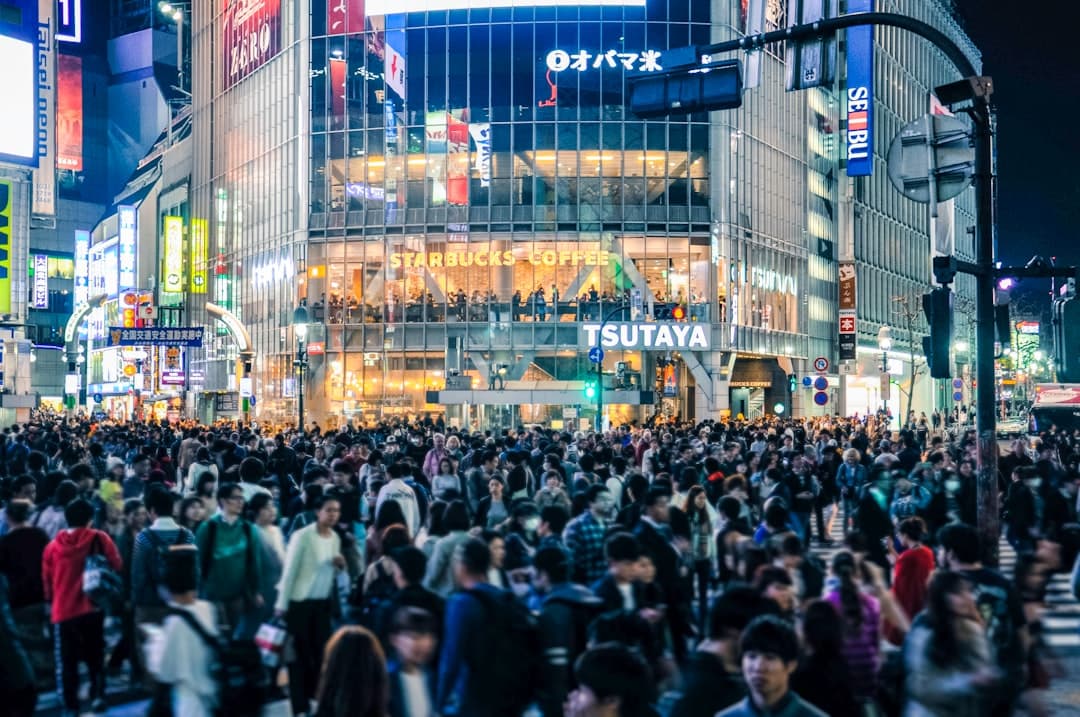
Roppongi is one of Tokyo's most internationally recognized neighborhoods, a dense and energetic district in Minato City that has long served as the city's unofficial hub for nightlife, contemporary art, and expat culture. It sits about four kilometers southwest of the Imperial Palace and is home to some of Japan's most prestigious cultural institutions alongside a bar and club scene that runs until sunrise. The district has a reputation for glamour and excess, but it's more layered than that — it rewards visitors who look past the neon.
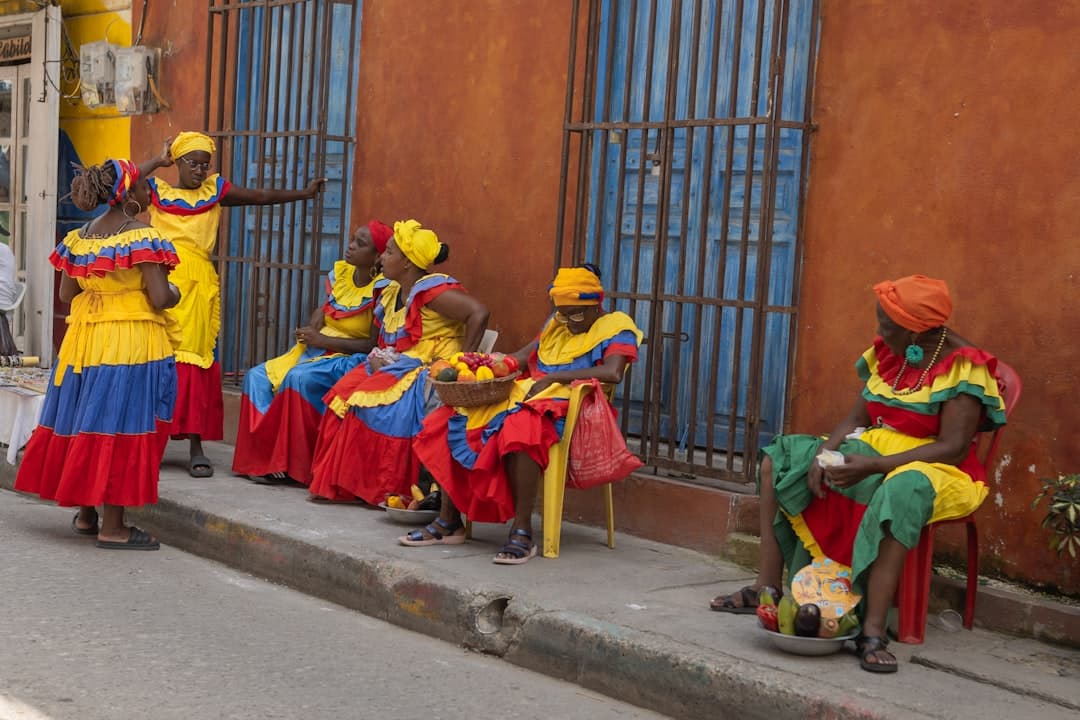
Rosario Islands
The Rosario Islands are an archipelago of around 27 coral islands sitting about 35 kilometers southwest of Cartagena in the Caribbean Sea. Declared a National Natural Park in 1977, the islands sit within the Corales del Rosario y San Bernardo National Park and represent one of Colombia's most significant marine ecosystems — home to coral reefs, mangroves, seagrasses, and a remarkable range of Caribbean sea life. For visitors to Cartagena, they are the classic day trip: the place you go when you need to swap the colonial city's heat and cobblestones for open water and white sand. The experience is primarily aquatic. Snorkeling over shallow coral gardens is the main draw — visibility is generally good, and you don't need to be an experienced diver to get close to parrotfish, sea turtles, and sponge formations. Scuba diving is available for those who want to go deeper. The larger island of Isla Grande has a handful of eco-lodges and small restaurants where you can eat fried fish and patacones under a thatched roof with your feet practically in the water. Playa Blanca on Barú island — technically separate but usually combined in the same tour — is one of the most photographed beaches near Cartagena and gets genuinely crowded, but the more remote Rosario islands themselves feel significantly quieter. The standard approach is a fast boat or catamaran from Cartagena's Muelle de la Bodeguita or the tourism pier, taking around 90 minutes each way. Most visitors do a group day tour that includes snorkeling stops, lunch, and beach time. Independent travel is possible — you can arrange private boat transfers and stay overnight on Isla Grande — and it's worth it if you want to experience the islands after the day-trippers have gone. Arrive early to claim your spot on the best boats and avoid the mid-morning rush at the pier.
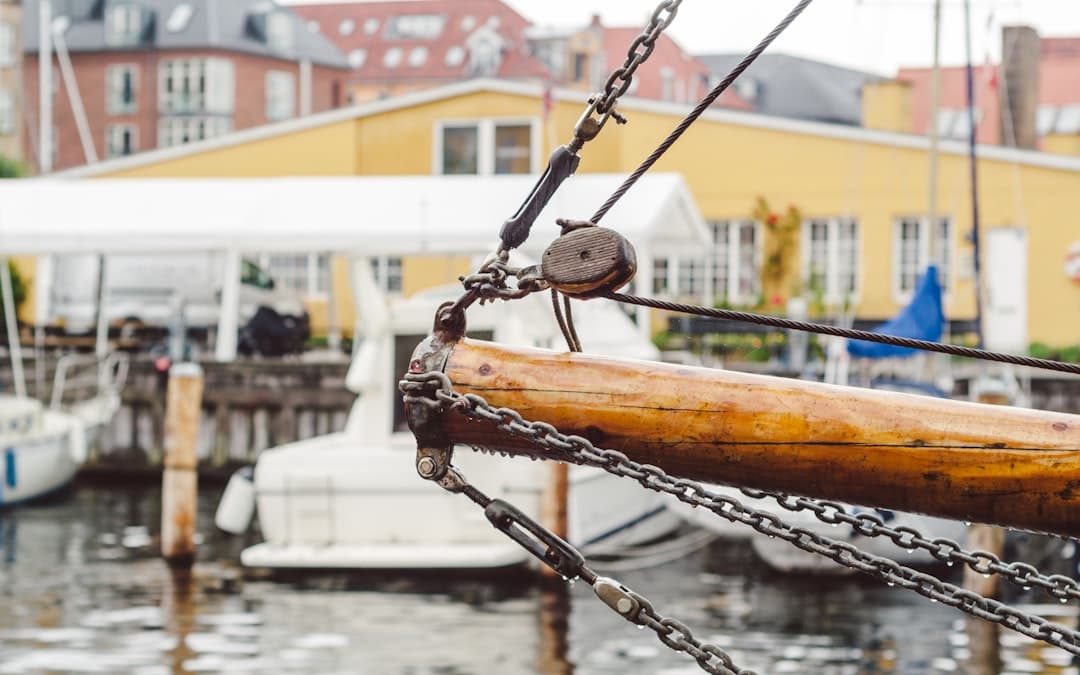
Rosenborg Castle
Rosenborg Castle is a 17th-century royal palace built by King Christian IV, one of Denmark's most ambitious and beloved monarchs. Completed around 1624, it served as the Danish royal family's main summer residence for nearly a century before becoming a museum in the early 19th century. It sits inside the King's Garden (Kongens Have), Copenhagen's oldest royal park, and its Dutch Renaissance towers and red-brick facade make it one of the most photographed buildings in the city — and genuinely one of the most striking. Inside, you move through 24 rooms arranged chronologically, each decorated as they were when royals actually lived here — think tapestries, silver furniture, painted ceilings, and the kind of accumulated royal clutter that feels both overwhelming and fascinating. The basement treasury is the real draw: it holds the Danish Crown Jewels, including the crown of Christian IV, Christian V's absolute regalia, and a remarkable collection of jewel-encrusted swords and ceremonial objects. The jewels are displayed under serious security and serious lighting, and they genuinely dazzle. The castle is busy in summer but rarely overwhelmingly crowded — the rooms are small, so you'll feel the intimacy of the space whether you like it or not. Arriving early on a weekday gets you the place almost to yourself. The King's Garden outside is free to enter and worth lingering in — locals use it as a lunchtime park, there's a beloved puppet theater in summer, and the walk around the moat is one of the nicest short strolls in central Copenhagen.
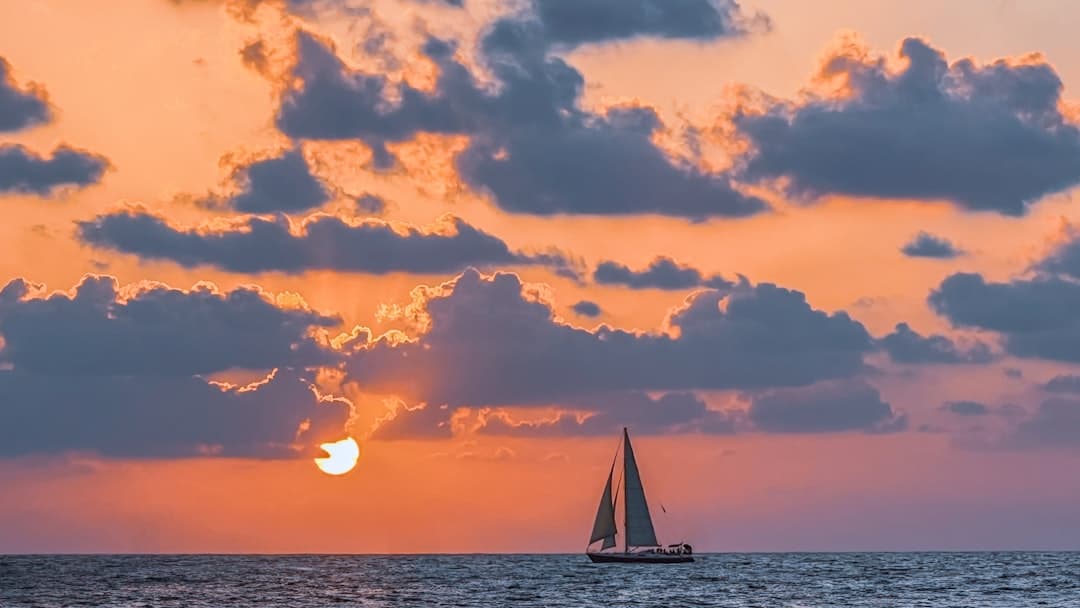
Rothschild Boulevard
Rothschild Boulevard is the most famous street in Tel Aviv — a wide, tree-lined promenade that stretches about two kilometers through the heart of the city, flanked by some of the densest concentrations of Bauhaus and International Style architecture anywhere on Earth. Tel Aviv's so-called White City, of which Rothschild is the centerpiece, is a UNESCO World Heritage Site, and walking this boulevard is the clearest way to understand why. The buildings here were mostly designed by Jewish architects who had studied in Germany and fled Nazi Europe in the 1930s, bringing the Bauhaus aesthetic — clean lines, flat roofs, ribbon windows, no decorative excess — to a city that was being built almost from scratch on Mediterranean sand dunes. The boulevard itself has a shaded pedestrian median running its full length, lined with ficus trees that form a canopy in summer. People walk dogs here, rent bikes, sit at outdoor tables of cafés that spill onto the path, or just lounge on benches in the late afternoon. The street is also historically loaded: Independence Hall, where David Ben-Gurion declared Israel's statehood in 1948, is at number 16. At the northern end, Habima Square and the Mann Auditorium anchor the cultural life of the city. The whole boulevard has a slightly self-conscious cool to it — this is where Tel Aviv's creative and professional class lives and works, and the energy reflects that. The best time to experience it is early evening, when the heat softens and the outdoor café scene comes alive. Start near Habima and walk south toward the Neve Tzedek neighbourhood, stopping at the small fountain squares along the way. Most of the Bauhaus buildings have plaques explaining their history, but if you want real depth, book one of the White City architecture tours that depart from the corner of Rothschild and Shadal — they run several times a week and are genuinely excellent.
Royal Automobile Museum
The Royal Automobile Museum sits in King Hussein Park in west Amman and houses one of the most personal car collections you'll find anywhere in the world — the private vehicles of Jordan's Hashemite royal family, spanning from the 1920s to the early 2000s. This isn't a generic automotive history exhibit. Every car here belonged to a real king, queen, or prince, and many come loaded with specific historical context: the Mercedes that carried King Hussein to a particular summit, the military jeeps used during the Arab-Israeli wars, the sports cars that reflected Hussein's well-documented love of speed and machinery. For anyone interested in 20th-century Middle Eastern history, the collection doubles as an unexpected political and personal archive. Inside the purpose-built museum, around 70 vehicles are displayed across a large, well-lit space. You'll move through a chronological and thematic layout — vintage royal motorcars, military vehicles, everyday family cars, and the kind of exotic sports machinery that Hussein famously collected and often drove himself. A Harley-Davidson motorcycle, various Land Rovers, a Porsche, and several Mercedes models all feature prominently. Informational panels provide context about each vehicle and its place in the family's story, though the cars themselves — many in immaculate condition — do most of the talking. The museum is located inside King Hussein Park, a large public green space on the western edge of the city, which means you can combine your visit with a walk in one of Amman's most pleasant outdoor areas. Admission is modest, the crowds are rarely overwhelming, and Tuesday closures catch a surprising number of visitors off guard — always worth checking before you go. This is a genuinely underrated stop in a city where most tourists funnel through the Citadel and the Roman Theatre.
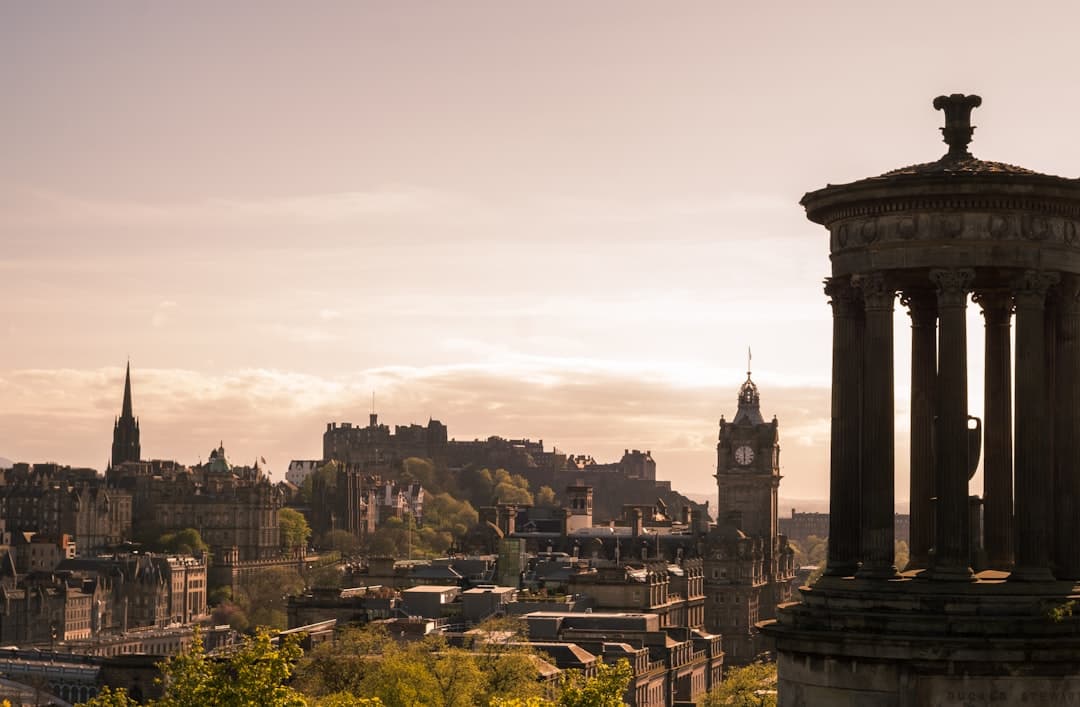
Royal Botanic Garden Edinburgh
The Royal Botanic Garden Edinburgh is one of the oldest botanic gardens in the world, founded in 1670 — originally as a physic garden growing medicinal herbs near Holyrood. It moved to its current site in Inverleith in the 1820s and has grown into a 70-acre landscape that combines serious scientific research with one of the most beautiful green spaces in Scotland. It's free to enter the grounds (you pay only for the glasshouses), which makes it one of the best-value afternoons in Edinburgh. Walking through the garden, you move through distinct worlds: the famous Rock Garden, which tumbles dramatically down a hillside and peaks in late spring with alpine flowers; the Victorian Temperate Palm House, one of the tallest in Britain; the Chinese Hillside and its excellent collection of rhododendrons; and the John Hope Gateway visitor centre near the West Gate, named after a pioneering former director. The glasshouses — ten in total — shelter plants from tropical rainforests, arid deserts, and everything in between. On a clear day, the views north to Arthur's Seat and Calton Hill from across the lawn are quietly spectacular. The garden is busiest on sunny weekend afternoons in spring and summer, so arriving mid-morning on a weekday gives you the paths largely to yourself. The Terrace Café near the East Gate is a reliable lunch stop with outdoor seating that overlooks the garden. If you're visiting in February, the glasshouse orchid festival is genuinely worth planning around. The garden also acts as a research institution with sister gardens at Benmore, Logan, and Dawyck — buying a joint-access pass is worth it if you're planning to explore beyond Edinburgh.
Royal Botanic Garden Sydney
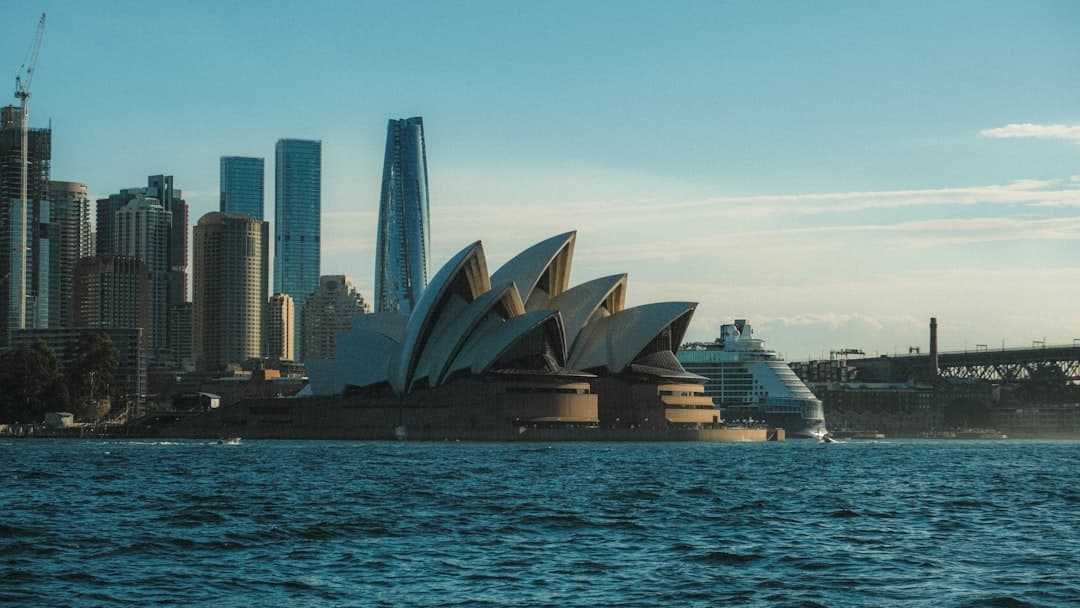
The Royal Botanic Garden Sydney is one of the oldest scientific institutions in Australia, established in 1816 on the site where the First Fleet's initial farm once stood. It sits right on the edge of Sydney Harbour, wedged between the Opera House and the Domain, putting it at the geographic and cultural heart of the city. For visitors, it's one of the rare places in Sydney where you can slow down without actually leaving the action — the CBD skyline, the Harbour Bridge, and the Opera House are all visible from within the grounds. The garden spans around 30 hectares and is divided into themed sections — a rose garden, a succulent garden, a rainforest walk, a fernery, and extensive plantings from around the world. The real highlight is simply wandering the harbour foreshore path, which offers some of the most photographed views in Australia. The resident ibis (known affectionately and somewhat reluctantly by Sydneysiders as 'bin chickens') are a genuine character of the place, and the colony of grey-headed flying foxes that roosts in the trees is genuinely extraordinary — thousands of large bats hanging in the canopy above you. The free-to-enter Calyx building near the Domain entrance is a striking glasshouse worth stepping into. Entry is free, which makes this one of Sydney's great democratic pleasures — equally popular with office workers on lunch breaks, families on weekends, and tourists making the walk between Circular Quay and the Domain. The garden closes in the late afternoon (hours vary by season), so morning visits are best for light and fewer crowds. The path from the Opera House forecourt through the gardens toward Mrs Macquaries Chair is one of the finest walks in the city.