
All Places
1,073 places around the world
1,073 places · page 33 of 45
Pueblito Paisa
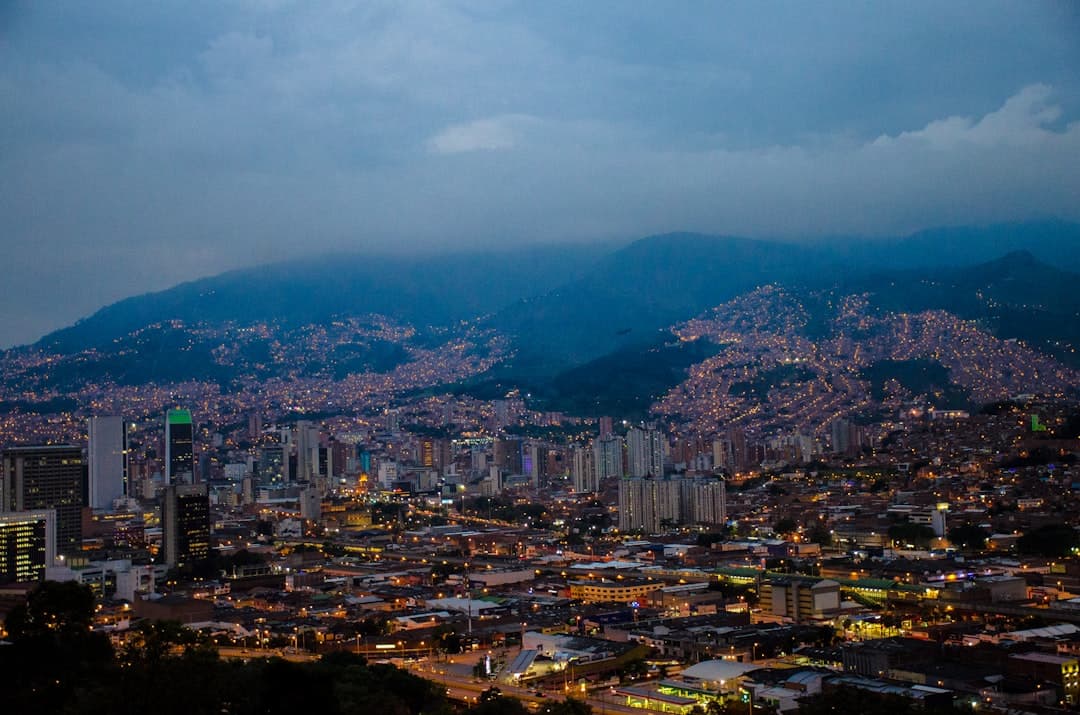
Pueblito Paisa is a full-scale replica of a traditional Antioquian village built on the summit of Cerro Nutibara, one of the low hills that rises from the urban fabric of Medellín. Constructed in 1978, it was designed to preserve and celebrate the architectural style and culture of the paisa people — the people of the Antioquia region — who historically settled Colombia's coffee-growing highlands. You'll find a mock-up of a colonial church, a central plaza, a barbershop, a notary office, and a handful of traditional buildings, all arranged around a cobblestone square in the style of a 19th-century Antioquian town. It's a deliberate, affectionate time capsule, and it draws both tourists and local families. The experience here is genuinely pleasant. You climb up through Cerro Nutibara — the hill itself is a public park with open-air sculpture and shaded paths — and arrive at the village square, where vendors sell empanadas, buñuelos, and fresh juices. The replicated buildings are atmospheric and photogenic, and the church, though small, has the whitewashed walls and terracotta roof typical of the region. But the real reason most people make the ascent is the view: from the summit you get a sweeping 360-degree panorama of Medellín spread across its valley, the surrounding mountains folding in on every side. It's one of the most accessible vantage points in the city. Pueblito Paisa is free to enter and takes less than two hours to fully explore. It sits in the Belén district, roughly southwest of the city center, and is easily reached by taxi or metro. Go in the morning on a weekday if you want it to yourself — weekends bring out local families in numbers and the square gets lively and loud, which is its own kind of fun. The hill also hosts the Museo de Ciudad on its lower slopes, worth a quick look if you're interested in Medellín's urban history.
Puerta del Sol
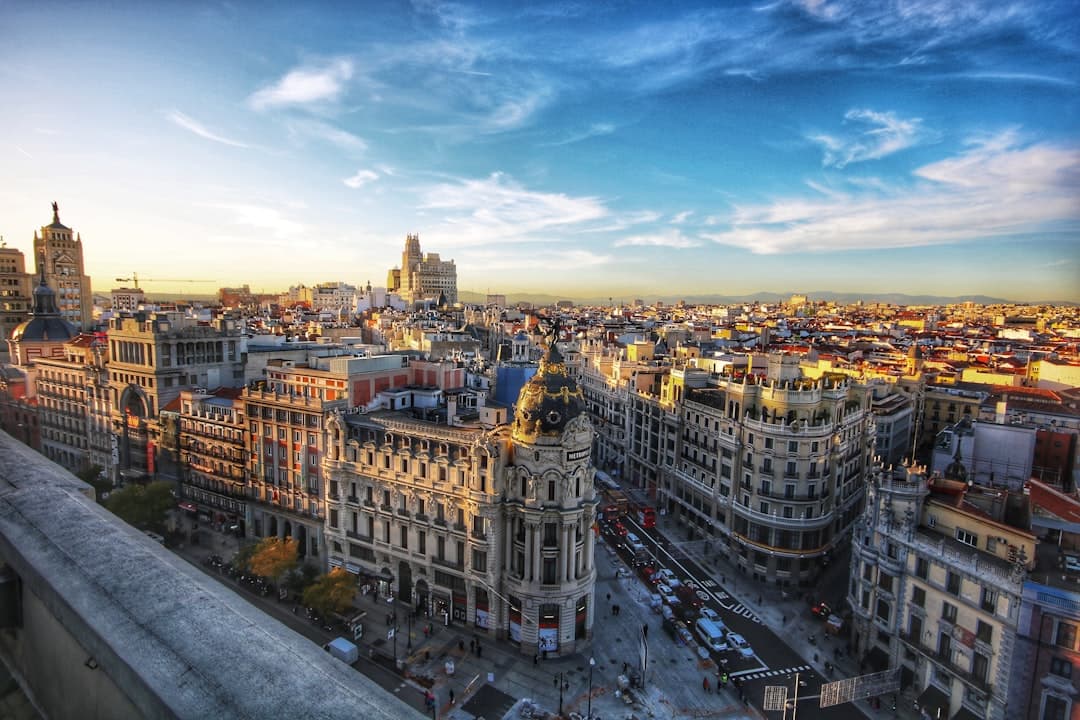
Puerta del Sol is the geographic and symbolic center of Madrid — and by extension, of Spain itself. A large, semi-elliptical plaza in the heart of the city, it's the point from which all national distances are measured, marked by a small stone slab called Kilómetro Cero embedded in the pavement outside the regional government building. It's been a gathering place for centuries, witnessing everything from royal proclamations to revolutionary uprisings, and today it functions as the city's most recognizable crossroads: transit hub, meeting point, and perpetual street-level theater. Walking into the square, you're surrounded by a ring of 19th-century neoclassical façades, dominated by the Real Casa de Correos — the old post office now serving as the seat of the Community of Madrid — topped by its famous clock tower. The bronze bear-and-strawberry-tree sculpture on the eastern side (El Oso y el Madroño) is Madrid's emblem and the obligatory photo stop. Tram-like electric billboards, chestnut vendors in winter, and a near-constant stream of Madrileños and visitors give the place a buzz that never really goes away, even late at night. Practically speaking, Sol is more of a launchpad than a destination — you'll pass through it constantly because three metro lines converge here and the Preciados and Arenal pedestrian shopping streets radiate out from it. The best move is to arrive in the evening, when the light softens and the city starts to come alive, then use it as a starting point for the surrounding streets toward Callao, La Latina, or the tapas bars of Huertas.
Puerto Madero
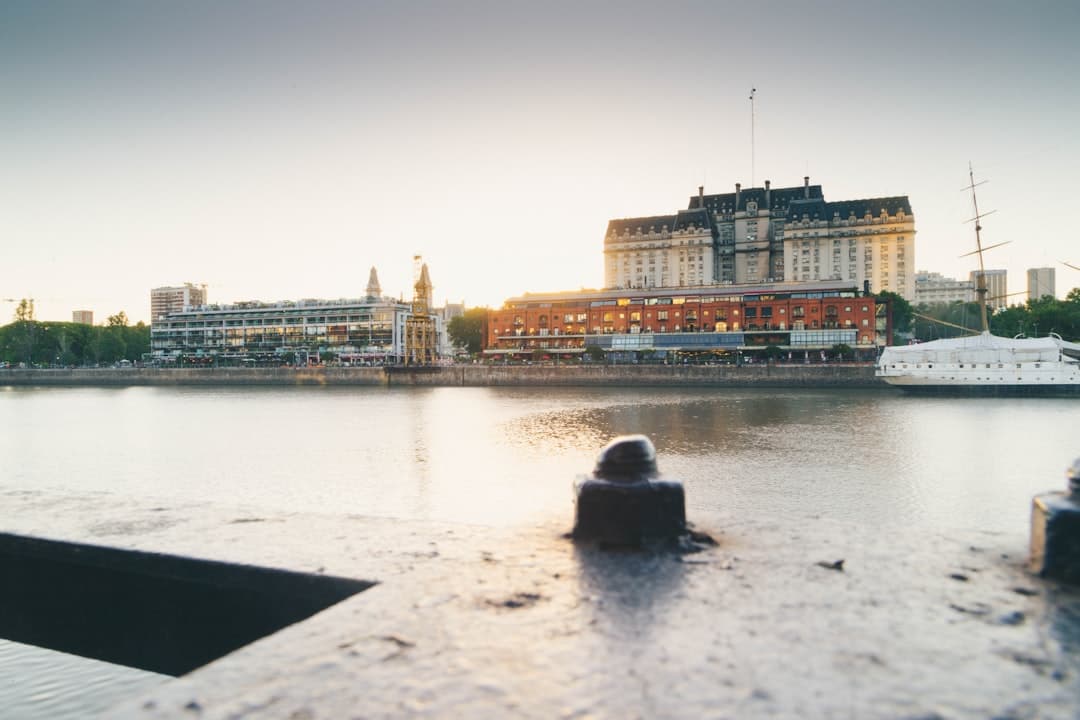
Puerto Madero is Buenos Aires' newest and most dramatically transformed neighborhood — a defunct 19th-century port on the eastern edge of the city that was left derelict for decades before being comprehensively redeveloped in the 1990s into what is now the city's most polished and expensive district. It sits right along the Río de la Plata, flanked by a series of brick-faced docks (diques) that now house restaurants, bars, offices, and hotels, connected by a network of footbridges over calm inner waterways. It's the kind of place that could feel sterile but somehow manages to feel genuinely pleasant — partly because of the scale of the water, partly because of the Reserva Ecológica next door. Walking Puerto Madero means strolling along the brick-lined dockside promenade, crossing the iconic Puente de la Mujer — a striking white rotating pedestrian bridge designed by Spanish architect Santiago Calatrava, meant to evoke a couple mid-tango — and ducking into the old dock buildings, now converted into upscale restaurants and the occasional cultural space. The ARA General Belgrano frigate and the corbeta Uruguay, a historic naval vessel that participated in early Antarctic expeditions, are moored nearby and open for visits. At the southern end, the Reserva Ecológica Costanera Sur offers an unexpected escape into wild coastal wetlands teeming with birds, just minutes from the skyscrapers. Puerto Madero is unmistakably expensive by Buenos Aires standards — this is where the expense-account steakhouses and luxury hotels cluster — but you don't need to spend big to enjoy it. The waterfront promenade is free, the ecological reserve is free, and the light in the late afternoon, bouncing off the water and the old brick docks, is genuinely beautiful. Come here for a long evening walk followed by dinner, or time your visit for sunset and then head back into the city for the night.
Punta Laguna
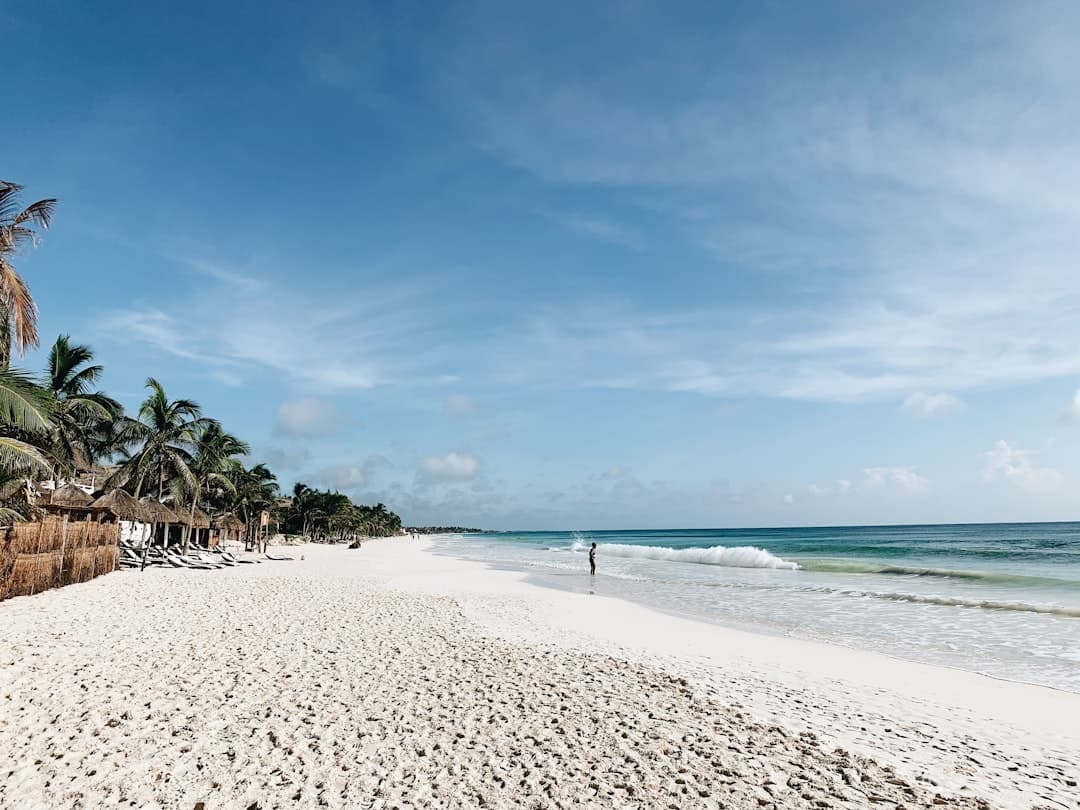
Punta Laguna is a small community-run nature reserve tucked into the forest between Cobá and Tulum, centered on a beautiful jungle lake of the same name. It's managed by the local Maya community of Nuevo Durango, who serve as guides and guardians of the land — which means your entrance fee goes directly to the families who live here rather than a distant tourism company. That community-ownership model is part of what makes it special, but honestly, the wildlife is the main draw: this is one of the most reliable places in the Yucatán Peninsula to see spider monkeys and howler monkeys in the wild, in their actual habitat, without a zoo fence in the way. A typical visit involves a guided walk through dense tropical forest to the lake, with stops to spot monkeys overhead and, if you're lucky, coatis, tropical birds, and other wildlife along the trail. There are also small Maya ruins scattered through the reserve — nothing on the scale of Cobá or Chichén Itzá, but atmospheric and genuinely ancient, and made more interesting when a monkey drops into the canopy above you mid-explanation. On and around the lake, visitors can rent kayaks, zipline over the water, or take a short rope-swing plunge — low-key adventure infrastructure that suits the place's unhurried character. Guides speak some English, and while the experience is rustic, it's well-organized. Get here early — before 9am if you can — because the monkeys are most active in the cool morning hours and the crowds (mostly day-trippers from Tulum) arrive mid-morning. The reserve sits about 45 minutes northwest of Tulum on the road toward Cobá, making it a natural pairing with a Cobá visit on the same day. There's no food sold inside beyond snacks, so eat before you arrive or bring something. The entrance fee is paid on-site in cash — bring pesos.
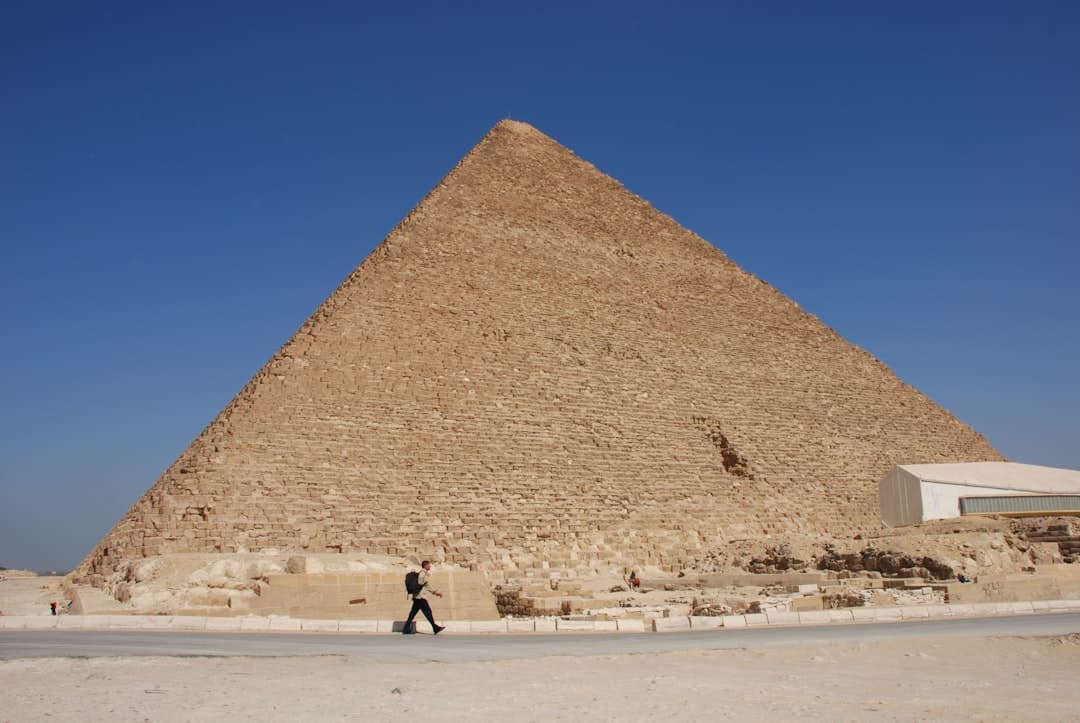
Pyramids of Giza
The Pyramids of Giza are three massive stone structures built on a limestone plateau just outside Cairo, constructed as royal tombs for the pharaohs Khufu, Khafre, and Menkaure during Egypt's Old Kingdom period, around 2560–2510 BCE. The Great Pyramid of Khufu was the tallest man-made structure on earth for nearly 4,000 years. These weren't built by slaves — current archaeological evidence points to a paid, skilled workforce — and the engineering precision involved remains staggering. Standing in front of them for the first time, most people find themselves genuinely speechless, not because of the hype, but because nothing quite prepares you for the sheer physical scale. Most visitors spend time walking or riding between the three main pyramids, exploring the surrounding field of smaller queens' pyramids and mastaba tombs, and visiting the Great Sphinx — a limestone statue with the body of a lion and the head of a pharaoh that sits on guard nearby. You can pay extra to enter the interior of the Great Pyramid, though the chambers are small, the passages low and steep, and the experience is more claustrophobic than awe-inspiring for most people. The plateau also offers a famous panoramic viewpoint — usually reached by camel, horse, or quad bike — where all three pyramids align in a single frame. The Solar Boat Museum houses a 4,600-year-old cedar vessel found buried beside the Great Pyramid, largely reconstructed and preserved inside. The surrounding area is famously chaotic — camel touts, postcard sellers, and unofficial guides are persistent, and the main entrance zone can feel overwhelming. Going early is the single best piece of advice: gates open at 7am and the first two hours are genuinely quieter, cooler, and more manageable. Tickets are tiered — there's a base plateau ticket, and separate paid entries for the pyramid interiors and the Solar Boat Museum. Hiring a licensed guide through your hotel or a reputable company makes a real difference to understanding what you're looking at.
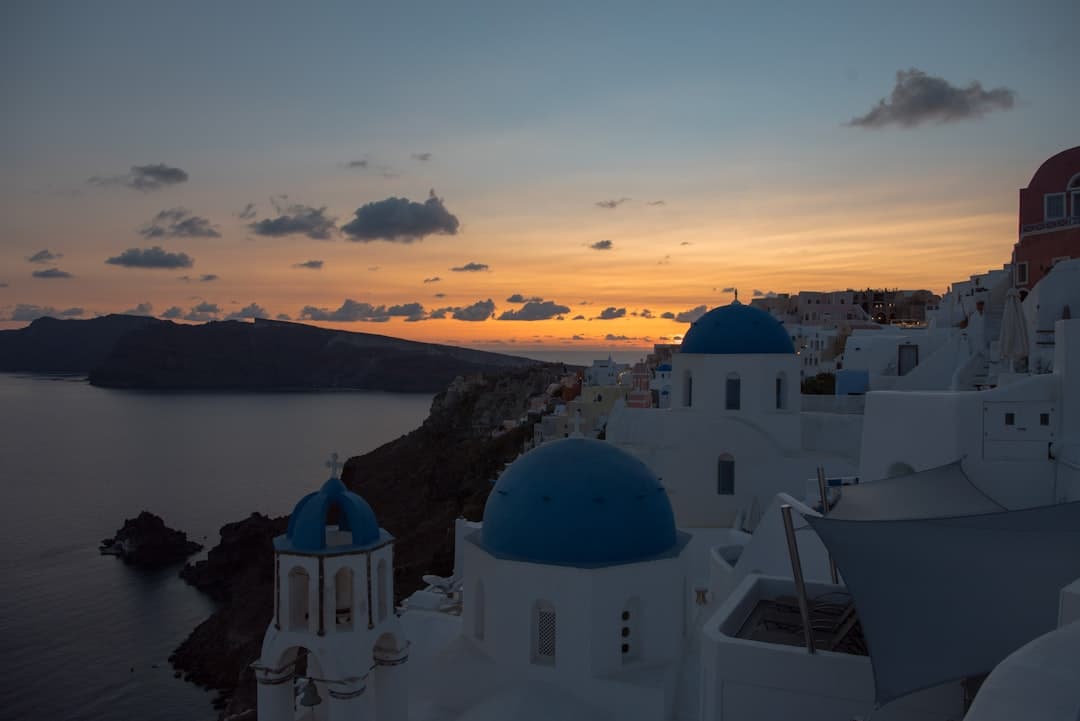
Pyrgos
Pyrgos is a hilltop village in the center of Santorini, and for a long time it was the island's capital — a fact that explains the layered, fortress-like architecture that sets it apart from the cliff-edge showpieces of Oia and Fira. Built during the Venetian period as a defensive settlement, the village spirals upward in concentric rings toward a ruined Kasteli castle at its summit, with whitewashed houses stacked so tightly they were designed to form a single protective wall. Today it's the quietest and most intact of Santorini's medieval villages, with a population of a few hundred and a pace that hasn't been engineered for Instagram. Walking through Pyrgos is genuinely exploratory — narrow stepped lanes branch off in unexpected directions, Byzantine churches appear at nearly every corner (the village supposedly has more churches per capita than anywhere else on the island), and the higher you climb, the better the views become. From the Kasteli ruins at the very top, you get a panoramic sweep across the entire island: the caldera and its famous cliffs to the west, the Aegean to the east, and Profitis Ilias monastery on the ridge just above. The village also has a handful of excellent restaurants, including Franco's Café near the top, which has been drawing visitors for its sunsets and cocktails for decades. Pyrgos is best visited in the morning or early afternoon, when the light is sharp and the lanes are empty. Most Santorini visitors are either sleeping off the previous night in Oia or staging themselves for caldera-view sunsets, which means Pyrgos gets a fraction of the foot traffic it deserves. It's about a fifteen-minute drive from Fira, and there are local buses, but a rental car or scooter gives you the most flexibility. Come hungry — the tavernas here feed locals, not tour groups, and the prices reflect it.
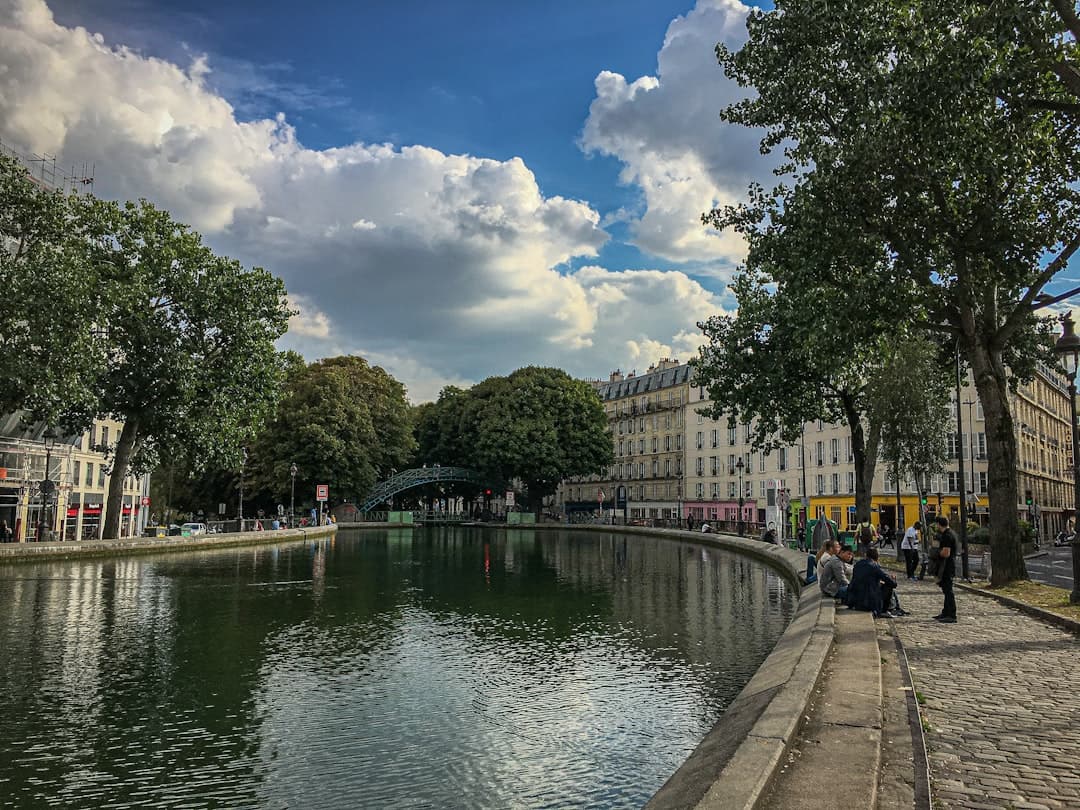
Père Lachaise Cemetery
Père Lachaise is the most visited cemetery in the world — and that tells you something. Opened in 1804 on the eastern edge of Paris, it was designed as a romantic garden cemetery at a time when the city's churchyards were overflowing and public health was a crisis. Napoleon's government promoted it aggressively, even relocating the remains of Molière and La Fontaine to draw the fashionable classes east. It worked. Today the cemetery covers 110 acres and holds around a million burials, from the merely prominent to the genuinely legendary. Walking through Père Lachaise is one of the great atmospheric experiences Paris offers. The grounds rise and fall over a hillside, with cobblestone paths winding between elaborate 19th-century tombs draped in ivy, angels frozen mid-gesture, and the occasional cat picking its way between headstones. You'll pass the graves of Frédéric Chopin, Marcel Proust, Édith Piaf, Oscar Wilde — whose tomb is covered in lipstick kisses despite a glass barrier installed to protect it — and Jim Morrison, which draws a particular brand of pilgrimage. The Mur des Fédérés, a plain stone wall in the eastern corner, marks where 147 Paris Commune fighters were shot and buried in 1871. It's a reminder that this is not just a celebrity garden — it's a compressed history of France. The cemetery is free to enter and open daily. Navigation is genuinely tricky — the official map available at the entrance gate is essential, and even with it you'll get pleasantly lost. The eastern and upper sections are quieter and feel more authentic; the western entrance near Boulevard de Ménilmontant is where most tourists arrive and where the famous graves cluster. Weekday mornings are the best time to visit — the light through the trees is extraordinary and the crowds are thin. Wear comfortable shoes because the ground is uneven and you will walk more than you expect.
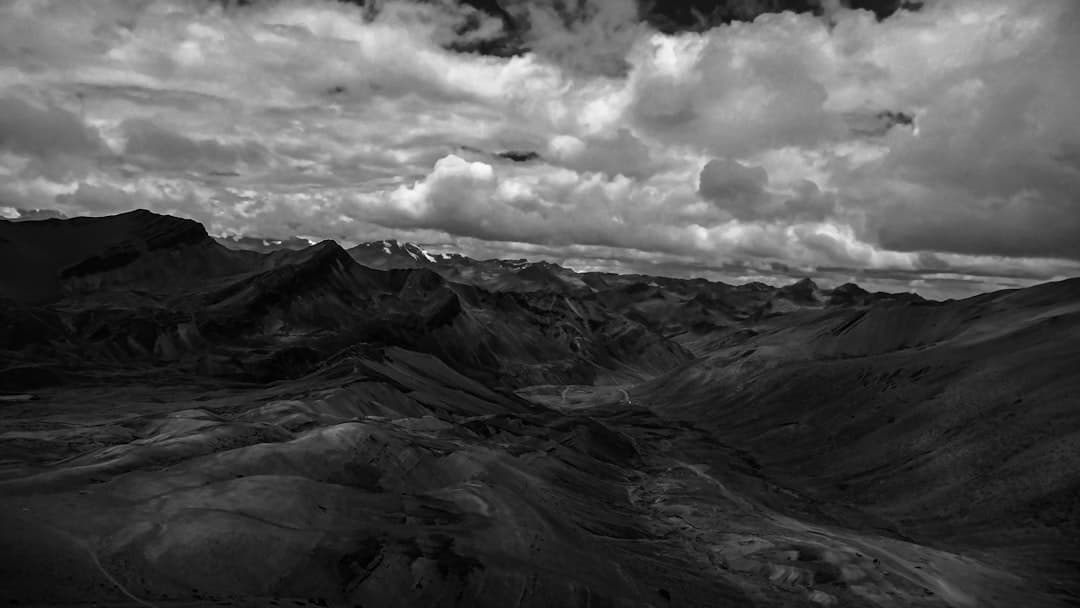
Qorikancha
Qorikancha — which means 'Golden Enclosure' in Quechua — was the most sacred site in the entire Inca Empire. Dedicated to Inti, the sun god, it once had walls lined with sheets of solid gold and a garden filled with life-sized gold and silver replicas of plants and animals. When the Spanish conquistadors arrived in the 1530s, they stripped all of that away and built the Convent of Santo Domingo directly on top of the Inca stonework. What you see today is one of the most viscerally affecting pieces of colonial history in South America: a Dominican church and convent rising out of perfectly fitted Inca stone foundations, the two civilizations literally stacked on top of each other. Inside, you move between worlds. The Inca rooms — curved, precisely cut, without mortar — survived the 1950 earthquake that damaged much of the Spanish construction, which is its own kind of poetic justice. You can walk through several original Inca chambers, see the niches where golden idols once stood, and look out at the curved exterior wall that has awed every visitor since the Spanish arrived. A small museum within the complex holds Inca artifacts and explains the site's cosmological significance. Outside, the garden wraps around the complex and offers a quietly beautiful space to decompress. Qorikancha sits right in the historic center of Cusco, a short walk from the Plaza de Armas. It's included in the Boleto Turístico Parcial (one of the partial tourist tickets) but can also be entered separately — and the entry fee is modest. Sunday hours are sharply reduced, so plan accordingly. Go early on weekdays to beat the tour groups; the light in the Inca chambers is best in the morning.
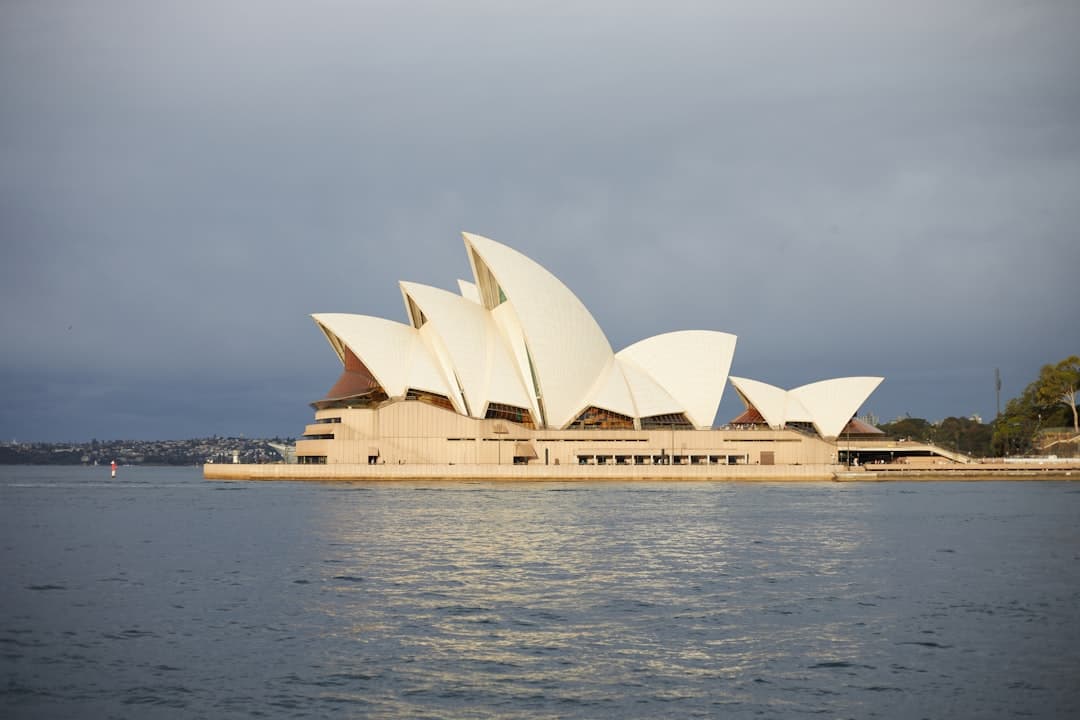
Quay Restaurant
Quay is one of Australia's most celebrated fine dining restaurants, perched on the upper level of the Overseas Passenger Terminal at The Rocks, with floor-to-ceiling windows framing an unobstructed view of the Sydney Opera House and Harbour Bridge. Chef Peter Gilmore has led the kitchen for over two decades, earning multiple hats in the Sydney Morning Herald Good Food Guide and consistently placing on the World's 50 Best Restaurants list. This is the kind of place Sydneysiders save up for — a meal here is a landmark event, not a casual dinner. The experience is built around Gilmore's distinctive philosophy: ingredients sourced obsessively from small Australian farms and producers, assembled into dishes that are technically intricate but emotionally resonant. His famous Snow Egg dessert — a meringue shell filled with guava granita and custard — became so iconic it appeared on MasterChef Australia and remains a touchstone of modern Australian cuisine. The tasting menu format means you surrender the evening to the kitchen, and courses arrive with careful, knowledgeable service that never tips into stiffness. The view as the sun sets over the harbor is genuinely one of the great dining backdrops on earth. Quay is serious about reservations — tables, especially window seats, book out weeks or months in advance for weekend evenings. Lunch service is often easier to secure and still delivers the full experience with daylight views. The dress code is smart; this isn't a jeans-and-sneakers room. Budget for a significant spend: the tasting menu is priced at the upper end of Sydney dining, and wine pairings add considerably. But for a milestone dinner — an anniversary, a birthday, a farewell to Sydney — it's hard to argue with the combination of food, setting, and craft on offer.
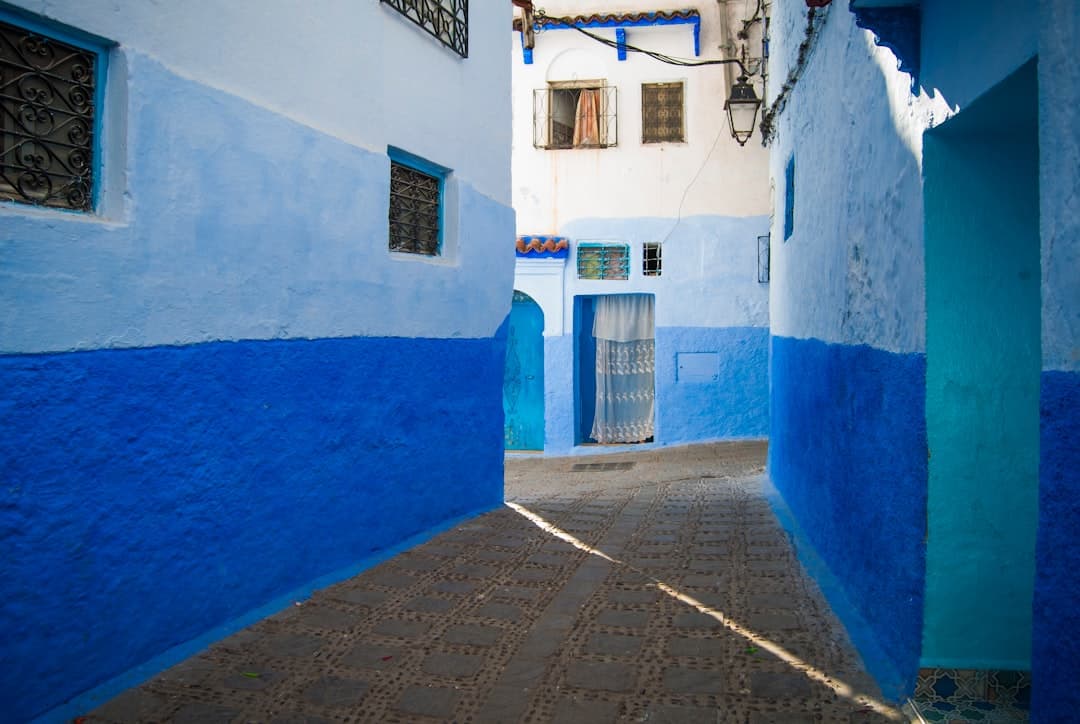
Quba Mosque
Quba Mosque holds a place unlike any other in Islamic history: it is considered the first mosque ever built, constructed by the Prophet Muhammad upon his arrival in Medina after the Hijra — his migration from Mecca — in 622 CE. The Prophet reportedly said that praying two rak'ahs here earns the reward of a full Umrah pilgrimage, which makes this site one of the most spiritually significant stops in all of Medina, second only to the Prophet's Mosque (Al-Masjid an-Nabawi) in the city centre. For the world's 1.8 billion Muslims, visiting Quba is not just sightseeing — it is an act of devotion with deep theological weight. The mosque you see today is a handsome modern structure rebuilt and greatly expanded by the Saudi government in the 1980s, capable of accommodating tens of thousands of worshippers. The architecture is clean and commanding — white marble, rows of domes, and four tall minarets that punctuate the skyline. Inside, the prayer halls are cool, serene, and beautifully maintained. The site marks the exact location where the Prophet laid the first stones himself, and a small area within preserves this historical core. Non-Muslim visitors are generally not permitted to enter mosques in Saudi Arabia, so this is a destination primarily for Muslim pilgrims and visitors. Quba sits in the southern part of Medina, about 5 kilometres from Al-Masjid an-Nabawi, making it an easy addition to any Medina itinerary — most visitors combine it with a broader tour of the city's religious sites. The mosque is open around the clock, but it comes alive particularly on Saturday mornings, when locals follow the Prophetic tradition of visiting Quba on that day. The surrounding area has cafes, date shops, and vendors selling Islamic books and prayer goods, so you can easily make a leisurely half-morning of the visit.
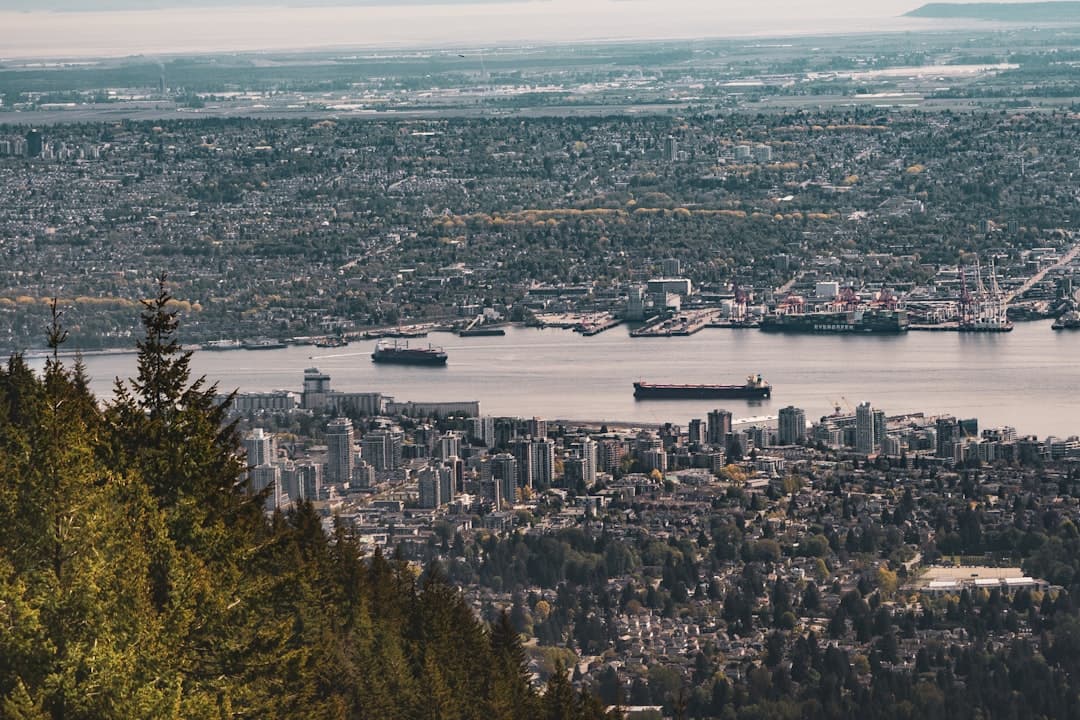
Queen Elizabeth Park
Queen Elizabeth Park sits at the highest point in Vancouver — Little Mountain, at about 150 metres above sea level — giving it sweeping panoramic views that take in the city skyline, the North Shore mountains, and on clear days, Mount Baker in Washington State. The park was developed in the 1930s and 40s on land that was once a basalt quarry, and the old quarry pits were ingeniously transformed into the sunken gardens that are now its most beloved feature. It's a genuinely surprising place: a manicured, flower-filled haven in the middle of a dense residential city, covering about 52 hectares. The experience centres on the quarry gardens — two of them, sunk into the old excavations — where roses, dahlias, begonias, and annuals are planted in dense, colourful beds that shift with the seasons. Wander the garden paths, then climb to the plaza at the summit for the views. There's also Bloedel Conservatory, a domed tropical greenhouse perched at the top of the hill, housing free-flying exotic birds and over 500 plant species. Couples shoot wedding photos here constantly — the garden backdrop with the city skyline behind it is genuinely hard to beat. The park is free to enter, though Bloedel Conservatory has a small admission charge. It draws a reliable mix of picnicking families, joggers, dog walkers, and visitors on a city sightseeing tour — it's busy on weekends but rarely feels oppressive. The Seasons in the Park restaurant sits at the summit and has been a Vancouver institution for decades, worth noting if you want a meal with a view. Parking is available on site. Transit-wise, buses run along Cambie Street and it's about a 10-minute walk from there.
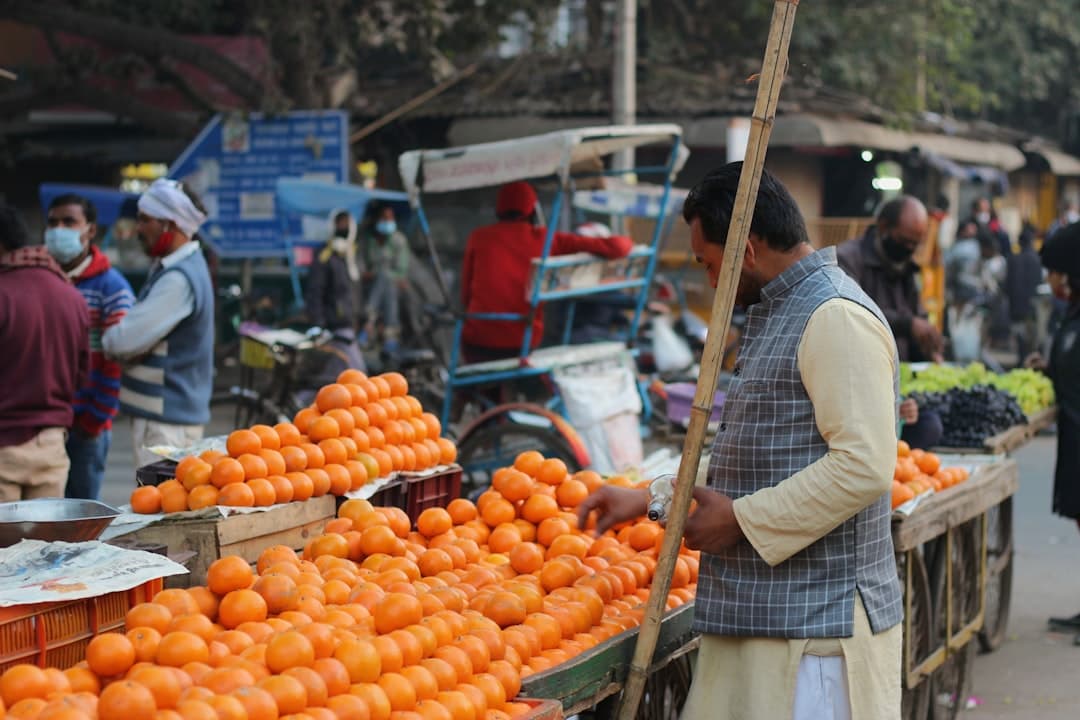
Qutub Minar
The Qutub Minar is a soaring sandstone tower built in the early 13th century by Qutb ud-Din Aibak, the founder of the Delhi Sultanate — the first Muslim dynasty to rule Delhi. At 73 metres tall, it was the tallest minaret in the world when it was completed, and it remains the tallest brick minaret on earth today. The complex around it, known as the Qutb complex, is a UNESCO World Heritage Site and one of the most important surviving examples of early Islamic architecture in India. It was built using materials taken from demolished Hindu and Jain temples, which gives the whole site a layered, complicated historical identity that makes it far more interesting than a straightforward monument. Visiting means wandering a wide, well-maintained complex of ruins rather than simply staring up at a tower. The minaret itself is off-limits to climb — the interior stairs were closed after a stampede in 1981 — but it's worth circling slowly and reading the intricate Quranic inscriptions carved into the stone. Nearby, the Iron Pillar of Delhi is one of the stranger objects you'll encounter anywhere in the subcontinent: a 7-metre-tall column forged around 400 CE that has barely rusted in over 1,600 years, a metallurgical feat that still baffles scientists. The ruins of the Quwwat ul-Islam mosque, the incomplete Alai Minar (Alauddin Khalji's abandoned attempt to build a minaret twice the height of Qutub), and the tomb of Iltutmish are also scattered across the grounds and each has its own story. The complex is in Mehrauli in South Delhi, about 14 kilometres from Connaught Place, and is best reached by metro — Qutab Minar station on the Yellow Line drops you a short auto-rickshaw ride from the entrance. Come early in the morning when the light is warm and the crowds are thin. The Archaeological Survey of India manages the site and charges a modest entry fee, with higher rates for foreign nationals. Friday mornings tend to be quieter than weekends. There are gardens and shaded lawns, so it's a pleasant place to slow down, not just rush through.
Rainbow Mountain
Rainbow Mountain — known locally as Vinicunca or Montaña de Siete Colores — is a 5,200-meter peak in the Andes southeast of Cusco whose slopes are streaked with vivid bands of red, gold, green, and turquoise. The colors come from different mineral deposits in the rock: iron sulfide, chlorite, and various oxides exposed by erosion and glacial retreat. For centuries this mountain was buried under glacial ice; it only became visible and accessible in the past decade or so as the glacier melted, which is why it went from virtually unknown to one of Peru's most-visited natural landmarks almost overnight. Getting here is the experience. Most visitors join a guided day trip from Cusco — a roughly 3-hour drive southeast to the trailhead near the village of Pitumarca, followed by a 6-kilometer trek across high-altitude pampa, past grazing alpacas and llamas, to the summit viewpoint. The trail itself gains about 400 meters and the altitude is brutal if you haven't acclimatized; many people hire horses at the trailhead if they're struggling. At the top, the view is genuinely staggering — not just the candy-striped flanks of Vinicunca itself, but the snow-capped peak of Ausangate, the highest mountain in the Cusco region, looming behind it. The single most important piece of advice: go early. Tours that depart Cusco by 4am reach the trailhead before the crowds and finish the hike before afternoon thunderstorms roll in. Spend at least two full days acclimatizing in Cusco before attempting it — altitude sickness at 5,200 meters is no joke. The opening hours listed online are largely irrelevant; the mountain itself has no gate, but organized tours operate on their own schedules. Note that a community entry fee is charged at the trailhead.
Rainbow Street
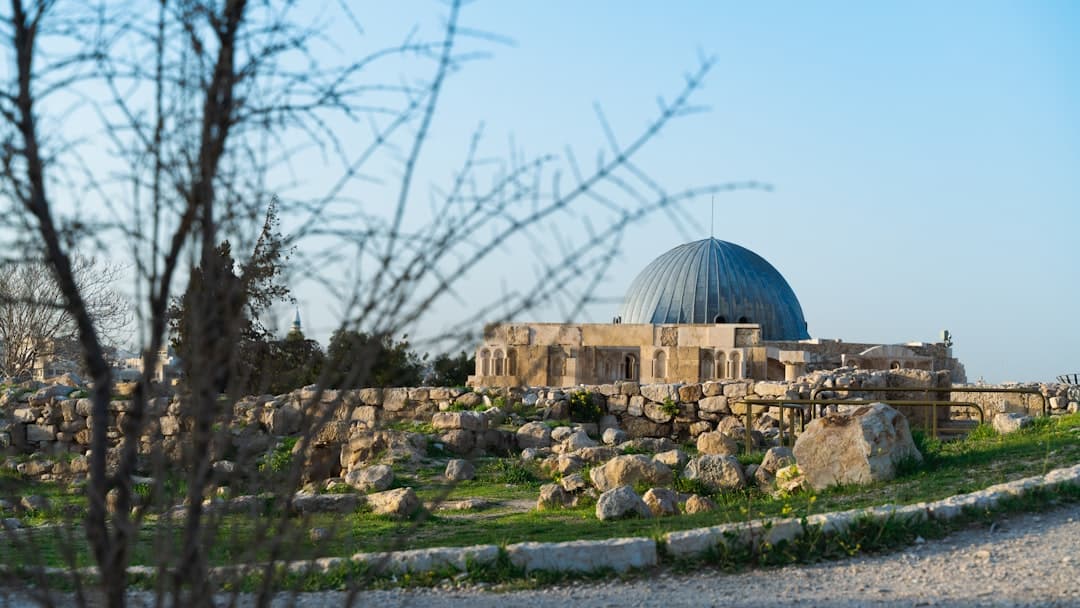
Rainbow Street is the social heartbeat of Amman's old Jabal Amman neighborhood, a winding hilltop road that has become the city's most famous gathering place for locals and visitors alike. Lined with Ottoman-era stone houses converted into cafés, restaurants, bookshops, and boutiques, it captures the layered character of a city that is simultaneously ancient and energetically modern. It's the kind of street that rewards slow wandering — there's always something to look at, taste, or stumble into. On any given evening, the street fills with Ammanites of all ages: families pushing strollers, university students nursing Arabic coffee, couples sharing mezze on candlelit terraces. The cafés are the main draw — places like Books@Café, one of the region's first openly LGBT-friendly spaces and a Amman institution, and Shams El Balad, a beloved spot championing slow food and organic Jordanian produce. Street vendors sell corn and ka'ak (sesame bread rings) from carts, and the whole stretch has an easy, unhurried rhythm that feels genuinely local rather than performed for tourists. Rainbow Street is best experienced in the late afternoon and into the evening, when the heat softens and the street comes fully alive. It's walkable from the First Circle area and within easy reach of the Roman Amphitheater and Downtown Amman. Friday evenings in particular draw a lively crowd. Avoid driving here — parking is a headache and the street is narrow. Most cafés and restaurants don't require reservations, though popular spots can fill quickly on weekends.
Rangitoto Island
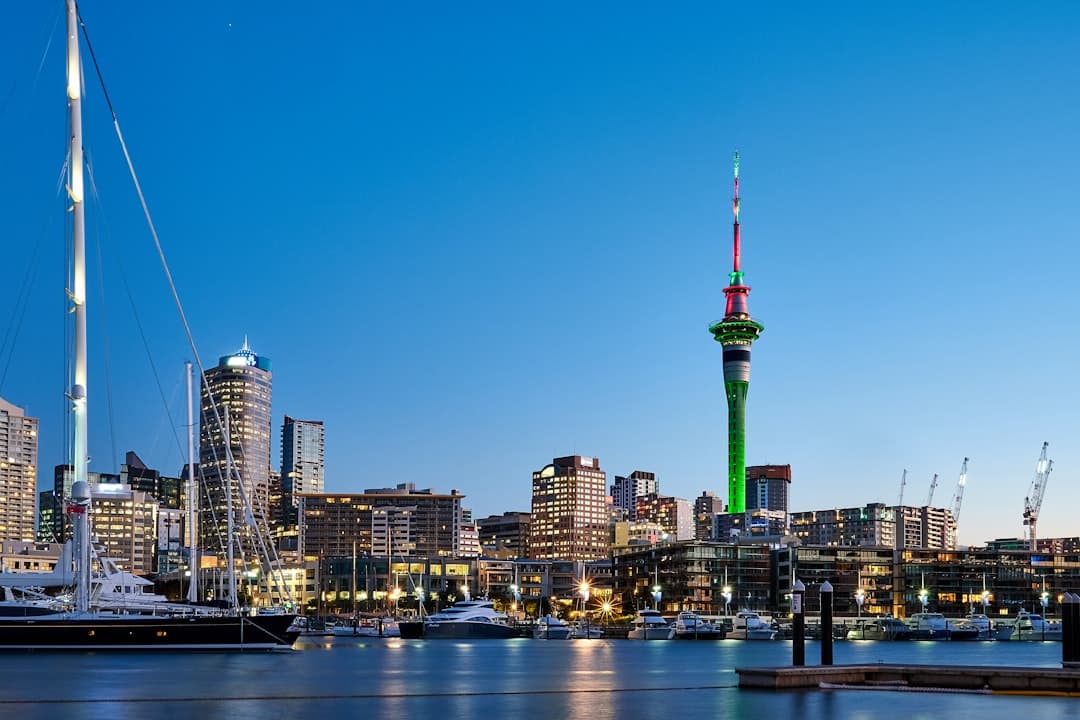
Rangitoto Island is a dormant volcano rising out of the Hauraki Gulf just 8 kilometres from downtown Auckland, and it's one of the most distinctive landmarks in New Zealand. It erupted from the sea around 600 years ago — making it Auckland's youngest and largest volcano — and Māori people of the region, Ngāti Paoa, witnessed its formation. The island is a Department of Conservation reserve and is completely uninhabited today, though a small community of bach (holiday cottage) owners existed there until the mid-20th century. That flat-topped, symmetrical silhouette you see from the Auckland waterfront? That's Rangitoto, and visiting it in person delivers on the view's promise. The main draw is the summit walk, a 2.5-kilometre trail through an extraordinary lava field landscape draped in the world's largest pohutukawa forest — those iconic red-flowered coastal trees that bloom in December. The walk takes about 90 minutes return from the wharf and rewards you with panoramic views across the Hauraki Gulf, out to the Coromandel Peninsula, and back across Auckland's sprawl. There are also lava caves to explore near the summit track junction, a novelty even for seasoned hikers. The terrain is raw and rocky — this is young geology, and it looks it. Ferries run from Downtown Auckland's Ferry Building at Quay Street, operated by Fullers360, with the crossing taking about 25 minutes. The island has no shops, cafes, or facilities beyond basic toilets near the wharf, so come self-sufficient. The last ferry back is the critical thing to watch — miss it and you're marooned. Most visitors do a half-day return trip, but the island rewards those who linger and explore the quieter coastal tracks away from the summit crowds.
Rapperswil
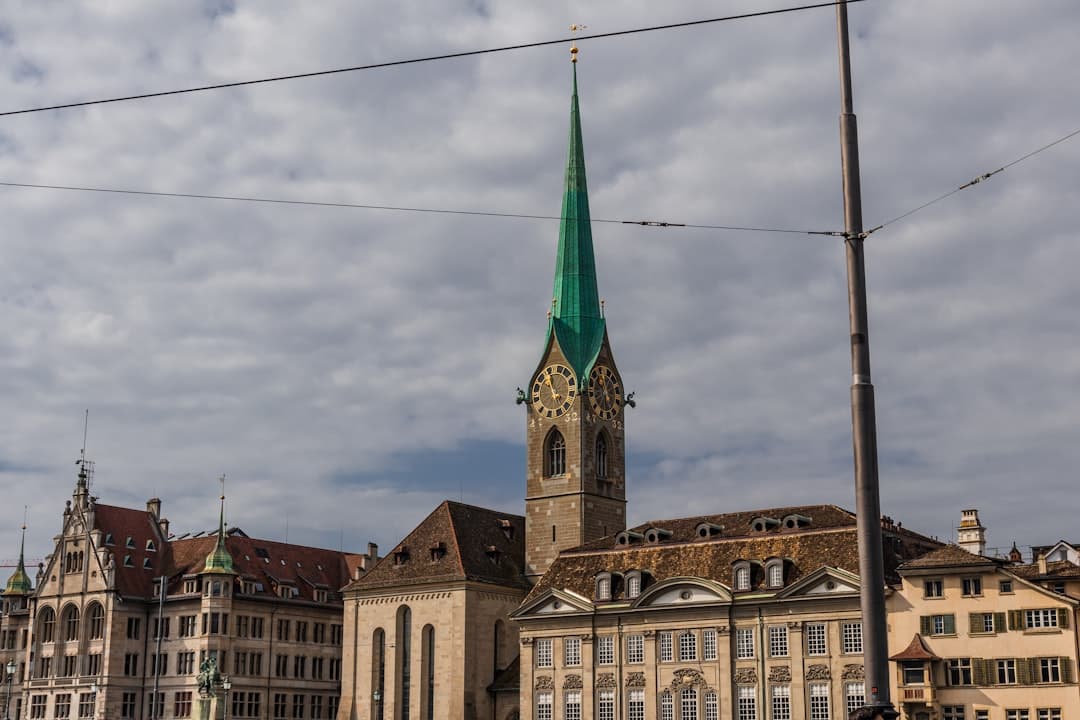
Rapperswil is a small lakeside town on the eastern shore of Lake Zurich, often called the 'Town of Roses' for the thousands of rose bushes that bloom across its hillside gardens and castle grounds every summer. It sits at a narrow point in the lake where a wooden causeway and bridge have connected the two shores since the Middle Ages, and the old town — dominated by a 13th-century castle — is one of the best-preserved in the canton of St. Gallen. It's technically its own municipality, Rapperswil-Jona, but visitors almost universally come for the Rapperswil side: the cobblestone alleys, the castle, the roses, and the water. The experience here is genuinely unhurried. You walk up through the old town past café terraces and boutique shops to Schloss Rapperswil, which has views over the lake in both directions that are hard to beat on a clear day. Below the castle, the Lindenhügel hill is covered in rose gardens — the Rosengarten has over 600 varieties — and there's a small deer enclosure nearby that kids love. The wooden pedestrian bridge stretching out across the lake is one of the most satisfying walks in the region: nearly 800 metres long, lined with solar panels, and offering unobstructed views of the Alps on a fine day. The harbour area is lively with boat traffic, paddleboarding, and lake swimming in summer. Rapperswil is an easy and very rewarding half-day trip from Zurich on the S-Bahn (S5 or S7 from Zurich HB), and it pairs well with a boat ride back — the ZSG lake steamers run between Rapperswil and Zurich on a scenic 90-minute route. Arrive by mid-morning on weekdays if you want the old town relatively quiet; weekends in summer it gets crowded but remains charming. The Polish Museum inside the castle — a legacy of the large Polish exile community that formed here in the 19th century — is a genuinely unexpected and moving institution worth ducking into.
Rawai Beach
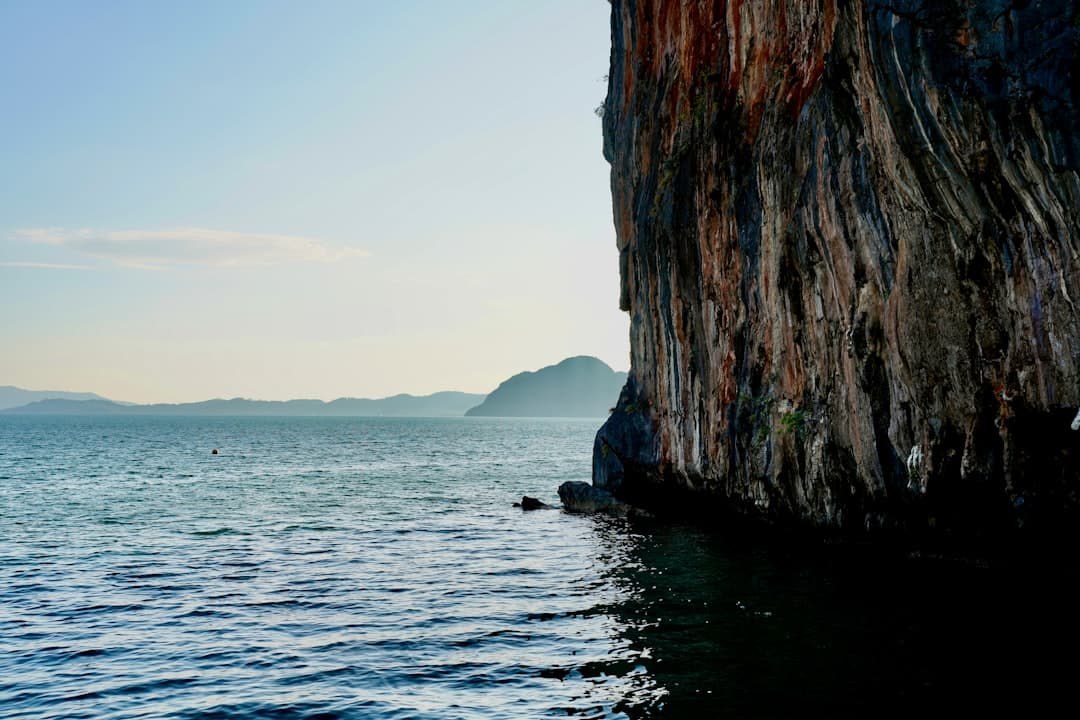
Rawai Beach sits at the southern tip of Phuket, a long curve of coastline that has largely resisted the full resort treatment that swept through Patong and Kata decades ago. It's not a swimming beach — the shallow, rocky tidal flats and boat traffic make that impractical — but that's exactly what gives it its character. This is a working waterfront first and a tourist destination second, and locals have kept it that way. What you actually do at Rawai is eat, explore, and slow down. The seafood market that lines the beach road is the heart of it: vendors pile fresh prawns, crabs, squid, and whole fish on beds of ice, and you pick what you want, negotiate a price, then carry it to one of the adjacent restaurants to have it cooked to order. It's one of the most satisfying eat-your-own-way experiences in Phuket. Long-tail boats cluster at the pier, ready to ferry visitors out to Koh Lone, Koh Bon, or the Coral Island group — day trips that are genuinely easy to arrange on the spot. The Chao Ley (Sea Gypsy) village at the northern end of the beach adds a layer of living history; the Moken community here has roots going back centuries. Rawai is the kind of place that rewards you for not rushing. Come in the morning when the seafood is freshest and the light is good, hire a boat for a few hours, then settle into lunch at one of the open-air restaurants along Wiset Road. It draws a mix of long-stay expats, Thai families, and travelers who've done the busy beaches and want something with more texture. Skip it if you came to Phuket to swim from the sand — come if you want to eat brilliantly and feel like you've found a corner that still belongs to the island.
Reading Terminal Market
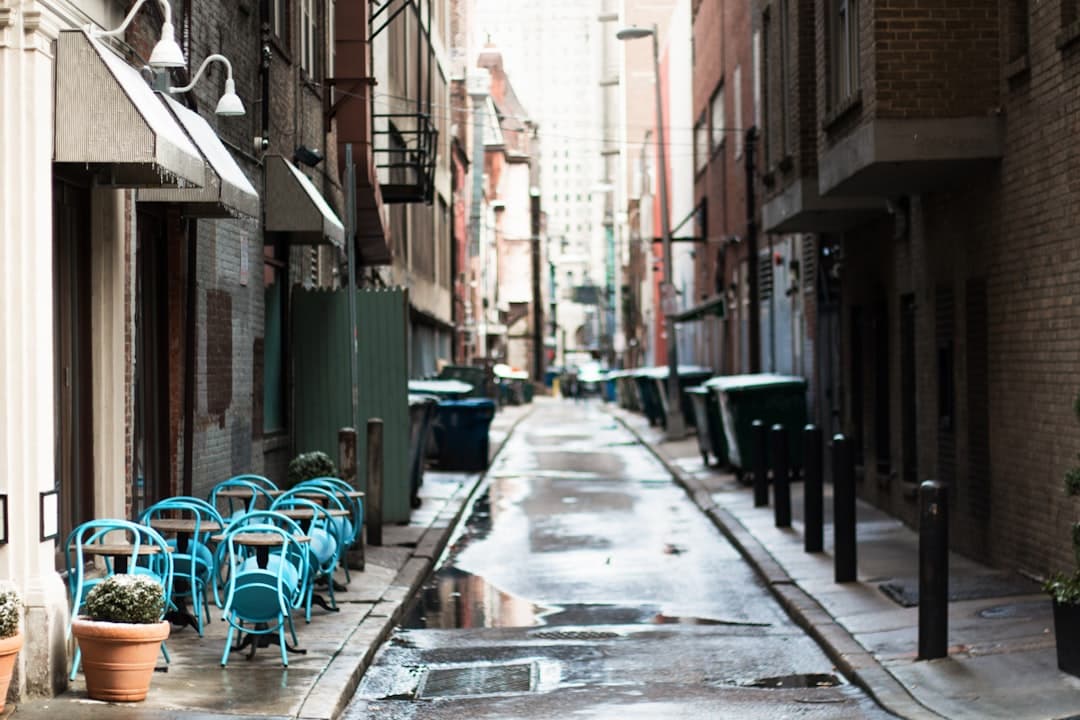
Reading Terminal Market is a vast, bustling indoor market housed in the ground floor of the old Reading Railroad terminal building in downtown Philadelphia. It has been operating continuously since 1893, making it one of the oldest and largest public markets in the United States. Over a hundred vendors crowd the market floor selling everything from fresh produce and butcher cuts to prepared food, baked goods, spices, and crafts — and it draws a fiercely loyal mix of locals doing their weekly shop and visitors who've made it a pilgrimage stop. The experience is sensory overload in the best possible way. You'll weave between stalls piled with Pennsylvania Dutch soft pretzels and shoofly pie from the Amish vendors (who come in from Lancaster County on Wednesdays through Saturdays), then pivot to DiNic's for what many argue is the greatest roast pork sandwich in America — topped with sharp provolone and broccoli rabe. Fisher's Soft Pretzels, Beiler's Donuts, and Bassetts Ice Cream (the oldest ice cream brand in the country, founded 1861) are fixtures. The midday crowd can be thick and chaotic, but that's part of the charm. The market sits right next to the Pennsylvania Convention Center, which means it can get slammed during major events — come early on weekday mornings if you want a calmer experience and first pick of the best bread and pastries. Arrive hungry and without a fixed plan. The Amish vendors don't operate on Sundays or Mondays, so if seeing that side of the market is important to you, plan accordingly.
Real Mary King's Close
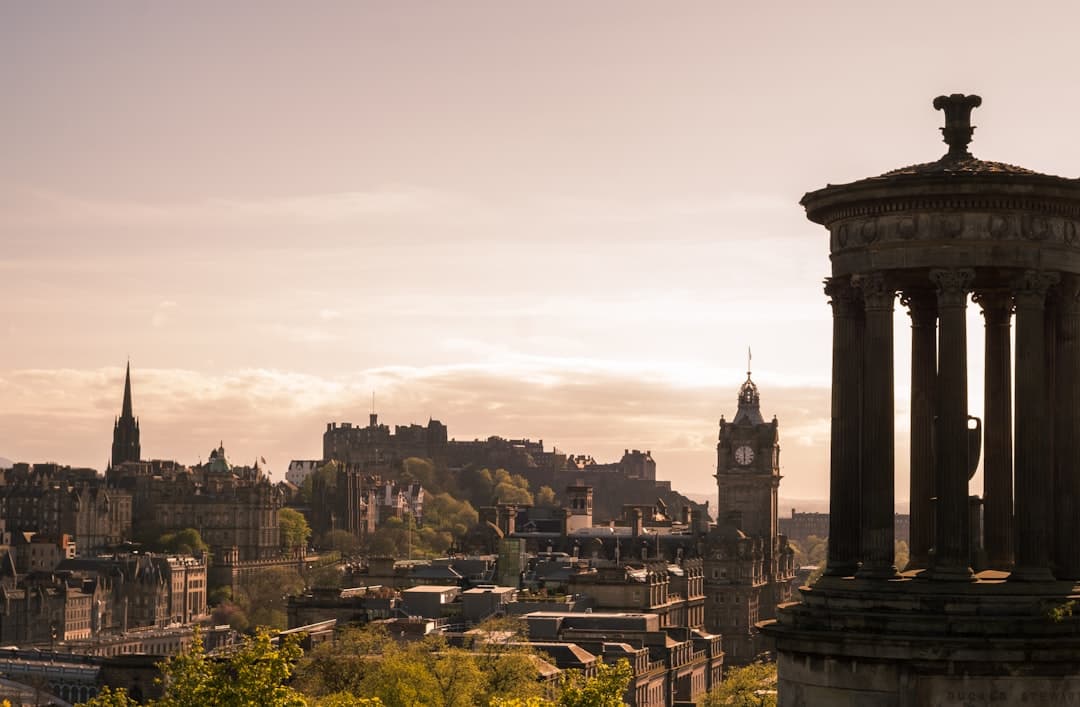
Real Mary King's Close is a preserved network of underground closes — essentially old streets and rooms — that were built over in the 1750s when the Royal Exchange (now the City Chambers) was constructed on top of them. What survived beneath became a time capsule of Edinburgh life from the 1600s and 1700s, sealed underground for centuries. The 'close' takes its name from Mary King, a merchant who lived and traded here in the early 17th century — a woman of real historical significance in a city that often erased women from its records entirely. It sits directly beneath the Royal Mile in the heart of Edinburgh's Old Town. Visits are guided tours only, which run regularly throughout the day. Your guide leads you through a series of surviving rooms and street-level spaces, bringing to life the stories of the people who lived and worked here — from plague victims to merchants to servants. The infamous 'Annie's Room' is a highlight: a small chamber filled with tiny dolls and toys left by visitors over the years, after a Japanese psychic claimed to sense the spirit of a young girl there. It's eerie, charming, and totally Edinburgh. The guides vary in style — some lean into the ghost stories, others into the social history — but the best ones do both. Book ahead, especially in summer and around Halloween when tickets sell out fast. The evening tours lean more atmospheric and spooky if that's your preference. The entrance is easy to miss — look for the sign on Warriston's Close, just off the Royal Mile near St Giles' Cathedral. Dress in layers: it's cool underground year-round regardless of what the weather is doing above you.
Recoleta Cemetery
Recoleta Cemetery is one of the most remarkable cemeteries in the world — a dense, labyrinthine city of the dead spread across nearly five hectares in one of Buenos Aires' most affluent neighborhoods. Founded in 1822, it holds the remains of presidents, military heroes, Nobel laureates, and aristocratic families who shaped the country. The tombs range from modest granite slabs to extravagant neoclassical temples, art nouveau sculptures, and ornate bronze doors — each one a capsule of Argentine history and ambition. The most famous resident is Eva Perón, known as Evita, whose modest black marble tomb in the Duarte family vault draws visitors from around the world. Walking through Recoleta is genuinely unlike any other cemetery experience. The narrow stone alleyways between mausoleums feel like streets in a miniature city, and you can peer through glass doors into chambers filled with coffins, fading flowers, and personal mementos. The architecture shifts constantly — Egyptian revival beside baroque, a crumbling forgotten vault next to a freshly polished one. Guided tours (available in English and Spanish) help decode the stories behind the names, but wandering freely with a printed map works just as well. Finding Evita's tomb on your own, tucked into an unremarkable row, is oddly satisfying. Entry is free, which makes it one of the best value experiences in Buenos Aires. The cemetery sits right in the Recoleta barrio, steps from the Buenos Aires Design mall, the MALBA art museum, and dozens of cafés — so it pairs naturally with a half-day in the neighborhood. Go on a weekday morning to avoid weekend tourist crowds, and linger longer than you think you need to. The place rewards slow, curious walking.
Rector's Palace
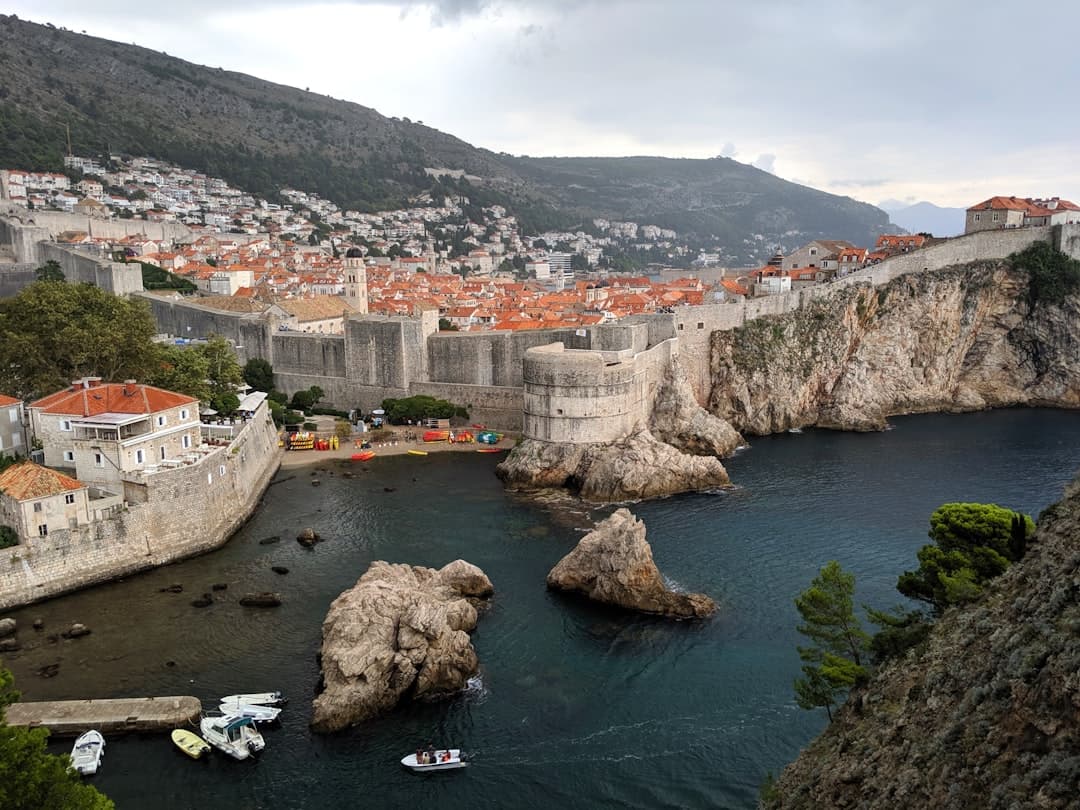
The Rector's Palace was the beating heart of the Ragusan Republic, the remarkably independent city-state that kept Venice, the Ottomans, and everyone else at arm's length for nearly five hundred years. Built in the 15th century and repeatedly rebuilt after gunpowder explosions and earthquakes, the palace served as both the official residence and the working office of the Rector — the elected head of state who was required to live here during his one-month term of office, forbidden from leaving except on state business. That detail alone tells you everything about how seriously Dubrovnik took the idea of accountable governance. Today it houses the Cultural History Museum, one of Croatia's most important collections of art, furniture, and civic artifacts. Inside, you move through a sequence of rooms that feel genuinely lived-in rather than sterile. The atrium is one of the loveliest courtyards in the Adriatic, framed by a loggia of carved stone columns with elaborate capitals — each one different, worth examining closely. Upstairs, the Rector's study and reception rooms contain period furniture, portraits of Ragusan nobles, old maps, coins, and personal effects that make the republic feel startlingly real. There are paintings of ships, silver ceremonial objects, and a working collection of pharmacy equipment from Dubrovnik's medieval apothecary, one of the oldest in Europe. The building itself is the main event: the stonework, the proportions, the way light falls across the courtyard in the afternoon. Buy your ticket at the entrance on Pred Dvorom, the street that runs between the palace and Dubrovnik Cathedral. The combined museum ticket that includes other city museums offers good value if you're staying more than a day. Summer evenings occasionally see classical concerts held in the atrium — one of those rare instances where a tourist activity is also genuinely magical. Go earlier in the day before tour groups arrive, and linger in the atrium rather than rushing straight upstairs.
Red Beach
Red Beach sits on the southwestern tip of Santorini, near the ancient site of Akrotiri, and it earns its name honestly — the towering cliffs that frame the cove are a deep, rusty red, the result of volcanic iron oxide in the rock. It's one of the most photographed spots on the island, and one of the few places where Santorini's geological drama plays out at sea level rather than from a clifftop perch. The beach itself is compact, backed by those dramatic red and black volcanic walls, with dark pebbles underfoot rather than soft sand. Getting there is part of the experience. There's no road access directly to the beach — you either take a short but steep and sometimes loose-footed trail down from the car park (about 10–15 minutes on foot), or arrive by boat from Akrotiri's small port. Once you're down there, the scale of the cliffs is genuinely impressive. The water is clear and a vivid blue-green, which contrasts brilliantly with the volcanic surroundings. Sun loungers and umbrellas are available for hire, and a couple of small snack vendors operate in season. Swimming is good when seas are calm, though the pebble entry can be tricky barefoot. Rock falls from the cliffs are a known hazard — there are signs warning visitors not to stand directly beneath the walls, and this is worth taking seriously. The beach gets very crowded in July and August, and the limited space means it can feel packed by mid-morning. Come early or late in the afternoon for the best light and the thinnest crowds. Combining it with a visit to the nearby Akrotiri archaeological site — the remarkably preserved Minoan Bronze Age settlement — makes for a genuinely rewarding half-day in the south of the island.
Red Fort
Red Fort — Lal Qila in Hindi — is a massive 17th-century walled palace-fortress built by Mughal Emperor Shah Jahan and completed in 1648. It served as the seat of Mughal power for nearly 200 years, and today it carries a significance that goes far beyond its architecture: every year on Independence Day, India's Prime Minister addresses the nation from its ramparts. That combination of imperial grandeur and modern national identity makes this one of the most loaded historical sites in Asia. It was designated a UNESCO World Heritage Site in 2007. Inside the 2.4-kilometre perimeter of red sandstone walls, there's a lot more than most visitors expect. You enter through the Lahori Gate and walk through the covered bazaar street called Chatta Chowk — once a royal market for silks and jewels — before reaching the main ceremonial grounds. The Diwan-i-Aam (Hall of Public Audience) and the Diwan-i-Khas (Hall of Private Audience) are the architectural highlights, the latter famously housing the Peacock Throne before it was looted by Nadir Shah in 1739. There are also royal hammams (baths), a mosque, and manicured gardens to wander. A sound-and-light show runs in the evenings. The fort sits right on the edge of Chandni Chowk, Old Delhi's chaotic and wonderful bazaar district, so a visit here pairs naturally with an afternoon exploring the lanes, eating street food, and visiting the Jama Masjid nearby. Come early — by 10am the crowds and the heat are both building. Foreigners pay a higher entry fee than Indian nationals, which is standard across major Indian monuments. Skip the fort's own museum if you're pressed for time; the architecture itself is the main event.
Red Light District
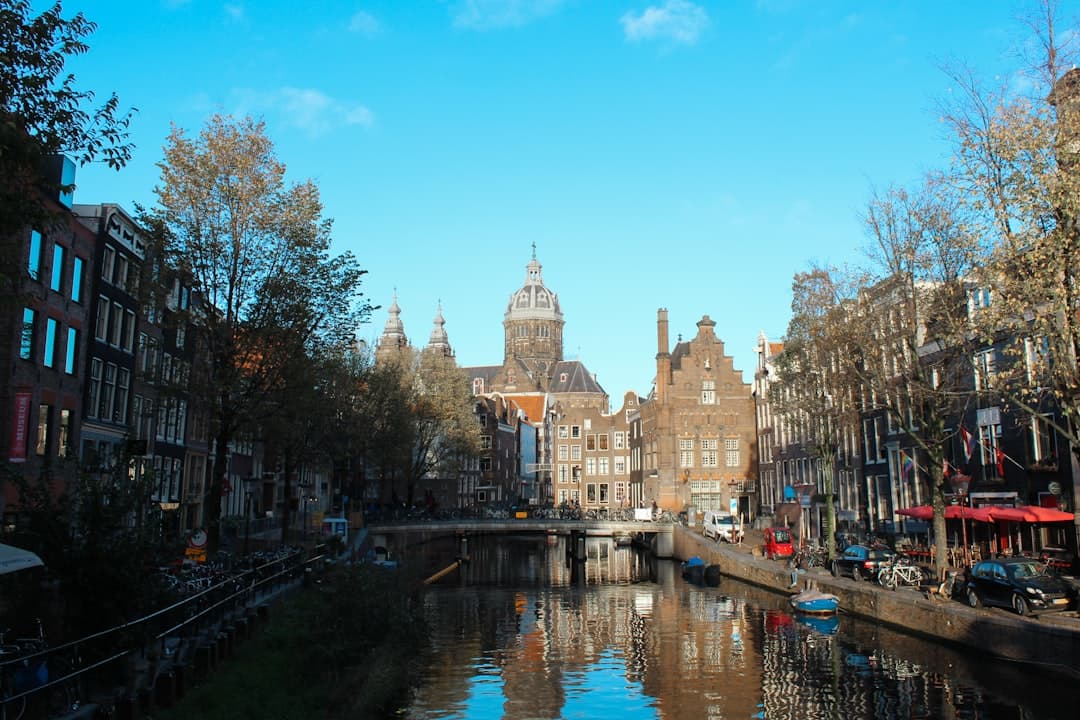
De Wallen — Amsterdam's Red Light District — is one of the most recognizable and talked-about neighborhoods in Europe, stretching across a dense web of canals and narrow medieval streets in the oldest part of the city. It's simultaneously a functioning residential neighborhood, a historic district with some of Amsterdam's oldest architecture, and a legally regulated sex work zone that has operated more or less continuously for centuries. The Dutch pragmatic approach to sex work, drugs, and personal freedom is on full display here, and for many visitors it represents something they genuinely cannot see anywhere else in the world — not because of the sex work itself, but because of how openly and matter-of-factly a society can organize itself around tolerance. Walking through De Wallen means wandering past 15th-century canal houses, ducking into the Oude Kerk (Amsterdam's oldest building, dating to 1213, which sits improbably in the heart of the district), browsing the erotic museum and cannabis museum, passing the famous window brothels where sex workers sit behind red-lit glass, and stopping into brown cafes that have been serving beer for generations. The Prostitution Information Centre on Enge Kerksteeg offers genuinely educational context about the industry. By day, the area is full of tourists, curious visitors, food stalls, and coffee shops; by night the neon and red lighting transforms the atmosphere entirely. The canals are beautiful at any hour. The city has been actively working to reduce the district's footprint — closing some window brothels, pushing back on overtourism, and repositioning De Wallen as a historic neighborhood rather than a tourist spectacle. Photography of sex workers in windows is strictly prohibited and enforced; violators face confrontation from workers, locals, and increasingly from roving monitors. Respect is not optional here. Come with genuine curiosity rather than a stag party mentality — the neighborhood rewards thoughtful visitors and has increasingly little patience for the other kind.