
Rangitoto Island
A volcanic island born 600 years ago, visible from Auckland's waterfront.
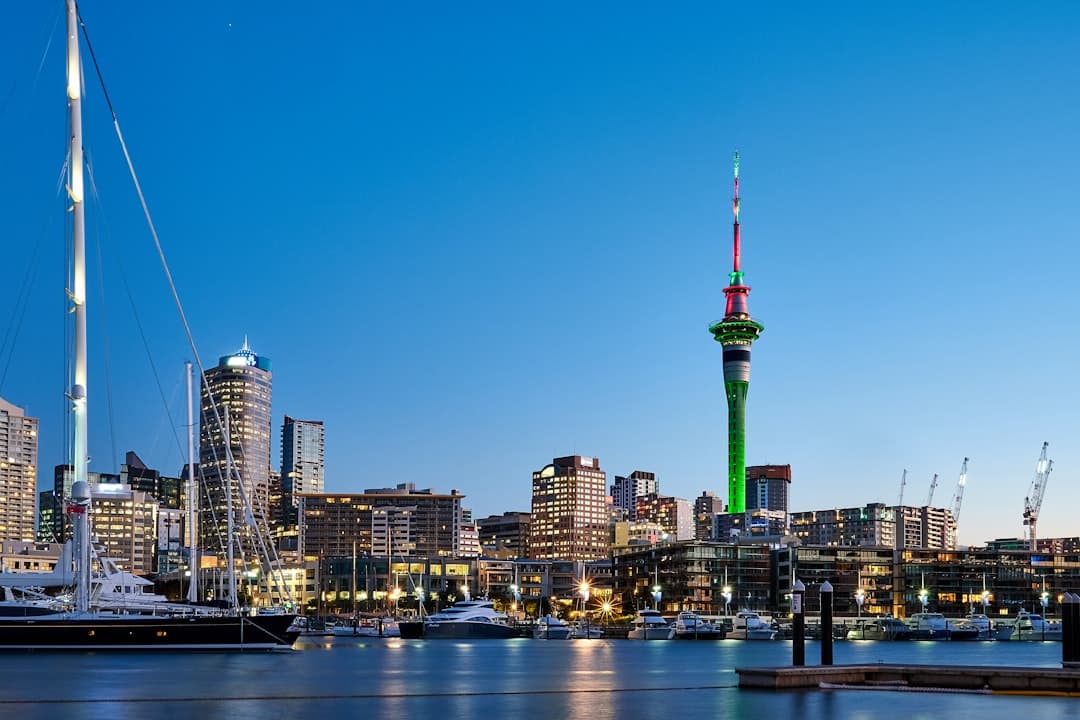
Rangitoto Island is a dormant volcano rising out of the Hauraki Gulf just 8 kilometres from downtown Auckland, and it's one of the most distinctive landmarks in New Zealand. It erupted from the sea around 600 years ago — making it Auckland's youngest and largest volcano — and Māori people of the region, Ngāti Paoa, witnessed its formation. The island is a Department of Conservation reserve and is completely uninhabited today, though a small community of bach (holiday cottage) owners existed there until the mid-20th century. That flat-topped, symmetrical silhouette you see from the Auckland waterfront? That's Rangitoto, and visiting it in person delivers on the view's promise.
The main draw is the summit walk, a 2.5-kilometre trail through an extraordinary lava field landscape draped in the world's largest pohutukawa forest — those iconic red-flowered coastal trees that bloom in December. The walk takes about 90 minutes return from the wharf and rewards you with panoramic views across the Hauraki Gulf, out to the Coromandel Peninsula, and back across Auckland's sprawl. There are also lava caves to explore near the summit track junction, a novelty even for seasoned hikers. The terrain is raw and rocky — this is young geology, and it looks it.
Ferries run from Downtown Auckland's Ferry Building at Quay Street, operated by Fullers360, with the crossing taking about 25 minutes. The island has no shops, cafes, or facilities beyond basic toilets near the wharf, so come self-sufficient. The last ferry back is the critical thing to watch — miss it and you're marooned. Most visitors do a half-day return trip, but the island rewards those who linger and explore the quieter coastal tracks away from the summit crowds.