
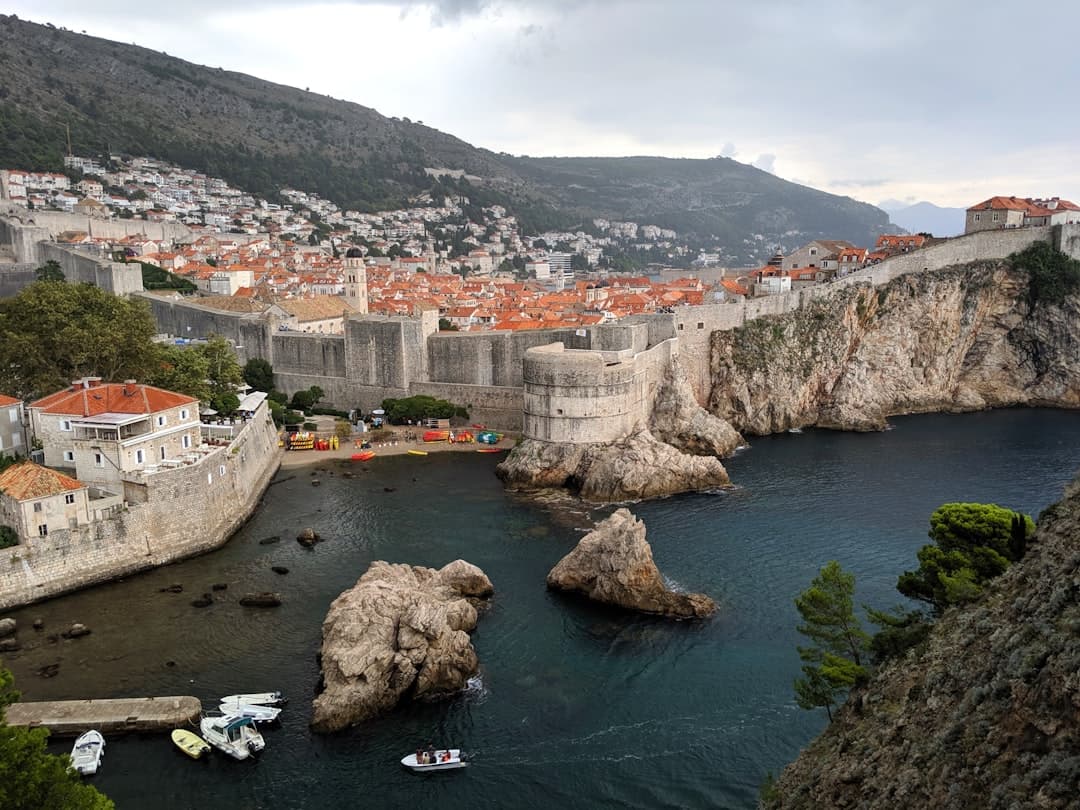
Rector's Palace
Gothic-Renaissance seat of power where Dubrovnik's republic was ruled for five centuries.
The Rector's Palace was the beating heart of the Ragusan Republic, the remarkably independent city-state that kept Venice, the Ottomans, and everyone else at arm's length for nearly five hundred years. Built in the 15th century and repeatedly rebuilt after gunpowder explosions and earthquakes, the palace served as both the official residence and the working office of the Rector — the elected head of state who was required to live here during his one-month term of office, forbidden from leaving except on state business. That detail alone tells you everything about how seriously Dubrovnik took the idea of accountable governance. Today it houses the Cultural History Museum, one of Croatia's most important collections of art, furniture, and civic artifacts.
Inside, you move through a sequence of rooms that feel genuinely lived-in rather than sterile. The atrium is one of the loveliest courtyards in the Adriatic, framed by a loggia of carved stone columns with elaborate capitals — each one different, worth examining closely. Upstairs, the Rector's study and reception rooms contain period furniture, portraits of Ragusan nobles, old maps, coins, and personal effects that make the republic feel startlingly real. There are paintings of ships, silver ceremonial objects, and a working collection of pharmacy equipment from Dubrovnik's medieval apothecary, one of the oldest in Europe. The building itself is the main event: the stonework, the proportions, the way light falls across the courtyard in the afternoon.
Buy your ticket at the entrance on Pred Dvorom, the street that runs between the palace and Dubrovnik Cathedral. The combined museum ticket that includes other city museums offers good value if you're staying more than a day. Summer evenings occasionally see classical concerts held in the atrium — one of those rare instances where a tourist activity is also genuinely magical. Go earlier in the day before tour groups arrive, and linger in the atrium rather than rushing straight upstairs.