
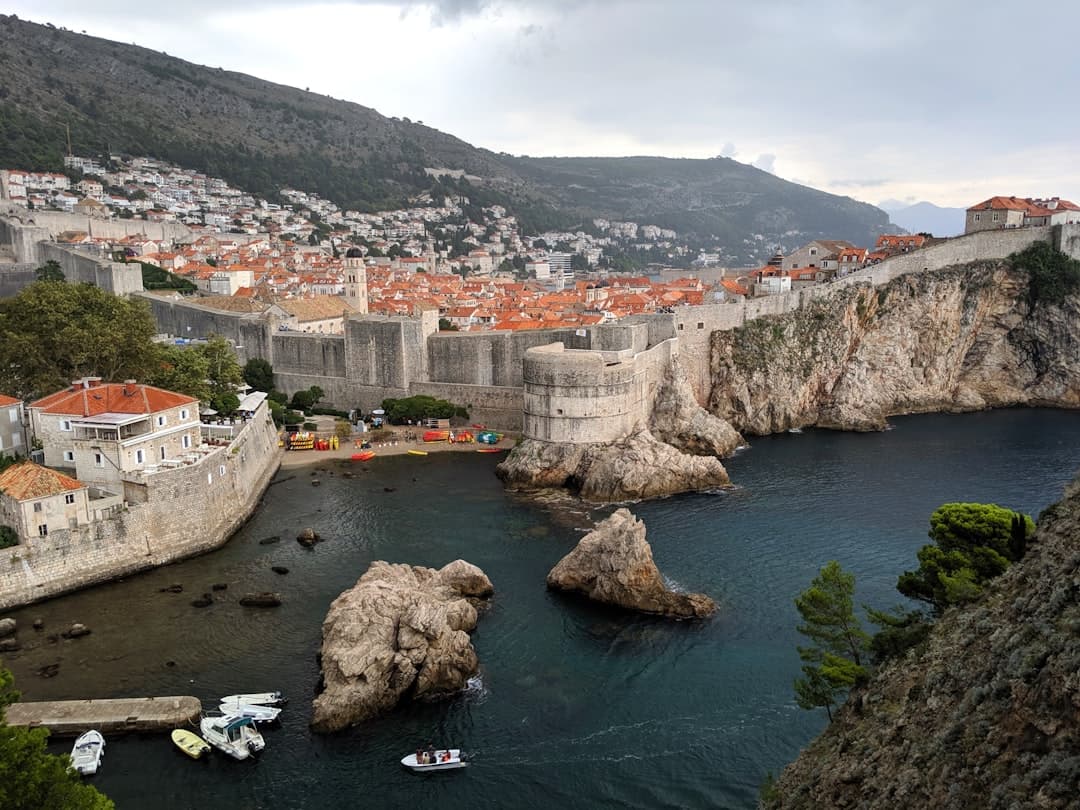
Dubrovnik Cathedral
Dubrovnik / Dubrovnik Cathedral

Dubrovnik Cathedral

Baroque cathedral built on the ruins of a church Richard the Lionheart supposedly funded.

🏛️ Sights & Landmarks🎭 Arts & Entertainment
🎭 Cultural🌹 Romantic

Dubrovnik Cathedral — formally the Cathedral of the Assumption of the Virgin Mary — sits at the heart of the Old Town, just steps from the Rector's Palace and the main Stradun promenade. The current building dates from the late 17th and early 18th centuries, constructed after the catastrophic 1667 earthquake that levelled most of medieval Dubrovnik. It replaced an earlier Romanesque cathedral that local legend claims was funded by Richard I of England in gratitude for surviving a shipwreck near the island of Lokrum on his return from the Third Crusade — a story historians debate, but Dubrovnik has never seen reason to stop telling it.

The interior is richly Baroque — think gilded altars, dramatic ceiling paintings, and a genuine sense of Roman Catholic grandeur compressed into a relatively modest space. The main altarpiece, featuring a Titian attributed painting of the Assumption, anchors the nave. But the real draw for many visitors is the Cathedral Treasury, housed in a separate room off the main nave. It holds a remarkable collection of reliquaries, including a gold-and-enamel reliquary said to contain part of the skull of Saint Blaise (the city's patron saint), plus relics of his arm and leg in equally ornate Byzantine-style caskets. It's one of the better small sacred treasure collections in the Adriatic.

The cathedral doesn't require a long visit — an hour is comfortable — but it rewards slow looking. Arrive early in the morning before tour groups flood the Old Town, or try late afternoon when the crowds thin and the light softens. The Treasury charges a small separate entry fee, which is worth paying. Sunday opening hours are later than weekdays, so plan accordingly if that's your day.

Local Tips

  1. 1

    The Treasury is a separate ticket but don't skip it — the reliquary of Saint Blaise's skull in Byzantine gold-and-enamel is genuinely extraordinary and most visitors walk past without realising it's there.

  2. 2

    Sunday opening is 11:30am rather than 8am, and morning Mass takes priority — if you're not attending the service, wait until it concludes before exploring.

  3. 3

    The cathedral is free to enter the main nave, but the Treasury charges a modest fee (a few euros) — budget for it, it's the highlight.

  4. 4

    Combine the visit with the Rector's Palace directly opposite and the Church of Saint Blaise at the other end of the Stradun — together they tell the full story of Dubrovnik's civic and religious identity in under two hours.

When to Go

Best times
Early morning (opening time)

Arriving at or just after 8am gives you near-solitude inside — the light is lovely and the atmosphere genuinely contemplative before the day's crowds arrive.

October–November

Shoulder season brings cooler temperatures, far fewer visitors, and a more authentic sense of the city — the cathedral feels more like a place of worship than a tourist stop.

Try to avoid
July–August

Dubrovnik's Old Town is overwhelmed with cruise ship tourists in peak summer — the cathedral can feel rushed and crowded, especially mid-morning.

Why Visit

01

The Treasury holds gold and Byzantine reliquaries dating back centuries, including ornate caskets said to contain relics of Saint Blaise — rare and genuinely impressive sacred art.

02

It sits on a site with nearly a thousand years of continuous religious use, and the Titian-attributed altarpiece alone makes it worth stepping inside.

03

The cathedral is the geographic and spiritual heart of the Old Town — understanding Dubrovnik's history is much easier once you've spent time here.