
Pyrgos
Santorini's most authentically preserved medieval village, far from the cruise crowds.
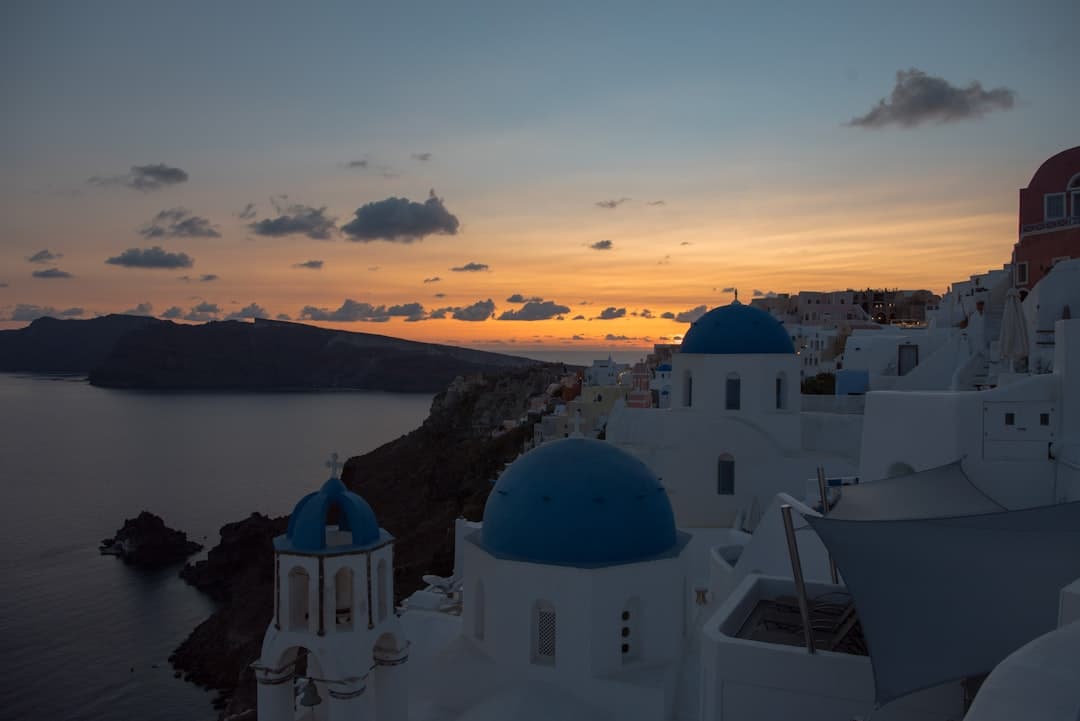
Pyrgos is a hilltop village in the center of Santorini, and for a long time it was the island's capital — a fact that explains the layered, fortress-like architecture that sets it apart from the cliff-edge showpieces of Oia and Fira. Built during the Venetian period as a defensive settlement, the village spirals upward in concentric rings toward a ruined Kasteli castle at its summit, with whitewashed houses stacked so tightly they were designed to form a single protective wall. Today it's the quietest and most intact of Santorini's medieval villages, with a population of a few hundred and a pace that hasn't been engineered for Instagram.
Walking through Pyrgos is genuinely exploratory — narrow stepped lanes branch off in unexpected directions, Byzantine churches appear at nearly every corner (the village supposedly has more churches per capita than anywhere else on the island), and the higher you climb, the better the views become. From the Kasteli ruins at the very top, you get a panoramic sweep across the entire island: the caldera and its famous cliffs to the west, the Aegean to the east, and Profitis Ilias monastery on the ridge just above. The village also has a handful of excellent restaurants, including Franco's Café near the top, which has been drawing visitors for its sunsets and cocktails for decades.
Pyrgos is best visited in the morning or early afternoon, when the light is sharp and the lanes are empty. Most Santorini visitors are either sleeping off the previous night in Oia or staging themselves for caldera-view sunsets, which means Pyrgos gets a fraction of the foot traffic it deserves. It's about a fifteen-minute drive from Fira, and there are local buses, but a rental car or scooter gives you the most flexibility. Come hungry — the tavernas here feed locals, not tour groups, and the prices reflect it.