
Fira
Santorini / Fira

Fira

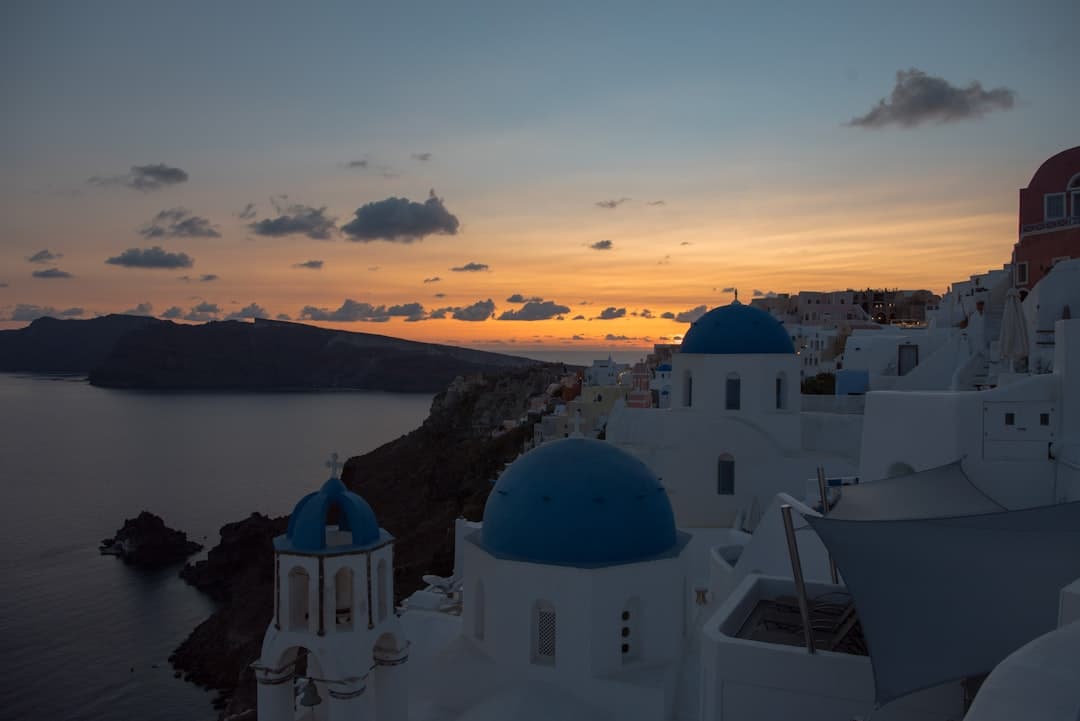
Santorini's volcanic capital perched dramatically above the caldera.

🛍️ Shopping🏛️ Sights & Landmarks🍽️ Food & Drink🎭 Arts & Entertainment🏘️ Neighborhoods
🌿 Relaxing🎭 Cultural🌹 Romantic

Fira is the bustling main town of Santorini, built along the western rim of the island's ancient volcanic caldera — a collapsed crater that now forms one of the most arresting seascapes in the Mediterranean. The town cascades down sheer white cliffs several hundred meters above the sea, with the dark water of the caldera stretching out below and the volcanic island of Nea Kameni sitting in the middle of it all. It's the island's commercial and social hub, meaning it has everything from high-end jewelers to souvlaki stands, but the views are the real reason people come.

Walking Fira means navigating a maze of narrow, mostly pedestrianized lanes lined with cubic white-washed buildings, blue-domed churches, and terraces that seem to hover over the void. The main promenade along the caldera edge is the obvious draw — you walk it, you stop every few minutes to stare, and eventually you accept that every angle is absurdly photogenic. The Archaeological Museum of Thera and the Museum of Prehistoric Thera are both here if you want to understand the island's Minoan past. The famous cable car runs between the port of Skala Fira far below and the clifftop town, though you can also make the ascent by 588 stone steps — or on the back of a donkey, though the animal welfare situation on that front has drawn warranted criticism in recent years.

Fira is the island's most accessible base, with the widest range of accommodation, restaurants, and transport links. It's also the most crowded spot on Santorini, especially from June through August when cruise ships dock and day-trippers pour up the cable car. The smarter play is to be here in the early morning or evening, when the light is better anyway, and the day-trip crowds have retreated. Oia gets more of the Instagram fame, but Fira has more soul — it's actually a town where people live and work, not just a stage set for sunset photos.

Local Tips

  1. 1

    Walk north from central Fira toward Firostefani and Imerovigli — the caldera path is less crowded and the views actually get better the further you go from the main square.

  2. 2

    The cable car runs frequently but the queues in high season can swallow an hour; the 588-step path down to the port is genuinely worth the effort for fit visitors, just not in midday heat.

  3. 3

    Avoid dining directly on the caldera-view terraces for anything you care about eating — you're paying for the view, not the food. Better restaurants are one lane back.

  4. 4

    Fira's ATMs and bus station (KTEL) are clustered near the main square at Theotokopoulou — the bus network is cheap and covers the whole island, making a car rental unnecessary for most visitors.

When to Go

Best times
Early morning (before 9am)

The caldera promenade is near-empty, the light is soft and golden, and the town feels genuinely quiet — a completely different experience from midday.

April–May and September–October

Shoulder season brings warm temperatures, manageable crowds, and most businesses still open — the best overall window to visit Fira.

Try to avoid
July–August

Peak cruise season floods the town with day-trippers by mid-morning; the cable car queues can be brutal and the narrow lanes become gridlocked.

November–March

Many hotels and restaurants close entirely; the island has a haunting off-season beauty but expect limited services and some rough weather.

Why Visit

01

The caldera views from the clifftop promenade are among the most dramatic in Europe — sheer volcanic cliffs dropping hundreds of meters to dark blue water.

02

It's the island's most connected hub, making it the ideal base for exploring Santorini's beaches, wineries, and villages without the isolation of smaller spots.

03

The Museum of Prehistoric Thera holds extraordinary Bronze Age artifacts from the buried Minoan city of Akrotiri — one of the best small archaeological museums in Greece.