Puerto Madero
Buenos Aires' boldest urban reinvention: a 19th-century port reborn as a gleaming waterfront district.
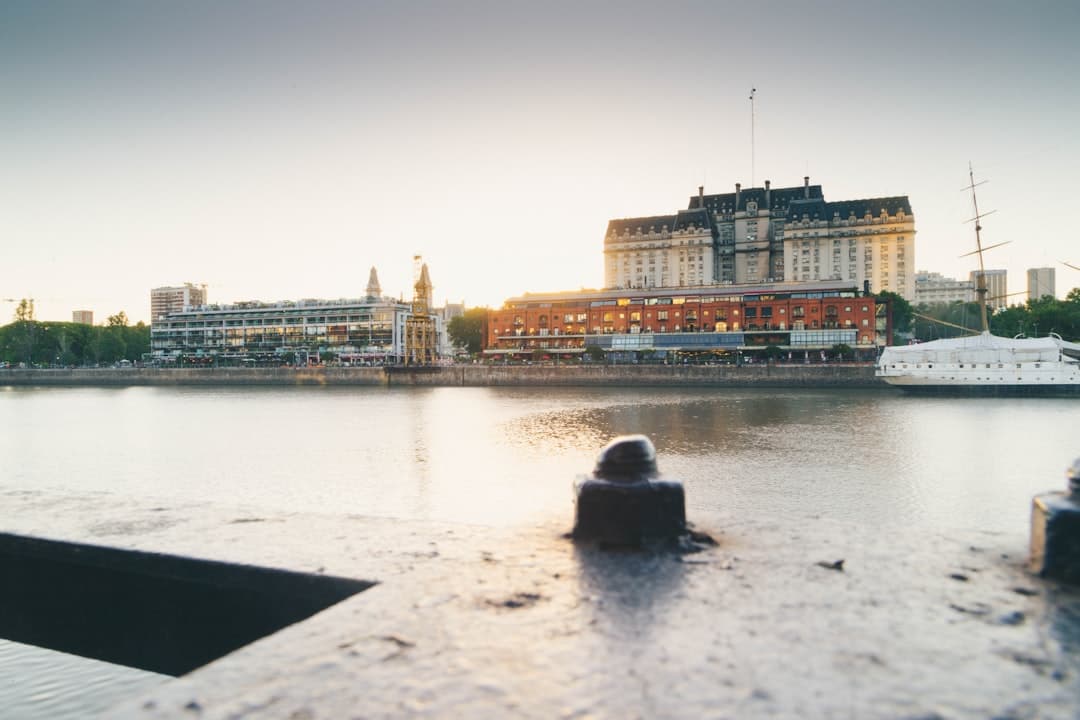
Puerto Madero is Buenos Aires' newest and most dramatically transformed neighborhood — a defunct 19th-century port on the eastern edge of the city that was left derelict for decades before being comprehensively redeveloped in the 1990s into what is now the city's most polished and expensive district. It sits right along the Río de la Plata, flanked by a series of brick-faced docks (diques) that now house restaurants, bars, offices, and hotels, connected by a network of footbridges over calm inner waterways. It's the kind of place that could feel sterile but somehow manages to feel genuinely pleasant — partly because of the scale of the water, partly because of the Reserva Ecológica next door.
Walking Puerto Madero means strolling along the brick-lined dockside promenade, crossing the iconic Puente de la Mujer — a striking white rotating pedestrian bridge designed by Spanish architect Santiago Calatrava, meant to evoke a couple mid-tango — and ducking into the old dock buildings, now converted into upscale restaurants and the occasional cultural space. The ARA General Belgrano frigate and the corbeta Uruguay, a historic naval vessel that participated in early Antarctic expeditions, are moored nearby and open for visits. At the southern end, the Reserva Ecológica Costanera Sur offers an unexpected escape into wild coastal wetlands teeming with birds, just minutes from the skyscrapers.
Puerto Madero is unmistakably expensive by Buenos Aires standards — this is where the expense-account steakhouses and luxury hotels cluster — but you don't need to spend big to enjoy it. The waterfront promenade is free, the ecological reserve is free, and the light in the late afternoon, bouncing off the water and the old brick docks, is genuinely beautiful. Come here for a long evening walk followed by dinner, or time your visit for sunset and then head back into the city for the night.