Palermo Soho
Buenos Aires / Palermo Soho

Palermo Soho

Buenos Aires' coolest neighborhood, where street art meets serious dining and boutique shopping.

🛍️ Shopping🎶 Nightlife🍽️ Food & Drink🎭 Arts & Entertainment🏘️ Neighborhoods
🧗 Adventurous🍽 Foodie🎭 Cultural🌹 Romantic

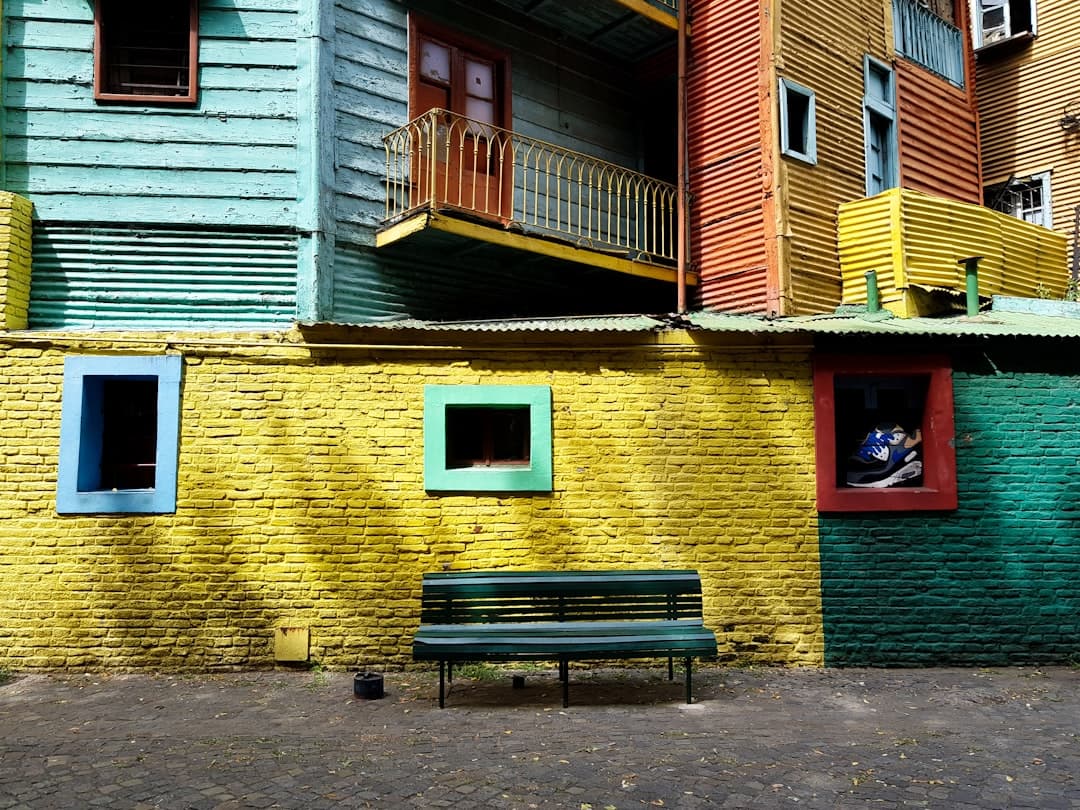
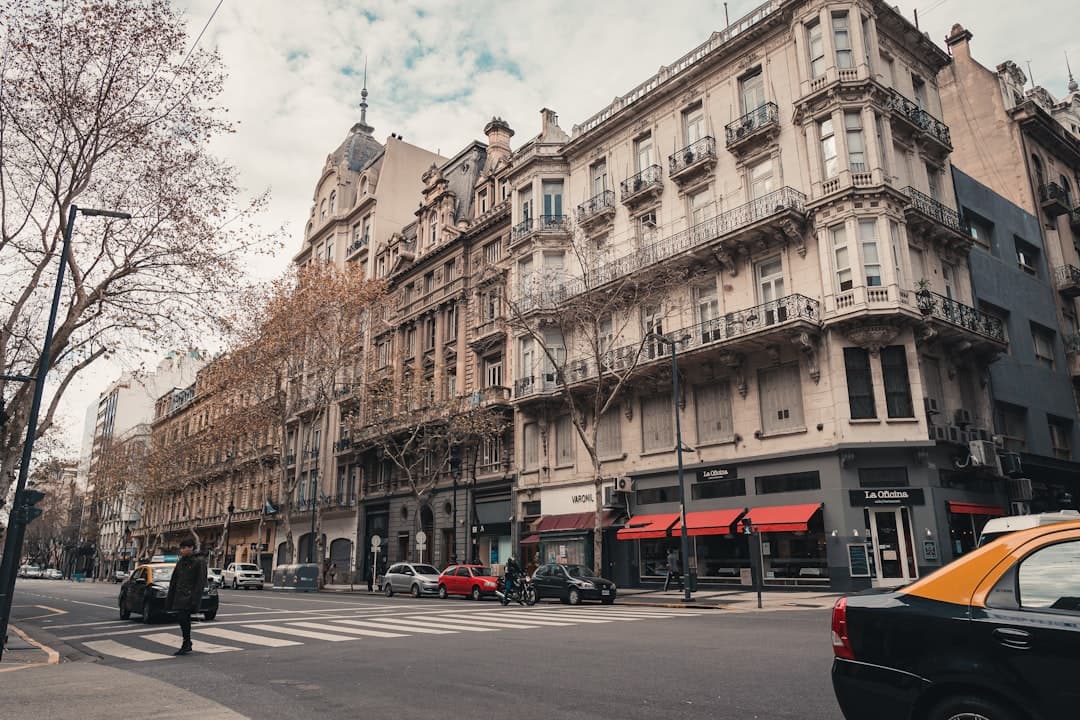
Palermo Soho is a vibrant residential and commercial neighborhood in the Palermo district of Buenos Aires, roughly bounded by Avenida Santa Fe, Avenida Juan B. Justo, and Avenida Córdoba. It takes its name from New York's SoHo, and like its namesake, it's a place where artists, designers, and food obsessives colonized once-quiet streets and turned them into something genuinely exciting. The area revolves around Plaza Serrano — officially Plaza Cortázar — a leafy square that anchors the neighborhood's social life and serves as the unofficial heart of the whole scene. Think cobblestone streets lined with jacaranda trees, low-rise houses converted into restaurants and design shops, and murals covering nearly every available wall.

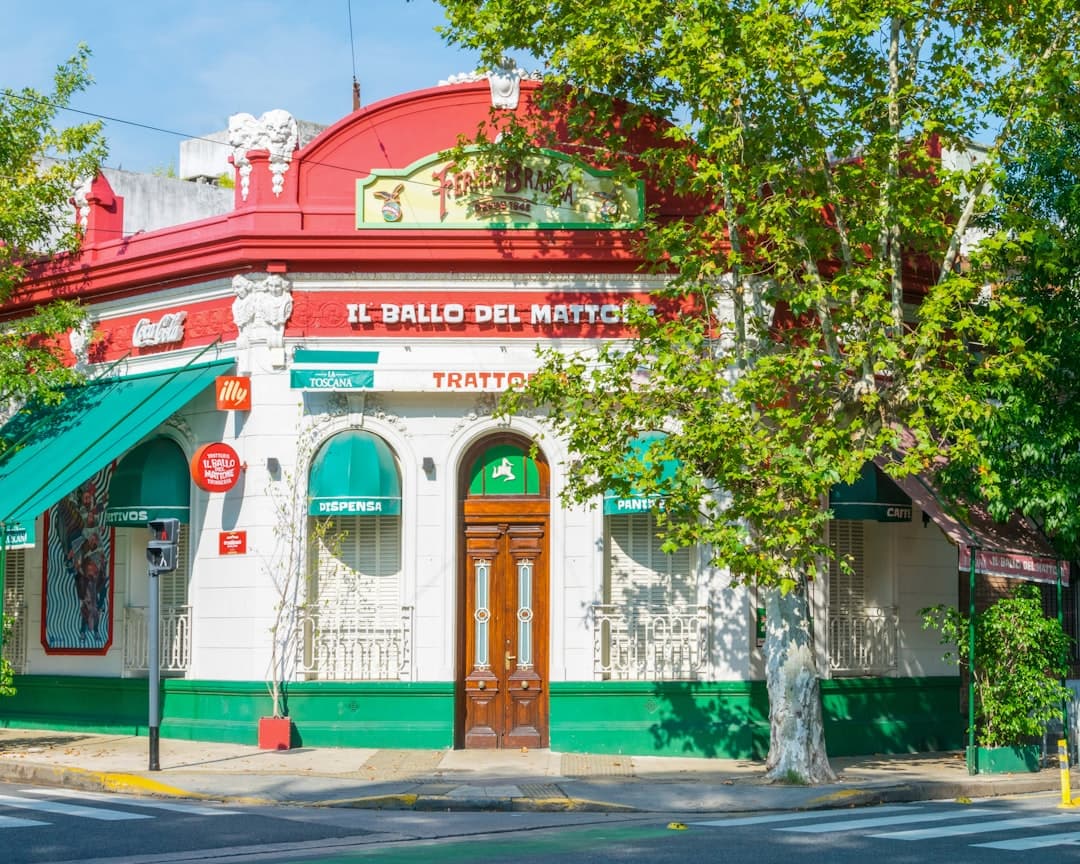
What you actually do here is wander, eat, drink, and shop — but at a level that rewards real attention. The restaurant scene is legitimately world-class: places like El Preferido de Palermo, a classic almacén that somehow reinvented itself without losing its soul, or any number of parrillas and modern Argentine kitchens serving some of the best beef you'll eat anywhere. The boutiques specialize in Argentine leather goods, independent fashion labels, and design objects you won't find in a mall. Street art covers the neighborhood at every turn — large-scale murals by serious artists give the streets the feel of an open-air gallery. On weekends, the feria around Plaza Serrano fills with craftspeople and food vendors.

Palermo Soho rewards slow travel. Don't rush it — block out a full afternoon and just walk. The streets between Serrano, Thames, Honduras, and El Salvador are the densest zone for shops and restaurants, but wandering off the obvious grid is how you find the good stuff. Porteños eat late — dinner before 9pm marks you as a tourist — and the neighborhood doesn't really come alive at night until well after that. Bring pesos; smaller boutiques often prefer cash, and ATM availability is inconsistent enough that having local currency matters.
Local Tips

  1. 1

    Porteños eat dinner late — restaurants typically don't fill up until 9 or 10pm, and showing up at 7pm means you'll be eating alone in an empty room. Lean into the schedule.

  2. 2

    The streets around Honduras, El Salvador, Thames, and Serrano form the densest cluster of good shops and restaurants — this roughly 10-block zone is where you should concentrate your time.

  3. 3

    Carry pesos in cash. Smaller boutiques and some restaurants still prefer cash, and while card acceptance has improved, you don't want to lose your spot in a queue hunting for an ATM.

  4. 4

    Plaza Serrano (Plaza Cortázar) is the neighborhood's social hub — grab a spot at a café table facing the square in the late afternoon and you'll see the whole neighborhood come and go.

When to Go

Best times
October–November (Spring)

The jacaranda trees bloom purple across the neighborhood, making the streets genuinely beautiful and the outdoor dining scene at its most pleasant.

Weekends (Saturday–Sunday)

The feria around Plaza Serrano operates on weekends, bringing craft vendors, street food, and a lively crowd — the best time to experience the neighborhood at full energy.

Try to avoid
January–February (Midsummer)

Many local businesses close for summer holidays and the heat can be intense. The neighborhood is noticeably quieter and some of your target restaurants may be shut.

Why Visit

01

Some of Buenos Aires' best restaurants and cafés are concentrated here, from classic Argentine almacenes to inventive modern kitchens — the eating alone justifies the trip.

02

The street art is exceptional: large-scale murals by recognized Argentine and international artists turn the neighborhood into a genuinely impressive outdoor gallery.

03

The independent boutiques carry Argentine leather goods, handmade jewelry, and local fashion labels that you simply can't find anywhere else — it's the antidote to generic tourist shopping.