La Boca Neighbourhood
Buenos Aires / La Boca Neighbourhood

La Boca Neighbourhood

The neighbourhood that painted itself into existence, block by vivid block.

🏛️ Sights & Landmarks🎯 Activities & Experiences🎭 Arts & Entertainment🏘️ Neighborhoods
🧗 Adventurous👨‍👩‍👧 Family-friendly🎭 Cultural

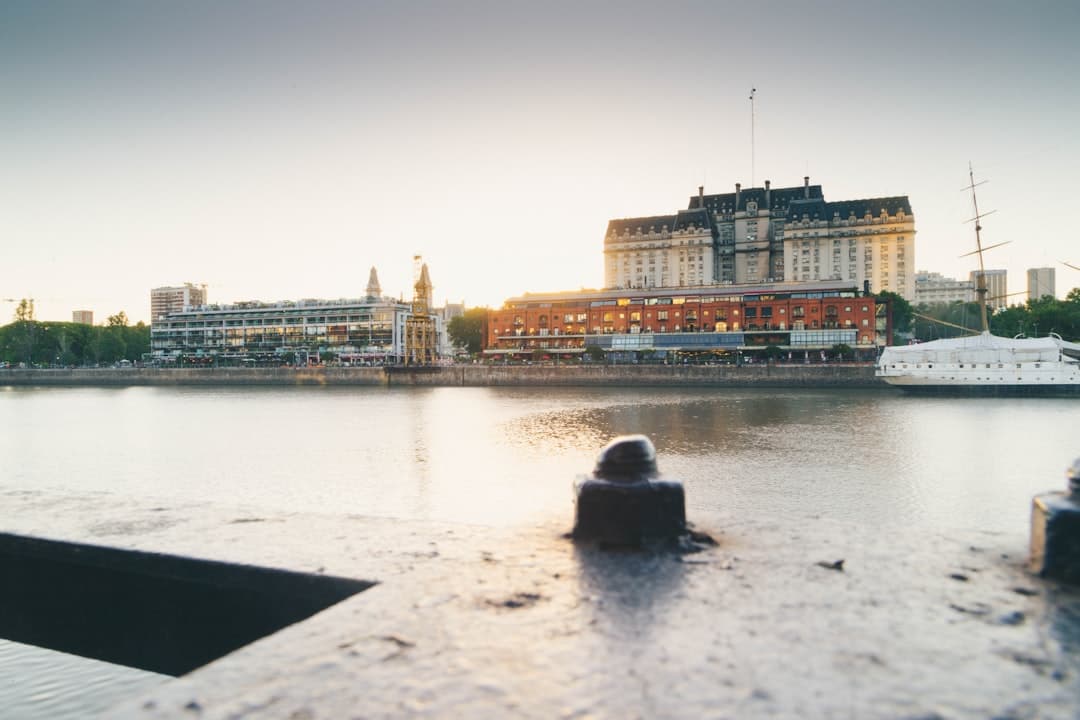
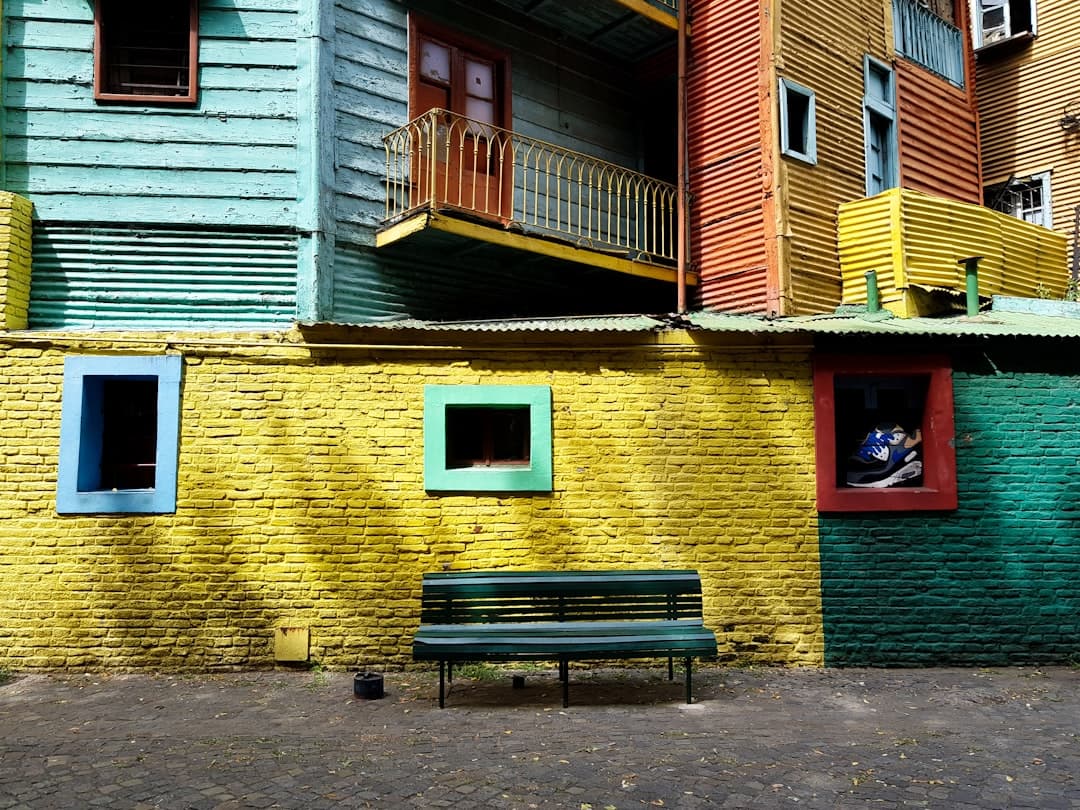
La Boca is a working-class port neighbourhood on the southern edge of Buenos Aires, wedged between the Riachuelo river and the rest of the city. It grew up in the late 19th century as a settlement for Genoese immigrants who came to work the docks, and they left behind a culture of improvised colour — painting the corrugated metal houses with whatever leftover ship paint was available. That tradition became the neighbourhood's identity. Today La Boca is one of the most visually distinctive urban neighbourhoods in South America, a place where the streets themselves feel like a set piece, and where football, tango, and a fierce local pride all coexist in a few square blocks.

The heart of any visit is the Caminito, a short pedestrian street lined with those famous painted houses, their balconies draped with tango dancers and papier-mâché figures. Artists sell work from stalls, street performers do their thing, and restaurants spill out onto the pavement. A short walk away sits La Bombonera — the home stadium of Boca Juniors, one of the most storied football clubs on earth. Even on a non-match day the stadium tour is electric, and the small Museo de la Pasión Boquense next door captures why this club means what it means to Buenos Aires. Wander beyond the tourist core and you find a real neighbourhood — markets, old men at café tables, murals that have nothing to do with tourism.

Be clear-eyed about La Boca's layout: the Caminito area is tourist-safe and heavily visited, but the surrounding streets deserve caution, particularly after dark. Come during the day, ideally on a weekend when the neighbourhood hums. Eat at one of the parrillas on Caminito for the atmosphere, but know that the food quality is geared toward tourists — for a serious steak, you'll eat better elsewhere in the city. The real reward here is sensory and cultural: nowhere else in Buenos Aires hits you quite this hard, quite this fast.
Local Tips

  1. 1

    Stay on the main tourist circuit around Caminito and the streets immediately surrounding it — locals and police will both tell you the same thing: venture too far into the surrounding blocks and you're taking an unnecessary risk.

  2. 2

    The Museo de la Pasión Boquense next to La Bombonera is genuinely excellent and often overlooked by visitors who only walk Caminito — it's worth an hour of your time even if you don't care about football.

  3. 3

    If you want to eat in La Boca, treat it as a pit stop rather than a destination meal — the parrillas on Caminito are fine for a beer and empanadas in the sun, but don't expect the best food Buenos Aires has to offer.

  4. 4

    Hiring a local guide or joining a small-group neighbourhood tour is the best way to safely explore beyond the tourist strip and actually understand what you're seeing — the stories behind the murals and the immigrant history are far richer than the souvenir stalls suggest.

When to Go

Best times
December–February (Summer)

Buenos Aires summer is hot and humid, which makes walking La Boca uncomfortable by midday. Arrive early in the morning to beat both the heat and the tour groups.

Match days at La Bombonera

When Boca Juniors play at home the neighbourhood transforms — the atmosphere is extraordinary but crowds are massive and the streets around the stadium get chaotic. Plan carefully or book a guided match-day experience.

Weekends (daytime)

Saturday and Sunday bring street performers, open stalls, and a lively local energy to Caminito — the neighbourhood is most alive and most photogenic on weekend mornings.

Try to avoid
After dark

La Boca is not safe to wander after sunset, particularly away from the Caminito. Stick to daytime visits and leave before dusk.

Why Visit

01

The Caminito street is one of the most photographed urban spaces in Argentina — a riot of painted corrugated iron and balconies that feels genuinely unlike anywhere else in the world.

02

La Bombonera stadium is a pilgrimage site for football fans — the tours of Boca Juniors' compact, cathedral-like ground and its adjacent museum are worth the trip even if you don't follow the sport.

03

The neighbourhood's street art, tango culture, and Genoese immigrant heritage give you a concentrated, emotionally vivid slice of Buenos Aires history that the city's more polished districts can't match.