
Rainbow Mountain
Cusco / Rainbow Mountain

Rainbow Mountain

A rainbow-striped mountain that looks like a painting and earns every step.

🏛️ Sights & Landmarks🌿 Nature & Outdoors🎯 Activities & Experiences
🧗 Adventurous🗺 Off the beaten path

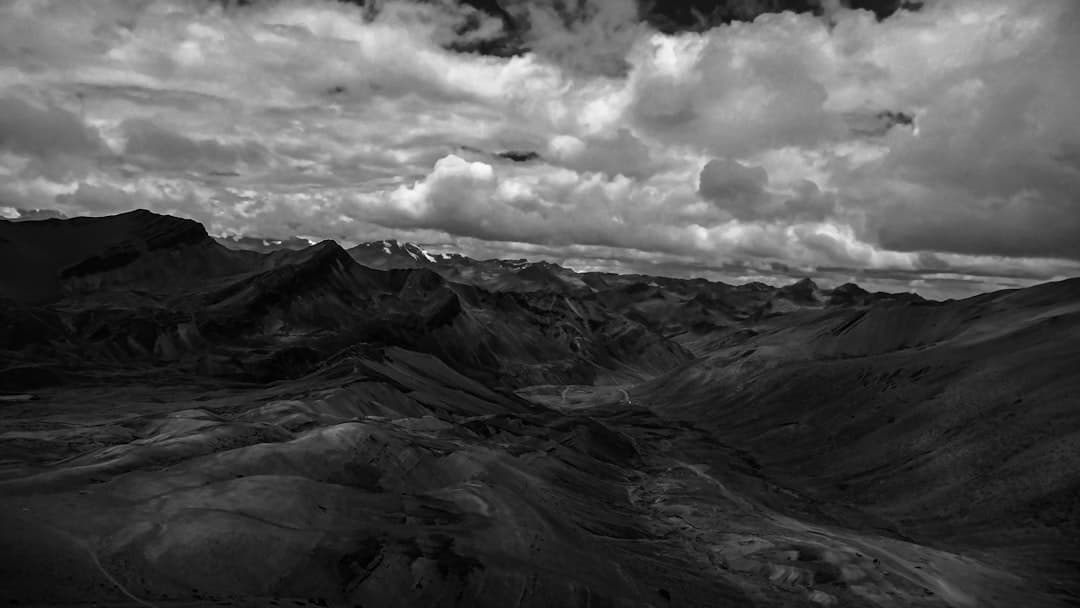
Rainbow Mountain — known locally as Vinicunca or Montaña de Siete Colores — is a 5,200-meter peak in the Andes southeast of Cusco whose slopes are streaked with vivid bands of red, gold, green, and turquoise. The colors come from different mineral deposits in the rock: iron sulfide, chlorite, and various oxides exposed by erosion and glacial retreat. For centuries this mountain was buried under glacial ice; it only became visible and accessible in the past decade or so as the glacier melted, which is why it went from virtually unknown to one of Peru's most-visited natural landmarks almost overnight.

Getting here is the experience. Most visitors join a guided day trip from Cusco — a roughly 3-hour drive southeast to the trailhead near the village of Pitumarca, followed by a 6-kilometer trek across high-altitude pampa, past grazing alpacas and llamas, to the summit viewpoint. The trail itself gains about 400 meters and the altitude is brutal if you haven't acclimatized; many people hire horses at the trailhead if they're struggling. At the top, the view is genuinely staggering — not just the candy-striped flanks of Vinicunca itself, but the snow-capped peak of Ausangate, the highest mountain in the Cusco region, looming behind it.

The single most important piece of advice: go early. Tours that depart Cusco by 4am reach the trailhead before the crowds and finish the hike before afternoon thunderstorms roll in. Spend at least two full days acclimatizing in Cusco before attempting it — altitude sickness at 5,200 meters is no joke. The opening hours listed online are largely irrelevant; the mountain itself has no gate, but organized tours operate on their own schedules. Note that a community entry fee is charged at the trailhead.

Local Tips

  1. 1

    Acclimatize in Cusco for at least 48 hours before the hike — ideally longer. Altitude sickness at 5,200 meters can ruin the day even for fit travelers who rushed here from sea level.

  2. 2

    Horses are available for hire at the trailhead for around 50–80 soles and can take you most of the way to the viewpoint. There's no shame in using one; it's a community income source and the altitude is genuinely punishing.

  3. 3

    The colors look most saturated after recent rain and in the soft light of morning — midday sun flattens them out. Early starts reward you with the best photos.

  4. 4

    Pack layers you can strip off as you warm up on the climb; the trailhead at dawn is freezing but you'll be sweating within 30 minutes of hiking.

When to Go

Best times
May–September (dry season)

Clear skies give you the best visibility of the mountain's colors and the Ausangate peak behind it. This is the prime window and also the busiest period.

Early morning (depart Cusco by 4–5am)

Afternoon thunderstorms are common and dangerous at this altitude. Starting early also means fewer people at the summit and softer light for photos.

Try to avoid
November–March (wet season)

Heavy rainfall makes the trail muddy and treacherous, and afternoon cloud cover can completely obscure the mountain. Flash flooding is a real risk on some days.

Why Visit

01

The geology here produces colors so vivid and layered they look digitally enhanced — but they're completely natural and unlike anything most people have ever seen in the wild.

02

The surrounding Ausangate landscape is classic high-Andean wilderness: rolling grasslands, grazing herds of alpacas, and a genuine sense of remoteness despite the crowds.

03

This is a site that has only been accessible for a handful of years due to glacial melt — it carries the strange weight of being both a geological wonder and a visible sign of climate change happening in real time.