
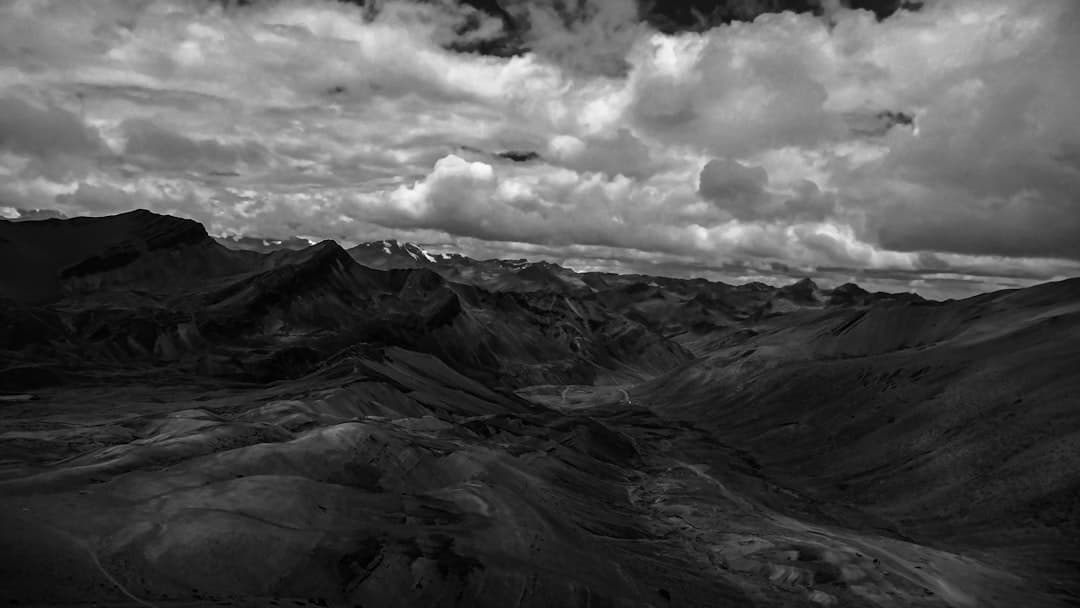
Machu Picchu
The lost Inca city in the clouds that rewrites your sense of human achievement.
Machu Picchu is a 15th-century Inca citadel perched at 2,430 metres above sea level in the Andes Mountains of Peru, about 80 kilometres northwest of Cusco. Built during the reign of the Inca emperor Pachacuti and abandoned less than a century later, it was never found by Spanish conquistadors and remained largely unknown to the outside world until historian Hiram Bingham brought it to international attention in 1911. Today it's one of the most recognisable archaeological sites on Earth and a UNESCO World Heritage Site — but photographs genuinely do not prepare you for standing there.
The site itself is a masterpiece of urban planning and stonework. Terraced agricultural platforms cascade down the mountainside, while temples, royal residences, plazas, and astronomical observatories fill the urban core. The Intihuatana stone — a carved granite ritual post thought to function as an astronomical clock — is one of the few left intact after the Spanish systematically destroyed similar monuments elsewhere. You wander between massive dry-stone walls fitted together with extraordinary precision, all without mortar, while llamas graze unfazed around you and clouds roll in and out of the valley below. The mountain Huayna Picchu rises dramatically behind the main ruins, and Machu Picchu Mountain offers broader panoramic views for those who hike to the top.
Tickets are timed and capacity-controlled — the Peruvian government has restricted daily visitor numbers to protect the site, so you absolutely must book in advance through the official channels. Entry circuits are now designated and you cannot wander freely; guides are officially required, though enforcement varies. The bus from Aguas Calientes (the town at the base, also called Machu Picchu Pueblo) starts running at 5:30 AM and fills fast. Getting on an early bus to catch sunrise over the ruins, before the midday crowds and afternoon cloud cover arrive, is by far the best strategy. Most visitors arrive via the train from Cusco or Ollantaytambo to Aguas Calientes — the legendary four-day Inca Trail requires a separate permit booked months in advance, but shorter alternatives like the Salkantay Trek or the two-day Inca Trail also exist.