
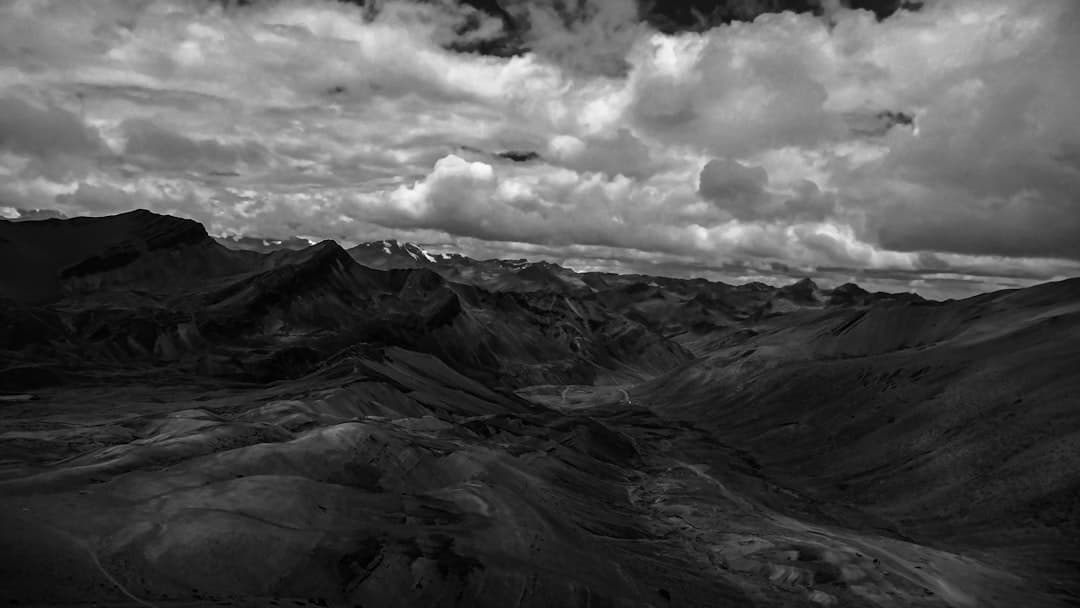
Pisac Archaeological Site
Cusco / Pisac Archaeological Site

Pisac Archaeological Site

Incan stonework, sacred terraces, and sweeping Sacred Valley views above a market town.

🏛️ Sights & Landmarks🌿 Nature & Outdoors🎯 Activities & Experiences
🧗 Adventurous🎭 Cultural🗺 Off the beaten path

Perched on a dramatic ridge above the town of Pisac in Peru's Sacred Valley, the Pisac Archaeological Site is one of the finest Inca ruins in the entire country — and, remarkably, far less crowded than Machu Picchu. Built during the height of the Inca Empire in the 15th century, probably under Pachacútec, the complex served as a royal estate, religious center, and agricultural powerhouse all at once. Its terracing — hundreds of perfectly engineered stone andenes cascading down steep hillsides — represents some of the most sophisticated agricultural engineering in pre-Columbian history. The site also contains what is believed to be the largest Inca cemetery in the Andes, with thousands of tombs carved into the cliff faces above the valley.

A visit here is a genuine hike as much as a sightseeing trip. The ruins are spread across several distinct zones connected by Inca stone paths, and the main religious complex at the top — Intihuatana — contains a solar observatory, ritual baths, and stonework so precise you can't slide a piece of paper between the blocks. The agricultural terraces at Pisac are still partially used by local farmers today. Walking the ridge paths between zones, you're treated to vertiginous views down into the Sacred Valley with the Urubamba River glinting far below and mountains stacked in every direction. Condors occasionally ride the thermals overhead.

Most visitors either hike up from the town of Pisac (a steep 45-minute to 1-hour climb) or take a taxi to the top entrance, then explore downhill. The site is covered by the Boleto Turístico del Cusco — the regional tourist pass that also grants entry to other major sites — so if you're doing any serious sightseeing in the region, you almost certainly want that pass rather than paying individual entry. Come early: tour groups from Cusco tend to arrive mid-morning, and the light on the terraces before 9am is extraordinary.

Local Tips

  1. 1

    Buy the Boleto Turístico del Cusco before you go — single-site entry is more expensive and the regional pass covers Pisac along with Ollantaytambo, Chinchero, and several other major sites.

  2. 2

    Take a taxi or combi to the upper entrance and walk downhill through the ruins back toward town — it's far easier on the legs and you see the best stonework first.

  3. 3

    The hike up from Pisac town is worthwhile if you're acclimatized and fit, but the altitude here is around 3,400m — give yourself a day or two in Cusco first or altitude sickness will ruin it.

  4. 4

    After the ruins, the Pisac market (especially on Sundays, Tuesdays, and Thursdays) is a genuinely good place to buy textiles and crafts directly from local artisans rather than tourist-trap stalls.

When to Go

Best times
May to October (Dry Season)

The best time to visit — clear skies, stable weather, and no risk of the paths becoming slippery from rain. Views are at their sharpest and hiking conditions are ideal.

November to March (Wet Season)

Heavy afternoon rainfall is common and can make the stone paths treacherous. That said, the terraces are brilliantly green and crowds are thinner. Go early and be prepared to leave before noon.

Sunday mornings

Pisac's famous Sunday market draws large tour groups from Cusco, meaning the ruins and town are both at their busiest. Arrive at opening time if visiting on a Sunday.

Try to avoid
Late morning (after 10am)

Organized tour groups from Cusco typically arrive between 10am and 11am, making this the most congested window at the main Intihuatana complex.

Why Visit

01

Inca stonework and terracing rivaling Machu Picchu, but with a fraction of the crowds and a far more open, explorable feel.

02

The site spans multiple hilltop zones connected by original Inca paths, making it a rewarding half-day hike with genuinely dramatic mountain scenery.

03

It sits above a lively market town, so you can combine ancient ruins with one of the best artisan markets in the Sacred Valley on the same day.