Red Light District
Amsterdam / Red Light District

Red Light District

Amsterdam's infamous medieval quarter where centuries of history meet modern controversy.

🎶 Nightlife🏛️ Sights & Landmarks🎭 Arts & Entertainment🏘️ Neighborhoods
🧗 Adventurous🎭 Cultural🗺 Off the beaten path

De Wallen — Amsterdam's Red Light District — is one of the most recognizable and talked-about neighborhoods in Europe, stretching across a dense web of canals and narrow medieval streets in the oldest part of the city. It's simultaneously a functioning residential neighborhood, a historic district with some of Amsterdam's oldest architecture, and a legally regulated sex work zone that has operated more or less continuously for centuries. The Dutch pragmatic approach to sex work, drugs, and personal freedom is on full display here, and for many visitors it represents something they genuinely cannot see anywhere else in the world — not because of the sex work itself, but because of how openly and matter-of-factly a society can organize itself around tolerance.

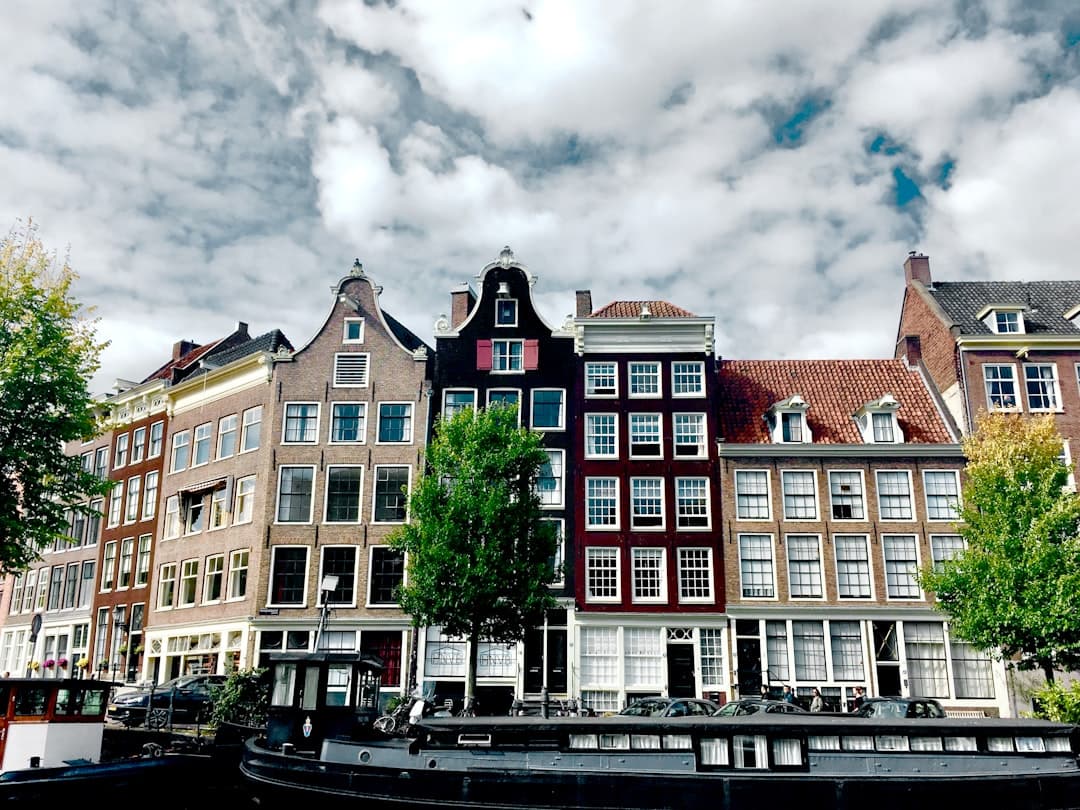
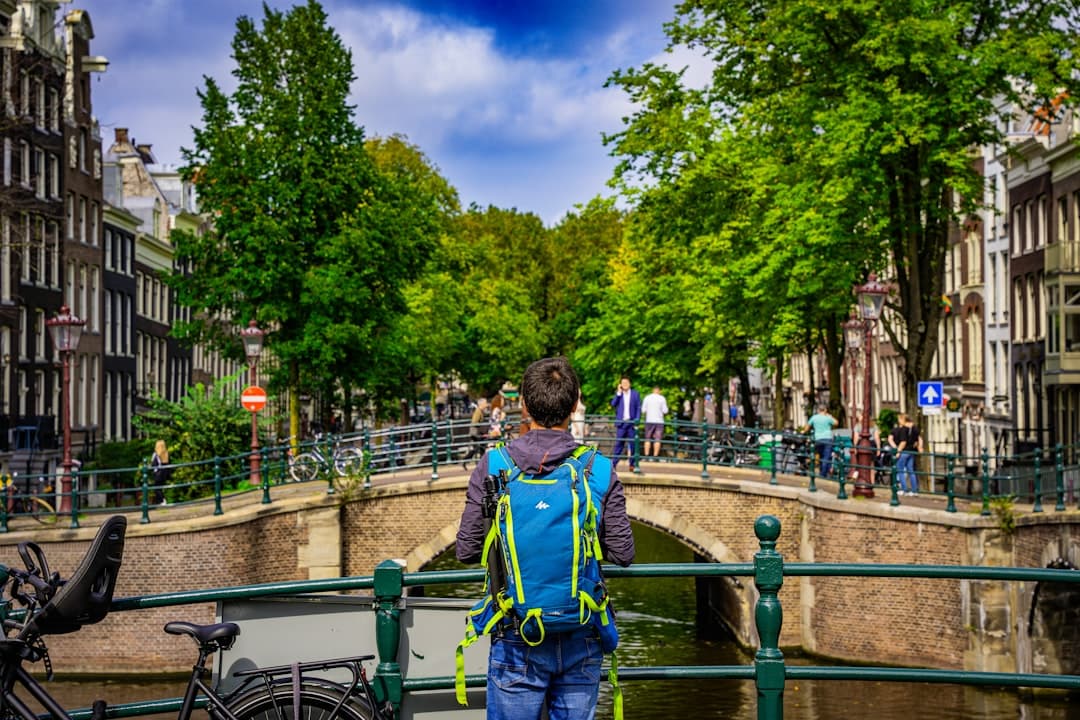
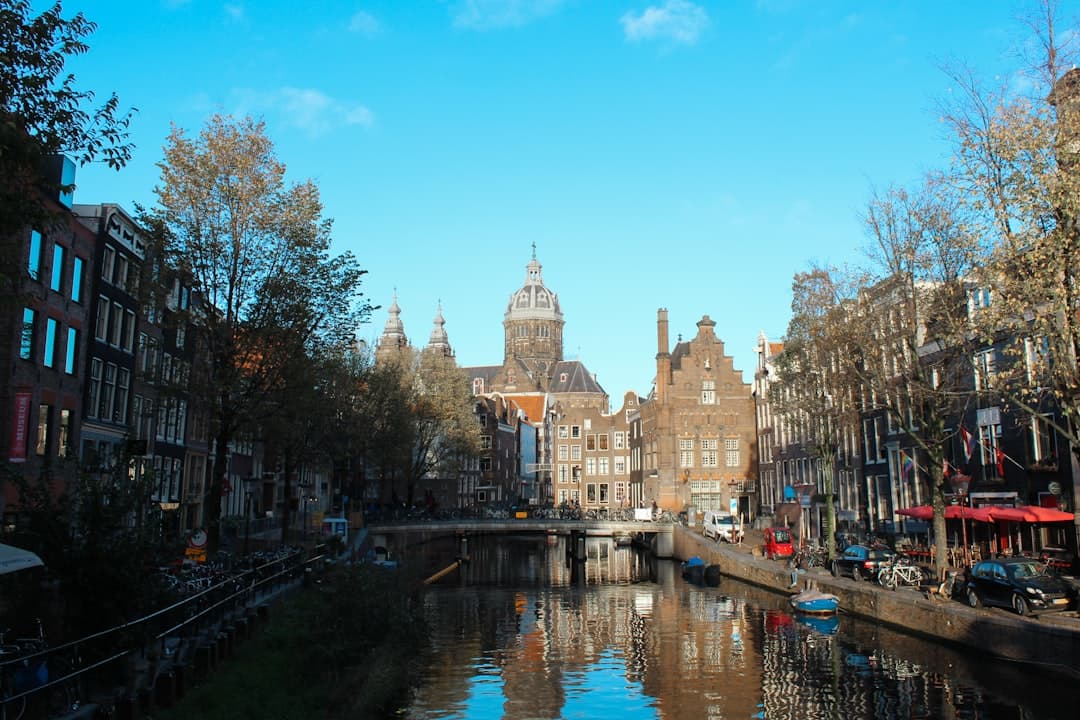
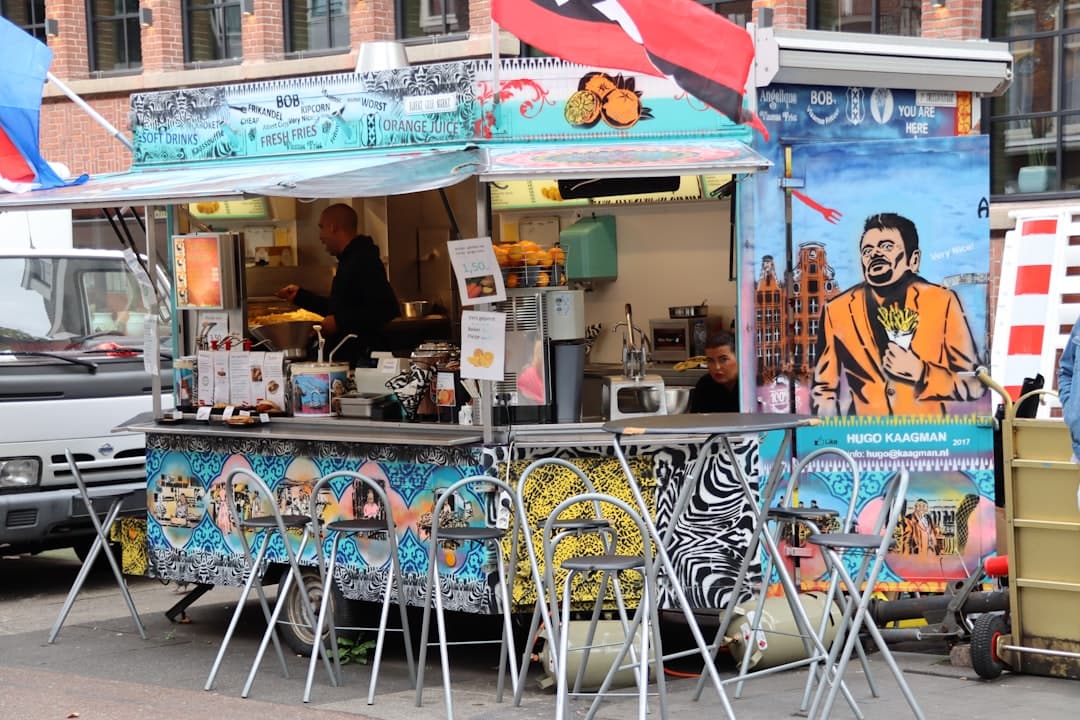
Walking through De Wallen means wandering past 15th-century canal houses, ducking into the Oude Kerk (Amsterdam's oldest building, dating to 1213, which sits improbably in the heart of the district), browsing the erotic museum and cannabis museum, passing the famous window brothels where sex workers sit behind red-lit glass, and stopping into brown cafes that have been serving beer for generations. The Prostitution Information Centre on Enge Kerksteeg offers genuinely educational context about the industry. By day, the area is full of tourists, curious visitors, food stalls, and coffee shops; by night the neon and red lighting transforms the atmosphere entirely. The canals are beautiful at any hour.

The city has been actively working to reduce the district's footprint — closing some window brothels, pushing back on overtourism, and repositioning De Wallen as a historic neighborhood rather than a tourist spectacle. Photography of sex workers in windows is strictly prohibited and enforced; violators face confrontation from workers, locals, and increasingly from roving monitors. Respect is not optional here. Come with genuine curiosity rather than a stag party mentality — the neighborhood rewards thoughtful visitors and has increasingly little patience for the other kind.
Local Tips

  1. 1

    Photography of sex workers in the windows is absolutely prohibited — do not do it, do not try to be subtle about it. Workers and neighborhood monitors will confront you, and the social contract of the area depends on this boundary being respected.

  2. 2

    The Oude Kerk (Old Church) is worth the entrance fee and genuinely surprises most visitors — its interior floor is covered with tombstones, and it regularly hosts contemporary art exhibitions that create an eerie, compelling contrast with the medieval bones of the building.

  3. 3

    Avoid the canal-side restaurants that target tourists with photo menus — the best food nearby is a short walk away in Nieuwmarkt square, or grab a herring from a street cart at the edge of the district.

  4. 4

    The city has introduced walking route signs and monitors to manage tourist flow; follow them and stay on the designated paths through the core of the district — wandering off them into residential side streets is increasingly discouraged and considered disrespectful to locals trying to live their daily lives.

When to Go

Best times
Summer evenings (June–August)

The district is at its most atmospheric after dark in summer — warm enough to linger on bridges, canals glowing with light — but also at peak crowd density. Weekends bring stag parties and bachelor groups that change the tone significantly.

Weekday mornings and afternoons

The best time to appreciate the medieval architecture, visit the Oude Kerk, and walk the canals without being shoulder-to-shoulder with tour groups. Coffee shops and brown cafes are quieter and more welcoming.

Winter evenings (November–February)

The red and neon lighting reflects beautifully on rain-wet cobblestones and canals. Crowds thin out, and the atmospheric quality of the district is at its most cinematic.

Try to avoid
Weekend nights year-round

Friday and Saturday nights draw large, often drunk crowds that make the experience chaotic and at times unpleasant. The neighborhood's own residents and the city government have been vocal about this problem.

Why Visit

01

The Oude Kerk, Amsterdam's oldest building, sits right in the middle of the district — a 13th-century Gothic church surrounded by window brothels that is stranger and more beautiful than almost anything else in the city.

02

De Wallen offers a rare firsthand look at the Netherlands' famous pragmatic approach to legally regulated vice, a social experiment unlike anything you'll find in most of the world.

03

Beyond the notoriety, this is genuinely one of Amsterdam's most architecturally beautiful areas — medieval canals, crooked canal houses, and lantern-lit bridges that look like a Dutch Golden Age painting at night.