Anne Frank House
The hidden annex where Anne Frank wrote her famous diary, preserved exactly as it was.
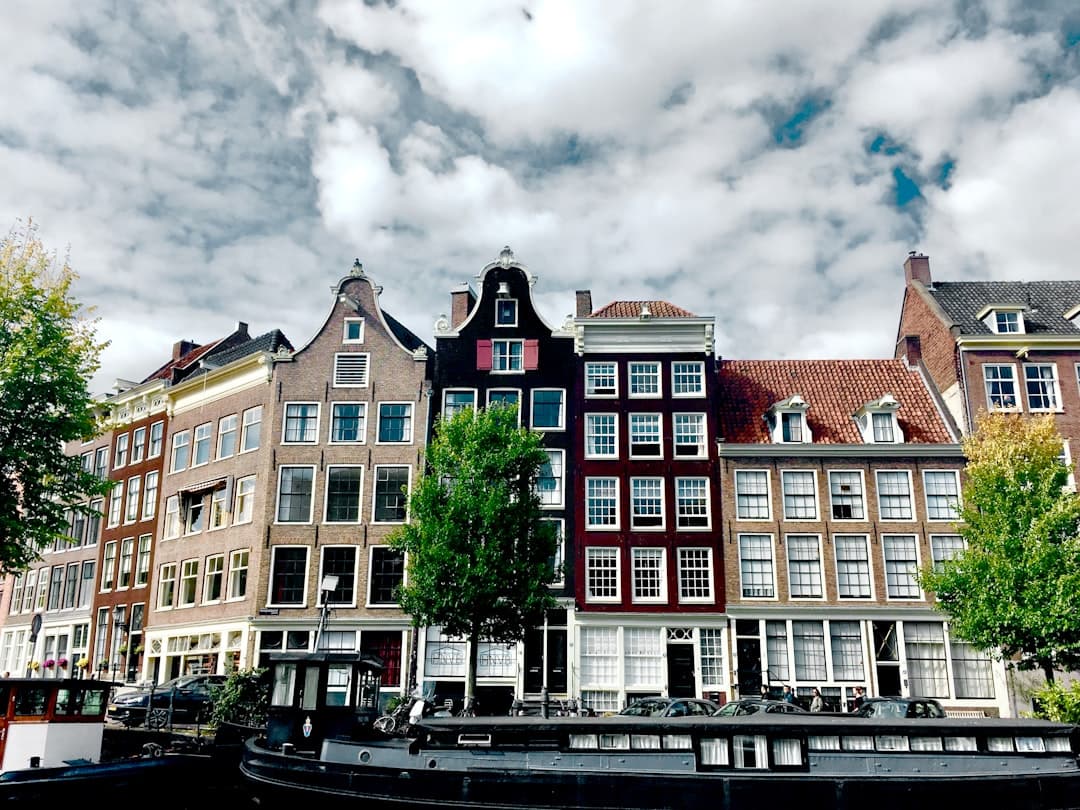
The Anne Frank House is the building on Amsterdam's Prinsengracht canal where Anne Frank, a Jewish teenager, hid with her family for over two years during the Nazi occupation of the Netherlands in World War II. Anne kept a diary throughout that time — a document that became one of the most widely read books in history, translated into more than 70 languages. After the family was betrayed and arrested in 1944, Anne died in Bergen-Belsen concentration camp at the age of fifteen. Her father Otto, the only family member to survive, returned to Amsterdam and published her diary in 1947. The house has been a museum since 1960.
Visitors move through the original warehouse and office building before entering the 'Secret Annex' — the hidden rooms at the rear of the building where eight people lived in near-total concealment. The moveable bookcase that concealed the entrance is still there. The rooms themselves are deliberately unfurnished — Otto Frank's specific wish — but the marks on the wall where the family tracked Anne's height as she grew are still visible, and the magazine cutouts she pasted to her bedroom wall remain. The museum uses original diary pages, photographs, and video testimony to fill in what the empty rooms don't say. It is a slow, quiet, often devastating walk.
Pre-booking is not optional in any meaningful sense — this is one of the most visited museums in Europe and timed-entry tickets routinely sell out weeks in advance. Book directly through the official Anne Frank House website, where tickets are released in batches. If you're visiting Amsterdam and want to come here, sort this before you book your flights. Evening slots (after 6pm) tend to feel calmer and slightly less crowded than peak daytime hours. The museum is right in the heart of the Jordaan district, and the Westerkerk church next door — where Rembrandt is buried — is worth a few minutes of your time before or after.