
All Places
1,073 places around the world
1,073 places · page 32 of 45
Playa Paraiso
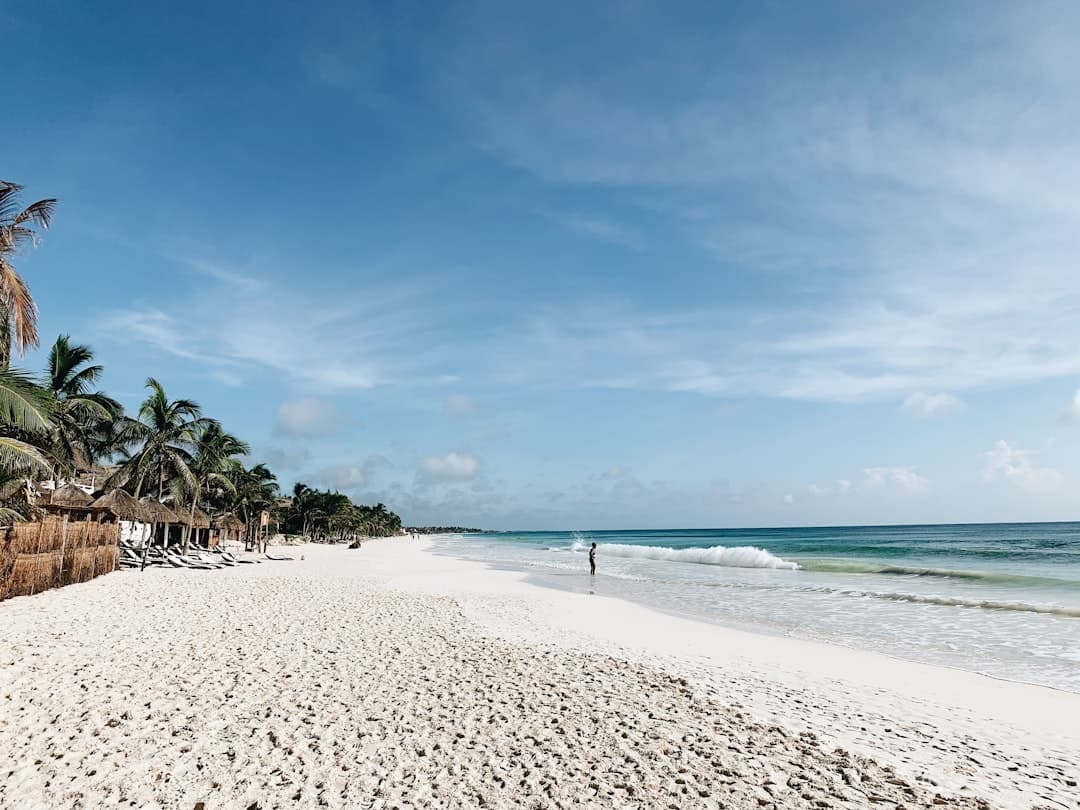
Playa Paraiso sits at the northern end of Tulum's beach strip, directly below the famous Mayan ruins that crown the clifftop above. It's consistently ranked among the most photographed beaches in Mexico, and for good reason — the combination of white-powder sand, shallow turquoise water, and the silhouette of a pre-Columbian temple on the bluff behind you is genuinely unlike anywhere else in the Caribbean. This is not a secret spot, but it earns its reputation honestly. On the beach itself you'll find a stretch of calm, reef-protected water that's gentle enough for kids and non-swimmers — the waves here are mild compared to more exposed stretches further south. You can swim, snorkel, or simply lay out on the sand. Several palapa-style beach clubs and vendors operate along the shore, offering sunbeds, food, and drinks, though you can also park yourself on the free public sections. The ruins above are a separate ticketed site — if you haven't visited yet, the view from the beach looking up is almost as dramatic as the view from the top looking down. The beach is at its best early in the morning, before the tour groups descend from the ruins. Come by 8am and you'll share the water with only a handful of people. By midday it can get genuinely crowded, especially during peak season. Parking is available nearby, and it's easily reached from the Zona Hotelera by bike — a flat, well-worn route that most hotels can point you to. The beach clubs along here (Paraiso Beach Club being the most established) charge for loungers but it's worth it for the shade and cold drinks in the afternoon heat.
Plaza Botero
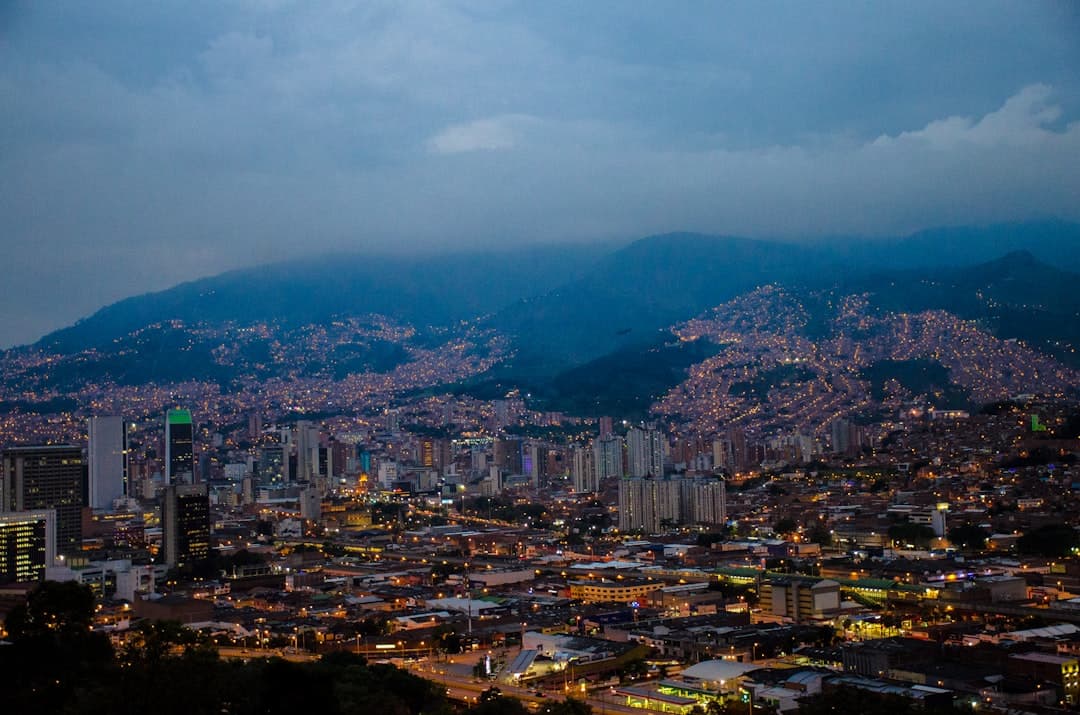
Plaza Botero is an open-air sculpture park in the heart of downtown Medellín, home to 23 large bronze sculptures donated by Fernando Botero — Colombia's most celebrated living artist and Medellín's most famous son. Botero is known worldwide for his distinctive 'Boterismo' style: figures rendered with exaggerated, voluminous proportions that give his work an unmistakable weight and warmth. The plaza sits adjacent to the Museo de Antioquia, which holds the largest collection of Botero's paintings and sculptures in the world, and together the two form one of South America's most visited cultural destinations. Walking through the plaza feels immediately playful. The sculptures — a reclining nude, a rotund bird in flight, a barrel-chested torso — are scaled to dominate the space without overwhelming it, and locals treat them like old friends: children climb on them, vendors sell arepas in their shadows, and tourists line up to pose with outstretched palms against the figures' famously round bellies. The atmosphere is genuinely festive, a real cross-section of paisas (as Medellín residents call themselves) going about their day alongside curious visitors. Street performers, portrait painters, and informal hawkers add to the noise and energy. The plaza is free, open around the clock, and one of the most accessible sights in the city — it's a short walk from the San Antonio metro station. Plan to spend 30–45 minutes in the plaza itself, then seriously consider buying a ticket into the Museo de Antioquia next door, which is a legitimately world-class collection and one of the best-value museums in Colombia. Midday can feel chaotic and hot; early mornings are calmer and better for photography.
Plaza Mayor
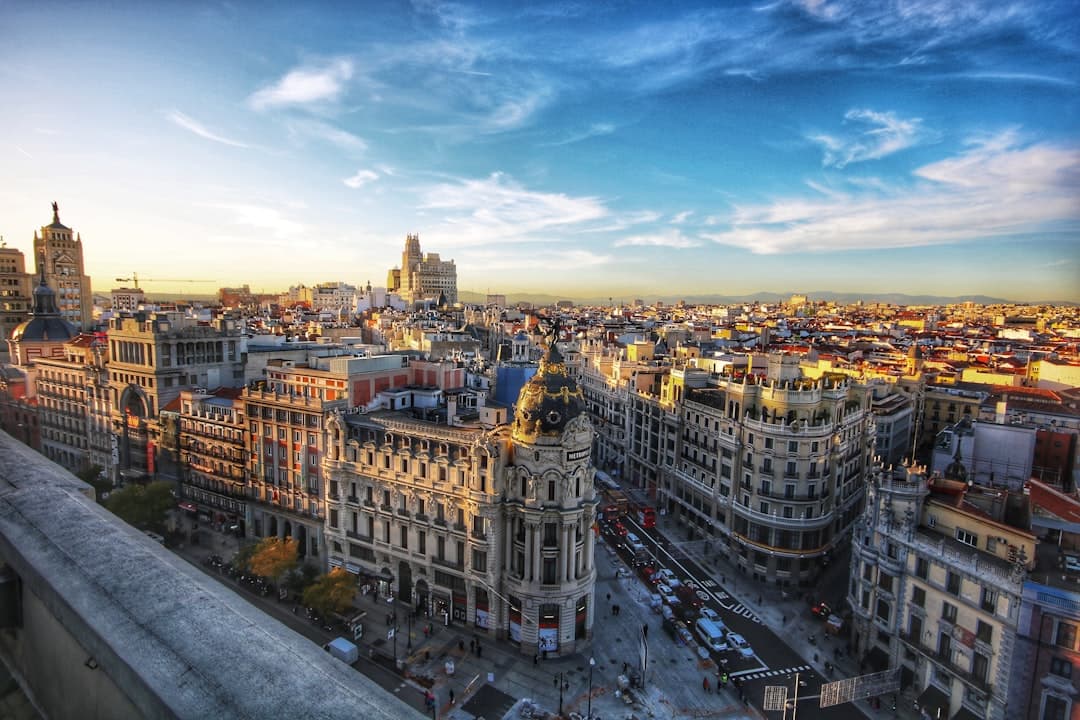
Plaza Mayor is the vast, arcaded main square at the heart of old Madrid — a place that has served as a marketplace, a bullfighting arena, a site of royal proclamations, and an Inquisition tribunal over its four centuries of existence. Commissioned by King Philip III, whose equestrian bronze statue still stands at the center, it was completed in 1619 and designed by Juan Gómez de Mora in the distinctive Herreran style: austere red brick, grey slate spires, and nine grand archways that funnel visitors in from the surrounding streets. The dominant building on the north side, the Casa de la Panadería, is unmistakable for its elaborate allegorical frescoes painted in vivid colours — added in the 1990s and slightly surreal against the otherwise sober architecture. Today the square is pedestrianized and ringed by outdoor café terraces, souvenir sellers, and street performers. The experience is essentially about being in it — wandering the arcade, sitting under one of the cafés with a beer or a coffee, watching the constant flow of tourists and locals, and absorbing the sense of scale. The square hosts a famous Christmas market (Mercado de Navidad) from late November through December, and a Sunday coin and stamp market that has been running for decades. From the southwest corner, the Cuchilleros arch leads down steep steps into the old Mesón-lined streets where some of Madrid's oldest restaurants — Sobrino de Botín, holding a Guinness World Record as the world's oldest restaurant, opened in 1725 — are just a short walk away. The terraces inside the square itself are famously overpriced and touristy — a caña of beer can cost three times what you'd pay a few streets over. Locals largely treat Plaza Mayor as a meeting point and a cut-through rather than a destination in itself. The real insider move is to pass under the arcades, take in the architecture, then head immediately to the Cava Baja or Cava Alta streets just south, where the tapas bars are far better value and far more authentically Madrileño.
Plaza de Armas
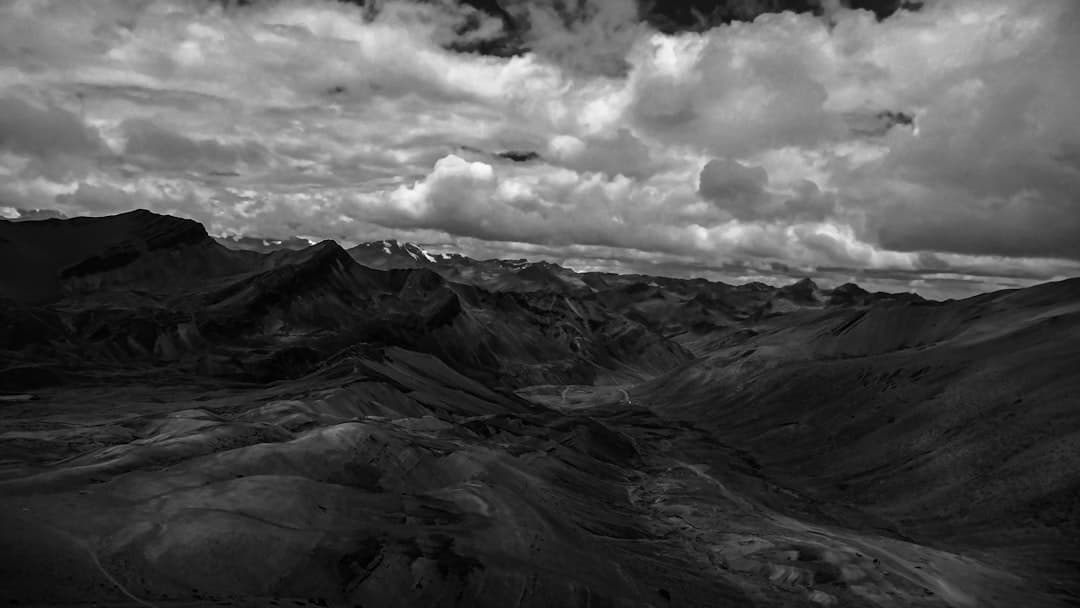
Plaza de Armas is the geographic and spiritual center of Cusco, a city high in the Peruvian Andes that was once the capital of the vast Inca Empire. The square sits at roughly 3,400 meters above sea level and has been a gathering place for thousands of years — the Incas called it Huacaypata, meaning 'place of weeping,' and used it for ceremonies, executions, and celebrations. When the Spanish arrived in the 16th century, they built their cathedral and churches directly over Inca foundations, creating one of the most striking examples of colonial layering over Indigenous civilization anywhere in the Americas. The plaza itself is an open, beautifully kept square anchored by a central fountain and ringed by arcaded stone buildings that house restaurants, bars, and shops on their lower floors. Dominating one side is the Cathedral of Cusco, a hulking 16th-century structure that took nearly a century to build and contains the famous painting of The Last Supper featuring guinea pig as the main dish — a detail that has delighted visitors for decades. Opposite stands the Church of La Compañía de Jesús, whose ornate baroque facade is so extravagant that the Pope himself reportedly had to intervene when local Jesuits were accused of upstaging the cathedral. Spend time just watching: street vendors sell coca leaves and postcards, locals cross the square in both directions, and tourists from every corner of the world stand slightly breathless — partly from the altitude, partly from the scale of what surrounds them. The plaza is free to enter and open around the clock, but the real magic happens in the early morning before tour groups arrive, and again after sunset when the cathedral and churches are lit up dramatically. Most visitors to Cusco pass through multiple times during their stay, using it as a natural orientation point. Bear in mind that the restaurants directly on the plaza tend to be overpriced relative to quality — you're paying for the view. Walk a block or two in any direction for better value.
Plaza de Bolívar
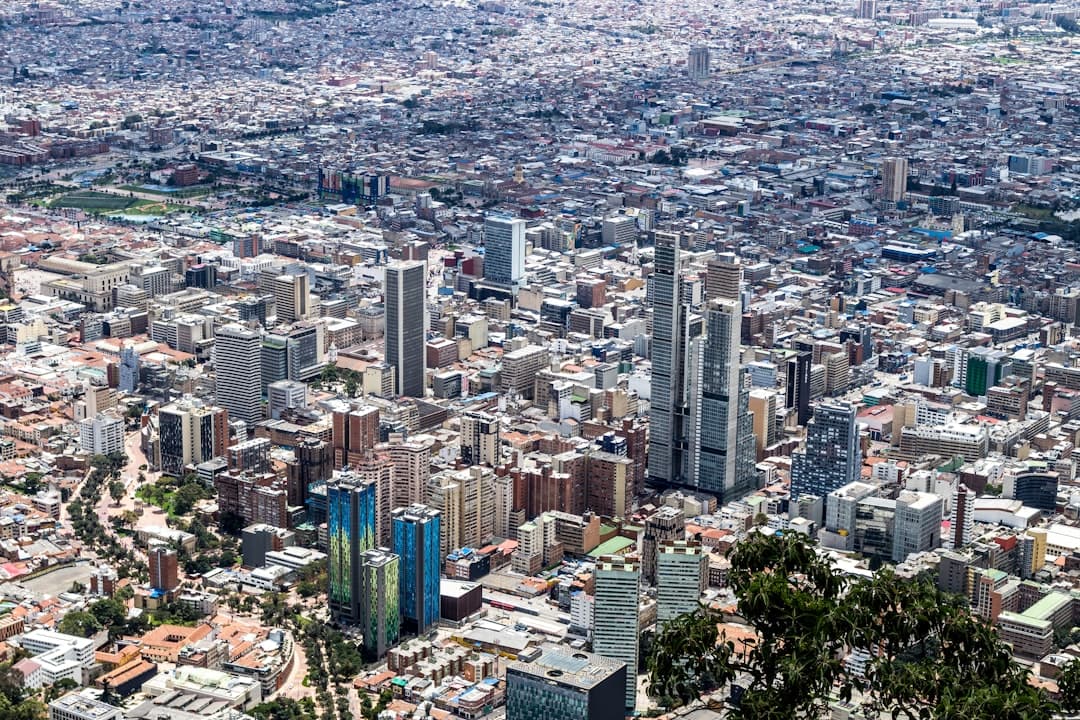
Plaza de Bolívar is the founding square of Bogotá — a vast, open cobblestone plaza in the historic La Candelaria neighborhood that has been the political and symbolic center of Colombia since the city was established in 1538. Named after Simón Bolívar, the liberator of much of South America, the square is flanked by four of the country's most powerful institutions: the Colombian Capitol building, the Palace of Justice, the Liévano Palace (Bogotá's city hall), and the Primada Cathedral, the largest church in Colombia. Together they form one of the most architecturally and historically significant public squares on the continent. In practice, the plaza is a living public space rather than a roped-off monument. On any given day you'll find pigeons in absurd numbers, school groups on field trips, street vendors selling arepas and fresh fruit, and Bogotanos cutting through on their lunch break. The Primada Cathedral is worth stepping inside — it's been rebuilt several times since the 16th century and the current neoclassical structure is genuinely impressive. The Capitol building hosts the Colombian Congress and can sometimes be visited. The square itself hosts major national events, protests, concerts, and celebrations — if something important is happening in Colombia, there's a good chance it's happening here. The plaza is free to enter and open around the clock, though daytime is clearly the time to visit. Come on a weekday morning to catch the square at its most animated without peak weekend crowds. The surrounding streets of La Candelaria — Colombia's oldest urban neighborhood — are full of colonial architecture, street art, small museums, and cheap set-lunch spots, so build extra time into your visit to explore on foot. Keep an eye on your belongings as you would in any busy city-center square.
Plaza de Bolívar Cartagena
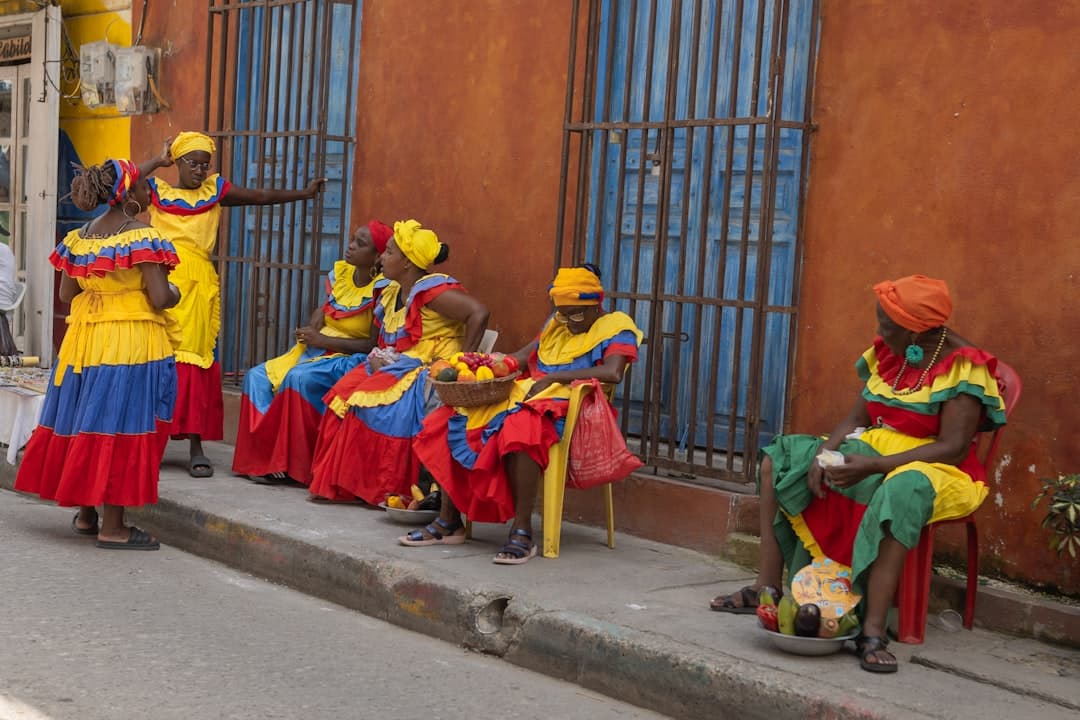
Plaza de Bolívar is the grand central square of Cartagena's walled city, a place that has anchored the social and civic life of this UNESCO World Heritage city for centuries. Ringed by some of the most important colonial architecture in the Americas — the Cathedral Basilica of Cartagena, the Palace of the Inquisition, and the City Hall — the plaza sits at the geographical and symbolic heart of El Centro, the old city. At its center stands an equestrian statue of Simón Bolívar, the liberator who helped free much of South America from Spanish rule. This is not a tourist set piece — it is a living, working public square that matters to the people who live here. Come here and you'll find a mix of Cartagena in full swing: local lawyers and politicians crossing between government buildings, vendors selling cold coconut water and emerald jewelry from the shade of the palms, shoeshine men stationed on low wooden boxes, and students eating lunch on the benches. The Cathedral Basilica is worth stepping inside — construction began in 1575 and it bears the scars of a cannonball fired by Francis Drake in 1586. The Palace of the Inquisition on the western edge of the square is now a museum documenting the brutal history of the Spanish Inquisition in the New World, with original torture instruments still on display. The architecture throughout is warm ochre and white colonial grandeur, at its most photogenic in the golden hour before sunset. The plaza is free and open around the clock, making it an easy anchor for any walk through the old city. Evenings are particularly alive — the heat of the day drops, street musicians sometimes appear, and the surrounding restaurants fill up. Avoid the midday hours if you're sensitive to heat, as the square gets little shade and Cartagena's Caribbean sun is genuinely punishing from roughly 11am to 3pm. The surrounding streets — particularly Calle de la Inquisición — lead directly to the city's best restaurants, boutique hotels, and craft shops.
Plaza de España
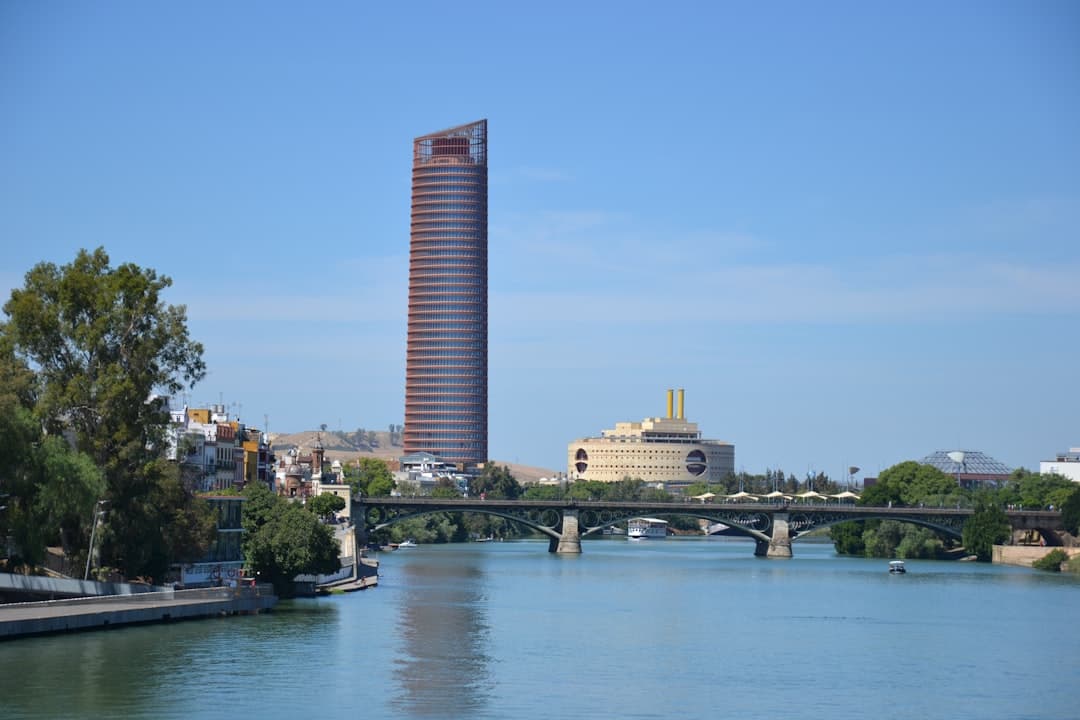
Plaza de España is one of the most spectacular public squares in Europe — a vast, crescent-shaped complex built in 1928 to host Spain's Latin American Exposition, designed by architect Aníbal González. It sits at the northern edge of Parque de María Luisa and stretches nearly half a kilometre across, combining Renaissance Revival and Moorish Revival styles into something uniquely Andalusian. The centrepiece is a great curved brick building fronted by a moat-like canal and flanked by two ornate towers. It was built to impress, and it still does. What you actually do here is wander, slowly. The most beloved feature is the series of 48 tiled alcoves lining the building's base — one for each province of Spain, each decorated with hand-painted ceramic tiles depicting local maps and historical scenes. People sit in them, photograph them, trace the tiles with their fingers. You can rent a small rowboat to drift along the canal, cross one of the four bridges (each representing a historic kingdom of Spain), or simply sit on a bench and watch the light change on the facades. Flamenco dancers sometimes perform spontaneously in the central plaza. Horse-drawn carriages clip past. It has a theatrical quality that never quite feels fake. Entry is free and the square is open late, which matters in Seville's fierce summer heat — early morning light is extraordinary here, and evenings after sunset draw locals and visitors alike. It was famously used as a filming location in Lawrence of Arabia and several Star Wars scenes, though you won't need that trivia to feel the weight of the place. Come on a weekday morning if crowds bother you; weekends fill up fast, especially in spring.
Plaza de Mayo
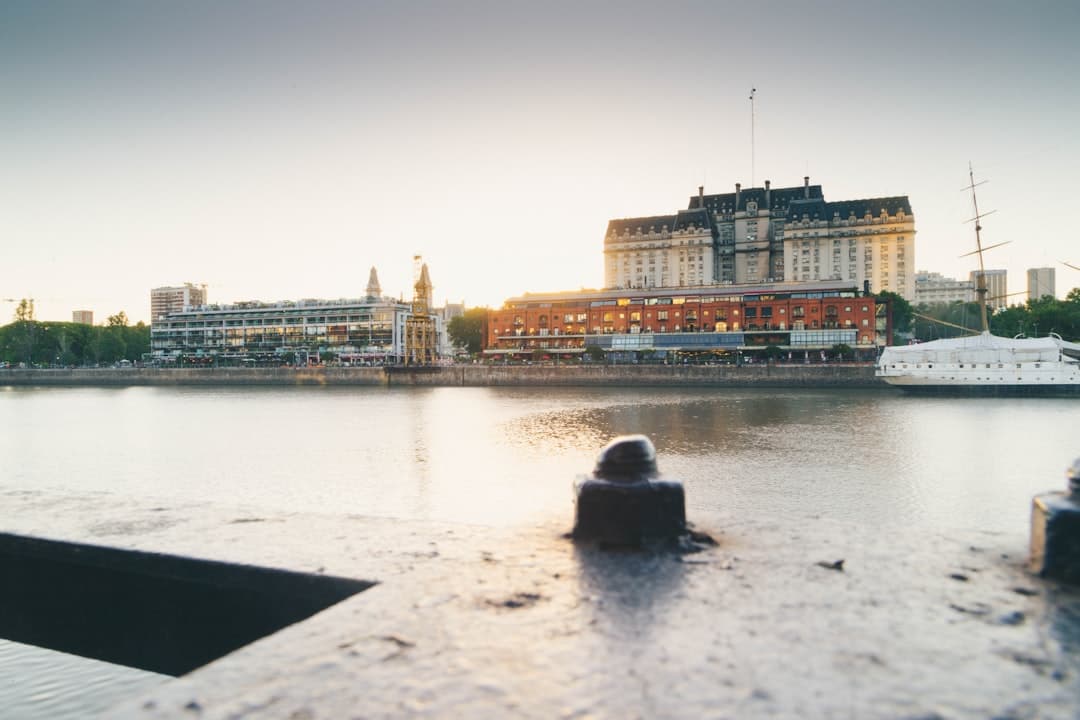
Plaza de Mayo is the beating heart of Buenos Aires — a grand, tree-lined square that has served as the stage for Argentina's most defining moments since the city's founding in 1580. Flanked by the iconic pink Casa Rosada presidential palace, the Metropolitan Cathedral, the Cabildo colonial town hall, and the city's main bank, the plaza is essentially an open-air museum of Argentine political and civic life. This is where independence was declared, where Juan Perón addressed millions from the palace balcony, and where the Madres de Plaza de Mayo — mothers of the disappeared — began their silent, brave weekly marches during the military dictatorship of the 1970s and '80s. Those marches continue every Thursday at 3:30pm, making it one of the most moving living traditions in South America. Walking the plaza today, you'll feel the weight of all that history alongside the rhythm of a very much alive city. The central obelisk-style Pirámide de Mayo, erected in 1811, marks the heart of the square. Pigeons scatter as tour groups gather near the Casa Rosada, whose distinctive terracotta-pink facade is even more striking in person than in photos. You can visit the Casa Rosada museum through the back entrance on Paseo Colón — it's free and genuinely worth it for the ornate interiors and rotating exhibits on Argentine history. The Metropolitan Cathedral is also open to visitors and houses the tomb of General José de San Martín, the nation's great liberator, watched over by an eternal flame. The plaza itself never closes and entry is free, which means it draws everyone — office workers on lunch breaks, tourists with cameras, political protesters, and school groups on field trips. Thursdays are especially meaningful if you want to witness the Madres' march, but any day of the week you're likely to encounter some form of civic expression here. Weekday mornings tend to be calmer; weekend afternoons can get busy with demonstrations or cultural events. Stay alert to your belongings in crowds, and consider pairing a visit here with a walk down the pedestrianized Florida Street or into the San Telmo neighborhood just south.
Plaza de la Revolución
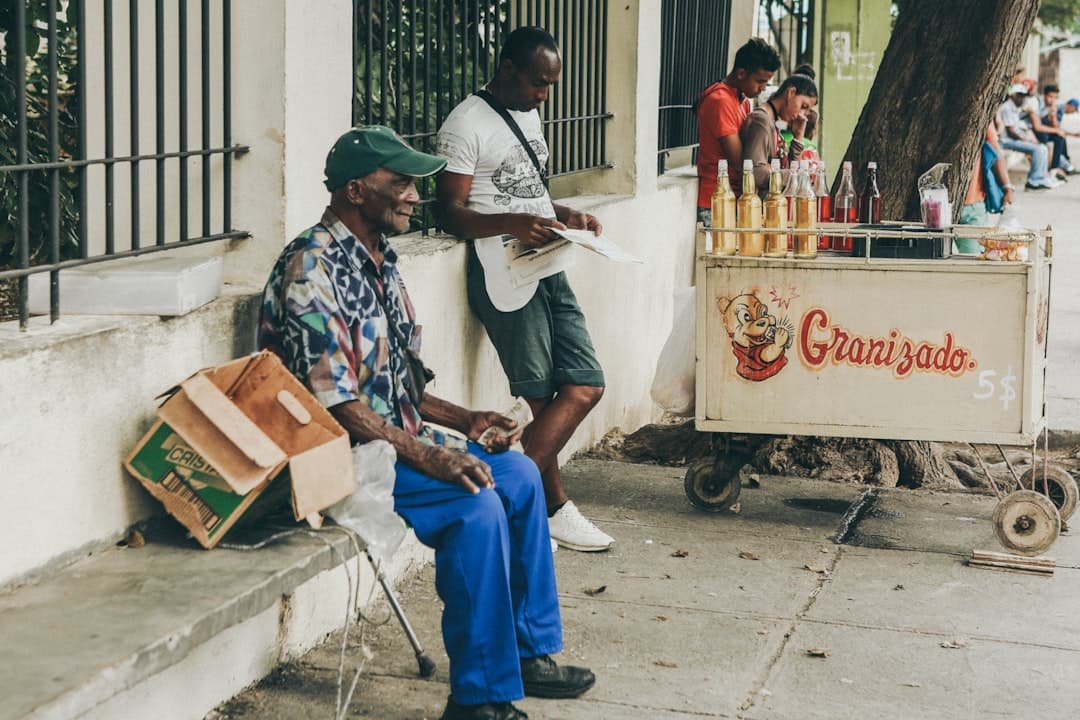
Plaza de la Revolución is one of the largest public squares in the world and the civic center of Havana — a vast open expanse ringed by government ministries, a memorial tower, and those famous steel outline murals of Che Guevara and Camilo Cienfuegos that have become the defining visual shorthand for Cuba itself. Built in the 1950s under Batista (then called Plaza Cívica) and renamed after the 1959 revolution, it has served as the stage for virtually every major political moment in modern Cuban history — from Fidel Castro's marathon speeches drawing hundreds of thousands of Cubans, to Pope John Paul II's open-air Mass in 1998, to Pope Francis's visit in 2015. When you arrive, the sheer scale of the place hits first — it holds up to a million people and feels almost surreally empty on a typical day. The José Martí Memorial at the southern end is the dominant structure: a 109-meter star-shaped tower with a large seated statue of Cuba's national hero at its base. You can take an elevator to the top for panoramic views across Havana. On the facing ministries — the Interior Ministry and the Communications Ministry — the enormous iron-mesh portraits of Che and Cienfuegos glow at night, illuminated in neon. The Che mural carries his famous phrase 'Hasta la victoria siempre.' Surrounding the plaza are the headquarters of Cuba's key government institutions, making this genuinely the administrative core of the country. Practically speaking, entrance to the plaza itself is free and open. The memorial museum inside the José Martí tower has a small admission fee and is worth the climb for the views. Go in the morning before the tour buses arrive — by midday the square can feel overrun with group tours. The plaza is about 4 kilometers south of Old Havana in the Vedado-adjacent neighborhood of Plaza de la Revolución (the municipality shares the name), so factor in a taxi or a longer walk. Street vendors sell postcards and trinkets at the edges, and classic American cars park here for photo opportunities — expect to be approached, and agree on a price before you get in.
Pointe-à-Callière Museum
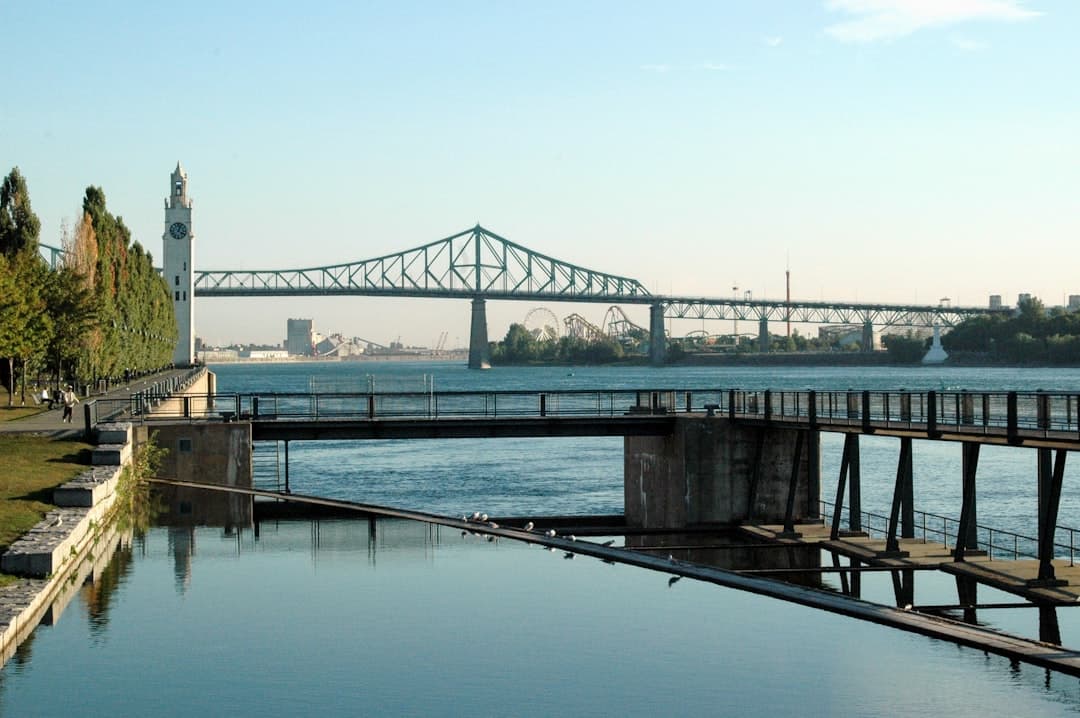
Pointe-à-Callière is Montreal's archaeology and history museum, built directly on top of the city's birthplace — the very spot where French colonists landed and established Ville-Marie in 1642. What makes this museum genuinely unusual is that it isn't just about history: it's physically constructed over excavated archaeological ruins, so you're walking through layers of the real thing rather than looking at reproductions behind glass. It sits at the confluence of the St. Lawrence River and the now-buried Rivière Saint-Pierre, in the Old Port neighborhood, and the building itself — a striking modern structure designed by Dan Hanganu — is considered one of Montreal's finest pieces of contemporary architecture. Inside, you descend into the actual excavated remains of the city's earliest settlements, including Indigenous encampments that predate European arrival, the original French fortifications, and the ruins of Montreal's first Catholic cemetery. A multimedia show in the crypt-like lower level brings the founding of the city to life in an immersive, theatrical way that works surprisingly well even for adults who are skeptical of that kind of thing. Above ground, the permanent collection traces the full sweep of Montreal's history through artifacts, maps, and interactive displays, while an underground passage connects the main building to the old customs house next door, which hosts temporary exhibitions. The museum closes on Mondays, which catches visitors off guard — confirm hours before you go. Tuesday evenings sometimes feature special programming, and the museum periodically extends hours for major temporary exhibitions. It's a worthwhile stop on its own, but pairing it with a walk through Old Montreal immediately afterward makes the history feel alive in a way that's hard to replicate elsewhere in the city.
Pompeii
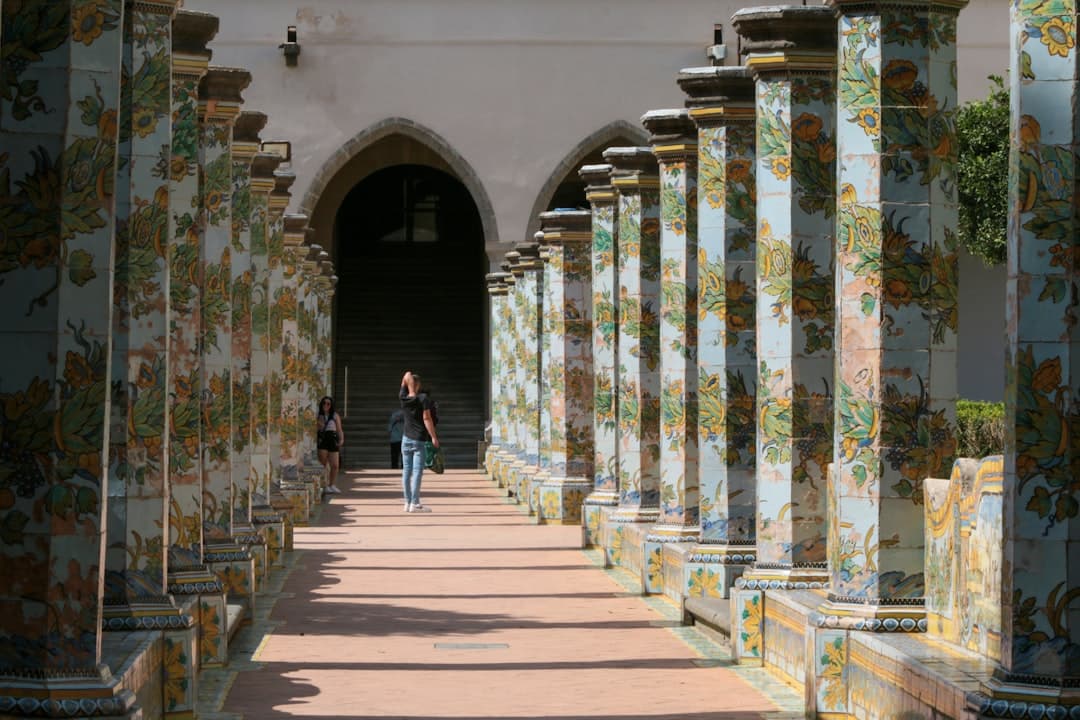
Pompeii is an ancient Roman city buried under meters of volcanic ash and pumice when Mount Vesuvius erupted catastrophically in 79 AD. The eruption killed thousands of residents and preserved the city almost exactly as it was on that August afternoon — streets, buildings, frescoes, food stalls, and even the plaster casts of the victims themselves. Rediscovered in the 18th century, it is now one of the most important archaeological sites in the world and a UNESCO World Heritage Site, offering a direct, visceral window into everyday Roman life that no museum can replicate. Walking through Pompeii is genuinely unlike anything else. You move along original Roman paving stones, past bakeries that still have their stone flour mills, past election slogans painted on walls, past the lupanare (the brothel, with its graphic frescoes still intact), past the Forum where citizens once gathered, and into the Villa of the Mysteries with its extraordinary painted frieze. The plaster casts of victims — preserved in the exact positions they died — are deeply affecting in a way that catches most visitors off guard. The sheer scale of the site, covering about 44 hectares, means there is always a quiet street or a less-visited house to discover. Pompeii is located in the modern town of Pompei (one 'i'), about 25 kilometers southeast of Naples and easily reached by the Circumvesuviana commuter train from Naples Centrale or Sorrento — get off at Pompei Scavi-Villa dei Misteri. Get here early: the site opens at 9am and the crowds build fast, especially in summer. A combined ticket with Herculaneum, the smaller but even better-preserved sister site nearby, is worth considering if you have more than one day.
Ponte Vecchio
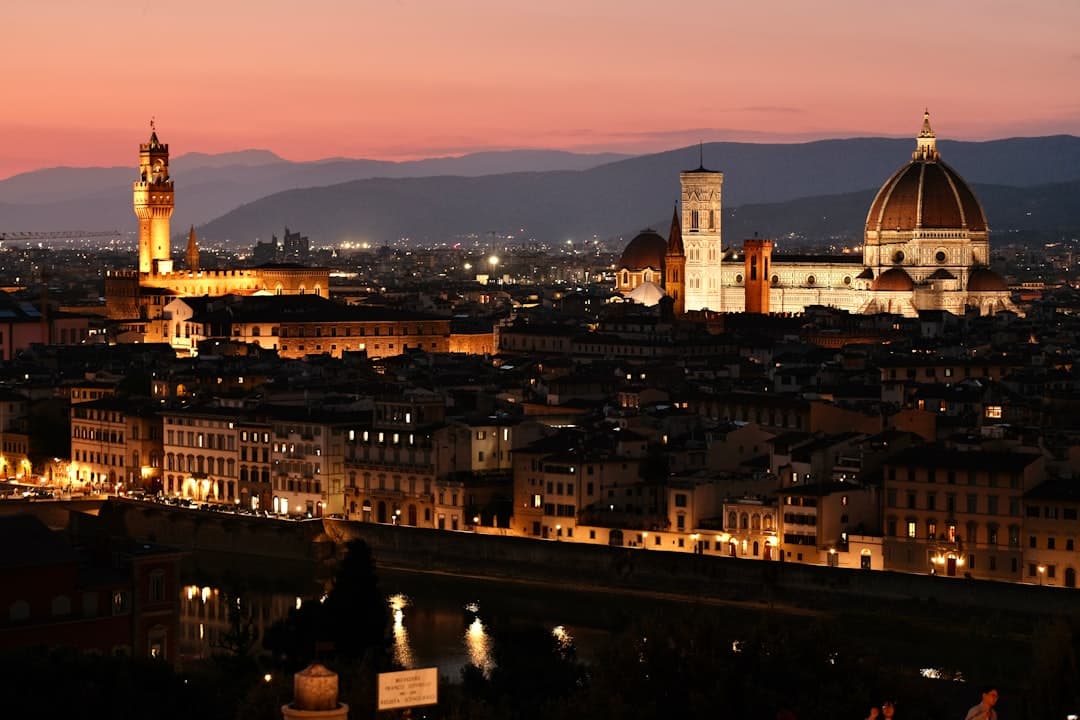
Ponte Vecchio is Florence's oldest bridge and one of the most recognizable structures in Italy. Built in its current form in 1345 after a devastating flood destroyed its predecessor, it spans the Arno River at its narrowest point in the city center. What makes it unlike any other bridge in the world is what sits on top of it: a continuous row of small shops built directly onto the bridge's sides, a medieval urban arrangement that has survived largely intact for centuries. For much of its history those shops were occupied by butchers and tanners — until the 16th century, when the Medici, who used the private Vasari Corridor running above the bridge to travel between the Palazzo Pitti and the Uffizi, decided the smell was undignified and evicted them. Goldsmiths and jewelers moved in, and they've been there ever since. Walking across Ponte Vecchio is one of those travel experiences that delivers exactly what you hope it will. The bridge is narrow and the overhanging shops create a tunnel-like effect that opens dramatically at the center, where a gap in the buildings frames views up and down the Arno — one of the great urban panoramas in Europe. The shops themselves are tiny, their windows filled with gold rings, pendants, and chains at every price point. Buying jewelry here is a genuine Florentine tradition, not a tourist trap, though you should browse with patience and a reasonable sense of market prices. Overhead, you can sometimes spot the grilled windows of the Vasari Corridor. The bridge gets extremely crowded during the middle of the day, especially in summer. The single best strategy is to cross it early in the morning — ideally just after 7am — when the light on the Arno is soft and the vendors haven't yet opened their shutters. Come back at dusk for the view, when the bridge glows gold and the reflected light on the water is genuinely spectacular. The south end of the bridge opens onto the Oltrarno neighborhood, which is worth exploring further.
Port of Tel Aviv
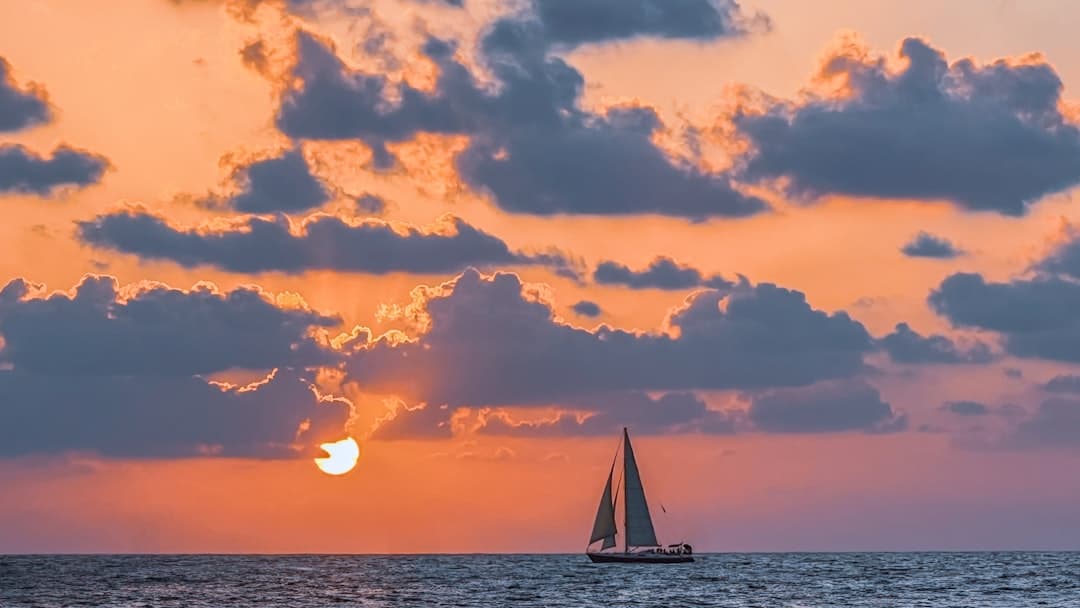
The Port of Tel Aviv — known locally as Namal Tel Aviv — is a revitalized waterfront district built on the site of the city's original commercial port, which operated from the 1930s until it was decommissioned in the 1960s. For decades the old warehouses and dock infrastructure sat largely idle, but a major redevelopment in the early 2000s transformed the area into one of the city's most popular destinations: a long wooden boardwalk flanked by restaurants, bars, boutique shops, a weekend farmers market, and open-air event spaces. The undulating timber promenade — a striking design element that references the waves of the Mediterranean just steps away — stretches along the northern seafront and gives the whole district a cohesive, relaxed energy that feels distinct from the busier stretches of beach further south. On any given day you can walk the boardwalk, grab a coffee at one of the seafront cafés, browse the Namal Market on Fridays and Saturdays (one of the best fresh produce and artisan food markets in the city), duck into the handful of independent fashion and design boutiques housed in the old port warehouses, or simply find a spot to watch the Mediterranean light go golden over the water. Come evening, the port shifts gears — restaurants fill up, bars get louder, and on summer weekends the outdoor spaces host live music and events that keep things going well into the night. The Hangar 11 and other performance venues here draw serious international acts. The port is at the northern end of Tel Aviv's seafront, just above the Gordon Beach area, and is easily walkable from the Frishman or Gordon beach access points. It rewards a slow visit rather than a quick pass-through — build in time to eat, wander, and sit. Friday morning is the sweet spot for the market, which draws locals doing their weekend shopping alongside tourists. The area is family-friendly by day and tilts more adult by night, so timing shapes the experience considerably.
Portobello Road Market
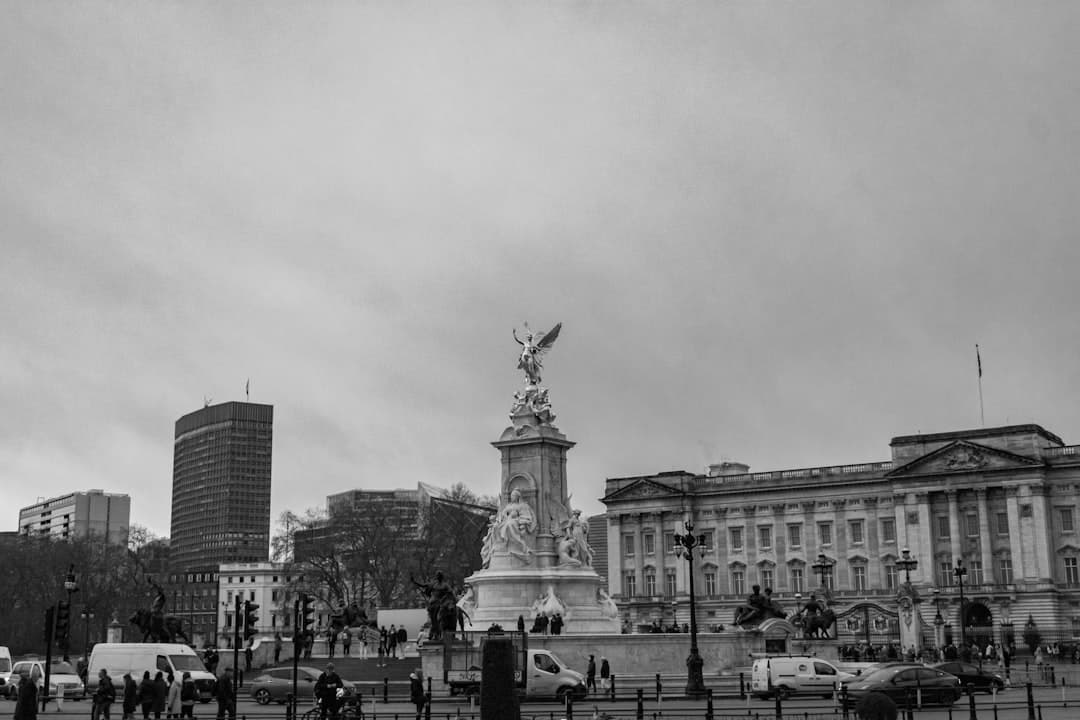
Portobello Road Market is one of London's most famous street markets, stretching nearly a mile through the Notting Hill neighbourhood in west London. It's been a market of one kind or another since the 1860s, but it rose to global fame in the 20th century as a destination for antiques dealers and collectors, and got a second wave of attention after the 1999 film Notting Hill was shot here. Today it draws millions of visitors a year and operates in distinct sections: antiques and silverware toward the southern Notting Hill Gate end, fresh produce and groceries in the middle, and vintage clothing, records, and bric-a-brac as you push north toward Ladbroke Grove. On a Saturday — the only day when the full market fires on all cylinders — the street fills with dealers selling Georgian silver, Art Deco jewellery, vintage posters, military medals, and the kind of objects that make you wonder how they ended up here. The covered arcades tucked off the main road, like the Admiral Vernon and Portobello Green Market, are worth ducking into: that's where serious dealers set up and where the best finds tend to hide. Street food stalls fill the gaps between the antique tables, with everything from Jamaican jerk chicken to Spanish churros reflecting the neighbourhood's cultural mix. The Google-listed hours suggest daily trading, and while there are some stalls and permanent shops open through the week, don't be fooled — the weekday market is a pale shadow of Saturday. If you're coming for antiques specifically, Saturday morning before 11am is the sweet spot, when dealers are still fresh and haven't yet packed the good stuff away. The market gets genuinely packed by midday in summer, so arrive early or embrace the crowd as part of the experience.
Prado Museum
The Prado is one of the most important art museums in the world, and Spain's undisputed cultural crown jewel. Opened in 1819 on the Paseo del Prado, it holds the royal collection of the Spanish Crown — accumulated over centuries by monarchs with serious taste and serious money. What sets the Prado apart isn't just its size but its depth: nowhere else on earth will you find such a concentrated collection of Velázquez, Goya, El Greco, and Titian under one roof. If you care about European painting from the 12th to the 19th century, this is the building. In practice, a visit means wandering through grand, high-ceilinged galleries filled with work that you've seen reproduced a thousand times but that still stops you cold in person. Velázquez's Las Meninas — arguably the most analysed painting in Western art — is here, and it earns every word written about it. So is Goya's terrifying Saturn Devouring His Son, originally painted directly onto the walls of his own house. The Flemish collection is extraordinary too, anchored by Hieronymus Bosch's The Garden of Earthly Delights, a triptych so strange and detailed you could stare at it for an hour. The museum's permanent collection runs to over 8,000 works, though only around 1,300 are on display at any time. The Prado sits at the southern end of the Paseo del Prado, right next to the Retiro park, and is part of Madrid's so-called 'Golden Triangle of Art' alongside the Reina Sofía and the Thyssen-Bornemisza — all within walking distance of each other. Entry is free Monday through Saturday from 6–8pm and Sunday from 5–7pm, which is worth knowing but also means those hours are busy. Go mid-morning on a weekday if you can. The museum is large enough that you can lose crowds in it, and spending three to four focused hours on a curated selection beats an exhausted sprint through everything.
Prague Castle
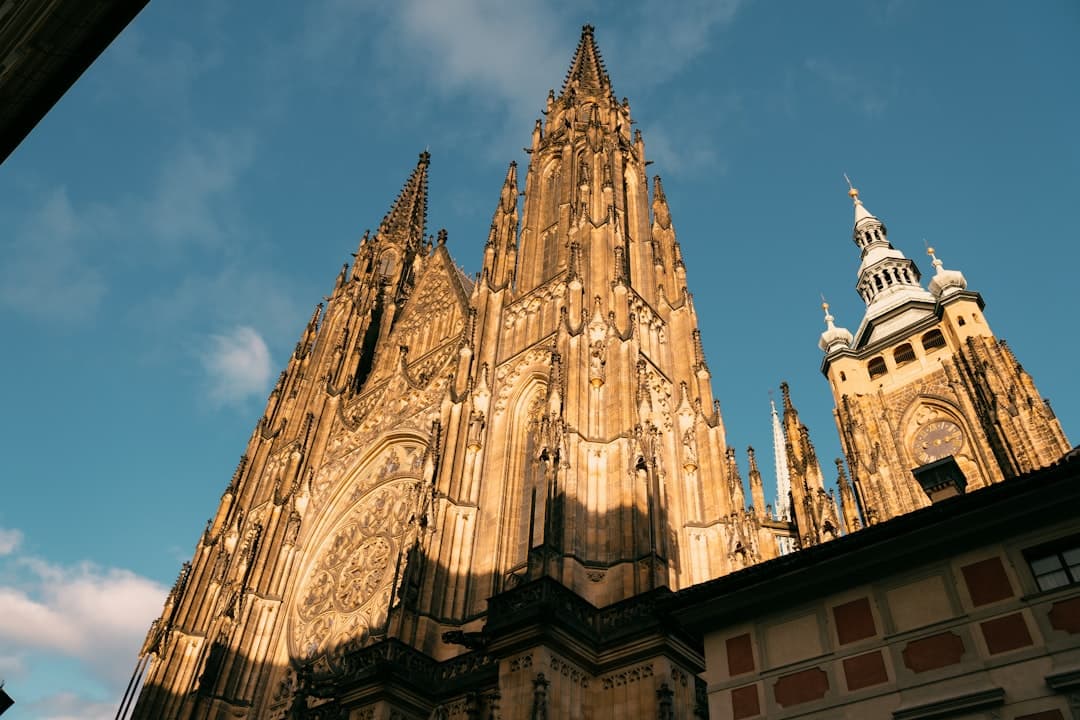
Prague Castle isn't just a castle — it's an entire walled city perched above the Vltava River, and at roughly 70,000 square metres it holds the title of the largest ancient castle complex in the world. It has been the seat of Czech rulers since the 9th century, housing Bohemian kings, Habsburg emperors, and now the Czech president. The complex contains palaces, churches, gardens, galleries, a basilica, a former convent, a toy museum, and the extraordinary St. Vitus Cathedral — all within a single fortified precinct. It is, in every sense, the symbolic heart of the Czech nation. Visiting means working your way through layers of history at your own pace. St. Vitus Cathedral dominates everything — its Gothic towers took nearly 600 years to complete, and stepping inside to see the Mucha stained-glass windows and the tomb of St. Wenceslas is genuinely moving. The Old Royal Palace holds the vast Vladislav Hall, used for jousting tournaments in the 15th century. Golden Lane is a row of tiny colourful houses built into the castle walls where Franz Kafka briefly lived at number 22. The castle gardens — especially the South Gardens redesigned by Josip Plečnik in the 1920s — offer some of the best elevated views over the red rooftops of Malá Strana and the Old Town below. The castle grounds themselves are free to enter and open early; it's the individual monuments and buildings that require a ticket. There are several ticket tiers, and the Circuit B option covers the Cathedral, Old Royal Palace, St. George's Basilica, and Golden Lane — which is the right call for most visitors. Come as early as possible to beat the tour groups that descend by mid-morning. The changing of the guard happens on the hour at the main gate and is worth a glance, but don't rearrange your whole visit around it.
Prater & Giant Ferris Wheel
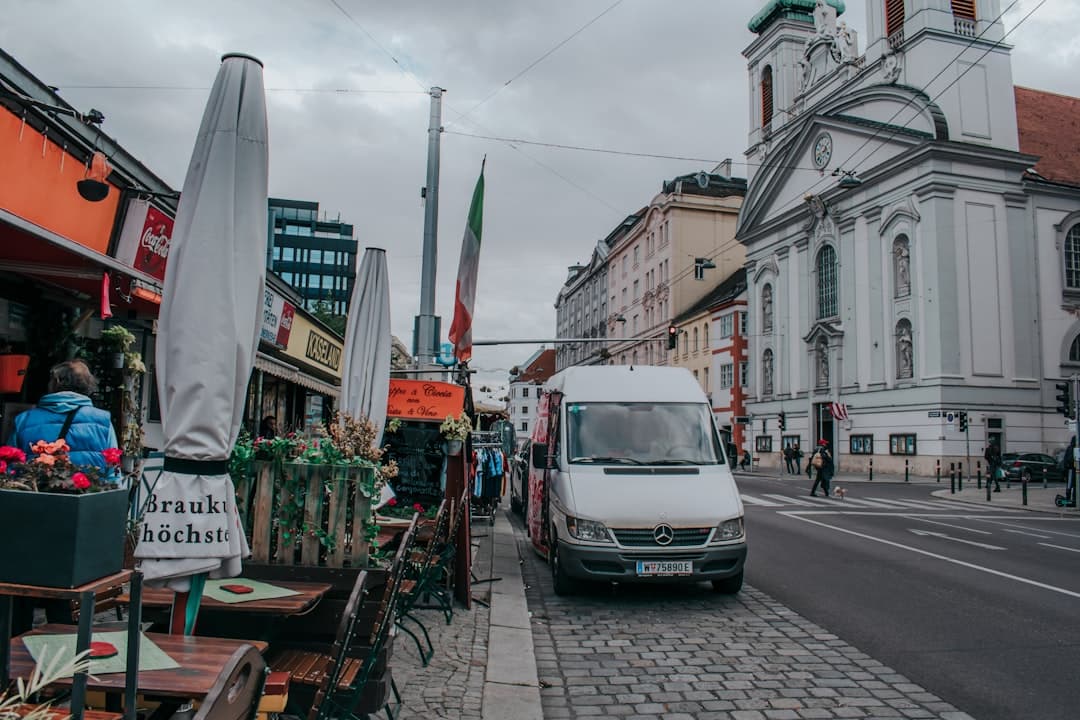
The Prater is a sprawling public park in Vienna's 2nd district, stretching across more than 6 square kilometres of meadows, chestnut-lined paths, and woodland. At its heart sits the Wurstelprater, a traditional amusement park that has entertained Viennese families for centuries, and its most famous resident: the Riesenrad, or Giant Ferris Wheel. Built in 1897 to mark the 50th anniversary of Emperor Franz Joseph I's reign, the Riesenrad is one of the oldest surviving ferris wheels in the world. It became a global symbol of Vienna after appearing in the 1949 film The Third Man, in which Orson Welles' character Harry Lime delivers his chilling 'cuckoo clock' speech from one of its gondolas. A ride on the Riesenrad takes about 20 minutes and lifts you roughly 65 metres above the city in one of 15 large wooden gondolas — some of which have been converted into private dining rooms for a genuinely theatrical dining experience. The slow rotation gives you sweeping views over Vienna, the Danube, and on clear days the hills of the Vienna Woods. Beyond the wheel, the Prater itself rewards aimless wandering: the Hauptallee, a dead-straight 4.5-kilometre avenue lined with massive chestnut trees, is a favourite with joggers and cyclists; the surrounding meadows fill up with picnickers on warm evenings; and the Wurstelprater delivers the cheerful chaos of old-school fairground rides, dodgems, and Würstelstand sausage stands. The Riesenrad operates most of the year, with the longest queues in summer and on weekends. Early morning or weekday visits mean shorter waits and better light for photographs. If you're visiting the Prater for the park itself, it's free and open at all hours — one of Vienna's great gifts to its residents. The amusement park area has no general admission charge; you pay per ride. Keep an eye on the Riesenrad's website if you're interested in a gondola dinner, as those slots book up quickly.
Praça do Comércio
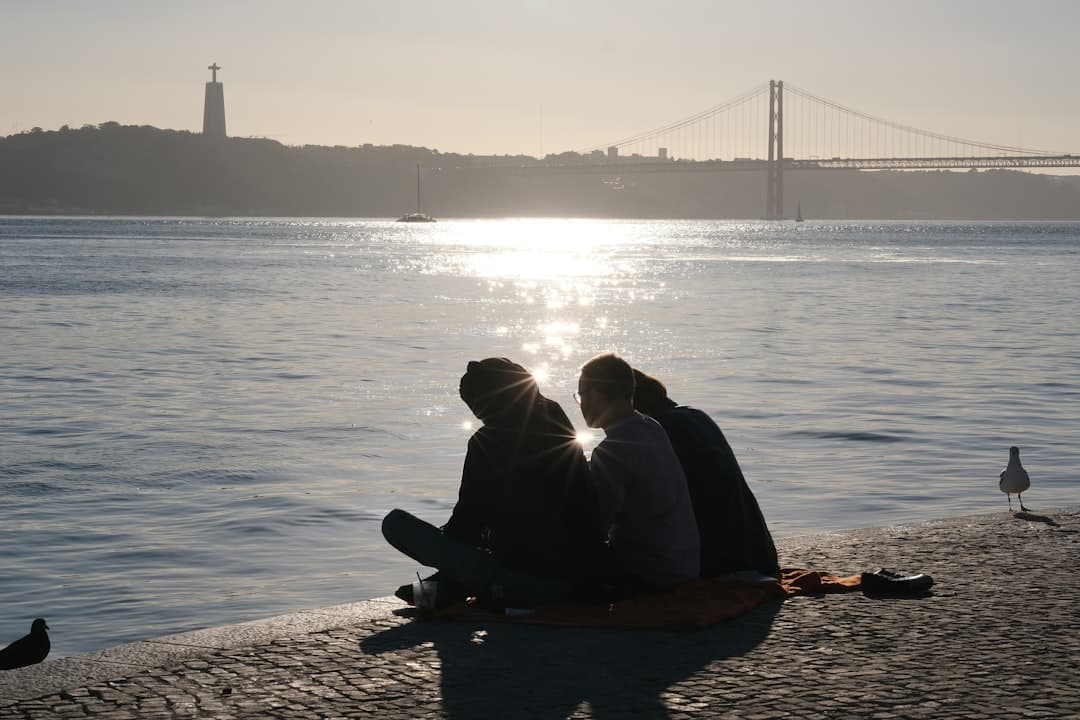
Praça do Comércio is the great ceremonial heart of Lisbon — a massive, arcaded square that opens directly onto the Tagus river on one side and the grid of the Baixa district on the other. It was built in the mid-18th century as part of the Marquis of Pombal's radical reconstruction of the city after the 1755 earthquake flattened much of Lisbon. For centuries this was where goods from the colonies arrived, where kings made their entrances by boat, and where the first shot of the 1908 assassination of King Carlos I was fired. Locals still sometimes call it Terreiro do Paço — Palace Square — a reference to the royal palace that stood here before the earthquake destroyed it. Today the square is vast, open, and genuinely breathtaking in scale. The triumphal arch at the far end — the Arco da Rua Augusta — frames the main commercial street of Baixa perfectly, and the bronze equestrian statue of King José I dominates the centre. The arcaded colonnades that wrap three sides of the square are painted a distinctive ochre yellow and house restaurants, the Lisboa Story Centre museum, and the famous Café Martinho da Arcada, which claims to be Lisbon's oldest café and was a haunt of poet Fernando Pessoa. Most importantly, the southern edge simply opens to the water with no barrier — you walk straight to the river's edge, where ferries depart for the southern banks. The square itself is always free and open, which makes it easy to linger or simply pass through. Come in the early morning when it's nearly empty and the light on the Tagus is extraordinary. The steps down to the river are a favourite spot for locals to sit with a beer at sunset. If you want to go up inside the Arco da Rua Augusta for rooftop views over the square and the river, you'll need to buy a ticket — it's worth it. Avoid the restaurants directly under the arcades for meals; they trade heavily on location and the value-for-money is poor compared to one block inland.
Preah Khan
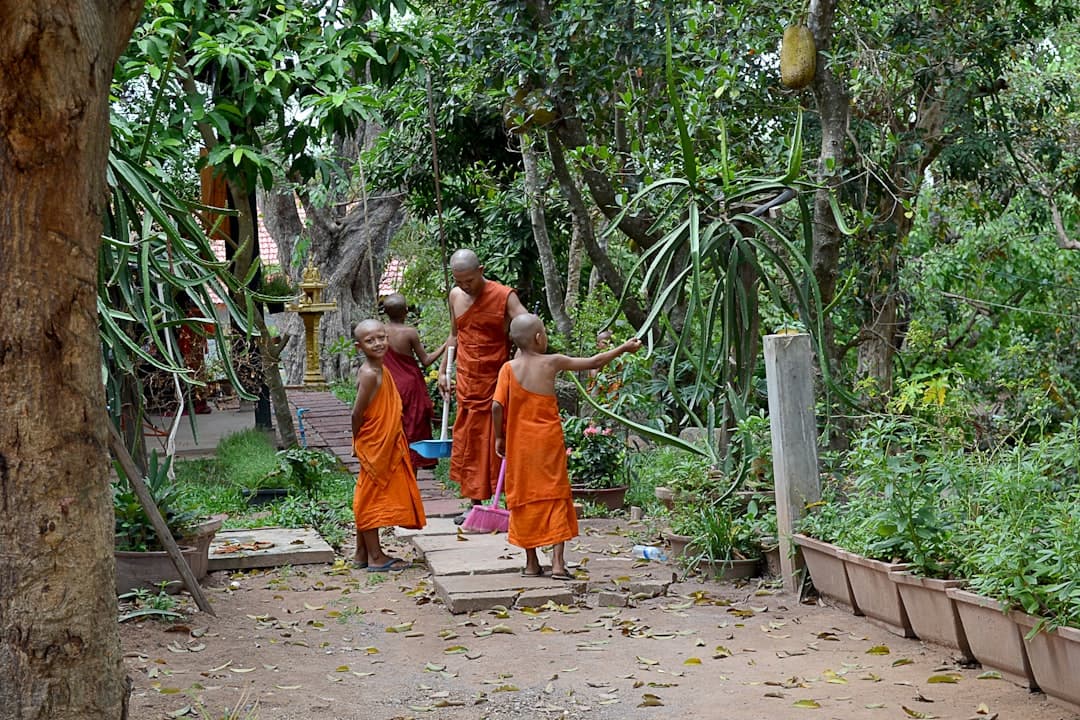
Preah Khan is a vast 12th-century temple complex built by the Khmer king Jayavarman VII, who also built the more famous Bayon and Ta Prohm. Constructed around 1191 CE, it served as both a Buddhist monastery and a city in its own right — home to thousands of priests, teachers, and dancers. The name means 'Sacred Sword,' and the temple was dedicated to Jayavarman's father. Unlike Angkor Wat, which is heavily restored and polished for visitors, Preah Khan has been left in a state of deliberate, managed semi-ruin, giving it a raw, atmospheric quality that feels far less curated. Walking through Preah Khan is an adventure in the truest sense. The temple sprawls across a large area with multiple enclosures, and it rewards wanderers — long colonnaded corridors with carved devatas lining the walls, doorways stacked in receding frames like a hall of mirrors, and enormous strangler figs splitting ancient stones with their roots. One of the most photographed spots is the two-storey round-columned structure near the eastern entrance, architecturally unique for Angkor, with no confirmed purpose. You enter through a grand processional avenue lined with gods and demons clasping a naga serpent, and the whole complex feels like it's still being slowly reclaimed by the jungle. Preah Khan is included in the standard Angkor Archaeological Park pass, so no separate ticket is needed. It's far less crowded than Angkor Wat or Ta Prohm, especially in the morning. The site has multiple entrance points — the western gopura is the most common starting point, but entering from the east offers a longer processional experience. Sturdy shoes are essential, as the floors are uneven and rubble is common. Early morning light is exceptional here.
Preservation Hall
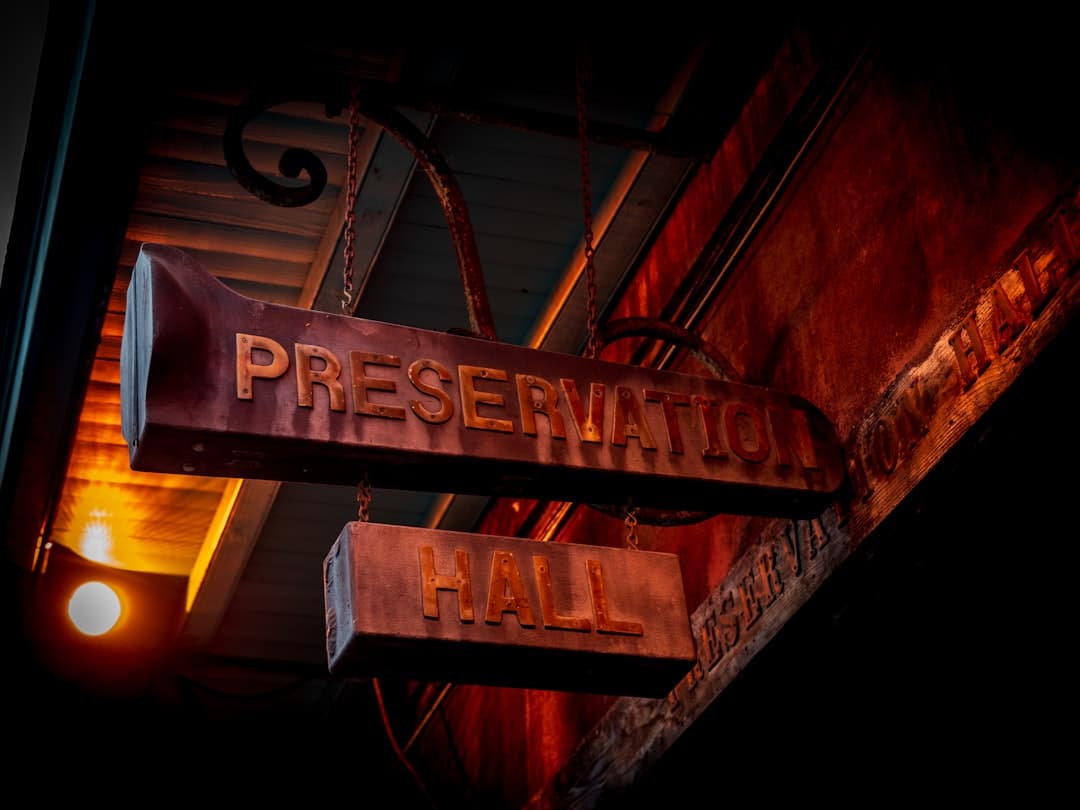
Preservation Hall is a live music venue in the French Quarter that exists for one purpose: keeping traditional New Orleans jazz alive. Founded in 1961 by music enthusiast Larry Borenstein and later run by Allan and Sandra Jaffe, it was created at a moment when the older generation of jazz musicians had few places to play. Today it's both a working music hall and a cultural institution — home to the Preservation Hall Jazz Band, which has toured the world while the Hall itself remains exactly where it started, in a beautifully worn 18th-century building on St. Peter Street. The experience is stripped back and deliberately unpolished. There's no bar, no food, no frills — just music, a room, and a rotating cast of musicians who play multiple sets a night. The space itself is small and candlelit, with wooden benches at the front and standing room behind. Shows typically run about 45 minutes to an hour per set, and the lineup changes nightly. This is not a tourist performance of jazz — the musicians are the real thing, many connected to families that have played New Orleans jazz for generations. Tickets for the main evening shows sell out regularly, especially on weekends, so booking ahead through the official website is strongly advised. If you're flexible, the earlier sets tend to have shorter queues. The Hall also runs occasional special concerts and private events, and during the day the gift shop and front area are open for browsing. Get there a few minutes before your set — the room fills fast, and standing at the back is fine but the benches up front are worth arriving early for.
Princes' Islands
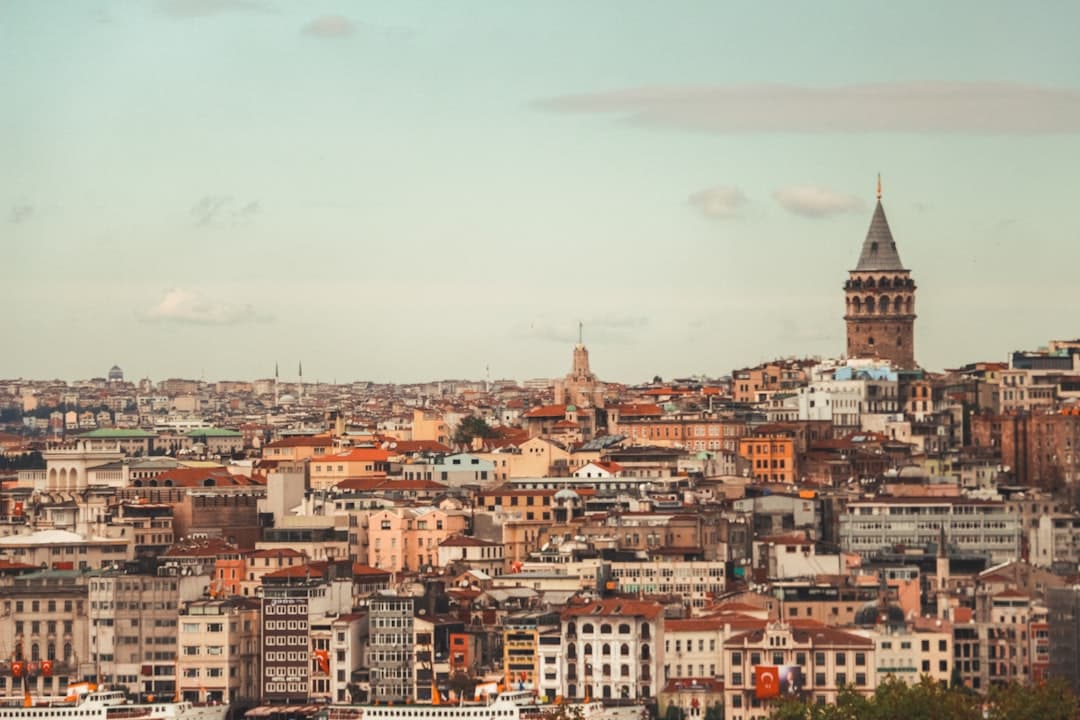
The Princes' Islands — known in Turkish as Adalar, meaning simply 'the Islands' — are a chain of nine small islands in the Sea of Marmara, about 20 kilometers southeast of central Istanbul. Only four are open to regular visitors: Büyükada (the largest), Heybeliada, Burgazada, and Kınalıada. For centuries they served as a place of exile for Byzantine royals and later as summer retreats for Istanbul's Greek, Armenian, and Jewish communities. Today they offer something genuinely rare: a corner of Istanbul where almost no motorized vehicles are allowed, giving them an atmosphere that feels like a step back into the late Ottoman era. On the islands you get around by bicycle or horse-drawn carriage (called fayton), and the pace shifts almost immediately after you step off the ferry. Büyükada, the most visited, has grand wooden Victorian-era mansions climbing up its pine-covered hills, a famous Greek Orthodox monastery at the summit (Aya Yorgi, dedicated to St. George), waterfront fish restaurants, and beaches that fill up in summer. You can hike or rent a bike to explore the quieter south of the island, where the crowds thin and the views of the Marmara open up. Heybeliada is more residential and peaceful, with the shuttered but architecturally striking Heybeliada Naval School as its centerpiece. Burgazada has a small village feel and is associated with the Turkish writer Sait Faik Abasıyanık, whose home is now a museum. Ferries run regularly from Kabataş, Bostancı, and Adalar İskelesi on the Asian side, and the crossing itself — gliding past tankers and the distant skyline — is part of the experience. Weekends in summer get genuinely crowded on Büyükada, especially between June and August, so weekday visits or the shoulder seasons of May and September give you a much better version of what makes the islands special. Pack a picnic, rent a bike on arrival, and budget a full day if you want to explore properly.
Prison Island
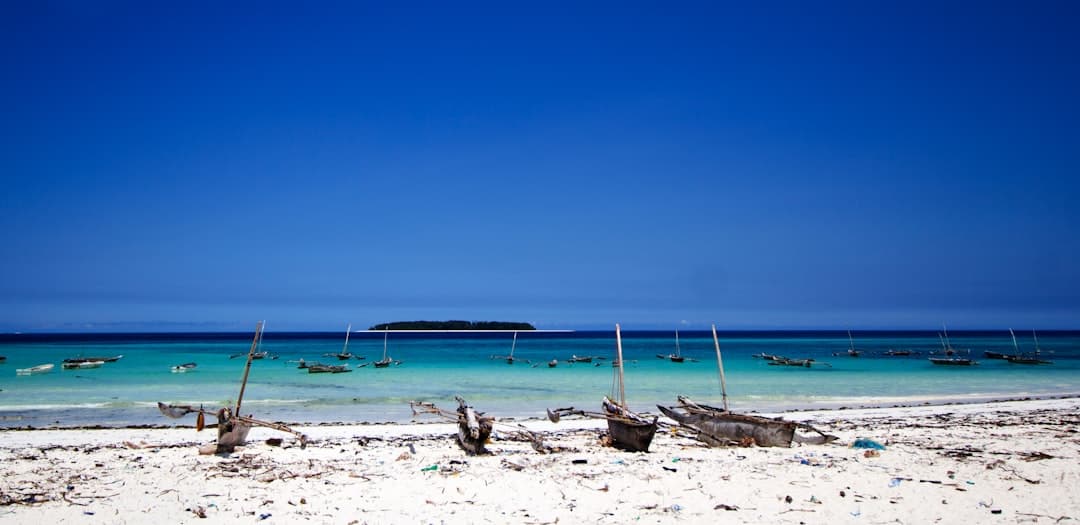
Prison Island — officially called Changuu Island — sits about 5.5 kilometers northwest of Stone Town and packs an extraordinary amount of history and wildlife into a small strip of coral and forest. The British built a detention facility here in the 1860s, originally intended to hold rebellious slaves and later used as a quarantine station for ships arriving from plague-affected ports. It never actually functioned as a conventional prison for long, but the name stuck, and the ruins of the old holding compound are still visible on the island today. The real draw now, alongside the history, is the colony of Aldabra giant tortoises that roam freely across the island's grounds. These animals — some of them over a century old and weighing well over 200 kilograms — were gifted to Zanzibar from the Seychelles in 1919 and have been breeding here ever since. You can walk right up to them, hand-feed them greens for a small fee, and generally have the kind of up-close wildlife encounter that feels impossible until it's happening. The surrounding reef is also excellent for snorkeling, with clear shallow water and healthy coral visible just off the beach. The island is reached by a short dhow or motorboat trip from Stone Town's waterfront — operators cluster around the main ferry port and most visits are sold as half-day packages including boat transfer, entry, and sometimes snorkel gear. Go in the morning when light is better and it's less crowded. The beach and snorkeling are the weak link if you've been elsewhere in Zanzibar, but the tortoises and the melancholy atmosphere of those old stone walls make this genuinely worth the trip.
Promthep Cape
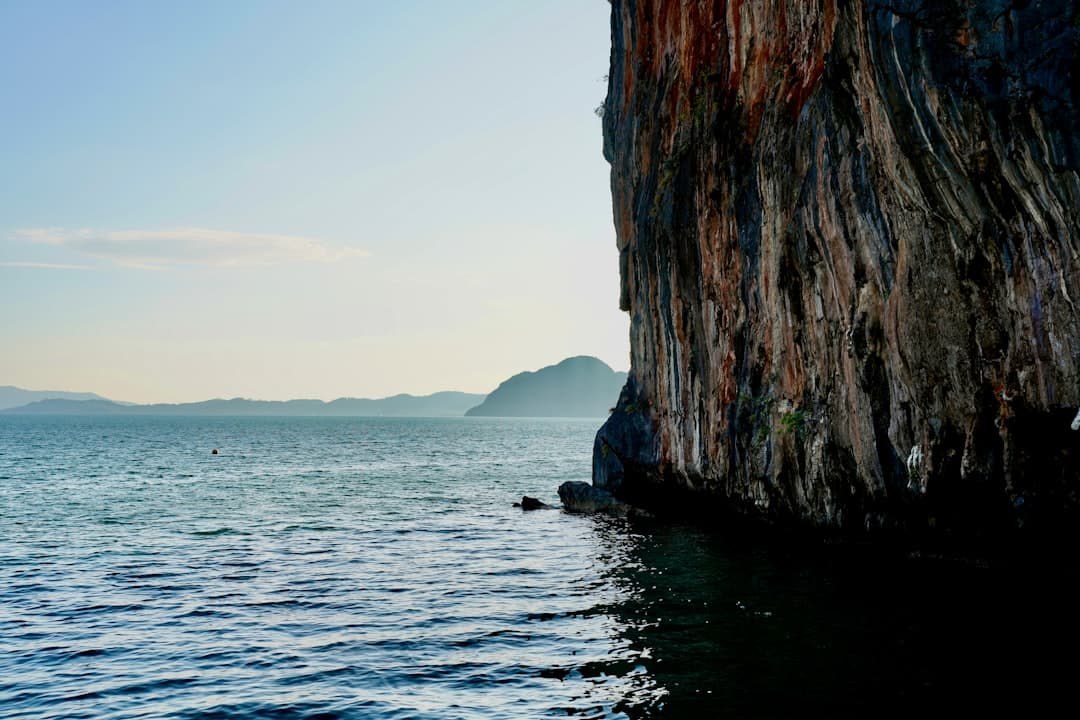
Promthep Cape is the southernmost point of Phuket island, a rocky headland that juts into the Andaman Sea where the waters of Nai Harn Bay and the open ocean meet. It's one of the most visited spots on the island — not because of infrastructure or amenities, but because of geography. The cape offers an unobstructed 180-degree panorama facing west, which makes it the undisputed prime location in Phuket for watching the sun drop into the sea. There's a small lighthouse, a spirit shrine built in honor of Brahma (the Hindu creator god, from whom the cape takes its name), and a viewing platform that gets genuinely packed at golden hour. The experience is straightforward but memorable. You walk out along the headland, feel the sea breeze, and take in the views — islands dotting the horizon, longtail boats in the distance, and if the sky cooperates, a sunset that shifts from gold to deep orange to pink. There are vendors selling snacks and drinks near the parking area, and a small aquarium and elephant shrine on the grounds that most visitors ignore. The real draw is the light. Even outside of sunset hours, the views across the Andaman are impressive, and the rocky coastline below the cape has a raw, windswept quality that feels genuinely dramatic. Sunset is the obvious time to go, but it's also when the crowds peak — tour buses, tuk-tuks, and hundreds of phones pointed at the horizon. Arriving 20 to 30 minutes before sunset and positioning yourself on the rocky outcroppings below the main platform gives you a better vantage point with fewer elbows in your face. The cape is also worth visiting in the morning when it's nearly empty — the light is different but the views south toward Ko Lon and Ko He are clear and peaceful. There's no entrance fee to the cape itself.
Prospect Park
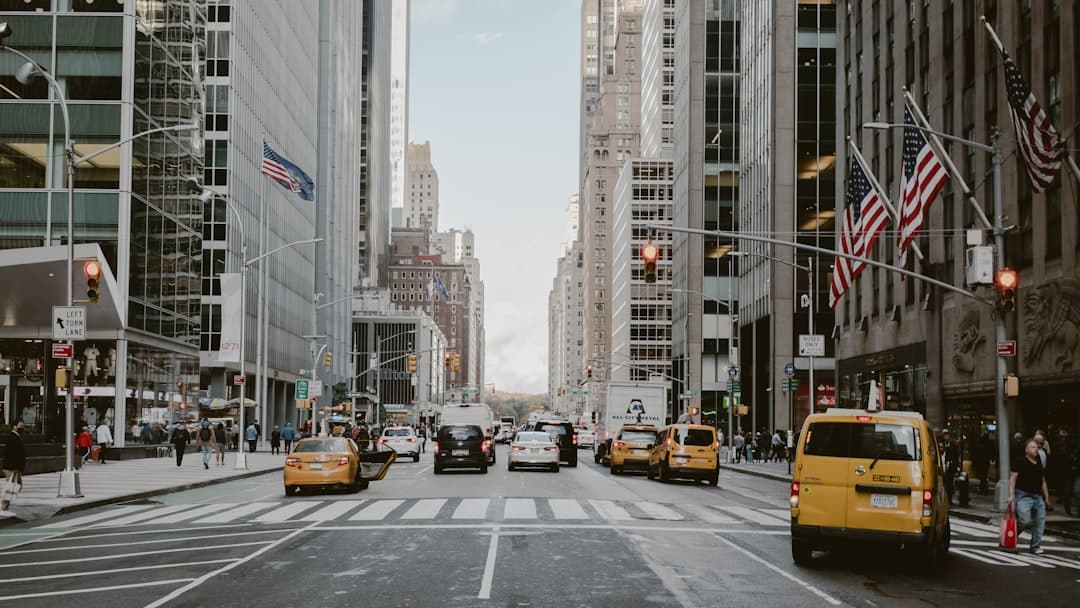
Prospect Park is Brooklyn's great green heart — a 585-acre landscape designed in the 1860s by Frederick Law Olmsted and Calvert Vaux, the same duo behind Manhattan's Central Park. Olmsted himself considered Prospect Park his finest work, largely because he got to design the entire thing from scratch rather than working around existing roads and grid constraints. The result is a landscape that feels genuinely immersive: a long meadow, dense woodland, a lake, and a series of open-air spaces that manage to make you forget you're inside one of the world's densest cities. Day-to-day, the park is a living almanac of Brooklyn life. Dog walkers and joggers claim the loop road early in the morning. The Long Meadow — nearly a mile of uninterrupted grass — fills up with picnickers, frisbee players, and families on weekends. The Boathouse on the eastern shore of Prospect Lake houses the park's visitor center and hosts free concerts. Kids gravitate toward the Prospect Park Zoo and the Carousel, a beautifully restored 1912 fixture near the Willink entrance. In winter, the lake freezes over and ice skating happens at the Wollman Rink. The park is operated by the Prospect Park Alliance, a nonprofit that does serious work keeping the place in excellent condition — trails are well-maintained, the woodland restoration is ongoing, and the concert series (including the annual Celebrate Brooklyn! festival at the Bandshell) draws genuine talent. Enter from Grand Army Plaza to see the monumental arch, or slip in from Prospect Park West for a quieter experience. The park's unofficial social hub is the Long Meadow on a Saturday afternoon — bring something to eat and nowhere urgent to be.