
Promthep Cape
Phuket / Promthep Cape

Promthep Cape

Phuket's southern tip serves up legendary sunsets over open ocean.

🏛️ Sights & Landmarks🌿 Nature & Outdoors
🧗 Adventurous🌿 Relaxing🌹 Romantic

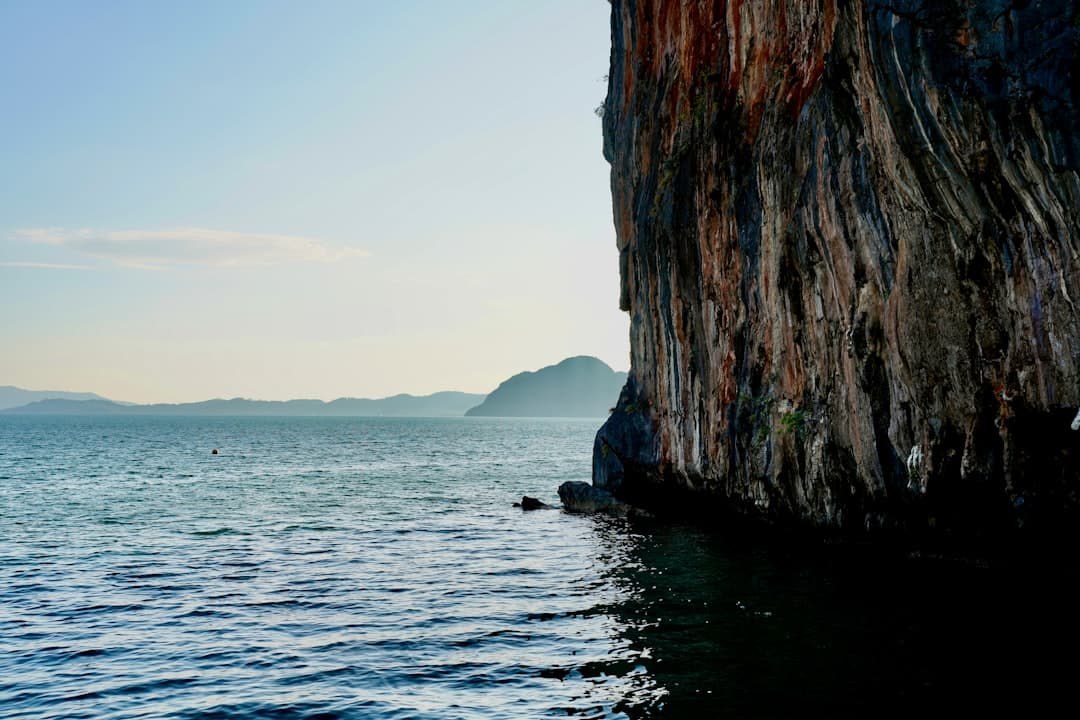
Promthep Cape is the southernmost point of Phuket island, a rocky headland that juts into the Andaman Sea where the waters of Nai Harn Bay and the open ocean meet. It's one of the most visited spots on the island — not because of infrastructure or amenities, but because of geography. The cape offers an unobstructed 180-degree panorama facing west, which makes it the undisputed prime location in Phuket for watching the sun drop into the sea. There's a small lighthouse, a spirit shrine built in honor of Brahma (the Hindu creator god, from whom the cape takes its name), and a viewing platform that gets genuinely packed at golden hour.

The experience is straightforward but memorable. You walk out along the headland, feel the sea breeze, and take in the views — islands dotting the horizon, longtail boats in the distance, and if the sky cooperates, a sunset that shifts from gold to deep orange to pink. There are vendors selling snacks and drinks near the parking area, and a small aquarium and elephant shrine on the grounds that most visitors ignore. The real draw is the light. Even outside of sunset hours, the views across the Andaman are impressive, and the rocky coastline below the cape has a raw, windswept quality that feels genuinely dramatic.

Sunset is the obvious time to go, but it's also when the crowds peak — tour buses, tuk-tuks, and hundreds of phones pointed at the horizon. Arriving 20 to 30 minutes before sunset and positioning yourself on the rocky outcroppings below the main platform gives you a better vantage point with fewer elbows in your face. The cape is also worth visiting in the morning when it's nearly empty — the light is different but the views south toward Ko Lon and Ko He are clear and peaceful. There's no entrance fee to the cape itself.

Local Tips

  1. 1

    Skip the main viewing platform at sunset and climb down onto the rocky outcroppings to the south — less crowded, closer to the water, and a better photo angle with the lighthouse in frame.

  2. 2

    The parking area fills up fast before sunset; motorbike taxis and tuk-tuks from Rawai or Nai Harn are often a smarter choice than driving yourself at peak hour.

  3. 3

    The small Brahma shrine on the cape is genuinely significant to locals — vendors sell offerings (flower garlands, incense) nearby, and it's worth a respectful look rather than walking straight past.

  4. 4

    Combine the visit with dinner in Rawai village, about 10 minutes north — the seafood market there lets you pick fresh fish and have it cooked at the adjacent restaurants, a proper local ritual.

When to Go

Best times
November to April (dry season)

Clear skies make for vivid sunsets and unobstructed horizon views — this is when the cape is at its best and most visited.

May to October (monsoon season)

Cloud cover and rain can obscure sunsets entirely, though stormy skies occasionally produce dramatic moody light. Worth visiting but manage expectations.

Early morning

Almost no visitors at dawn — calm, clear views south and east, with a completely different and peaceful atmosphere.

Try to avoid
Sunset hour year-round

Crowds peak heavily in the 45 minutes before and after sunset — tour buses fill the parking lot and the main platform gets very congested.

Why Visit

01

The western-facing headland gives an uninterrupted 180-degree view of the Andaman Sea — one of the best sunset vantage points in all of southern Thailand.

02

The cape marks the literal southern tip of Phuket island, so there's a genuine sense of being at the edge of something — with small islands visible on the horizon and open ocean beyond.

03

Outside of peak sunset hour, the rocky headland is calm and photogenic, with sea breezes and views that are a genuine contrast to the busier resort beaches to the north.