
All Places
1,073 places around the world
1,073 places · page 31 of 45
Pergamon Museum
The Pergamon Museum is one of the great archaeological museums on earth — a place where entire ancient structures have been dismantled, shipped to Berlin, and rebuilt inside a purpose-built building on Museum Island. Opened in 1930, it houses monumental reconstructions that you simply cannot see anywhere else: the Pergamon Altar from 2nd-century BC Turkey, the Ishtar Gate of Babylon, and the Market Gate of Miletus. These aren't replicas — they're the actual stones, reassembled at full scale. The museum sits on the Museumsinsel (Museum Island) in central Berlin, a UNESCO World Heritage Site containing five of the city's most important museums clustered together on a small island in the Spree River. The experience is genuinely unlike most museum visits. You walk through a gateway built for a Babylonian king, stand in front of a 100-foot-wide altar frieze depicting Greek gods battling giants, and pass under a gate that once marked the sacred processional road of ancient Babylon. The scale is disorienting in the best way — these are not objects behind glass but environments you inhabit. The museum also holds outstanding collections of Islamic art, including the Aleppo Room and the Mshatta Facade, a massive carved limestone wall gifted by the Ottoman Sultan to Kaiser Wilhelm II in 1903. Important practical note: the Pergamon has been undergoing a major phased renovation since 2023, and the main hall containing the Pergamon Altar itself is currently closed and will remain so until approximately 2037. The Ishtar Gate and the Islamic art collections remain accessible. This is worth knowing before you go — the museum is still absolutely worth visiting, but check what's currently open so you're not caught off guard. Book timed entry tickets in advance; this is one of Berlin's most visited attractions and queues without a ticket can be brutal.
Perissa Beach
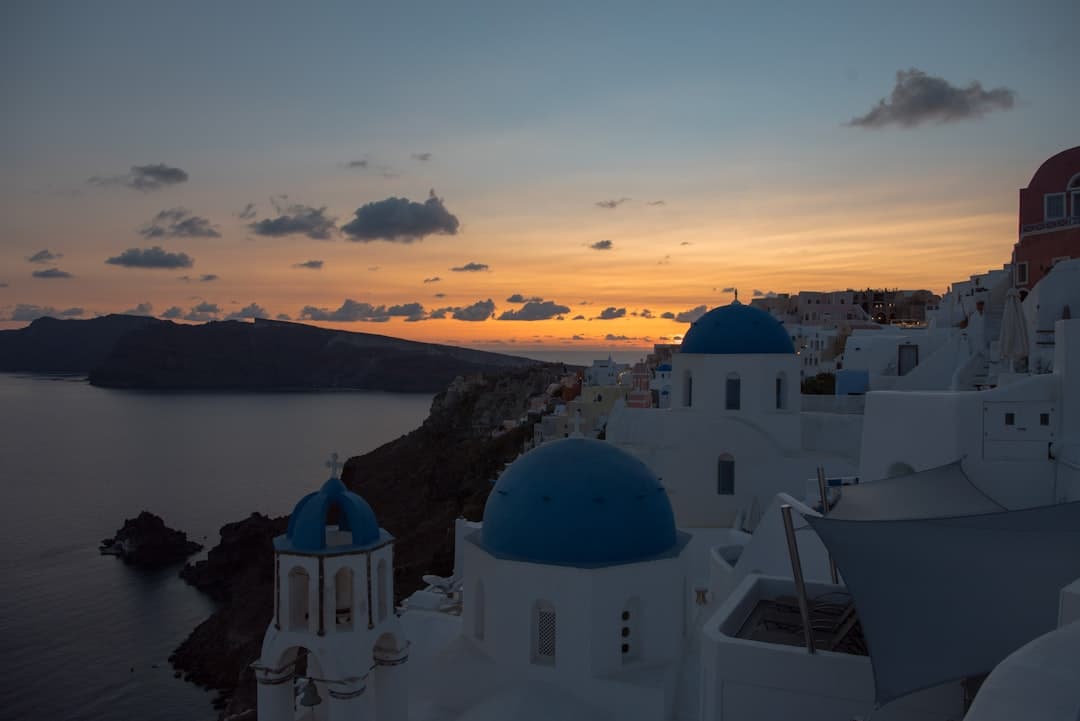
Perissa is one of Santorini's longest and most popular beaches, stretching nearly 7 kilometers along the island's southeastern coast. Unlike the famous clifftop villages of Oia and Fira, Perissa sits at sea level, defined by its dramatic black volcanic sand — the result of the same ancient eruption that shaped the entire island. It's backed by the towering rock of Mesa Vouno, which separates it from the neighboring beach of Perivolos and looms over the shoreline like a natural fortress. The beach is genuinely swimmable with clear, calm-ish waters, and the black sand gets searingly hot underfoot in peak summer, which is part of the experience. In practice, spending a day at Perissa means setting up at one of the many beach bars and sunbed operators that line the shore — Wet Stories and Black Sea are among the better-known spots — where you'll find cold Mythos beers, fresh seafood, and shaded loungers for rent. The water is clear and the swimming is excellent, with a gradual entry that makes it accessible for families. At the southern end, Mesa Vouno rises dramatically and you can actually hike up to the ancient ruins of Thira (Thera), the Dorian city that predates the famous Minoan eruptions, for sweeping views over both the Aegean and the caldera side of the island. Perissa has a genuine village behind it — tavernas, mini-markets, small hotels — which gives it more of a local texture than the overpriced tourist traps closer to the caldera. It's the beach Santorini residents actually use, and the prices reflect that. Come in the morning before the sunbeds fill up, and save the midday heat for a long lunch. The bus from Fira runs regularly and is cheap; parking in summer is a headache you don't need.
Perlan
Perlan sits on Öskjuhlíð Hill, a wooded rise just minutes from central Reykjavik, and it's one of those rare buildings that earns its landmark status twice over — first for the architecture, then for what's inside. The structure was originally built in 1991 to house six geothermal hot water storage tanks that supply heat to the city. A glass dome was added on top, transforming the utilitarian infrastructure into something spectacular. In 2017, the building was reimagined again as a natural history and science museum dedicated entirely to Iceland's extraordinary geology, glaciers, and wildlife. Inside, the main attraction is Wonders of Iceland, a permanent exhibition that takes you through the forces shaping the country — volcanic eruptions, northern lights, geysers, earthquakes, and a genuine ice cave built beneath the structure using real snow from Icelandic winters. That ice cave is the highlight for most visitors: a tunnel carved through artificial glacier ice, lit dramatically in blues and whites, that gives you a surprisingly convincing sense of what Iceland's real glaciers feel like without the journey to the south coast. There's also a planetarium-style northern lights show, a virtual reality experience, and an aquarium featuring Arctic fish. The observation deck wrapping around the dome offers 360-degree views across Reykjavik to the mountains, sea, and on clear days, the distant ice caps. Perlan is a smart stop whether you have a full day or just a few hours. Go early or late in the day to avoid the midday tour group rush. The free outer observation deck is accessible without buying a museum ticket, which is worth knowing if you're on a budget and mainly want the view. The café and restaurant inside are decent but not the reason to come — treat them as convenient rather than destination dining. The hill itself is surrounded by one of Reykjavik's largest urban forests, and a short walk through the birch trees on the way up or down adds a quietly lovely dimension to the visit.
Petaling Street
Petaling Street is the beating heart of Kuala Lumpur's Chinatown, a covered outdoor bazaar that has been drawing shoppers, hawkers, and curious visitors since the city's founding in the 1850s. Stretching along Jalan Petaling and spilling into the surrounding lanes, it's one of Southeast Asia's most iconic street markets — a dense, noisy, wonderfully overwhelming strip where vendors sell everything from knock-off designer goods to dried herbs, and where the smells of roasting meat and simmering broth hang permanently in the air. The area grew up alongside KL itself, settled by Hakka and Cantonese Chinese immigrants who came to work in the tin mines, and that history is still legible in the shophouses, clan associations, and temples that line the surrounding streets. The experience is sensory overload in the best possible way. During the day, vendors hawk sunglasses, handbags, phone cases, and clothing from stalls wedged under a corrugated metal canopy that shades the whole strip. Don't expect authenticity in what you buy — this is counterfeit country, and everyone knows it — but do expect energy, colour, and the pleasure of a proper haggle. The real draw, though, is the food. Pull up a plastic stool at one of the hawker tables spilling onto the street and order char kway teow, Hokkien mee, or a bowl of pork noodle soup. The restaurants around the edges — including old-school Cantonese kopitiam joints — are often better than they look. The market runs all day but really comes alive after dark, when neon signs flicker on and the food stalls hit their stride. Come at night for the atmosphere, but arrive hungry. The surrounding streets — Jalan Hang Lekir, Jalan Sultan, the laneway towards Sri Mahamariamman Temple — are worth wandering too. The temple itself, one of the oldest Hindu temples in KL, is steps away and free to enter, making the whole precinct a genuine cultural immersion rather than just a shopping strip.
Petrin Hill
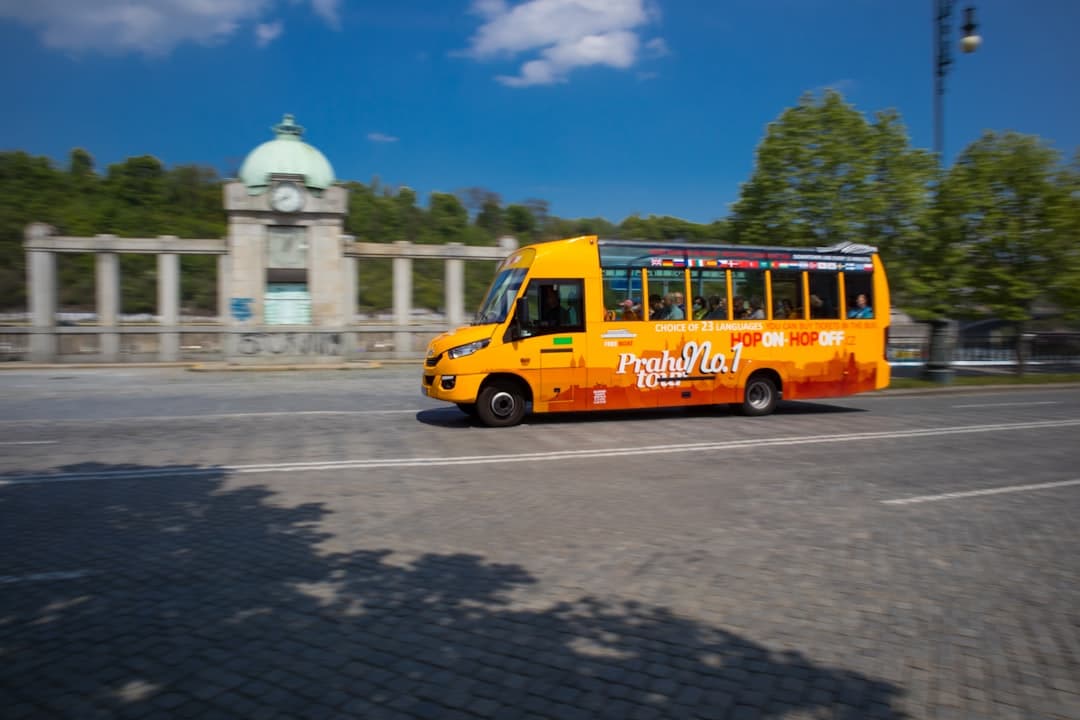
Petřín Hill is a 318-metre wooded hill rising dramatically from the left bank of the Vltava River, just west of Malá Strana (Lesser Town). It's essentially Prague's answer to a city park, but on a grander, wilder scale — nearly 60 hectares of orchards, gardens, and forest threaded with walking paths that feel genuinely removed from the urban bustle below. At the summit sits the Petřín Lookout Tower, a wrought-iron structure built in 1891 for the Prague Jubilee Exhibition and modelled on the Eiffel Tower at one-fifth the scale. The views from the top stretch across the red-roofed city to the Bohemian hills beyond. Most visitors ride the historic funicular railway — the Lanová dráha Petřín, running since 1891 — from the Újezd stop at the base up to the hill's plateau, then explore on foot. There's a Mirror Maze (Bludišiště) built in the same year as the tower, which is genuinely fun and not just a children's gimmick, along with the Štefánik Observatory for stargazing, the Rose Garden, and the ruins of the Hunger Wall, a 14th-century fortification built by Charles IV. In spring, the cherry and apple trees blossom across the hillside in a way that stops you mid-step. Petřín sits at the edge of the Smíchov and Malá Strana districts and is one of the few places in central Prague where you can lose a crowd entirely just by walking five minutes off the main path. Skip the tower in peak summer midday queues — come early morning or late afternoon instead. The funicular is covered by a standard Prague public transport ticket, which surprises a lot of visitors who expect a separate fee.
Petronas Twin Towers
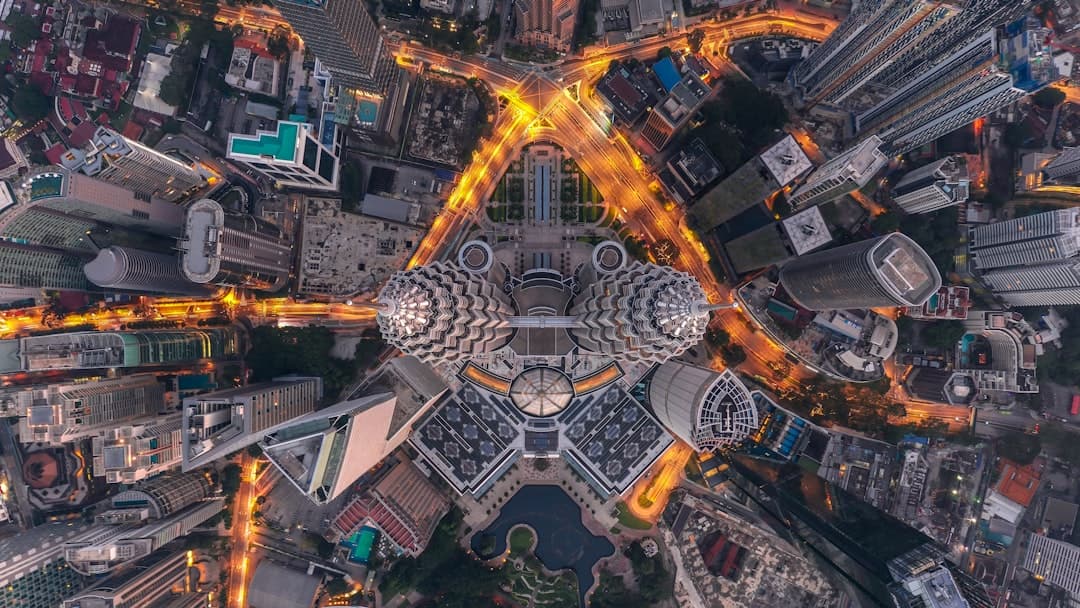
For a stretch between 1998 and 2004, the Petronas Twin Towers were the tallest buildings in the world, and they remain the tallest twin structures on the planet. Designed by Argentine-American architect César Pelli and built by two separate construction companies racing each other up from the ground, these 88-story steel-and-glass towers rise 452 metres above Kuala Lumpur's city centre. They're the headquarters of Malaysia's national oil company, Petronas, but they've long since transcended corporate identity to become the defining symbol of modern Malaysia — a statement in steel about what a postcolonial nation can build. Visitors access two key observation points: the Skybridge connecting the two towers at floors 41 and 42, and the Observation Deck on floor 86. The Skybridge is the more iconic experience — a double-decker bridge suspended nearly 170 metres in the air, with views down into the KLCC park below and across the KL skyline in every direction. The floor 86 deck adds height but the Skybridge is what most people come for. Timed entry keeps crowds manageable, and the queuing area is housed in a slick visitor centre at the concourse level, where you'll also find Suria KLCC, one of KL's best shopping malls, attached directly to the base of the towers. Tickets sell out early — often by mid-morning for same-day slots — so booking online in advance is genuinely necessary, not just convenient. The towers are closed on Mondays. Sunset timing varies by season but the late-afternoon slot is reliably stunning, when the city starts glittering and the towers catch the last light. For the classic postcard view from outside, head to the KLCC Park fountain plaza — it's free, it's beautiful at night, and it's where everyone photographs the towers anyway.
Phang Nga Bay
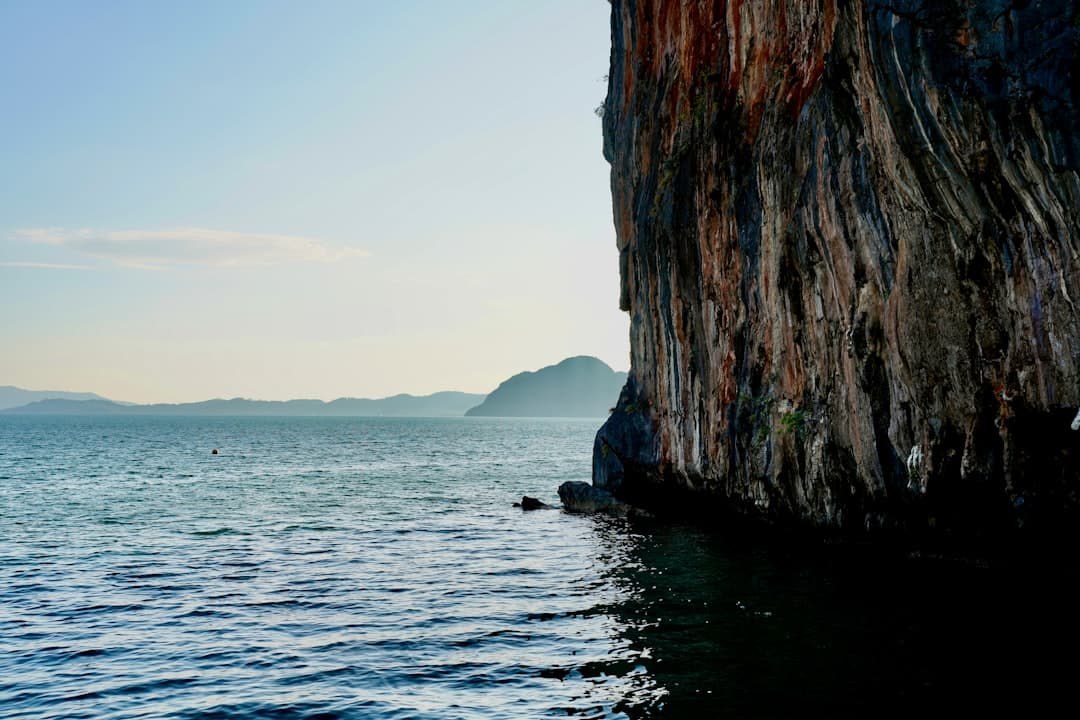
Phang Nga Bay is a vast marine national park covering roughly 400 square kilometers of the Andaman Sea, located about an hour's drive north of Phuket town. It's defined by hundreds of jagged limestone karst towers — some rising 300 meters straight out of the water — draped in jungle, riddled with sea caves, and surrounded by mangrove channels. The bay achieved global recognition when it doubled as the villain Scaramanga's lair in the 1974 James Bond film The Man with the Golden Gun, and the main karst, Ko Tapu, is still called James Bond Island by basically everyone. But the Bond connection is just the entry point — the bay itself is genuinely one of the most spectacular natural environments in all of Thailand. Most people explore the bay by longtail boat or sea kayak. The classic route takes in James Bond Island (Ko Khao Phing Kan), the Muslim stilt village of Ko Panyi built on stilts over the water, and a handful of sea caves where you paddle through low passages at low tide and emerge into hidden hongs — collapsed cave chambers open to the sky, ringed by vertical rock walls draped with ferns. John Gray's Sea Canoe pioneered the hong experience here in the late 1980s and still runs some of the best guided kayak trips. Speedboat day tours from Phuket cover more ground but less depth; the overnight and small-group kayak options feel genuinely exploratory. The key practical tension is between convenience and crowds. James Bond Island gets overwhelmed with day-trippers by mid-morning — if you're going, go early or join a tour that hits it last. Ko Panyi is a working village and worth treating as such: the seafood restaurants on the water are genuinely good, not just tourist traps. November through April is prime season; May through October the bay is often rough and many operators reduce schedules. The northern reaches of the bay near Ao Phang Nga town — less visited, more mangroves, fewer crowds — reward anyone willing to look beyond the Bond Island postcard.
Phi Phi Islands
The Phi Phi Islands are a small archipelago about 45 kilometers southeast of Phuket and 18 kilometers from Krabi, sitting in the Andaman Sea and technically administered by Krabi Province. The group is anchored by two main islands — Phi Phi Don, the only inhabited one, and Phi Phi Leh, an uninhabited reserve most famous as the location of Maya Bay, the beach that appeared in the 2000 film The Beach. The islands rose to global tourism prominence because of that film, but what draws people is entirely real: dramatic karst limestone cliffs plunging into water that shifts from turquoise to deep emerald depending on the light, coral reefs that still hold substantial marine life, and a topography so visually striking it feels exaggerated. On Phi Phi Don, most activity centers around Tonsai Village, the flat isthmus connecting two hillsides — essentially a busy strip of guesthouses, dive shops, restaurants, and bars that gets loud after dark. But the real experience of Phi Phi is on the water. You snorkel or dive at sites like Shark Point or Hin Daeng, kayak into sea caves, take longtail boats to quieter beaches like Loh Moo Dee or Loh Sama Bay, and join the crowd at Maya Bay, which reopened in 2022 after a four-year environmental closure with a no-anchoring policy and visitor limits now in place. Viking Cave on Phi Phi Leh — where swiftlet nests are harvested for bird's nest soup — is another stop on most boat tours. The practical reality of Phi Phi is that it has become very crowded, particularly between November and April, and Tonsai at peak season can feel genuinely chaotic. Arriving early by speed boat from Phuket's Rassada Pier or Ao Nang in Krabi means beating tour boats to Maya Bay. If you can stay overnight on Phi Phi Don, you get the islands mostly to yourself after the day-trip boats leave in the afternoon — the light on the cliffs at dusk is extraordinary. Staying on the island also means you can reach the viewpoint above Tonsai, a steep 20-minute climb that delivers one of the genuinely great panoramic views in Southeast Asia.
Philadelphia Museum of Art
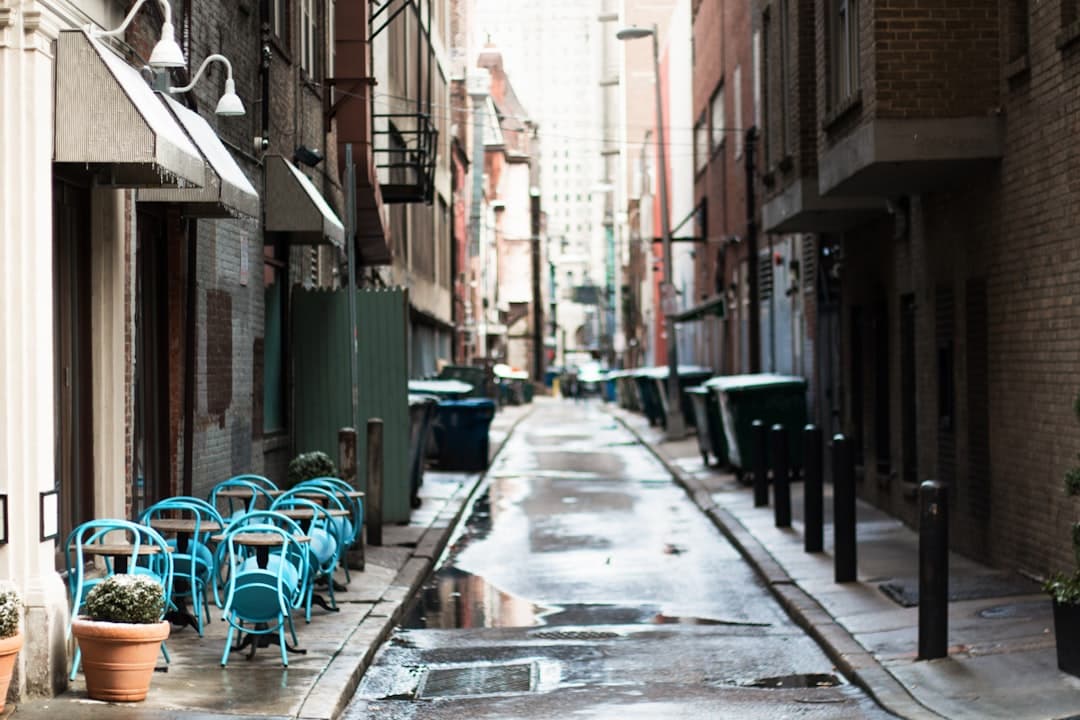
The Philadelphia Museum of Art is one of the largest and most celebrated art museums in the United States, housing a permanent collection of more than 240,000 objects spanning 2,000 years of human creativity. Sitting at the top of the Benjamin Franklin Parkway like a Greek temple overlooking the city, it's a genuine cultural landmark — the kind of place that rewards both the casual visitor and the devoted art lover. Its collection rivals any museum in the country, and its building is as much a part of Philadelphia's identity as the Liberty Bell. Inside, you'll find an extraordinary range: European Old Masters including Rubens, Rembrandt, and Van Eyck; a world-class collection of Impressionist and Post-Impressionist works; Thomas Eakins paintings (Philadelphia's own great realist); an entire reconstructed medieval cloister; Japanese tea ceremony rooms; and landmark works by Marcel Duchamp, Cy Twombly, and other modern heavyweights. The museum is also famous for its period rooms — entire architectural interiors transplanted from other eras and continents — which give it a distinctly immersive quality. The Arms and Armor gallery is a particular surprise, genuinely thrilling for kids and adults alike. Friday evenings the museum stays open until 8:45 PM and often hosts "Friday Nights" programming with music, bars, and a looser atmosphere — a genuinely fun way to experience the collection. The Rocky steps out front are impossible to avoid (and frankly worth embracing — the view back down the Parkway toward City Hall really is spectacular). If you're planning a focused visit, come Thursday or Friday when crowds thin out relative to weekends. The café inside is decent for a rest break, and the museum shop is one of the better ones in the city.
Philadelphia's Magic Gardens
Philadelphia's Magic Gardens is a half-indoor, half-outdoor folk art environment created entirely by artist Isaiah Zagar, who spent more than 30 years covering the buildings, walls, and subterranean passages of a South Street property with mosaics made from tiles, bottles, bicycle wheels, mirrors, ceramic figures, and whatever else caught his eye. It opened to the public as a nonprofit arts space in 2004 and is now one of the most distinctive public art experiences in any American city — a genuine one-of-a-kind place that exists nowhere else on earth. You wander through a series of interconnected spaces — some open-air courtyard, some cave-like indoor galleries — where every surface is covered in dense, hypnotic mosaic work. Zagar's imagery blends personal narrative, Kabbalistic symbolism, faces, text, and pure decorative chaos in a way that rewards slow looking. There are tight underground passages, balconies, and tunnels. You can also walk the surrounding South Street block and see Zagar's murals covering neighboring building facades — his work has colonized the whole neighborhood. The gallery inside also shows rotating exhibitions of work by other artists. Tuesday is the one day it's closed, so plan around that. Mornings on weekdays are the quietest time to visit — the space is small enough that a large crowd makes it feel genuinely cramped. Tickets are reasonably priced and can be bought at the door, though buying online in advance on busy weekends is a smart move. The South Street neighborhood around it is lively, scruffy, and interesting — Isaiah Zagar's mosaic murals dot the surrounding blocks for several years' worth of exploring.
Philosopher's Path
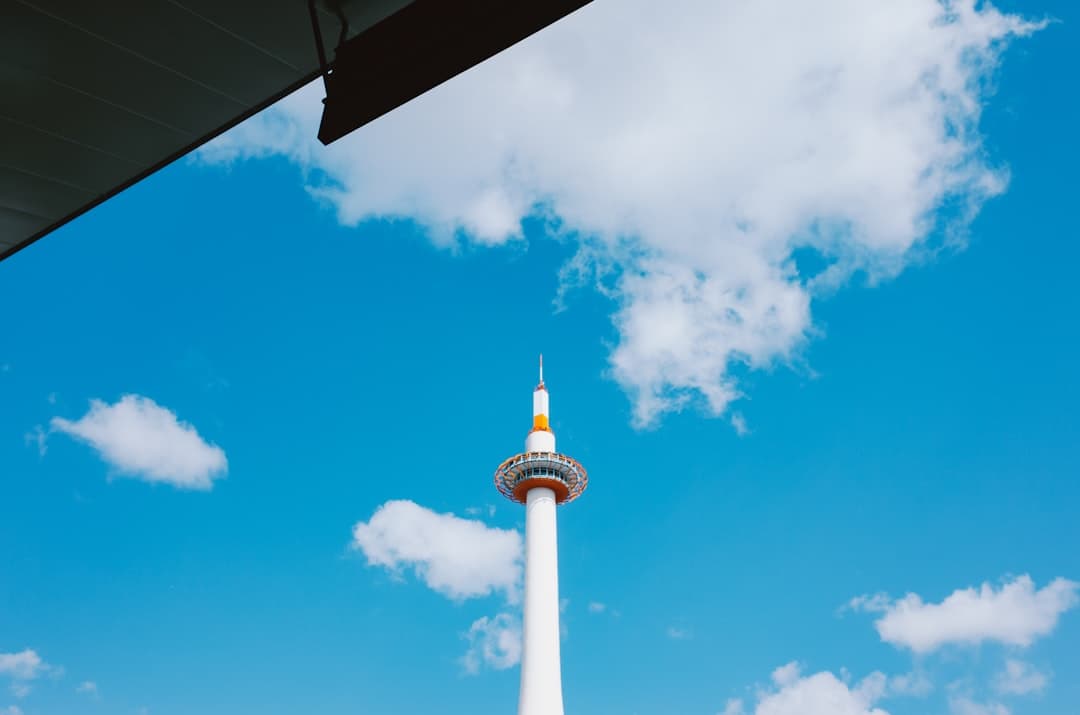
The Philosopher's Path is a stone-paved walkway that runs about two kilometers along a narrow canal in the Higashiyama foothills of eastern Kyoto, connecting the Ginkaku-ji (Silver Pavilion) area in the north to Nanzen-ji in the south. It takes its name from Nishida Kitaro, Japan's most celebrated modern philosopher, who is said to have walked this route daily in contemplative meditation during his years teaching at Kyoto University in the early 20th century. Today it's one of Kyoto's most beloved walks — not because of a single monument or attraction, but because of the cumulative effect of the canal, the overhanging trees, the small shrines, and the quiet rhythm of the path itself. The walk itself is genuinely lovely in every season, but it's the cherry blossoms in late March and early April that make it legendary. Around 450 cherry trees line the canal, and when they peak, the petals drift down into the water and collect in pink drifts at the edges — a sight that borders on the theatrical. Outside of cherry season, the path is still worth your time: autumn brings fiery maples, summer is lush and green, and winter strips everything back to a spare, melancholy beauty. Along the way you'll pass small neighbourhood temples like Honen-in (a quietly magnificent hidden temple down a moss-lined lane off the path), cafes, tofu shops, and galleries tucked into old machiya townhouses. The path is most crowded during cherry blossom season and on weekends year-round — arrive early morning to get something close to a contemplative experience. The northern end near Ginkaku-ji gets more foot traffic; walking south to north, starting from Nanzen-ji, tends to feel slightly less congested. The whole path takes 30 to 45 minutes to walk straight through, but most people stop frequently, so budget at least 90 minutes and ideally a half-day if you plan to duck into the temples and cafes along the way.
Phnom Kulen
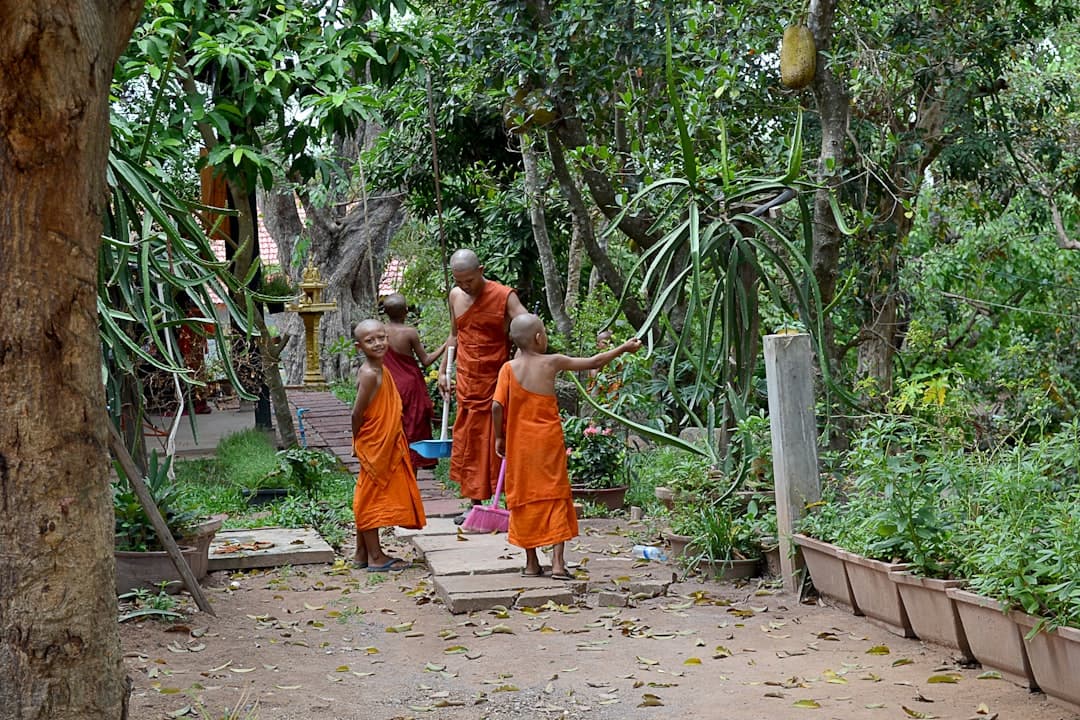
Phnom Kulen is a forested sandstone plateau about 50 kilometers northeast of Siem Reap, and it holds a significance that most visitors don't fully appreciate until they're standing on it. This is the mountain where, in 802 AD, King Jayavarman II declared himself a universal god-king and launched the Khmer Empire — the civilization that would go on to build Angkor Wat. The entire plateau is considered sacred ground by Cambodians, and it remains an active pilgrimage site today, meaning the experience here is genuinely different from the more tourist-polished temples in the Angkor Archaeological Park. The main draws are a handful of remarkable sites spread across the plateau. The river of a thousand lingas — called Kbal Spean — runs nearby, but Phnom Kulen itself has its own carved riverbed where ancient stone phalluses and Hindu deities are etched directly into the streambed, blessing the water before it flows down to irrigate the rice fields of the Khmer heartland. A reclining Buddha carved from a single massive rock sits atop a small temple at the summit, and two waterfalls — one large and dramatic, one quieter — offer a chance to swim in the jungle. There are also early Angkor-era temple ruins scattered across the mountain, some only partially cleared. The road up is steep, single-lane in places, and controlled by a checkpoint — you pay a separate entry fee here on top of any Angkor pass, and the mountain is off-limits to foreigners on certain Buddhist holidays when it becomes a major Cambodian pilgrimage day. Go early on a weekday to beat both the heat and the weekend crowds. Hiring a knowledgeable local guide makes a real difference here since the historical and religious context is layered and easy to miss if you're just wandering.
Phoenix Park
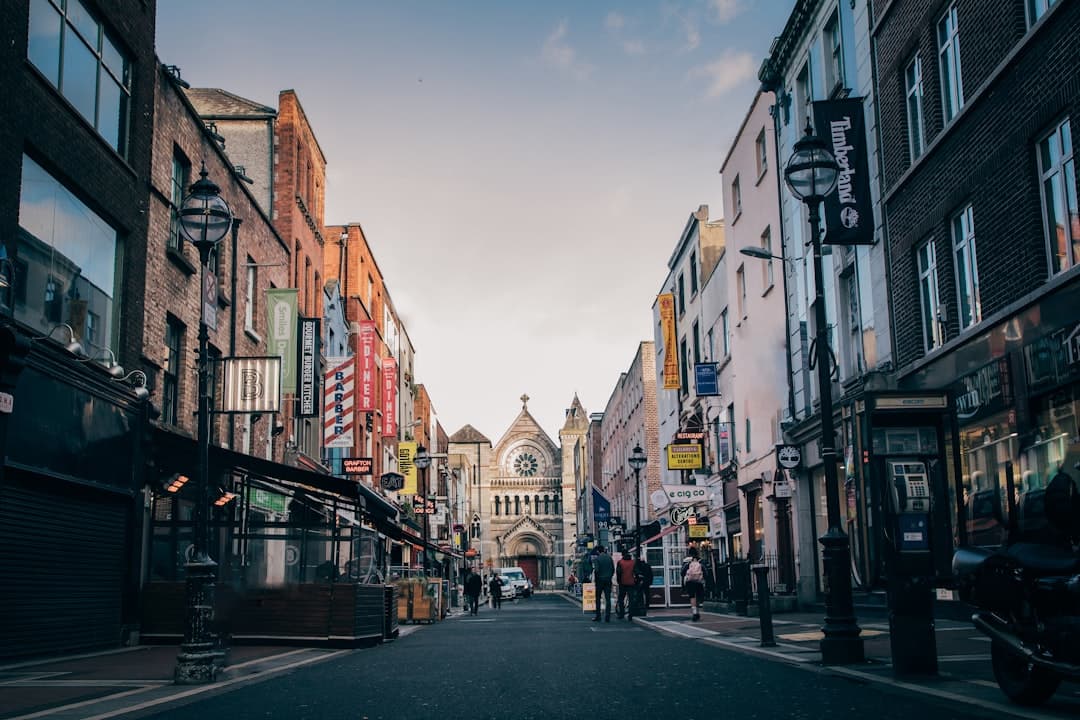
Phoenix Park is a vast enclosed parkland on the western edge of Dublin city, covering over 700 hectares — making it one of the largest walled city parks in Europe, significantly bigger than New York's Central Park or London's Hyde Park. It has been a public green space since 1747, though its origins go back to the 1660s when the Duke of Ormonde enclosed the land as a deer park for Charles II. Today it sits right in the middle of a living city, and yet feels genuinely wild in places — a remarkable thing for a capital. The park is home to a herd of around 600 fallow deer that roam freely and have done for centuries. You can walk or cycle for hours and still feel like you haven't covered it — past the Papal Cross (erected for John Paul II's 1979 visit, when over a million people gathered here), the Wellington Monument (the tallest obelisk in the British Isles), the Victorian walled kitchen garden at Ashtown, and the Dublin Zoo, which sits within the park's boundaries. The American Ambassador's residence and Áras an Uachtaráin, the official home of the Irish President, are both inside the park too. The Visitor Centre at Ashtown Castle is worth a stop for context. The park is open 24 hours and entry is free — always has been, which feels like a gift from the city. Go early on a weekday morning if you want the deer-sighting experience without crowds; they tend to congregate around the Fifteen Acres area, the large open plain in the centre-west of the park. Cyclists can pick up bikes at the park gates. If you're arriving by public transport, the 37 bus from the city centre stops near the main Parkgate Street entrance.
Piazza Navona
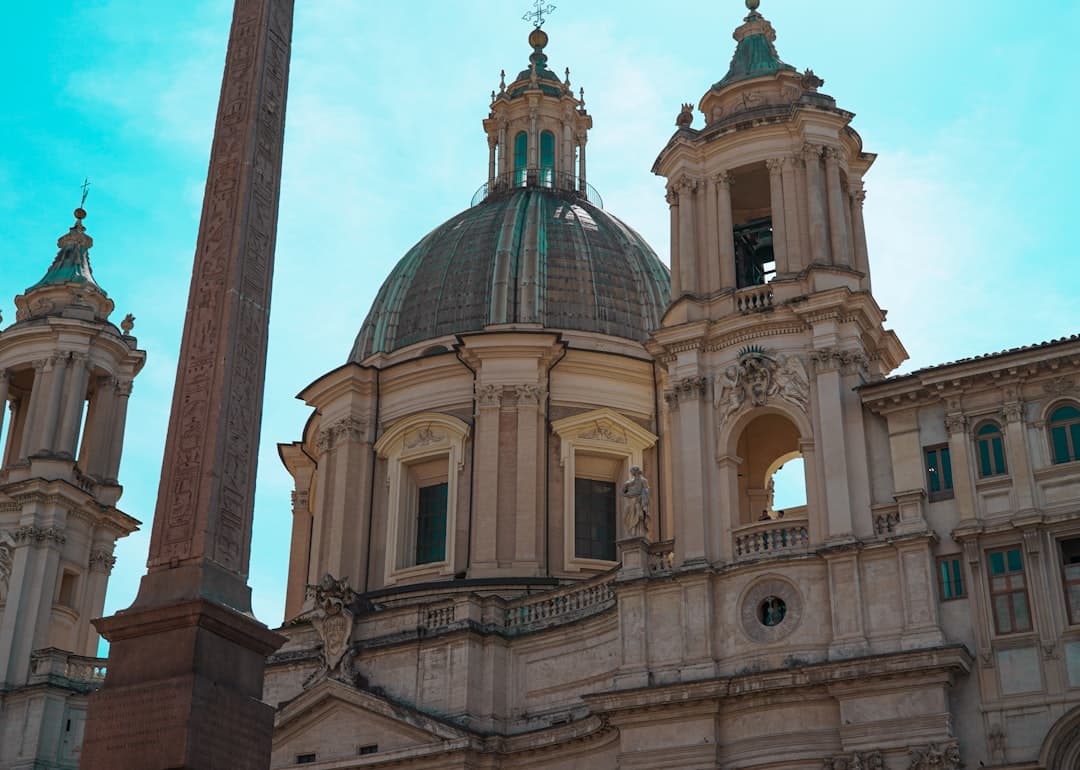
Piazza Navona is one of the most beautiful public squares in the world — a long, oval-shaped open space in the heart of Rome that follows the exact outline of the ancient Stadium of Domitian, built in 86 AD. For nearly two thousand years this space has been the center of Roman public life, from athletic competitions to a weekly market that ran until the 19th century. Today it's a showpiece of baroque architecture and sculpture, anchored by three magnificent fountains and ringed by elegant palaces, churches, and outdoor cafés. The square's undisputed centerpiece is Gian Lorenzo Bernini's Fontana dei Quattro Fiumi — the Fountain of the Four Rivers — completed in 1651. It's one of the most theatrical sculptures you'll ever see: four colossal river gods representing the Nile, Ganges, Danube, and Río de la Plata, all gathered beneath an ancient Egyptian obelisk. There are two other fountains flanking it — the Fontana del Moro to the south and the Fontana del Nettuno to the north. The piazza also fronts the Church of Sant'Agnese in Agone, a stunning baroque facade designed partly by Borromini, Bernini's great rival. Street artists, portrait painters, and musicians fill the square during the day, while the cafés along the edges hum well into the evening. Piazza Navona is free, open always, and genuinely unmissable — but go early in the morning to feel what it's really like before the tour groups arrive. The cafés on the square itself, like Caffè Bernini, charge a significant premium for their location. If you want a proper espresso without paying tourist prices, duck into a bar on one of the surrounding streets — Via della Pace or the lanes near Sant'Agostino are good bets. The piazza is also the site of a beloved Christmas market (Mercato di Natale) from early December through Epiphany on January 6th, one of Rome's most atmospheric seasonal traditions.
Piazza San Marco
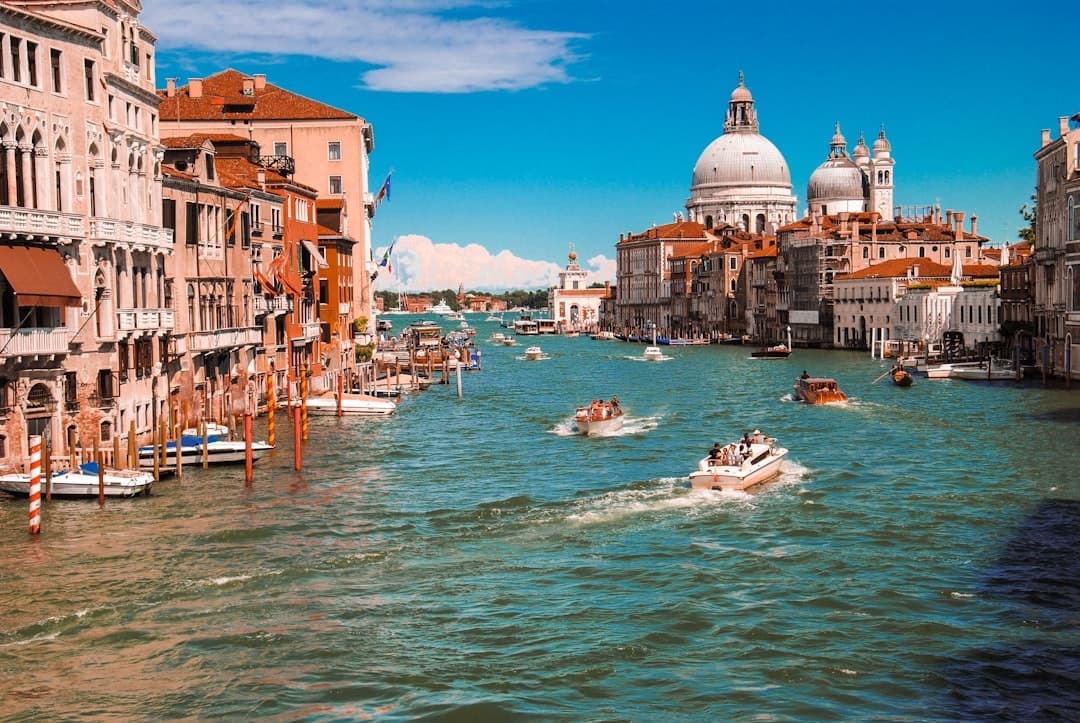
Piazza San Marco is the main public square of Venice and one of the most famous public spaces in the world. Napoleon reportedly called it 'the drawing room of Europe,' and the description still holds — it's a vast, elegant rectangle framed by porticoed buildings on three sides and anchored at the far end by the extraordinary Basilica di San Marco, whose Byzantine domes and golden mosaics have been drawing visitors since the 11th century. The free-standing Campanile — the tall brick bell tower that collapsed in 1902 and was faithfully rebuilt — stands nearly 99 metres tall and dominates the skyline. This is where Venice puts on its best face. The piazza itself is an experience even before you set foot in any of its monuments. You walk through the Procuratie Vecchie and Procuratie Nuove colonnades, duck into the ornate Caffè Florian (the oldest café in Italy, operating since 1720), and watch pigeons and tourists mill about in roughly equal numbers. The Doge's Palace on the southern edge — a spectacular Gothic-meets-Byzantine building that served as the seat of Venetian power for centuries — is arguably the single most rewarding interior you can visit in Venice. The Museo Correr, which fills the Napoleonic wing and both Procuratie buildings, is often overlooked despite being excellent. At the far end, the lagoon opens up at the Bacino, where the view back toward the square from the water is unforgettable. Come early — before 8am if you can manage it — and the square is almost eerily quiet, the light off the stone extraordinary, and the whole thing genuinely yours. By mid-morning the tour groups arrive in force and it becomes a different place entirely. Skip the overpriced Florian coffee for its atmosphere but don't skip the interior, which is one of the most beautifully preserved 18th-century café rooms anywhere. Acqua alta — the high water flooding that periodically inundates the square — is most common from October to January and has its own strange, melancholy beauty, but bring waterproof boots if you're visiting in that window.
Piazza del Popolo
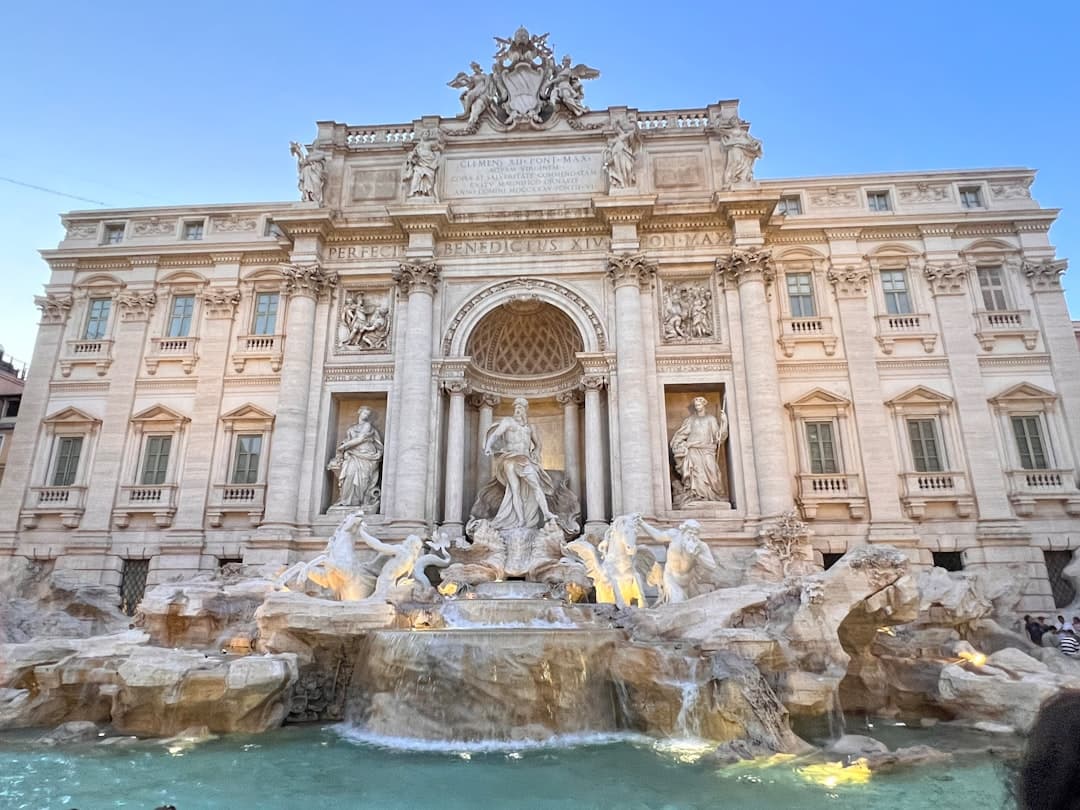
Piazza del Popolo is one of Rome's great ceremonial squares, sitting at the northern edge of the historic center where the Via Flaminia — the ancient road from the north — enters the city. For centuries, this was the first thing travelers saw when arriving in Rome, and the piazza was deliberately designed to make an impression. At its center stands an Egyptian obelisk dating back to around 1200 BC, brought to Rome by Augustus, and the space is anchored at its southern end by two nearly identical Baroque churches — Santa Maria dei Miracoli and Santa Maria in Montesanto — that frame the dramatic entrance to the three streets of the Tridente. The whole ensemble was given its current neoclassical form by architect Giuseppe Valadier in the early 19th century. On the ground, the piazza is a genuinely lovely place to spend time. It's large and airy without feeling sterile — people stroll, locals let their dogs run, and the fountains gurgle in the background. On the northern edge stands the church of Santa Maria del Popolo, which is seriously worth stepping inside: it contains two Caravaggio paintings (the Cerasi Chapel, with the Conversion of Saint Paul and the Crucifixion of Saint Peter) that are among his most powerful works, often with very few people in front of them. The views up to the Pincian Hill terraces above, accessible by a ramp from the piazza, are some of the best in Rome. The piazza sits at the foot of the Pincio hill, just inside the Porta del Popolo gate, and connects naturally to the Villa Borghese gardens above. It's less frantic than many central Rome landmarks and has a genuine neighborhood feel on weekday mornings. Come early — before the tour coaches arrive around 10am — or in the early evening when the light on the obelisk and the twin churches turns golden. The Rosati café on the western edge of the square has been a Rome institution since 1923 and is a perfectly decent excuse to sit down.
Piazzale Michelangelo
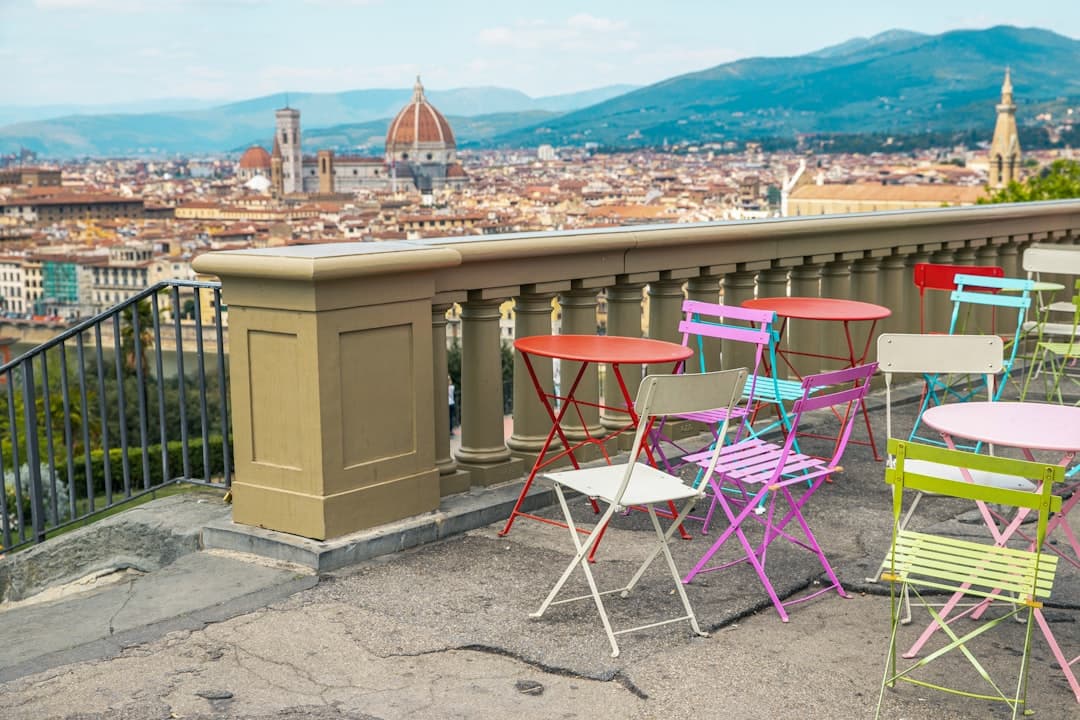
Piazzale Michelangelo is a large terraced square perched on a hill on the south bank of the Arno, just above the Oltrarno neighborhood. Built in 1869 by architect Giuseppe Poggi as part of a grand urban renewal project, it was designed specifically to create a panoramic showcase for the city — and it delivers on that ambition completely. From here, you get the whole Florentine skyline in one sweeping view: Brunelleschi's dome, the tower of the Palazzo Vecchio, the span of the Ponte Vecchio, and the hills of Fiesole rolling away behind it all. The square is named for Michelangelo, and at its center stands a bronze replica of his David, along with replicas of the four allegorical figures from the Medici Chapels. Most people come here to stand at the railing and look. That sounds simple, but this is genuinely one of the great urban panoramas in Europe — the kind that stops you in your tracks even if you've seen a hundred photographs of it. The view is best in the golden hour before sunset, when the light hits the terracotta rooftops and the dome seems to glow. There's an outdoor café and bar at the square where you can drink a beer or an Aperol spritz while you take it all in. Below the main terrace, a lower garden level offers a slightly different angle and tends to be quieter. Piazzale Michelangelo is one of Florence's most visited spots, so expect company — especially on weekend evenings in summer when locals and tourists converge for the sunset. The climb up is part of the experience: you can walk up the broad pedestrian ramps designed by Poggi himself (about 15–20 minutes from the Ponte Vecchio area), or take bus line 13 from the train station. Come early morning to have the view almost to yourself, or arrive just before sunset and stay as the city lights come on — that transition from golden to blue hour is something special.
Picasso Museum
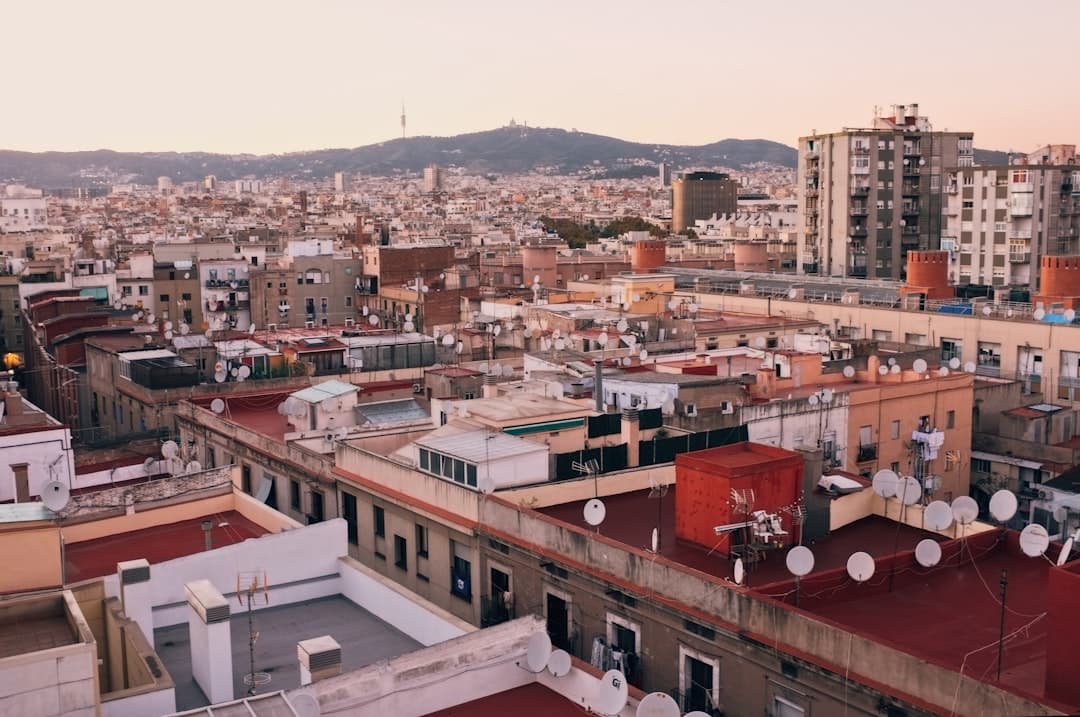
The Museu Picasso in Barcelona holds one of the most important collections of Pablo Picasso's early work anywhere in the world — and it does so in a setting that would be worth visiting even if the walls were blank. The museum occupies five interconnected Gothic palaces on Carrer de Montcada, one of the most beautiful medieval streets in the city, and the contrast between the stone courtyards and the bold canvases inside is genuinely striking. Picasso lived in Barcelona as a teenager and young man, and this city shaped him before Paris made him famous — understanding that makes the collection feel less like a museum and more like an origin story. The permanent collection runs roughly chronologically, starting with academic paintings Picasso made as a teenager that are almost shockingly accomplished — he was clearly exceptional before he was revolutionary. The collection then traces his evolution through the Blue Period and beyond, but the real centrepiece is Las Meninas, a suite of 58 paintings Picasso made in 1957 as a riff on Velázquez's famous original. Watching how he dismantles and rebuilds that single image across dozens of canvases is one of the most instructive things you can do to understand how his mind worked. The medieval architecture of the palaces — the courtyard of the Palau del Baró de Castellet, the Gothic staircases — adds a layer of atmosphere that a purpose-built museum simply can't replicate. Carrer de Montcada runs through the El Born neighbourhood, which is one of the most rewarding parts of Barcelona to explore on foot. Pre-booking online is strongly advised, especially in summer — the museum draws over a million visitors a year and queues without a ticket can be punishing. Thursday evenings offer extended hours and tend to be quieter than weekend afternoons. The first Sunday of every month is free entry, which sounds appealing but also means it's exceptionally crowded.
Pierre Loti Hill
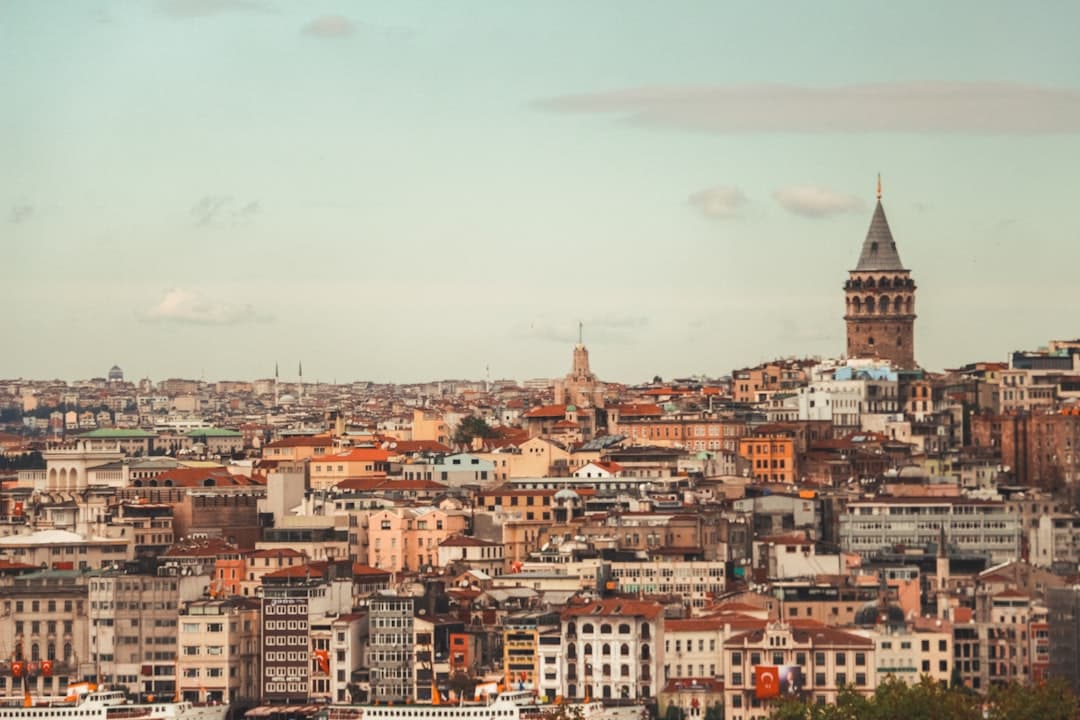
Pierre Loti Hill sits above the Eyüpsultan district on the European side of Istanbul, overlooking the Golden Horn waterway. It's named after the French novelist Julien Viaud, who wrote under the pen name Pierre Loti and was famously enchanted by Istanbul in the late 19th century. According to local tradition, he would sit here for hours gazing at the city, and the hilltop café that now bears his name has become one of Istanbul's most beloved viewpoints — a place where residents and visitors alike come to slow down, drink tea, and stare at one of the world's great urban panoramas. The experience is genuinely simple and all the better for it. You reach the hill either by cable car (teleferik) from the waterfront, which is a pleasure in itself, or by walking up through the streets of Eyüpsultan. At the top, the Pierre Loti Kahvesi — a traditional Turkish coffee house — serves çay, Turkish coffee, and snacks on a terrace overlooking the Golden Horn, the Bosphorus in the distance, and the minarets of the Eyüp Sultan Mosque below. The view at dusk, when the city turns amber and the mosques light up, is the kind of thing people remember for years. Eyüpsultan is one of Istanbul's most devout and historically significant neighbourhoods — pilgrims come to visit the tomb of Eyüp Sultan, a companion of the Prophet Muhammad, so the area has a quieter, more reflective atmosphere than the tourist-dense old city. Combining a visit to the mosque and tomb complex at the bottom of the hill with the cable car ride up and tea at the summit makes for a perfect half-afternoon that feels genuinely off the tourist trail, even though it's well known to those in the know.
Pinacoteca di Brera
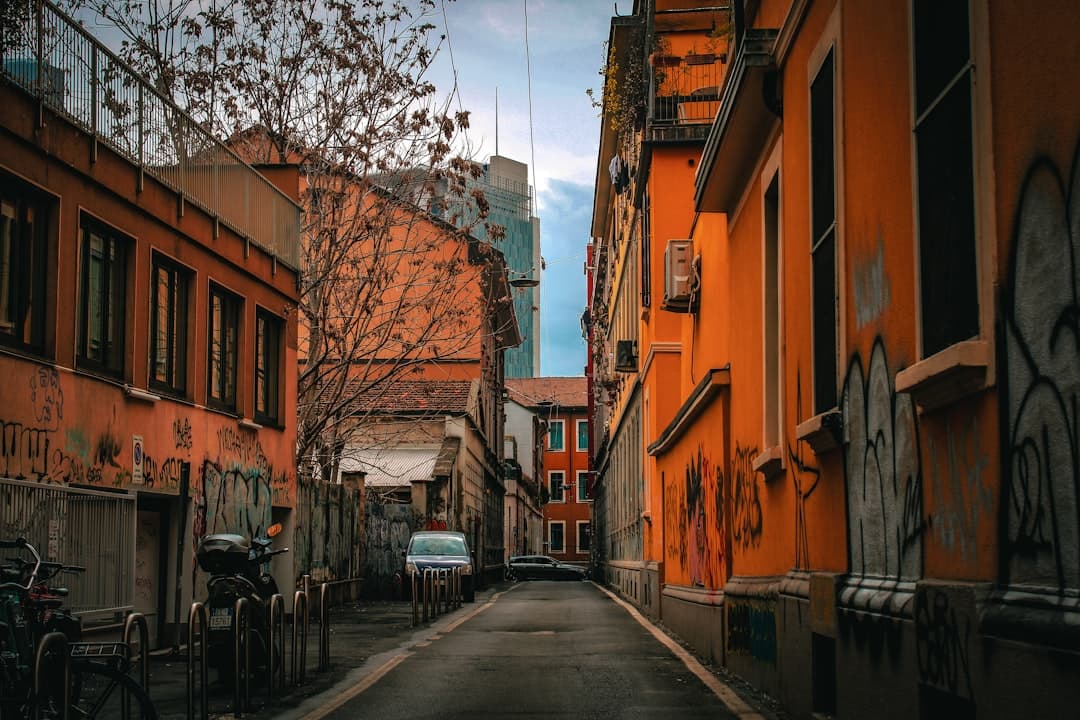
The Pinacoteca di Brera is one of Italy's foremost art museums, occupying the upper floors of the Palazzo di Brera — a grand 17th-century Baroque building that also houses a botanical garden, an observatory, and the prestigious Brera Academy of Fine Arts. Napoleon is largely responsible for its existence in its current form: he consolidated artworks seized from churches and monasteries across northern Italy here after his Italian campaigns, creating a collection of extraordinary depth and range. Today it holds around 40 rooms of Italian Renaissance and Baroque painting that can hold its own against almost any museum in the world. The collection's strength is northern and central Italian painting from the 14th through 18th centuries, but the undisputed stars are from the Renaissance. Andrea Mantegna's 'Dead Christ' — a startling, foreshortened depiction of Christ's body seen from the feet — is one of the most psychologically intense paintings you will ever stand in front of. Raphael's 'Marriage of the Virgin' is here. So is Piero della Francesca's mysterious, luminous 'Brera Madonna.' Giovanni Bellini, Caravaggio, Tintoretto, Rubens, Rembrandt — the room-by-room experience is relentless in the best possible way. The scale is human enough that you can actually absorb it without collapsing from museum fatigue. The Brera district surrounding the museum is one of Milan's most atmospheric neighbourhoods — full of independent galleries, good aperitivo bars, and the kind of cobblestone streets that make you forget you're in a city that also invented Fashion Week. A morning at the Pinacoteca followed by lunch and a wander through the Brera streets is close to a perfect Milan day. Book tickets online to avoid queuing at the door, especially on weekends.
Pisac Archaeological Site
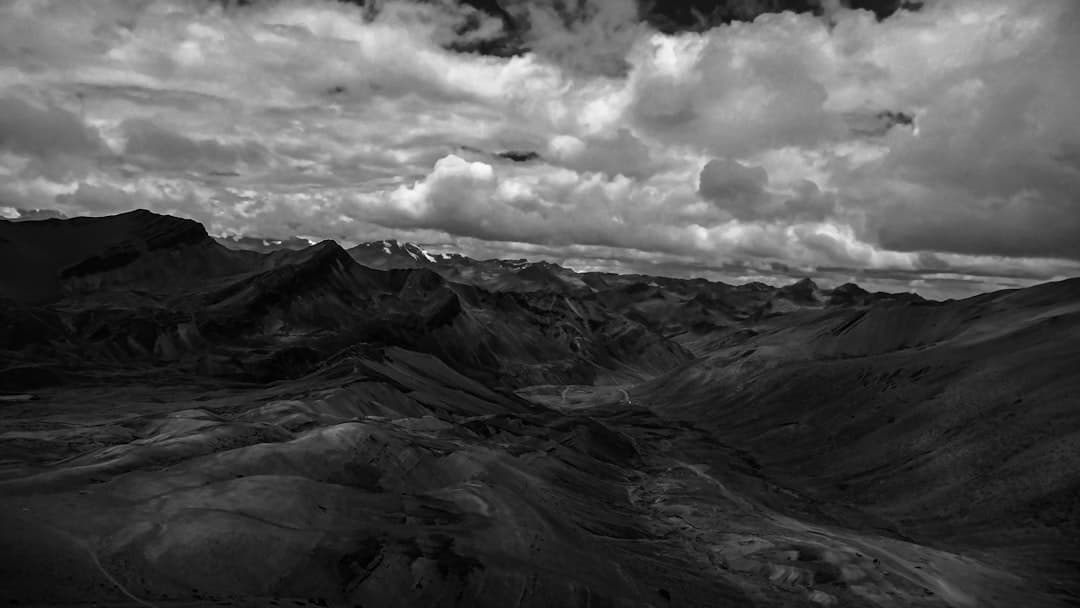
Perched on a dramatic ridge above the town of Pisac in Peru's Sacred Valley, the Pisac Archaeological Site is one of the finest Inca ruins in the entire country — and, remarkably, far less crowded than Machu Picchu. Built during the height of the Inca Empire in the 15th century, probably under Pachacútec, the complex served as a royal estate, religious center, and agricultural powerhouse all at once. Its terracing — hundreds of perfectly engineered stone andenes cascading down steep hillsides — represents some of the most sophisticated agricultural engineering in pre-Columbian history. The site also contains what is believed to be the largest Inca cemetery in the Andes, with thousands of tombs carved into the cliff faces above the valley. A visit here is a genuine hike as much as a sightseeing trip. The ruins are spread across several distinct zones connected by Inca stone paths, and the main religious complex at the top — Intihuatana — contains a solar observatory, ritual baths, and stonework so precise you can't slide a piece of paper between the blocks. The agricultural terraces at Pisac are still partially used by local farmers today. Walking the ridge paths between zones, you're treated to vertiginous views down into the Sacred Valley with the Urubamba River glinting far below and mountains stacked in every direction. Condors occasionally ride the thermals overhead. Most visitors either hike up from the town of Pisac (a steep 45-minute to 1-hour climb) or take a taxi to the top entrance, then explore downhill. The site is covered by the Boleto Turístico del Cusco — the regional tourist pass that also grants entry to other major sites — so if you're doing any serious sightseeing in the region, you almost certainly want that pass rather than paying individual entry. Come early: tour groups from Cusco tend to arrive mid-morning, and the light on the terraces before 9am is extraordinary.
Place des Vosges
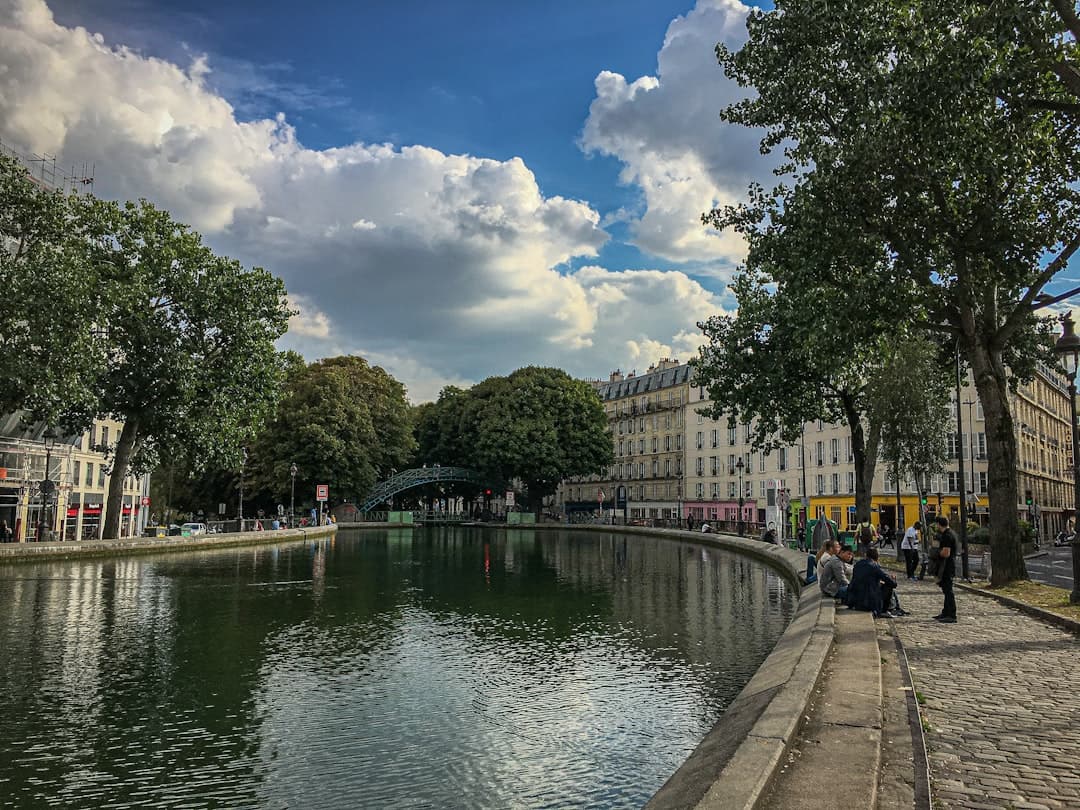
Place des Vosges is a perfectly symmetrical Renaissance square in the heart of Paris, built by King Henri IV and completed in 1612. It's the oldest planned square in the city — 36 identical red-brick-and-stone pavilions arranged around a central garden, each with an arched arcade at street level. For four centuries it's been at the center of Parisian life: duels were fought here, Victor Hugo lived here for 16 years, and Cardinal Richelieu kept a residence on the square. Today it sits in the Marais district, one of the most historically layered neighborhoods in Paris, and it still has the power to stop you mid-stride. The square's central garden is formal in the French style — four symmetrical lawns divided by gravel paths, with lime trees and a central fountain — and it draws everyone from tourists eating lunch on the grass to locals reading on benches under the arcades. The arcades themselves are lined with galleries, cafés, and a few restaurants, including the famous Ma Bourgogne, where you can eat croque-monsieurs and drink Beaujolais under the vaulted ceilings. Victor Hugo's house on the southeast corner is now a free museum worth at least an hour of your time, with original furniture and a remarkable Chinese-style dining room he designed himself. The square is busiest on weekends and sunny afternoons; if you want it closer to yourself, arrive on a weekday morning when the light comes in low and golden from the east. The surrounding Marais streets — Rue de Bretagne, Rue des Rosiers, Rue de Turenne — are some of the best in Paris for wandering, eating falafel, browsing independent shops, and discovering the city at its least touristy.
Plaka
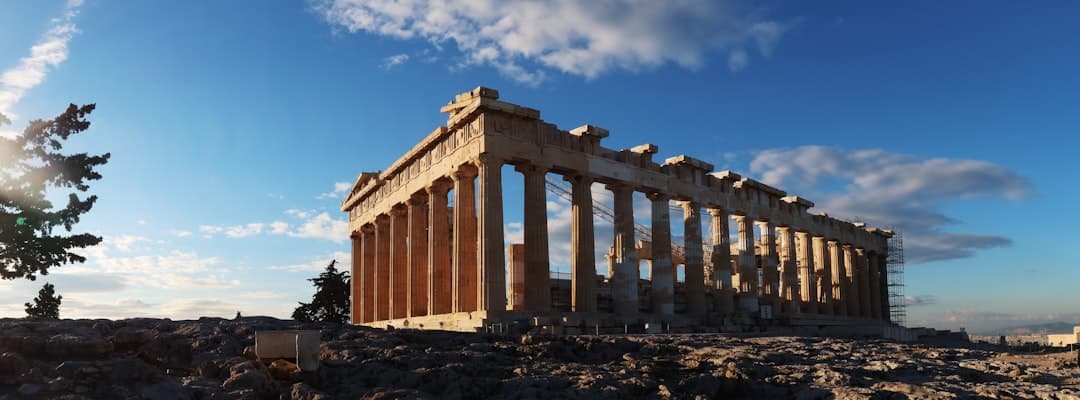
Plaka is the historic heart of Athens — a dense, winding neighborhood draped across the northern and eastern slopes of the Acropolis hill. It's one of the few areas of the city that survived Ottoman rule, Greek independence, and decades of modernization largely intact, leaving behind a labyrinth of neoclassical mansions, Byzantine churches, and narrow stone streets that date back centuries. For most visitors, Plaka is their first real encounter with Athens at a human scale, somewhere between a living museum and a working neighborhood. Walking through Plaka means stumbling across genuine archaeological sites between tavernas and souvenir shops — the Monument of Lysicrates, the Roman Agora, the Tower of the Winds, the tiny Byzantine church of Agios Nikolaos Rangavas. The Anafiotika quarter, tucked into the upper reaches, is genuinely otherworldly: a cluster of whitewashed Cycladic-style houses built by workers from the island of Anafi in the 19th century, perched improbably on the hillside with cats sleeping on every step. The neighborhood rewards slow walking and wrong turns more than any map. Plaka is undeniably touristy — Adrianou Street in particular is an unbroken parade of tourist shops — but the trick is to get above it, into the quieter lanes toward Anafiotika, or to time your visit for the late evening when the tour groups thin out and the tavernas fill with a better mix of locals and travelers. Dinner at one of the traditional restaurants near Mnisikleous Street, with the Acropolis lit up overhead, is one of those Athens experiences that's become a cliché precisely because it's so reliably good.
Plateau-Mont-Royal
Le Plateau-Mont-Royal is the neighbourhood that most Montrealers mean when they say they love their city. Stretching north and east of Mount Royal park, it's a dense, walkable grid of colourful Victorian duplexes and triplexes with their iconic exterior staircases — a design quirk born from 19th-century tax rules that has become the neighbourhood's defining visual signature. Long a refuge for artists, intellectuals, and immigrants, the Plateau is where Montreal's French-speaking counterculture took root, and it still hums with that energy today. In practice, exploring the Plateau means wandering. Boulevard Saint-Laurent — historically the dividing line between English and French Montreal — is lined with cafés, vintage shops, and restaurants that range from cheap BYOB gems to serious destination dining. Avenue du Mont-Royal is the neighbourhood's main artery: farmers' markets, record stores, terrasse culture from April to October, and the kind of unhurried street life that makes you forget you had anywhere else to be. Parc Lafontaine, the neighbourhood's gorgeous central green space, draws everyone from families with strollers to pétanque players on summer afternoons. And yes, you need to visit a St-Viateur or Fairmount bagel bakery — both are in or adjacent to the Plateau, and both are open around the clock. The Plateau skews young, progressive, and intensely local. It's not a tourist district in any conventional sense — there are no major museums or monuments, just the texture of a neighbourhood that takes food, art, and outdoor life seriously. Rent is no longer cheap, but the spirit hasn't entirely left. Come on a weekday morning if you want the café terrasses without the weekend crush, and don't skip the side streets — the painted staircases and window boxes are half the point.