
All Places
1,073 places around the world
1,073 places · page 30 of 45
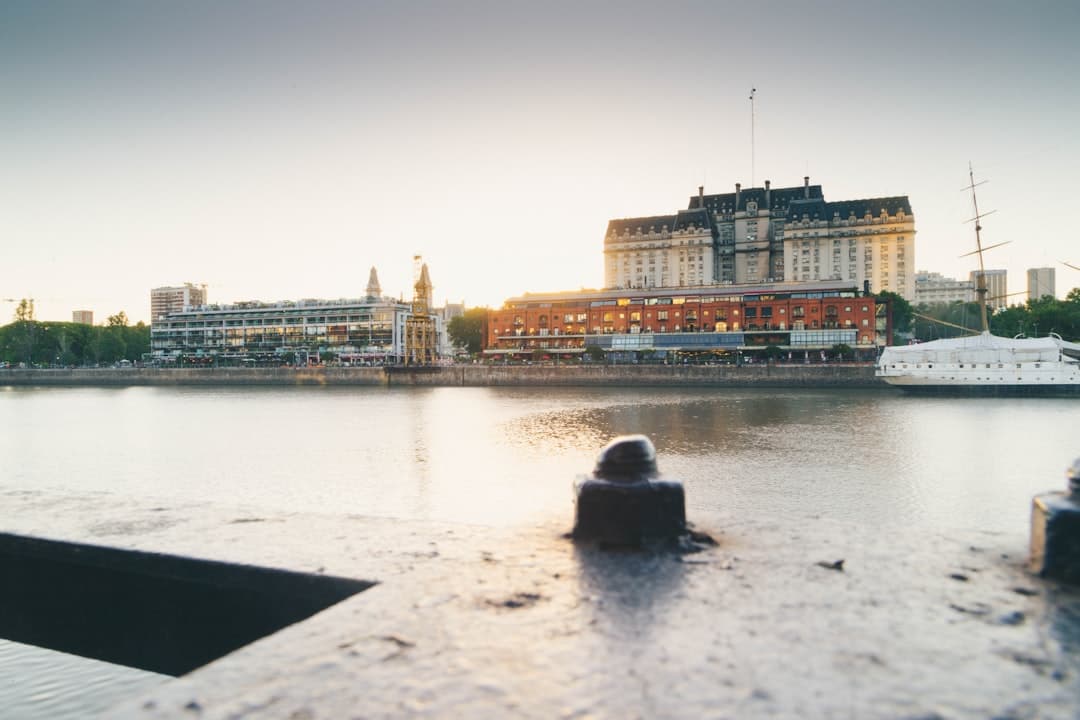
Palermo Soho
Palermo Soho is a vibrant residential and commercial neighborhood in the Palermo district of Buenos Aires, roughly bounded by Avenida Santa Fe, Avenida Juan B. Justo, and Avenida Córdoba. It takes its name from New York's SoHo, and like its namesake, it's a place where artists, designers, and food obsessives colonized once-quiet streets and turned them into something genuinely exciting. The area revolves around Plaza Serrano — officially Plaza Cortázar — a leafy square that anchors the neighborhood's social life and serves as the unofficial heart of the whole scene. Think cobblestone streets lined with jacaranda trees, low-rise houses converted into restaurants and design shops, and murals covering nearly every available wall. What you actually do here is wander, eat, drink, and shop — but at a level that rewards real attention. The restaurant scene is legitimately world-class: places like El Preferido de Palermo, a classic almacén that somehow reinvented itself without losing its soul, or any number of parrillas and modern Argentine kitchens serving some of the best beef you'll eat anywhere. The boutiques specialize in Argentine leather goods, independent fashion labels, and design objects you won't find in a mall. Street art covers the neighborhood at every turn — large-scale murals by serious artists give the streets the feel of an open-air gallery. On weekends, the feria around Plaza Serrano fills with craftspeople and food vendors. Palermo Soho rewards slow travel. Don't rush it — block out a full afternoon and just walk. The streets between Serrano, Thames, Honduras, and El Salvador are the densest zone for shops and restaurants, but wandering off the obvious grid is how you find the good stuff. Porteños eat late — dinner before 9pm marks you as a tourist — and the neighborhood doesn't really come alive at night until well after that. Bring pesos; smaller boutiques often prefer cash, and ATM availability is inconsistent enough that having local currency matters.
Palm Jumeirah
The Palm Jumeirah is an artificial archipelago built offshore in the Persian Gulf, shaped like a palm tree when viewed from above. Constructed by dredging millions of tons of sand and rock from the seabed, it was completed in the early 2000s and represents one of the most ambitious engineering projects in modern history. The Palm added 78 kilometers of new beachfront to Dubai's coastline and transformed a city already building its global reputation into something genuinely jaw-dropping. It's home to some of the world's most famous hotels, private villas, beach clubs, and restaurants — a self-contained mini-city floating in the Gulf. Visiting the Palm means doing a lot, or nothing at all, depending on what you're after. The iconic Atlantis hotel anchors the tip of the trunk with its waterpark Aquaventure, which has slides that drop through shark-filled lagoons and a private beach. The newly opened Atlantis The Royal — a futuristic tower that looks like it was designed by someone who said yes to every idea — has attracted a different, more ultra-luxury crowd. The Palm Monorail runs from the mainland gateway to Atlantis, giving you elevated views of the fronds below. Beach clubs like Drift Beach and White Beach at Atlantis are popular spots to anchor for the afternoon. For dinner, head to Dinner in the Sky Dubai, Nobu at Atlantis, or the view-laden restaurants along the Crescent. The Palm is best experienced as a destination in its own right rather than a quick stop. The Monorail is the most atmospheric way in, but the Dubai Metro connects to Palm Jumeirah station now, making it far easier to reach without a car. Early mornings are excellent for walking the boardwalk before the heat sets in. Most beach clubs require reservations and often charge a minimum spend — budget accordingly, because prices here run unambiguously high.
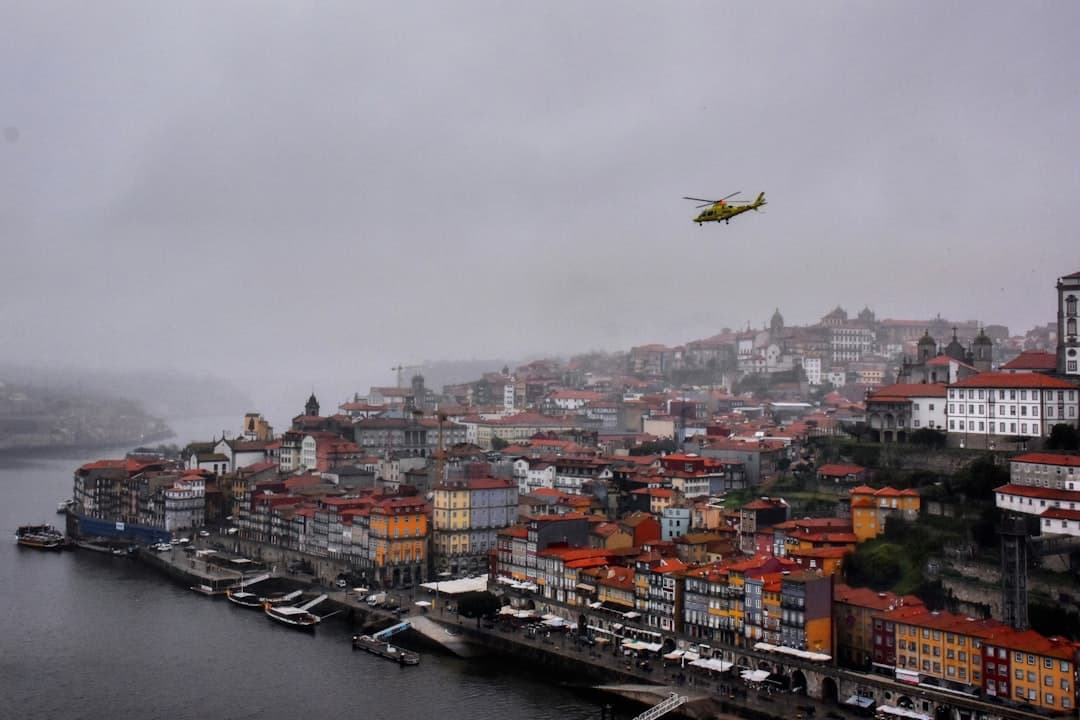
Palácio da Bolsa
The Palácio da Bolsa — literally the Stock Exchange Palace — is a neoclassical monument built in the 1840s on the site of a former Franciscan convent, commissioned by Porto's Commercial Association to impress foreign traders and project the city's mercantile ambitions to the world. It worked. The building is a statement of civic pride in stone, iron, and gilt, and it remains one of the most architecturally significant buildings in Portugal — a fact recognized when it was granted UNESCO World Heritage status as part of Porto's historic centre. Visiting means joining a guided tour (the only way to access most of the palace), which takes you through a sequence of increasingly theatrical rooms. The centrepiece is the Arab Room — Salão Árabe — a breathtaking banquet hall designed by Gonçalves e Sousa and completed in 1880 after 18 years of work. Every centimetre of the walls and ceiling is covered in intricately carved plaster and gilded stucco, modelled on the Alhambra in Granada. It's the kind of room that stops conversation. You'll also pass through the Nations' Hall, with its iron-and-glass skylight ceiling and the painted crests of Portugal's historic trading partners ringing the walls, plus smaller salons and meeting rooms stuffed with 19th-century Portuguese craftsmanship. Tours run frequently throughout the day in multiple languages — English tours happen regularly, so you're unlikely to wait long. Budget around 90 minutes. The palace sits at the edge of the Ribeira district, right next to the Igreja de São Francisco, and the two make a natural pairing — one Gothic, one neoclassical, both extraordinary. Go mid-morning on a weekday if you can: tour groups thin out and the light through those iron-and-glass ceilings is at its best.
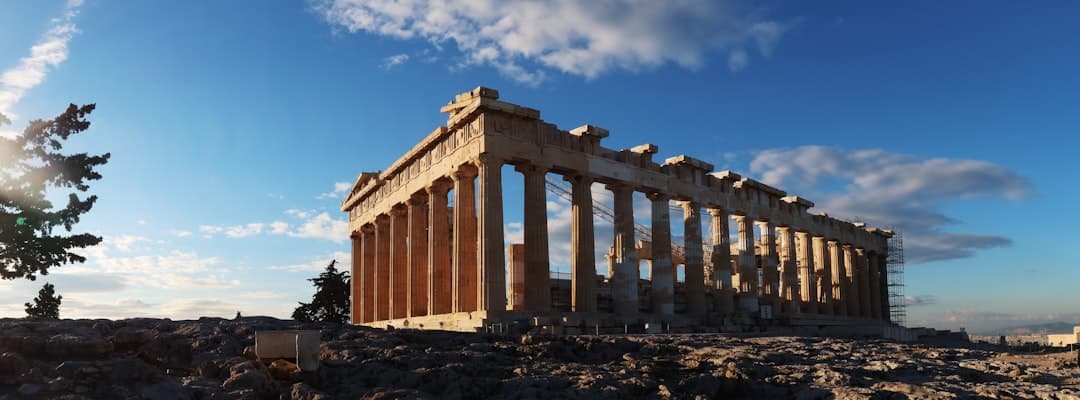
Panathenaic Stadium
The Panathenaic Stadium — known locally as Kallimármaro, meaning 'beautiful marble' — is one of the most extraordinary sporting sites on earth. Originally built in the 4th century BC to host the Panathenaic Games (a festival in honor of the goddess Athena), it was later renovated in gleaming Pentelic marble by the wealthy benefactor Herodes Atticus around 144 AD. It fell into disuse for centuries before being rebuilt again for the 1896 Athens Olympics — the first modern Games — making it the only stadium in the world to have hosted ancient and modern Olympics alike. Roughly 50,000 spectators once crammed its narrow marble tiers. Today it sits in a quiet arc of parkland just east of the city center, looking almost impossibly intact. Visiting is a genuinely moving experience. You walk into the horseshoe-shaped bowl through the main tunnel — the same tunnel athletes used in 1896 — and suddenly the full scale of the place hits you. The track is real and runnable; many visitors jog a lap just because they can. The marble seating is original, carved from the same quarries on Mount Pentelicus that supplied the Parthenon. A small but well-curated museum at one end of the stadium houses Olympic torches from every Games since 1936, medals, and photographs. Climbing to the top tier gives you a sweeping view back toward the Acropolis — an unforgettable alignment of ancient and modern Athens. The stadium sits near the Zappeion gardens at the edge of the National Garden, about a 20-minute walk from the Acropolis. Admission is around €10 and includes an audio guide, which is actually worth using here. Go early in the morning before tour groups arrive — the light is beautiful on the white marble and the place feels almost private. The marathon finish line is marked on the track, a nod to the fact that the modern marathon route from the town of Marathon still ends here during the Athens Classic Marathon each November.
Panna Meena Ka Kund
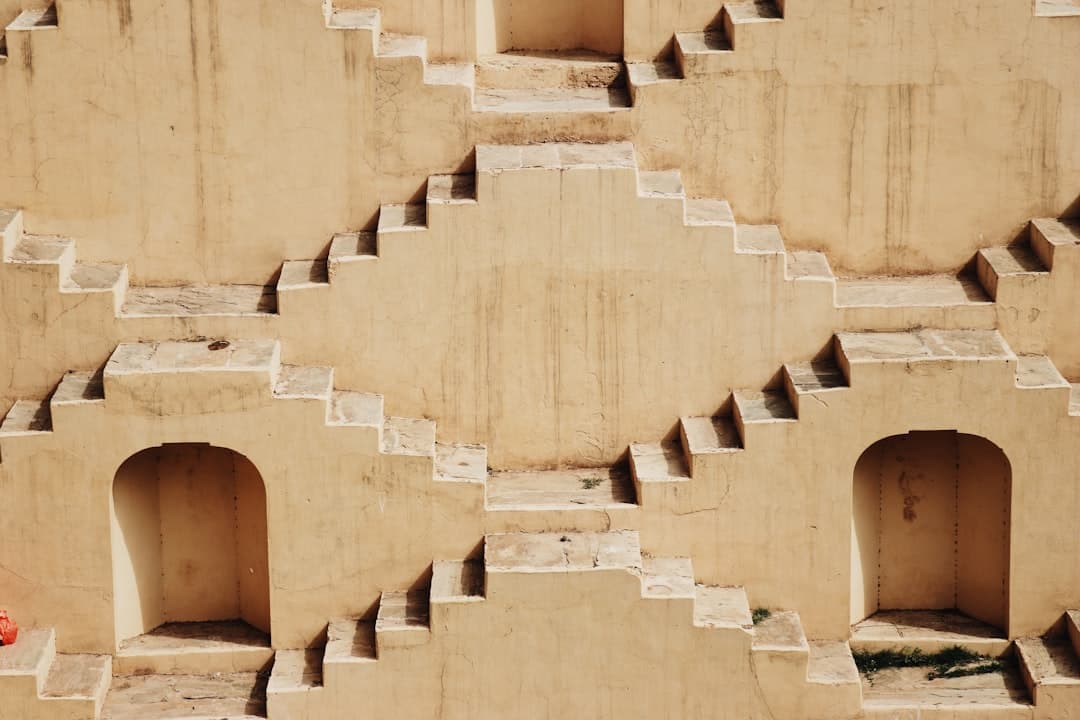
Panna Meena Ka Kund is a stunning baoli — a traditional Indian stepwell — built in the 16th century during the reign of the Amber kings. Stepwells were engineering marvels designed to provide year-round access to water in Rajasthan's arid climate, but Panna Meena Ka Kund goes well beyond utilitarian: its interlocking staircases descend in crisscrossing diagonal patterns on all four sides, creating a dizzying, almost Escher-like optical effect when viewed from above. It sits just a few hundred metres from the far more famous Amber Fort, yet most tourists walk straight past it. Visiting is a genuinely immersive experience. You can descend the steep, narrow steps all the way to the water level — or what's left of it, depending on the season — and look back up at the lattice of staircases framing the sky above you. The geometric interplay of light and shadow changes dramatically depending on the time of day, making it one of the most photogenic spots in all of Jaipur. There are no ropes, no barriers, no audio guides — just you, the stone, and the sound of pigeons echoing off ancient walls. The kund is located in the Amer neighbourhood, right next to the Jaipur-Delhi highway and within easy walking distance of Amber Fort and Chand Baori's lesser-known cousin vibes. Entry is free or requires only a nominal fee, which means it attracts far fewer crowds than the ticketed sites nearby. Go early in the morning when the light is soft and the tour buses haven't arrived, or late afternoon when the golden hour turns the ochre sandstone into something genuinely magical.
Pantheon
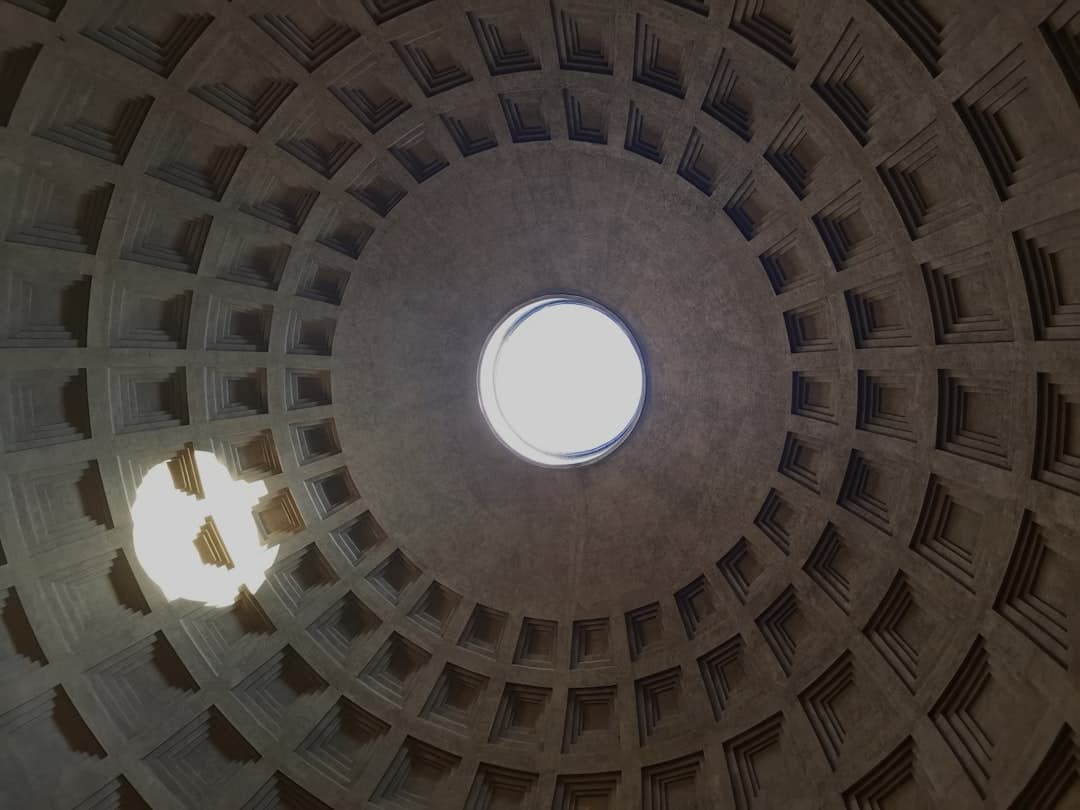
The Pantheon is one of the best-preserved buildings from ancient Rome — a temple completed around 125 AD under Emperor Hadrian, later converted into a Catholic church, which is the main reason it survived when so many other Roman monuments didn't. It has stood for nearly two millennia in the middle of what is now a busy piazza in central Rome, and it remains one of the most technically astonishing structures ever built. The dome — a perfect hemisphere with an open 9-metre hole at the top called the oculus — was the largest in the world for over 1,300 years and is still the world's largest unreinforced concrete dome. When you walk through the massive bronze doors, the scale hits you immediately. The interior is a single circular room, and if you were to place a perfect sphere inside it, that sphere would touch the floor and the oculus simultaneously — the height and diameter are exactly equal at 43.3 metres. Light pours through the oculus and moves across the walls and floor as the day progresses, acting like a kind of sundial. The tombs of two Italian kings (Vittorio Emanuele II and Umberto I) are here, as is the tomb of the Renaissance painter Raphael — a remarkable mix of ancient, royal, and artistic history in one room. Since 2023, entry requires a pre-booked timed ticket through the official Pantheon website (coepantheon.it), which costs a modest fee for most visitors. The change was made to manage crowd numbers, and it has genuinely improved the experience — gone are the worst of the crush crowds. Come as early in the morning as possible for softer light and fewer people. The piazza outside, Piazza della Rotonda, is always lively and surrounded by cafés, but skip the tourist-trap spots ringing the square and walk one or two streets away for a better coffee at a fraction of the price.
Panthéon
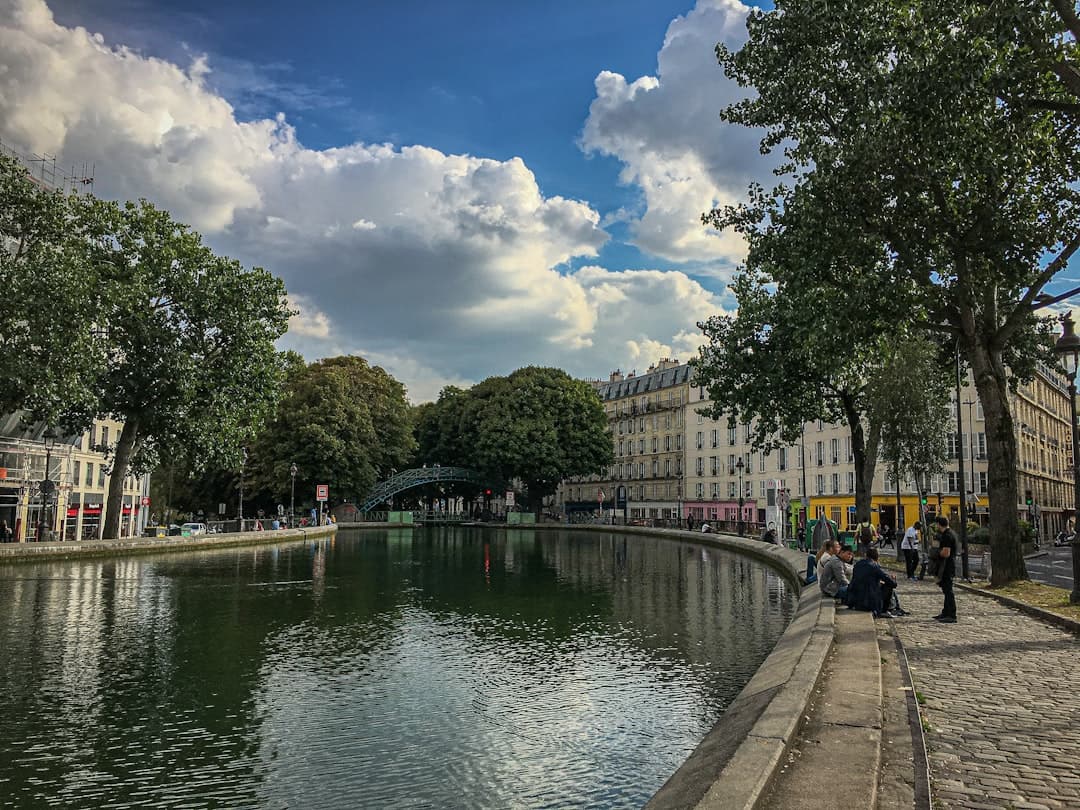
The Panthéon is France's secular temple to its most celebrated citizens — a vast neoclassical mausoleum in the heart of the Latin Quarter where the country has interred its intellectual and cultural giants since the Revolution. Originally commissioned by Louis XV as a church dedicated to Saint Geneviève, the patron saint of Paris, it was redesigned by architect Jacques-Germain Soufflot and completed in 1790, only to be converted into a mausoleum almost immediately. Today it holds the remains of over 80 figures, including Voltaire, Rousseau, Victor Hugo, Émile Zola, Marie Curie — the only woman to be interred here by merit of her own achievements — and more recently, Josephine Baker, who became the first Black woman honored with a place here in 2021. Visiting means moving through two distinct experiences. Above ground, the main hall is a breathtaking exercise in neoclassical grandeur — soaring stone columns, a vast painted interior, and Foucault's famous pendulum hanging from the dome, which León Foucault used here in 1851 to dramatically demonstrate the Earth's rotation to a stunned Parisian public. The crypt below is quieter and more contemplative, a series of stone corridors where you can read the names and dates on tombs and feel the weight of centuries of French history. There's also a panoramic gallery accessible by stairs at the top of the dome with views across the Left Bank rooftops toward the Seine. The Panthéon sits on the Place du Panthéon in the 5th arrondissement, surrounded by the Sorbonne and some of Paris's best bookshops and cafés. It's rarely as crowded as the Louvre or Notre-Dame, which means you can actually linger in the crypt without being jostled. Come on a weekday morning if you want near-solitude. The dome climb is separately ticketed and involves a considerable number of stairs, so factor that in if you want the full experience.
Parc de la Ciutadella
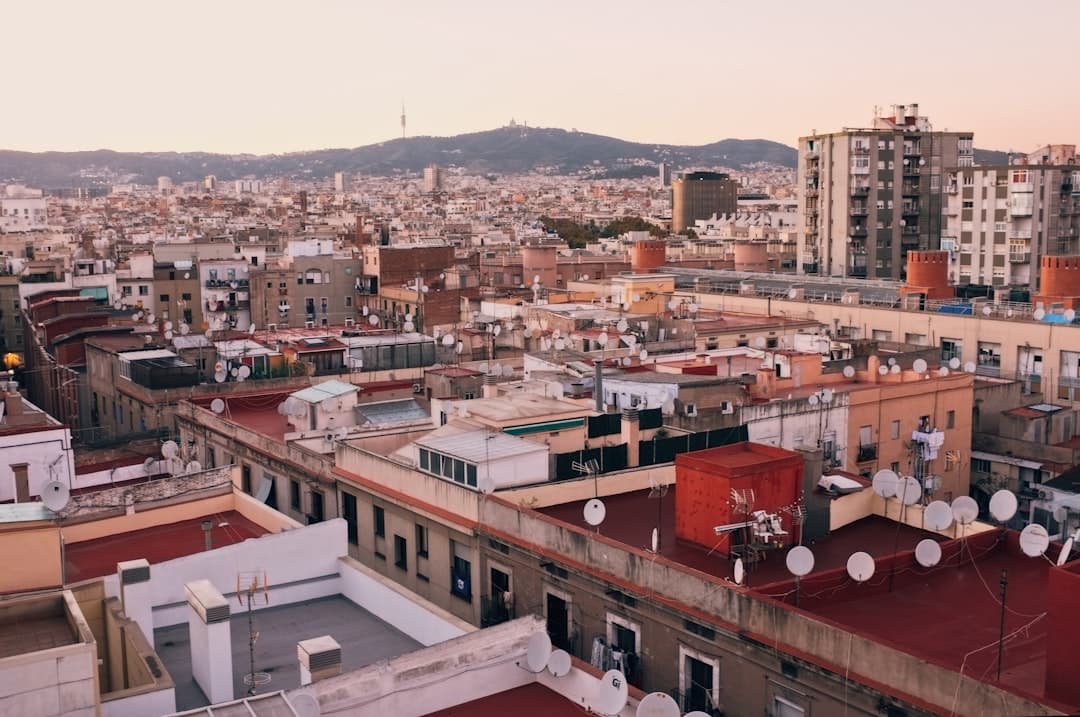
Parc de la Ciutadella is Barcelona's most important public park — a sprawling 17-hectare green space in the heart of the city that serves as the lungs, living room, and playground for locals and visitors alike. It occupies the former grounds of a hated military citadel built by King Philip V after he defeated Barcelona in 1714, a structure so despised that tearing it down became a symbol of Catalan liberation. The park was created in its place ahead of the 1888 Universal Exhibition, and it still carries traces of that grand moment: ornate iron gates, a triumphal arch just outside, and a monumental cascade fountain designed with a little help from a young Antoni Gaudí, then still a student. The park rewards slow exploration. There's a boating lake where you can hire a rowboat, a classical greenhouse called the Hivernacle that hosts occasional concerts, a zoo on its eastern edge, and the Museu de Ciències Naturals tucked inside a handsome 1888 building. But the real draw is the atmosphere — on weekends, the park fills with families picnicking, friends playing guitar, people practising capoeira or yoga, and couples lounging under the palm trees. The monumental Cascada waterfall at the northeastern corner is a genuine architectural spectacle, all Neptune figures, dragons, and cascading stone — worth hunting out even if fountains aren't usually your thing. The park sits right between the Gothic Quarter and Barceloneta beach, making it a natural stop on any walk across the city. Enter from Passeig de Picasso for the most dramatic approach, past the sculptures and the iron fence designed for the 1888 exhibition. Morning visits are tranquil; Sunday afternoons can feel like a city-wide street party. Avoid the rowboat lake on rainy days — the queue disappears, but so does the charm.
Parc de la Ligue Arabe
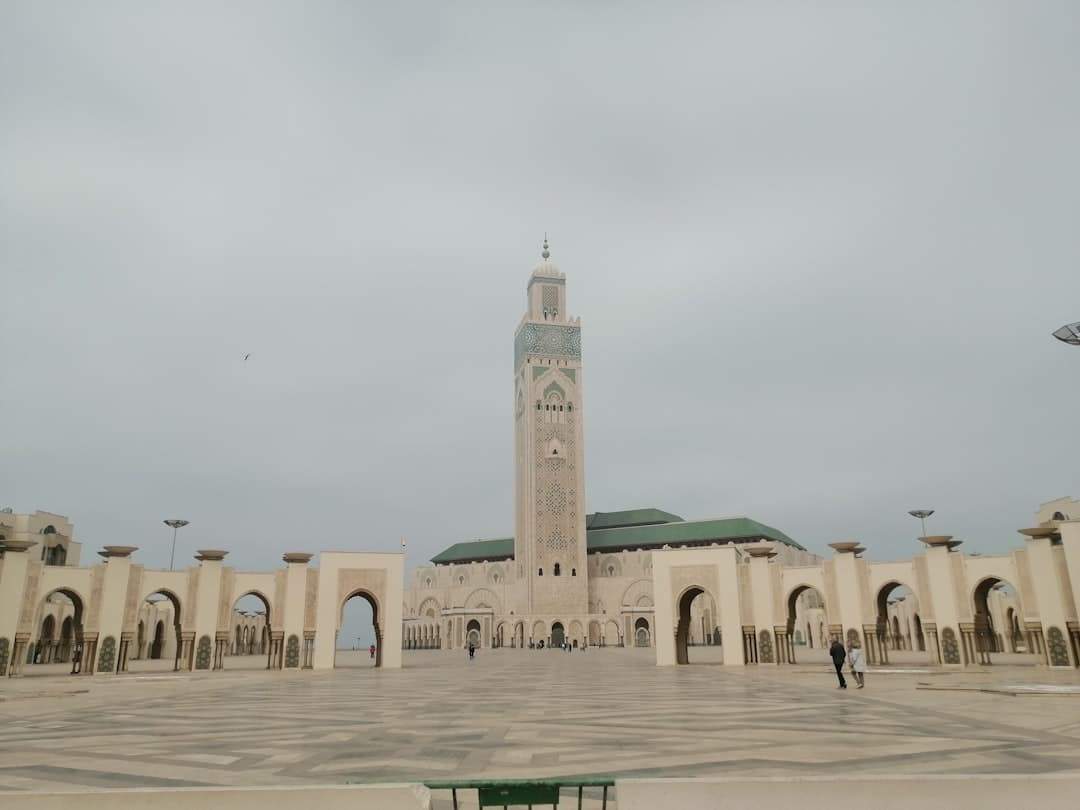
Parc de la Ligue Arabe is the largest and most historically significant public park in Casablanca, stretching across a generous footprint in the heart of the city near the famous Hassan II Mosque district. Laid out during the French Protectorate era in the early 20th century, it was designed with the formal sensibility of a European city park — long allées of towering palms and fig trees, manicured lawns, and ornamental flowerbeds — and it remains the lungs of a dense, fast-moving metropolis. The park borders Boulevard Moulay Youssef and sits close to the Cathédrale du Sacré-Cœur, one of Casablanca's most striking Art Deco-Mauresque buildings, which makes the whole neighborhood feel like a compressed lesson in colonial urban planning. In practice, the park is where Casablancais come to decompress. Families spread out on the grass in the late afternoon, joggers do laps in the early morning, and older men play chess or simply sit under the canopy of massive rubber trees that have been growing here for a century. There are fountains, benches, and enough shade to make a midday visit bearable even in summer. Kids gravitate toward the small play areas, and street vendors sometimes operate near the entrances selling snacks and cold drinks. The Cathedral of Sacré-Cœur, now repurposed as a cultural center, is visible from parts of the park and is well worth a look on the same visit. The park officially opens mid-morning and closes at 7pm, which makes it a natural afternoon destination. It's free to enter, which means it draws a genuinely local crowd rather than a tourist one — a rarity in any city's most central green space. Come on a Friday afternoon when the park is at its most animated, or first thing in the morning if you want the trees and the birdsong mostly to yourself. The surrounding streets are lined with cafés where you can extend the visit over a mint tea.
Parco Sempione
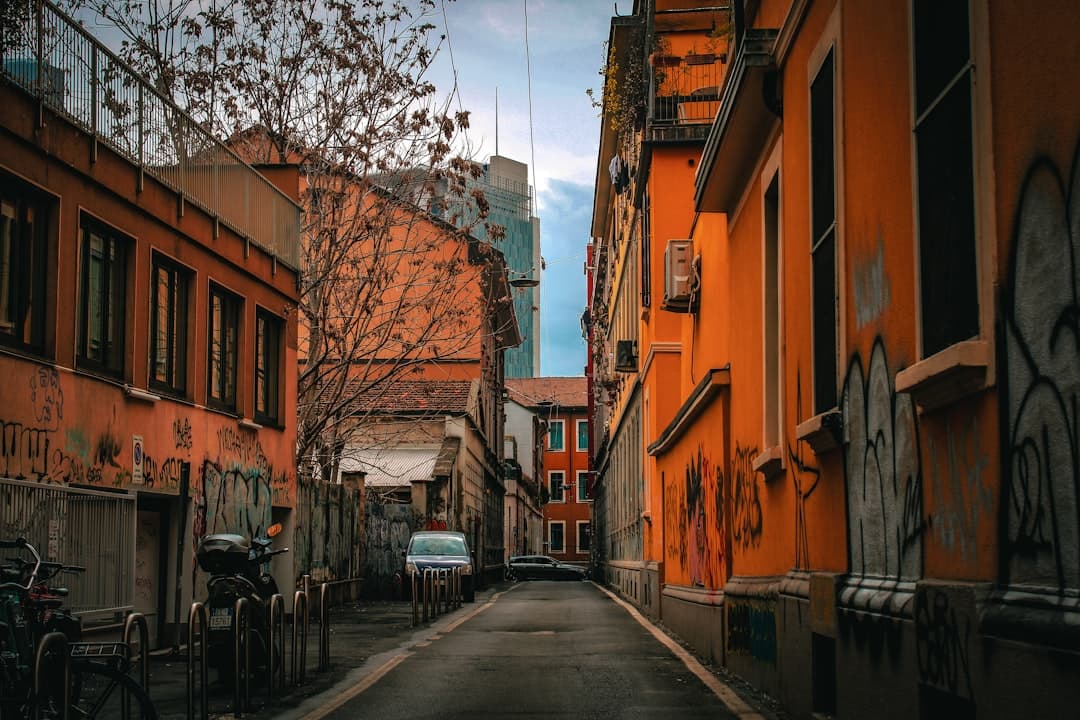
Parco Sempione is Milan's largest central park — 47 hectares of lawns, lakes, and tree-lined paths laid out in the English landscape style in the 1880s by architect Emilio Alemagna. It sits directly behind the Castello Sforzesco, the imposing 15th-century fortress that defines this part of the city, and together the two form the most significant green and cultural corridor in Milan's historic centre. For a city that can feel relentlessly dense and fashionable, this park is where Milanese life loosens up. On any given afternoon you'll find joggers looping the paths, students sprawled on the grass with books and sandwiches, families feeding ducks at the small lake, and retired men playing cards near the fountain. The park contains a few genuine landmarks worth seeking out: the Arco della Pace at the northwest edge is a triumphal arch that Napoleon commissioned (though it was completed after his fall), and the Torre Branca — a slim steel observation tower designed by Gio Ponti for the 1933 Triennale — offers sweeping city views when it's open. The Triennale di Milano design museum borders the park to the north and is worth a visit in its own right. The park is free, open every day, and genuinely used by locals year-round, which makes it one of the better places in central Milan to shed the tourist experience for an hour or two. On summer evenings, the bar inside the park — Bar Bianco — becomes a lively aperitivo and social scene with a young Milanese crowd. Come on a weekday morning if you want calm; come on a weekend afternoon if you want the full neighbourhood-life version.
Park Güell
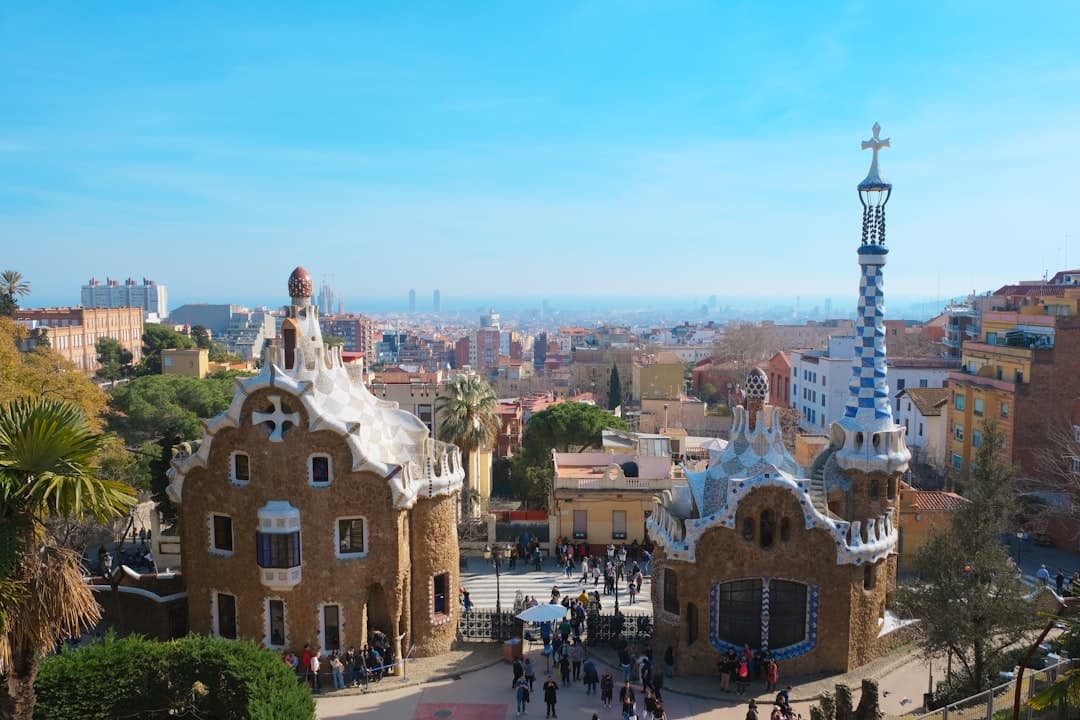
Park Güell is an extraordinary public park on the slopes of Carmel Hill in upper Barcelona, designed by the Catalan architect Antoni Gaudí and built between 1900 and 1914. Originally commissioned by industrialist Eusebi Güell as a residential garden city — a kind of utopian housing development for Barcelona's elite — the project was never completed as planned. Only two houses were built, and the land was eventually donated to the city. What remained was something far more interesting than any suburb: a sprawling, surrealist landscape of gingerbread gatehouses, sinuous stone viaducts, a forest of tilted columns, and the famous mosaic terrace overlooking the city, all threaded together with Gaudí's signature organic curves and hallucinatory tile work. UNESCO recognised it as a World Heritage Site in 1984, as part of a broader listing of Gaudí's works. The centrepiece most visitors come for is the Gran Plaça de la Natura — the main terrace — where a long undulating bench covered in polychrome ceramic fragments (a technique called trencadís) wraps around the perimeter. The views from here over Barcelona and out to the Mediterranean are genuinely stunning. Below the terrace sits the Hypostyle Room, a forest of 86 Doric columns that Gaudí designed as a market hall. The surrounding paths wind through rocky archways and palm-shaded walks, and the two pavilions at the main entrance — one of which housed Gaudí himself for nearly 20 years and now operates as the Casa Museu Gaudí — are worth exploring. The parkland beyond the ticketed monumental zone is free to enter and often quieter. The monumental zone at the heart of the park requires a timed-entry ticket, and you should book these well in advance, especially between spring and autumn when queues and sell-outs are common. First thing in the morning (opening time) or late afternoon are the best windows to visit — crowds thin, the light softens, and the terrace becomes something you can actually pause on rather than shuffle through. The park sits in the Gràcia district, and the walk up from the neighbourhood below is pleasant but steep; most visitors take Bus 24 or the tourist bus, or grab a taxi to the main entrance.
Parque Arví
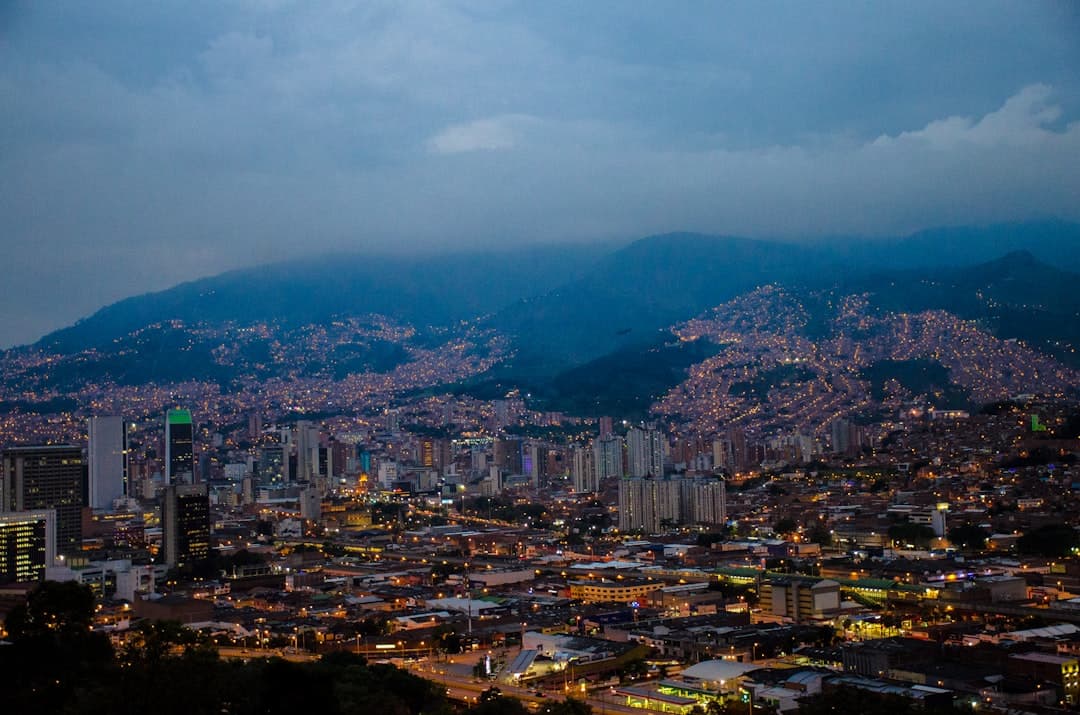
Parque Arví is a protected ecological reserve sitting in the mountains above Medellín at around 2,550 metres above sea level, covering roughly 1,700 hectares of cloud forest, wetlands, and agricultural land in the Andes. What makes it genuinely special isn't just the nature — it's how you get there: the Metrocable Línea L lifts you from the Acevedo metro station through the hillside comunas and then up over a dramatic forested ridge, delivering you into a completely different world just 35 minutes from the city centre. It feels like an escape that's almost impossibly close. Once you're inside the park, the experience is mostly self-directed. There are several marked hiking trails of varying difficulty, community-run ecotourism programs, a weekend artisan and food market near the main entrance where local vendors sell fruit, fresh juices, arepas, and handmade goods, and a patchwork of small fincas and rural communities that have been integrated into the reserve's management. Birdwatching is excellent here — the cloud forest ecosystem supports a rich variety of species. The trails range from easy lakeside walks to longer hikes through dense forest, and you can spend anywhere from two hours to a full day depending on how ambitious you feel. Weekends are considerably busier than weekdays, especially the market area, which draws both tourists and Paisas out for a family outing. The cable car can have long queues on Sunday afternoons — arrive early or come on a weekday for a more peaceful experience. Bring cash for the market vendors, and be aware that the altitude and cloud cover mean the temperature is noticeably cooler than central Medellín, often by 5–8°C. It rains frequently up here, and mist rolls in quickly, so a light rain jacket is essentially mandatory.
Parque Central
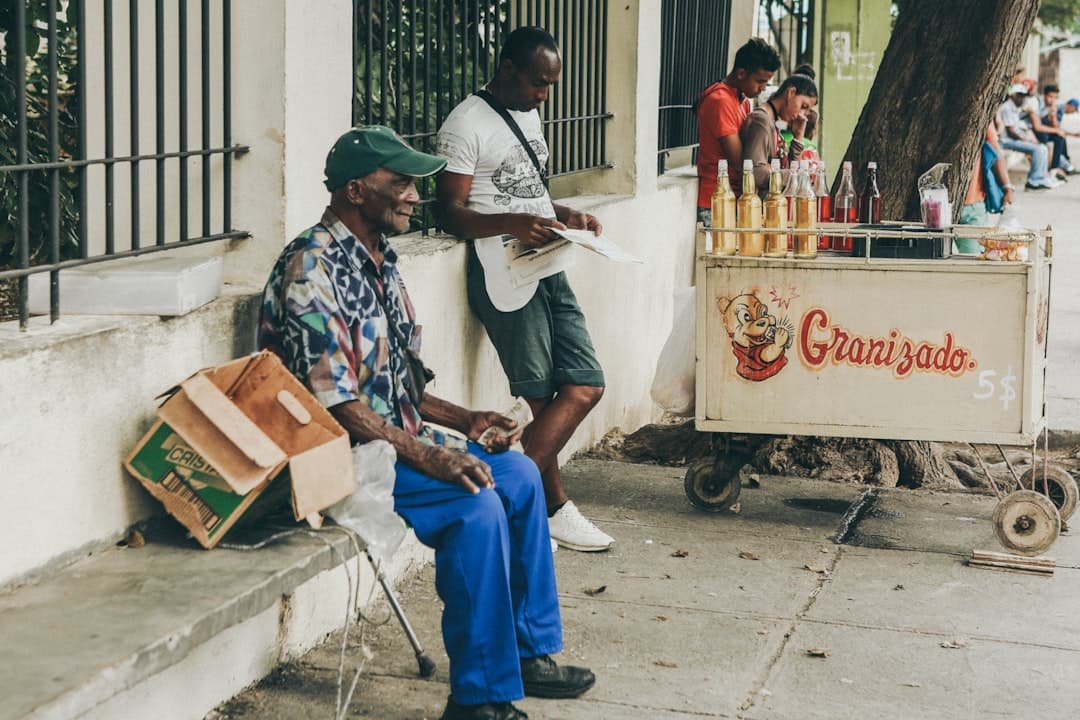
Parque Central is the beating heart of Old Havana — a grand, tree-shaded square that has served as the city's primary public gathering place since the late 19th century. Ringed by some of Havana's most iconic architecture, including the ornate Hotel Inglaterra (Cuba's oldest hotel), the Capitolio Nacional, and the Gran Teatro de La Habana Alicia Alonso, the park sits at the exact intersection of old colonial grandeur and everyday Cuban life. The marble statue of José Martí at its center — the first public monument to the national hero after his death in 1895 — tells you everything about the square's symbolic weight. In practice, the park is a place you wander into and don't leave for longer than expected. Vintage American cars from the 1950s idle along the perimeter waiting for tourists. The famously animated group of men known as the 'hot corner' — peña del béisbol — gathers near the northeast corner to debate Cuban baseball with extraordinary passion, a tradition that's been going on for decades. Street musicians drift through. Hawkers offer cigars. Old men play chess on the benches. It's one of the few places in Havana where you can sit still and feel the full texture of the city moving around you. The park itself is open and free at all hours, but the real experience unfolds in the late afternoon and evening when locals come out in force and the surrounding facades are bathed in warm light. The Hotel Inglaterra's terrace bar is a classic spot for a mojito with a view of the square, though prices are tourist-level. For a more honest drink, wander a block or two into the side streets. The park is also a natural orientation point — nearly everything worth seeing in Old Havana is walkable from here.
Parque das Nações
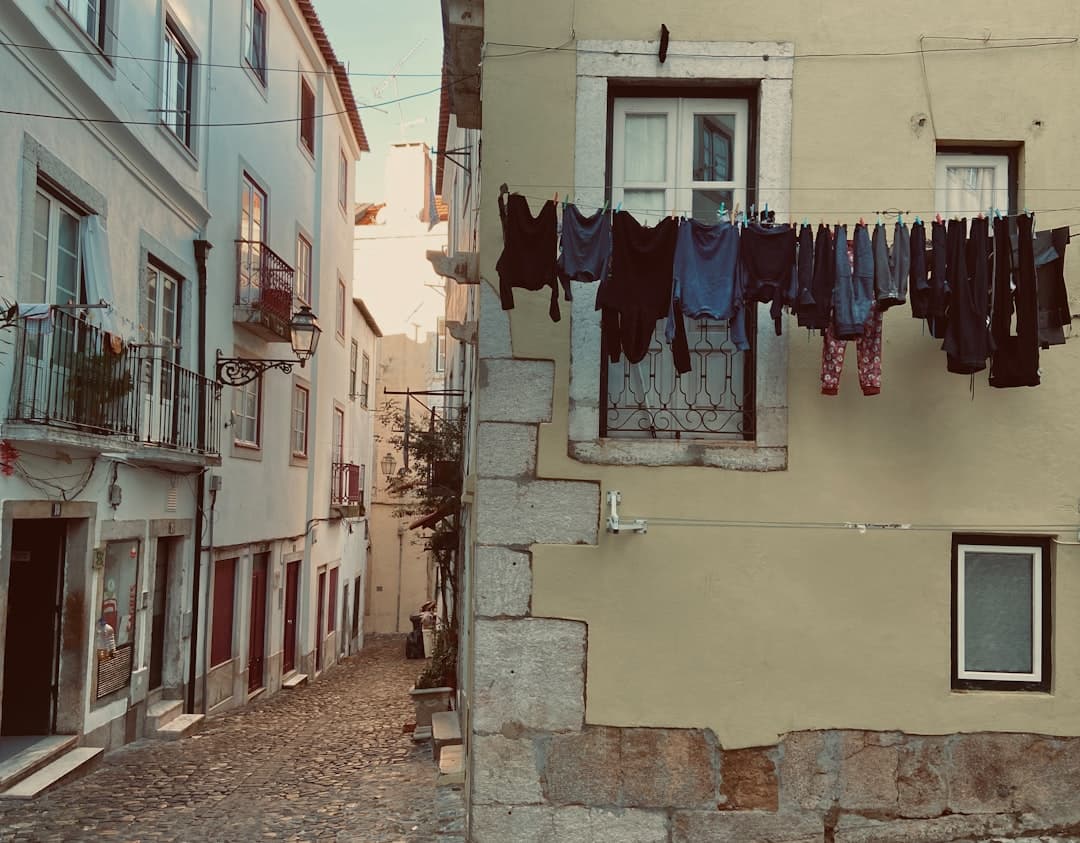
Parque das Nações is Lisbon's most ambitious urban renewal project — a formerly industrial wasteland along the Tagus estuary that was transformed for the 1998 World Exposition and then kept, expanded, and turned into a functioning neighbourhood. It sits in the northeast of the city, far from the tourist-heavy hilltop districts, and it looks and feels nothing like the rest of Lisbon. Where the old city is narrow, hilly, and sun-bleached, this place is wide, flat, and architectural — all sweeping waterfront promenades, futuristic pavilions, and 21st-century urban planning. It's the Lisbon that decided to think big. What you actually do here depends on your interests, and the park rewards both wanderers and planners. The Oceanário de Lisboa — one of Europe's finest aquariums, with a central tank you can walk around on multiple levels — is the headliner and absolutely worth it even for non-aquarium people. Santiago Calatrava's Oriente railway station is a genuine architectural landmark worth walking through slowly. The Portugal Pavilion, designed by Álvaro Siza Vieira with its extraordinary suspended concrete canopy, sits near the waterfront. The riverside walk stretches for several kilometres, dotted with public art, open lawns, and good spots to sit and watch the Vasco da Gama bridge — the longest in Europe — disappear into the haze. The neighbourhood is less a tourist attraction than a living district, which is both its strength and its slight limitation. Restaurants and cafés line the waterfront, and the Vasco da Gama shopping centre handles practical needs. It's a long way from central Lisbon — about 30 minutes on the Metro's Red Line from downtown — which means most visitors treat it as a deliberate half-day trip rather than a casual detour. The best approach is to arrive mid-morning, do the Oceanário, walk the full riverfront north toward the Vasco da Gama tower, and have lunch at one of the waterside terraces before heading back.
Parque de María Luisa
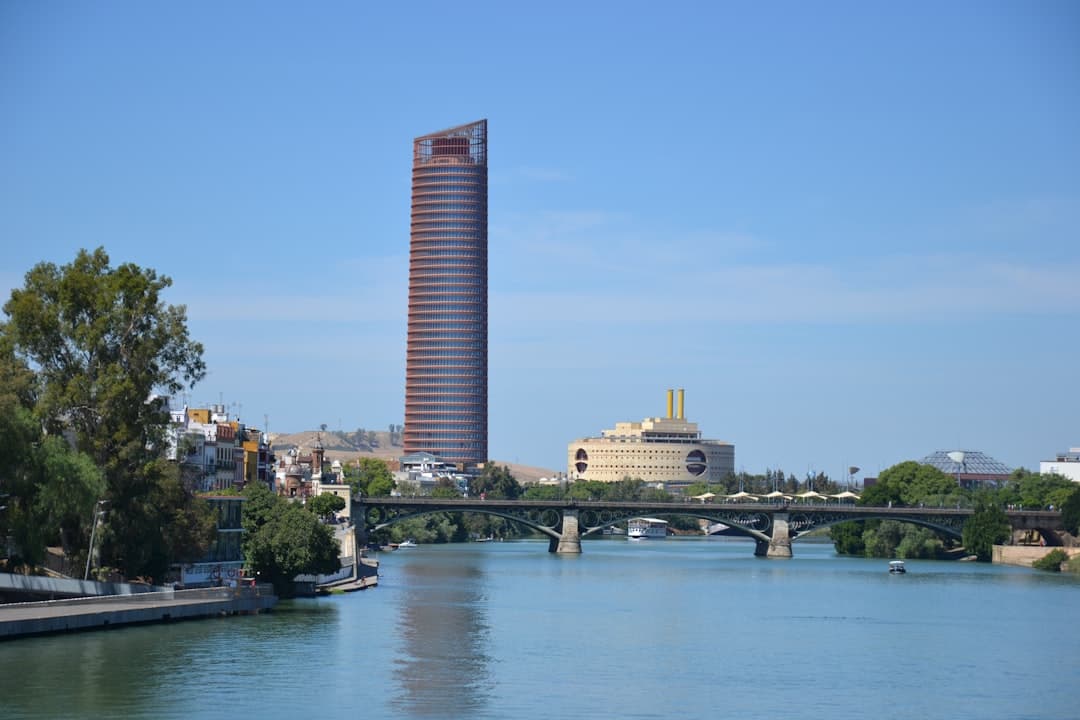
Parque de María Luisa is Seville's most beloved public park — a sprawling, 34-hectare green lung in the heart of the city that dates back to 1893, when Princess María Luisa of Orléans donated her private palace gardens to the city. It was formally landscaped and opened to the public in 1914 in preparation for the 1929 Ibero-American Exposition, and the park still bears all the hallmarks of that grand ambition: tiled fountains, shaded pavilions, rose gardens, and wide promenades lined with orange trees and towering palms. Walking through the park feels like wandering through an outdoor museum of Andalusian decorative art. The centerpiece is the Plaza de España, technically on the park's edge but inseparable from the experience — a sweeping semicircular palace with ceramic-tiled alcoves representing every Spanish province. Inside the park itself, you'll find the Plaza de América, flanked by two pavilions that now house museums (the Museo Arqueológico de Sevilla and the Museo de Artes y Costumbres Populares), plus a resident population of white peacocks that strut around entirely unbothered by visitors. Duck ponds, hidden benches, and labyrinthine hedgerows make it easy to lose yourself here in the best possible way. The park is free to enter and open year-round, but the experience changes dramatically by season. Summer heat in Seville is ferocious — locals stick to the shaded paths and the park is quietest in the early morning and early evening. Spring is the sweet spot: wildflowers bloom, temperatures are pleasant, and the park fills with locals on weekend picnics. Horse-drawn carriages depart from near the Plaza de España if you want a guided tour of the grounds, though walking at your own pace rewards you with more of the park's quiet corners.
Parque de las Luces
Parque de las Luces — literally 'Park of Lights' — is a bold public space in the heart of downtown Medellín, opened in 2006 as part of the city's sweeping urban renewal program. Where there was once a chaotic, crime-ridden market district, city planners and architects installed 300 slender steel columns, each topped with a light that collectively transform the plaza into something otherworldly at night. It sits adjacent to the Palacio de la Cultura Rafael Uribe Uribe, a striking Gothic-inspired building that anchors the civic core of La Candelaria, Medellín's historic downtown neighborhood. During the day the park functions as a lively gathering space — locals cut through it, vendors work the edges, pigeons do their thing, and students from nearby schools hang out on the broad paved surfaces. But the real payoff is at night, when the columns light up and the whole space takes on an almost futuristic atmosphere that feels genuinely dramatic. It's a place designed as much as a symbol of civic transformation as a practical park, and you feel that intention in how it's built — open, clean, deliberately monumental. The park is free, always accessible, and sits right on the Parques metro line (Parques station on Line A), making it easy to combine with a broader walk through El Centro. It's steps from Plaza Botero, where you can see Fernando Botero's famous oversized bronze sculptures, so most visitors naturally do both in one go. Come in the early evening to catch the columns as they first light up — the transition from dusk is genuinely worth timing.
Parthenon
The Parthenon is a marble temple built between 447 and 432 BCE on the Acropolis, the rocky hill that rises dramatically above Athens. It was dedicated to Athena, the goddess the city was named for, and commissioned by the Athenian statesman Pericles at the height of the city's Golden Age. It is one of the most influential buildings ever constructed — the columns, proportions, and sculptural programs of countless public buildings around the world, from the US Capitol to the British Museum, trace their lineage directly back to this hilltop temple. Standing in front of it, you're looking at the source code of Western monumental architecture. Visiting means climbing the Acropolis hill itself — a 15- to 20-minute walk up a broad path through ancient gateway structures, including the Propylaea and past the smaller but exquisite Temple of Athena Nike. The Parthenon itself is surrounded by scaffolding (an ongoing restoration project that has been running since the 1970s, so don't expect it to disappear anytime soon), but the scale and craftsmanship still stop you cold. The columns have subtle outward curves engineered to counteract optical illusions — the ancient Greeks were correcting for human perception at a time when most of the world was building in wood. The surrounding Acropolis also holds the Erechtheion, famous for its porch of six female figures called the Caryatids, and the views over Athens in every direction are extraordinary. The Acropolis Museum at the base of the hill is a brilliant complement — many of the original friezes and sculptures that once adorned the Parthenon are displayed there, and it's worth visiting before or after your climb to understand what the building originally looked like. The opening hours listed as '24 hours' almost certainly reflect the outdoor Acropolis hill itself being technically accessible, but the site has official ticketed hours; check ahead. Tickets cover the entire Acropolis archaeological site. Go early in the morning or late afternoon — midday heat and crowds in summer are both brutal.
Pashupatinath Temple
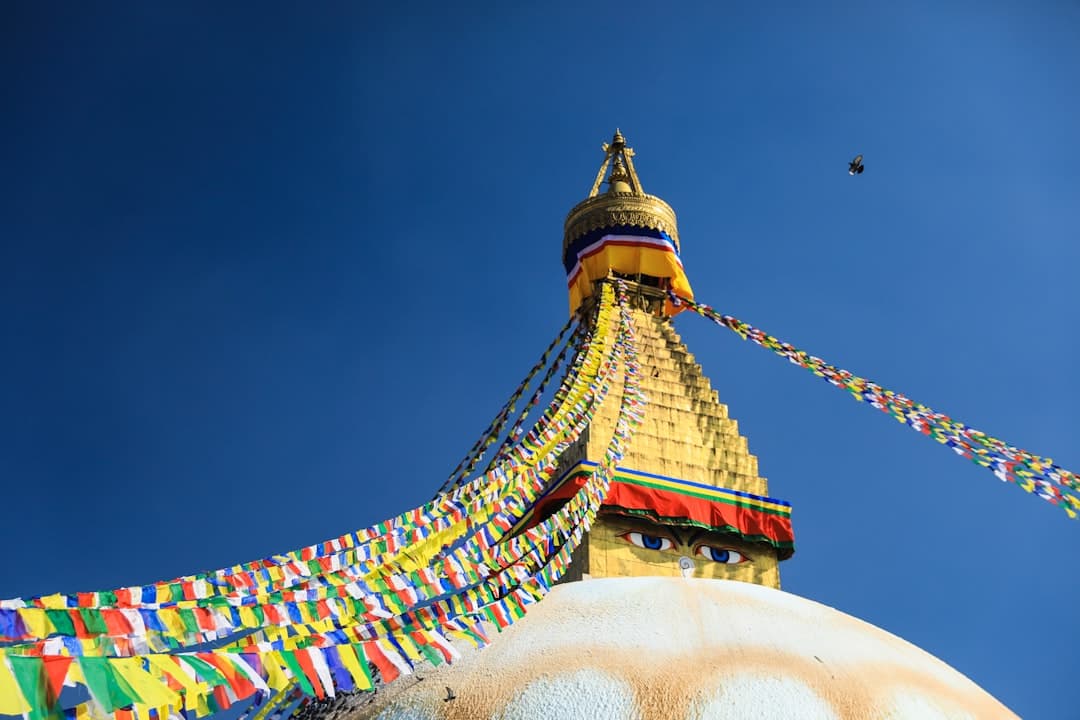
Pashupatinath is one of the most sacred Hindu temples in the world — a sprawling complex on the banks of the Bagmati River dedicated to Shiva in his form as Pashupati, lord of animals. It's been a place of pilgrimage for well over a thousand years and holds UNESCO World Heritage status as part of the Kathmandu Valley listing. For devout Hindus, dying here is considered among the most auspicious ends imaginable, and the temple draws hundreds of thousands of pilgrims annually from across Nepal and India. The complex is enormous — more than 500 individual shrines and structures spread across both banks of the Bagmati. The inner sanctum of the main pagoda-style temple is off-limits to non-Hindus, but there's extraordinary things to witness from the outer areas: sadhus (wandering Hindu holy men) with ash-painted bodies and dreadlocks who pose for photos near the main temple entrance, and most memorably, the open-air cremation ghats on the Bagmati riverbank, where funeral pyres burn openly and families mourn. It's confronting, deeply human, and unlike anything most visitors have encountered before. The eastern bank gives an elevated view across the river to the ghats and the gilded roofs of the main temple — that's where non-Hindu visitors spend most of their time. The hours listed by Google don't quite capture reality: the temple complex is active from very early morning (around 4am for the pre-dawn aarti ceremony) through evening, with the busiest and most atmospheric periods at dawn and dusk. Non-Hindu visitors are typically admitted from around 5am but should verify current access rules on arrival. The Rs 1,000 entry fee for foreign nationals applies. Come with patience and genuine respect — this is an active place of worship and mourning, not a museum.
Passeig de Gràcia
Passeig de Gràcia is Barcelona's most celebrated avenue — a wide, tree-lined boulevard that cuts through the Eixample district and serves as the city's architectural showpiece. It rose to prominence in the late 19th and early 20th centuries when wealthy Catalan families competed to commission the most dazzling buildings from the era's leading architects. The result is one of the densest concentrations of Art Nouveau — called Modernisme here — architecture anywhere in the world, with Antoni Gaudí, Lluís Domènech i Montaner, and Josep Puig i Cadafalch all leaving their marks within a single block. The centerpiece of any visit is the so-called Manzana de la Discordia, or Block of Discord — a stretch between Carrer d'Aragó and Carrer del Consell de Cent where three rival Modernista masterpieces face each other down. Gaudí's Casa Batlló shimmers with its mosaic dragon-scale roof and bone-white facade; Domènech i Montaner's Casa Lleó Morera curves and blooms with floral stonework; and Puig i Cadafalch's Casa Amatller stacks stepped Flemish Gothic gables above Moorish arches. A few blocks north, Gaudí's Casa Milà — universally known as La Pedrera — ripples like a stone wave. You can tour the interiors of both Casa Batlló and La Pedrera for a deeper look at Gaudí's extraordinary spatial imagination. The boulevard itself is worth lingering on: the hexagonal pavement tiles, also designed by Gaudí, extend the visual feast underfoot. The avenue doubles as one of Barcelona's prime shopping streets, with flagships from Zara to Louis Vuitton, plus department store El Corte Inglés nearby. Come in the evening when the facades are lit up and the city's residents are out for their passeig — that leisurely evening stroll that is as Catalan as anything else you'll find here.
Patan Durbar Square
Patan Durbar Square sits at the heart of Lalitpur — the city just across the Bagmati River from Kathmandu — and it is widely regarded as the finest concentration of Newari architecture and religious art in Nepal. The square was the ceremonial and political center of the Patan Kingdom, one of three rival city-states that divided the Kathmandu Valley for centuries before unification in the late 18th century. What remains is a dense cluster of temples, courtyards, and royal palace buildings that took shape primarily between the 15th and 18th centuries, a period of fierce cultural competition between the kingdoms that produced some of the most extraordinary craftsmanship in South Asia. The 2015 Gorkha earthquake damaged parts of the square significantly, but extensive restoration work — much of it led by the Kathmandu Valley Preservation Trust — has been ongoing, and the site remains remarkable and very much alive. Walking into the square, you are immediately surrounded by pagoda-style temples stacked in tiers, stone water spouts, gilded roofs, and intricate woodcarving on every surface. The Krishna Mandir, built in 1637 entirely from stone in a shikhara style unusual for Nepal, is one of the great architectural surprises — look for the carved friezes around its base depicting scenes from the Mahabharata and Ramayana. The Hiranya Varna Mahavihar, better known as the Golden Temple, sits just north of the square and is worth the small detour: it is an active Buddhist monastery with a gilded facade that has been continuously used for over a thousand years. The Patan Museum, housed in the restored Mul Chowk section of the old royal palace, is arguably the best museum in Nepal, with beautifully curated bronzes and religious objects displayed in an elegant courtyard setting. Patan has traditionally been the artisan city of the valley — its craftspeople have been producing bronze statues, thangka paintings, and metalwork for centuries, and that tradition continues in the workshops and galleries around the square. Entry to the square costs a fee for foreign visitors, and the Patan Museum charges separately but is worth every rupee. Mornings are the best time to visit: the light is good, the square is active with locals performing puja at the temples, and the tour groups haven't yet arrived in force. Lalitpur is generally quieter and more neighborhood-feeling than Kathmandu's Thamel area, which makes the whole experience feel more genuine.
Patong Beach
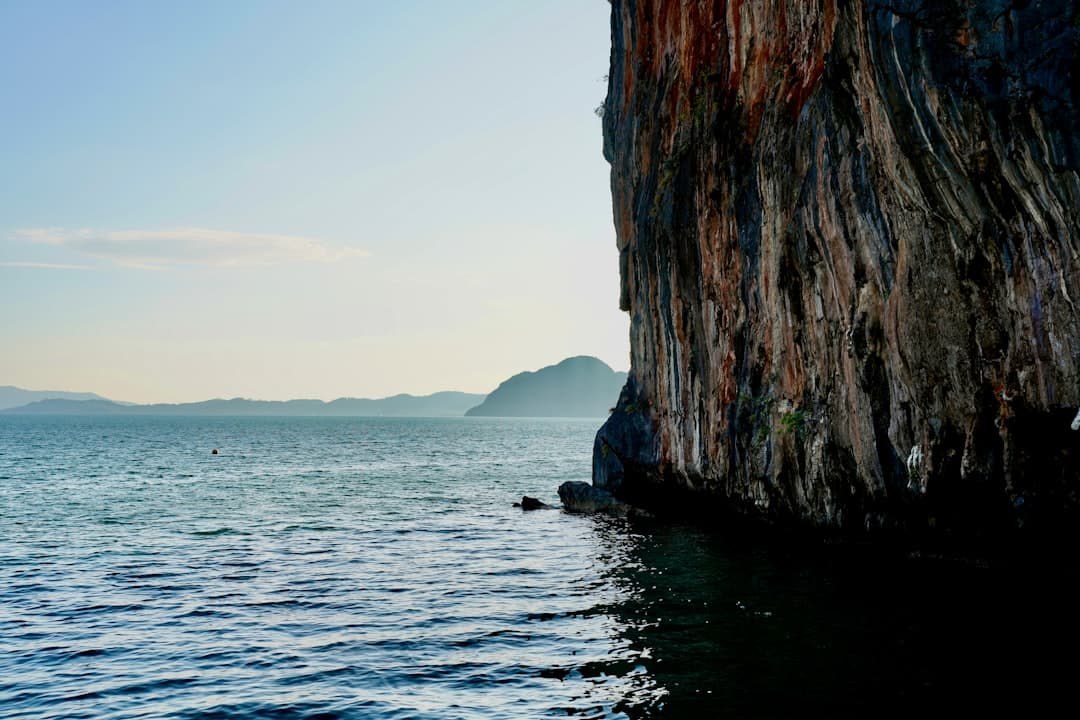
Patong Beach is the beating heart of Phuket's tourism industry — a 3-kilometer crescent of sand on the island's west coast that has grown from a quiet fishing village into Thailand's most visited and most polarizing beach destination. It's the place people picture when they think of Phuket: parasols packed tight along the shore, jet skis buzzing through the surf, and a skyline of hotels and neon signs rising just behind the sand. Love it or hate it, Patong is the engine of the island's economy and the reference point against which everything else is measured. On the beach itself, you can swim, rent a sun lounger, haggle for coconuts, or charter a speedboat to nearby islands. The water is warm and generally calm outside of monsoon season, and the sunsets over the Andaman Sea can be genuinely spectacular. Behind the beach, Bangla Road — probably the most famous street in all of Southeast Asia's nightlife scene — runs parallel to the shore and comes to life after dark with open-air bars, live music venues, and a party atmosphere that runs until well past sunrise. Shopping arcades, massage parlors, seafood restaurants, and every variety of tourist service crowd the streets in every direction. Patong works best if you go in with clear eyes. It's not a hidden gem or a cultural deep-dive — it's a full-throttle tourist machine that's very good at what it does. The key insider move is to base yourself nearby but escape early in the morning before the crowds arrive, or to treat it as a nightlife hub and spend your days at quieter beaches like Kata or Kamala. Accommodation ranges from budget guesthouses on the back streets to large resort hotels right on the beachfront — book early if you're visiting in peak season.
Peggy Guggenheim Collection
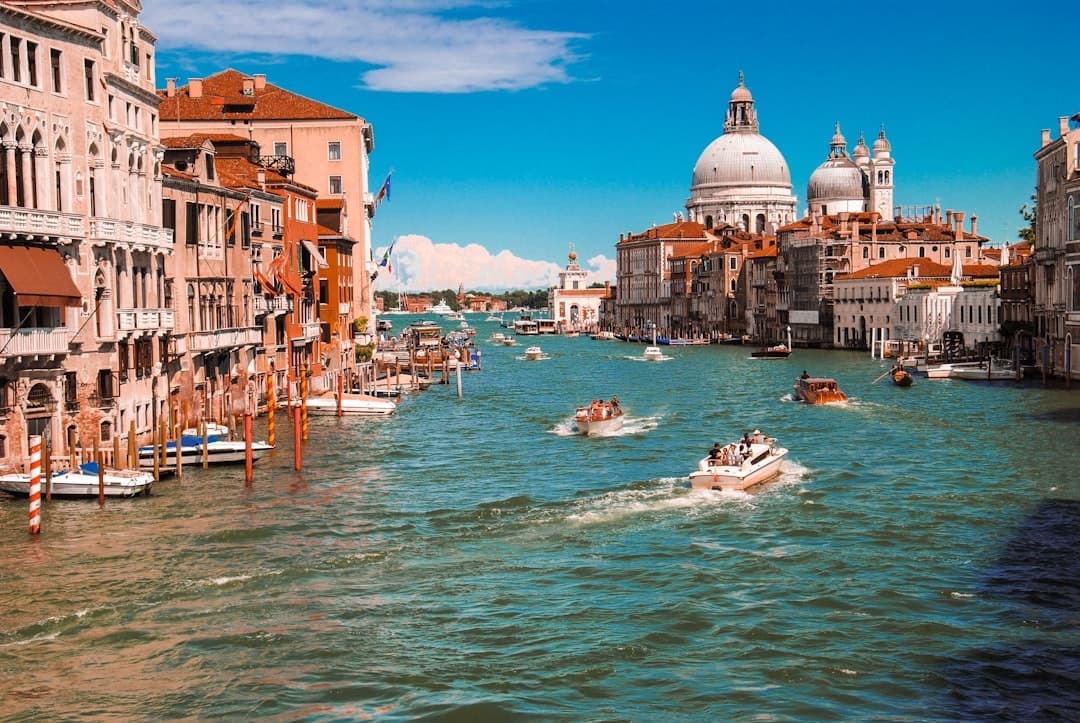
The Peggy Guggenheim Collection is one of the most important museums of modern art in Europe, housed in the Palazzo Venier dei Leoni — a low, unfinished 18th-century palazzo on the Grand Canal that became the home and personal gallery of American heiress and art patron Peggy Guggenheim from 1949 until her death in 1979. Guggenheim had an extraordinary eye and an even more extraordinary social life: she collected works directly from artists she knew personally, including Picasso, Kandinsky, Mondrian, Dalí, Ernst (her second husband), and Pollock (whom she discovered and championed). The result is not a dry institutional collection but something deeply personal — a record of a woman who was at the center of the 20th-century art world and bought what she loved. The collection spans Cubism, Futurism, Surrealism, and Abstract Expressionism, and the works feel alive here in a way they sometimes don't in larger museums. You walk through Guggenheim's former living rooms, out onto the terrace with its famous Marino Marini sculpture of a man on horseback with an outstretched arm (and some famously detachable anatomy), and look directly out over the Grand Canal. The sculpture garden houses work by Giacometti, Calder, and others. Inside, you'll find Dalí's haunting Birth of Liquid Desires, Pollock's early drip paintings, and Magritte's Empire of Light — a painting that reportedly inspired the poster for the film The Exorcist. Peggy's ashes are buried in the garden alongside her beloved dogs. The museum is managed by the Solomon R. Guggenheim Foundation and keeps serious programming — temporary exhibitions rotate through regularly, so even repeat visitors will find something new. It's closed on Tuesdays. Come in the morning when it opens at 10am to avoid the worst of the tourist rush, especially in summer. The museum shop is genuinely good, and the terrace alone is worth the entrance fee on a clear day.
Penglipuran Village
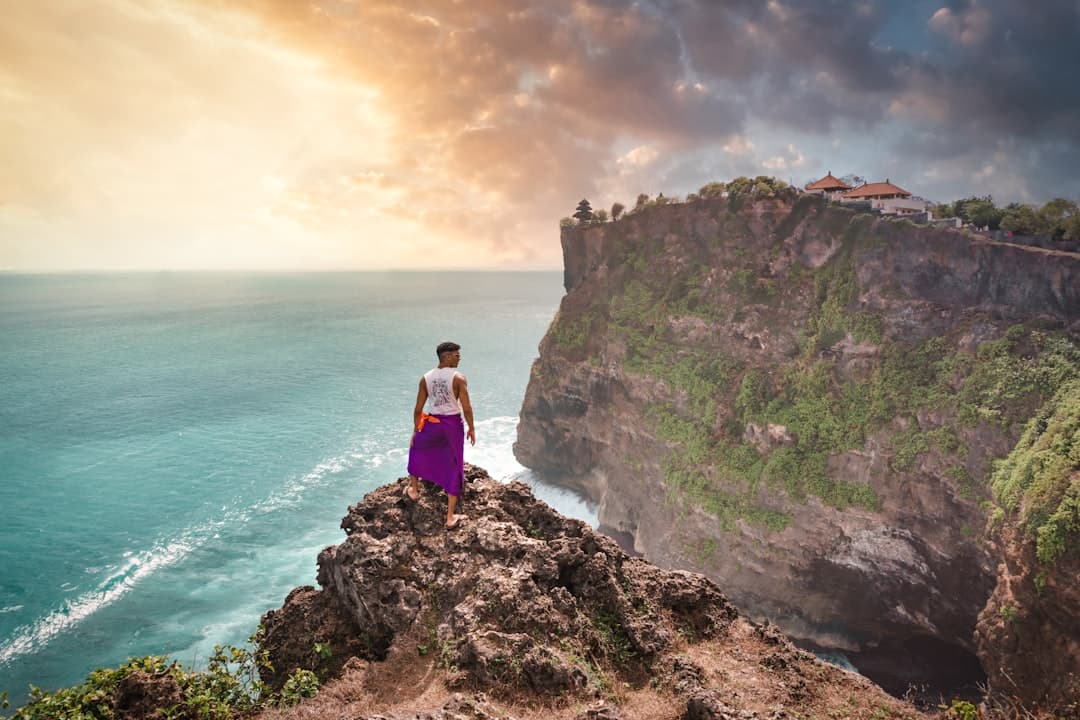
Penglipuran is a traditional Balinese village in the Bangli regency, tucked into the cool highlands about 45 minutes north of Ubud. It's one of the best-preserved traditional villages on the island — not a reconstruction or a tourist set, but a real community of around 200 families who have maintained their ancestral way of life for centuries. The village has won multiple awards for cleanliness and environmental stewardship, and the layout itself follows an ancient Balinese spatial philosophy called Tri Hita Karana, which governs the relationship between people, nature, and the divine. The main ceremonial temple sits at the top of the village, the community spaces occupy the center, and a bamboo forest flanks the southern end. The experience is genuinely immersive. A single long stone pathway runs through the entire village, lined on both sides by rows of identical traditional family compound gates — each household has the same style of carved entry, giving the street a rhythmic, almost meditative quality. Locals go about their days here; women weave baskets, offerings are prepared, and kids play. At the southern end, a dense bamboo forest is part of a protected conservation area and makes for a short but atmospheric walk. There are small warung stalls selling local snacks and drinks, and you'll find vendors selling traditional Balinese crafts made in the village. Come early — the village is open from 8am and the light in the morning is beautiful, plus you'll beat the tour buses that tend to arrive mid-morning. There's an entrance fee (typically around 30,000–50,000 IDR for foreigners, though fees are subject to change). Penglipuran pairs naturally with a visit to nearby Kintamani for the volcano views or Tirta Empul temple — the whole area rewards a slow half-day loop rather than a rushed dash.
Penn Museum
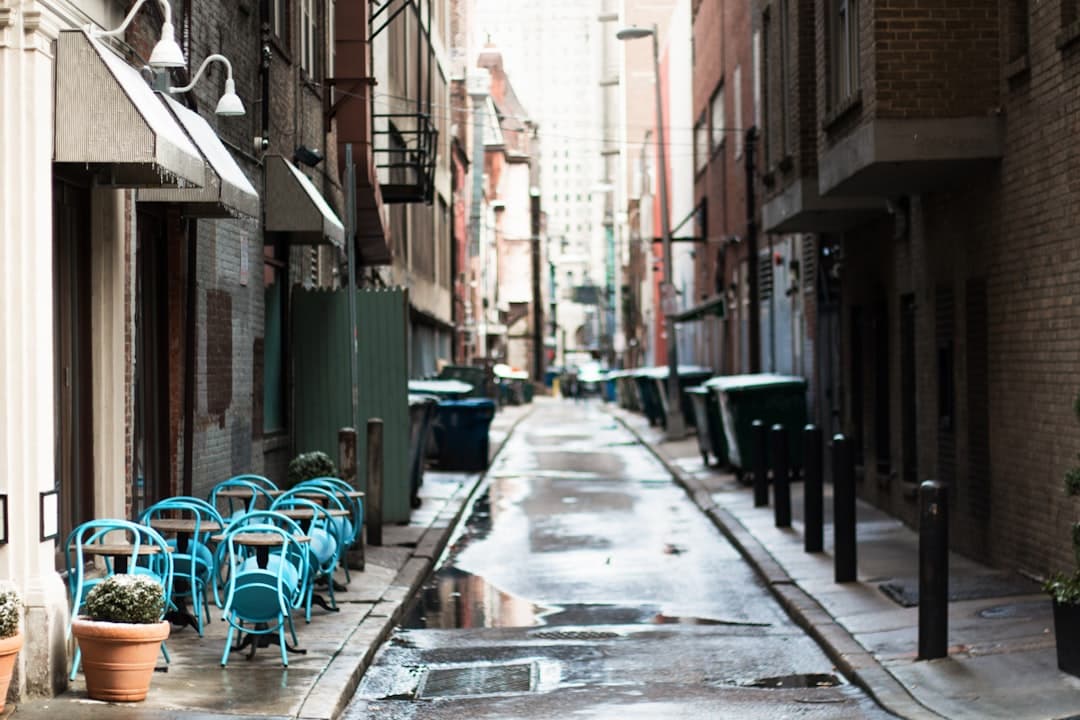
The Penn Museum — formally the University of Pennsylvania Museum of Archaeology and Anthropology — is one of the oldest and most significant archaeology museums in the United States. Founded in 1887 and housed in a gorgeous Mediterranean Revival building on Penn's campus, it holds nearly a million objects collected from excavations across Egypt, Mesopotamia, the ancient Near East, the Americas, Asia, and Africa. This is a serious research institution with serious collections: not a replica in sight, just the real thing, accumulated over more than a century of fieldwork. The experience rewards slow looking. The Egyptian galleries hold a 3,000-year-old sphinx — one of the largest in the Western Hemisphere — that was once displayed at the 1876 Centennial Exposition. The Mesopotamian galleries feature artifacts from the Royal Cemetery of Ur, excavated by Leonard Woolley in the 1920s, including gold headdresses and lyres of extraordinary craftsmanship. The museum also has strong collections from ancient Greece and Rome, sub-Saharan Africa, and Indigenous North America. The rotunda, modeled on the Pantheon in Rome, is spectacular on its own terms. The Penn Museum sits at the corner of 33rd and South Street in University City, right on the edge of Penn's campus. It's walkable from 34th Street Station on the Market-Frankford Line and from 30th Street Station. Crowds are generally light compared to what you'd find at a comparable collection in New York or Washington — which is honestly baffling, but great news for you. Admission is reasonably priced, and Penn students and Penn affiliates get in free. Give yourself at least two to three hours; serious visitors will want half a day.