
Parc de la Ciutadella
Barcelona / Parc de la Ciutadella

Parc de la Ciutadella

Barcelona's beloved green lung, built on the ruins of a demolished neighbourhood.

🏛️ Sights & Landmarks🌿 Nature & Outdoors🎯 Activities & Experiences
🌿 Relaxing👨‍👩‍👧 Family-friendly🎭 Cultural🌹 Romantic

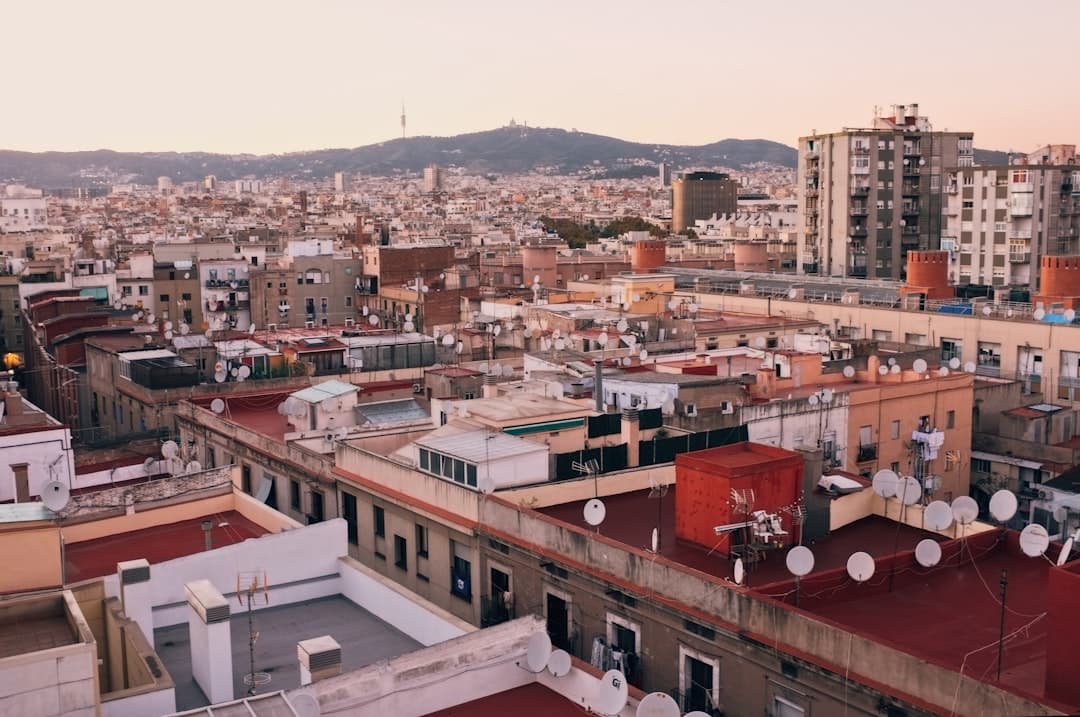
Parc de la Ciutadella is Barcelona's most important public park — a sprawling 17-hectare green space in the heart of the city that serves as the lungs, living room, and playground for locals and visitors alike. It occupies the former grounds of a hated military citadel built by King Philip V after he defeated Barcelona in 1714, a structure so despised that tearing it down became a symbol of Catalan liberation. The park was created in its place ahead of the 1888 Universal Exhibition, and it still carries traces of that grand moment: ornate iron gates, a triumphal arch just outside, and a monumental cascade fountain designed with a little help from a young Antoni Gaudí, then still a student.

The park rewards slow exploration. There's a boating lake where you can hire a rowboat, a classical greenhouse called the Hivernacle that hosts occasional concerts, a zoo on its eastern edge, and the Museu de Ciències Naturals tucked inside a handsome 1888 building. But the real draw is the atmosphere — on weekends, the park fills with families picnicking, friends playing guitar, people practising capoeira or yoga, and couples lounging under the palm trees. The monumental Cascada waterfall at the northeastern corner is a genuine architectural spectacle, all Neptune figures, dragons, and cascading stone — worth hunting out even if fountains aren't usually your thing.

The park sits right between the Gothic Quarter and Barceloneta beach, making it a natural stop on any walk across the city. Enter from Passeig de Picasso for the most dramatic approach, past the sculptures and the iron fence designed for the 1888 exhibition. Morning visits are tranquil; Sunday afternoons can feel like a city-wide street party. Avoid the rowboat lake on rainy days — the queue disappears, but so does the charm.
Local Tips

  1. 1

    The rowboats on the lake are extremely popular on sunny weekends — arrive before noon or expect a long wait. They're cheap, fun, and deeply beloved by locals.

  2. 2

    The Cascada fountain is tucked in the northeastern corner and easy to miss if you follow the main paths — look for signs to 'La Cascada' or head toward the zoo wall.

  3. 3

    The Hivernacle, the Victorian iron-and-glass greenhouse near the Passeig de Picasso entrance, occasionally hosts free or low-cost evening concerts — check local listings before you visit.

  4. 4

    The park is a popular shortcut between the Gothic Quarter and Barceloneta beach, but give yourself time to wander rather than just passing through — the interior is more interesting than the edges suggest.

When to Go

Best times
Spring (March–May)

The park is at its most lush and blooming, with comfortable temperatures ideal for picnicking and rowing on the lake. Weekends fill up but the atmosphere is lively rather than overwhelming.

Winter (December–February)

Quiet and uncrowded, and the bare trees give clear views of the park's architecture. Cold but rarely freezing — still perfectly walkable with a jacket.

Sunday afternoon (year-round)

The park transforms into a vibrant social gathering for locals — music, food, games, and a real sense of community that makes it one of the best free experiences in the city.

Try to avoid
Summer (July–August)

Peak tourist season means the park gets very crowded on weekends, and midday heat makes long visits uncomfortable. Come early morning or at dusk when locals reclaim the space.

Why Visit

01

A stunning cascade fountain co-designed by a young Gaudí — one of his earliest works, and largely unknown compared to his famous buildings.

02

The park's history as the site of a demolished oppressor's citadel makes it one of the most politically meaningful green spaces in Spain.

03

It's the best place in Barcelona to experience everyday local life — picnics, drum circles, rowboats, and weekend gatherings that tourists rarely stumble into.