Barcelona Cathedral
A Gothic cathedral eight centuries in the making, still at the heart of the old city.
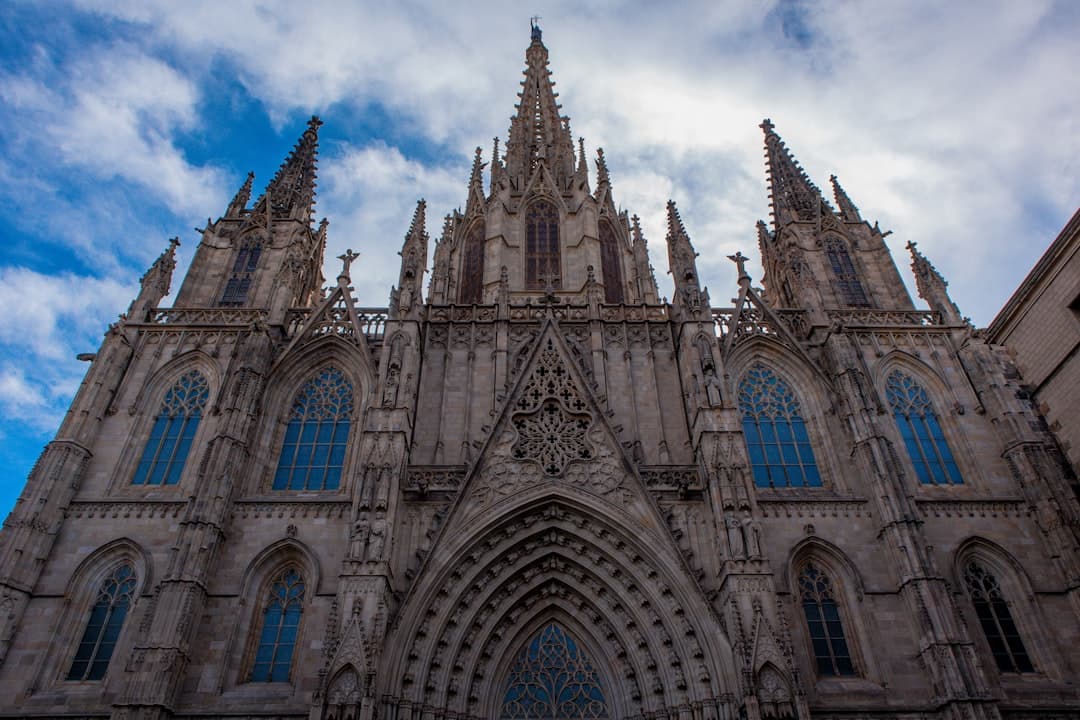
The Barcelona Cathedral — formally the Cathedral of the Holy Cross and Saint Eulalia — is the Gothic heart of the Barri Gòtic, the old medieval quarter of Barcelona. Construction began in 1298 on the site of an earlier Romanesque church, though the famous neo-Gothic facade you see today wasn't completed until 1913, giving the exterior a slightly more polished look than the weathered interior might suggest. The cathedral is dedicated to Saint Eulalia, a young martyr from Roman Barcelona, and her remains are held in a crypt beneath the altar — one of the more quietly moving details of the whole building.
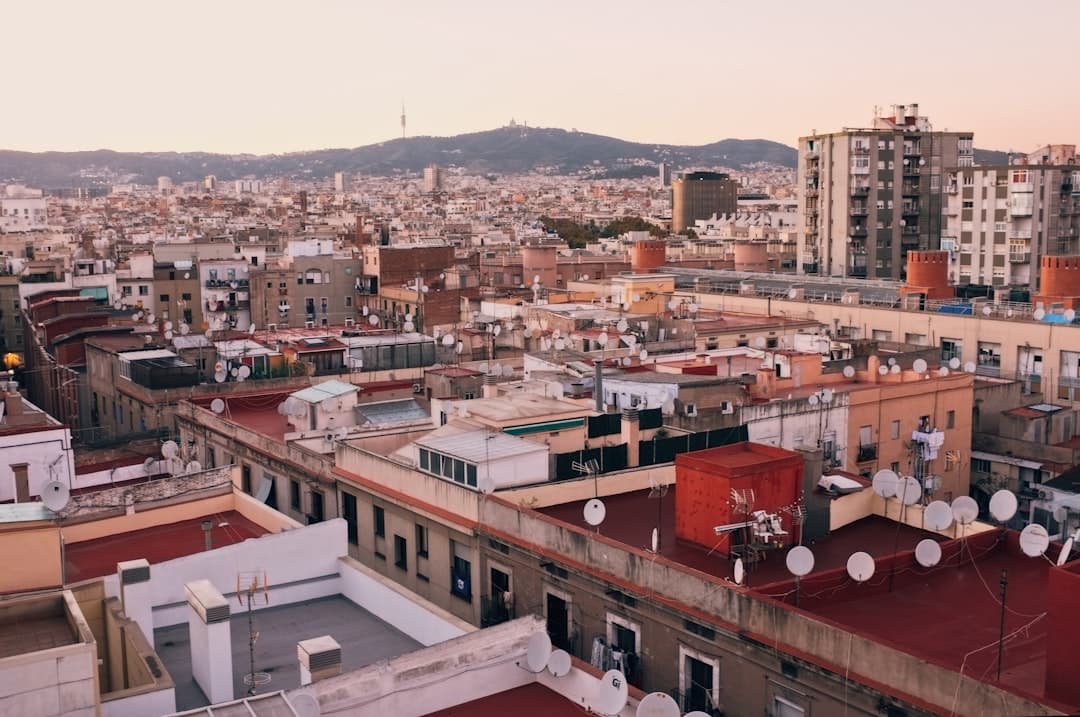
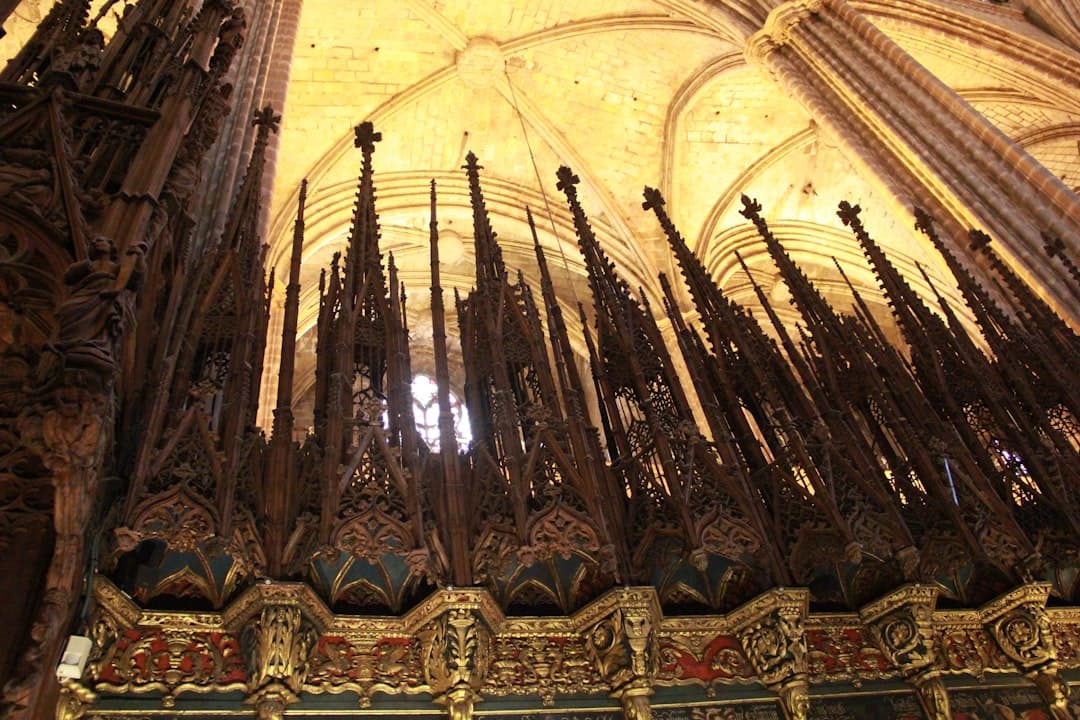
Inside, the cathedral is vast and atmospheric: high Gothic vaulting, dozens of side chapels lining the nave, and a celebrated cloister that encloses a garden of magnolias and palm trees where a flock of white geese has lived for centuries. The geese are one of those Barcelona details that people remember long after everything else fades. The reason given is that 13 geese are kept in honor of Eulalia, who was martyred at age 13. You can access the rooftop by elevator for sweeping views over the Gothic Quarter's tight rooflines and, on clear days, out toward the sea.
Timing your visit matters here. Entry is free in the morning (roughly before 12:30), but during midday the cathedral charges a modest combined entry fee that includes access to the choir, the crypt, and the rooftop elevator — which is actually the better deal if you want to see everything. The plaza outside, the Pla de la Seu, is one of Barcelona's great people-watching spots, and on Sunday mornings locals gather here to dance the sardana, a traditional Catalan circle dance. It's the kind of spontaneous, deeply local moment that makes visiting a cathedral feel like something more than tourism.