
All Places
1,073 places around the world
1,073 places · page 29 of 45
Old Town Zurich
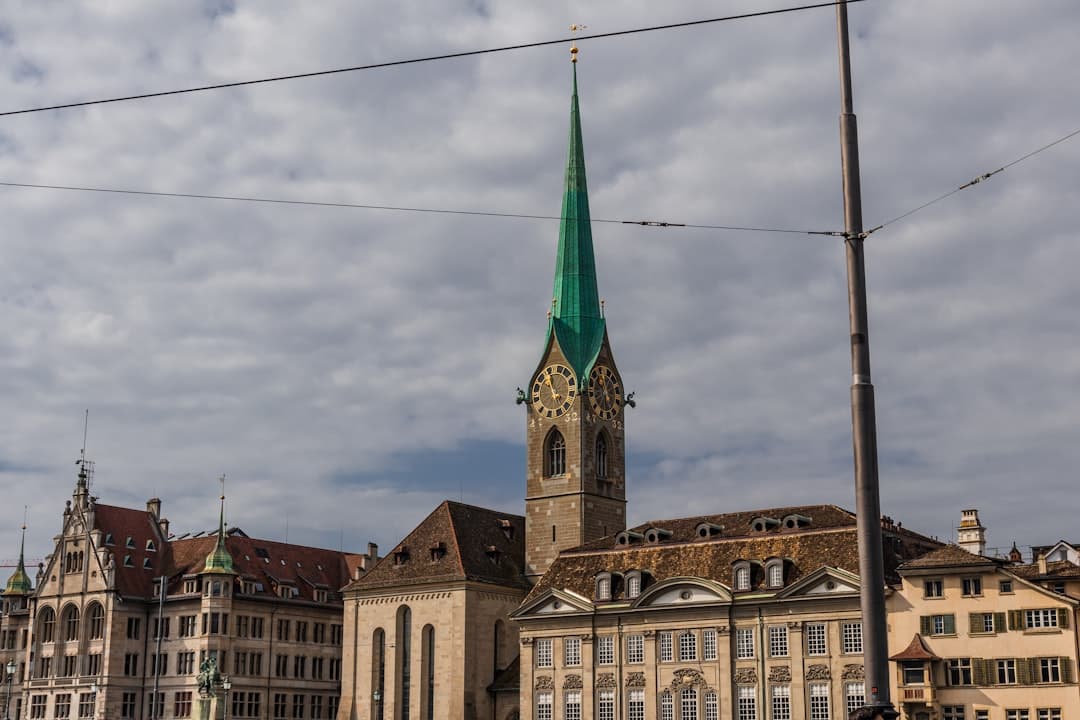
Old Town Zürich — known locally as the Altstadt — is the historic core of one of Europe's wealthiest and most livable cities. Straddling both banks of the Limmat River where it flows out of Lake Zürich, it's a remarkably well-preserved medieval quarter with cobblestone lanes, painted guild houses, and twin Romanesque churches that have defined the city's skyline for centuries. This is where Zürich was born, where Zwingli launched the Swiss Reformation in the 1520s, and where the city's identity as a serious, prosperous, but quietly beautiful place was forged. In practice, exploring Old Town means wandering between the Grossmünster — the twin-towered Protestant cathedral where you can climb the Karlsturm for sweeping rooftop views — and the Fraumünster across the river, famous for its luminous Marc Chagall stained glass windows. The main pedestrian artery on the east bank, Niederdorfstrasse, buzzes with cafés, bars, and restaurants, while the west bank around Lindenhügel and Schipfe is quieter and more residential, with antique shops and the occasional hidden courtyard. The weekly markets, the old guildhalls repurposed as upscale restaurants, and the Kunsthaus Zürich just beyond the old walls fill out a full day easily. The Altstadt is compact enough to cover on foot in a few hours, but rewarding enough to fill a whole day if you eat well and duck into churches and galleries along the way. Skip the souvenir trap shops on Niederdorfstrasse and instead head to Rindermarkt or Spiegelgasse — the street where Lenin famously lived in 1917, a short walk from the Cabaret Voltaire, birthplace of Dada — for a quieter, more atmospheric experience. Zürich is expensive, but the Old Town itself costs nothing to explore.
One Tree Hill
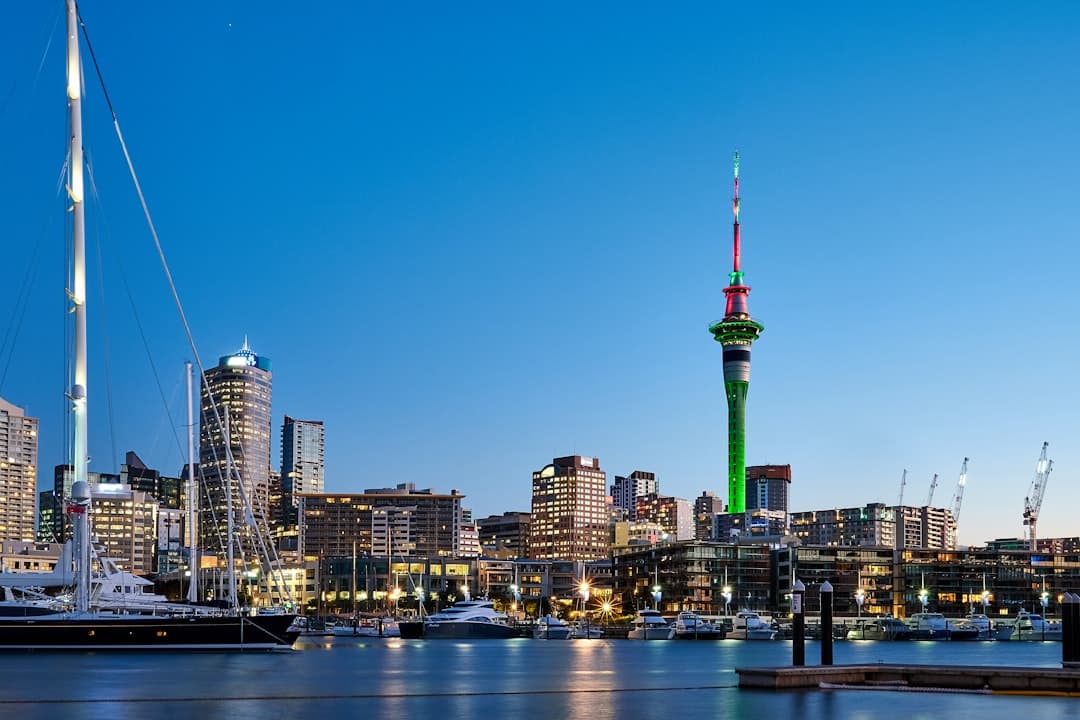
One Tree Hill — known in te reo Māori as Maungakiekie — is one of Auckland's most significant volcanic cones and a deeply important site in Māori history. The hill sits at the heart of Cornwall Park, a sprawling 220-acre public parkland in the southern suburbs, and was once one of the largest pā (fortified settlements) in New Zealand, home to thousands of people before European colonisation. The obelisk near the summit is a memorial to the Māori people, commissioned by Sir John Logan Campbell — the Scottish merchant who donated the land to the city in 1901 — and it stands as a quietly powerful reminder of that history. The experience here is genuinely layered. You can drive or walk to the top, where the views stretch across the Waitemata and Manukau Harbours, the Hauraki Gulf islands, and central Auckland's skyline. The terraced slopes of the ancient pā are still visible, and grazing sheep add a distinctly pastoral quality that feels incongruous — and charming — for a major city. The lone pine that gave the hill its English name is gone, felled by activists in 2000 after years of protest, and no replacement tree currently stands at the summit; the story of that absence is worth knowing before you go. Cornwall Park surrounds the base and is a lovely place to extend the visit — there's a historic homestead called Acacia Cottage (Auckland's oldest surviving building), a visitor centre inside the Huia Lodge, and plenty of flat grassy space for a picnic. Come early morning for golden light and fewer crowds, and keep an eye on the sheep, who have no concept of personal space.
One World Observatory
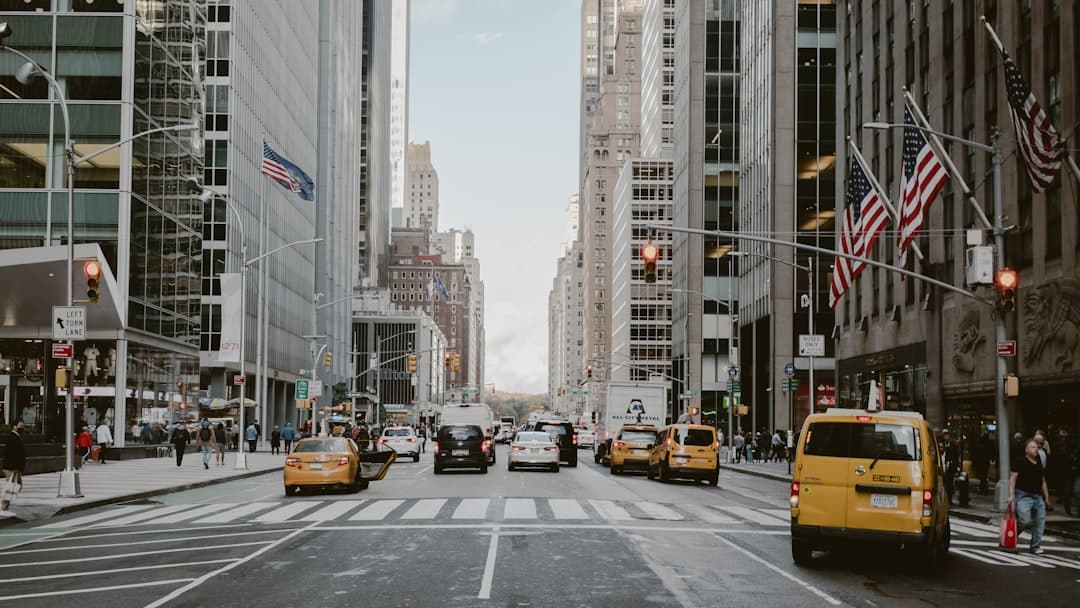
One World Observatory sits at the top of One World Trade Center — the tower built on the site of the World Trade Center destroyed on September 11, 2001. At 1,776 feet tall (the height chosen deliberately to echo the year of American independence), it's the tallest building in the Western Hemisphere. The observatory occupies floors 100, 101, and 102, and opening it to the public in 2015 was a statement about New York's resilience as much as its ambition. The experience starts before you even reach the top. High-speed elevators called 'SkyPod' are fitted with screens that time-lapse Manhattan's skyline from colonial farmland to the present day during the 60-second ascent — a genuinely impressive bit of showmanship. At the top, floor-to-ceiling glass wraps 360 degrees around the building, giving you unobstructed views of all five boroughs, the Statue of Liberty, New Jersey, and on clear days, parts of Connecticut and Pennsylvania. There's also an interactive 'See Forever' theater experience and a dedicated restaurant and bar on the upper floors. Pre-booking is strongly recommended — this is one of the most-visited attractions in New York and timed-entry tickets sell out, especially on weekends. Arriving around sunset gives you the double payoff of the daytime panorama and the city lighting up at dusk. Skip the on-site food unless you're after the view with your meal — the surrounding Financial District has far better options at ground level. The memorial pools of the 9/11 Memorial are directly below and just a few minutes' walk, making this a natural pairing visit.
Orchard Road
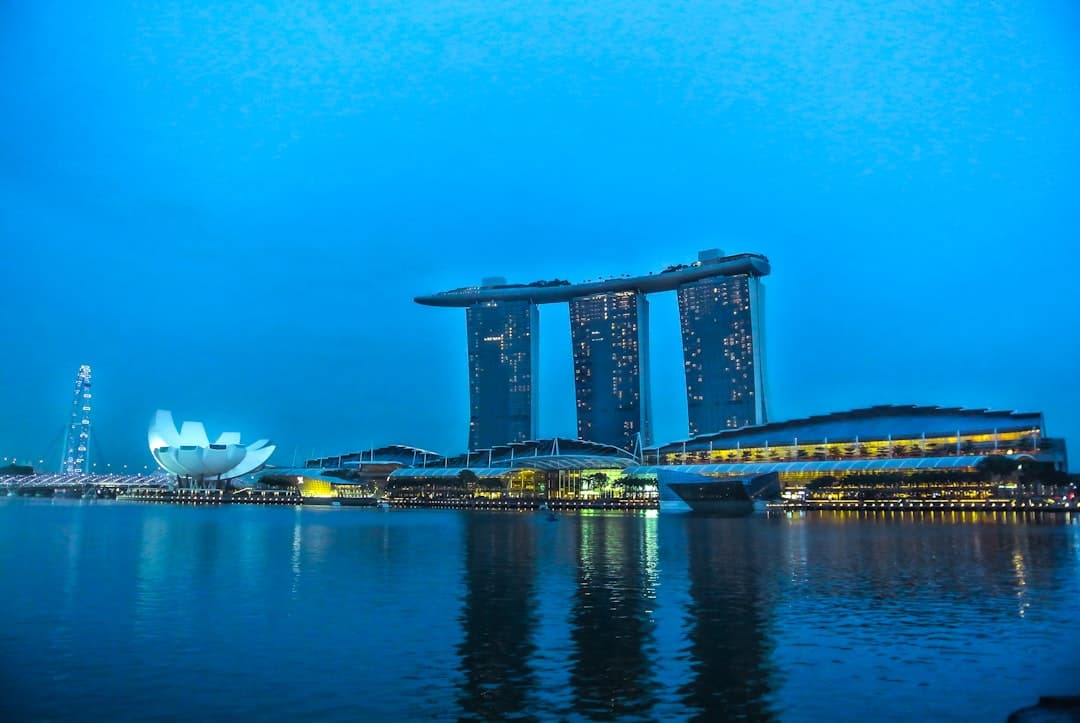
Orchard Road is Singapore's most famous commercial boulevard — a roughly 2.2-kilometre stretch of interconnected malls, department stores, and hotels that has served as the city-state's retail heartland since the 1970s. What was once a nutmeg and pepper plantation, and later a road lined with fruit orchards (hence the name), transformed into one of Asia's great shopping streets. Today it anchors Singapore's upscale retail scene, with names like ION Orchard, Takashimaya, Ngee Ann City, Paragon, and 313@Somerset strung along its length like beads on a string. It's a place Singaporeans genuinely use, not just a tourist strip — you'll find locals here on weekends in full force. The experience is primarily about shopping, but it's more layered than that. The malls themselves are architectural statements — ION Orchard in particular is a striking piece of glass and steel that plunges eight floors underground. You move between buildings through covered walkways and underground passages, making the whole strip surprisingly navigable even in Singapore's punishing heat and humidity. Beyond the flagship stores and luxury brands, there are food halls, hawker-style eateries tucked into basement levels, and cafés where you can decompress between retail sessions. Orchard Central has a rooftop garden. Lucky Plaza and Far East Plaza, older and scrappier, offer a totally different vibe — alterations tailors, phone repair shops, budget fashion. Timing matters here. Orchard Road transforms dramatically during the Christmas light-up season, typically running from mid-November through early January, when the whole street is canopied in elaborate illuminations and the crowds swell accordingly. The annual Great Singapore Sale (when it runs) brings deals across the malls. For a more relaxed visit, come on a weekday morning when the crowds thin out and the air-conditioning hasn't yet been overwhelmed. The MRT makes access effortless — Orchard, Somerset, and Dhoby Ghaut stations all feed directly into the strip.
Ortaköy
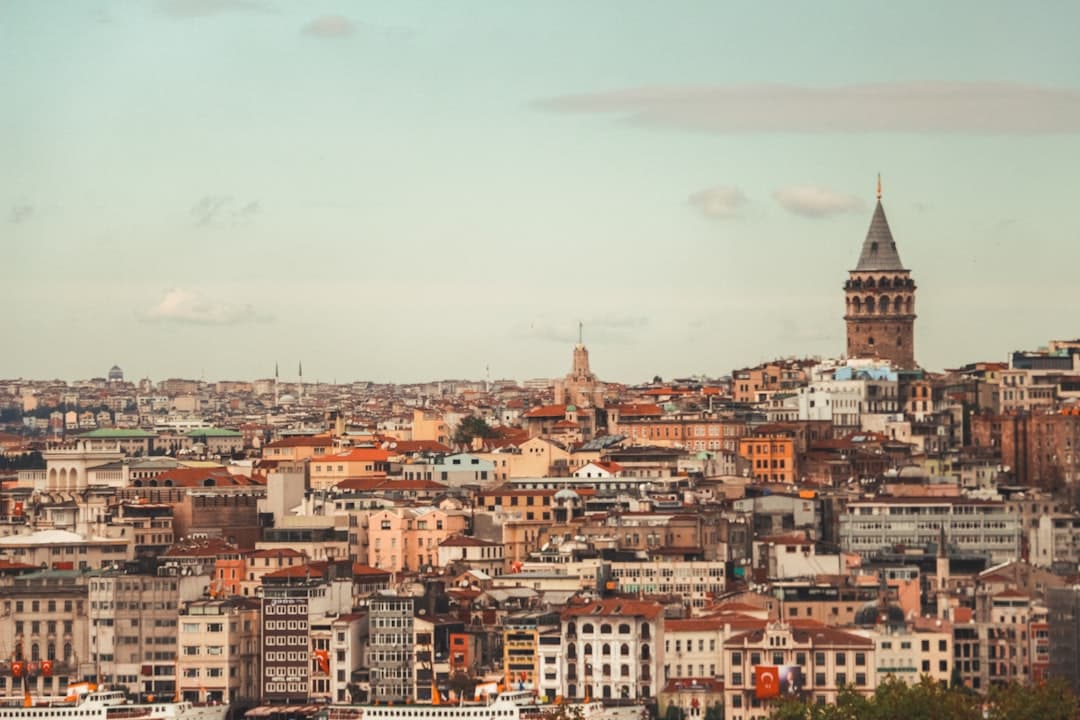
Ortaköy is one of Istanbul's most beloved waterfront neighborhoods, sitting right on the European shore of the Bosphorus Strait beneath the towering First Bosphorus Bridge. It's a small but dense pocket of the city in the Beşiktaş district that somehow manages to contain a gorgeous 19th-century mosque, a buzzing weekend bazaar, some of Istanbul's most storied nightclubs, and a street food scene centered almost entirely on one beloved dish. The neighborhood has a long, layered history — once home to significant Greek, Armenian, and Jewish communities alongside Muslim Turks — and that cosmopolitan past still shows in its architecture and atmosphere. The experience of Ortaköy is largely an outdoor one. You wander through a tight grid of cobblestone lanes packed with craft stalls, jewelry sellers, and clothing vendors on weekends, then emerge suddenly onto the waterfront promenade with the Ortaköy Mosque (officially Büyük Mecidiye Camii, built in 1856) right in front of you and the suspension bridge framing the view behind it. It's one of the most photographed scenes in Istanbul for good reason — the combination of Baroque Ottoman architecture and modern engineering is genuinely striking. The real local ritual here is grabbing a kumpir — an overstuffed baked potato piled with toppings — from one of the competing stalls along the main square and eating it on the water's edge while watching the ferries pass. Ortaköy rewards a leisurely half-day. Weekends bring crowds and full bazaar energy; weekday mornings are quieter and better for actually seeing the mosque interior. The nightlife strip picks up after dark, with clubs like Reina (now operating under different names and management after a tragic 2017 attack) once defining the scene — the area remains a nightlife hub but has evolved considerably. Come for the view and the kumpir, stay for the atmosphere.
Osaka Aquarium Kaiyukan
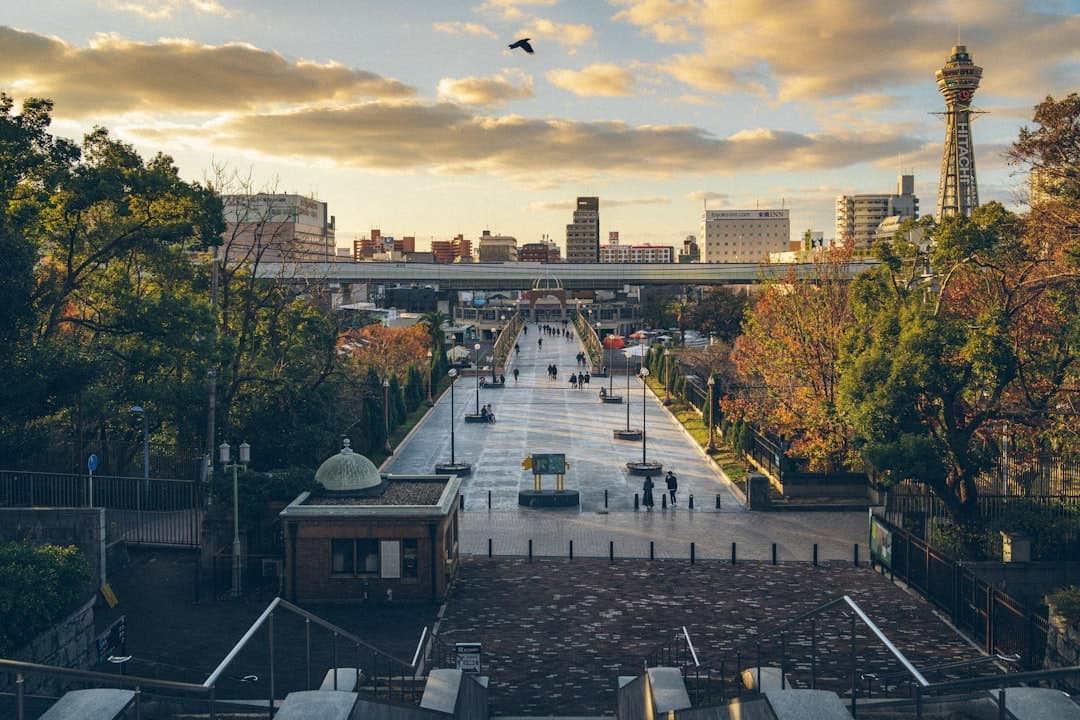
Osaka Aquarium Kaiyukan sits on the waterfront of Osaka Bay in the Tempozan Harbour Village and is consistently ranked among the best aquariums on the planet. Opened in 1990, it was a pioneer of the large-scale, multi-level tank format — the kind where you descend through floors of a spiralling ramp and watch the same enormous body of water from different depths. The centrepiece is the Pacific Ocean tank, one of the largest aquarium tanks in the world, which holds whale sharks — a genuinely rare feat, as very few facilities worldwide can keep them successfully. Coming here isn't just a family outing; it's a serious spectacle. The experience works like this: you take an escalator to the top and then walk a long, slowly descending spiral ramp through fourteen zones, each representing a different aquatic environment — from the Japanese Forest and Aleutian Islands to the Antarctic and the Great Barrier Reef. The scale shifts dramatically as you go. Early zones have otters and seals; deeper in, manta rays glide past and hammerhead sharks circle. The whale sharks are visible from multiple floors, which means you see them from above, eye-level, and below — each view genuinely different. Jellyfish rooms, touch pools, and a dedicated whale shark viewing gallery add texture to the loop. Buy tickets online in advance, especially on weekends or during school holidays — this place draws enormous crowds and the queues outside can be long. The aquarium is located right next to the giant Tempozan Ferris Wheel and a short walk from the Osaka Museum of History annex, so it pairs well with a full day in the harbour area. The evening lighting inside the main tanks is particularly beautiful, making the later hours a worthwhile option if you want a quieter, more atmospheric visit.
Osaka Castle
Osaka Castle is one of Japan's most iconic historical landmarks — a towering feudal fortress built in 1583 by Toyotomi Hideyoshi, the powerful warlord who came closer than anyone to unifying Japan before Tokugawa Ieyasu finished the job. The castle was the largest in Japan at the time of its construction, a deliberate statement of Hideyoshi's ambition and authority. What you see today is a 1931 concrete reconstruction of the original (which was destroyed by the Tokugawa shogunate in 1615), later renovated in 1997 — but it sits within a genuine network of moats, stone walls, and ramparts that date back centuries and are genuinely impressive at scale. The castle grounds themselves are a sprawling park — Osaka-jo Park — and that's where a lot of the magic happens. The walk in from any of the main gates takes you past massive stone walls assembled without mortar using techniques still studied by engineers today. The castle tower houses a museum across eight floors tracing Hideyoshi's life and the history of the castle, with armor, weapons, documents, and scale models. The top floor is an observation deck with views over the city, the surrounding park, and on clear days, all the way to Kyoto. It's worth the climb. Crowd management matters here — this is one of Osaka's most visited attractions, and the tower queue can stretch long on weekends and during cherry blossom season. Arriving early on a weekday is the move. The park itself is free to enter; you only pay to go inside the castle tower. The area around Osaka-jo Park has good access from Tanimachi 4-chome or Osakajokoen stations, and the whole complex rewards more time than most visitors budget for — especially if you walk the full perimeter of the inner moat.
Osaka Museum of History
The Osaka Museum of History sits in the Ōtemae district on a site that was literally the heart of ancient Japan — the Naniwa Palace, one of the earliest imperial capitals, was excavated right beneath where the building now stands. The museum opened in 2001 and tells the full arc of Osaka's story, from those 7th-century imperial beginnings through the merchant city of the Edo period, the industrial boom of Meiji-era modernization, and into the 20th century. It's not just a place for history buffs — it's one of the best ways to understand why Osaka feels so different from Tokyo or Kyoto, and why the city has always had such a fierce, independent civic identity. The experience is genuinely theatrical. You enter on the 10th floor and work your way down, which means you start with a full-scale recreation of the Naniwa Palace's ceremonial hall — life-size figures, lacquered columns, the works — and descend through the centuries. The lower floors get into the merchant culture of Dōtonbori and Shinsaibashi, the kabuki theaters, the street food stalls, and the commercial energy that gave Osaka its reputation as the "nation's kitchen." There are English labels throughout, and the exhibits are well-designed enough that you don't need to read Japanese to follow the story. The building also has floor-to-ceiling windows facing Osaka Castle, which is right next door, so the view alone is worth the elevator ride. The museum shares its building with the Osaka NHK Broadcasting Center, which gives the whole complex a slightly unusual vibe — you might wander past TV production staff in the lobby. Admission is very reasonable (around ¥600 for adults as of recent years). It's closed on Tuesdays, which is worth knowing. Plan your visit for a clear day if you can: that castle view from the upper floors is genuinely one of the better urban panoramas in the city, and it pairs perfectly with a walk through the castle grounds afterward.
Ostia Antica
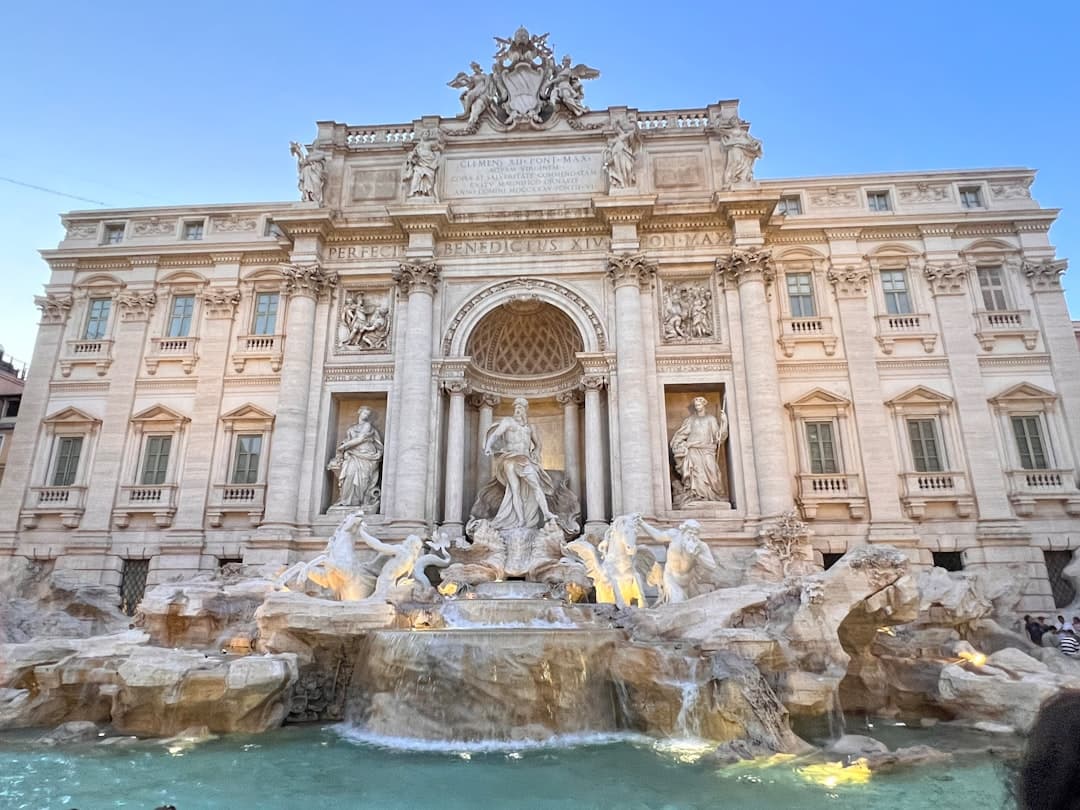
Ostia Antica was ancient Rome's main harbor city — a bustling commercial hub of roughly 50,000 people that handled the grain, oil, and goods that fed the empire. When the port silted up and the city was gradually abandoned in late antiquity, it was buried under layers of earth that protected it remarkably well. What you get today is an enormous archaeological site that gives you something Pompeii famously delivers but with far fewer crowds: an entire Roman city you can walk through at your own pace, with streets, temples, bathhouses, apartments, taverns, and warehouses all still standing to considerable height. The scale of the place is what hits you first. You arrive through the Porta Romana and walk the Decumanus Maximus — the main street — for nearly a kilometer, past mosaic-floored guild buildings, the well-preserved theater that still hosts summer performances, the Forum of the Corporations with its stunning black-and-white mosaic floors, and the public latrines that always get a reaction. The Terme di Nettuno has some of the finest Roman mosaics you'll see anywhere, depicting Neptune driving his sea-horses. There's also a full apartment block (the Insula of Diana), temples, a synagogue that's one of the oldest in the Western world, and a small but excellent on-site museum. Ostia is a 30-minute train ride from Rome on the Roma–Lido line from Porta San Paolo (next to Piramide metro station), which makes it an easy day trip. The site is genuinely large — budget at least three hours, more if you're a history enthusiast — and the paths are largely unpaved, so comfortable shoes are essential. Because it sits in Mussolini-era drained marshland, it can be surprisingly hot and buggy in summer. Go on a weekday if you can; even in peak season it's quieter than you'd expect, which is precisely the point.
Our Lord in the Attic Museum
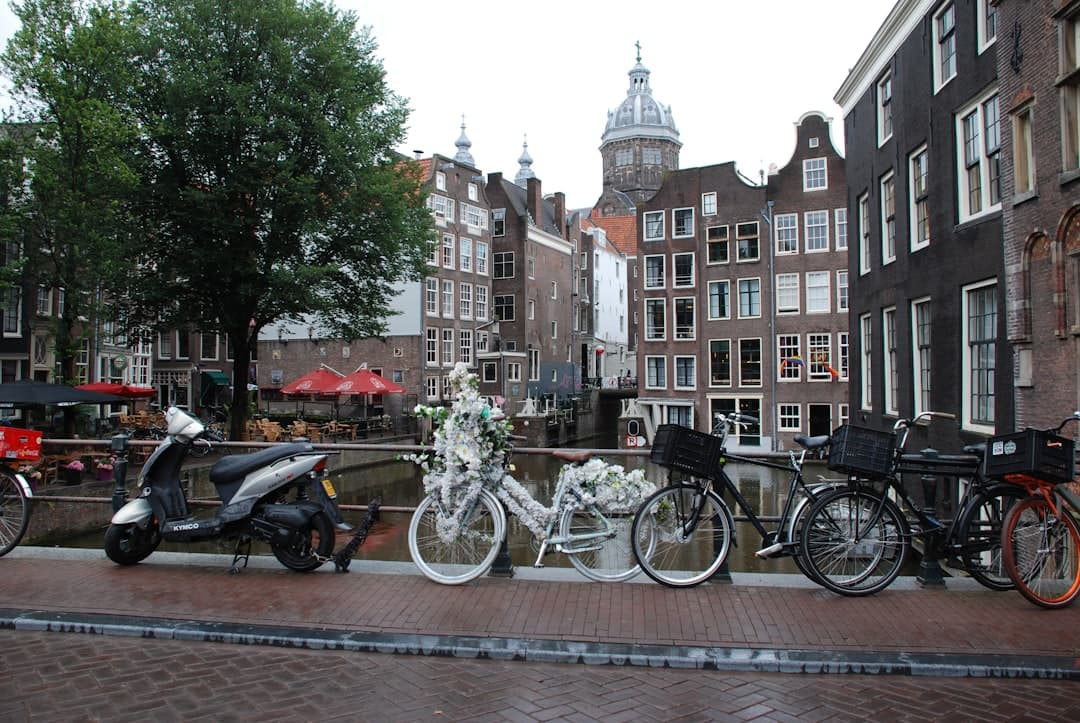
In 1663, a wealthy Catholic merchant named Jan Hartman built a clandestine church inside the upper floors of his canal house on the Oudezijds Voorburgwal. This was necessary because, following the Protestant Reformation, Catholics in Amsterdam were banned from worshipping publicly — but the city authorities tacitly tolerated hidden 'schuilkerken' (concealed churches) as long as they weren't visible from the street. Ons' Lieve Heer op Solder, which translates to 'Our Lord in the Attic,' is the best-preserved example of these hidden churches anywhere in the Netherlands, and it remained an active place of Catholic worship until the opening of the Krijtberg Church in 1887. Today the building operates as a museum, and it's one of the most genuinely surprising interiors in Amsterdam. You enter through what looks like an ordinary canal house — with period-furnished living quarters, a small sacristy, and a confessional — and then suddenly you climb steep stairs into a full three-story baroque church tucked into the attic. The church itself has a proper altar, an organ, gallery seating on two upper levels, and paintings and religious objects accumulated over two centuries. The contrast between the domestic scale of the rooms below and the soaring proportions of the hidden church above is startling in the best possible way. The museum sits right at the edge of the Red Light District, which means most tourists walk straight past it — a fact that works entirely in your favor. Crowds here are light compared to the Rijksmuseum or Anne Frank House, and the building genuinely rewards slow exploration. The ground-floor living quarters have been carefully restored with 17th-century furnishings, and the whole place has a hushed, slightly conspiratorial atmosphere that no amount of museum signage can drain away. Buy your ticket online in advance if you want to be sure of entry, but walk-ins are usually possible outside peak summer months.
Pachacamac
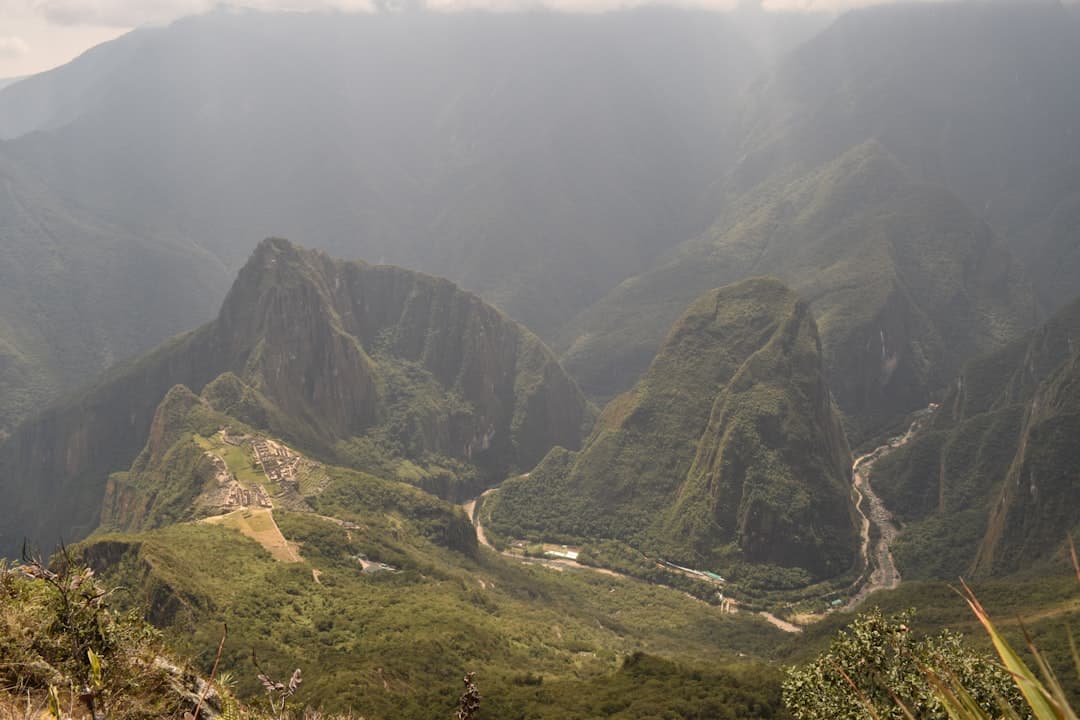
Pachacamac is one of the most important archaeological sites in South America — a sprawling pre-Columbian ceremonial complex about 30 kilometers south of Lima that was a major pilgrimage destination for over a thousand years before the Spanish arrived. Long before the Inca empire absorbed it in the 15th century, cultures including the Lima and Wari peoples built temples here dedicated to the oracle god Pachacamac, whose name loosely translates to 'he who animates the world.' At its peak, this was effectively the Delphi of the Andean world — people traveled from across the continent to consult the oracle and leave offerings. The Inca, recognizing its power, added their own temples rather than erasing what came before, including a dedicated Temple of the Sun and a residence for the Chosen Women (the Mamaconas). The site covers roughly 465 hectares of desert hillside, and walking it gives you a genuine sense of ancient scale. You'll see the main Painted Temple (Templo Pintado), the Inca-era Temple of the Sun sitting dramatically at the highest point with sweeping Pacific views, and a warren of adobe mud-brick platforms, plazas, and roads that connect it all. The excellent on-site museum, inaugurated in 2016, houses artifacts recovered from the site including textiles, ceramics, and a reconstructed wooden idol thought to represent Pachacamac himself — one of the most striking objects in Peruvian archaeology. Guided tours are available and worth taking; the context transforms what would otherwise be weathered adobe walls into something genuinely moving. Most Lima visitors skip Pachacamac entirely in favor of Miraflores and Barranco, which makes it one of the most under-visited major archaeological sites in Peru. It's a legitimate half-day from central Lima via a taxi or the Electric Train to Villa El Salvador followed by a short ride, or by organized tour. Go on a weekday morning to have large sections almost entirely to yourself. The desert light in the morning is extraordinary, and the ocean visible in the distance from the Temple of the Sun is the kind of view that sticks with you.
Padrão dos Descobrimentos
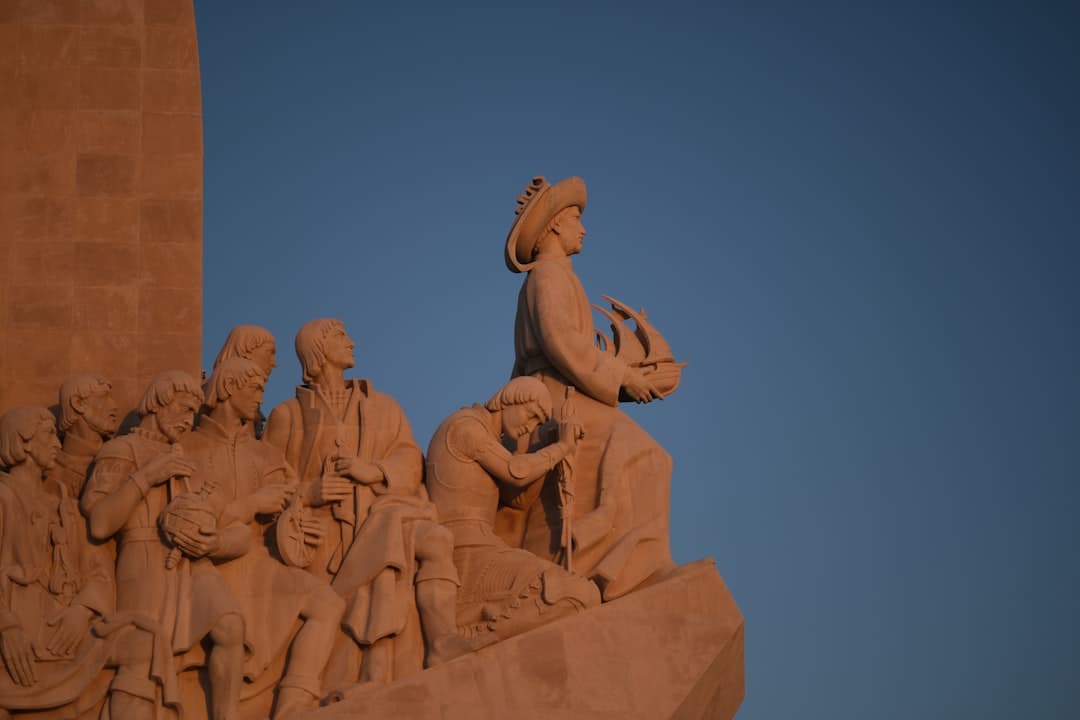
The Padrão dos Descobrimentos — Monument to the Discoveries — is a striking 52-metre concrete monument standing on the northern bank of the Tagus estuary in Lisbon's Belém district. Built in 1960 to mark the 500th anniversary of the death of Prince Henry the Navigator, it takes the form of a caravel's prow, with Henry himself at the bow and a procession of 33 historical figures — explorers, cartographers, missionaries, poets — cascading down each side. It was erected during the Salazar dictatorship, which used Portugal's Age of Discovery as a source of national pride, giving the monument a complicated political legacy that's worth understanding before you visit. You can enter the monument and take a lift (with a short staircase at the top) to the roof terrace, which delivers a genuinely spectacular panorama: the Tagus stretching out below you, the Ponte 25 de Abril suspension bridge to one side, the Torre de Belém visible along the waterfront, and the Cristo Rei statue across the river in Almada. Inside, there's a small but worthwhile exhibition space in the base, which hosts rotating cultural and historical shows. The real highlight for many visitors, though, is the enormous compass rose laid into the pavement directly in front of the monument — a gift from South Africa in 1960 — which charts the routes of the Portuguese explorers across the world. Belém is an easy 20-minute tram or Uber ride from central Lisbon, and the Padrão sits in a cluster of major attractions: the Jerónimos Monastery is a 10-minute walk, the Torre de Belém about 15 minutes along the waterfront path. The area gets busy on weekends and in summer. Arriving before 11am or after 4pm keeps things calmer, and the riverside promenade in both directions makes for a genuinely pleasant wander once you've seen the monument.
Painted Ladies
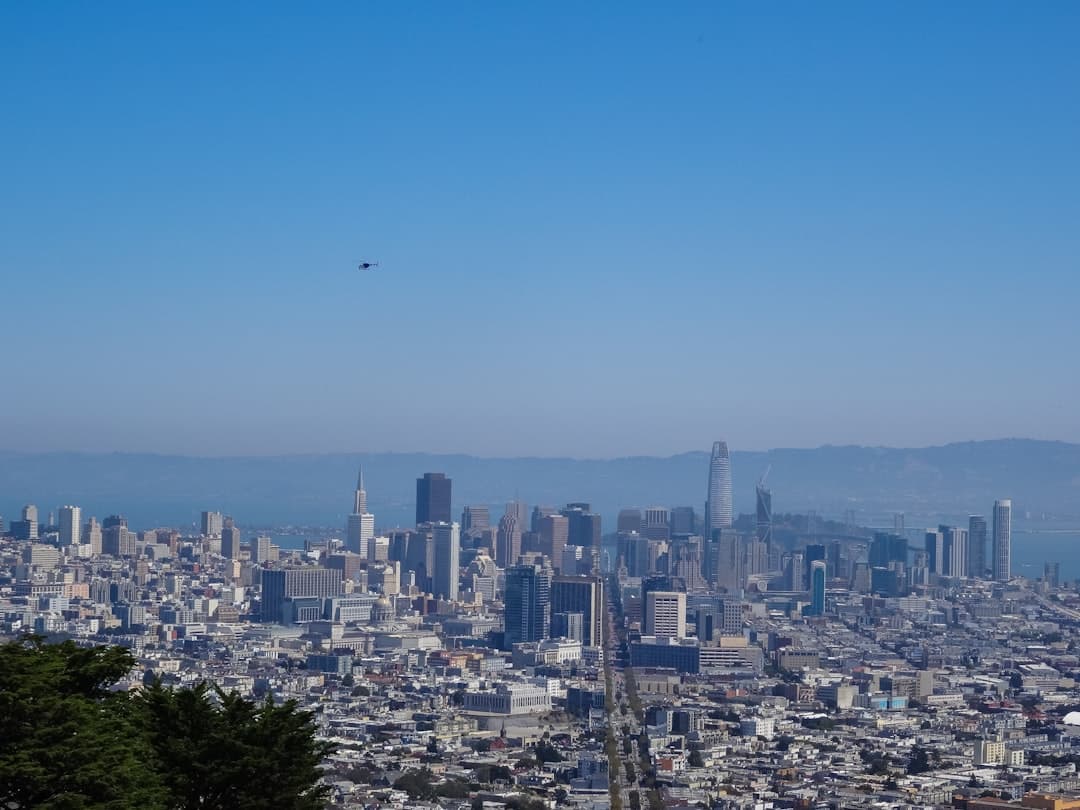
The Painted Ladies are a row of seven Victorian and Edwardian houses on Steiner Street, built between 1892 and 1896, that have become one of the most recognizable images in American architecture. They sit along the eastern edge of Alamo Square Park, and the combination of their ornate, colorfully painted facades — pastel pinks, blues, greens, and creams — set against the glass-and-steel San Francisco skyline behind them creates a visual that has appeared in countless films, TV shows, and postcards. The Full House opening credits made them famous to a generation of Americans, but their appeal runs deeper than nostalgia: they're a genuine and beautiful example of the elaborate Victorian residential style that once defined much of the city before the 1906 earthquake and subsequent development erased so much of it. The experience is straightforward but genuinely satisfying. You stand in Alamo Square Park — ideally on the grassy hill that rises to the northwest of the houses — and take in the view. The foreground is the park itself, often dotted with dog walkers, picnickers, and other visitors; the midground is the row of houses; the background is downtown San Francisco's skyline. It's one of those rare urban views where everything aligns almost too perfectly. You can also walk down Steiner Street and get up close to the houses themselves, which are private residences, so you're looking from the sidewalk rather than going inside. The architectural detail at close range — the decorative woodwork, the bay windows, the painted trim — rewards a slow walk. Alamo Square Park is a neighborhood park first and a tourist attraction second, which keeps it feeling real rather than staged. The surrounding Hayes Valley and lower Haight neighborhoods are worth exploring afterward — there are good coffee shops, restaurants, and independent boutiques within easy walking distance. Weekday mornings are noticeably quieter than weekend afternoons, when the prime photo spots on the hill can get crowded. Fog is a genuine factor: San Francisco's marine layer can roll in and reduce visibility, especially in summer mornings, but it also creates dramatic, moody conditions that can make for more interesting photographs than a flat blue sky would.

Paje Beach
Paje is a small fishing village on Zanzibar's southeast coast that has quietly become one of the Indian Ocean's most beloved beach destinations. The beach itself is extraordinary — a wide, flat expanse of powdery white sand backed by casuarina trees and traditional dhow-building yards, with shallow turquoise lagoons exposed at low tide that stretch hundreds of metres out to sea. It's the kind of place that still feels genuinely discovered rather than manufactured, with a handful of boutique guesthouses and beach bars mixed in among the local community. What you actually do at Paje depends entirely on the tide. At low tide, the lagoon becomes a vast, warm wading pool — locals harvest seaweed, crabs scuttle across the exposed reef, and kids splash around in knee-deep water that goes on forever. At high tide, the lagoon fills and the consistent southeast trade winds (the kaskazi and kusi) turn Paje into one of the best kitesurfing spots in Africa. Schools like Aquaholics and Kite Centre Zanzibar operate right on the beach, and the flat water of the lagoon makes it ideal for beginners. Snorkelling, stand-up paddleboarding, and day trips to the nearby sandbank at Michamvi are also popular options. Paje sits about 55 kilometres from Stone Town — roughly an hour and a half by car — which keeps the day-tripper crowds manageable and gives the village its own unhurried rhythm. The best restaurants are at the guesthouses themselves: Upendo, Baraka Natural Aquarium, and Paje by Night have all built reputations for good food and cold Kilimanjaro beers. Sunsets face the wrong direction here (east coast), but the pre-dawn light on the lagoon and the near-nightly bonfires more than compensate.
Palace of Holyroodhouse
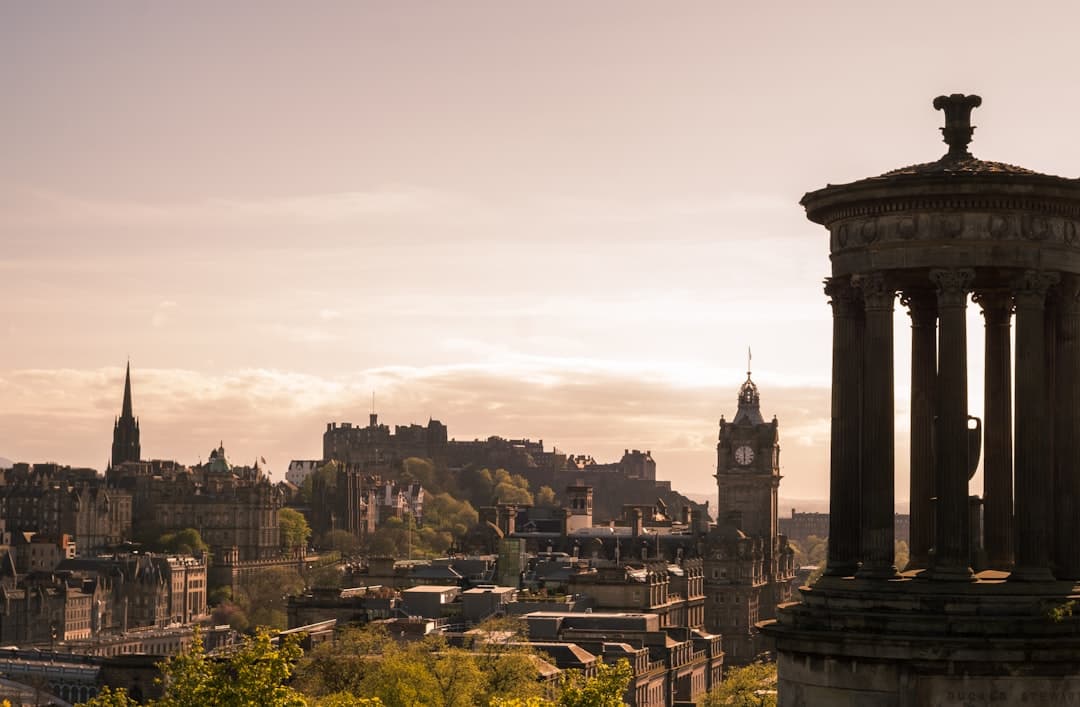
The Palace of Holyroodhouse is the official Scottish residence of the British monarch — a real, functioning royal palace, not just a museum. It sits at the bottom of the Royal Mile in Edinburgh's Old Town, with the rugged crags of Arthur's Seat rising dramatically behind it. The palace has been at the centre of Scottish history for over 500 years, most famously as the home of Mary Queen of Scots, and it still hosts state banquets and garden parties when the King is in residence. Visitors explore the State Apartments — lavishly decorated rooms used by the royal family to this day — as well as the historic rooms associated with Mary Queen of Scots, including the chamber where her Italian secretary David Rizzio was stabbed to death in front of her in 1566. The audio guide (included in admission) is unusually good, weaving the building's long history into a coherent, genuinely gripping story. The ruins of the 12th-century Holyrood Abbey, which sit within the palace grounds, are a highlight that many visitors don't anticipate — hauntingly beautiful and open to the sky. The palace is closed when the King is in residence, typically in late June and early July during the Royal Week. The opening hours provided suggest Tuesday and Wednesday closures — this may reflect maintenance schedules or seasonal patterns, so check the official website before visiting. Arrive early to beat coach tour groups, and note that Holyrood is at the far end of the Royal Mile from Edinburgh Castle, making it a natural conclusion to a walk down from the Castle Esplanade.
Palace of Versailles
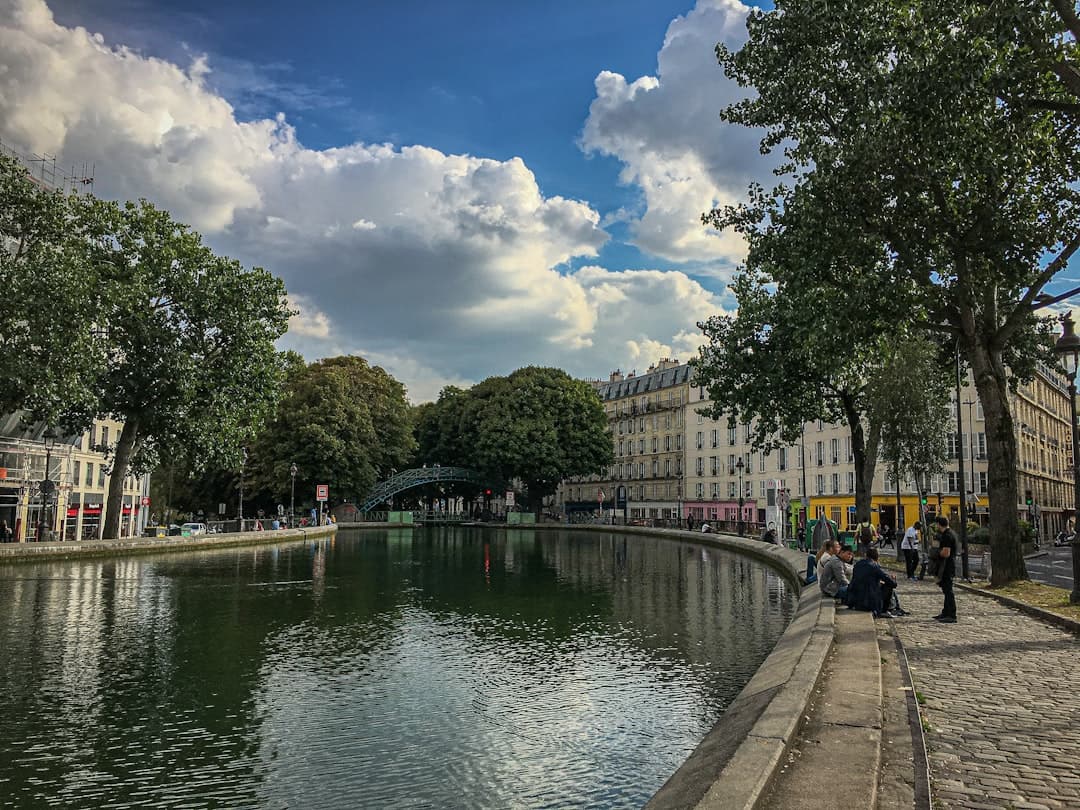
The Palace of Versailles was the seat of French royal power for over a century, from Louis XIV's decision to move his court here in 1682 until the Revolution forced Louis XVI and Marie Antoinette out in 1789. Louis XIV — the Sun King — transformed what began as his father's hunting lodge into the most powerful symbol of absolute monarchy in Europe, a palace so vast and deliberately overwhelming that it was designed to make every visitor feel the weight of French supremacy. It sits about 20 kilometres southwest of central Paris, technically its own city, and the scale of what you encounter when you step through the gilded gates is still genuinely stunning. The palace itself contains nearly 2,300 rooms, but most visitors focus on the State Apartments, the impossibly grand Hall of Mirrors — a 73-metre gallery where 357 mirrors face tall arched windows overlooking the gardens — and the Royal Apartments of the King and Queen. The gardens, designed by André Le Nôtre, stretch across 800 hectares of formal French landscaping, fountains, canals, and woodland. On weekends from spring to autumn, the Grandes Eaux Musicales bring the fountains to life with baroque music, which is one of the most theatrical things you can experience in France. Beyond the main palace, the estate also includes the Grand Trianon, the Petit Trianon, and Marie Antoinette's Hamlet — a rustic fake village she had built for her own retreat. Versailles draws around 10 million visitors a year, which makes crowd management the defining practical challenge. Timed-entry tickets booked in advance are essentially mandatory — walk-up queues can be brutal, especially in summer. Tuesday is the first day of the week it reopens, and Monday closures mean Tuesday mornings see extra pressure. Arriving right at opening and heading directly to the Hall of Mirrors before tour groups arrive makes a real difference. The gardens are a separate ticket on fountain show days, but free otherwise — and honestly, for many people, the gardens are the best part.
Palacio de Bellas Artes
The Palacio de Bellas Artes is Mexico City's most celebrated cultural building — a monumental arts center that has served as the country's premier stage for opera, dance, and the visual arts since 1934. Its exterior is a jaw-dropping fusion of Art Nouveau and Art Deco styles, clad in Italian Carrara marble that has caused the building to slowly sink into the soft lakebed soil beneath the city, giving it a slight, legendary tilt. Inside, the main theater features a famous glass curtain designed by Tiffany Studios in New York, made from nearly a million pieces of colored glass depicting the volcanoes Popocatépetl and Iztaccíhuatl — it's only lowered on special occasions, so catching it is genuinely special. The museum floors above the theater are what draw most daytime visitors, and for good reason: the upper levels house some of the most important murals in Mexican art history, painted directly onto the walls by Diego Rivera, David Alfaro Siqueiros, José Clemente Orozco, and Rufino Tamayo. Rivera's 'Man at the Crossroads' — his recreation of the mural famously destroyed by the Rockefellers at Rockefeller Center — lives here on the third floor and is alone worth the trip. The galleries also rotate temporary exhibitions of Mexican and international modern art, so there's usually something new alongside the permanent murals. Entry to the museum is inexpensive and free on Sundays for Mexican nationals, which makes weekend mornings significantly more crowded. The building sits at the western edge of the Alameda Central park, which means you can combine a visit with a stroll through one of the oldest urban parks in the Americas. For evening performances — ballet folklórico, opera, symphony — book ahead through the official website, as the Bellas Artes company and visiting productions regularly sell out.

Palacio de la Inquisición
The Palacio de la Inquisición is one of the most historically loaded buildings in South America. Built by the Spanish Crown in the 18th century, it served as the headquarters of the Holy Office of the Inquisition in Cartagena — the tribunal that oversaw the persecution of heretics, witches, and anyone else deemed a threat to Catholic orthodoxy across the entire northern coast of New Granada. The building's baroque limestone façade, completed around 1770, is considered one of the finest examples of colonial Spanish architecture in the Americas, which creates a striking and intentional contrast with the horrors that once unfolded inside. Today the building functions as a museum, and it's a genuinely absorbing one. You move through rooms that explain both the Inquisition's reach across colonial Colombia and the broader history of Cartagena — there are exhibits on pre-Columbian cultures, the slave trade, and the city's path to independence. The darker rooms deal directly with instruments of torture and the mechanics of persecution, presented with enough historical context to feel educational rather than gratuitous. The building's interior courtyard is beautiful and serene, which only deepens the cognitive dissonance of what the place represents. From the upper balconies and rooftop, you get excellent views over the Plaza de Bolívar and the walled city's terracotta rooflines. It sits directly on the Plaza de Bolívar, the central square of Cartagena's old walled city, which means you'll almost certainly walk past it regardless. The entrance fee is modest — typically a few thousand Colombian pesos — and the museum does not tend to get overwhelmingly crowded, even in high season. Go earlier in the day if you can, before the heat peaks and tour groups fill the square. The combination of the architectural beauty, the colonial history, and the views make it well worth a proper visit rather than a quick look from outside.
Palais Garnier
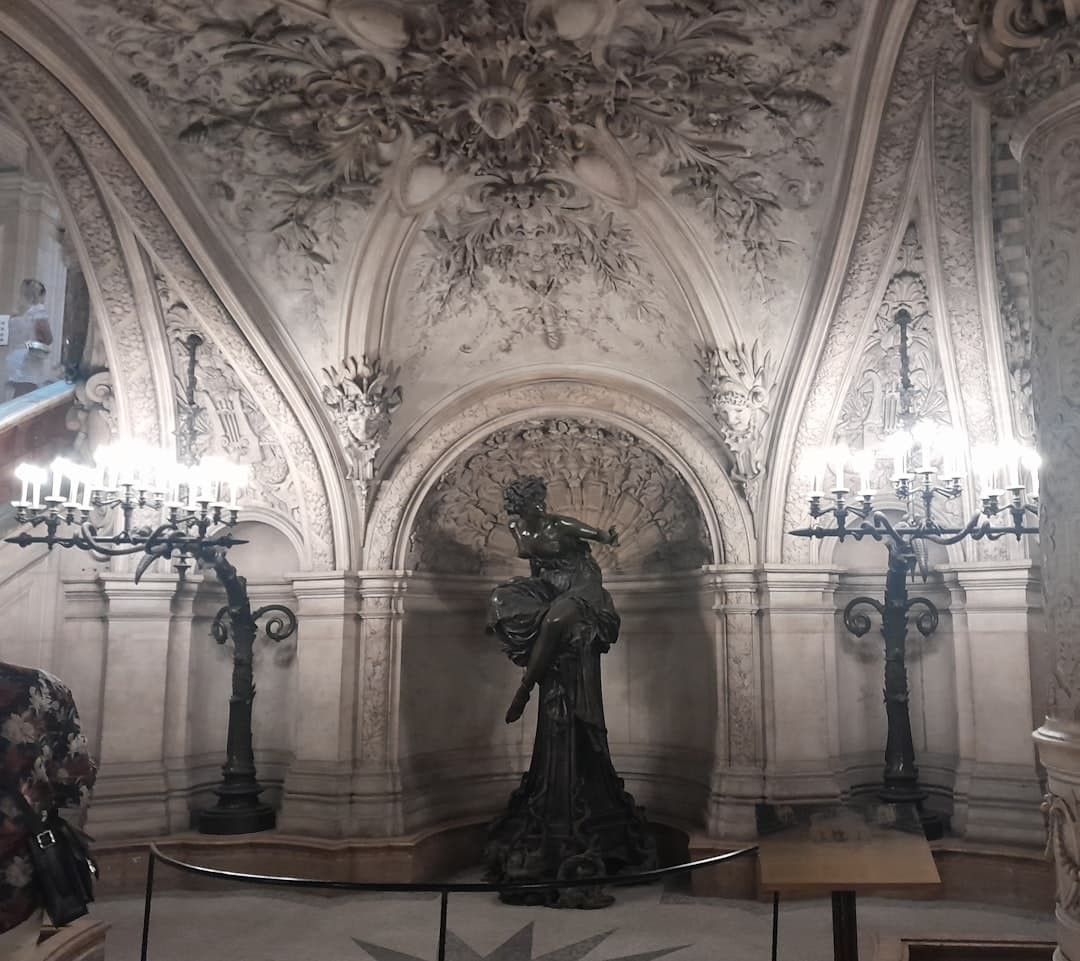
The Palais Garnier is a 19th-century opera house in the heart of Paris that ranks among the most extraordinary buildings ever constructed. Commissioned by Emperor Napoleon III and designed by architect Charles Garnier, it opened in 1875 after fifteen years of construction and became the defining symbol of Second Empire grandeur. It seats roughly 2,000 people under a ceiling famously painted by Marc Chagall in 1964 — a dreamy, swirling mural that still startles first-time visitors who expected something more historically austere. The building also inspired Gaston Leroux's 1910 novel The Phantom of the Opera, and yes, there really is an underground lake beneath it. Most visitors come not just for a performance but to tour the building itself, and it holds up brilliantly. The Grand Staircase — white marble with double branching flights, illuminated by enormous chandeliers — feels like stepping into a fever dream of gilded excess in the best possible way. The Grand Foyer rivals Versailles in its mirrors and painted ceilings. The auditorium itself is red velvet and gold leaf everywhere you look, intimate despite its scale, with the Chagall ceiling floating above like a surrealist vision. The building contains a small museum dedicated to its own history, with costumes, set models, and archive material worth at least 30 minutes on its own. The Palais Garnier now shares the Paris Opera's productions with the Opéra Bastille, the city's more modern second house, so programming here tends toward ballet rather than opera these days — which is worth knowing when you book. Day tours of the building run during hours when no rehearsals are scheduled, and the rooftop terrace (accessible on guided tours) delivers a surprisingly good panorama over the 9th arrondissement rooftops. Book a performance ticket to get the full experience of the building alive and lit, but even a daytime self-guided visit is absolutely worth it.
Palais Royal
The Palais Royal is a vast 17th-century palace complex just north of the Louvre that most visitors walk past without realising what's inside. Built for Cardinal Richelieu in 1633 and later home to the Orleans branch of the royal family, it now houses the French Ministry of Culture and the Constitutional Council — but the real draw is the enclosed garden and the elegant colonnaded arcades that wrap around it on three sides. This is one of the great secret spaces of central Paris: a hushed, architecturally coherent world hidden behind an unremarkable entrance off the Rue de Rivoli. The main garden is long and formal in the French style — gravel paths, clipped lime trees, a central fountain — and the surrounding arcades shelter a mix of antique shops, specialist galleries, jewellers, a few restaurants, and the famous Comédie-Française theatre on its western edge. In the courtyard facing the palace itself, you'll find Daniel Buren's Les Deux Plateaux, the controversial 1986 installation of black-and-white striped columns of varying heights that scandalized Paris at the time and now feels completely at home. Kids love running between them. Photographers love the geometric symmetry. The garden is free, always open during daylight hours, and completely underused by tourists — which is precisely why you should go. Come in the morning when the antique dealers are just opening their shutters and the light falls clean across the colonnades, or in early evening when Parisians bring their children and the whole place takes on a quiet, neighbourhood feel. The arcades contain a handful of long-running, idiosyncratic shops — including the toy and medal dealers near the north end — that feel genuinely out of time.
Palatine Hill
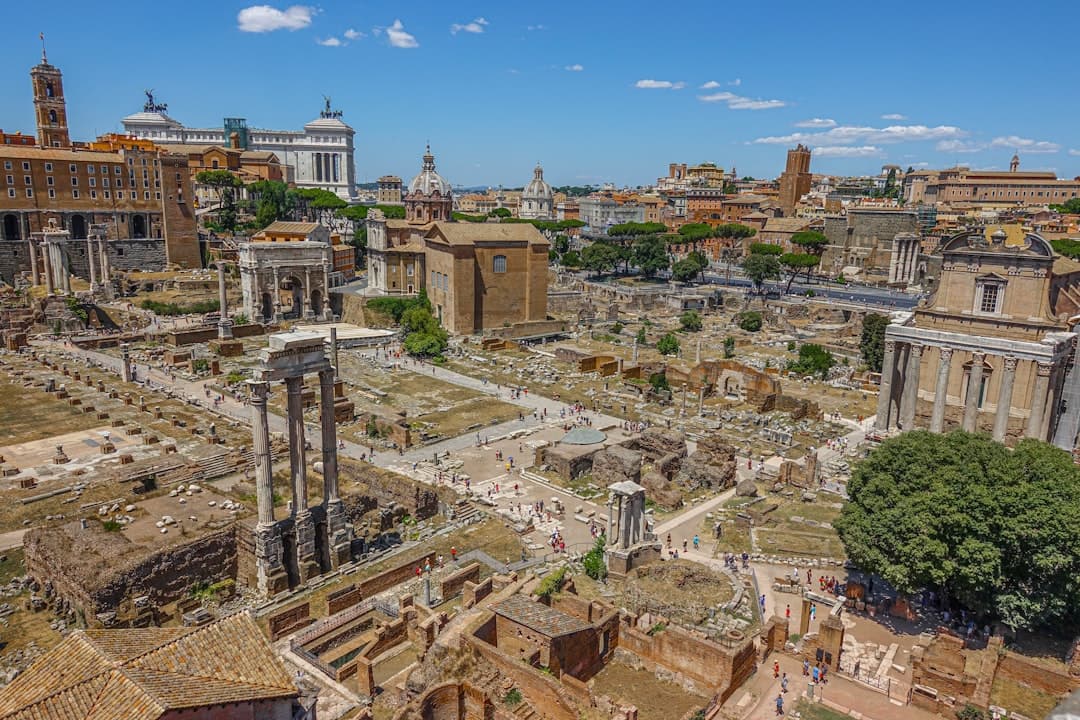
Palatine Hill is one of the seven hills of Rome and, according to legend, the very spot where Romulus founded the city in 753 BC. It sits directly above the Roman Forum to the north and the Circus Maximus to the south, and for centuries it was the most prestigious address in the ancient world — emperors including Augustus, Tiberius, and Domitian built their vast palace complexes here, giving us the English word 'palace' from the Latin 'Palatium.' Walking its paths today means moving through almost three thousand years of continuous human history, from Bronze Age huts to the ruins of rooms where emperors ruled the known world. In practice, visiting the Palatine means wandering through a sprawling open-air archaeological site covered in umbrella pines, wild herbs, and ancient brick. You'll see the foundations of the House of Augustus and the House of Livia, both of which still contain extraordinary frescoes — rare survivals in remarkably vivid colour. The vast terraced platforms of the Flavian Palace give a sense of the sheer scale of imperial ambition. The Farnese Gardens at the northern end, built in the 16th century over older ruins, offer some of the best views in all of Rome: the Forum below, the Colosseum beyond, and the whole city stretching out under the Italian sky. The Palatine Antiquarium museum on-site holds sculptures and artefacts found during excavations. The Palatine is included in the combined ticket with the Roman Forum and Colosseum, so most people arrive having already booked entry. The crowds tend to thin out up on the hill compared to the Forum floor below — many visitors don't linger. Come in the late afternoon when the light is golden and the tour groups have mostly moved on. Wear good shoes; the surfaces are uneven and the site is larger than it appears on a map.
Palau Nacional (MNAC)
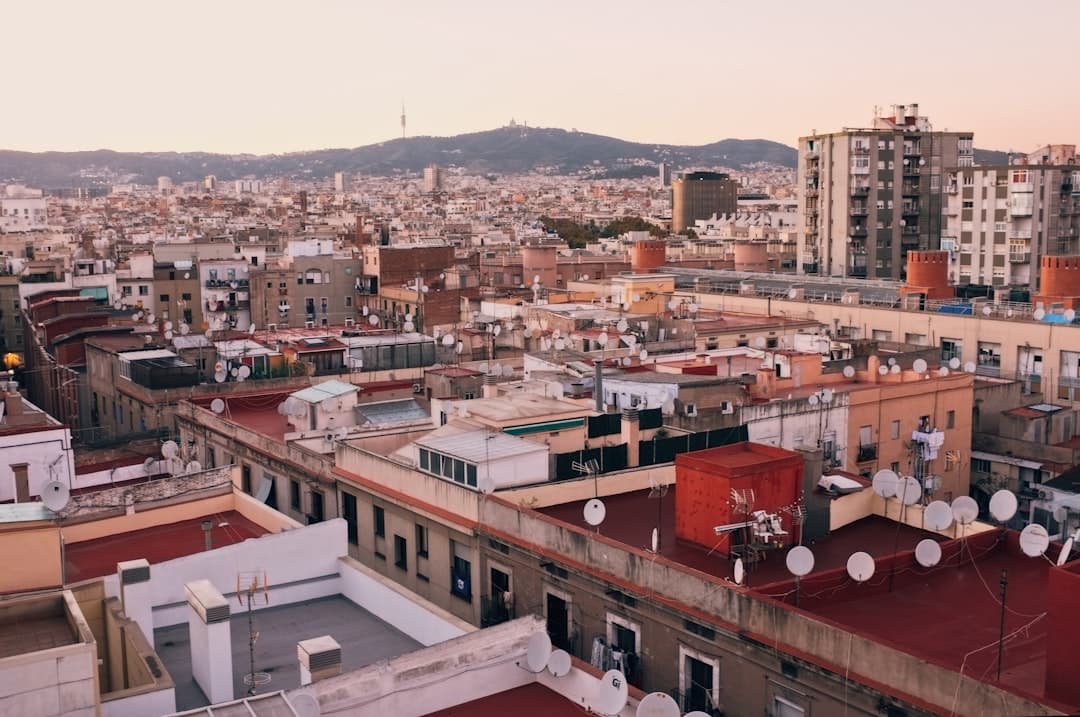
The Museu Nacional d'Art de Catalunya — universally known as MNAC — occupies the enormous Palau Nacional, a neo-baroque palace built for the 1929 International Exposition that sits at the crown of Montjuïc hill. From its position above the famous cascading fountains of Avinguda de la Reina Maria Cristina, the building commands one of the great civic views in all of Spain. But the real reason to make the climb isn't the architecture or the panorama — it's what's inside: a collection of medieval Romanesque art that is genuinely without equal anywhere in the world, assembled with remarkable foresight by Catalan scholars in the early 20th century who rescued entire church apses, frescoes and altarpieces from crumbling mountain chapels in the Pyrenees. The Romanesque galleries are the undisputed highlight — room after room of 11th and 12th century wall paintings transferred wholesale from remote churches across the Catalan Pyrenees, displayed in reconstructed apses so you get a sense of their original sacred context. The effect is astonishing: the Christ in Majesty from Sant Climent de Taüll, with its Byzantine-influenced geometric power, is one of the most arresting images in European medieval art. Beyond the Romanesque, MNAC holds strong Gothic, Renaissance and Baroque collections, a substantial photography and graphic arts section, and a remarkable modernisme collection — furniture, decorative objects and paintings from the same Catalan Art Nouveau moment that produced Gaudí and Domènech i Montaner. The rooftop terrace, accessible for a small extra fee, offers a sweeping view over Barcelona to the sea that alone is worth the trip up Montjuïc. The museum is large enough that most visitors should be selective — the Romanesque rooms and the modernisme section are the must-sees. Tuesday afternoons are free for EU residents, and the first Sunday of the month is free for everyone, which means those days get busy. Come on a weekday morning to have the galleries largely to yourself.
Palau de la Música Catalana
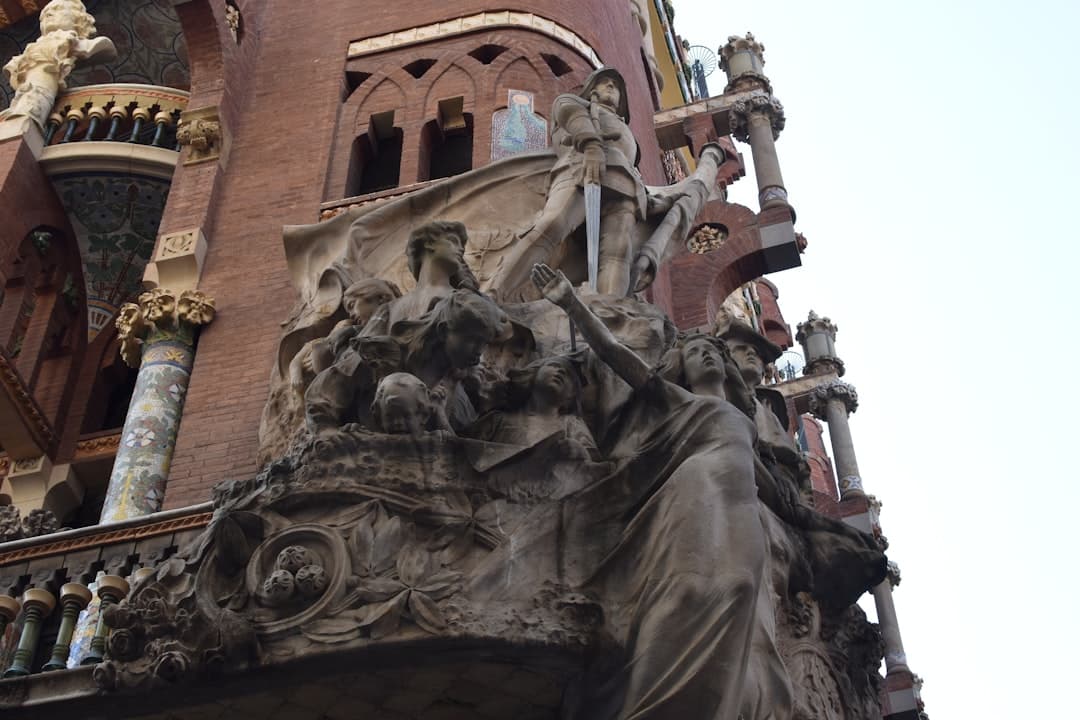
The Palau de la Música Catalana is a concert hall designed by the Catalan architect Lluís Domènech i Montaner and completed in 1908. It is one of the definitive masterworks of Catalan Modernisme — the Barcelona-rooted architectural movement that ran parallel to Art Nouveau across Europe — and a UNESCO World Heritage Site. But knowing those facts in advance barely prepares you for the building itself, which is covered floor to ceiling, inside and out, with ceramic mosaics, sculpted stone, iron latticework, and stained glass on a scale that feels genuinely delirious. It was built for the Orfeó Català, a choral society founded to promote Catalan music and culture, and that civic, almost defiant pride is woven into every tile. The centrepiece of the interior is the auditorium's stained-glass skylight — an enormous inverted dome of amber and cobalt glass that floods the hall with natural light during daytime performances. The stage is framed by sculptural groups referencing Catalan folk song on one side and Beethoven and Wagner on the other, with ceramic busts of composers embedded into the structure. You can visit on a guided or self-guided tour of the building itself during the day, which gives you access to the main hall, the foyer, and the ornate exterior facade. The better experience, though, is attending a live concert — the hall hosts everything from flamenco and jazz to classical orchestras, and hearing music performed here makes the architecture make sense in a way a daytime tour simply cannot replicate. The Palau sits in the El Born neighbourhood, a short walk from the Gothic Quarter but slightly off the main tourist drag, which means the surrounding streets are quieter and more local-feeling. Tours run throughout the day and can sell out, especially in high season, so booking ahead online is genuinely necessary. If you want to attend a concert, the programming ranges from serious classical to more accessible world music and flamenco nights — the latter are specifically designed for visitors and are a reliable way to combine a concert experience with the architecture. Check the official website for the current season.
Palazzo Pitti
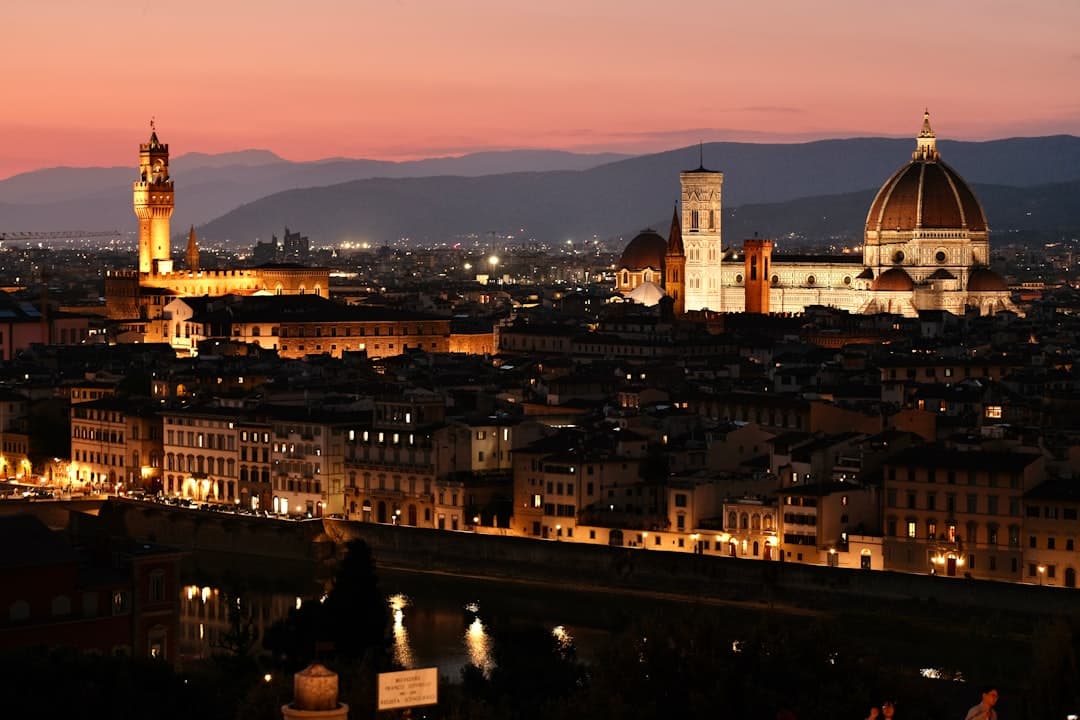
Palazzo Pitti is a vast Renaissance palace on the south side of the Arno, originally built for Florentine banker Luca Pitti in the 1450s before the Medici family acquired it in 1549 and transformed it into their primary residence. It remained a royal palace through the Savoy dynasty and into the 20th century, which means it holds an almost absurd accumulation of treasures — not just one museum but six, spread across its enormous rusticated stone facade and the hillside gardens behind it. For anyone wanting to understand Florence beyond the Uffizi, this is where the real depth lives. The centerpiece is the Palatine Gallery, which houses one of Italy's finest collections of Renaissance and Baroque painting — Raphaels, Titians, Caravaggios, and Rubens, displayed floor-to-ceiling in the opulent style of a working royal collection rather than a sanitized modern museum. Beyond that, the Royal and Imperial Apartments show the palace as it was actually lived in, furnished and decorated through multiple eras of Italian history. The Boboli Gardens stretching behind the palace are a masterwork of Italian formal garden design, with fountains, grottos, sculptures, and long cypress-lined paths climbing the hillside to sweeping views over Florence. The palace is genuinely large — you can spend a half-day here easily, and a full day if you include the gardens and hit multiple museums. The Palatine Gallery is the essential stop; the other museums (Silver Museum, Porcelain Museum, Costume Gallery, Carriage Museum) are worthwhile additions depending on your interests. Tuesday mornings and weekday afternoons tend to be calmer than weekend visits. A single combined ticket covers most of the museums and the Boboli Gardens, making it excellent value compared to paying separately for comparable attractions across the city.