Our Lord in the Attic Museum
A secret Catholic church hidden inside a 17th-century Amsterdam canal house.
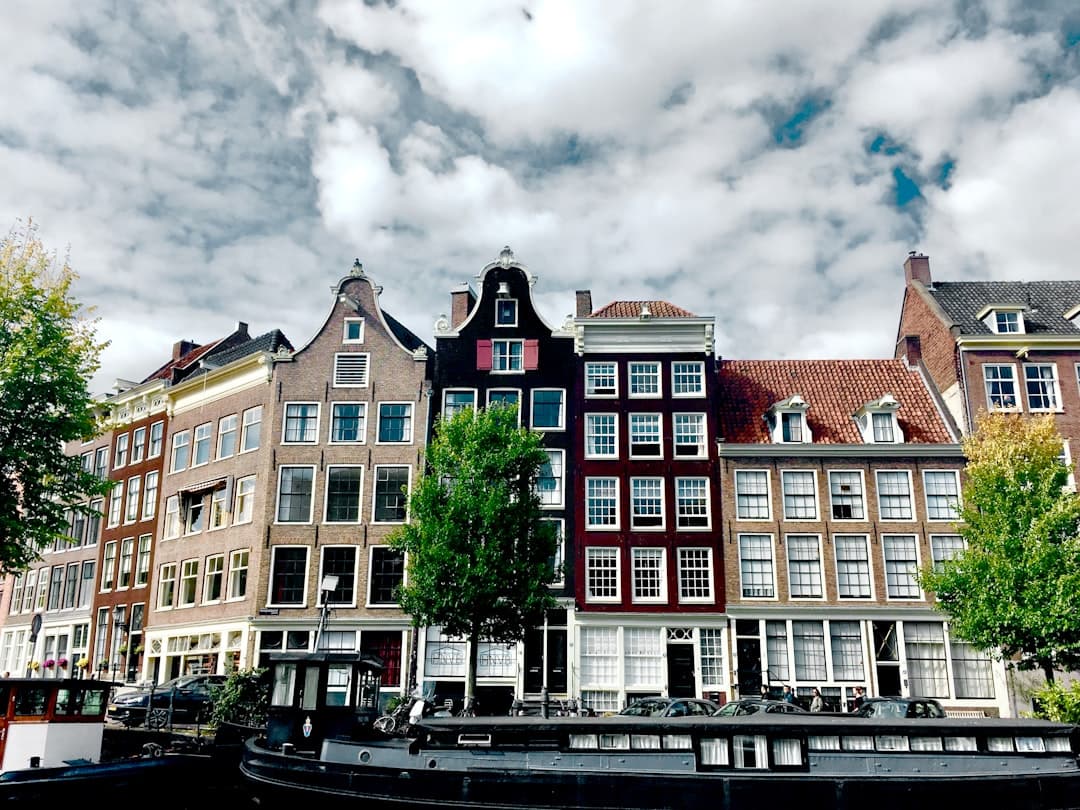
In 1663, a wealthy Catholic merchant named Jan Hartman built a clandestine church inside the upper floors of his canal house on the Oudezijds Voorburgwal. This was necessary because, following the Protestant Reformation, Catholics in Amsterdam were banned from worshipping publicly — but the city authorities tacitly tolerated hidden 'schuilkerken' (concealed churches) as long as they weren't visible from the street. Ons' Lieve Heer op Solder, which translates to 'Our Lord in the Attic,' is the best-preserved example of these hidden churches anywhere in the Netherlands, and it remained an active place of Catholic worship until the opening of the Krijtberg Church in 1887.
Today the building operates as a museum, and it's one of the most genuinely surprising interiors in Amsterdam. You enter through what looks like an ordinary canal house — with period-furnished living quarters, a small sacristy, and a confessional — and then suddenly you climb steep stairs into a full three-story baroque church tucked into the attic. The church itself has a proper altar, an organ, gallery seating on two upper levels, and paintings and religious objects accumulated over two centuries. The contrast between the domestic scale of the rooms below and the soaring proportions of the hidden church above is startling in the best possible way.
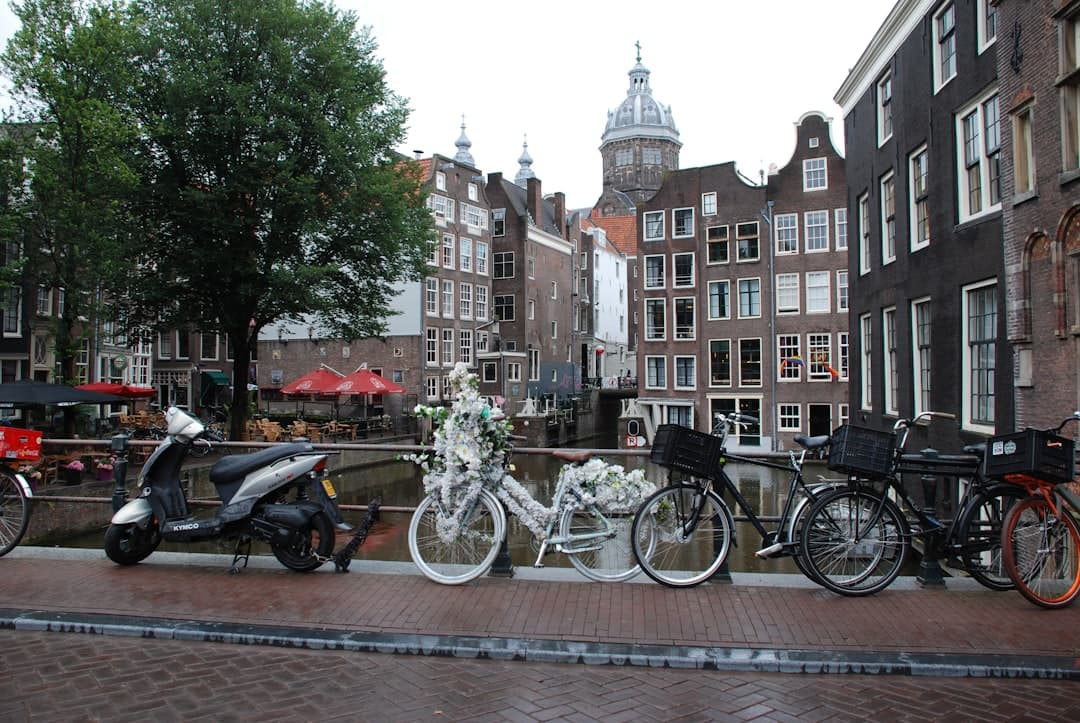
The museum sits right at the edge of the Red Light District, which means most tourists walk straight past it — a fact that works entirely in your favor. Crowds here are light compared to the Rijksmuseum or Anne Frank House, and the building genuinely rewards slow exploration. The ground-floor living quarters have been carefully restored with 17th-century furnishings, and the whole place has a hushed, slightly conspiratorial atmosphere that no amount of museum signage can drain away. Buy your ticket online in advance if you want to be sure of entry, but walk-ins are usually possible outside peak summer months.