
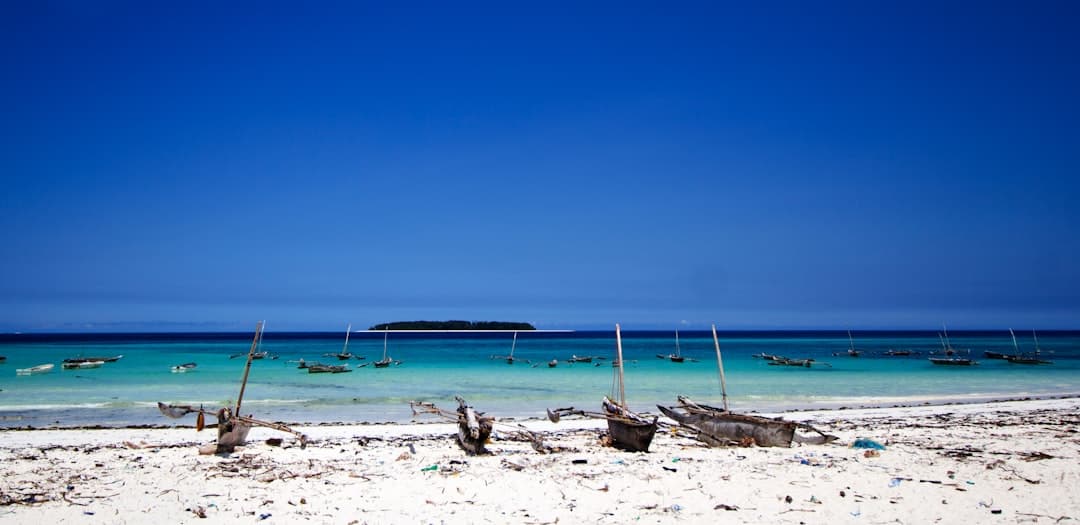
Paje Beach
Zanzibar / Paje Beach

Paje Beach

A bleached-white beach where kitesurfers and tide pools share the same stretch of sand.

🌿 Nature & Outdoors🎯 Activities & Experiences
🧗 Adventurous🌿 Relaxing🌹 Romantic

Paje is a small fishing village on Zanzibar's southeast coast that has quietly become one of the Indian Ocean's most beloved beach destinations. The beach itself is extraordinary — a wide, flat expanse of powdery white sand backed by casuarina trees and traditional dhow-building yards, with shallow turquoise lagoons exposed at low tide that stretch hundreds of metres out to sea. It's the kind of place that still feels genuinely discovered rather than manufactured, with a handful of boutique guesthouses and beach bars mixed in among the local community.

What you actually do at Paje depends entirely on the tide. At low tide, the lagoon becomes a vast, warm wading pool — locals harvest seaweed, crabs scuttle across the exposed reef, and kids splash around in knee-deep water that goes on forever. At high tide, the lagoon fills and the consistent southeast trade winds (the kaskazi and kusi) turn Paje into one of the best kitesurfing spots in Africa. Schools like Aquaholics and Kite Centre Zanzibar operate right on the beach, and the flat water of the lagoon makes it ideal for beginners. Snorkelling, stand-up paddleboarding, and day trips to the nearby sandbank at Michamvi are also popular options.

Paje sits about 55 kilometres from Stone Town — roughly an hour and a half by car — which keeps the day-tripper crowds manageable and gives the village its own unhurried rhythm. The best restaurants are at the guesthouses themselves: Upendo, Baraka Natural Aquarium, and Paje by Night have all built reputations for good food and cold Kilimanjaro beers. Sunsets face the wrong direction here (east coast), but the pre-dawn light on the lagoon and the near-nightly bonfires more than compensate.

Local Tips

  1. 1

    Check the tide table before you plan your day — the difference between low and high tide at Paje is dramatic (up to 3 metres), and it completely changes what you can do and where you can swim.

  2. 2

    If you want a kitesurfing lesson, book at least a day in advance during peak season (July–August) as slots at reputable schools fill fast.

  3. 3

    Walk north along the beach toward Bwejuu in the early morning for a quieter stretch of sand and the chance to watch local fishermen bring in their catch with traditional outrigger canoes.

  4. 4

    The seaweed farms you'll see in the shallows at low tide are tended almost entirely by local women — don't walk through them, and if you're curious, asking politely for a quick explanation is almost always welcomed.

When to Go

Best times
June–September (Kusi season)

The strong and reliable southeast trade winds peak during these months — ideal conditions for kitesurfing, with blue skies and low humidity.

December–February (Kaskazi season)

The northeast monsoon brings lighter, warmer winds — still good for kitesurfing beginners, and the lagoon is calmer and more swimmable.

Try to avoid
March–May (Long Rains / Masika)

Heavy and persistent rainfall, rough seas, and many beach businesses close or reduce hours. Not a great time to base yourself here.

October–November (Short Rains / Vuli)

Shorter, more unpredictable rain showers — the beach can still be lovely but expect interruptions and lower wind reliability.

Why Visit

01

The tidal lagoon creates two completely different beaches in one day — shallow wading flats at low tide, wind-swept kitesurfing water at high tide.

02

It's one of East Africa's top kitesurfing destinations, with consistent trade winds and flat-water conditions perfect for beginners and experts alike.

03

The village still functions as a real Swahili fishing community, so you get an authentic slice of coastal Zanzibari life alongside the beach experience.