
Mnemba Atoll
Zanzibar / Mnemba Atoll

Mnemba Atoll

One of East Africa's finest coral reefs, wrapped in a private island reserve.

🌿 Nature & Outdoors🎯 Activities & Experiences
🧗 Adventurous🌿 Relaxing🌹 Romantic🗺 Off the beaten path

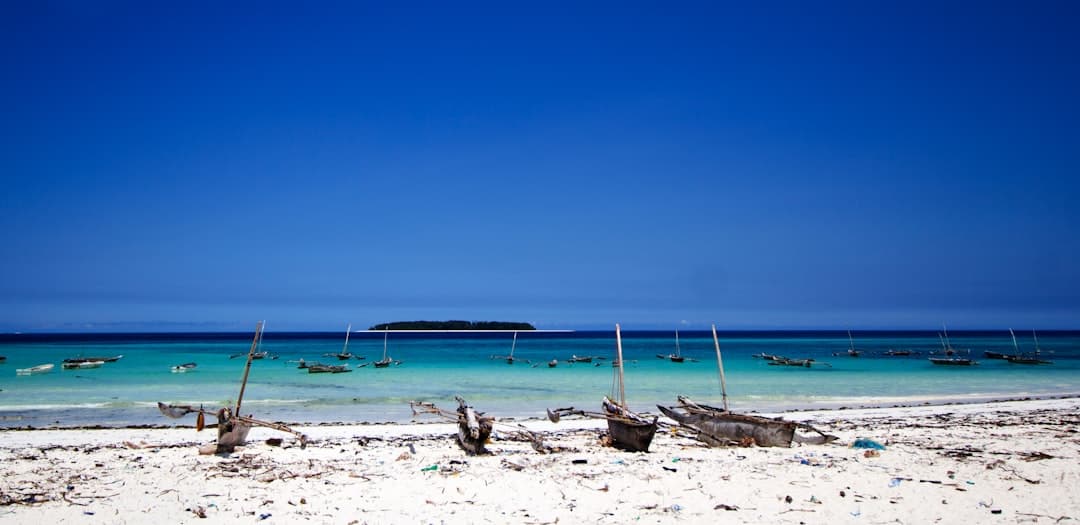
Mnemba Atoll is a protected marine conservation area encircling tiny Mnemba Island, located about three kilometres off the northeastern tip of Zanzibar's main island, Unguja. The atoll encompasses a roughly circular reef system teeming with marine life, and while the island itself is occupied exclusively by the ultra-exclusive &Beyond Mnemba Island lodge, the surrounding waters are accessible to day visitors and divers who make the trip from the mainland. It's one of the most celebrated dive and snorkel sites in the entire Indian Ocean, and for good reason — the reef is genuinely spectacular.

What draws people here is the underwater world. The atoll shelters spinner dolphins that often appear at dawn in large pods, hawksbill and green sea turtles that nest on the island's beaches, and reef systems dense with butterflyfish, lionfish, moray eels, and occasional whale sharks during the right season. Divers can explore a series of named sites around the atoll — Big Wall, Kichwani, and Pot Hole among them — ranging from gentle coral gardens perfect for snorkellers to deeper drift dives along dramatic drop-offs. The visibility can reach 30 metres on a good day.

Most visitors access Mnemba by boat from Matemwe or Nungwi on Zanzibar's north coast, typically on half-day or full-day excursions run by local dive operators. &Beyond guests have exclusive beach access to the island itself, but the reef waters are shared. If you're a serious diver, book directly with one of the established Matemwe-based operators rather than a general tour desk — the quality of guiding and equipment varies enormously. Go early: morning dives before the day-trip boats arrive offer calmer conditions and fewer crowds.
Local Tips

  1. 1

    Operators based in Matemwe — closer to the atoll — offer shorter, smoother crossings than those departing from Nungwi or Stone Town; the difference in sea time matters when conditions are choppy.

  2. 2

    Bring your own seasickness remedy if you're prone — the open-water crossing can be bumpy, especially in transitional months.

  3. 3

    If you're not a certified diver, snorkelling here is still genuinely world-class; don't let anyone upsell you on a dive certification you don't need just to access the site.

  4. 4

    Marine park fees apply on top of operator costs — confirm whether these are included in your quoted price or paid separately at the boat launch.

When to Go

Best times
July – October

Dry season brings the best visibility and calmest seas, making this the prime window for diving and snorkelling. Humpback whales occasionally pass through.

December – February

Short dry season with warm water and good conditions; whale sharks are more likely during this period.

Try to avoid
March – May

Main rainy season (long rains). Heavy swells and reduced visibility can make the crossing rough and underwater conditions poor. Many operators suspend trips.

June

Transitional month — conditions are improving but water can still be choppy. Worth checking current forecasts before booking.

Why Visit

01

The reef hosts one of the Indian Ocean's most reliable populations of hawksbill turtles — encounters in the water are common, not a lucky accident.

02

Spinner dolphins are frequently spotted in the atoll's protected waters, especially early morning, often bow-riding the boat on the way out.

03

The coral coverage here is exceptional by any global standard — decades of conservation protection have kept the reef in remarkable health.