
Nungwi Beach
Zanzibar / Nungwi Beach

Nungwi Beach

Zanzibar's liveliest beach village, where dhow sunsets meet year-round calm waters.

🎶 Nightlife🌿 Nature & Outdoors🎯 Activities & Experiences
🧗 Adventurous🌿 Relaxing🌹 Romantic

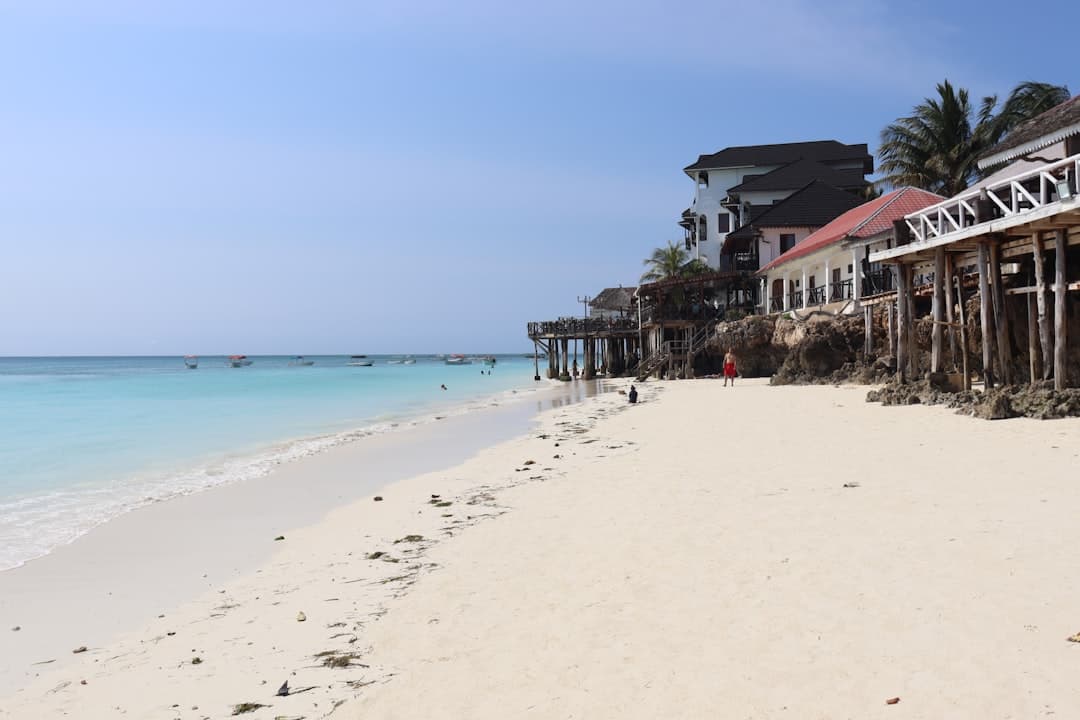
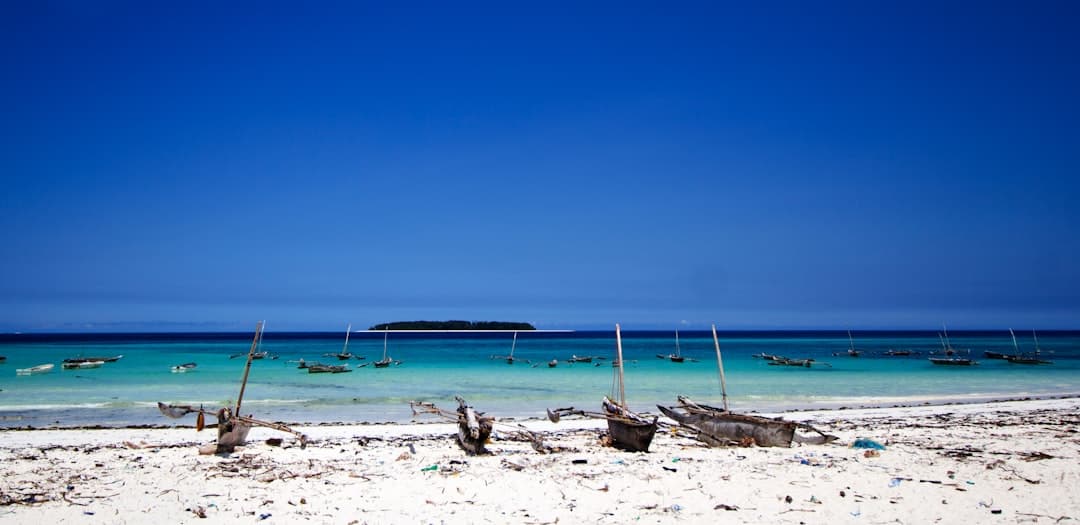
Nungwi sits at the northern tip of Zanzibar island, and it has long been the beach that travelers who've done their research end up choosing. Unlike the southeast coast beaches that drain to mudflats at low tide, Nungwi benefits from deeper waters and a sheltered position that keeps the sea swimmable at almost any hour of the day. The village itself has been a working dhow-building center for generations — you can still watch craftsmen shaping wooden hulls by hand on the beach, a tradition that predates tourism here by centuries.

In practical terms, spending time at Nungwi means a lot of time in and on the water. The snorkeling just offshore is genuinely good, and the local operators running dive trips to the nearby reefs — including Mnemba Atoll to the southeast — are well-established and competitively priced. The natural tidal pool on the western side of the village shelters a small sea turtle sanctuary, which is rudimentary but charming. Come late afternoon, the beach transforms as vendors, musicians, and fire performers set up, and the sundowner bar scene at spots like Langi Langi Beach Bungalows and Nungwi Inn kicks into gear with cold Kilimanjaro beers and front-row views of dhows silhouetted against the Indian Ocean sky.

Nungwi is not a secret and hasn't been for a while — the strip has hotels stacked along it and can feel touristy in the middle of the day. The insider move is to walk five or ten minutes west toward Kendwa to find quieter stretches of sand, or to time your visit for early morning before the beach fills up. If you're staying elsewhere on the island, Nungwi makes an excellent full-day excursion, and the drive north through clove and banana plantations is half the pleasure.
Local Tips

  1. 1

    Walk west along the beach toward Kendwa for noticeably quieter sand and fewer hawkers — the two beaches practically merge but the crowds thin out quickly once you round the headland.

  2. 2

    The sea turtle pool near the western edge of the village is run by a local conservation group; a small donation is expected and worth it — the turtles are genuine and the guides are knowledgeable.

  3. 3

    Hire a local fisherman for a sunrise dhow trip rather than booking through a hotel — you'll pay a fraction of the price and get the real experience. Ask at the beach the evening before.

  4. 4

    Eat at the village side of Nungwi, not just the hotel strips — local guesthouses and small kitchens serve fresh grilled fish and Zanzibar mix (a chickpea and tamarind street food) for a fraction of resort prices.

When to Go

Best times
June–October (Kusi/Dry Season)

The long dry season brings reliable sunshine, lower humidity, and the best sea conditions for diving and snorkeling. This is peak season so prices rise and the beach is at its busiest.

December–February

The short dry season offers good conditions, warm water, and festive atmosphere. A popular time for European visitors escaping winter — book accommodation well ahead.

Early morning (before 9am)

The beach is peaceful and golden before tour groups arrive from Stone Town. Fishermen bring boats in and the dhow builders are already at work — the most authentic version of Nungwi.

Try to avoid
March–May (Masika/Long Rains)

Heavy afternoon rains can make beach days unpredictable, some smaller operators close, and road conditions across the island deteriorate. Prices drop significantly.

Why Visit

01

The water stays deep and swimmable at all tides — a genuine rarity on Zanzibar's coast where many beaches become mudflats at low tide.

02

Traditional dhow builders still work on the beach, giving the village a real cultural identity that goes far beyond sun and sand.

03

The sunset scene here — cold beer, fire performers, and traditional sailing boats on the horizon — is one of East Africa's most atmospheric evening rituals.