
Nakupenda Sandbank
Zanzibar / Nakupenda Sandbank

Nakupenda Sandbank

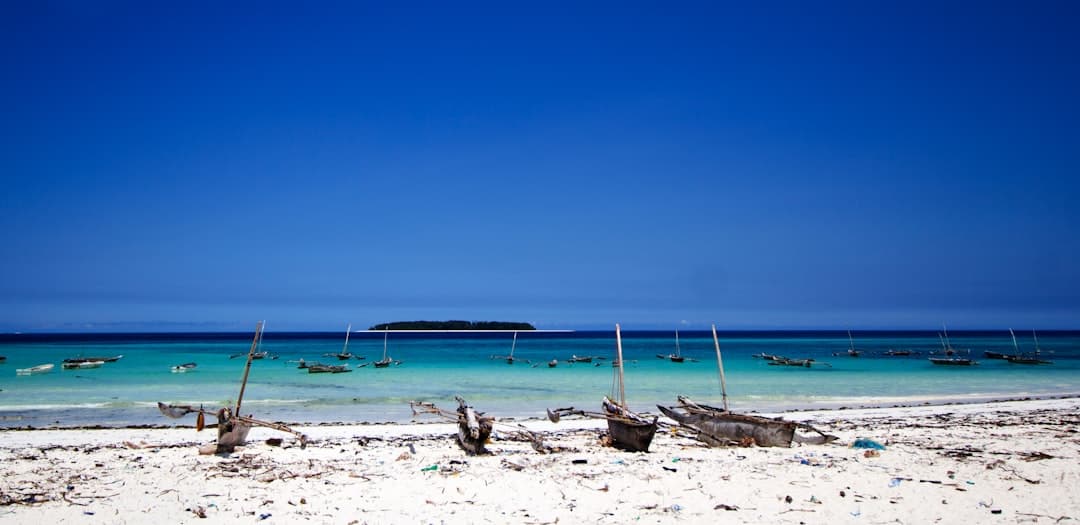
A disappearing island of white sand rising from a turquoise sea.

🏛️ Sights & Landmarks🌿 Nature & Outdoors🎯 Activities & Experiences
🧗 Adventurous🌿 Relaxing🌹 Romantic

Nakupenda — which means 'I love you' in Swahili — is a sandbank that appears off the coast of Stone Town, Zanzibar, accessible only by boat. It's not an island in any permanent sense: the sandbank emerges from the Indian Ocean at low tide and is swallowed back by it as the water rises, giving the whole experience an inherently fleeting quality. That impermanence is part of the appeal. You're standing on sand that wasn't there this morning and won't be there this evening, surrounded by water that shifts from turquoise to deep blue depending on the depth and the angle of the sun.

Visitors arrive by dhow or speedboat — usually as part of an organised trip from Stone Town, often bundled with snorkelling at nearby Prison Island or a stop at Chumbe Island. On the sandbank itself, there's very little to do in the conventional sense: you wade, you swim, you sit on a strip of sand so white it's almost blinding, you watch the horizon. Some tour operators set up grilled seafood lunches right on the sand, which tips the experience from scenic to genuinely memorable. The snorkelling around the edges is decent, with reef fish and occasional sea turtles reported in the surrounding waters.

The key practical thing to understand is that this isn't a place you can visit independently — you need to organise a boat, and the experience is entirely tide-dependent. Most operators run morning departures from Stone Town's waterfront (around Mizingani Road), and trips typically last a few hours including travel time. Book through your hotel or a reputable local operator; prices and quality vary considerably. Go earlier in the day to beat both the midday heat and the crowds from later boats.
Local Tips

  1. 1

    Tide timing is everything — ask your operator exactly when the sandbank will be at its largest and plan your departure accordingly.

  2. 2

    Bring reef-safe sunscreen only; many operators now specifically ask for this, and the ecosystem around the sandbank is fragile.

  3. 3

    If your tour includes a seafood lunch on the sand, confirm this when booking — it's the detail that separates a great trip from a forgettable one.

  4. 4

    Combine the trip with Prison Island (Changuu Island) for a full morning: the giant Aldabra tortoises there are genuinely impressive and it's a natural pairing.

When to Go

Best times
June–October (dry season)

Calm seas and clear skies make for the best boat crossings and snorkelling visibility. Peak tourist season, so boats can be busy.

Early morning departures

The sandbank is largest and least crowded in the morning. Later boats arrive as the tide rises and the sand shrinks.

Try to avoid
March–May (long rains)

Rough seas and poor visibility can make the crossing unpleasant and the sandbank experience much less appealing. Some operators suspend trips.

November (short rains)

Lighter rain than the long rains, but still unpredictable. Check conditions before booking.

Why Visit

01

A sandbank that exists only at low tide — the kind of place that feels like it was conjured specifically for that afternoon.

02

The surrounding water is exceptional for swimming and snorkelling, with visibility and colour that rival anywhere in the Indian Ocean.

03

Fresh grilled seafood eaten with your feet in the sand, served by operators who've been doing this long enough to make it feel effortless.