Forodhani Gardens
Stone Town's waterfront night market, where the Indian Ocean meets open-fire cooking.
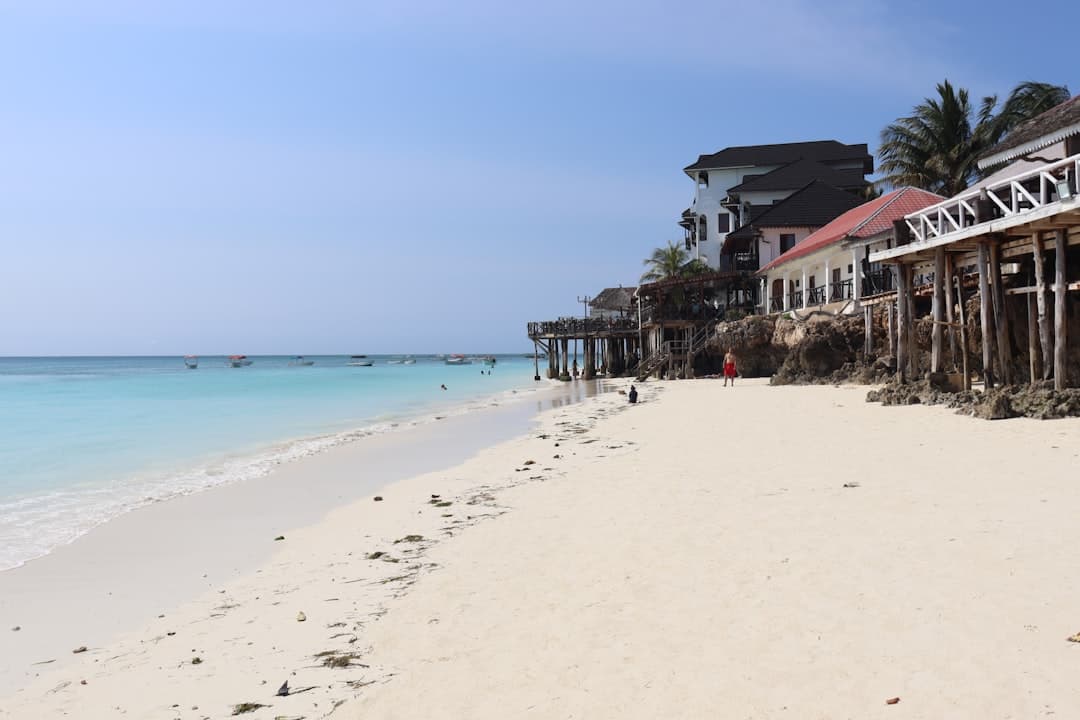
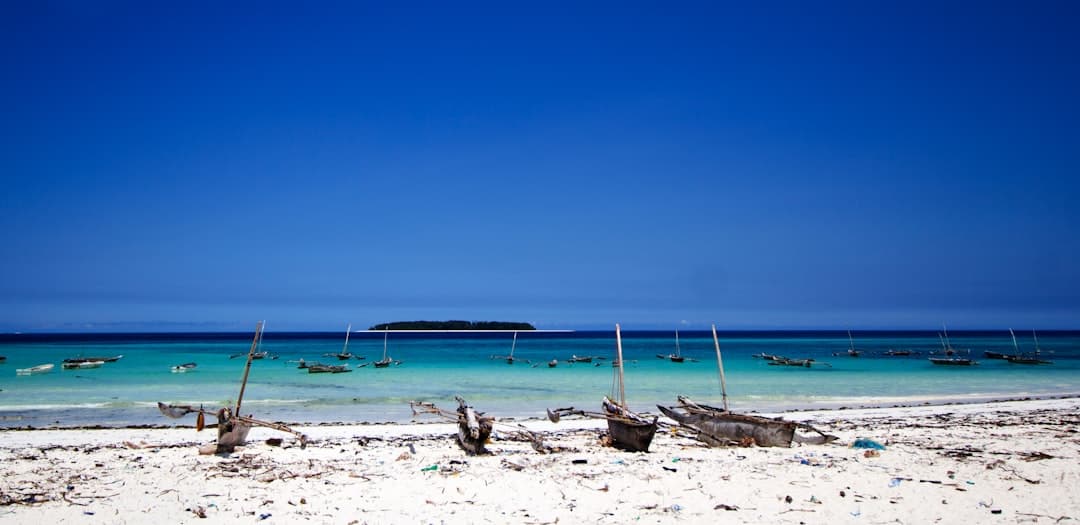
Forodhani Gardens is a small public park on the Stone Town waterfront that transforms every evening into one of East Africa's most atmospheric street food markets. Set along the seawall overlooking the Indian Ocean, it sits in the heart of Zanzibar's UNESCO-listed old town, flanked by the Old Fort — a 17th-century Arab fortification — and the former State House. During the day it's a quiet green space where locals sit and fishermen watch the dhows pass. After dark, it becomes something else entirely.
As the sun drops, vendors wheel in their carts and fire up their grills, and the gardens fill with smoke, chatter, and the smell of charcoal and spice. The signature dish is Zanzibar pizza — a street food original that bears no resemblance to Italian pizza, instead resembling a folded crepe stuffed with egg, meat, vegetables, or Nutella if you want dessert. You'll also find fresh seafood — lobster, octopus, prawns — grilled to order on skewers, along with sugarcane juice, urojo (Zanzibar mix, a tangy coconut soup with fritters and potato), and the local sweet mishkaki skewers. You eat at plastic tables, surrounded by other visitors and curious locals, with the sea breeze coming off the water.
Come hungry and come in the evening — the market doesn't really get going until after 6pm and is busiest between 7 and 10pm. Bring small bills in Tanzanian shillings; some vendors accept dollars but you'll get a fairer deal in local currency. Prices are negotiated at most stalls, and a full meal of seafood, Zanzibar pizza, and juice should cost you very little by any Western standard. Watch out for persistent touts near the entrance — a polite but firm 'no thank you' is your best tool.