
Ortaköy
Istanbul / Ortaköy

Ortaköy

Bosphorus waterfront neighborhood where mosques, nightclubs, and street food collide.

🛍️ Shopping🎶 Nightlife🏛️ Sights & Landmarks🍽️ Food & Drink🏘️ Neighborhoods
🍽 Foodie🎭 Cultural🌹 Romantic

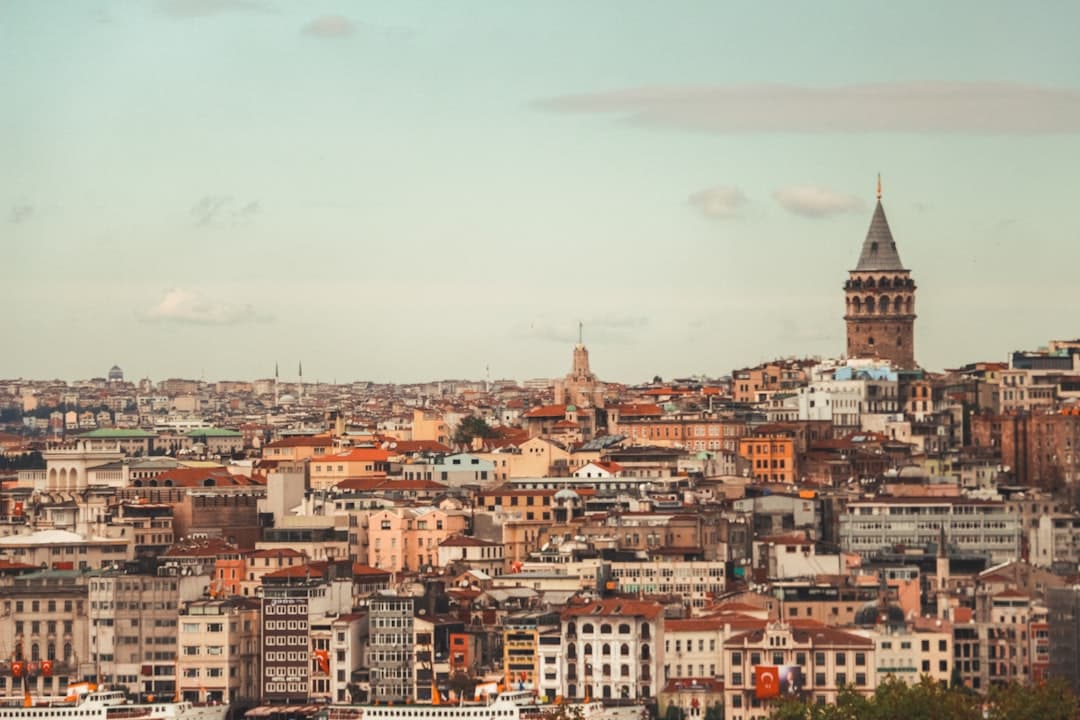
Ortaköy is one of Istanbul's most beloved waterfront neighborhoods, sitting right on the European shore of the Bosphorus Strait beneath the towering First Bosphorus Bridge. It's a small but dense pocket of the city in the Beşiktaş district that somehow manages to contain a gorgeous 19th-century mosque, a buzzing weekend bazaar, some of Istanbul's most storied nightclubs, and a street food scene centered almost entirely on one beloved dish. The neighborhood has a long, layered history — once home to significant Greek, Armenian, and Jewish communities alongside Muslim Turks — and that cosmopolitan past still shows in its architecture and atmosphere.

The experience of Ortaköy is largely an outdoor one. You wander through a tight grid of cobblestone lanes packed with craft stalls, jewelry sellers, and clothing vendors on weekends, then emerge suddenly onto the waterfront promenade with the Ortaköy Mosque (officially Büyük Mecidiye Camii, built in 1856) right in front of you and the suspension bridge framing the view behind it. It's one of the most photographed scenes in Istanbul for good reason — the combination of Baroque Ottoman architecture and modern engineering is genuinely striking. The real local ritual here is grabbing a kumpir — an overstuffed baked potato piled with toppings — from one of the competing stalls along the main square and eating it on the water's edge while watching the ferries pass.

Ortaköy rewards a leisurely half-day. Weekends bring crowds and full bazaar energy; weekday mornings are quieter and better for actually seeing the mosque interior. The nightlife strip picks up after dark, with clubs like Reina (now operating under different names and management after a tragic 2017 attack) once defining the scene — the area remains a nightlife hub but has evolved considerably. Come for the view and the kumpir, stay for the atmosphere.
Local Tips

  1. 1

    Go to the kumpir stalls and pick your toppings confidently — there are easily a dozen options including corn, olives, sausage, and various salads. The vendors are fast and it's fine to point.

  2. 2

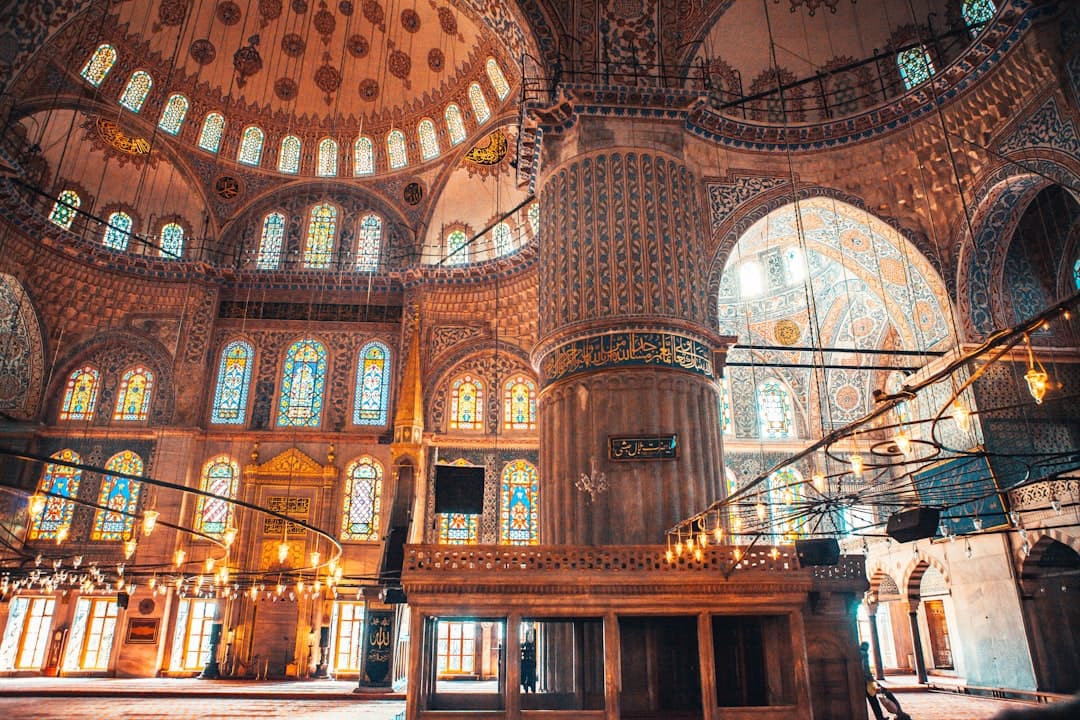
    The mosque interior is free to visit and far less visited than the big tourist mosques; weekday mornings before noon are your best window for a quiet look inside.

  3. 3

    Avoid driving to Ortaköy on weekends — parking is nearly impossible and the traffic around the bridge approach is brutal. Take the ferry from Eminönü or Karaköy, or hop off a Bosphorus ferry at the Ortaköy stop.

  4. 4

    The waterfront tea gardens and cafes are a great spot to sit with a çay and watch Bosphorus traffic; skip the tourist-facing restaurants on the main square and walk one or two streets back for local prices.

When to Go

Best times
Spring (April–May)

Mild weather and long evenings make waterfront strolling and outdoor dining genuinely pleasant without summer's oppressive heat or crowds.

Golden hour and dusk

The mosque and bridge photograph beautifully in late afternoon light, and the waterfront takes on a magical quality as the city lights up after sunset.

Winter (December–February)

Crowds thin dramatically and the bazaar is quieter; the waterfront can be cold and blustery, but the moody atmosphere has its own appeal.

Try to avoid
Summer weekends (July–August)

The bazaar and promenade get extremely crowded on summer weekends; the kumpir queues can be very long and the narrow lanes feel claustrophobic.

Why Visit

01

The iconic view of the Ortaköy Mosque framed by the Bosphorus Bridge is one of Istanbul's great photographic moments and genuinely lives up to the hype.

02

Kumpir — a loaded baked potato that's almost a meal-as-performance — originated here and this is the best place in the city to eat one, right on the water.

03

The weekend street bazaar is one of Istanbul's most approachable markets, with a mix of handmade jewelry, ceramics, and art that's less overwhelming than the Grand Bazaar.