Palau Nacional (MNAC)
A palatial hilltop museum holding Europe's finest collection of Romanesque art.
The Museu Nacional d'Art de Catalunya — universally known as MNAC — occupies the enormous Palau Nacional, a neo-baroque palace built for the 1929 International Exposition that sits at the crown of Montjuïc hill. From its position above the famous cascading fountains of Avinguda de la Reina Maria Cristina, the building commands one of the great civic views in all of Spain. But the real reason to make the climb isn't the architecture or the panorama — it's what's inside: a collection of medieval Romanesque art that is genuinely without equal anywhere in the world, assembled with remarkable foresight by Catalan scholars in the early 20th century who rescued entire church apses, frescoes and altarpieces from crumbling mountain chapels in the Pyrenees.
The Romanesque galleries are the undisputed highlight — room after room of 11th and 12th century wall paintings transferred wholesale from remote churches across the Catalan Pyrenees, displayed in reconstructed apses so you get a sense of their original sacred context. The effect is astonishing: the Christ in Majesty from Sant Climent de Taüll, with its Byzantine-influenced geometric power, is one of the most arresting images in European medieval art. Beyond the Romanesque, MNAC holds strong Gothic, Renaissance and Baroque collections, a substantial photography and graphic arts section, and a remarkable modernisme collection — furniture, decorative objects and paintings from the same Catalan Art Nouveau moment that produced Gaudí and Domènech i Montaner.
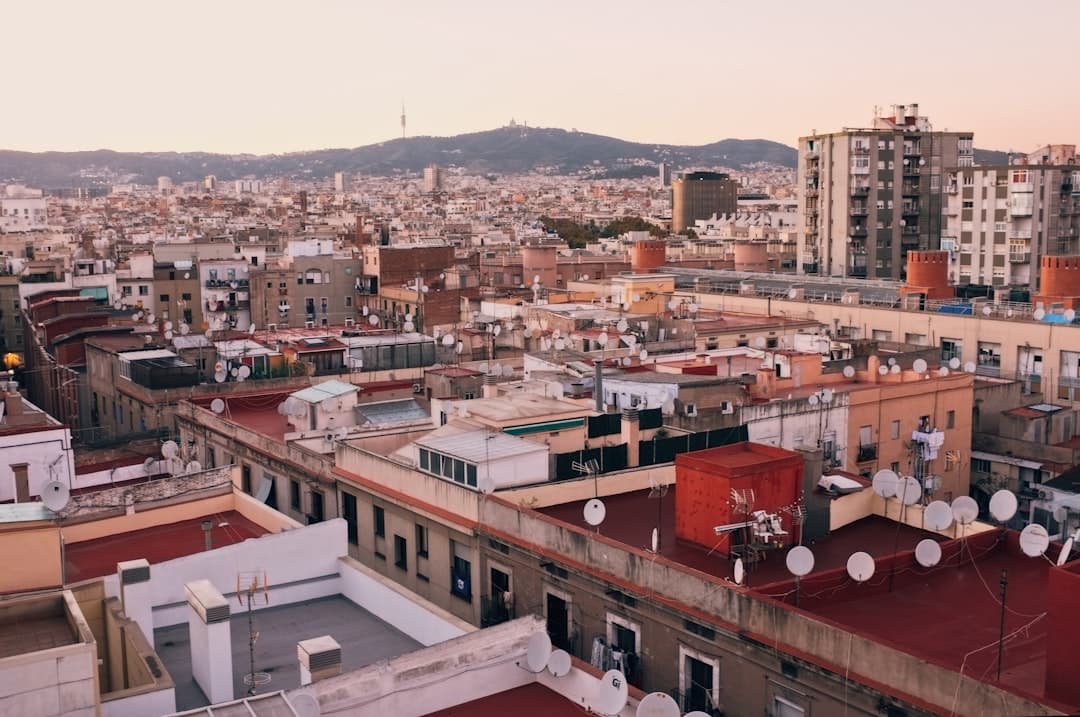
The rooftop terrace, accessible for a small extra fee, offers a sweeping view over Barcelona to the sea that alone is worth the trip up Montjuïc. The museum is large enough that most visitors should be selective — the Romanesque rooms and the modernisme section are the must-sees. Tuesday afternoons are free for EU residents, and the first Sunday of the month is free for everyone, which means those days get busy. Come on a weekday morning to have the galleries largely to yourself.