
All Places
1,073 places around the world
1,073 places · page 28 of 45
Nobel Prize Museum
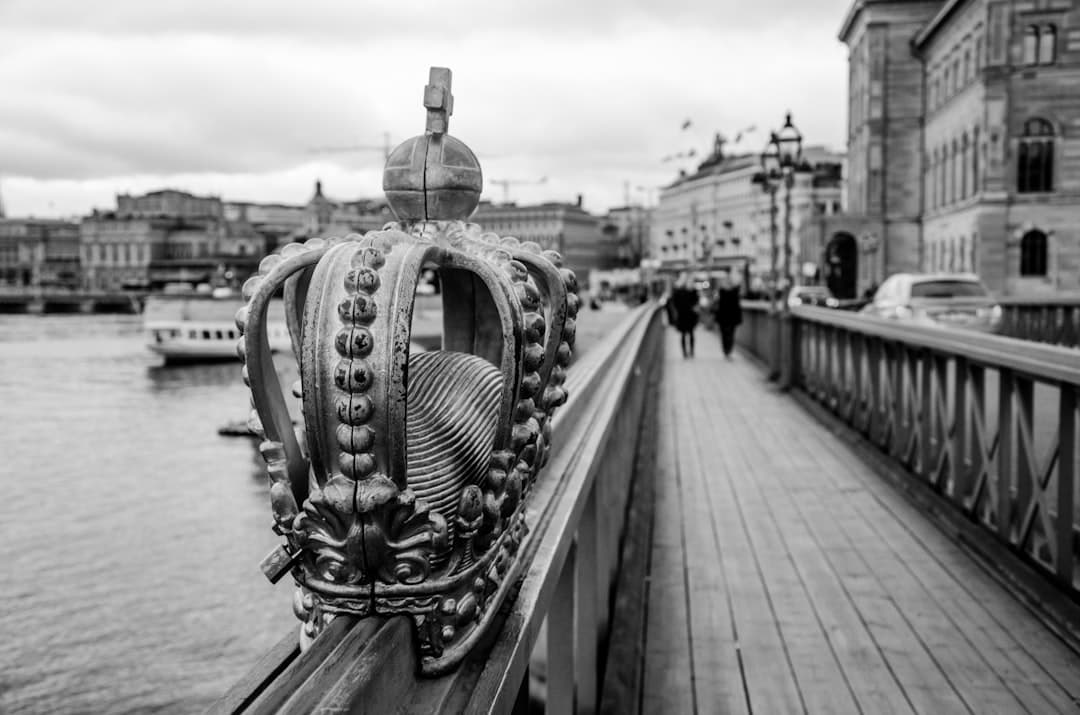
The Nobel Prize Museum sits at the heart of Stockholm's Old Town — Gamla Stan — in the 18th-century Stock Exchange Building on Stortorget, the city's oldest square. It's dedicated to the Nobel Prize: the world's most prestigious set of awards given annually in Physics, Chemistry, Medicine, Literature, Economics, and Peace. The museum opened in 2001 to mark the centenary of the prizes, and it does something genuinely difficult well — it makes science, literature, and diplomacy feel urgent and human rather than distant and academic. Inside, you move through rotating exhibitions that spotlight individual laureates and the ideas behind their work, alongside a permanent collection that covers the full sweep of Nobel history since 1901. Every single prize winner gets a chair in the famous 'chair installation' — small personal objects and mementos attached to the underside of café chairs throughout the building, which is a quietly brilliant way to make the scale of the prize feel tangible. The museum also screens short documentary films about laureates, and the gift shop is genuinely excellent for books and design objects. The café — Bistro Nobel — is worth a stop on its own. It serves the Nobel banquet menu items and is known for its ice cream, which has become something of a tradition among visitors. The museum is small enough to do properly in 90 minutes to two hours, and because it sits right on Stortorget, you're already positioned perfectly to explore the rest of Gamla Stan afterwards. Friday evenings, with extended hours until 9pm, are a quieter and atmospheric time to visit.
Notre-Dame Basilica of Montreal
Notre-Dame Basilica of Montreal is one of the most breathtaking religious buildings in North America — a massive Gothic Revival church completed in 1829 that sits at the edge of Place d'Armes square in Old Montreal. It was designed by Irish-American architect James O'Donnell, who was so moved by his own creation that he converted to Catholicism to be buried inside. The interior is the real revelation: a vast, deep-blue nave studded with gold stars, illuminated by stained glass windows that depict scenes from Montreal's religious history rather than biblical stories — a rare and deliberate choice that roots the church firmly in its city. Once inside, you move through a space that genuinely earns the word "awe-inspiring." The main altar, carved by Victor Bourgeau, is an intricate wooden masterpiece in polychrome and gold. The Casavant Frères pipe organ — one of the finest in North America — dominates the rear of the nave with nearly 7,000 pipes. Beyond the main hall, the smaller Chapelle du Sacré-Cœur (Sacred Heart Chapel) at the back was largely rebuilt after a 1978 arson fire and now features a striking bronze altarpiece by artist Charles Daudelin that splits opinion but commands attention. Céline Dion married René Angélil here in 1994, which gives you a sense of the basilica's cultural status in Quebec. The basilica charges a modest admission fee for daytime visits, which goes toward upkeep — well worth it. Evening brings AURA, an immersive light-and-sound show projected onto the interior that transforms the space entirely and runs most nights; tickets are separate and should be booked ahead. Sunday mornings see the basilica functioning as an active parish, so the noon opening reflects mass schedules — arrive for the show rather than the sightseeing on Sundays. The square outside is a great spot afterward to get your bearings in Old Montreal.
Notre-Dame Cathedral
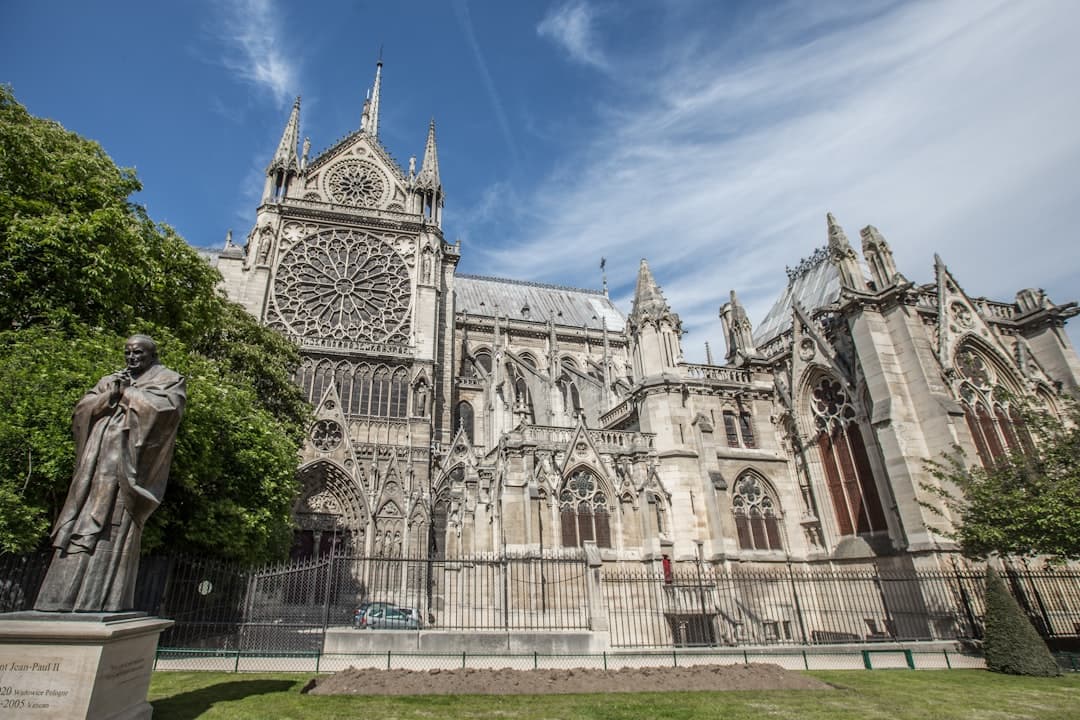
Notre-Dame de Paris is an 800-year-old Gothic cathedral sitting on the Île de la Cité, the small island in the Seine that is essentially the geographic and historic heart of Paris. Construction began in 1163 under Bishop Maurice de Sully, and the cathedral took nearly two centuries to complete — a timeline that produced one of the most sophisticated examples of medieval Gothic architecture anywhere in the world. It's the place where Napoleon crowned himself Emperor, where kings were mourned, where Quasimodo famously never actually lived (that was Victor Hugo's imagination), and where, in April 2019, the world watched its spire collapse in a devastating fire. After five years of painstaking restoration, the cathedral reopened in December 2024, and it has emerged looking more extraordinary than it has in generations. Visiting Notre-Dame today means experiencing something genuinely rare: a medieval building that looks almost impossibly fresh. The interior nave, the famous rose windows — particularly the north rose window, which dates to around 1250 and retains most of its original glass — the ribbed vaulting, the flying buttresses outside, all of it is worth serious time and attention. The square out front, the Parvis Notre-Dame, gives you the full façade view with its three grand portals covered in carved biblical scenes. Inside, the cathedral is still an active place of worship, which means there's a rhythm and seriousness to the space that a museum can't replicate. Because of the post-reopening demand, timed-entry reservations are strongly recommended and have been required during peak periods — check the official cathedral website before you go. Thursday evenings are a good option if you want fewer crowds and a slightly extended closing time. The island itself is worth lingering on: the Sainte-Chapelle, just a few minutes' walk away on the same island, has arguably even more dazzling stained glass and is often less crowded than Notre-Dame.
Notre-Dame Cathedral Basilica
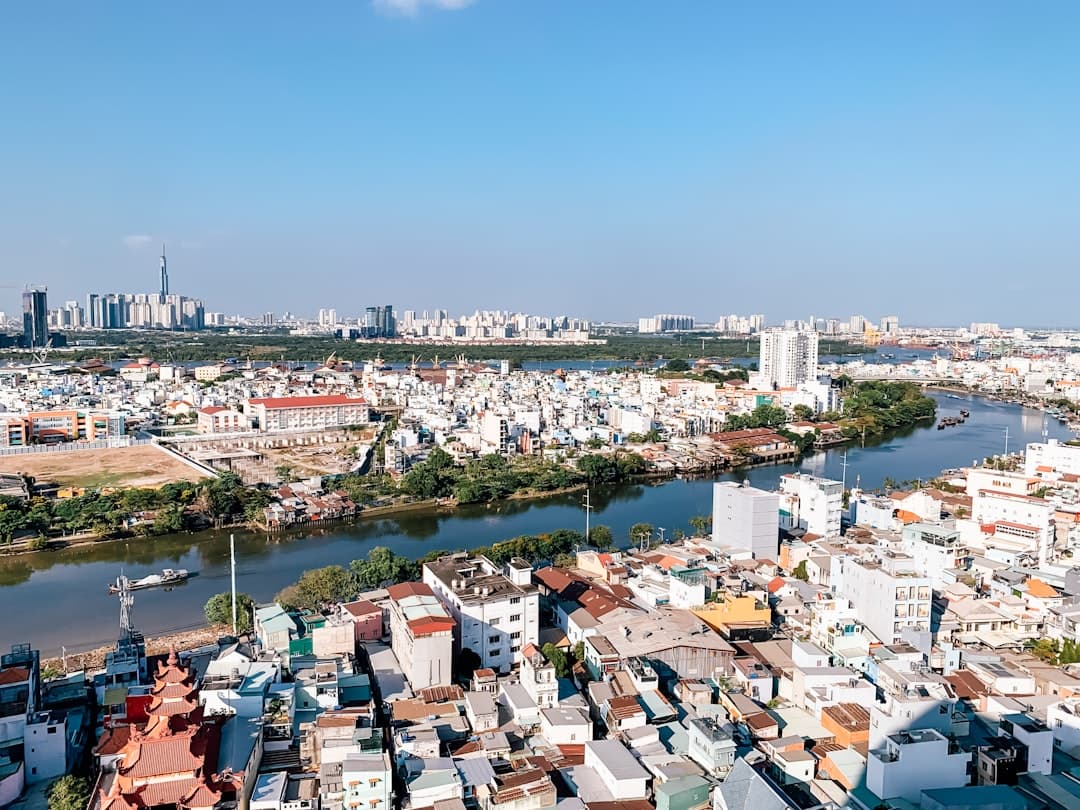
Notre-Dame Cathedral Basilica of Saigon is a striking Roman Catholic church built by French colonizers between 1863 and 1880, right at the geographic and symbolic center of what was then the colonial capital. Constructed entirely from materials shipped from France — including the red bricks from Marseille that give the facade its warm, terracotta glow — it remains one of the most recognizable landmarks in Ho Chi Minh City and a powerful reminder of Vietnam's complicated colonial history. The twin bell towers, each standing 58 meters tall, have anchored the city's skyline for over 140 years. The cathedral sits at the top of Đồng Khởi Street, facing the Central Post Office across a small square — two grand French colonial buildings in direct conversation with each other, which makes the immediate surroundings feel like a pocket of 19th-century Paris dropped into a tropical city. Inside, the nave is cool and quiet, with stained glass windows filtering the light and rows of dark wooden pews. A white marble statue of the Virgin Mary stands in the forecourt; in 2005, locals reported seeing the statue shed tears, which drew enormous crowds and became a significant local news event. The cathedral is still an active place of worship, not a museum, and Mass is held regularly. Note that the cathedral has been undergoing a major restoration project — scaffolding has covered much of the exterior in recent years, which affects the classic photogenic facade. Check the current status before visiting if the exterior view is a priority. The best time to visit is early morning on a weekday, when the square is quiet and the light hits the brick facade beautifully. The surrounding Paris Square (Công trường Công xã Paris) is a pleasant place to sit, and the area connects easily to the post office, Reunification Palace, and the Museum of Ho Chi Minh City.
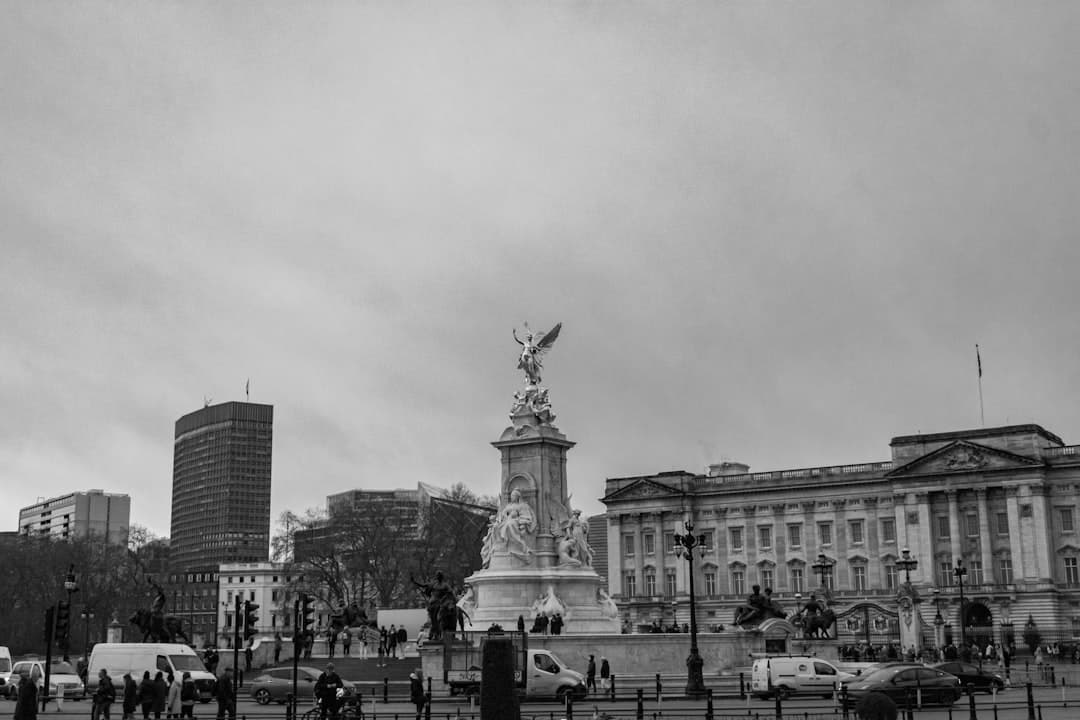
Notting Hill
Notting Hill is a residential neighbourhood in west London that has evolved from a working-class area into one of the city's most recognisable and desirable postcodes. It sits just north of Holland Park and west of Bayswater, centred on Portobello Road — a long street that transforms every Saturday into one of the world's great antiques and street food markets. The neighbourhood's colourful painted terraces, leafy garden squares, and independent boutiques give it a character that feels distinctly un-corporate for somewhere so famous, and its history is genuinely layered: this was the site of the 1958 race riots, the birthplace of the Notting Hill Carnival (Europe's largest street festival, held each August bank holiday), and has been home to waves of Caribbean, Portuguese, and now wealthier international communities. The core experience here is simply wandering. Start on Portobello Road on a Saturday morning when the antiques market is in full swing — dealers set up from around Chepstow Villas down to the Westway flyover, selling everything from Georgian silverware to vintage cameras. The food stalls cluster further south near Golborne Road, where you'll find excellent Moroccan pastries and Portuguese custard tarts from the bakeries that have anchored the neighbourhood for decades. The pastel houses around Lansdowne Crescent, Pembridge Road, and the famous blue door on Westbourne Park Road (made iconic by the 1999 film with Hugh Grant and Julia Roberts) are all within easy walking distance. The Electric Cinema on Portobello Road is one of London's oldest and most atmospheric movie theatres, with armchairs and footstools if you want to slow down. Saturday mornings are peak market time but also peak crowds — arrive before 10am to browse seriously. Weekday Notting Hill is quieter and arguably more enjoyable for the cafes and boutiques along Ledbury Road and Westbourne Grove. The neighbourhood is well served by Notting Hill Gate station (Central, Circle, and District lines) and Ladbroke Grove. Prices in the restaurants and bars lean upmarket, but the market itself, the street food, and the simple pleasure of walking around cost nothing.
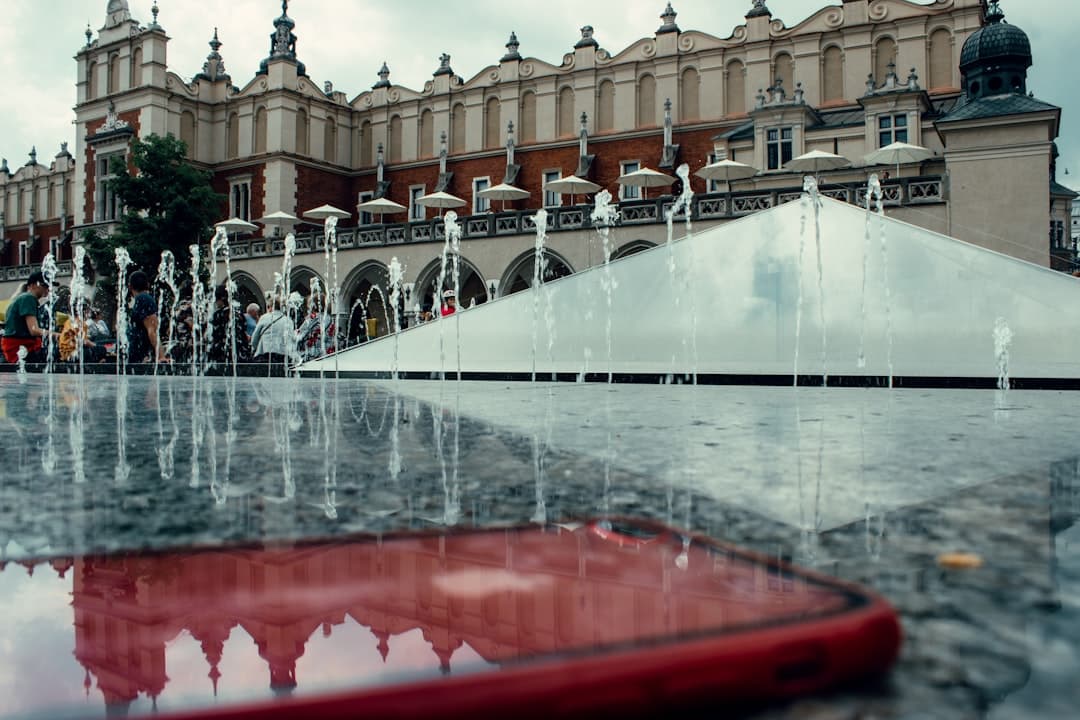
Nowa Huta
Nowa Huta is one of the most extraordinary pieces of 20th-century urban planning you'll find anywhere in Europe — a complete Socialist Realist city built from nothing by communist authorities beginning in 1949, just outside Krakow's medieval Old Town. The name means 'New Steelworks,' and the entire district was designed around the Lenin Steelworks (now ArcelorMittal) to house the industrial working class — and, many historians argue, to dilute Krakow's famously intellectual and Catholic culture with a loyal proletarian population. The result is a vast, meticulously planned neighborhood of wide boulevards, grand socialist architecture, and open plazas that feels like a time capsule of an ideology that no longer exists. Walking Nowa Huta today is a genuinely strange and compelling experience. The centerpiece is Plac Centralny (now officially renamed Ronald Reagan Central Square), a formal roundabout ringed by colonnaded apartment blocks built in the ornate 'wedding cake' style the Soviets favored. From there, broad avenues radiate outward past factories, parks, and housing estates. The Lord's Ark Church — a strikingly modern structure built after a fierce, decades-long battle between residents and communist authorities — stands as a monument to the resistance of ordinary people. You can also visit the Nowa Huta Museum, which has excellent exhibits on the district's history, and the Czyżyny Aviation Museum on the outskirts. The best way to see Nowa Huta is on a guided tour, and Krakow has several good operators running dedicated socialist-themed tours, some in vintage Trabant or Fiat 126p cars (the beloved 'Maluch'), which adds a wonderfully absurd layer to the experience. The tram ride from the Old Town is itself part of the appeal — Line 4 takes you directly there, and watching the medieval spires give way to brutalist blocks is a kind of compressed history of Poland in a single journey. Come with some time to wander and eat — there are canteens and local milk bars (bar mleczny) in the area serving cheap, hearty Polish food.
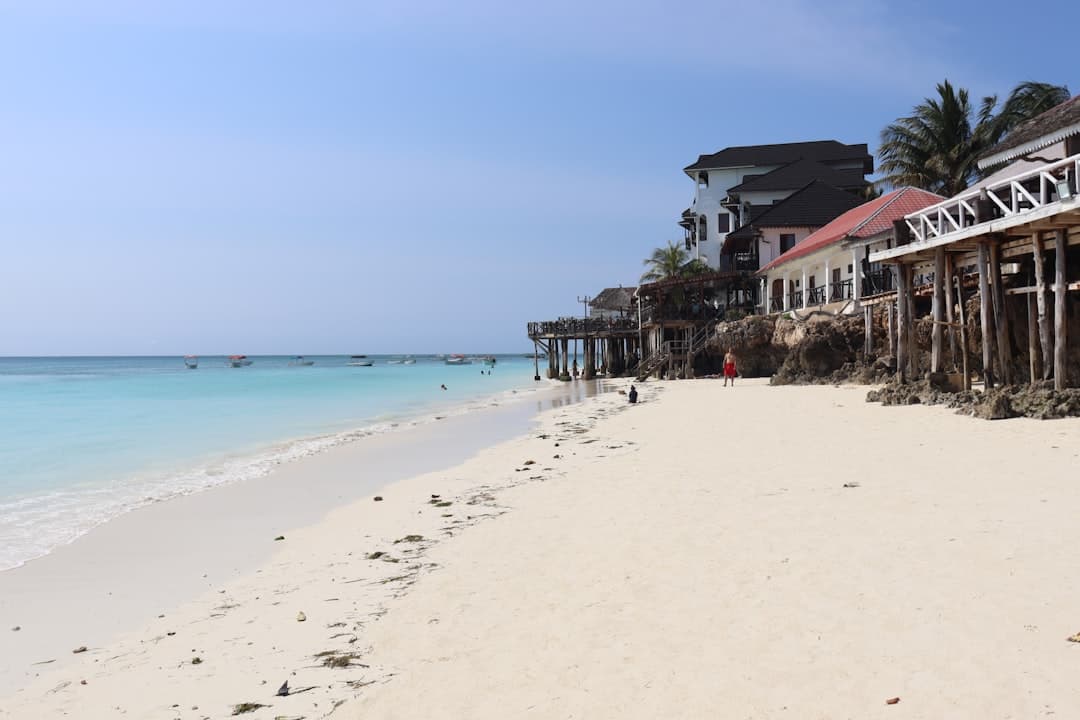
Nungwi Beach
Nungwi sits at the northern tip of Zanzibar island, and it has long been the beach that travelers who've done their research end up choosing. Unlike the southeast coast beaches that drain to mudflats at low tide, Nungwi benefits from deeper waters and a sheltered position that keeps the sea swimmable at almost any hour of the day. The village itself has been a working dhow-building center for generations — you can still watch craftsmen shaping wooden hulls by hand on the beach, a tradition that predates tourism here by centuries. In practical terms, spending time at Nungwi means a lot of time in and on the water. The snorkeling just offshore is genuinely good, and the local operators running dive trips to the nearby reefs — including Mnemba Atoll to the southeast — are well-established and competitively priced. The natural tidal pool on the western side of the village shelters a small sea turtle sanctuary, which is rudimentary but charming. Come late afternoon, the beach transforms as vendors, musicians, and fire performers set up, and the sundowner bar scene at spots like Langi Langi Beach Bungalows and Nungwi Inn kicks into gear with cold Kilimanjaro beers and front-row views of dhows silhouetted against the Indian Ocean sky. Nungwi is not a secret and hasn't been for a while — the strip has hotels stacked along it and can feel touristy in the middle of the day. The insider move is to walk five or ten minutes west toward Kendwa to find quieter stretches of sand, or to time your visit for early morning before the beach fills up. If you're staying elsewhere on the island, Nungwi makes an excellent full-day excursion, and the drive north through clove and banana plantations is half the pleasure.
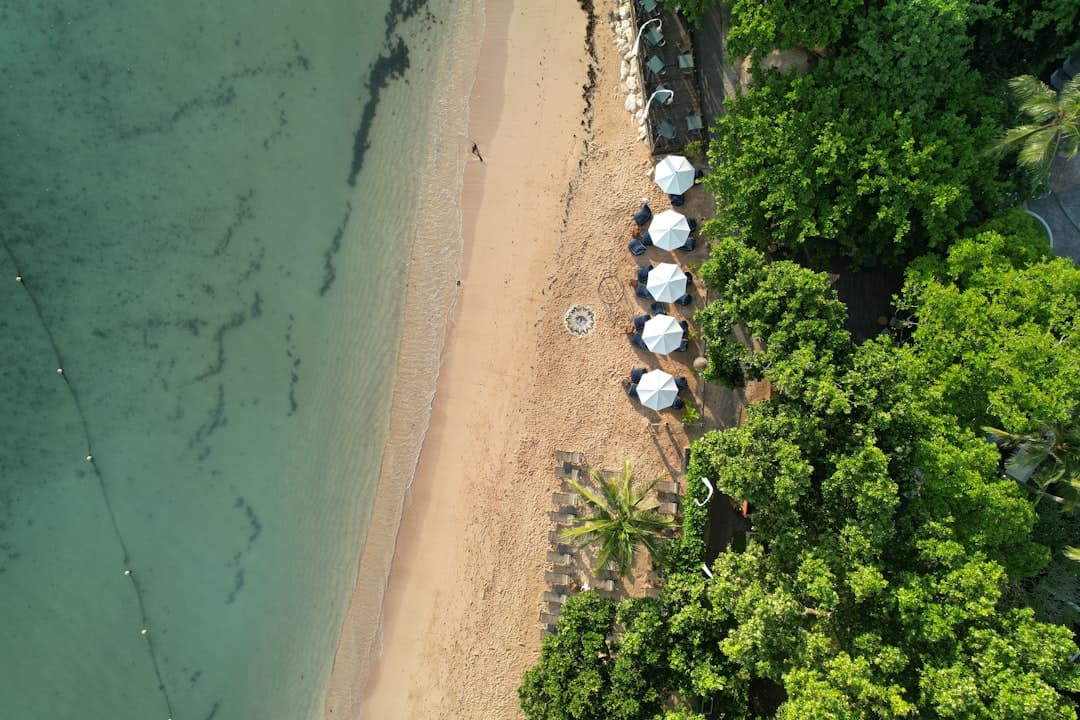
Nusa Dua Beach
Nusa Dua Beach is a carefully managed, resort-lined stretch of white sand on Bali's southern Bukit Peninsula, about 40 minutes from Ubud and 30 minutes from Kuta. Unlike the surf-heavy beaches to the west, Nusa Dua was purpose-built in the 1970s as a tourism enclave — the Indonesian government essentially created a luxury resort zone here, and the result is a beach that feels more curated than anywhere else on the island. The water is calm, clear, and shallow on most days, protected by an offshore reef that keeps the waves gentle and the conditions ideal for families and swimmers who want the sea without the drama. In practice, a day at Nusa Dua means spreading out on powder-soft sand in front of one of the big resort hotels — places like the Grand Hyatt Nusa Dua, the Mulia, or the St. Regis. Non-guests can access the public beach areas, particularly at Pantai Mengiat and the stretch near the ITDC resort complex. The water sports scene is well-developed: jet skiing, parasailing, banana boat rides, and glass-bottom boat tours are all available through vendors stationed along the beach. The reef also makes snorkeling reasonable in spots, and the flat conditions suit paddleboarding well. The promenade running behind the beach connects several resort properties and is a pleasant walk in the early morning. Nusa Dua rewards visitors who want comfort over character — this isn't the place for a local warung lunch or a spontaneous adventure. The trade-off is real: prices are higher, the atmosphere is polished to a sheen, and you're somewhat insulated from the grittier, more authentic Bali experience. That said, the nearby Bali Collection shopping and dining complex gives you a range of restaurants without leaving the precinct, and the area is genuinely one of the easiest, most stress-free beach experiences on the island. Go early in the morning to claim a good spot before the resort loungers fill up.
Nusa Penida
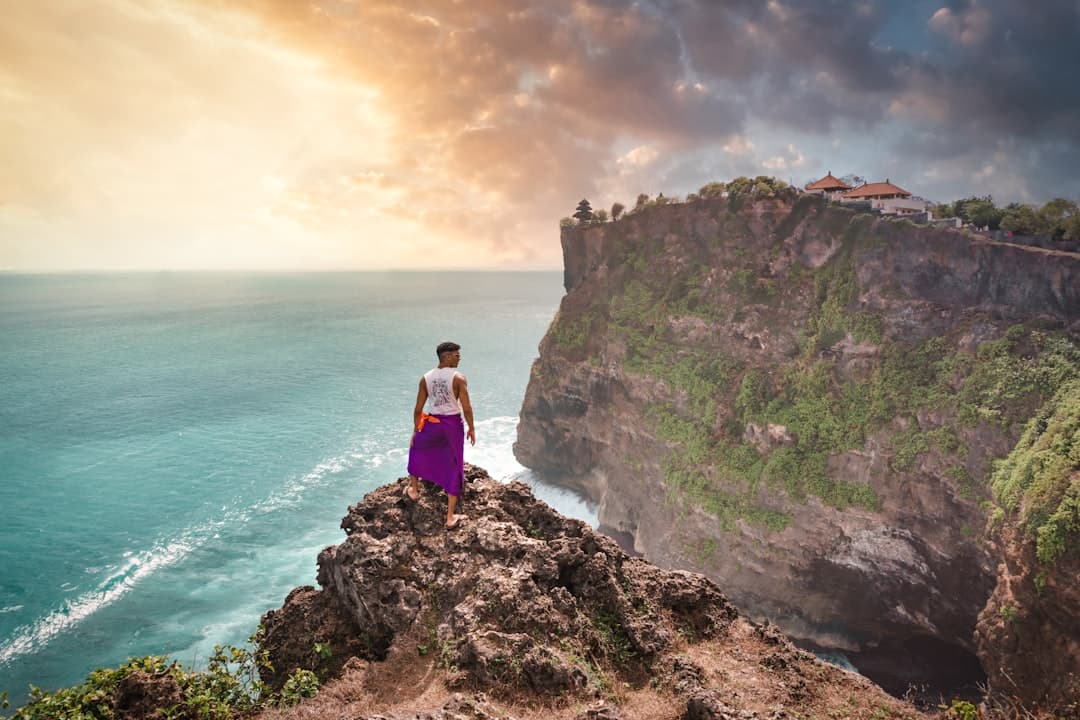
Nusa Penida is a rugged limestone island about 45 minutes by fast boat from Sanur in Bali. For years it was considered Bali's rough-edged little sibling — underdeveloped, hard to reach, and mostly skipped by tourists. That changed sharply around 2016 when photos of Kelingking Beach, with its T-Rex-shaped cliff plunging toward an improbable turquoise cove, went viral worldwide. The island is now one of the most Instagrammed spots in all of Southeast Asia, but the landscape that made it famous is genuinely, breathtakingly real. The main draws are a handful of dramatic coastal viewpoints and beaches. Kelingking Beach is the icon — you hike down a steep, sometimes treacherous path to reach the crescent of white sand below the cliff, and the payoff is enormous. Angel's Billabong is a natural rock pool carved by the ocean at the island's southwest tip, and nearby Broken Beach (Pasih Uug) is a collapsed sea cave that formed a perfect circular bay open to the surf. On the eastern side, Crystal Bay is the go-to for snorkeling and, between July and October, manta ray encounters at Manta Point are common. The interior is hilly, terraced, and largely agricultural — a sharp contrast to tourist Bali. Nusa Penida is best treated as a full-day trip or a two-night stay if you want to see more than the west-coast highlights. Roads have improved but are still steep, narrow, and potholed in places — renting a scooter is common, but hiring a driver for the day is far more practical and not expensive. Most visitors come on day trips from Bali, which means the iconic spots are busy by mid-morning. Staying overnight lets you hit Kelingking at dawn before the crowds arrive, which is a completely different experience.
Nyhavn
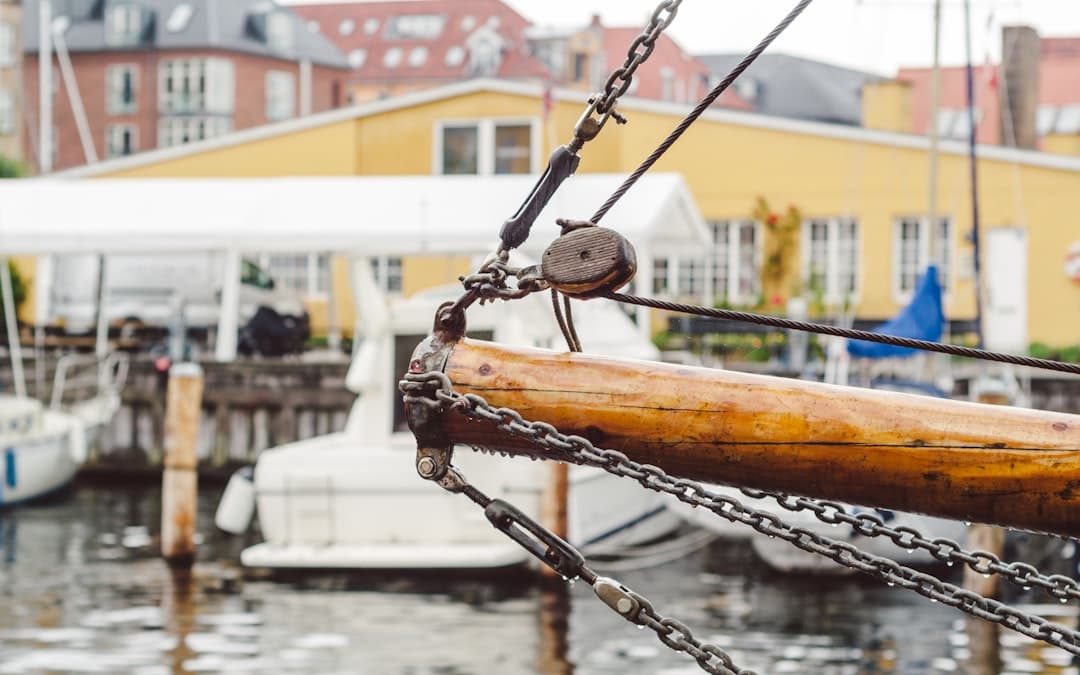
Nyhavn — which simply means 'New Harbour' — is a 17th-century waterfront canal in the heart of Copenhagen, stretching from Kongens Nytorv down to the harbour. Built in 1671 under King Christian V to connect the sea to the city centre, it was originally a working port where sailors, traders, and merchants crowded the quays. Today it's one of the most recognisable streetscapes in Scandinavia: a tight row of tall, narrow townhouses painted in vivid reds, yellows, and blues, their reflections shimmering in the dark canal water below. Hans Christian Andersen lived at three different addresses here — numbers 18, 20, and 67 — which adds a pleasingly storybook quality to a street that already looks like it was designed for fairy tales. The experience of Nyhavn is mostly about being outside and soaking it in. In summer, the wooden canal boats moored along the quay are converted into floating bars and restaurants, and half of Copenhagen seems to be sitting on the sunny north-facing side of the canal with a cold Carlsberg or a glass of white wine, legs dangling over the edge. You can also board one of the canal tour boats that depart from here — a 60-minute loop that takes you past the Little Mermaid statue, the Opera House, and under a string of low bridges — which is genuinely one of the best ways to see the city. The south side of the canal is lined with restaurants, most of them aimed squarely at tourists but atmospheric all the same. Nyhavn is at its absolute best on a clear summer afternoon, when the light hits the coloured facades just right and everyone is out. Come early morning to photograph it without crowds, and be aware that the tourist-facing restaurants along the south quay charge a premium — walk one or two streets back into Indre By and you'll find far better food for far less money. It's entirely walkable from the main shopping street Strøget and from the Royal Danish Theatre on Kongens Nytorv, making it an easy and essential stop on any Copenhagen itinerary.
Oaxaca Textile Museum
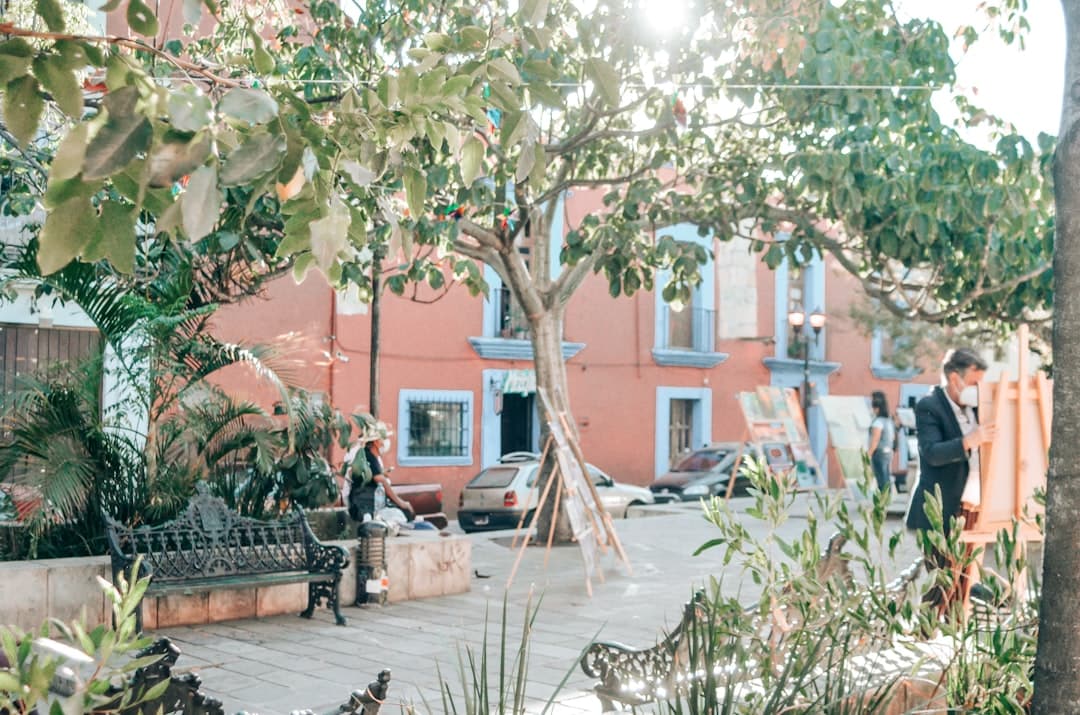
The Museo Textil de Oaxaca occupies a beautifully restored colonial building in the heart of the city's historic center and dedicates itself entirely to the textile traditions of Oaxaca and beyond. This is no dusty collection of artifacts — it's an active cultural institution that treats weaving as a living art form, showcasing everything from pre-Hispanic backstrap loom techniques to contemporary works by Indigenous artists who are still practicing and evolving these crafts today. For a region where textiles are inseparable from identity, community, and cosmology, this museum is one of the most thoughtful ways to actually understand what you're seeing in the markets and villages around you. Inside, you'll move through rotating and permanent exhibitions that display intricate huipiles, hand-woven rugs from Teotitlán del Valle, and pieces that use natural dyes — cochineal reds, indigo blues, marigold yellows — that have been produced in Oaxaca for centuries. The museum doesn't just hang things on walls; it contextualizes them, explaining the communities they come from, the techniques involved, and the social role textiles play in Zapotec and Mixtec life. Many exhibitions feature contemporary Indigenous artists working in conversation with their ancestral traditions, so the experience feels alive rather than elegiac. Entrance is free, which makes it one of the best value stops in a city full of excellent museums. The building itself — a former convent with high ceilings, stone archways, and a tranquil courtyard — is worth seeing on its own terms. Come here before you head to the markets at Tlacolula or before you visit a weaving village; the context it provides will transform how you shop and what you see. The gift shop stocks textiles from cooperatives and artisans directly, so anything you buy here is the real thing.
Oceanário de Lisboa
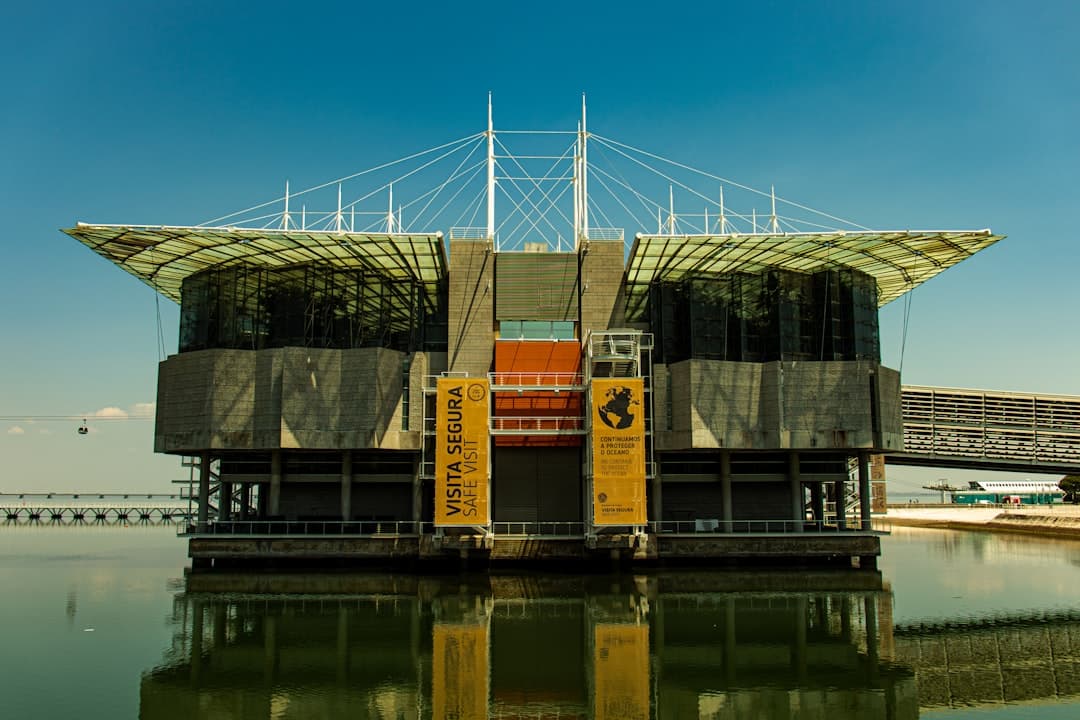
The Oceanário de Lisboa opened in 1998 as the centrepiece of Portugal's World Exposition, themed around the oceans. Designed by American architect Peter Chermayeff, the building appears to float on the Tagus estuary in the Parque das Nações district — a deliberate architectural nod to the sea itself. It has since earned a reputation as one of the best aquariums in Europe, not just for the scale of its exhibits but for the genuine quality of its conservation mission and presentation. The heart of the experience is the enormous central ocean tank — holding around four million litres of seawater — which you can observe from multiple levels, watching ocean sunfish, sharks, rays, and schools of smaller fish move through it in an almost hypnotic loop. Surrounding it are four distinct habitat zones representing the Atlantic, Pacific, Indian, and Antarctic oceans, each with its own above and below-water viewing areas. You'll encounter sea otters, puffins, penguins, sea dragons, and a remarkable diversity of reef life. Temporary exhibitions run alongside the permanent collection and are usually thoughtfully curated. The Oceanário sits inside Parque das Nações, Lisbon's modern waterfront neighbourhood, so it pairs naturally with a longer day out — riverside walking paths, good restaurants, and the Telecabine cable car are all nearby. Buy tickets online in advance, especially in summer or during school holidays, as queues at the door can be significant. Morning visits tend to be calmer, and the light through the main tank is particularly beautiful earlier in the day.
Odaiba
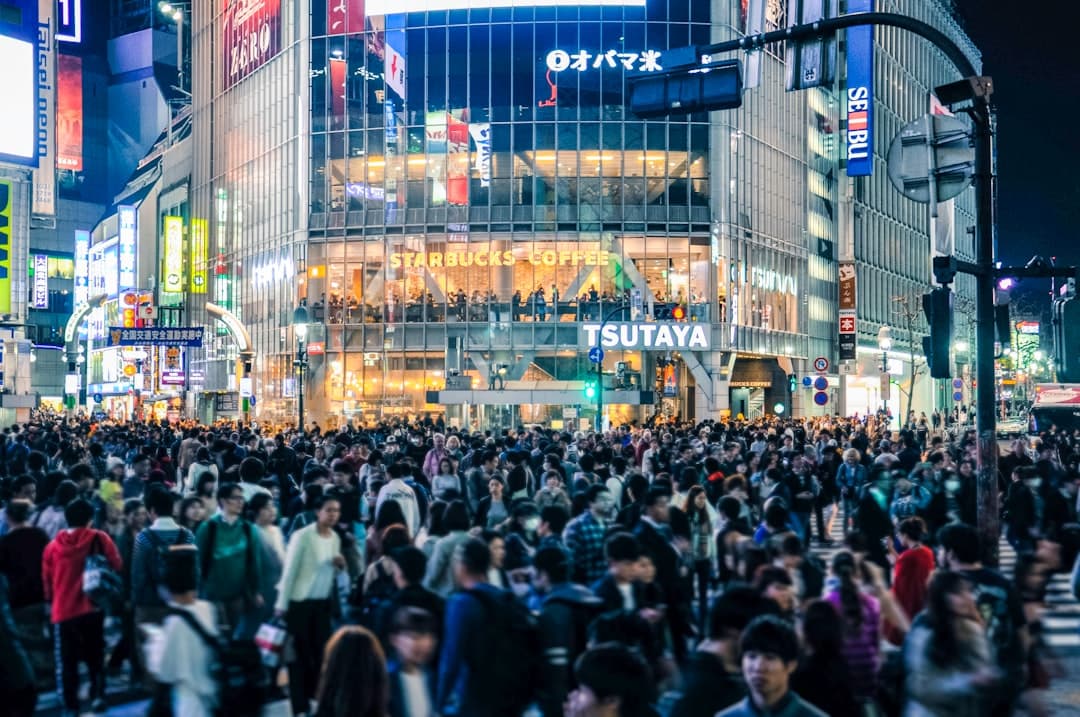
Odaiba is a large artificial island in Tokyo Bay, originally built in the 1850s as a defensive fortification and reimagined in the 1990s as a futuristic urban development project. Today it's one of Tokyo's most distinctive leisure districts — a sprawling mix of shopping malls, museums, theme parks, hotels, and waterfront plazas connected to the mainland by the iconic Rainbow Bridge. It has a character unlike anywhere else in the city: open, breezy, and deliberately spectacular in a way that feels more like a theme park than a traditional Tokyo neighborhood. The island packs in an enormous range of things to do. The teamLab Borderless digital art museum (now relocated to Azabudai Hills but with deep roots here) was born in Odaiba, and the Miraikan — Japan's National Museum of Emerging Science and Innovation — is one of the best science museums in the country. There's a full-scale 18-meter Gundam statue that changes periodically and draws serious crowds of anime fans. The DiverCity Tokyo Plaza and Aqua City malls handle shopping, while Palette Town (now largely redeveloped) once housed the enormous Ferris wheel that defined the skyline. The view of Rainbow Bridge and the city from the waterfront promenade is genuinely stunning, especially at night when the bridge lights up. Odaiba is easiest to reach via the driverless Yurikamome monorail from Shimbashi, or the Rinkai Line from Osaki — both routes are part of the standard IC card system. The island is large enough that you'll want to plan which attractions you're prioritizing, since walking between everything takes longer than it looks on a map. Weekends get very busy with Japanese families; if you're visiting teamLab or the Miraikan, booking tickets in advance is strongly recommended. The waterfront at sunset is one of those Tokyo moments that actually lives up to the hype.
Oia
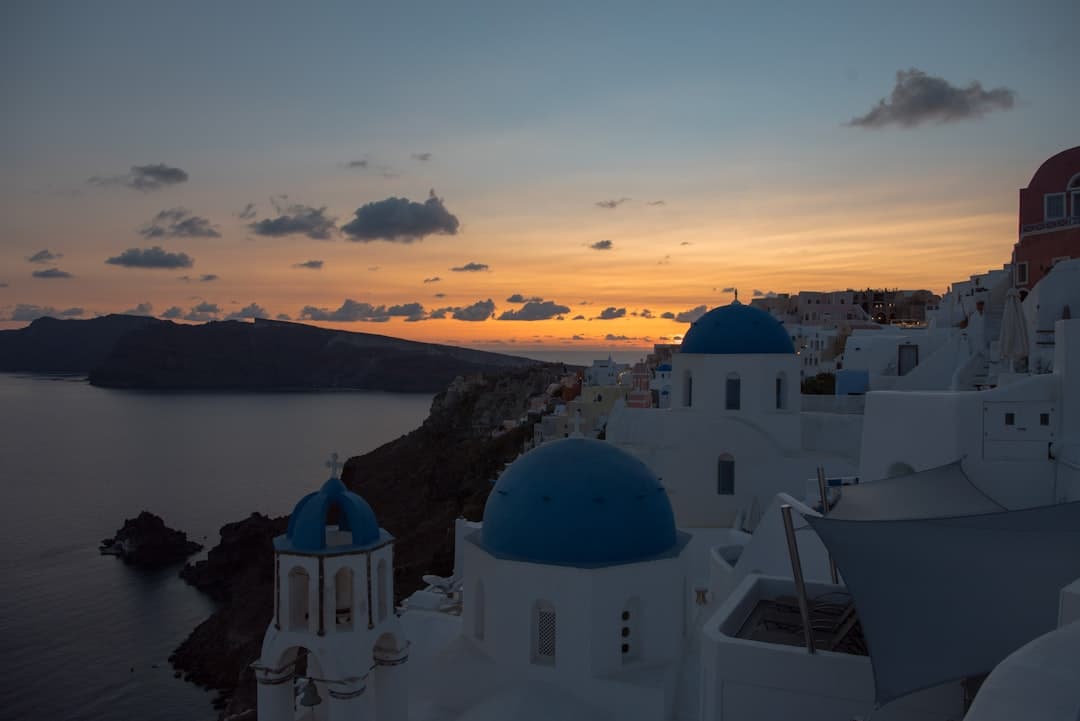
Oia is a small hilltop village perched on the northern tip of Santorini, carved into the rim of one of the world's most dramatic volcanic calderas. It's one of the most photographed places on earth for good reason: the combination of white-cube architecture, blue-domed churches, cave houses cut into the cliffside, and vertiginous drops to the deep blue sea below produces a landscape that looks almost too beautiful to be real. What started as a prosperous seafaring settlement — Oia was historically home to Santorini's sea captains, whose elegant mansions still line the main path — was largely destroyed by the 1956 earthquake and rebuilt in the iconic style visitors know today. Walking through Oia means navigating a maze of narrow cobblestone paths lined with bougainvillea, boutique hotels carved into the cliffs, galleries, jewelry shops, and small tavernas with terraces that hang over the caldera edge. The famous Byzantine Kastro ruins at the western tip frame the sky dramatically, and the windmills that punctuate the ridge are a constant visual anchor. Most visitors come for one of two things: wandering the alleys in the quieter morning hours, or staking out a spot for the sunset — widely considered among the best in the world — which draws crowds every evening to the Kastro and the main viewing areas. The honest insider reality: Oia's main drag gets genuinely overwhelming between roughly 4pm and 9pm in summer, especially July and August. Go early — the village at 8am, with mist still lifting off the caldera and almost no one else around, is a completely different and far more rewarding experience. The path from Fira to Oia along the caldera rim (about 10km on foot) is one of the best ways to arrive, giving you both the landscape and a sense of arrival you can't get from a bus. Stay for dinner rather than rushing back — the crowds thin noticeably after sunset.
Old City Moat
The Old City Moat is the watery boundary that encircles Chiang Mai's historic walled city, a square-shaped channel built in the 13th century when King Mengrai founded the city in 1296. The moat stretches roughly 1.5 kilometers on each side, and together with the partially surviving brick walls and corner bastions, it marks out the original footprint of one of Southeast Asia's most significant ancient capitals. This isn't just decorative — it was a genuine defensive and spiritual boundary, and locals still treat it as the symbolic center of the city. Walking or cycling the perimeter of the moat is one of the great low-key pleasures of Chiang Mai. The water is thick with lotus plants, and at the corners you'll find restored brick bastions where the old city gates once stood — Tha Phae Gate on the eastern side is the most famous, a living postcard flanked by tuk-tuks and flower garland vendors. In the evenings the moat road fills with joggers, food cart vendors, and locals feeding the fish. At night the walls and water are lit up softly, and the whole circuit takes on a genuinely romantic quality. You don't need to book anything or pay a fee — the moat and its surrounding walkways are completely public. The best strategy is to base yourself inside the old city and treat the moat as your daily frame of reference. Rent a bicycle from one of the many guesthouses within the walls and do a full loop early in the morning before the heat arrives. Sunday Walking Street along Wualai Road starts near the southwestern corner, and the Saturday Walking Street runs down Wualai as well — both are within easy reach of the moat.

Old Harbour
Reykjavik's Old Harbour — Gamli Höfnin — is the city's original port, a compact stretch of colourful fishing vessels, weathered warehouses, and salt-air atmosphere sitting just a short walk from the city centre. It predates the sleek tourist infrastructure that now surrounds it, and that tension between gritty working harbour and polished visitor destination gives the area its character. Fishing boats still come and go, and the smell of the sea is real, not curated. In practical terms, the harbour is the departure point for some of Reykjavik's most popular excursions — whale watching trips, puffin tours (in summer), and sea angling boats all leave from here. Along the quayside, a cluster of converted warehouse buildings house excellent seafood restaurants including the celebrated Sægreifinn (The Sea Baron), known for its lobster soup and fish skewers grilled over charcoal, as well as the Reykjavik Street Food stall that locals actually queue at. The Maritime Museum and the Whales of Iceland exhibition — one of the largest whale exhibitions in the world — are both within easy walking distance. You can wander the docks freely, watch boats being worked on, and get a sense of what this city was built on. The harbour is best visited in the late morning or around golden hour, when the light off the water is extraordinary and the activity on the docks is at its peak. In summer, puffins nest on nearby islands and the whale watching trips are excellent — humpbacks and minkes are regularly spotted. In winter, the dramatic sky and quieter docks have their own appeal, and the hot lobster soup at Sægreifinn hits differently when it's four degrees outside. The listed opening hours likely reflect one of the venues within the harbour area rather than the harbour itself, which is a public outdoor space accessible at all times.
Old Havana
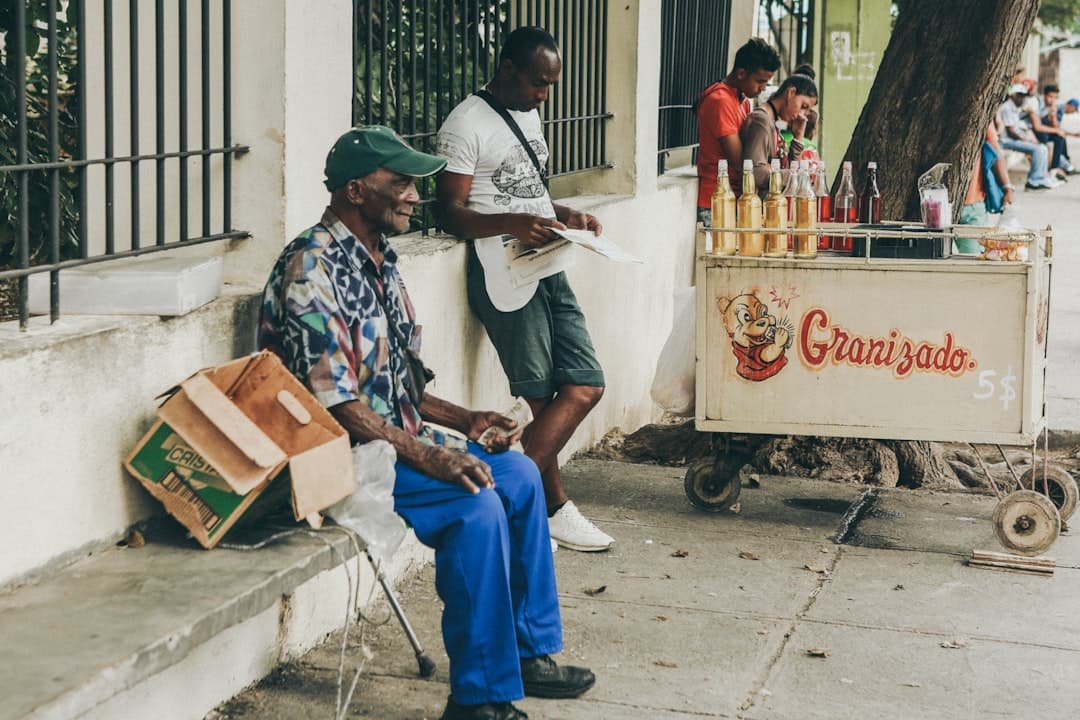
Old Havana — Habana Vieja in Spanish — is the historic heart of Cuba's capital, a roughly one-square-mile district that was founded by Spanish colonizers in 1519 and has been continuously inhabited ever since. It's one of the best-preserved colonial cities in the Western Hemisphere, which is why UNESCO designated it a World Heritage Site in 1982. The streets are a mix of four architectural eras — baroque, neoclassical, art nouveau, and art deco — often crammed together on the same block, with ochre and turquoise facades peeling in the Caribbean heat and laundry strung between wrought-iron balconies. It is simultaneously a living neighborhood where around 70,000 Cubans actually live their daily lives, and a place of serious historical weight. The experience is best understood as a long, unhurried walk. The four main plazas — Plaza de Armas, Plaza Vieja, Plaza de la Catedral, and Plaza de San Francisco de Asís — each have their own personality and anchor different corners of the district. Plaza de Armas is the oldest, ringed by the Palacio de los Capitanes Generales and stalls selling second-hand books and old Cuban magazines. Plaza de la Catedral has the 18th-century baroque cathedral and the best people-watching terraces. Between them, the pedestrianized Calle Obispo buzzes with musicians, peso-pizza vendors, and tourists. The Malecón seawall is a short walk north and is arguably the most romantically atmospheric stretch of public space in the Caribbean. Museums — including the Museo de la Revolución in the former Presidential Palace and the Museo Nacional de Bellas Artes — are interspersed throughout, and the Fábrica de Arte Cubano is worth an evening detour even though it sits just outside the historic core. The practical reality is that Old Havana runs on two parallel economies: one for Cubans in pesos, one for visitors in MLC (the hard-currency card system that replaced CUC in 2021). Cash is essential — ATMs are unreliable and card acceptance is limited. The best time to walk is morning, before the heat and tour groups arrive, when the light on the plazas is extraordinary and the streets still belong to locals heading to work. Paladares — privately run restaurants — are consistently better than state-run options; look for La Guarida (technically in Centro Habana but worth the walk) or El del Frente on Plaza Vieja for a reliable, locally beloved meal. Hustlers are present but rarely aggressive; a polite but firm 'no gracias' handles most situations.
Old Jaffa
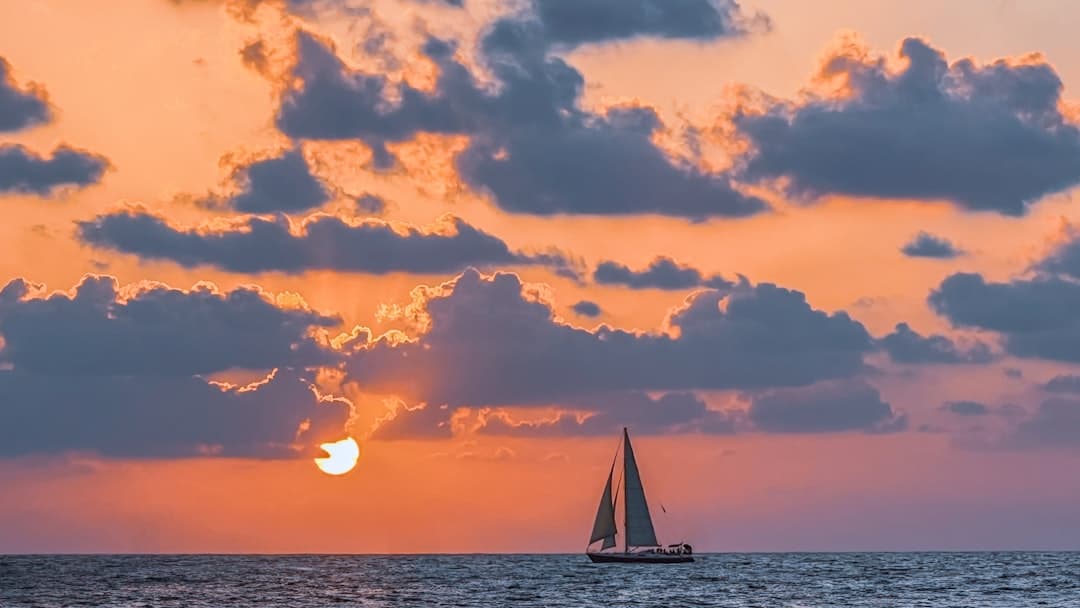
Old Jaffa — known in Hebrew as Yafo — is one of the oldest continuously inhabited port cities on earth, and it sits right on the southern edge of Tel Aviv like a living museum that never closed. While modern Tel Aviv was founded only in 1909, Jaffa was already ancient by then, having hosted Egyptians, Phoenicians, Romans, Crusaders, Ottomans, and everyone in between. The two cities were officially merged in 1950, creating the hyphenated Tel Aviv-Yafo, but Old Jaffa still feels like a separate world — a dense warren of honey-colored stone buildings, Ottoman archways, and sea-facing alleyways that smell of salt and coffee. The heart of the old city is best explored on foot. Wander through the artists' quarter around Kikar Kedumim, the central square, where galleries and ateliers occupy former Ottoman buildings. The Jaffa Flea Market (Shuk HaPishpeshim) spills across Olei Zion Street with antiques, vintage clothing, and the occasional genuine treasure. Andromeda's Rock sits just offshore in the Mediterranean — according to Greek mythology, the princess was chained there awaiting the sea monster before Perseus saved her — and it's one of those details that makes you realize how old and myth-soaked this coastline really is. The Old Jaffa Port itself, with its bobbing fishing boats and sea-wall promenade, is one of the best spots in the city for a sunset. Jaffa is genuinely mixed — Jewish, Arab, and Christian communities have shared it for generations, and that plurality shows up most vividly in its food. Abu Hassan on Dolphin Street is arguably the most famous hummus spot in all of Israel, and the line out the door most mornings proves it. If you're coming from the Tel Aviv beachfront, Old Jaffa is an easy 20-minute walk south along the promenade. Come in the morning for the market and hummus, stay for the galleries and the sunset, and give yourself at least half a day.
Old Medina
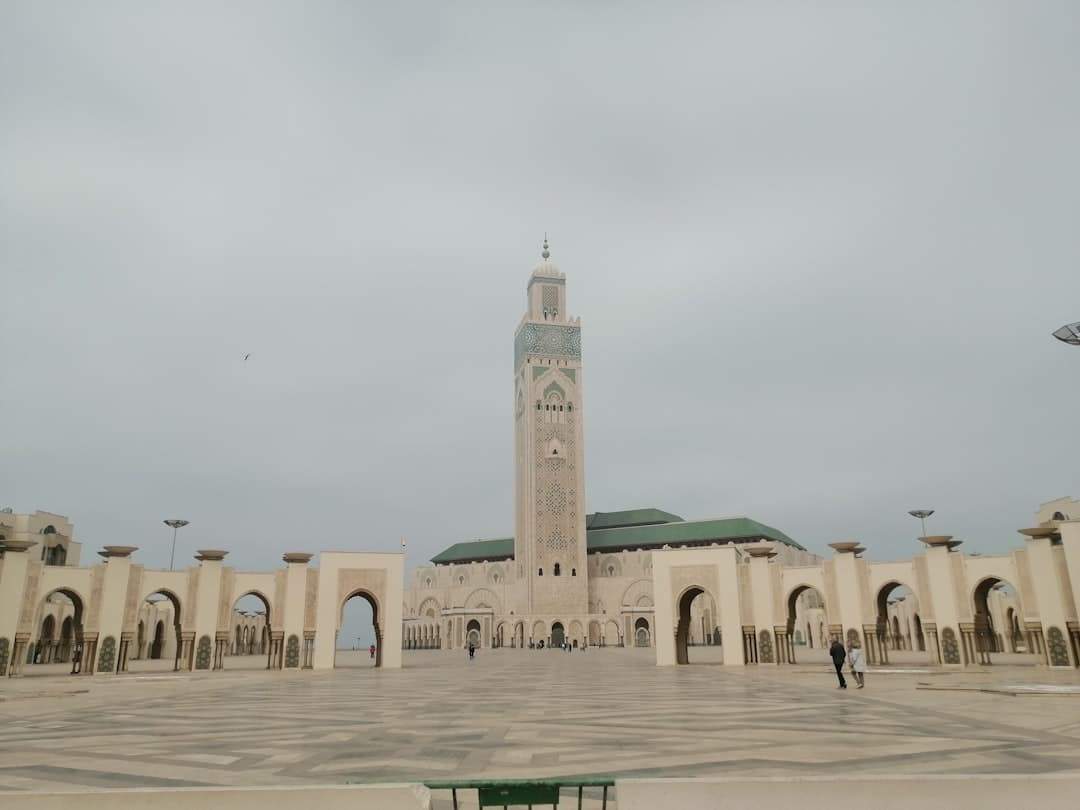
The Old Medina is the historic heart of Casablanca — a dense, walled neighborhood dating back to the 18th century that predates the French colonial city built around it. While Casablanca is often dismissed as Morocco's business capital with little to offer tourists, the Old Medina is the counterargument: a labyrinthine quarter of narrow covered alleyways, crumbling whitewashed walls, and centuries of lived urban life compressed into just a few city blocks. It sits right on the Atlantic waterfront, near the port, and its compact scale makes it feel like a secret hiding in plain sight. Walking through the medina means following a loose, organic grid of souks organized loosely by trade — you'll find fabric vendors, spice stalls, hole-in-the-wall food counters, and craftsmen working leather and brass. The street food here is the draw for many visitors: bowls of harira soup, fresh-fried sfenj donuts dusted with sugar, and brochettes grilled over charcoal on the spot. The pace is unhurried compared to Marrakech's famous souks, and the vendors are notably less aggressive — this is a neighborhood built for locals, not tourists, and that changes everything about the atmosphere. The medina is compact enough to explore without a guide, though getting pleasantly lost is half the point. Enter from Boulevard des Almohades near the waterfront for the most atmospheric approach. Mornings are calm and photogenic; late afternoons buzz with locals doing their daily shopping. The medina runs right into Place Oued Makhazine and connects easily to a walk along the Corniche or to the nearby Hassan II Mosque — so it fits naturally into a broader day in the city.
Old Montreal
Old Montreal — Vieux-Montréal in French — is the original heart of the city, a roughly 90-block historic district that sits along the St. Lawrence River waterfront. Founded in 1642 as Ville-Marie, it's where Montreal began, and the bones of that origin are still visible: 17th- and 18th-century stone buildings line the streets, the old port stretches along the water, and the neighbourhood hums with a lived-in energy that feels nothing like a theme-park recreation of the past. It's genuinely old, genuinely beautiful, and genuinely busy. On any given visit you'll wander through Place Jacques-Cartier — the main square that fills with buskers, café terrasses, and tourists from spring through fall — and eventually find yourself in front of the stunning Notre-Dame Basilica, whose neo-Gothic interior is one of the most jaw-dropping spaces in North America. The Pointe-à-Callière archaeology museum sits on the actual founding site of the city and lets you walk through excavated layers of history beneath the streets. The Old Port (Vieux-Port) runs along the riverfront and hosts everything from cycling paths and paddleboats to winter ice skating and the summer Formula E race. Rue Saint-Paul, the oldest street in Montreal, is lined with galleries, restaurants, and boutiques worth getting lost in. The neighbourhood is compact enough to cover largely on foot, but dense enough to reward slowing down. Weekend mornings before noon are the sweet spot — the tour groups haven't arrived in force and the light on the limestone buildings is extraordinary. Avoid driving in if you can; the streets are narrow, parking is expensive, and the Métro's Champ-de-Mars or Square-Victoria–OACI stations drop you right at the edges of the district.
Old Phuket Town
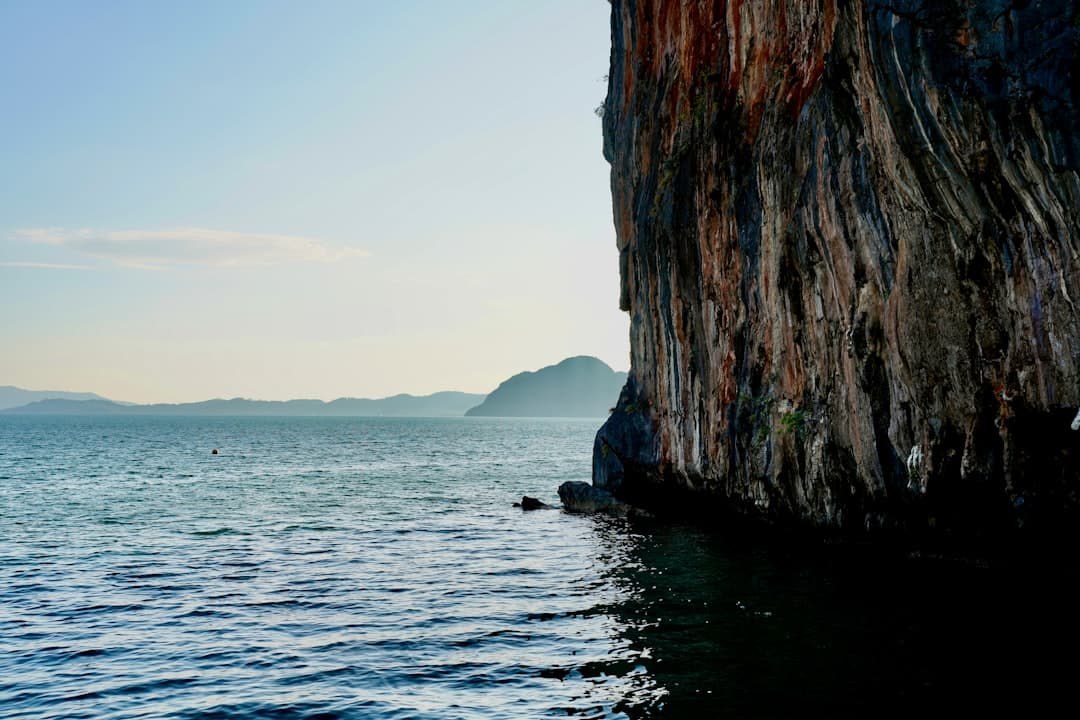
Old Phuket Town is the historic heart of Phuket City, a neighborhood that grew wealthy in the 19th century on the back of the tin mining trade. Chinese immigrant merchants — many from the Hokkien-speaking regions of southern China — settled here and built elaborate shophouses blending European colonial architecture with Chinese decorative traditions. The result is a streetscape unlike anything else in Thailand: rows of pastel-painted, colonnaded buildings with ornate facades, family shrines tucked into doorways, and clan houses that have stood for over a hundred years. It was added to the Tentative List for UNESCO World Heritage consideration, and it genuinely deserves the attention. In practice, visiting means wandering streets like Thalang, Dibuk, and Phang Nga on foot, pausing to photograph peeling indigo and mustard facades, ducking into the Jui Tui Shrine or the Boon Kaw Kong Shrine, and browsing the independent boutiques and galleries that have moved into renovated shophouses. The street food scene is exceptional — look for o-tao (oyster omelette), mee hokkien (thick noodles), and the local specialty dim sum at spots like Kopitiam by Wilai or Ming Porcelain. The Sunday Walking Street market on Thalang Road shuts the street to traffic and fills it with food stalls, local crafts, and live music. The whole neighborhood rewards slow, directionless walking. The best time to visit is early morning, when the light is golden, the heat is manageable, and the streets belong to locals picking up dim sum and coffee at the old-school kopitiam cafes. By midday in the dry season the sun is brutal, so time your main exploration for before 10am or after 4pm. The neighborhood is compact enough to cover the highlights in a few hours, but it rewards a full half-day if you eat your way through it properly. Skip the tourist-facing souvenir shops on the main drag and head one block back — that's where the more interesting spots tend to hide.
Old Town Cartagena
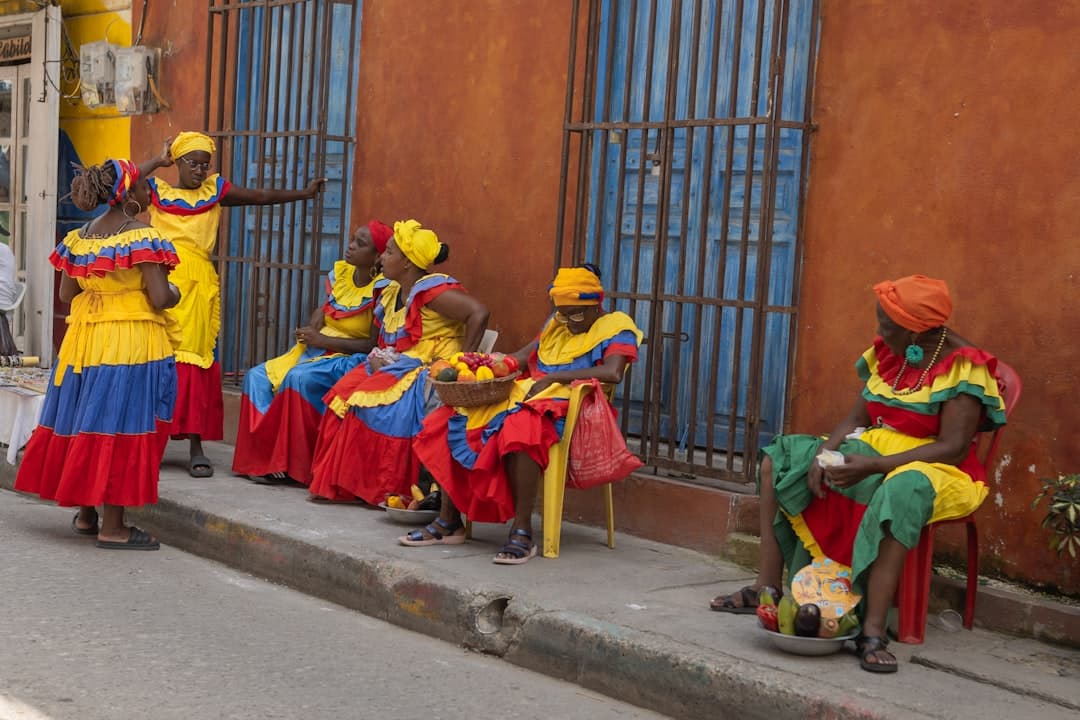
Old Town Cartagena — officially known as the Centro Histórico — is a UNESCO World Heritage walled city on Colombia's Caribbean coast, and one of the best-preserved Spanish colonial cities in the Americas. Founded in 1533, it served as the primary port through which gold and silver from the New World were shipped back to Spain, which made it enormously wealthy and a constant target for pirates and rival empires. The massive stone walls and fortifications you walk along today were built over centuries precisely to protect that wealth. The result is a city center that feels almost impossibly cinematic: pastel-painted mansions draped in bougainvillea, cobblestone streets too narrow for most cars, church towers visible from every angle, and the warm Caribbean light that makes everything look slightly golden. In practical terms, the Old Town divides into a few distinct neighborhoods within the walls. El Centro is the busiest and most commercial, home to the Plaza de los Coches, the Gold Museum, and the Cathedral. El Getsemaní, just outside the walls, is the grittier, more local barrio where Gabriel García Márquez famously set parts of his work and where the best street art and hole-in-the-wall restaurants have emerged over the last decade. San Diego, the quieter residential quarter inside the walls, has boutique hotels in converted colonial mansions and the Plaza de San Diego, one of the best places to sit with a beer as the evening cools down. You walk everywhere — this is a place for wandering without a fixed itinerary. Cartagena's Old Town is busiest from December through March, when the Caribbean dry season coincides with peak tourist season and the city fills with Colombians escaping winter elsewhere. Come in the shoulder months — October and November are rainy but the crowds thin dramatically and the pace slows into something that feels more authentically local. The heat is relentless year-round (expect 30°C / 86°F most days), so mornings and evenings are when you want to be on foot. The tourist infrastructure here is excellent — this is not a backpacker town, it has world-class restaurants and hotels — but it rewards the traveler who peels away from the main plazas and follows a random street to see where it leads.
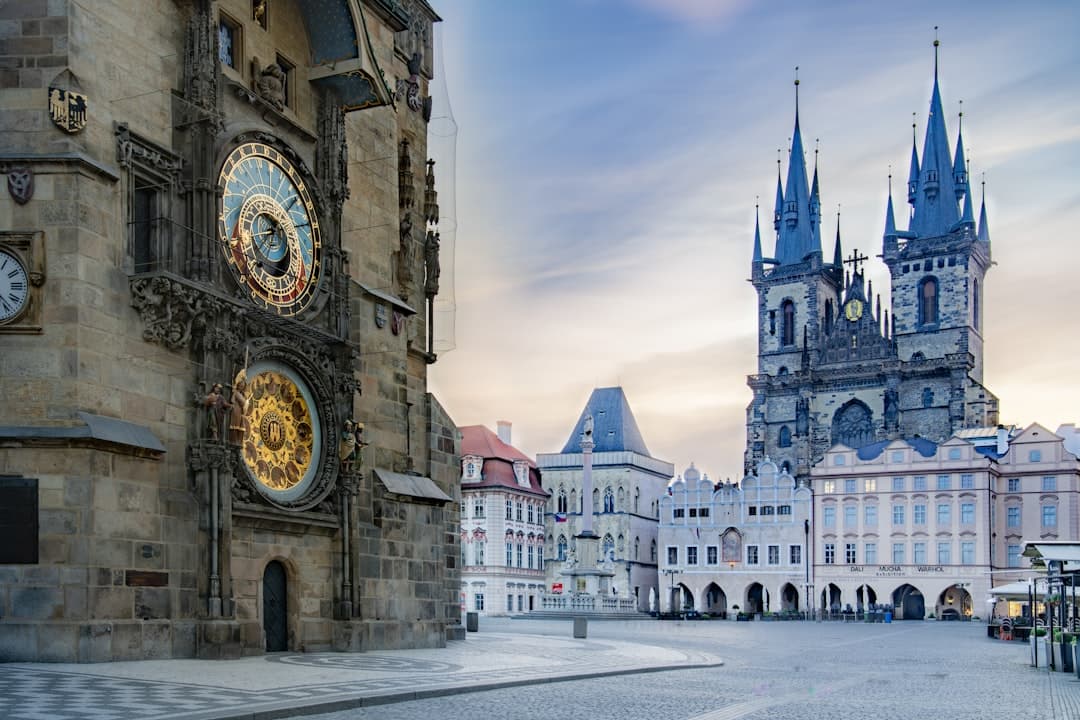
Old Town Square
Old Town Square — Staroměstské náměstí in Czech — is the historic center of Prague and one of the most beautiful public spaces in Europe. Surrounded by Gothic churches, Baroque palaces, and Renaissance townhouses, it has been the city's commercial and civic hub since the 12th century. The square witnessed executions, royal processions, and the defiant declaration of Czechoslovak independence, and its architecture survived the Second World War largely intact, making it a genuinely rare thing: a medieval European city center that looks the way it actually looked centuries ago. The anchor of any visit is the Astronomical Clock, mounted on the Old Town Hall tower. Built in 1410, it's one of the oldest functioning astronomical clocks in the world, and on the hour it puts on a mechanical procession of apostles that draws crowds every time. Climb the tower for a panoramic view over the red-tiled rooftops. Across the square, the twin spires of Týn Church dominate the skyline — the interior is darker and more Gothic than most visitors expect, and the tomb of astronomer Tycho Brahe is inside. Jan Hus, the Czech religious reformer burned at the Council of Constance in 1415, is memorialized by a brooding bronze statue at the square's center. The square runs hot and cold depending on when you visit. Summer brings dense tourist crowds, Christmas markets in December are genuinely magical (and genuinely busy), and early mornings in any season reveal a quieter, more atmospheric version. Street vendors and surrounding restaurants are almost uniformly overpriced — the square is a place to walk through and absorb, not to eat lunch. Save your appetite for the streets one block back.
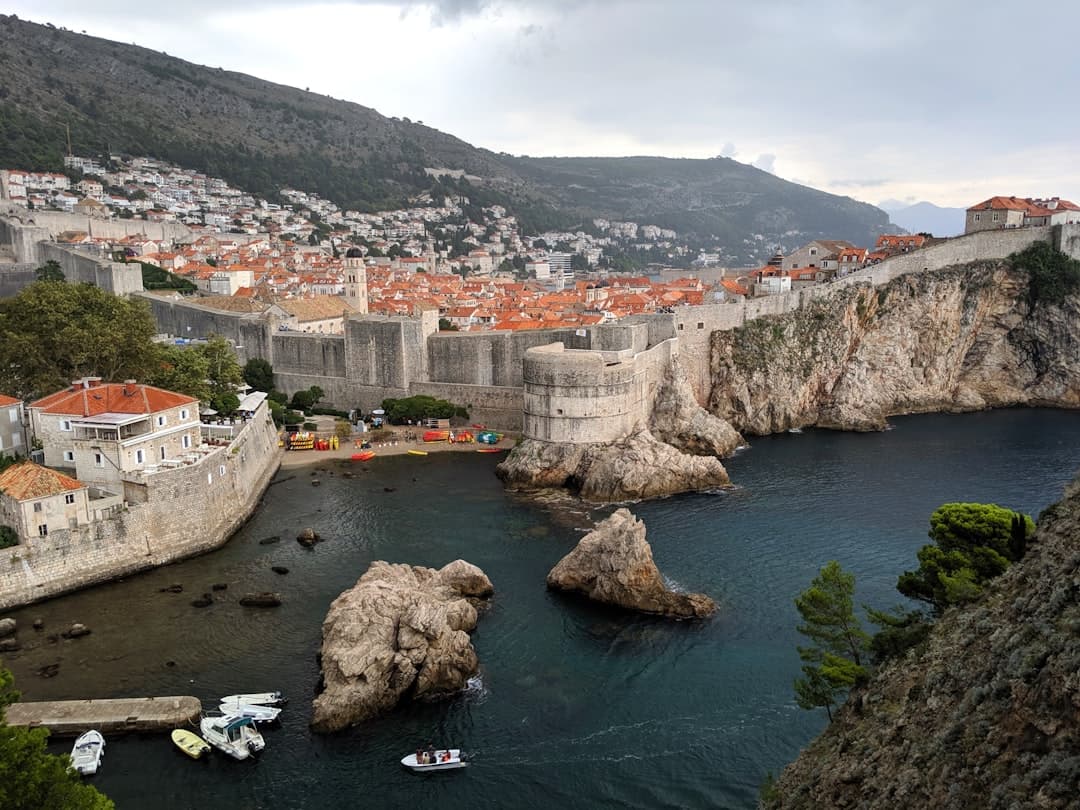
Old Town Walls
Dubrovnik's Old Town Walls are a near-complete circuit of medieval fortifications stretching roughly two kilometres around the historic city centre. Built and reinforced between the 12th and 17th centuries, they reach up to 25 metres in height and six metres in thickness in places, and they are the reason Dubrovnik survived as an independent republic for centuries. This is not a ruin or a fragment — it's an intact loop you can walk all the way around, which makes it one of the most impressive pieces of medieval urban engineering you'll encounter anywhere in the world. The walk itself takes most people between one and two hours, though you could easily stretch it to three if you stop to photograph every angle (and you will want to). You move between towers, bastions, and open parapet walkways, looking inward over the orange-roofed Old Town and outward over the Adriatic and the island of Lokrum. The views from Fort Minčeta in the north and Fort St. John guarding the harbour are particularly dramatic. Along the way you'll pass small cafés built into the walls themselves — there's one near the Buža bar entrance point that's perfectly placed for a cold drink halfway through. Tickets are sold at multiple entry points — the main ones are near the Pile Gate on the western side and near the Old Harbour on the eastern side. The walls are shared with a significant volume of tourists in summer, so early morning is genuinely transformative: cooler, quieter, and the light on the sea is extraordinary before 9am. The ticket also covers entry to the Maritime Museum and the Rupe Museum, which most people never use — but worth knowing. Go anticlockwise if you want to get the steepest section over with first and end with the harbour views.