
Nyhavn
Copenhagen / Nyhavn

Nyhavn

Copenhagen's most photographed waterfront, lined with colourful 17th-century townhouses and canal boats.

🏛️ Sights & Landmarks🍽️ Food & Drink🎯 Activities & Experiences🏘️ Neighborhoods
🌿 Relaxing👨‍👩‍👧 Family-friendly🎭 Cultural🌹 Romantic

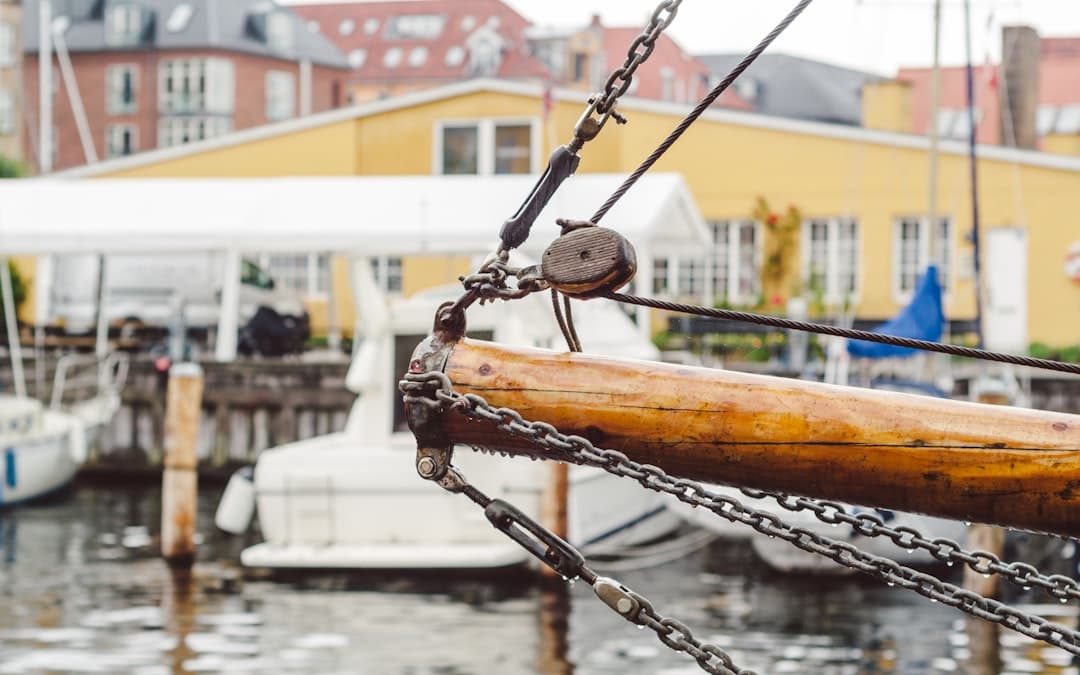
Nyhavn — which simply means 'New Harbour' — is a 17th-century waterfront canal in the heart of Copenhagen, stretching from Kongens Nytorv down to the harbour. Built in 1671 under King Christian V to connect the sea to the city centre, it was originally a working port where sailors, traders, and merchants crowded the quays. Today it's one of the most recognisable streetscapes in Scandinavia: a tight row of tall, narrow townhouses painted in vivid reds, yellows, and blues, their reflections shimmering in the dark canal water below. Hans Christian Andersen lived at three different addresses here — numbers 18, 20, and 67 — which adds a pleasingly storybook quality to a street that already looks like it was designed for fairy tales.

The experience of Nyhavn is mostly about being outside and soaking it in. In summer, the wooden canal boats moored along the quay are converted into floating bars and restaurants, and half of Copenhagen seems to be sitting on the sunny north-facing side of the canal with a cold Carlsberg or a glass of white wine, legs dangling over the edge. You can also board one of the canal tour boats that depart from here — a 60-minute loop that takes you past the Little Mermaid statue, the Opera House, and under a string of low bridges — which is genuinely one of the best ways to see the city. The south side of the canal is lined with restaurants, most of them aimed squarely at tourists but atmospheric all the same.

Nyhavn is at its absolute best on a clear summer afternoon, when the light hits the coloured facades just right and everyone is out. Come early morning to photograph it without crowds, and be aware that the tourist-facing restaurants along the south quay charge a premium — walk one or two streets back into Indre By and you'll find far better food for far less money. It's entirely walkable from the main shopping street Strøget and from the Royal Danish Theatre on Kongens Nytorv, making it an easy and essential stop on any Copenhagen itinerary.

Local Tips

  1. 1

    Sit on the north-facing side of the canal (the side without restaurants) for the best sun — this is where locals actually sit with takeaway beers in summer.

  2. 2

    The restaurants on the south quay are picturesque but overpriced for what they serve. Walk a block or two inland toward Strøget for far better food at normal Copenhagen prices.

  3. 3

    Canal boat tours depart from the Nyhavn dock and run roughly every 30 minutes in season — no need to book ahead, just show up and queue.

  4. 4

    Hans Christian Andersen's three former residences are marked with plaques at numbers 18, 20, and 67 — easy to miss but a small, satisfying detail if you know to look.

When to Go

Best times
June–August

The canal is at its liveliest — floating bar boats are open, locals pack the sunny north quay, and the long Scandinavian evenings mean daylight until 10pm. The definitive Nyhavn experience.

Early morning (any season)

The only time you can photograph the canal without crowds. Light is soft and the reflections in the water are stunning before the tour boats start moving.

December

A Christmas market sets up along the canal with mulled wine and festive stalls — smaller than some but charming and atmospheric on a cold evening.

Try to avoid
Weekend afternoons in July–August

Peak tourist season combined with peak local summer leisure makes the quayside genuinely packed. Arrive before noon or after 6pm if crowds bother you.

Why Visit

01

The iconic row of brightly painted 17th-century townhouses is one of the most striking streetscapes in northern Europe — worth seeing in person, not just in photos.

02

Canal boat tours depart from here and offer one of the most enjoyable ways to see Copenhagen's waterfront, harbour, and historic buildings from the water.

03

Hans Christian Andersen, author of The Little Mermaid and Thumbelina, lived on this very street — the atmosphere still carries a faint fairy-tale quality.