Notting Hill
London / Notting Hill

Notting Hill

London's most photogenic neighbourhood, built around a legendary Saturday market.

🛍️ Shopping🏛️ Sights & Landmarks🍽️ Food & Drink🎭 Arts & Entertainment🏘️ Neighborhoods
🍽 Foodie👨‍👩‍👧 Family-friendly🎭 Cultural🌹 Romantic

Notting Hill is a residential neighbourhood in west London that has evolved from a working-class area into one of the city's most recognisable and desirable postcodes. It sits just north of Holland Park and west of Bayswater, centred on Portobello Road — a long street that transforms every Saturday into one of the world's great antiques and street food markets. The neighbourhood's colourful painted terraces, leafy garden squares, and independent boutiques give it a character that feels distinctly un-corporate for somewhere so famous, and its history is genuinely layered: this was the site of the 1958 race riots, the birthplace of the Notting Hill Carnival (Europe's largest street festival, held each August bank holiday), and has been home to waves of Caribbean, Portuguese, and now wealthier international communities.

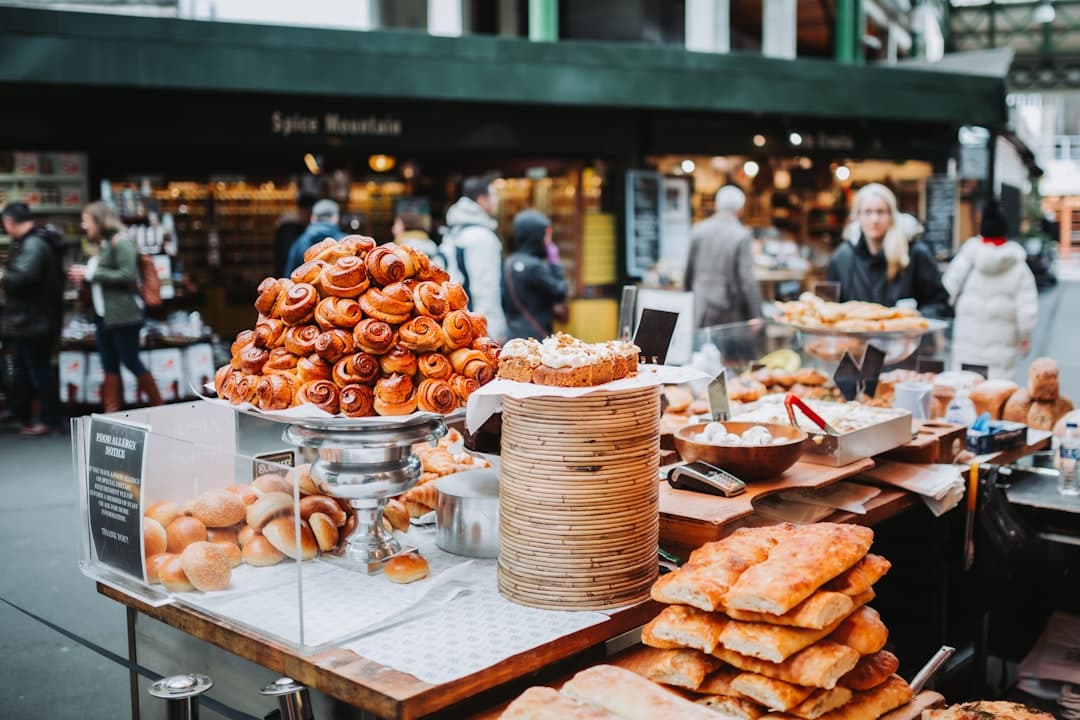
The core experience here is simply wandering. Start on Portobello Road on a Saturday morning when the antiques market is in full swing — dealers set up from around Chepstow Villas down to the Westway flyover, selling everything from Georgian silverware to vintage cameras. The food stalls cluster further south near Golborne Road, where you'll find excellent Moroccan pastries and Portuguese custard tarts from the bakeries that have anchored the neighbourhood for decades. The pastel houses around Lansdowne Crescent, Pembridge Road, and the famous blue door on Westbourne Park Road (made iconic by the 1999 film with Hugh Grant and Julia Roberts) are all within easy walking distance. The Electric Cinema on Portobello Road is one of London's oldest and most atmospheric movie theatres, with armchairs and footstools if you want to slow down.

Saturday mornings are peak market time but also peak crowds — arrive before 10am to browse seriously. Weekday Notting Hill is quieter and arguably more enjoyable for the cafes and boutiques along Ledbury Road and Westbourne Grove. The neighbourhood is well served by Notting Hill Gate station (Central, Circle, and District lines) and Ladbroke Grove. Prices in the restaurants and bars lean upmarket, but the market itself, the street food, and the simple pleasure of walking around cost nothing.
Local Tips

  1. 1

    The antiques stretch of Portobello Road runs from Chepstow Villas northward — the further north you go toward the Westway, the cheaper and more eclectic the stalls get.

  2. 2

    Golborne Road, a short walk north of the main market, has some of the best food in the area: Café Lisboa for custard tarts, and Moroccan delis that have been there for decades.

  3. 3

    The Electric Cinema on Portobello Road charges a premium but the armchairs and in-seat service make it worth it for an evening — book ahead as it sells out on weekends.

  4. 4

    Most of the antiques dealers pack up by early afternoon on Saturdays — if serious buying is the goal, earlier is better, and midweek you can browse the permanent shops without any crowd at all.

When to Go

Best times
Saturday mornings year-round

Portobello Road Market is at its fullest and most atmospheric on Saturday mornings — dealers, food stalls, and street performers all present. Arrive by 9–10am before it gets congested.

August Bank Holiday weekend

Notting Hill Carnival takes over the entire neighbourhood — extraordinary spectacle with sound systems, floats, and jerk chicken on every corner, but expect massive crowds and transport disruption.

Summer weekends

Warm weather brings out the best of the outdoor cafes and market, but tourist numbers peak — Ledbury Road and Golborne Road offer a calmer escape from Portobello's main drag.

Try to avoid
August Bank Holiday Sunday

If Carnival crowds aren't your thing, the area becomes essentially impassable on Carnival weekend — plan around it or embrace it fully.

Why Visit

01

Portobello Road Market on a Saturday is one of the world's best antiques and street food markets — genuinely browseable, not just touristy.

02

The Notting Hill Carnival in late August transforms the streets into Europe's largest outdoor festival, drawing over a million people for Caribbean music, food, and costumes.

03

The neighbourhood's architecture — rows of candy-coloured Victorian terraces and elegant garden squares — is simply beautiful to walk through, with no ticket required.