
All Places
1,073 places around the world
1,073 places · page 27 of 45
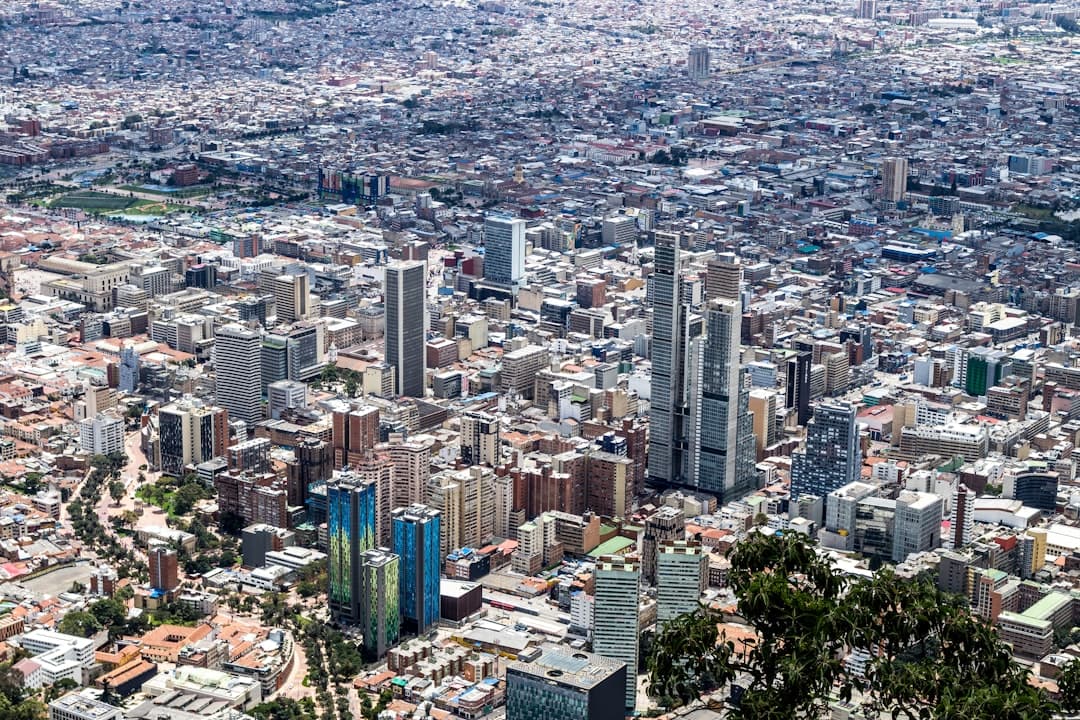
National Museum of Colombia
The National Museum of Colombia — Museo Nacional de Colombia — is the country's oldest and largest museum, founded in 1823, just thirteen years after independence. It lives inside El Panóptico, a striking cruciform building originally designed as a prison on the model of Jeremy Bentham's surveillance architecture, and the building itself is as much a part of the story as anything inside it. Located on Carrera 7, one of Bogotá's great central arteries, it sits in a part of the city that feels genuinely historic — not polished for tourism, but lived-in and real. Inside, the collection spans three floors and covers the full sweep of Colombian history: pre-Columbian ceramics and goldwork, colonial religious art, independence-era portraiture, 20th-century painting and sculpture, and rotating contemporary exhibitions. You'll find Fernando Botero's early canvases alongside indigenous artifacts and maps charting the colonial transformation of the country. The prison cells themselves have been converted into display rooms, and the arched corridors and central rotunda create a dramatic backdrop that most museums would kill for. It's not perfectly curated by international-capital-museum standards, but the depth and honesty of the collection more than compensate. Entry is free for Colombian nationals and very affordable for foreign visitors, which means it draws a wonderfully democratic mix of school groups, families, and serious art tourists. Tuesday through Sunday, doors open at 9am — Monday is closed. Come on a weekday morning to avoid school groups, and don't rush the upper floors, where the fine art collection rewards slow looking. The museum café is modest but the courtyard is a lovely spot to decompress between galleries.
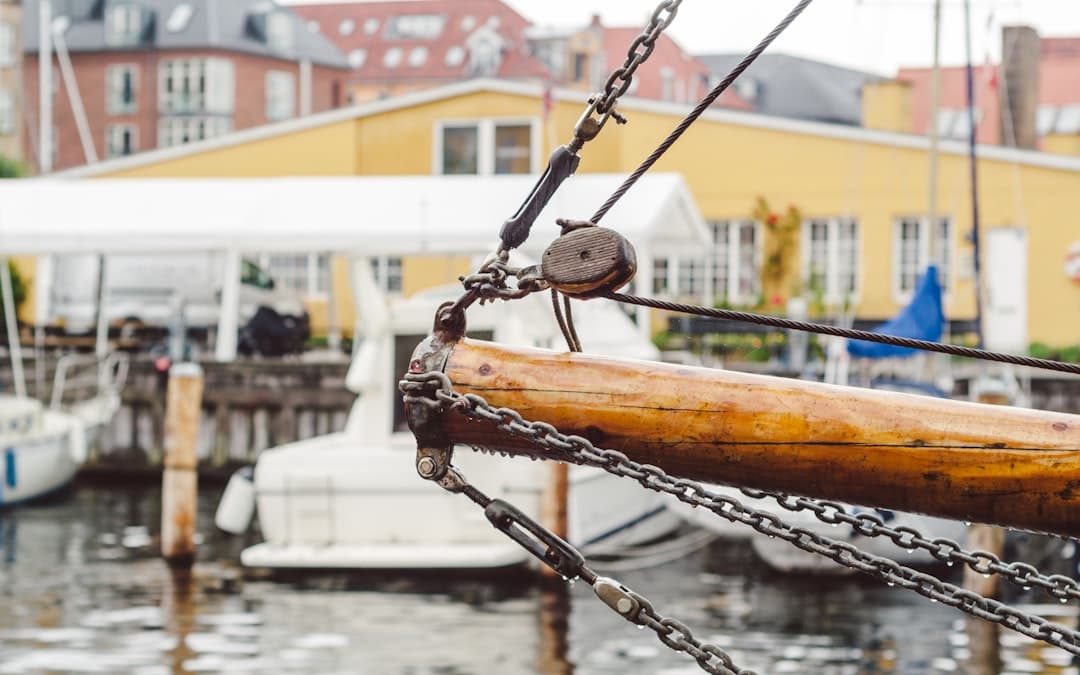
National Museum of Denmark
The National Museum of Denmark — Nationalmuseet — is the country's largest museum of cultural history, housed in a magnificent 18th-century royal palace just a short walk from Christiansborg. It holds the most comprehensive collection of Danish artifacts anywhere on earth, spanning prehistory through the Viking Age, medieval Denmark, the colonial era, and into the modern day. If you want to understand how Denmark became Denmark, this is the place to start. The collection is genuinely staggering in its depth. The prehistoric galleries hold some of the finest Bronze Age finds in the world, including the iconic Sun Chariot (Solvognen) — a 3,400-year-old gilded horse-and-disc sculpture that ranks among the most extraordinary objects ever unearthed in Scandinavia. The Viking Age rooms display weapons, jewelry, and runic inscriptions that feel viscerally alive. There's also a dedicated children's museum that's excellent — interactive, imaginative, and genuinely fun for kids rather than being an afterthought. The ethnographic collections covering Greenland, the Faroe Islands, and former Danish colonial territories add a global dimension most visitors don't expect. Admission is free for adults, which makes this one of the best-value cultural experiences in a famously expensive city. The building itself is worth lingering in — the grand staircase and period rooms give the whole visit an appropriately regal atmosphere. Come early on weekdays to have the prehistoric galleries almost to yourself; the Sun Chariot room gets busy by midday.

National Museum of Finland
The National Museum of Finland is the country's primary historical museum, housed in a striking National Romantic building completed in 1916 — a style that blends medieval Finnish church architecture with Art Nouveau influences, making the building itself worth the visit before you've even stepped inside. It traces Finnish life from prehistoric times through to the present day, covering everything from Stone Age settlements to the country's path to independence and the complexities of 20th-century nationhood. If you want a single place to understand how Finland became Finland, this is it. Inside, the permanent collection spans archaeology, cultural history, and ethnography across several floors. You'll walk through reconstructed interiors from different eras of Finnish domestic life, examine extraordinary folk costumes and textiles, and encounter objects that range from Bronze Age burial finds to royal gifts exchanged with Swedish and Russian rulers during Finland's centuries under foreign governance. The ceiling fresco in the main hall, painted by Akseli Gallen-Kallela — Finland's most revered painter — depicts scenes from the Kalevala, the Finnish national epic, and is genuinely one of the most beautiful things in Helsinki. The museum also runs rotating temporary exhibitions that tend to be thoughtfully curated and well attended. The museum sits on Mannerheimintie, the main boulevard, just a short walk from the Parliament building and Finlandia Hall, so it fits naturally into a broader central Helsinki day. Entry is very affordable by Nordic standards, and the museum is free on Fridays between 4pm and 6pm. Tuesday evenings also sometimes offer extended hours. It's rarely overwhelmingly crowded, which makes it a pleasure to move through at your own pace — something you can't always say about major national museums elsewhere in Europe.
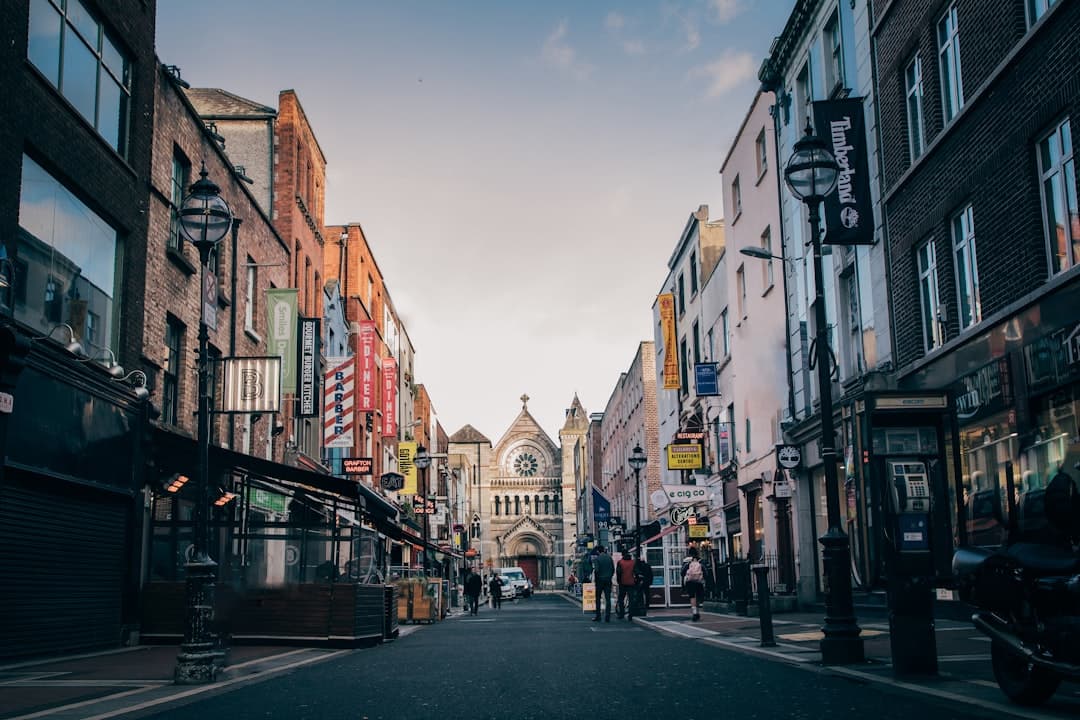
National Museum of Ireland
The National Museum of Ireland has four branches across the country, but the Collins Barracks location — officially the Decorative Arts and History branch — is the one that often surprises visitors most. Housed in what was once the oldest continuously occupied military barracks in the world, the building itself dates to the early 18th century and was designed by Thomas Burgh, the same architect behind Trinity College's famous Long Room library. The site was transferred from the Irish army to the museum in the 1990s and has since become one of the most atmospheric places in Dublin to spend a few quiet hours. The collection here focuses on Irish decorative arts, furniture, silver, ceramics, and military history — so if you're picturing bog bodies and Viking hoards, that's the Kildare Street branch in the city centre. Collins Barracks tells a different kind of story: how Irish people lived, what they made, what they wore, and how they fought. The Soldiers and Chiefs exhibition covers Irish military history from 1550 to the present, while the Eileen Gray room celebrates one of the great unsung figures of modernist design. The building's central square — a vast cobbled parade ground — gives the whole visit a sense of scale and history that a conventional museum building simply couldn't match. The Stoneybatter neighbourhood surrounding the museum is one of Dublin's most interesting and least touristy, full of independent cafés and local pubs. The museum is free to enter, which makes it an easy half-day addition without any financial commitment. Monday and Sunday hours are shorter (1–5pm), so plan accordingly if you want a full visit. It's a short walk or a quick Luas Red Line ride from the city centre.

National Museum of Kenya
The National Museum of Kenya, sitting on Kipande Road just northwest of Nairobi's city centre, is the country's flagship public museum and one of the most important natural history and cultural institutions in East Africa. Run by the National Museums of Kenya — a parastatal body that oversees dozens of sites across the country — this flagship Nairobi campus brings together paleontology, natural history, ethnography, and contemporary art in a way that few museums on the continent can match. It's the place where Kenya's extraordinary story, from the earliest human ancestors to the present day, is told with genuine ambition. The collection is genuinely world-class in places. The centerpiece for many visitors is the paleontology hall, where you'll find Turkana Boy — the nearly complete 1.6-million-year-old Homo ergaster skeleton discovered by Richard Leakey's team at Lake Turkana in 1984 and one of the most significant hominid fossils ever found. Beyond that, there's an impressive natural history wing with mounted East African wildlife, a dedicated snake park on the grounds where you can get close to live reptiles, halls covering Kenyan cultures and peoples with detailed ethnographic displays, and rotating contemporary art exhibitions that reflect Kenya's evolving creative scene. The gardens themselves are pleasant and worth a slow wander. The museum sits in the Westlands-adjacent Museum Hill area and is very easy to reach by matatu or taxi from the city centre — it's about a ten-minute ride from the CBD. Admission is priced in tiers for residents, East African citizens, and international visitors, with foreigners paying a higher rate; budget roughly $10–15 USD equivalent as a non-resident. The snake park is sometimes ticketed separately, so check at the entrance. Mornings on weekdays are the quietest time to visit — school groups tend to arrive mid-morning and can make certain galleries busy.
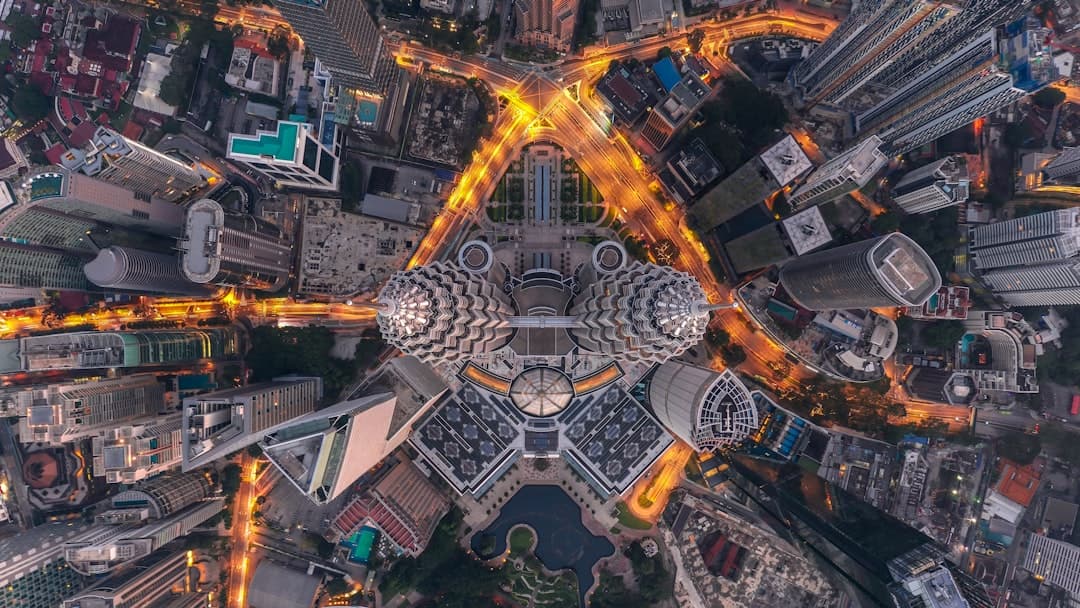
National Museum of Malaysia
The National Museum of Malaysia — known locally as Muzium Negara — is the country's premier institution for understanding Malaysian history, culture, and identity. Opened in 1963, just months after independence, it was built as a deliberate act of nation-building, its architecture blending Malay palace design with modernist structure. The sweeping green roof, inspired by the Minangkabau style, and the enormous dioramic murals flanking the entrance make it visually striking even before you step inside. It sits in the leafy Damansara area near the edge of the Lake Gardens, which gives the whole visit a pleasantly unhurried feel. Inside, four permanent galleries take you from prehistoric Malaysia through the Hindu-Buddhist kingdoms, the Sultanate era, colonial history under the Portuguese, Dutch, and British, and finally independence and the formation of modern Malaysia. You'll find genuine artefacts — ancient ceramics, royal regalia, traditional weapons, textiles, and cultural costumes — alongside scale models and reconstructions. The galleries vary in quality and curation, with some feeling more dated than others, but the breadth of what's covered gives you a solid foundation for understanding the country you're travelling through. Temporary exhibitions are held periodically and tend to bring in more contemporary or themed material. Admission is genuinely cheap — a few ringgit for adults, free for children under 12 and Malaysian citizens — making it one of KL's best-value experiences. The museum is easy to reach from KL Sentral, either on foot through the tunnel underpass or by a short taxi ride. Visit on a weekday morning to avoid school group traffic, and pair it with a walk through the nearby Lake Gardens or a stop at the Islamic Arts Museum just down the road for a fuller cultural half-day.
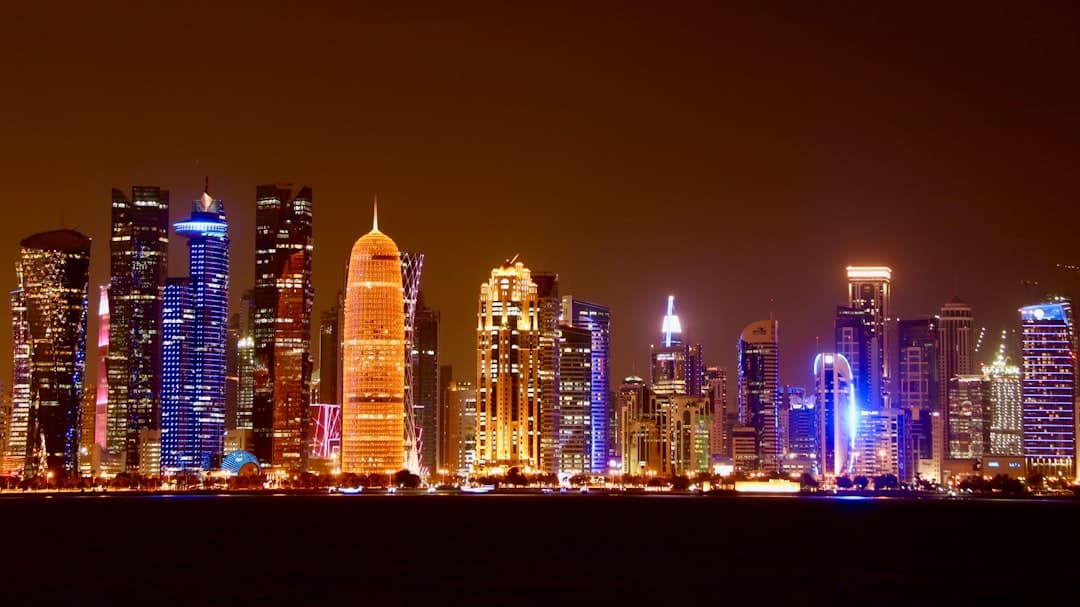
National Museum of Qatar
The National Museum of Qatar is the country's flagship cultural institution, opened in 2019 in a building designed by French architect Jean Nouvel. The structure itself is the first thing that stops you — it's a series of interlocking disc-shaped forms inspired by the desert rose, the crystalline mineral formations that grow naturally in Qatar's sand and salt flats. It sits near the old Emiri Palace on the waterfront, and from a distance it looks like something geological rather than architectural, as if it erupted from the ground rather than was built on it. Inside, eleven interconnected galleries take you through the full sweep of Qatari history and identity — from the formation of the peninsula itself, through the Bedouin and pearl-diving eras, to the discovery of oil and gas and the rapid transformation of modern Qatar. The experience is immersive and cinematic: there's an enormous sand and fog room, a gallery dedicated to the pearl trade that was once Qatar's economic lifeblood, and multimedia installations that draw on oral histories, poetry, and archival footage. It's less a traditional display of objects and more a sensory retelling of a nation's story, with English and Arabic throughout. The museum sits just south of the Corniche, easily walkable from the Museum of Islamic Art or reachable by taxi from most central hotels. Thursday evenings are extended to 9pm, which is worth knowing — the building is spectacular at dusk and after dark when the exterior lighting transforms it. The café inside is a decent stop for a rest mid-visit. Budget at least two to three hours to do it justice, more if you're genuinely curious about the Gulf.
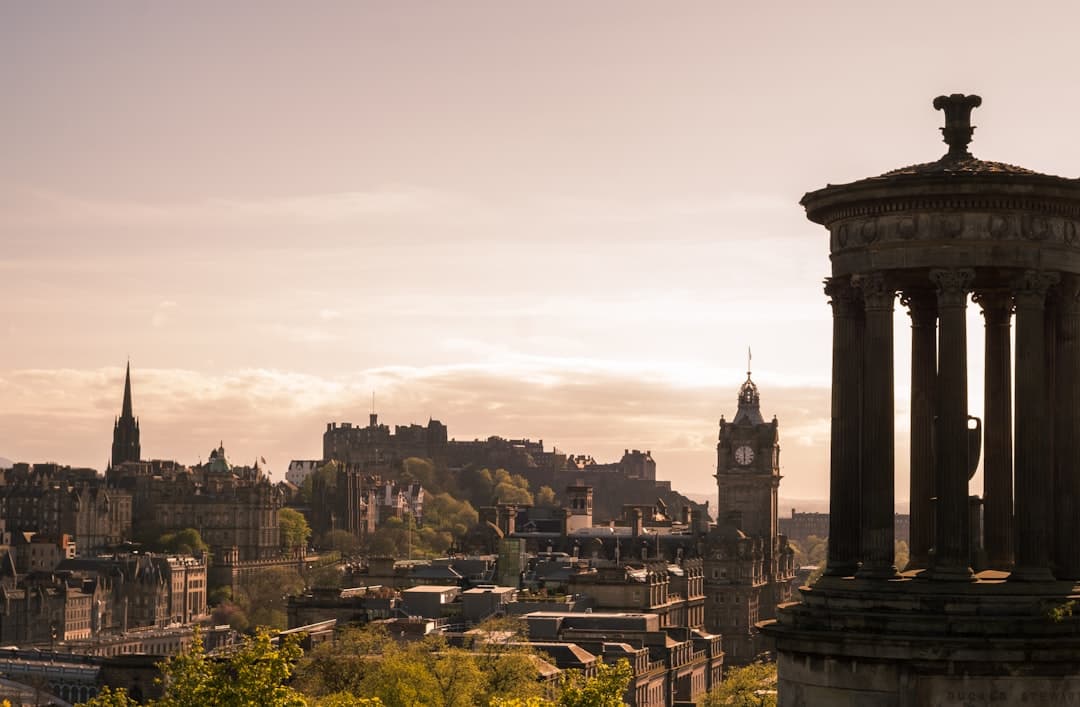
National Museum of Scotland
The National Museum of Scotland on Chambers Street is one of the UK's great free museums — a sweeping, beautifully designed institution that traces the full arc of Scottish history, culture, science, and natural history. It's split across two connected buildings: a grand Victorian pile from 1866 and a striking modern sandstone extension that opened in 1998. Together they house around 20,000 objects across multiple floors, making it the kind of place where you walk in for an hour and emerge three hours later blinking. The range is genuinely extraordinary. You can stand next to Dolly, the world's first cloned sheep (taxidermied and displayed here), then walk past a full-scale medieval jousting knight on horseback, then look up at a hanging sperm whale skeleton, then wander into galleries on the Jacobite risings or the age of Scottish Enlightenment. The Grand Gallery — the soaring Victorian atrium at the heart of the building — is itself worth a visit, with objects suspended from the ceiling and natural light pouring in from above. There are dedicated sections on science and technology, fashion, world cultures, and ancient Scotland going back thousands of years. Entry is free, which makes it one of Edinburgh's great bargains. The museum sits right in the Old Town, a short walk from the Royal Mile, so it's easy to fold into a day of city exploration. The rooftop terrace (access via lift on the upper floors) offers surprisingly good views over the city and is often overlooked by visitors. Weekday mornings are the quietest time to go; school holidays and summer weekends get crowded. The café on the ground floor is decent enough for a break but not a destination in itself.
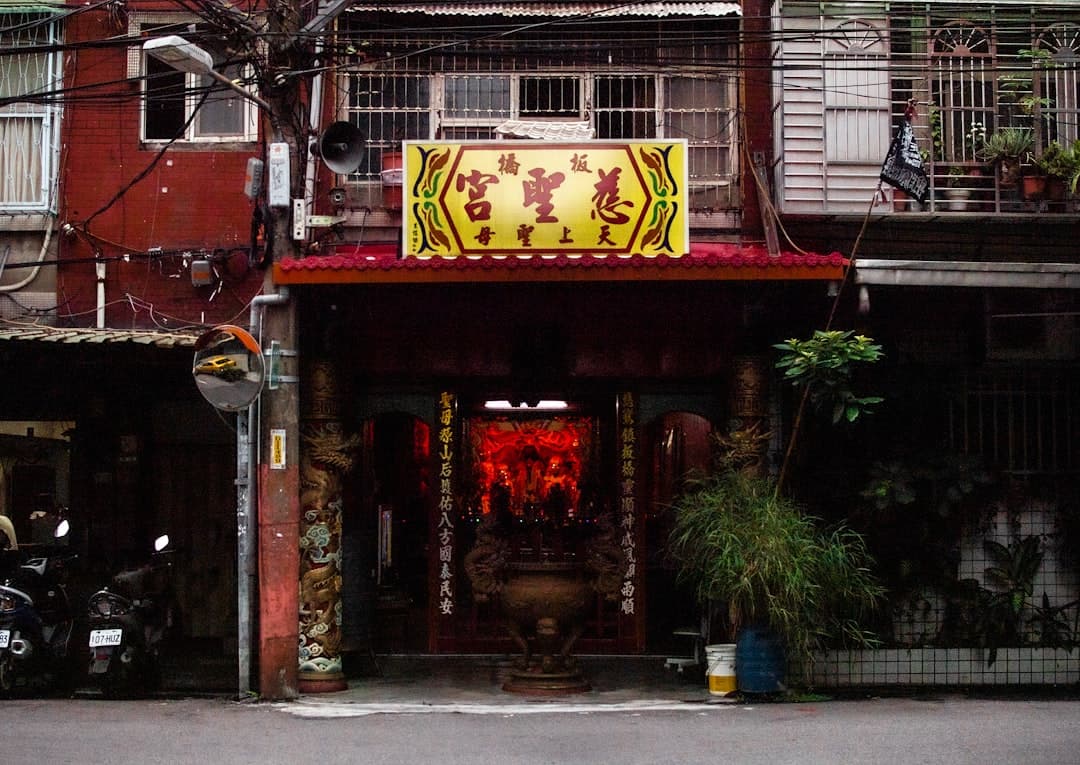
National Palace Museum
The National Palace Museum holds one of the largest and most important collections of Chinese imperial art and artifacts in the world — roughly 700,000 objects spanning nearly 8,000 years of Chinese history. When Chiang Kai-shek's Nationalist government retreated to Taiwan in 1949, they brought the cream of the imperial collection with them, evacuated from Beijing's Forbidden City during the chaos of civil war and Japanese invasion. What ended up in Taipei is staggering: bronzes, jade, ceramics, calligraphy, paintings, and lacquerware that represent the pinnacle of Chinese artistic achievement across dozens of dynasties. If you care at all about art, history, or craft, this place will stop you cold. The museum is vast, so most visitors focus on the highlights. The two objects that draw the longest queues are the Jadeite Cabbage — a piece of jade carved to look almost exactly like a Chinese cabbage, complete with tiny insects — and the Meat-shaped Stone, a chunk of jasper so realistically carved to resemble braised pork belly that it's genuinely disorienting. Beyond those crowd-pleasers, the galleries reward slow looking: Song dynasty ceramics with glazes so refined they look wet, oracle bones inscribed with some of the earliest Chinese writing, and vast painted handscrolls that unfold like panoramic films. Only a fraction of the collection is on display at any time, so the rotating exhibitions mean repeat visits reveal entirely different treasures. The museum sits in the hills of Shilin District, a 20-minute taxi or bus ride north of central Taipei. It's big enough that half a day is the minimum for a meaningful visit — serious enthusiasts easily spend a full day. The basement restaurant is a genuine highlight and not just an afterthought: it serves imperial-style Taiwanese and Chinese dishes, and the braised pork rice is a deliberate nod to the Meat-shaped Stone upstairs. Audio guides and English signage are solid throughout. Tuesday and Wednesday mornings tend to be the quietest; avoid national holidays when domestic tourism surges.
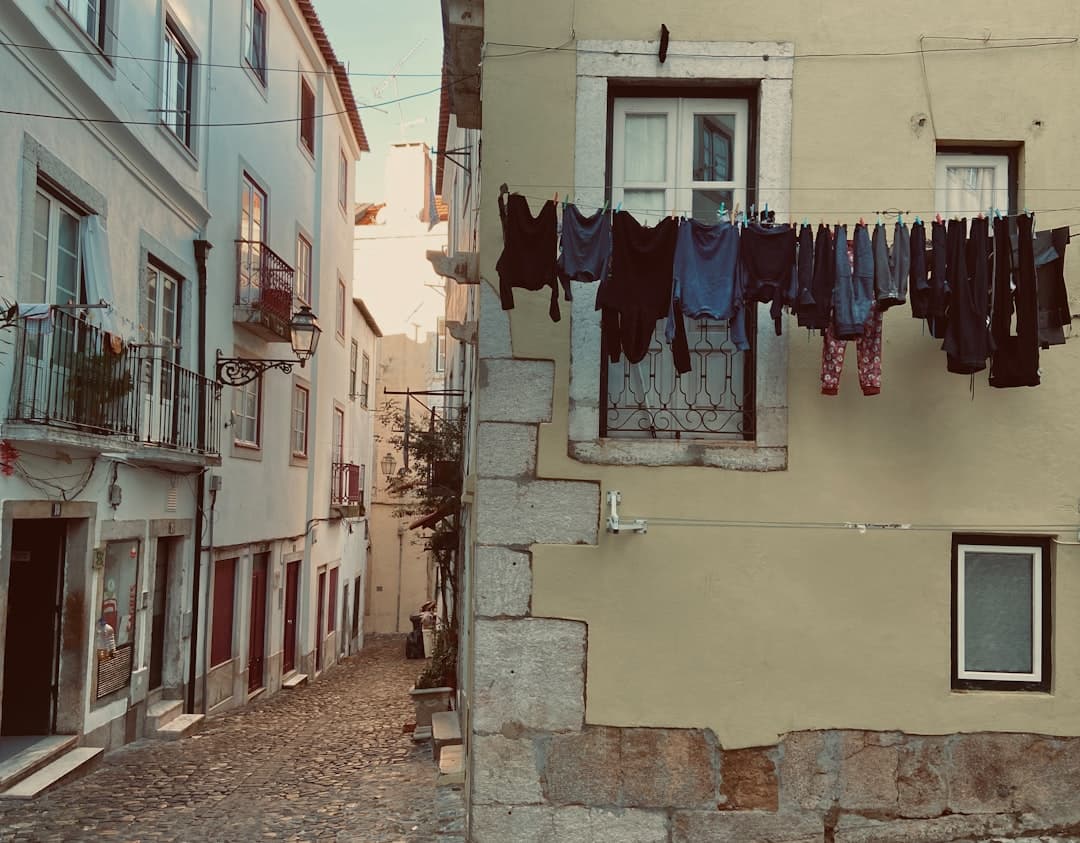
National Tile Museum
The National Tile Museum — Museu Nacional do Azulejo — is dedicated entirely to the art of the azulejo, the glazed ceramic tile that has shaped Portuguese visual culture for over 500 years. Housed inside the former Convent of Madre de Deus, founded in 1509, it traces the full arc of the tradition from its Moorish origins through the golden baroque period and into the 20th century. This is not a minor decorative-arts sideshow — azulejos are genuinely central to how Portugal sees itself, and this museum makes that case convincingly. The collection is vast and deeply specific. You'll move through rooms showing the evolution of technique and style — geometric Moorish patterns giving way to blue-and-white scenes influenced by Delft and Chinese porcelain, then into the wild exuberance of 18th-century baroque. The undisputed highlight is a 36-metre panoramic tile panel depicting Lisbon before the 1755 earthquake — one of the only detailed visual records of the city as it looked before the disaster. The convent church itself, dripping in gilded woodwork and azulejo-covered walls, is worth the entrance fee on its own. There's also a functioning tile workshop you can observe, and a charming café in the cloister. The museum sits in the Beato district, east of the Alfama, which means most tourists skip it entirely — even though it's one of the best museums in the city. Take the 28E tram or bus 794 from the centre; it's about a 15-minute ride. Go on a weekday morning if you can — this place almost never crowds up the way Jerónimos or the Belém Tower does, which makes the experience genuinely peaceful. Budget more time than you think you need.
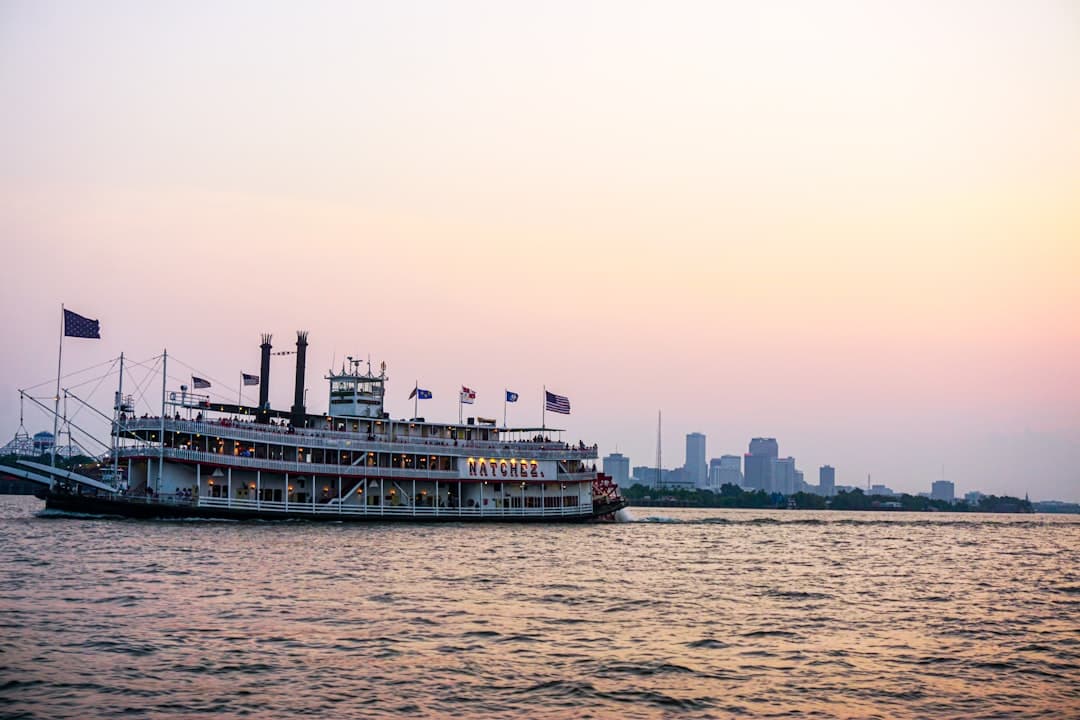
National WWII Museum
The National WWII Museum is one of the most ambitious and emotionally powerful history museums in the United States. Originally opened in 2000 as the National D-Day Museum — founded in large part through the advocacy of historian Stephen Ambrose — it has grown into a sprawling, multi-pavilion campus that covers the entire American experience of the Second World War, from the homefront to every major theater of combat. Congress officially designated it the country's national museum for the war, and it earns that title. Visiting means moving through a sequence of immersive, meticulously curated pavilions: the Louisiana Memorial Pavilion houses the original D-Day landing craft and core exhibits; the Boeing Center contains a stunning collection of aircraft and vehicles; and the Solomon Victory Theater screens 'Beyond All Boundaries,' a 4D film produced by Tom Hanks that is genuinely worth your time. Personal dog tags issued at the entrance let you follow the story of a real WWII service member as you move through the exhibits, which makes the whole thing land differently than a typical museum visit. Oral histories, artifacts, dioramas, and period media are woven together with real craft. Plan to spend the better part of a day here — most people underestimate it badly and run out of time. Arrive early, especially on weekends and during summer, when crowds build by late morning. The on-site restaurant, the American Sector, is a solid lunch stop with a menu that leans into the comfort food of the era. If you're visiting with kids old enough to sit with heavy material, this is one of the most genuinely educational experiences New Orleans offers — and frankly one of the best museums of any kind in the American South.
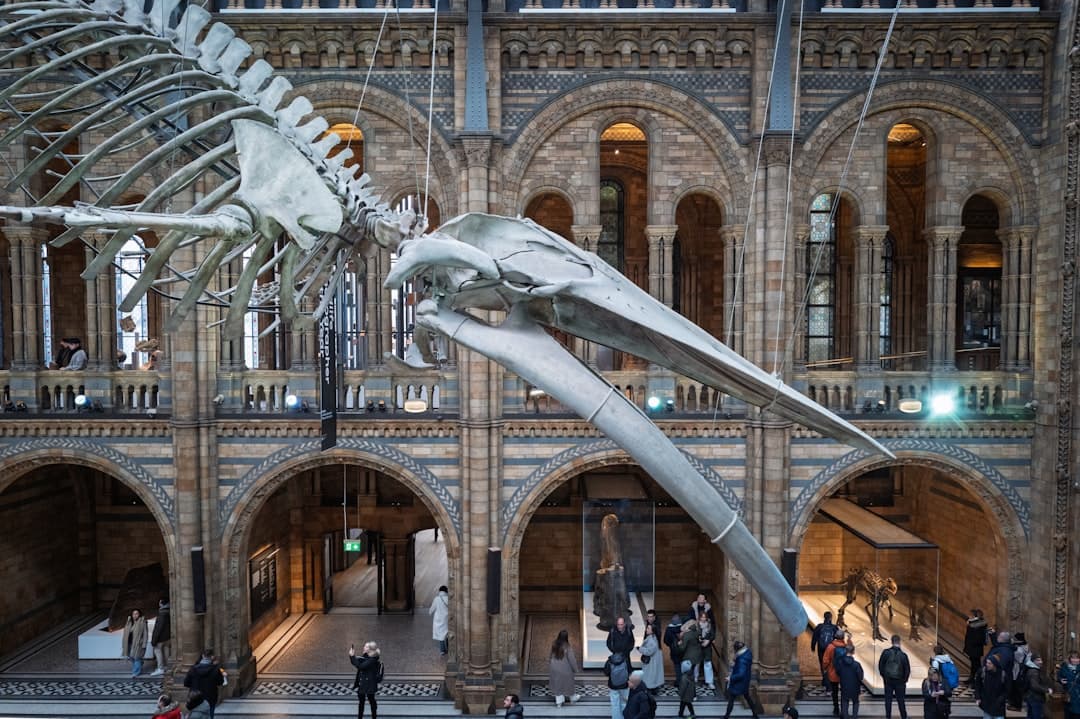
Natural History Museum
The Natural History Museum is one of the world's great science museums, housed in a breathtaking Romanesque building designed by Alfred Waterhouse and opened in 1881. It holds a collection of around 80 million specimens spanning billions of years of Earth's history — from meteorites older than the solar system to the skeleton of a blue whale hanging in the central Hintze Hall. It's free to enter, which makes it one of the best-value days out in London, and it draws around five million visitors a year for good reason. The museum is divided into colour-coded zones, each covering a different part of the natural world. The Blue Zone is home to the iconic Diplodocus cast (now replaced by Hope, the blue whale skeleton) in the grand entrance hall, and leads into the dinosaur gallery — still one of the most popular rooms in any museum in London, with an animatronic T. rex that reliably terrifies small children. The Red Zone covers Earth's geology and includes a walk-through earthquake simulator set in a Japanese supermarket. The Green Zone holds the museum's Darwin Centre and a 26-metre cocoon building where you can peer into active research labs. The Orange Zone is a Wildlife Garden — a genuine slice of British habitat tucked into the museum grounds. Given its size and popularity, arriving early matters. Queues on weekends and school holidays can stretch well down the Cromwell Road, but the museum operates a timed entry system for its ticketed special exhibitions — the permanent collection itself remains free and walk-in. The café and restaurant inside are functional but unremarkable; the South Kensington neighbourhood has better options within a few minutes' walk. Members can use a dedicated entrance on Exhibition Road, which skips the main queue entirely.
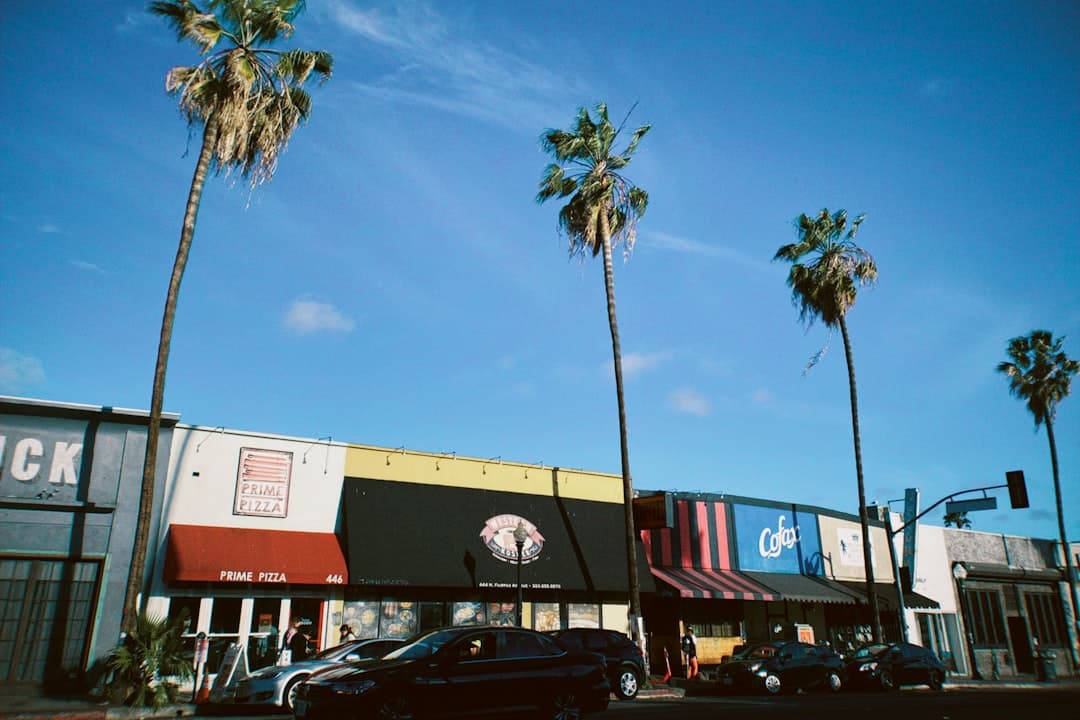
Natural History Museum of LA County
The Natural History Museum of Los Angeles County is one of the largest natural history museums in the United States, housed in a beautiful Spanish Renaissance building that's been a fixture of Exposition Park since 1913. It sits alongside the California Science Center and the Coliseum in a sprawling civic campus in South LA, and it holds a collection of over 35 million specimens and artifacts spanning 4.5 billion years of history — from ancient fossils to pre-Columbian gold to California's own ecological past. The dinosaur galleries are the headline draw, and they earn it. The Dinosaur Hall features one of the world's largest and most complete T. rex growth series — you can stand next to a baby, a teenager, and a fully grown adult T. rex skeleton in a single room, which is genuinely mind-bending. There's also a spectacular dueling Triceratops and T. rex fossil display mid-combat. Beyond the dinosaurs, the marine hall with its massive blue whale skeleton, the gem and mineral vault, and the North American and African mammal dioramas — all meticulously preserved and beautifully presented — reward serious exploration. The surrounding Nature Gardens outside are a native plant habitat and urban wildlife sanctuary worth walking through. Parking is available in the Exposition Park lots but fills quickly on weekends. The museum is easily reached by Metro's Expo Line (Exposition Park/USC stop), which makes it a painless trip from downtown or the Westside. Membership pays for itself fast if you're a local — it also grants access to sister institutions like the La Brea Tar Pits, which is essentially a required companion visit. Go on a weekday morning if you want the dinosaur halls without navigating around school groups.
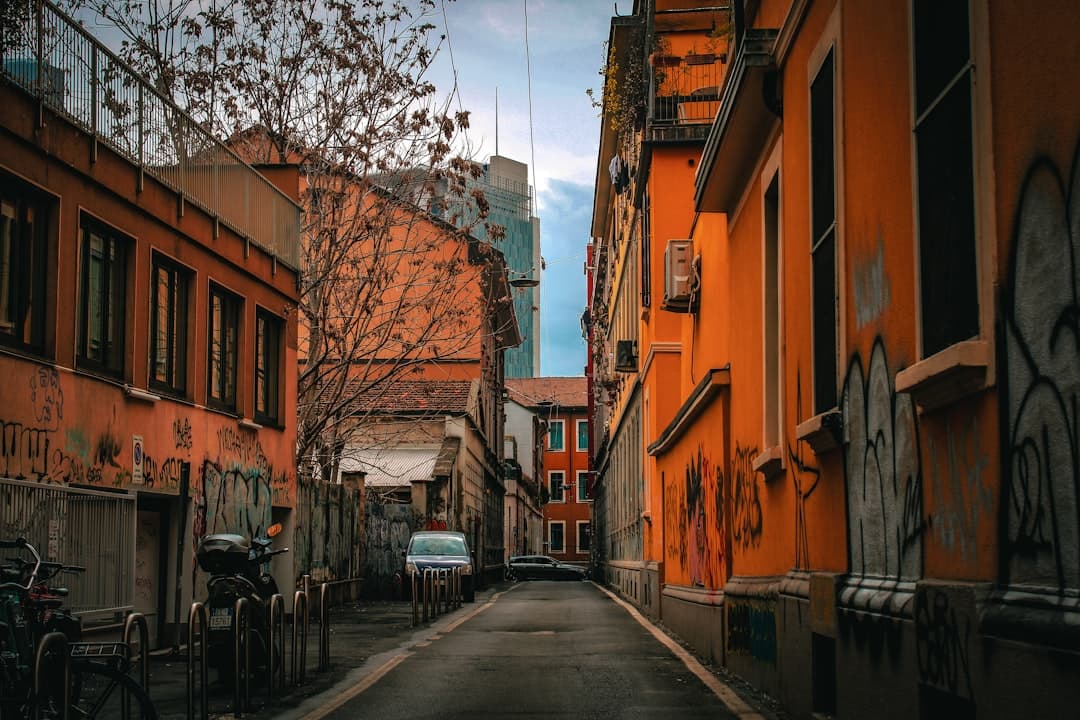
Navigli
Navigli is Milan's canal neighborhood, built around two surviving waterways — the Naviglio Grande and the Naviglio Pavese — that were once part of a vast medieval canal system used to transport marble for the Duomo and goods across Lombardy. Leonardo da Vinci himself helped engineer parts of the network. Today the canals are a social and cultural hub, the kind of place that feels lived-in and unpretentious in a city that can sometimes feel intimidatingly polished. It's where Milanese locals actually hang out, not just where they send tourists. The experience is fundamentally about wandering and drinking in the atmosphere — literally. The towpaths along the canals are lined with bars, trattorias, vintage shops, and art galleries, most of which spill out onto the waterfront in warm weather. The big ritual is aperitivo, the pre-dinner tradition that Milan does better than anywhere in Italy: order a Campari Spritz or a Negroni at one of the outdoor terraces around 6pm and watch the neighborhood come alive. On weekend evenings, the canalside fills with a mix of students, young professionals, and older Milanese who've been coming here for decades. The last Sunday of each month, the Mercatone dell'Antiquariato — a sprawling antiques market — takes over the Naviglio Grande, drawing serious collectors and casual browsers alike. Navigli sits in the southwest corner of Milan's inner city, roughly a 15-minute walk from the Duomo or a quick ride on the M2 metro to Porta Genova. The streets off the main canal strip — Via Corsico, Ripa di Porta Ticinese, Alzaia Naviglio Grande — are where you'll find the better restaurants and the less touristy bars. Come in the evening for aperitivo and stay through dinner; this is not a morning destination.
Navy Pier
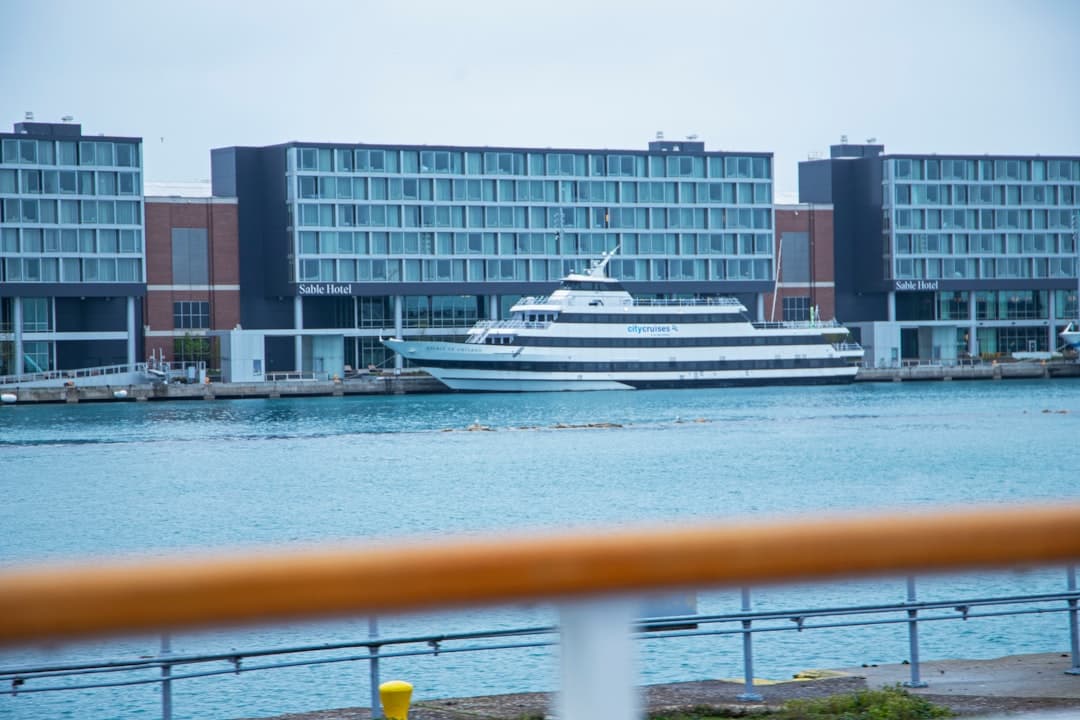
Navy Pier is Chicago's most-visited attraction — a 3,000-foot-long pier extending into Lake Michigan that has served as a naval training facility, a university campus, and now a sprawling public entertainment complex. Opened in 1916 as Municipal Pier No. 2, it was reimagined as a civic destination in 1995 and has since drawn tens of millions of visitors. It's not a hidden gem; it's the kind of place Chicago leads with, and for good reason — the views of the city skyline from the water are genuinely among the best you can get. The pier is dense with things to do. The centerpiece is the 196-foot Centennial Wheel, a gondola-style Ferris wheel with climate-controlled cars and panoramic views of the skyline and lake. There's also Millennium Park-adjacent public art, the Chicago Shakespeare Theater (one of the city's most respected stages), a children's museum, a stained-glass museum with more than 150 Tiffany-style windows, boat tour departures, mini golf, an IMAX theater, and a long stretch of restaurants and shops. In summer, the south dock hosts free Wednesday and Saturday night fireworks. The whole thing sits between the lake and the city like an outdoor living room. Navy Pier can feel crowded and commercial, and it's fair to say it skews toward families and tourists rather than locals seeking authenticity. But the lakefront promenade is genuinely beautiful, the boat tours departing from here are among the best ways to see Chicago's architecture, and a summer evening watching fireworks over the water is hard to argue with. Come on a weekday or early morning to avoid the thickest crowds. Parking is expensive — take the 124 Navy Pier Express bus or walk along the lakefront path from Millennium Park instead.
Neon Museum
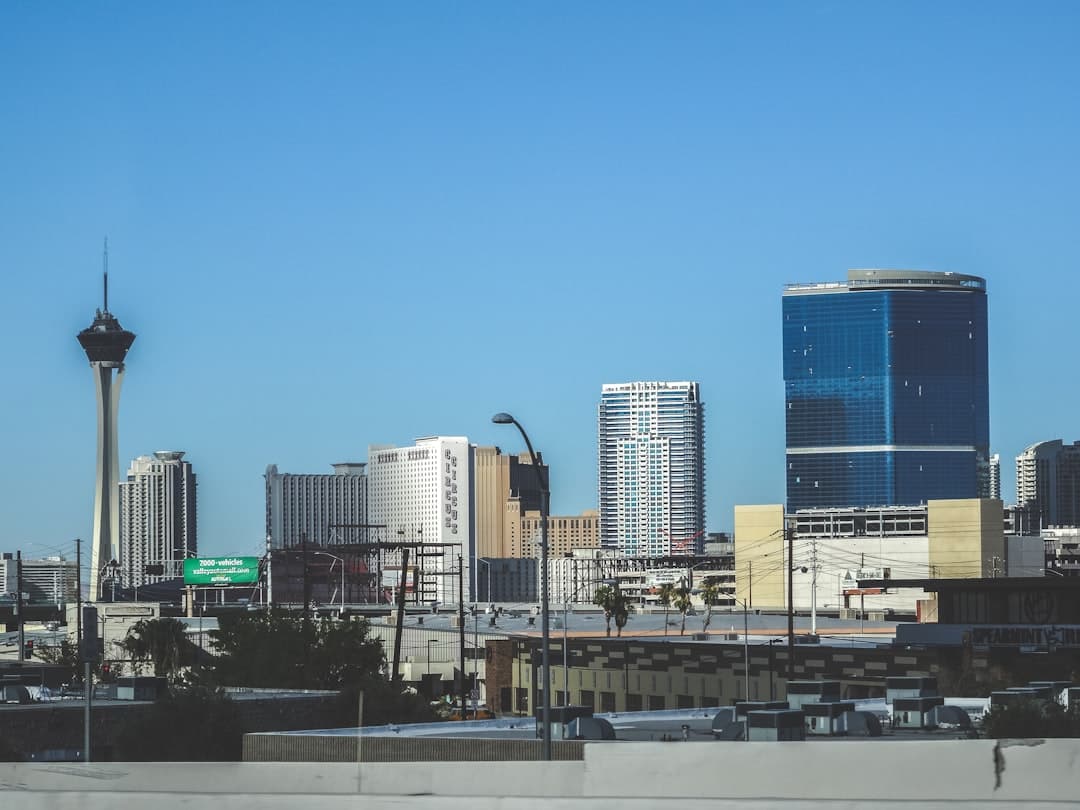
The Neon Museum is an outdoor collection of historic Las Vegas signs — the giant, often ornate neon and incandescent displays that once lit up casinos, motels, restaurants, and wedding chapels across the city. Founded in 1996 and opened to the public in its current form in 2012, the museum preserves more than 200 signs that would otherwise have ended up in landfill. It's genuinely one of the most singular attractions in America: a place where the city's technicolor commercial history is treated with the seriousness it deserves. The main experience is a guided or self-guided walk through the outdoor Boneyard — a roughly two-acre lot behind the historic La Palazza lobby building (itself a restored mid-century gem) where signs from places like the Stardust, the Moulin Rouge, and the Sahara lean against each other in various states of glorious decay. After dark, the museum also runs Brilliant! shows, a narrated light-and-sound experience that illuminates the signs against the night sky — this is genuinely spectacular and the reason the venue skews toward evening hours. There's also a North Gallery with rotating exhibitions inside the old lobby. The museum sits on the northern end of Las Vegas Boulevard, just beyond the downtown Fremont Street area — a different world from the Strip, but easy to reach. Evening visits are far superior to daytime ones; the signs were built to glow, and they look it. Tours are timed and ticketed, and this is one Las Vegas attraction where booking ahead is genuinely worth doing, especially on weekends.
Neve Tzedek
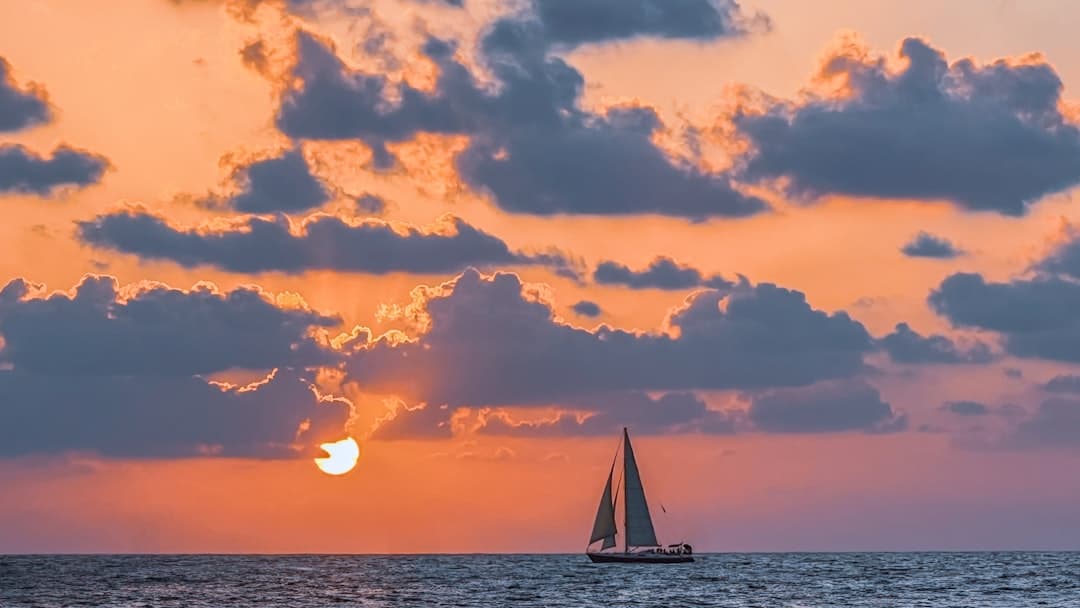
Neve Tzedek is the oldest Jewish neighborhood in Tel Aviv, founded in 1887 — actually predating the city of Tel Aviv itself by over two decades. Built just south of Jaffa by Jewish residents seeking space beyond the crowded port city, it fell into decades of neglect before being dramatically revived starting in the 1980s and 1990s. Today it's one of the most coveted addresses in Tel Aviv: a dense grid of narrow lanes lined with restored Ottoman-era buildings, bougainvillea tumbling over wrought-iron fences, and a general air of artful, moneyed bohemia. Walking through Neve Tzedek feels like stumbling into a village that got dropped inside a major city. Sheinkin Street and Shabazi Street are the main draws — the latter especially, packed with boutique fashion designers, independent galleries, jewelry makers, and excellent cafés and restaurants. The Suzanne Dellal Centre, a beautifully restored complex of buildings that serves as Israel's most important contemporary dance venue, anchors the neighborhood culturally and gives it a plaza that's genuinely lovely on a warm evening. The neighborhood is also home to the Rokach House museum, the former home of Shimon Rokach, one of Neve Tzedek's founders, which gives visitors a tangible sense of what early settler life looked like. Neve Tzedek is compact enough to explore thoroughly on foot in a few hours, but easy to linger in far longer if you're eating, shopping, or just sitting somewhere with an iced coffee watching the city go by. Come on a weekday morning if you want the streets relatively quiet; Friday afternoons are buzzy and festive but crowds can make the narrow lanes feel packed. It sits just north of the Jaffa border and a short walk from the beach, making it a natural anchor for a longer Tel Aviv day.
New England Aquarium
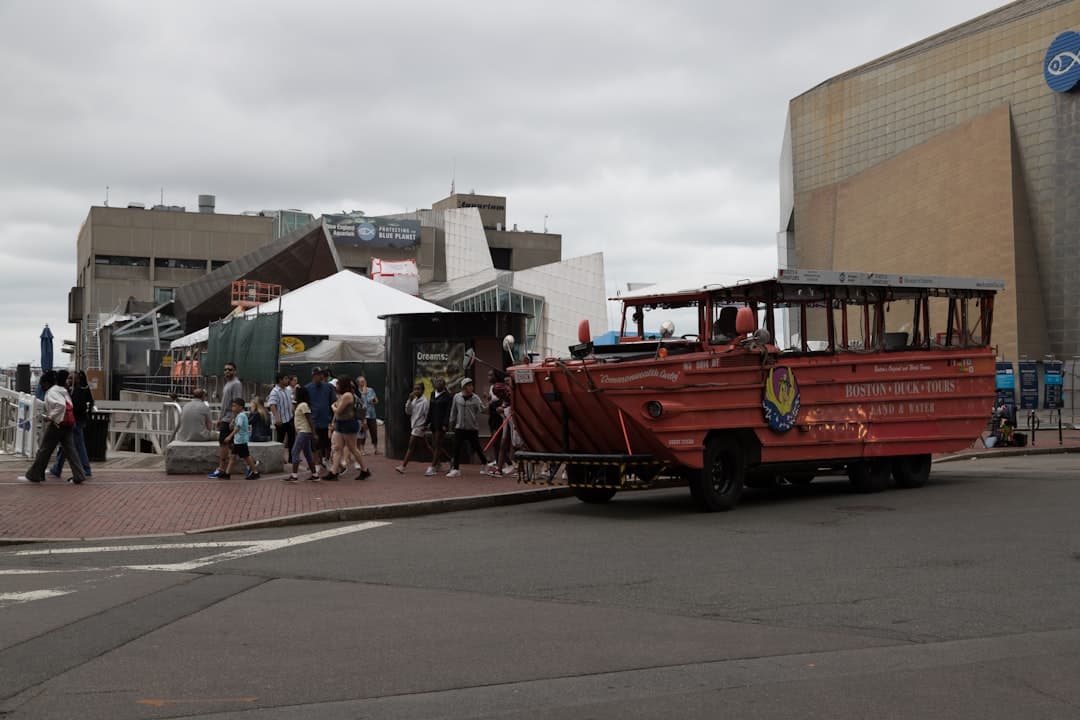
The New England Aquarium sits right on Central Wharf, steps from the Financial District and the ferry docks, and has been one of Boston's most visited attractions since it opened in 1969. It's a serious marine science institution as well as a public aquarium — they run whale watch tours, conduct ocean research, and have a dedicated marine animal rescue program. But for visitors, it's simply one of the best places in the northeastern United States to get up close with ocean life, and the Giant Ocean Tank at its center is genuinely spectacular: a 200,000-gallon cylindrical reef habitat that spirals four stories high and holds sea turtles, sharks, eels, and hundreds of tropical fish. The experience is built around that central tank, which you circle on a ramp as you climb through the building — meaning you see it from different angles and depths as you go. But there's plenty more: a colony of African and little blue penguins on the ground floor that you can watch being fed, a touch tank with rays and tide-pool creatures, a dedicated shark and ray touch experience, and exhibits on jellyfish, seahorses, and deep-sea life. The IMAX theater next door is separately ticketed but worth considering if you're going deep on marine content. The aquarium also operates whale watch boats directly from the wharf outside — a popular add-on, especially in summer. Buy tickets online ahead of time, especially on weekends and during school vacations, when queues can get long fast. Early morning on a weekday is the calmest time to visit. The aquarium is compact enough that you won't need a full day, but give yourself at least two to three hours to do it properly — rushing past the penguin feeding or the Giant Ocean Tank is a mistake. The Harbor Walk runs right outside, making this an easy anchor for a longer waterfront afternoon.
New York Public Library
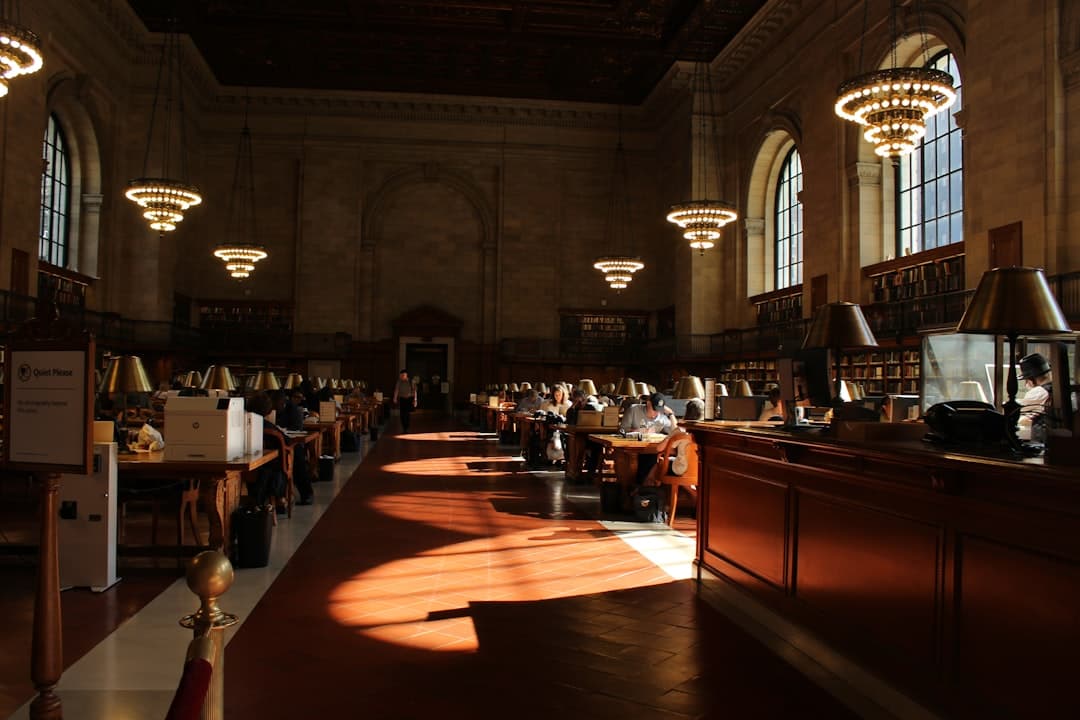
The New York Public Library's Stephen A. Schwarzman Building, sitting at the corner of Fifth Avenue and 42nd Street, is one of the most magnificent public buildings in the United States. Completed in 1911 and flanked by two famous marble lions nicknamed Patience and Fortitude, it was built on the site of the old Croton Reservoir and took 14 years to construct. It's free to enter, open to anyone, and holds millions of items in its research collections — maps, manuscripts, photographs, rare books, and ephemera that document the breadth of human history. For a building this extraordinary, the fact that you can just walk in off the street still feels like a small miracle. Inside, the experience is genuinely stunning. The Rose Main Reading Room on the third floor is the highlight — a vast, cathedral-like space nearly the length of two football fields, with 52-foot ceilings, ornate plasterwork, and long oak tables bathed in warm lamplight. People actually come here to study and work, which makes it feel alive rather than preserved. Beyond the reading room, there are rotating exhibitions in the galleries, the DeWitt Wallace Periodical Room with its grand WPA-era murals, and a series of beautifully detailed halls that most visitors walk right past. The building rewards slow exploration. This is the research branch of the NYPL system — it doesn't lend books, but you can request items from the stacks and read them on site. If you just want to browse or borrow, the Mid-Manhattan branch across the street handles lending. Don't skip Bryant Park immediately behind the library, which is one of the best pocket parks in the city and a perfect place to decompress after time inside. Entry to the main building is always free, though some special exhibitions may charge admission.
Nezu Shrine
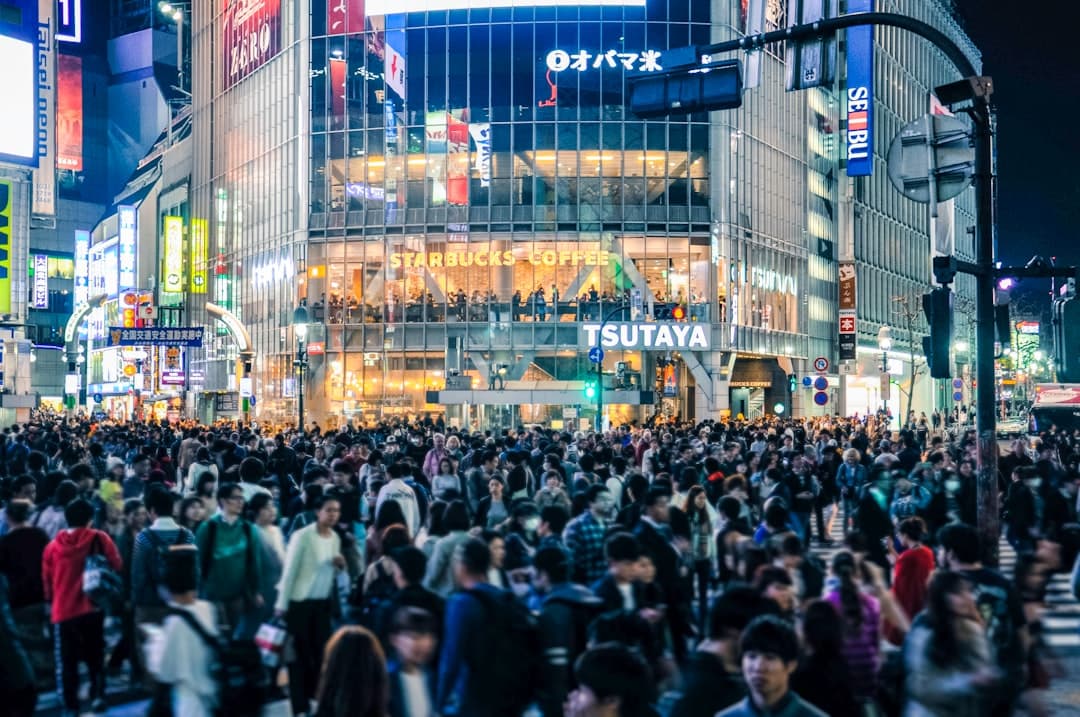
Nezu Shrine is a Shinto shrine in the quiet Nezu neighborhood of Bunkyo, one of the oldest and most intact shrine complexes in all of Tokyo. Unlike many of the city's sacred sites that were destroyed in wartime bombing or redevelopment, Nezu survived the 20th century largely untouched — its main structures date to 1706, built by the fifth Tokugawa shogun, Tsunayoshi. That age shows in the best possible way: weathered vermillion paint, moss-covered stone lanterns, and a sense of accumulated time that's genuinely rare in this city. The experience here is unhurried and exploratory. You'll pass through a series of torii gates — a tunnel of them, in the style made famous by Fushimi Inari in Kyoto, but smaller in scale and far less crowded — winding up a forested hillside behind the main hall. The main buildings themselves are impressive: a grand honden (main sanctuary), a haiden (oratory), and several auxiliary halls, all designated Important Cultural Properties. In April, the shrine hosts its Azalea Festival (Tsutsuji Matsuri), when roughly 3,000 azalea plants bloom across the terraced garden on the shrine's eastern slope. It's one of the most beautiful seasonal displays in Tokyo and draws real crowds. Nezu sits close to the literary and academic neighborhoods of Yanaka and Hongo — this is old Tokyo, the shitamachi spirit still intact. The shrine is far less visited than Meiji Jingu or Senso-ji, which means you'll often find yourself alone among the stone foxes and mossy lanterns. Come on a weekday morning and it can feel almost private. The nearest station is Nezu on the Tokyo Metro Chiyoda Line, a short walk away.
Night Bazaar
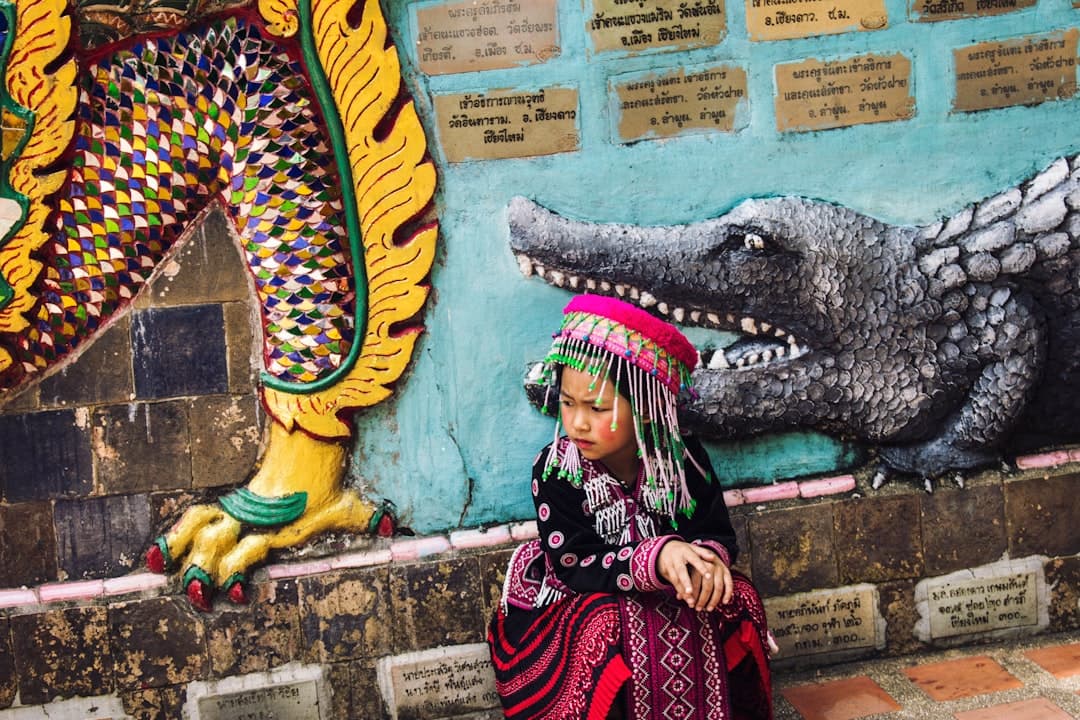
The Night Bazaar is one of Chiang Mai's most enduring institutions — a sprawling nightly market that has occupied a stretch of Changklan Road since the 1980s, drawing both locals and visitors into a lively mix of commerce, street food, and performance. It sits in the heart of the city's tourist corridor, between the old moated city and the Ping River, and covers several permanent structures as well as open-air stalls that spill out along the surrounding streets every evening. Walking through it, you'll find an almost overwhelming variety: silk scarves, lacquerware, hill-tribe textiles, carved teak, silver jewelry, carved soaps, and rows of bootleg DVDs sitting next to stalls selling genuinely beautiful handmade goods. The adjacent Kalare Night Bazaar building hosts a nightly dinner show with traditional Thai dance, and the Anusarn Market area to the south is where the best street food clusters — look for grilled satay, mango sticky rice, and a solid selection of northern Thai dishes like khao soi and sai oua sausage. The atmosphere picks up considerably after 7pm, when the crowds thicken and the whole place hums with energy. Bargaining is expected, and prices typically start two to three times higher than what vendors will ultimately accept — come in at around half the asking price and work from there. The quality of goods ranges from tourist-grade trinkets to genuinely high-quality craft items, so it rewards slow browsing rather than rushed buying. For a more curated shopping experience, the Saturday and Sunday Walking Streets (on Wualai Road and Tha Phae Road respectively) offer better crafts, but the Night Bazaar's scale and convenience — it runs every single night — make it the most accessible introduction to Chiang Mai's market culture.
Nijo Castle
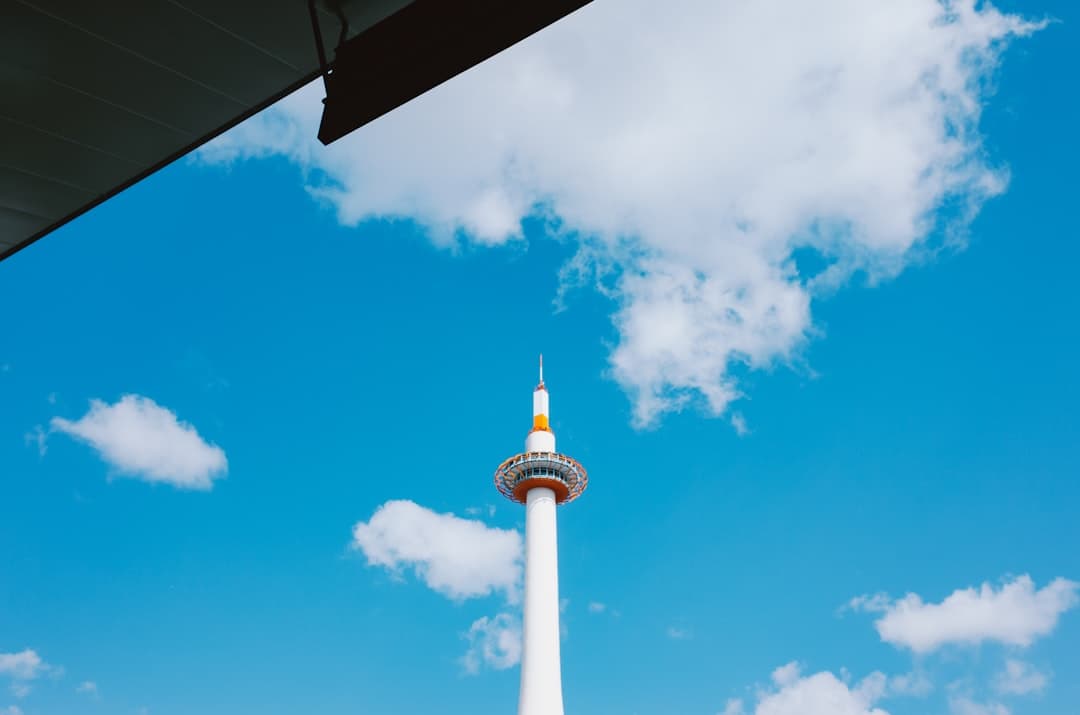
Nijo Castle is a UNESCO World Heritage Site built in 1603 as the Kyoto residence of Tokugawa Ieyasu, the shogun who unified Japan and founded the dynasty that would rule the country for over 250 years. It represents one of the best-preserved examples of feudal Japanese palatial architecture anywhere in the country — a place where the politics of an entire era were conducted and, ultimately, where that same era ended. In 1867, the last Tokugawa shogun formally returned power to Emperor Meiji within these very walls, making Nijo a site of genuine, world-altering historical significance. The complex divides into two main areas: the outer Ninomaru Palace and the inner Honmaru grounds. Ninomaru is the star — its interconnected chambers are decorated with extraordinary Kano school paintings of tigers, leopards, and pine trees on gilded screens, and the floors throughout are engineered to squeak with each step, a deliberate security feature nicknamed the "nightingale floor" (uguisubari) designed to prevent silent intruders. You walk through room after room of increasingly ornate reception halls where the shogun once received daimyo lords, the power dynamics literally built into the architecture — higher-ranking guests sat on slightly elevated platforms, lower-ranking ones below. The gardens, designed in the classical Japanese stroll style, wrap around both palace compounds and are beautiful in every season. Buy your tickets at the gate — there's no need to book in advance for most visits, though the site can get crowded on weekends and during cherry blossom season. Audio guides are available in English and genuinely add depth to the palace walk-through. Arrive early on weekday mornings if you want the Ninomaru rooms relatively to yourself. The castle grounds are also one of Kyoto's better cherry blossom spots, with dozens of trees inside the moat, but that comes with corresponding crowds in late March and early April.
Nimmanhaemin Road
Nimmanhaemin Road — almost always shortened to 'Nimman' by locals and visitors alike — is the stylish, café-saturated strip that runs through Chiang Mai's most contemporary neighborhood. Stretching roughly two kilometers near Chiang Mai University, it became the city's creative hub over the past two decades as young Thais, expats, and digital nomads gravitating toward its mix of independent coffee shops, design boutiques, art galleries, and restaurants. If the Old City is Chiang Mai's historical soul, Nimman is its modern heartbeat. Walking Nimman means bouncing between worlds in the space of a single block. On the road itself you'll find flagship-style Thai fashion brands and imported design goods, while the numbered sois (side streets) branching off the main drag — especially Soi 1, 7, and 9 — hide specialty coffee roasters, plant-based cafés, Japanese-style ramen joints, and bars with craft cocktails and live music. Maya Mall anchors the northern end with mainstream retail and a multiplex cinema, while the One Nimman complex near the southern stretch offers a more curated, open-air version of the same idea. Street food carts still park themselves between the stylish signage, which is exactly what makes it feel Thai rather than transplanted. The street is most alive in the late afternoon and evening, when the heat softens and the café terraces fill up. Morning is genuinely underrated — the coffee shops open early and you'll have your pick of seats before the crowds arrive. Parking is chaotic; walk, grab a songthaew, or use a rideshare app. Prices here run higher than the rest of Chiang Mai but are still very reasonable by any international standard.
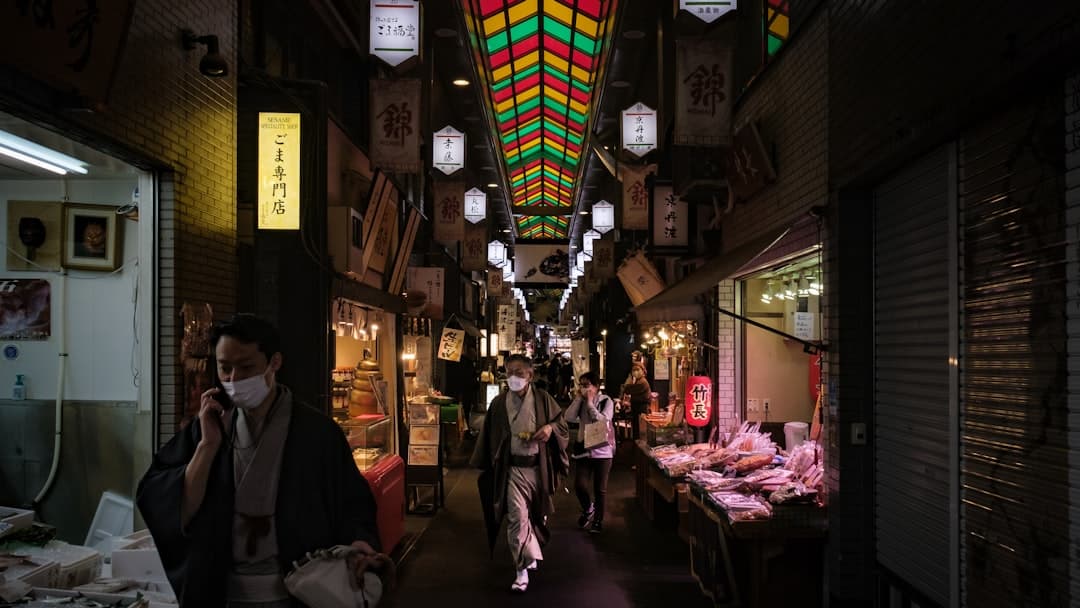
Nishiki Market
Nishiki Market is a long, narrow covered shopping street in the heart of Kyoto — roughly 400 meters long, lined with over a hundred stalls and small shops — that has served as the city's primary food market since the 17th century. Locals call it Kyoto's Kitchen, and that nickname earns its keep. This is where Kyoto's distinctive food culture lives: the pickled vegetables, the delicate tofu, the fresh yuba (tofu skin), the skewered octopus balls and grilled mochi on sticks — foods that have defined this city's cuisine for centuries. Walking the market is an immersive, sensory-overload experience in the best possible way. The arcade is narrow enough that you'll brush shoulders with other visitors, and the stalls spill right onto the walkway — vendors grilling things, slicing things, pressing samples into your hand. You can eat your way from one end to the other, sampling dashi-soaked dashimaki tamago (rolled egg omelette), skewers of grilled fish cakes, fresh yudofu, and tiny cups of amazake. Stop at Aritsugu, one of Japan's most respected knife shops, which has been operating here since 1560. The market also has a handful of proper sit-down lunch spots tucked among the stalls if you want to slow down. The market runs roughly east-west between Teramachi and Takakura streets, parallel to and just north of Shijo-dori. It's covered, so rain doesn't matter, but crowds absolutely do — midday on a weekend in peak season is genuinely overwhelming. Come before 10am or after 4pm on weekdays for a calmer experience. Many food stalls close by early evening, and a handful of the shops are closed on Wednesdays.