
National Museum of Scotland
Scotland's entire story, from Dolly the sheep to medieval knights, under one roof.
The National Museum of Scotland on Chambers Street is one of the UK's great free museums — a sweeping, beautifully designed institution that traces the full arc of Scottish history, culture, science, and natural history. It's split across two connected buildings: a grand Victorian pile from 1866 and a striking modern sandstone extension that opened in 1998. Together they house around 20,000 objects across multiple floors, making it the kind of place where you walk in for an hour and emerge three hours later blinking.
The range is genuinely extraordinary. You can stand next to Dolly, the world's first cloned sheep (taxidermied and displayed here), then walk past a full-scale medieval jousting knight on horseback, then look up at a hanging sperm whale skeleton, then wander into galleries on the Jacobite risings or the age of Scottish Enlightenment. The Grand Gallery — the soaring Victorian atrium at the heart of the building — is itself worth a visit, with objects suspended from the ceiling and natural light pouring in from above. There are dedicated sections on science and technology, fashion, world cultures, and ancient Scotland going back thousands of years.
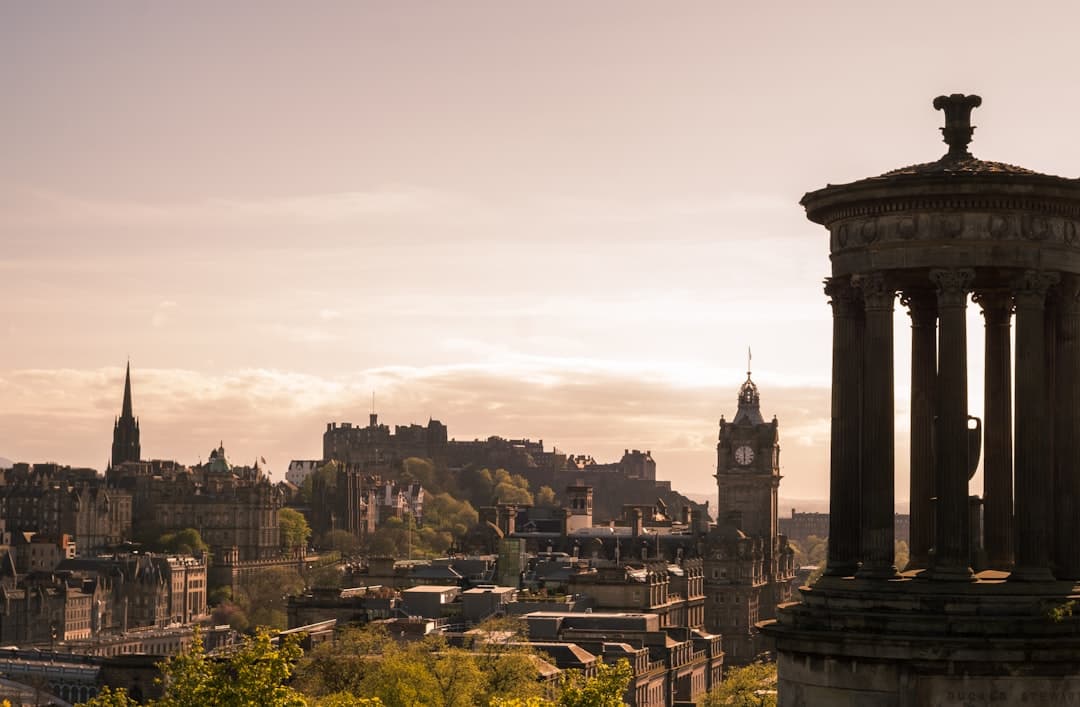
Entry is free, which makes it one of Edinburgh's great bargains. The museum sits right in the Old Town, a short walk from the Royal Mile, so it's easy to fold into a day of city exploration. The rooftop terrace (access via lift on the upper floors) offers surprisingly good views over the city and is often overlooked by visitors. Weekday mornings are the quietest time to go; school holidays and summer weekends get crowded. The café on the ground floor is decent enough for a break but not a destination in itself.