
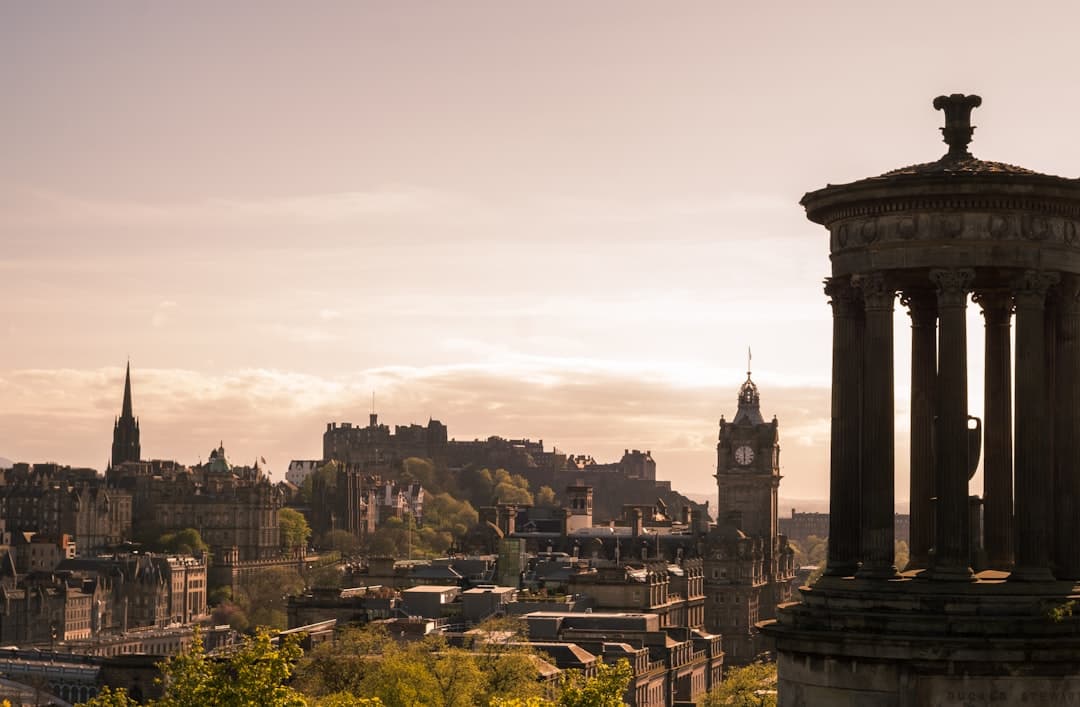
Arthur's Seat
Edinburgh / Arthur's Seat

Arthur's Seat

An ancient volcano rising from the city, with views that stop you cold.

🏛️ Sights & Landmarks🌿 Nature & Outdoors🎯 Activities & Experiences
🧗 Adventurous👨‍👩‍👧 Family-friendly🌹 Romantic

Arthur's Seat is the dramatic rocky peak that dominates Edinburgh's skyline — a 251-metre-high extinct volcano sitting right inside the city, within Holyrood Park. It sounds improbable, but it's real: you can walk out of the Old Town, past the Scottish Parliament, and be on open moorland within minutes. The hill has been here for around 350 million years, and people have lived on and around it since the Bronze Age. It's one of the best-known natural landmarks in Scotland, and for many visitors, the view from the top is the single most memorable thing they do in Edinburgh.

The climb itself takes between 45 minutes and an hour and a half depending on your route and fitness level. The most popular path winds up from Holyrood Park Road past the smaller peak of Salisbury Crags — dramatic basalt cliffs that make for great photos even if you don't summit — before a steeper final push to the top. On a clear day, the 360-degree panorama takes in the entire city below, the Firth of Forth, the bridges at Queensferry, the Pentland Hills to the south, and on exceptional days, the distant Highland peaks. The summit itself is rocky and often windy, and there's nothing up there — no café, no railing, no shelter — which is exactly why it feels so good when you get there.

The park is free, open year-round, and requires no booking. Start from the Holyrood Park entrance near the Scottish Parliament or from the St Margaret's Loch car park for a slightly gentler approach. Weekday mornings are noticeably quieter than weekend afternoons. The ground can be genuinely boggy after rain, so proper footwear matters more than people expect.

Local Tips

  1. 1

    The Radical Road path along the base of Salisbury Crags is stunning even if you don't want to summit — it's flatter, very photogenic, and takes about 30–40 minutes.

  2. 2

    The 'tourist' route from Holyrood is the busiest; for a quieter climb with equally good views, start from Dunsapie Loch on the east side of the park.

  3. 3

    Wind at the summit is almost constant and feels much colder than in the city below — a packable layer is worth it even on warm days.

  4. 4

    St Margaret's Loch at the base of the hill has resident swans and is a lovely stopping point; combine the walk with a loop around the loch for a more complete Holyrood Park experience.

When to Go

Best times
May–September

Best chance of clear skies and long daylight hours — sunrise climbs in midsummer are genuinely spectacular and the hill is quieter before 8am.

Winter (December–February)

Cold and often icy on the upper slopes — crampons or microspikes worth considering. The low light on frosty days can make for dramatic atmosphere if you're prepared.

1 May (Beltane)

The Beltane Fire Festival revival sometimes draws early-morning crowds to the summit; a fascinating cultural moment but the hill gets crowded.

Try to avoid
Weekend afternoons (year-round)

The most popular routes get busy with day-trippers and tourists; the experience is considerably better on a weekday morning.

Why Visit

01

The view from the top is a full panorama over Edinburgh, the sea, and the surrounding hills — one of the best urban viewpoints in the UK.

02

It's a proper wild hill walk that starts in the middle of a capital city, with no entry fee and no crowds if you time it right.

03

The geology is extraordinary — you're standing on the plug of an ancient volcano, surrounded by basalt cliffs that have shaped Edinburgh's look for centuries.