Nishiki Market
Kyoto / Nishiki Market

Nishiki Market

Four hundred years of street food culture packed into one narrow covered arcade.

🛍️ Shopping🏛️ Sights & Landmarks🍽️ Food & Drink
🍽 Foodie👨‍👩‍👧 Family-friendly🎭 Cultural

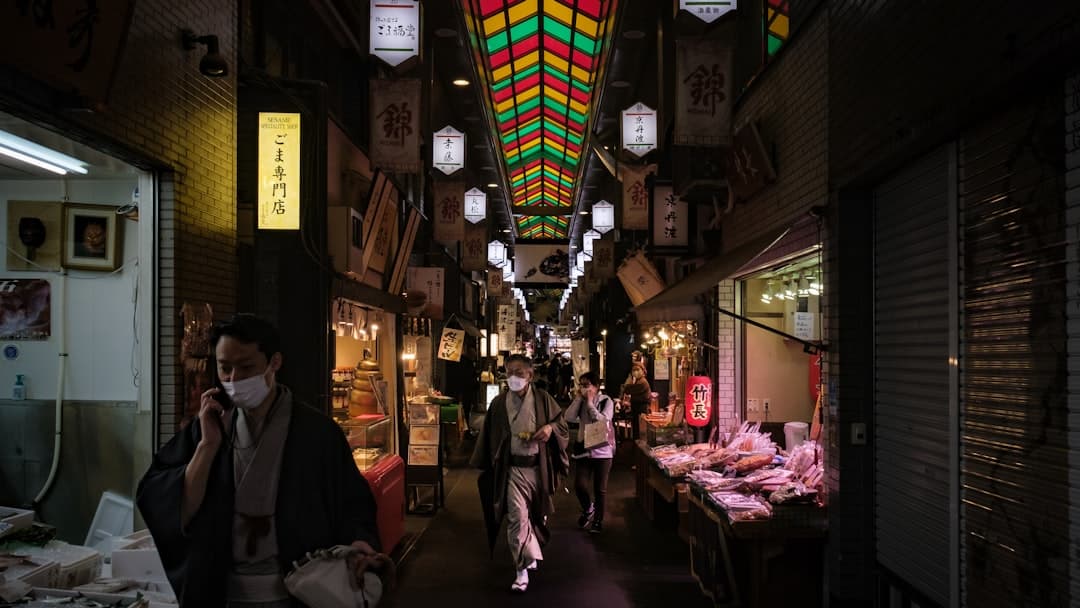
Nishiki Market is a long, narrow covered shopping street in the heart of Kyoto — roughly 400 meters long, lined with over a hundred stalls and small shops — that has served as the city's primary food market since the 17th century. Locals call it Kyoto's Kitchen, and that nickname earns its keep. This is where Kyoto's distinctive food culture lives: the pickled vegetables, the delicate tofu, the fresh yuba (tofu skin), the skewered octopus balls and grilled mochi on sticks — foods that have defined this city's cuisine for centuries.

Walking the market is an immersive, sensory-overload experience in the best possible way. The arcade is narrow enough that you'll brush shoulders with other visitors, and the stalls spill right onto the walkway — vendors grilling things, slicing things, pressing samples into your hand. You can eat your way from one end to the other, sampling dashi-soaked dashimaki tamago (rolled egg omelette), skewers of grilled fish cakes, fresh yudofu, and tiny cups of amazake. Stop at Aritsugu, one of Japan's most respected knife shops, which has been operating here since 1560. The market also has a handful of proper sit-down lunch spots tucked among the stalls if you want to slow down.

The market runs roughly east-west between Teramachi and Takakura streets, parallel to and just north of Shijo-dori. It's covered, so rain doesn't matter, but crowds absolutely do — midday on a weekend in peak season is genuinely overwhelming. Come before 10am or after 4pm on weekdays for a calmer experience. Many food stalls close by early evening, and a handful of the shops are closed on Wednesdays.
Local Tips

  1. 1

    Eat as you walk — this is one of the few places in Japan where street eating is fully normalised and expected. Budget around ¥1,000–2,000 to graze properly.

  2. 2

    Stop at Aritsugu near the Nishikikoji-Gokomachi end for handmade Japanese kitchen knives — they'll engrave your name on a blade while you wait, and the quality is extraordinary.

  3. 3

    The western end near Teramachi has more tourist-oriented shops; the eastern section toward Takakura tends to have more working food vendors and local trade.

  4. 4

    Wednesday is a common closing day for several vendors and shops — if you have flexibility, aim for a different day of the week.

When to Go

Best times
Spring (late March–April)

Cherry blossom season floods central Kyoto with tourists — the market becomes extremely crowded during peak hours. Worth visiting but go early.

Weekday mornings (before 10am)

The market is quietest and most atmospheric early in the day, with vendors setting up and fewer tourists present.

Try to avoid
Midday on weekends year-round

Crowds in the narrow arcade can make it nearly impassable and uncomfortable — shoulder to shoulder with tour groups.

New Year period (late December–early January)

Many stalls close for the holiday season; foot traffic varies dramatically and some of the best shops may be shut.

Why Visit

01

It's one of the most concentrated experiences of authentic Kyoto food culture you can have — everything from 400-year-old knife shops to vendors selling hand-pressed tofu still warm from the block.

02

It's free, walkable, and entirely accessible — no reservations, no tickets, just show up and start eating your way through one of Japan's great market streets.

03

The produce and prepared foods here reflect Kyoto's uniquely refined culinary tradition, including vegetables and pickles you genuinely won't find anywhere else in Japan.