
All Places
1,073 places around the world
1,073 places · page 26 of 45
Musée Rodin
The Musée Rodin occupies the Hôtel Biron, an elegant 18th-century mansion in Paris's 7th arrondissement where Auguste Rodin lived and worked from 1908 until his death in 1917. Rodin donated his entire estate to the French state on the condition that this building become a museum dedicated to his work — and that's exactly what it became, opening in 1919. It holds the world's largest and most important collection of his sculptures, drawings, and personal belongings, including iconic works you'll recognise even if you don't know their names. The experience divides between the mansion's interior galleries and one of the loveliest museum gardens in Paris. Inside, you'll move through room after room of Rodin's plaster studies, bronzes, marbles, and correspondence — the kind of intimate access to a creative process that most artists' museums only gesture at. Outside in the four-acre garden, the monumental bronzes earn the space they demand: The Thinker sits in front of the mansion facade, The Gates of Hell towers in a far corner, The Burghers of Calais occupies another, and The Shade stands nearby. You can simply wander, sit on a bench, and let the sculptures come to you. The garden-only ticket is one of Paris's best deals — a few euros buys you access to the outdoor sculptures and one of the city's most peaceful green spaces, right near the Eiffel Tower and Les Invalides. Tuesday through Sunday, doors open at 10am; the museum closes on Mondays. Arrive when it opens to beat the tour groups, and don't skip the back garden even if your feet are tired — that's where the real atmosphere lives.
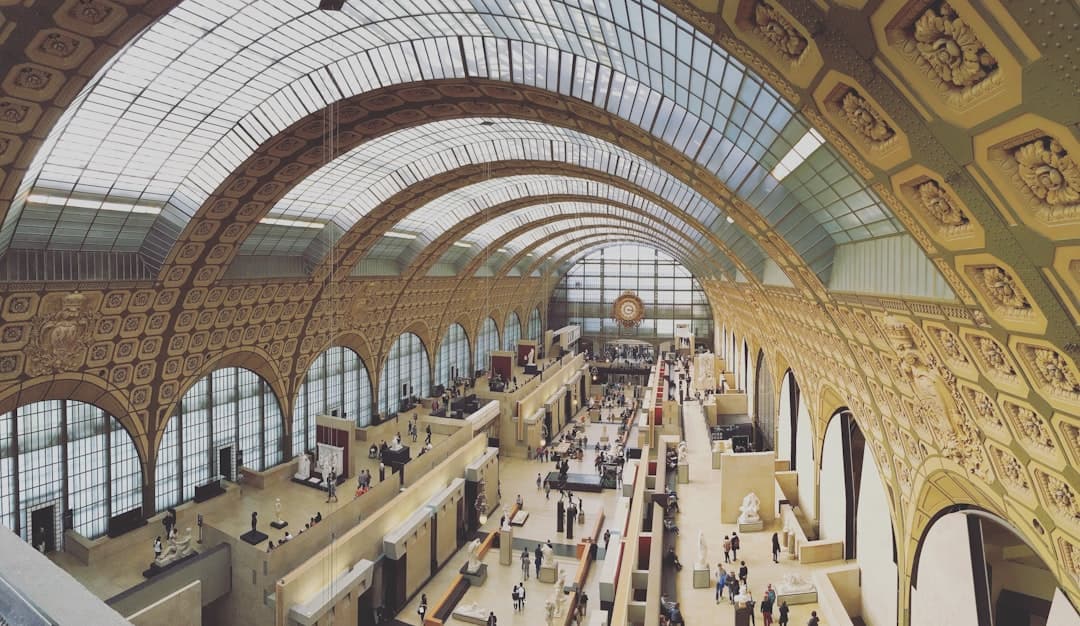
Musée d'Orsay
The Musée d'Orsay is a Paris art museum occupying a grand Beaux-Arts railway station built for the 1900 World's Fair. When the Gare d'Orsay was decommissioned, the building was saved from demolition and reopened as a museum in 1986. Today it holds one of the most important art collections on earth, spanning work from roughly 1848 to 1914 — the period that bridged academic painting, Realism, Impressionism, Post-Impressionism, and early Modernism. Think Monet, Renoir, Degas, Van Gogh, Cézanne, Gauguin, Seurat, and Klimt, all under one extraordinary roof. Visiting means moving through high, light-filled galleries along the main nave and up into the upper floors where the Impressionist and Post-Impressionist masterpieces live. You'll stand in front of Van Gogh's Bedroom in Arles and Starry Night Over the Rhône, Monet's series paintings, Renoir's Moulin de la Galette, and Manet's scandalous Olympia and Le Déjeuner sur l'herbe — paintings you've seen reproduced a thousand times that look completely different in person. The building itself is part of the experience: the giant clock faces on the upper level are iconic, and the rooftop café offers one of the better views across the Seine toward Montmartre. The Orsay is considerably more manageable than the Louvre — focused in scope, navigable in a single serious visit, and less overwhelming. Thursday evenings the museum stays open until 9:45pm and crowds thin out noticeably, making it the single best time to visit. The museum is closed on Mondays. EU citizens under 26 get in free, and the first Sunday of each month is free for everyone, though that draws significant crowds.
Musée de l'Orangerie
The Musée de l'Orangerie is a small, focused museum tucked into the western edge of the Tuileries Garden, and it exists essentially to house one of the greatest single artworks in the world: Claude Monet's eight monumental Water Lilies panels, known in French as the Nymphéas. Monet conceived these vast curved canvases as a gift to the French state after World War I, and the Orangerie — a former greenhouse built during the Second Empire — was redesigned specifically to display them. The result is a space that functions less like a museum gallery and more like a chapel built around a single vision. The Water Lilies occupy two oval rooms on the ground floor, each painting curving around the walls so that you're completely surrounded by light, water, and willows. There's no narrative, no dramatic climax — just an immersive, almost meditative experience that hits differently depending on what time of day you visit. Natural light pours in through the glass ceilings, changing the mood of the paintings hour by hour. Downstairs, the Jean Walter and Paul Guillaume Collection offers a genuinely excellent secondary act: Cézanne, Renoir, Matisse, Picasso, and Rousseau, all assembled by a private collector and donated to the French state. It's a strong enough collection to be the main event almost anywhere else. The Orangerie is far more manageable than the Louvre or the Musée d'Orsay — you can see everything properly in 90 minutes to two hours — which makes it a particularly good choice if you're hitting museum fatigue or travelling with people who aren't hardcore art enthusiasts. Pre-booking online is strongly recommended, especially in summer; the timed entry keeps crowds in check but spaces fill up fast. The museum is closed on Tuesdays.
My Son Sanctuary
My Son Sanctuary is one of Southeast Asia's most significant archaeological sites — a collection of ancient Hindu temples built by the Cham people between the 4th and 14th centuries. The Cham were a powerful maritime civilization that dominated central Vietnam for nearly a millennium, and My Son was their most sacred religious site, dedicated primarily to Shiva. Today it's a UNESCO World Heritage Site, and despite serious damage from US bombing raids during the Vietnam War, enough remains to make the scale and sophistication of Cham civilization vividly clear. The sanctuary is spread across a narrow valley ringed by jungle-covered mountains, and the approach alone sets the mood — you walk or take a golf cart through dense tropical forest before the brick towers emerge from the greenery. The complex is divided into lettered groups (A through H), each containing clusters of towers and ceremonial structures in varying states of preservation. Group B and C tend to be the most impressive. The craftsmanship is remarkable: the Cham built these towers from fired brick without mortar, using a technique that still isn't fully understood, and carved intricate reliefs of gods, dancers, and mythological scenes directly into the brick. A small on-site museum adds useful context, and there are regular Cham dance performances throughout the day. My Son is about 40 kilometres southwest of Hoi An — most visitors join a half-day tour or hire a driver, and many combine the trip with a boat ride along the Thu Bon River. Arrive early, before the tour buses from Da Nang pile in around 9–10am. The heat in the valley can be brutal by midday, and the site has limited shade once you're out among the towers. Morning also brings softer light, which makes a real difference for photography. Skip the cheapest group tours if you can — a knowledgeable guide transforms this place from a pile of old bricks into something genuinely moving.
Myeongdong
Myeongdong is the beating commercial heart of central Seoul — a dense grid of pedestrian streets in Jung District that has been the city's premier shopping and dining destination for decades. It's where Korean pop culture, beauty obsession, and street food culture all collide in a few gloriously chaotic blocks. By day it draws locals and tourists alike to its flagship beauty stores, fashion boutiques, and international brands; by evening the street food vendors roll out and the whole neighborhood transforms into an open-air food market under neon lights. The experience is full-sensory and relentless in the best way. Street vendors line the main drag selling everything from tornado potatoes and hotteok (sweet filled pancakes) to skewered lobster tails and Korean corn dogs coated in sugar and cheese. The beauty shopping is equally overwhelming — brands like Innisfree, The Face Shop, Laneige, and Etude House each have multiple outposts within a few hundred meters of each other, and the salespeople are among the most aggressive (and entertaining) in the city. Myeongdong Cathedral, a striking Gothic-style Catholic church built in 1898, sits at the top of the hill and offers a rare moment of calm amid the commercial frenzy. Myeongdong is unambiguously a tourist zone, and that's worth knowing going in — prices at sit-down restaurants here skew higher than elsewhere in Seoul, and the crowds on weekend evenings are genuinely intense. The smart move is to come for the street food and beauty shopping, skip the sit-down meals, and use Myeong-dong station on Line 4 as your anchor point. Arrive around 6–7pm when the food stalls are fully set up and the energy is at its peak.
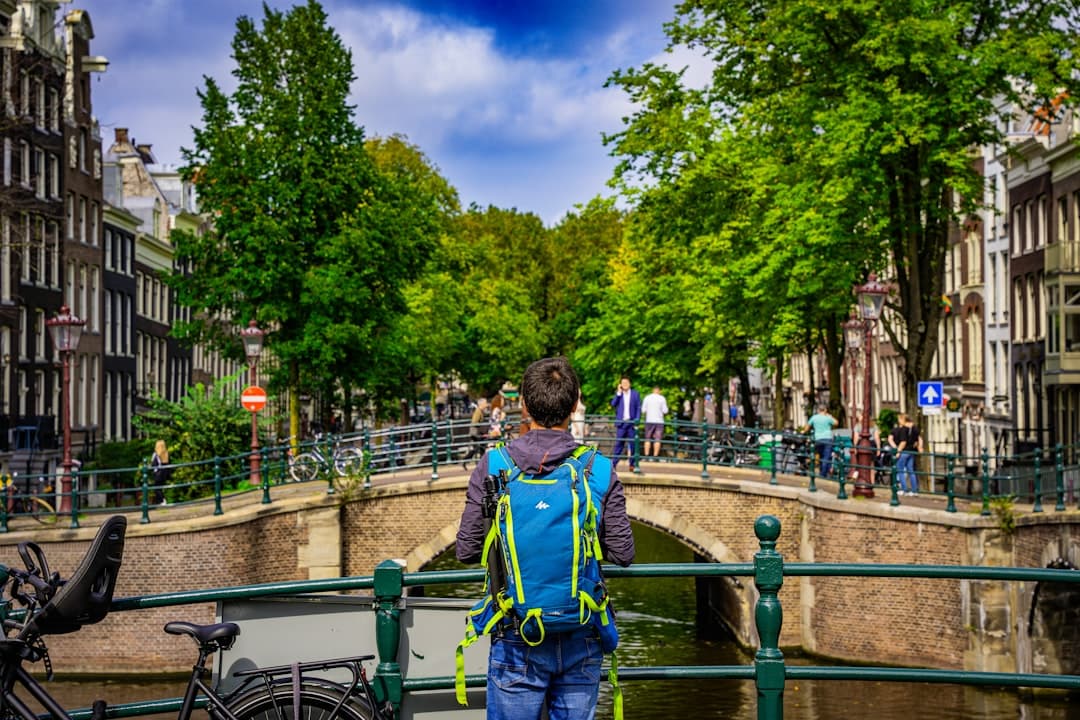
NEMO Science Museum
NEMO Science Museum is Amsterdam's largest science museum, housed in a striking copper-green building designed by Italian architect Renzo Piano that rises above the Eastern Docklands like the prow of a ship. Opened in 1997, it sits on top of the IJ tunnel approach road — a genuinely unusual piece of urban planning — and is unmissable from across the water. The building alone is a reason to visit, but inside it's packed with interactive exhibits that make science and technology genuinely engaging for anyone from toddlers to adults. The five floors cover topics like energy, light, technology, human biology, and chemistry — but the key word here is interactive. This is not a place where you read placards and shuffle past glass cases. You perform experiments, build structures, test reactions, and operate machines. Kids go absolutely feral for it in the best way, but grown adults will find themselves just as absorbed trying to understand how a chain reaction works or playing with bubbles the size of a person. The rooftop is a separate attraction in itself: a wide open terrace with views across Amsterdam's harbour and skyline, and on warm days, a shallow paddling pool and water features that attract families in droves. The rooftop is free to access from the outside via a public staircase on the eastern side of the building — worth knowing if you just want the view without paying museum entry. The museum itself closes on Mondays year-round, so plan around that. School groups descend in force on weekday mornings, so if you're visiting without children, a Tuesday or Wednesday afternoon is noticeably calmer. Entry can be booked online in advance, which is worth doing in peak summer months.
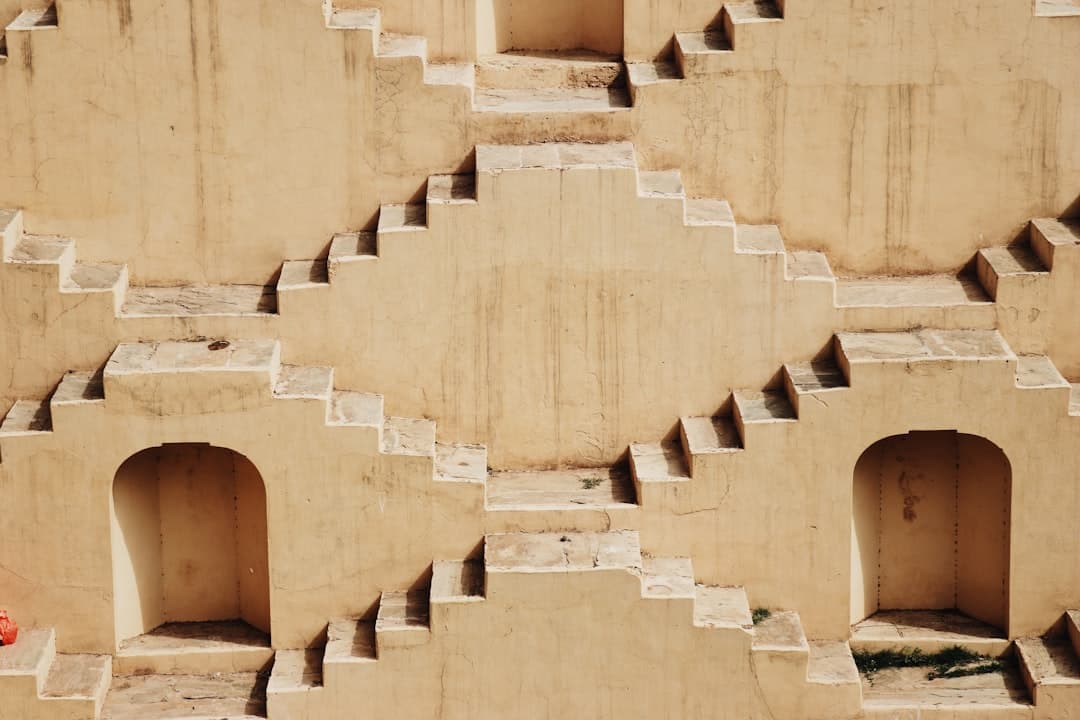
Nahargarh Fort
Nahargarh Fort sits on the ridgeline of the Aravalli Hills above Jaipur, built in 1734 by Maharaja Sawai Jai Singh II — the same ruler who founded the Pink City below. Its name means 'abode of tigers,' though legend has it the fort was named after a local prince, Nahar Singh Bhomia, whose restless spirit supposedly haunted the construction site. Alongside Amber Fort and Jaigarh Fort, Nahargarh forms a trio of defensive structures that once guarded the kingdom of Amber, but it has a distinct character of its own — less polished and tourist-heavy than Amber, with a raw, atmospheric quality that history lovers tend to prefer. The fort complex rewards exploration: the highlight for most visitors is the Madhavendra Bhawan, a remarkable 19th-century palace built by Maharaja Ram Singh II, containing twelve identical suites arranged around a central corridor — one for each of his queens, each connected to his own chambers. The layout is both practical and diplomatic. Beyond the palace, you wander through bastions, crumbling courtyards, and open terraces where the views sweep across the entire pink city, the Jal Mahal water palace in Man Sagar Lake, and on clear days, the distant plains stretching toward Delhi. Sunset here is genuinely spectacular. The fort sits about a 20-minute drive from central Jaipur — auto-rickshaws and taxis make the winding road up without any trouble. Entry is cheap by any measure. There's a rooftop restaurant called Padao inside the fort precincts where you can have a cold beer or chai while watching the sun drop behind the hills — it's become a well-known spot among both locals and visitors, and for good reason. Go on a weekday morning if you want the place to yourself; weekends draw Jaipur families and can get lively by mid-afternoon.
Nairobi National Museum
The Nairobi National Museum is Kenya's foremost museum, operated by the National Museums of Kenya and sitting just north of the city centre on Museum Hill. It's the kind of place that puts the country's staggering breadth — 50 million years of geological time, dozens of ethnic cultures, colonial history, and post-independence nationhood — into a single afternoon. Founded in 1910 as the East Africa and Uganda Natural History Society's collection and relocated to its current building in 1930, it has grown into a serious institution with genuine world-class holdings, most famously in palaeontology. Inside, you'll find one of the most important collections of early human fossils anywhere on earth, including casts and originals from the Turkana Basin discoveries that have shaped our understanding of human evolution — the work of the Leakey family, who made Kenya the cradle of modern palaeontology. The Hall of Kenya's Past walks you through millions of years with impressive clarity. The natural history galleries cover East African wildlife in depth, and the cultural exhibits explore the traditions and material culture of Kenya's many ethnic groups, from the Maasai to the Giriama. There's also a Snake Park on the grounds, a botanical garden, and a gallery dedicated to Joy Adamson — the conservationist who wrote Born Free — which adds an unexpected emotional layer to the visit. The museum sits in a relatively quiet, leafy pocket of Nairobi, making it a calming counterpoint to the city's intensity. Entry fees are tiered for residents and non-residents, so expect to pay more as a foreign visitor — roughly in line with international museum standards. The café on site is functional rather than special, so eat beforehand or after. The museum shop carries some genuinely good books on East African wildlife, archaeology, and culture that are harder to find elsewhere in the city.
Nairobi National Park
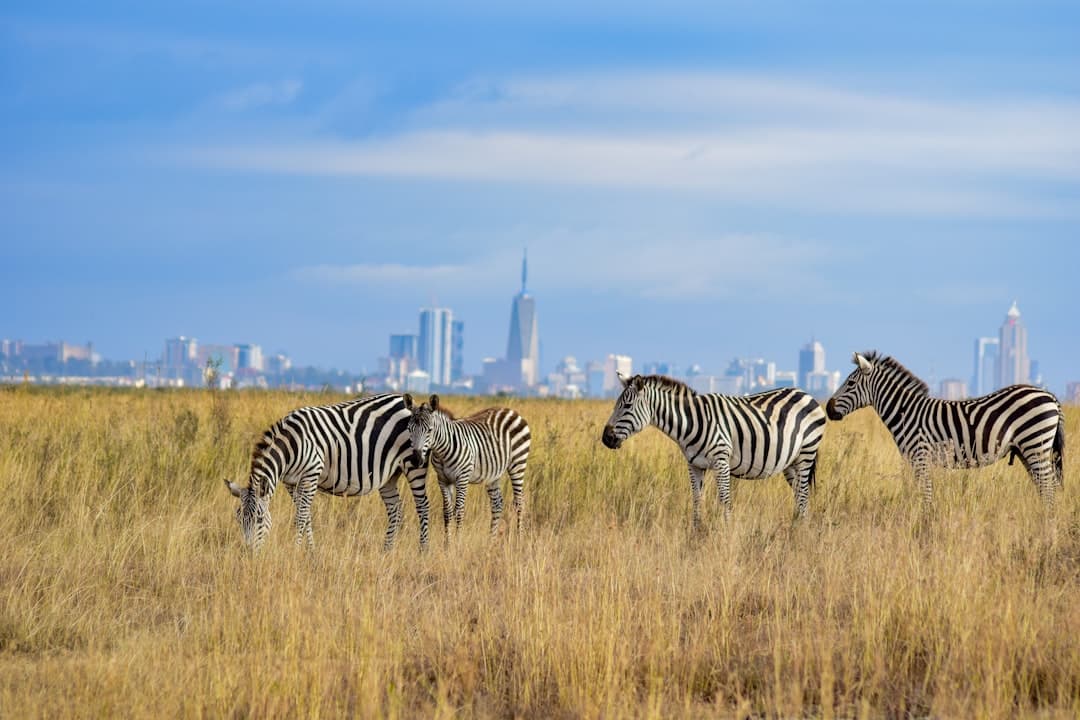
Nairobi National Park is one of the most unlikely wildlife spectacles on earth — a fully functioning national park sitting on the southern edge of a capital city of five million people. Established in 1946 as Kenya's first national park, it covers roughly 117 square kilometres of open grassland, bush, and riverine forest. Lions, leopards, buffalo, rhinos, and hundreds of hippos and crocodiles live here, and the park is particularly celebrated as one of Africa's most important black rhino sanctuaries. The northern boundary has no fence, which means wildlife migrates freely between the park and the wider Athi-Kapiti ecosystem to the south. A game drive here is genuinely surreal. You are watching a cheetah stalk prey across open savannah, and behind it, framed in your binoculars, are the glass towers of Nairobi's central business district. It never gets less strange or less wonderful. The park holds around 400 bird species, making it a serious destination for birders even on days when the big mammals are elusive. The Nairobi Safari Walk and Animal Orphanage sit at the main gate and offer a more contained wildlife encounter — useful for families with young children or anyone short on time for a full drive. Enter through the main gate off Langata Road — it's well signposted from the city. Self-drive is permitted, and the road network is manageable, though a guide will dramatically improve your game-spotting success. Early morning drives between 6am and 9am are when predators are most active and the light is extraordinary. Kenya Wildlife Service manages the park, and entry fees are paid through their online system — foreign adult rates apply unless you have a Kenyan ID. Build in at least a half day; the park rewards slow, patient driving.
Nairobi Railway Museum
The Nairobi Railway Museum sits beside the old Nairobi railway station and tells the story of the Uganda Railway — the audacious, brutal, and world-changing Victorian project that linked the Kenyan coast at Mombasa to Lake Victoria between 1896 and 1901. Built by the British using tens of thousands of indentured laborers from India, the railway effectively created Nairobi: the city started as a supply depot at mile 327. The museum preserves that founding history in locomotives, carriages, and artifacts that most visitors have never seen anything like before. The heart of the experience is the open-air yard where retired steam locomotives and vintage rolling stock sit in various states of weathered glory. You can climb into the cab of old engines, peer into colonial-era passenger carriages, and see the actual carriage in which Charles Ryall, a railway superintendent, was famously dragged out and killed by one of the Tsavo man-eating lions in 1900 — an event immortalized in the book and film 'The Ghost and the Darkness.' Inside the main building there are photographs, maps, timetables, uniforms, and personal effects that flesh out the human drama behind the iron tracks. The museum is small, unhurried, and genuinely undervisited — which is part of its charm. Entry fees are very affordable, and the staff are often happy to share stories not printed on any label. It's right next to the main Nairobi railway station, which itself is worth a look from the outside. Pair this with a visit to the nearby Nairobi National Museum or City Market for a full morning of city-side exploration.
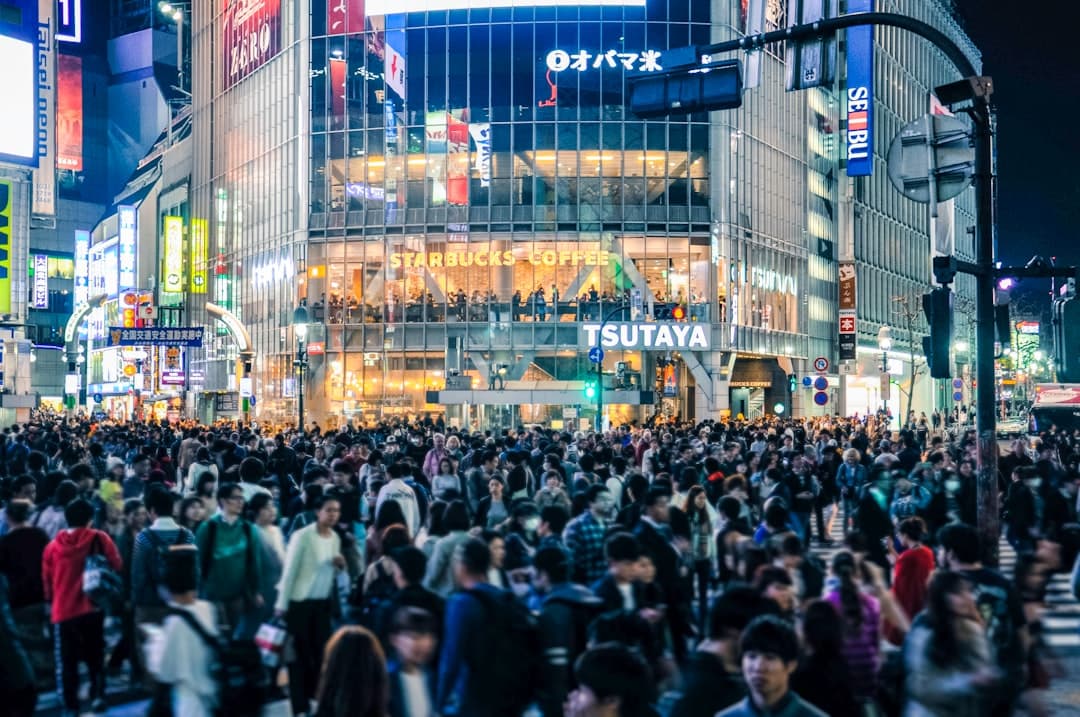
Nakameguro
Nakameguro is a neighborhood in southwest Tokyo built around the Meguro River, a narrow urban canal flanked by a continuous row of trees that transforms into one of the city's most celebrated cherry blossom corridors every spring. It sits between the busier hubs of Shibuya and Daikanyama, but feels quieter, more residential, and significantly more stylish — the kind of place where Tokyo's creative class lives, works, and spends their weekends. The river walk stretches for several kilometers and the streets branching off it are packed with independent boutiques, galleries, specialty coffee shops, and some of the city's most interesting small restaurants. Most visitors come to stroll the canal path, ducking into shops and cafés as they go. The elevated walkway above the river is lined with cherry trees that arch overhead in spring, and in the evening the branches are lit with lanterns, making it one of Tokyo's great romantic walks. Beyond the river, the backstreets reward wandering — you'll find vintage clothing stores, record shops, design studios, and places like the flagship Starbucks Reserve Roastery (an enormous, architecturally striking café concept) and Log Road Daikanyama, a small outdoor retail strip nearby. The neighborhood rewards slow exploration far more than efficient sightseeing. The nearest train stations are Nakameguro on the Tokyo Metro Hibiya Line and Tokyu Toyoko Line, and Daikanyama on the Tokyu Toyoko Line — both are easy walks from the canal. The area is busiest on weekends and absolutely packed during cherry blossom season in late March to early April. Come on a weekday morning or in the evening for a more local, unhurried feel. This isn't a neighborhood built around a single attraction — it's the accumulated texture of dozens of good small places that makes it worth a half day.
Nakanoshima
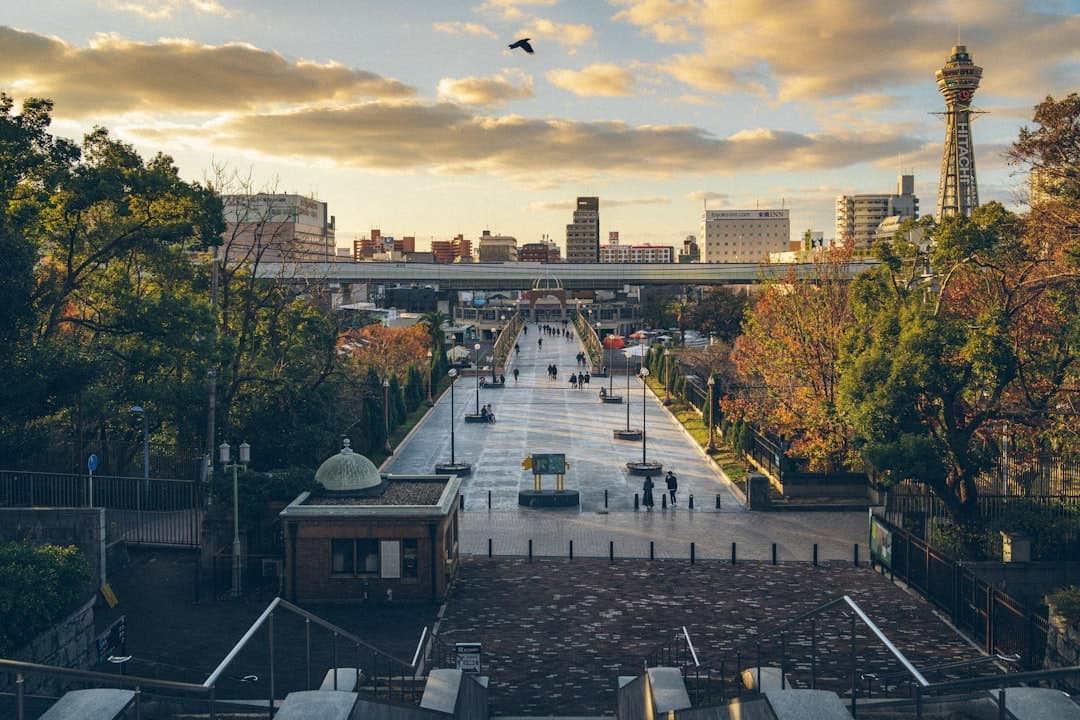
Nakanoshima is a long, narrow island — really more of a sandbar — sitting in the middle of the Dojima and Tosabori rivers in the heart of Osaka. It has been the civic and commercial nerve center of the city for centuries, home to rice brokerages during the Edo period that effectively made Osaka the economic capital of Japan. Today it holds some of the city's most important institutions: the Osaka Prefectural Nakanoshima Library, a gorgeous Meiji-era building that's one of the oldest Western-style public libraries in Japan, the Osaka City Hall, and the National Museum of Art, Osaka, which sits mostly underground and contains a world-class collection of modern and contemporary work. Walking the island feels like a compressed version of Osaka's character — serious history sitting comfortably next to modern design, with good food never far away. The Nakanoshima Rose Garden bursts into color in late spring, the riverside promenade invites aimless strolling at any time of year, and Nakanoshima Park at the eastern tip is a popular spot for office workers eating lunch and couples sitting by the water. The western end of the island has a more contemporary feel, anchored by the Osaka City Museum of Housing and Living and newer hotel and restaurant development. Nakanoshima is most rewarding when you treat it as a half-day wander rather than a checklist of sights. Come on a weekday morning when the library and museums are quieter, walk the full length of the island, duck into the museum if modern art interests you, and finish with coffee at one of the riverside cafés that have opened in recent years. The island connects easily to Kitahama and Yodoyabashi stations, making it a natural stopping point between Osaka's northern and southern neighborhoods.
Nakupenda Sandbank
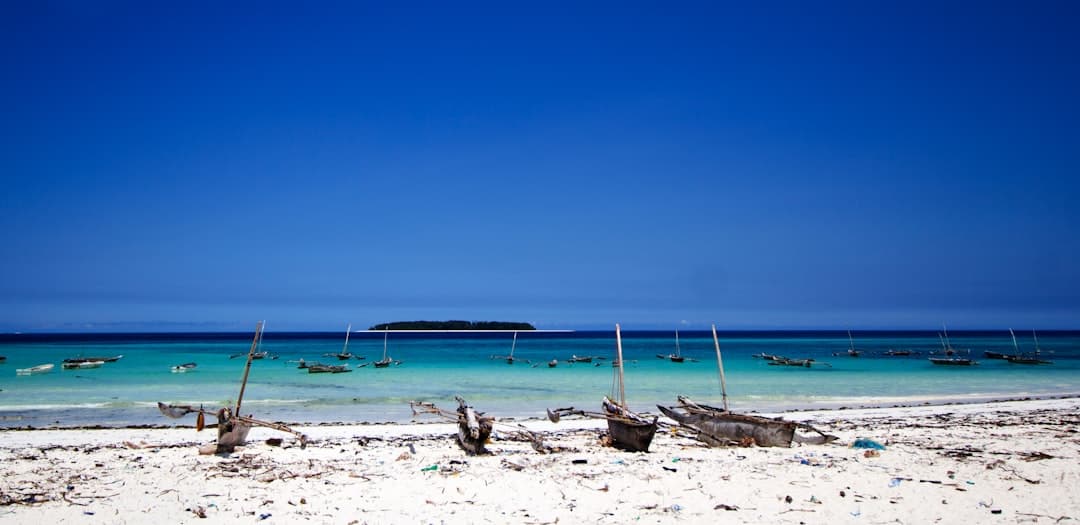
Nakupenda — which means 'I love you' in Swahili — is a sandbank that appears off the coast of Stone Town, Zanzibar, accessible only by boat. It's not an island in any permanent sense: the sandbank emerges from the Indian Ocean at low tide and is swallowed back by it as the water rises, giving the whole experience an inherently fleeting quality. That impermanence is part of the appeal. You're standing on sand that wasn't there this morning and won't be there this evening, surrounded by water that shifts from turquoise to deep blue depending on the depth and the angle of the sun. Visitors arrive by dhow or speedboat — usually as part of an organised trip from Stone Town, often bundled with snorkelling at nearby Prison Island or a stop at Chumbe Island. On the sandbank itself, there's very little to do in the conventional sense: you wade, you swim, you sit on a strip of sand so white it's almost blinding, you watch the horizon. Some tour operators set up grilled seafood lunches right on the sand, which tips the experience from scenic to genuinely memorable. The snorkelling around the edges is decent, with reef fish and occasional sea turtles reported in the surrounding waters. The key practical thing to understand is that this isn't a place you can visit independently — you need to organise a boat, and the experience is entirely tide-dependent. Most operators run morning departures from Stone Town's waterfront (around Mizingani Road), and trips typically last a few hours including travel time. Book through your hotel or a reputable local operator; prices and quality vary considerably. Go earlier in the day to beat both the midday heat and the crowds from later boats.
Namba
Namba is the thumping commercial and entertainment core of Osaka, a dense urban neighbourhood in Chuo Ward where everything the city is famous for collides in one place. This is where the famous Dotonbori canal cuts through a canyon of towering LED signs and mechanical crabs, where takoyaki vendors compete for your attention on every corner, and where Osaka's reputation as Japan's most uninhibited, food-obsessed city becomes instantly obvious. It's not a single attraction — it's an entire neighbourhood built around pleasure, and it earns its reputation every night of the week. Walking Namba means bouncing between radically different experiences within a few hundred metres. The Dotonbori strip itself is a spectacle worth seeing on its own — the Glico Running Man sign, the giant Kani Doraku crab, the river reflections at night. Shinsaibashisuji shopping arcade stretches north and keeps you dry in the rain while you browse everything from 100-yen shops to local fashion boutiques. Duck into Kuromon Ichiba market for fresh uni and grilled scallops, or head down into Namba Parks for a more modern, less chaotic retail experience. At night, the Den Den Town electronics and anime district pulls in a different crowd entirely. Namba rewards slow wandering more than checklist tourism. The area is genuinely walkable and most of what makes it great — the street food, the atmosphere, the people-watching — costs nothing or almost nothing. Weekends get very crowded, especially along Dotonbori; if you want the neon spectacle without the shoulder-to-shoulder crush, come on a weekday evening or show up before 10am to catch the market vendors setting up. Osaka's locals eat late, so the street food scene is at its most alive between 7pm and 11pm.
Namsan Seoul Tower
N Seoul Tower — officially called Namsan Seoul Tower — sits atop Namsan Mountain in the heart of Seoul, and has been a defining feature of the city's skyline since it opened to the public in 1980. The tower itself rises 236 meters from the summit, but because Namsan already sits nearly 250 meters above sea level, the observation deck puts you at roughly 480 meters in total — high enough to take in the full sweep of the Seoul basin, from the Han River to the northern mountains and everything in between. It's one of those places that gives a city genuine scale and meaning, and for millions of visitors it's the moment Seoul finally clicks into perspective. Getting there is part of the experience. Most people take the Namsan Cable Car from Myeong-dong, a short but genuinely fun gondola ride through the forested hillside — though you can also walk up through Namsan Park, which is a pleasant 20-to-30-minute hike and worth doing at least one way. At the top, the tower complex has multiple observation decks (indoor and outdoor), a rotating restaurant called N Grill, a digital experience floor, and the famous 'love locks' — thousands of padlocks attached to fences and railings by couples, a tradition that has become as much a feature of the place as the view itself. At night the tower changes color to reflect the air quality index, something quirky that locals actually pay attention to. The view is best in clear weather — Seoul's air quality can be variable, especially in spring when yellow dust blows in from China, so check before you go. Sunset and the first hour after dark tend to be the sweet spot: you get the golden hour cityscape and then the city lights come on. The cable car queues can be brutal on weekends, so either arrive early, walk up, or budget extra time. The tower charges separately for the cable car and the observation deck, so factor both into your budget.
Nanjing Road
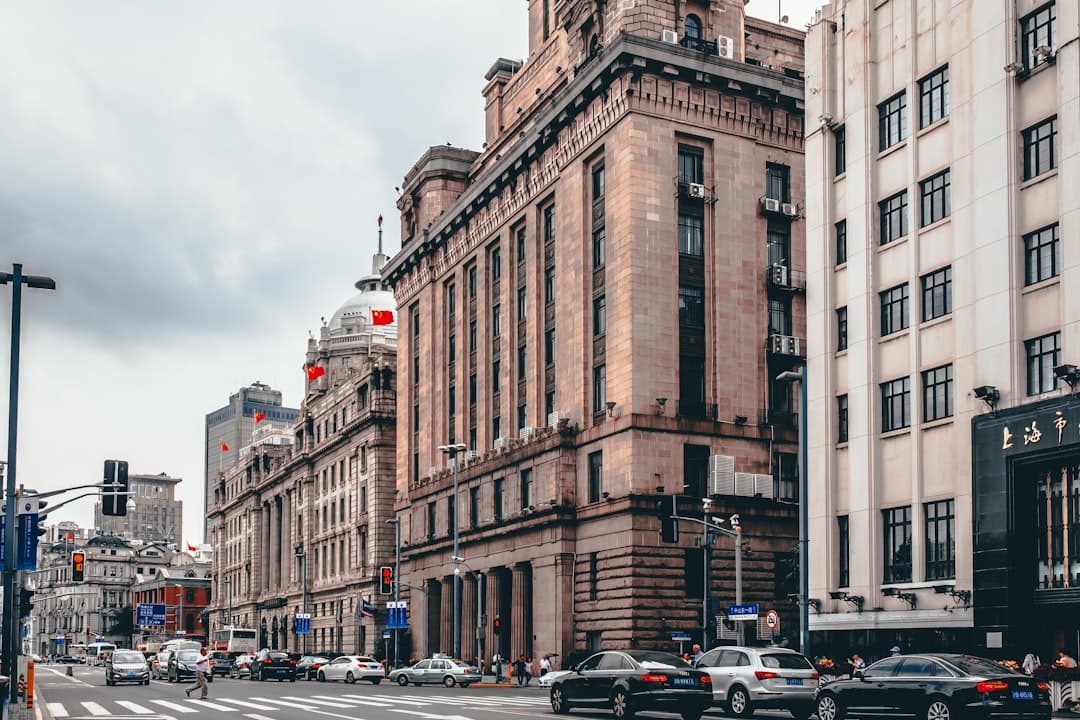
Nanjing Road is Shanghai's most famous commercial street — a sweeping pedestrian boulevard that stretches nearly six kilometres from the Bund waterfront westward through the heart of the city. It has been the city's premier shopping artery since the early 20th century, when foreign concession-era department stores like Wing On and Sincere set up here and created what was then the most glamorous retail strip in Asia. Today it remains a genuine crossroads of old Shanghai ambition and modern Chinese consumer culture, drawing an estimated one million visitors on busy days. The eastern pedestrian section, known as Nanjing Road Pedestrian Street, runs from the Bund to People's Square and is where most visitors spend their time. You walk past enormous flagship stores, neon-lit malls, and historic Art Deco facades that date back to the 1930s — many lovingly preserved, even if they now house sportswear brands and fast food chains. Street performers, roasted chestnut vendors, and retro tram cars weave through the crowds. At the People's Square end, the street opens up near the Shanghai Museum and the Grand Theatre, making it easy to combine with cultural sightseeing. After dark, the illuminated signs and building projections turn the whole street into something bordering on spectacle. Nanjing Road is not a hidden gem — it is exactly as crowded as you'd expect China's most famous shopping street to be. That said, the best approach is to treat it less as a shopping destination and more as a living piece of Shanghai history and urban theatre. Come in the late afternoon when the crowds have energy but the light is good for photos, grab roasted chestnuts or a skewer of candied hawthorn from a street cart, and walk the length of it at a relaxed pace. The cross streets heading north into Jing'an District hide calmer boutiques and coffee shops when you need a breather.
Naples Archaeological Museum
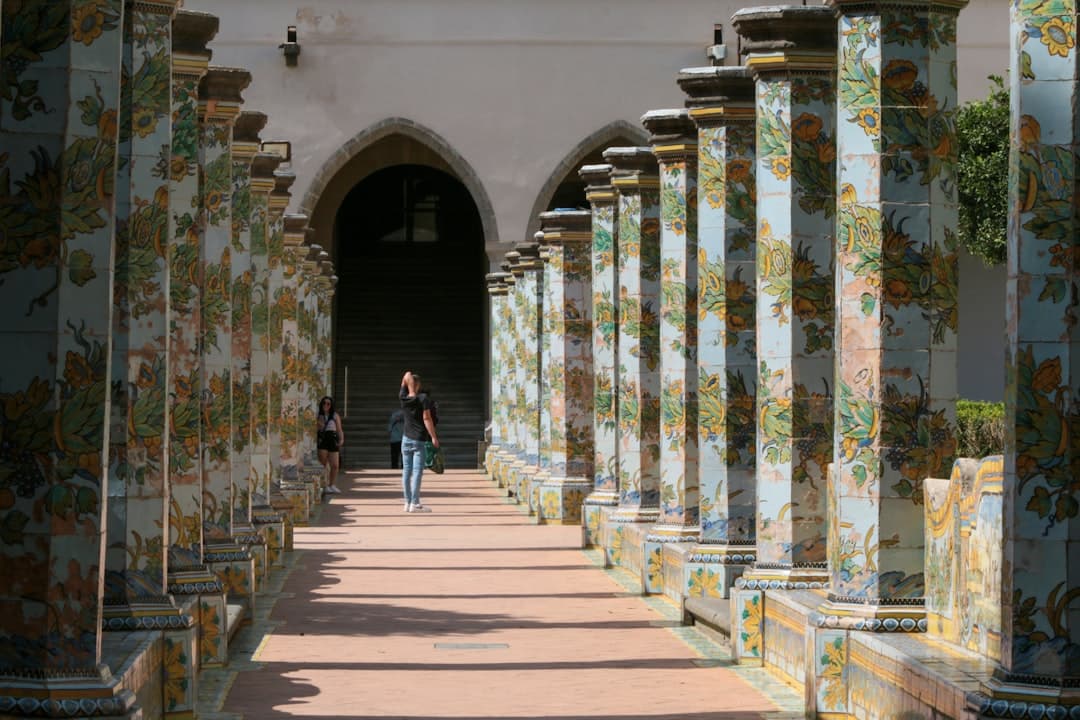
The Naples Archaeological Museum — known locally as the MANN (Museo Archeologico Nazionale di Napoli) — holds one of the most important collections of Greco-Roman antiquities on earth. The reason it exists in its current form is straightforward and staggering: when Vesuvius buried Pompeii and Herculaneum in 79 AD, it preserved an entire Roman world in volcanic rock. Over centuries of excavation, the finest objects pulled from those sites ended up here. Mosaics, frescoes, sculptures, everyday household objects, erotic art — the museum is, in effect, the treasure chest that Pompeii couldn't keep. The collection spans several floors of a vast 16th-century palazzo that was originally built as a cavalry barracks and later converted into a university. On the ground floor you'll find monumental Greek and Roman sculpture, including the famous Farnese Bull — the largest surviving ancient sculpture ever found — and the towering Farnese Hercules. Upstairs, the mosaic rooms contain jaw-dropping pieces lifted intact from Pompeian floors, including the Alexander Mosaic, a room-sized battle scene of extraordinary detail and craft. The Secret Cabinet (Gabinetto Segreto) houses the museum's collection of erotic art from Pompeii — explicit objects and paintings that were locked away for centuries and are now presented with serious archaeological context. It's genuinely fascinating rather than titillating. The museum can feel overwhelming — it's enormous, not always perfectly signposted, and some galleries are periodically closed for restoration. Go with a plan rather than wandering randomly. The MANN is located in the Museo district, just north of the historic center, and is an easy walk or metro ride from most Naples hotels. Budget at least three hours for a meaningful visit, and consider an audio guide or guided tour to make sense of what you're seeing — the objects are extraordinary but context transforms them.
Naschmarkt
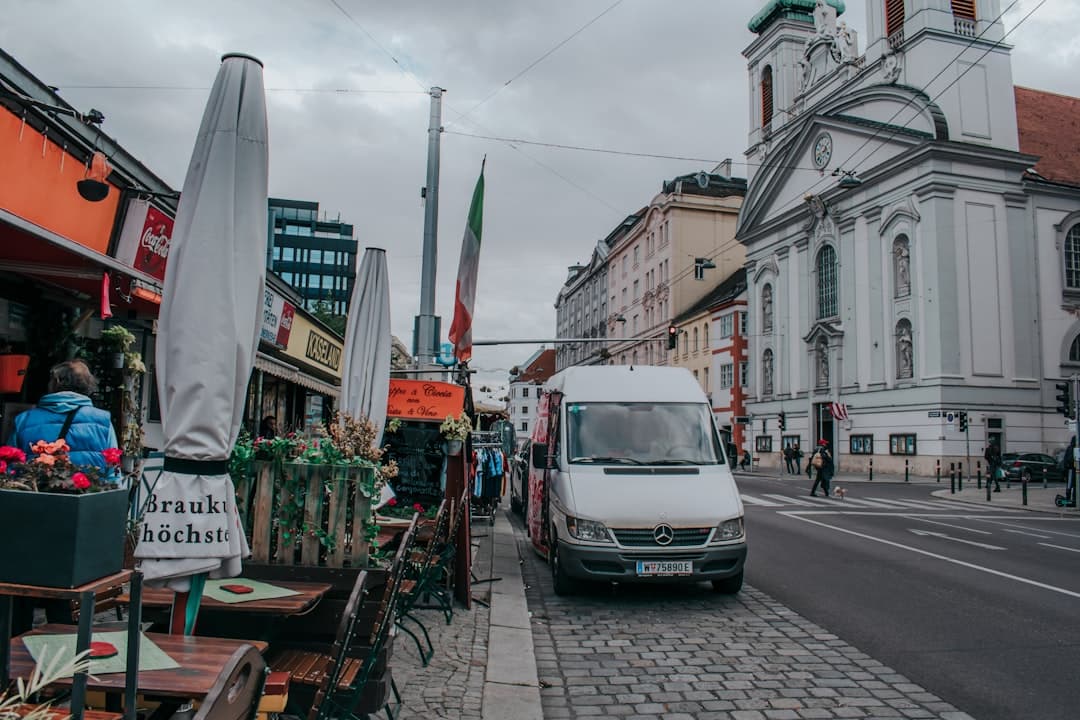
The Naschmarkt is Vienna's most famous open-air market, stretching for roughly 1.5 kilometres along the Wienzeile in the heart of the city. It has been trading in some form since the 16th century, and today around 120 stalls sell everything from Austrian cheeses, cured meats, and freshly baked bread to Middle Eastern spices, Turkish olives, Persian dried fruits, and fresh seafood. It is a genuinely working market where Viennese residents come to do their weekly shop, not a tourist-facing imitation of one — which is what makes it worth your time. Walking through the Naschmarkt is a full sensory experience. Vendors call out from their stalls, the smell of roasting coffee and grilled sausages drifts through the air, and the visual spread of produce is extraordinary — mountains of pomegranates next to Austrian Liptauer cheese spread, fresh truffles next to cheap falafel wraps. Alongside the market stalls are a string of restaurants and café bars where you can sit down for a proper meal: Gasthaus Ubl is a local favourite, and the sushi and Greek spots have loyal followings. On Saturday mornings the market extends into a large flea market at the Kettenbrückengasse end, selling antiques, vintage clothes, books, and all manner of junk. The market runs Monday to Friday from around 6am to 7:30pm and Saturday until 5pm — it is closed Sundays. Arrive early on weekday mornings to see it at its most authentic and least crowded. Saturday is the most atmospheric day if you want the full flea market experience, but it is significantly busier. Watch your pockets in the crowds, be sceptical of vendors pushing samples aggressively, and resist the urge to buy from the very first stall — prices vary a lot across the length of the market.
National Anthropology Museum
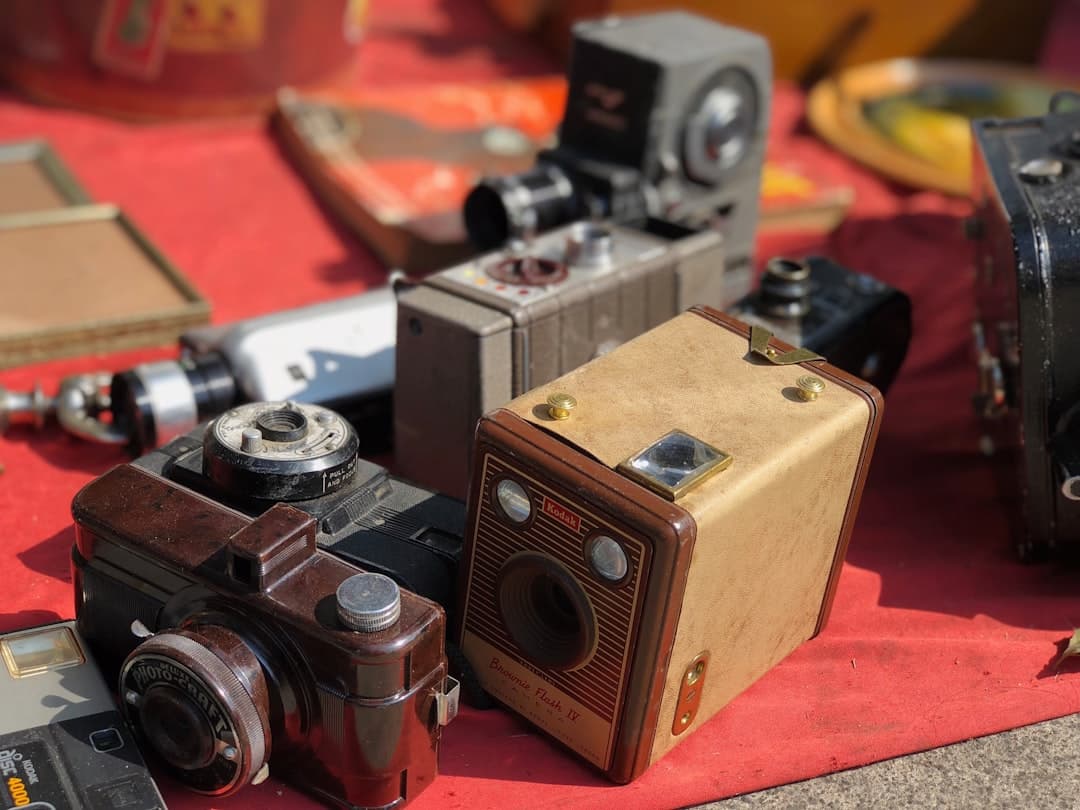
The National Museum of Anthropology in Mexico City is one of the most important museums on the planet — full stop. Opened in 1964 and designed by architect Pedro Ramírez Vázquez, it sits inside Chapultepec Park and houses the most comprehensive collection of Mesoamerican artifacts ever assembled. This is where Mexico keeps its soul: the Aztec Sun Stone (often called the Aztec Calendar), jade masks from Palenque, colossal Olmec heads, and the reconstructed tomb of the Maya ruler Pakal. If you've ever been curious about the civilizations that built pyramids and empires across ancient Mexico and Central America, this is where that story is told at its fullest and most magnificent. The museum is built around a vast central courtyard sheltered by a single dramatic concrete canopy — an iconic piece of mid-century architecture in its own right — supported by a single column that pours water like a curtain. Inside, 23 permanent rooms spread across two floors, each dedicated to a different culture: Teotihuacan, the Maya, the Toltecs, the Mixtecs, the Mexica (Aztec), and more. The ground floor covers archaeology; the upper floor covers ethnography, showing how those ancient cultures connect to living Indigenous communities in Mexico today. You could spend a full day here and still not see everything properly. Come on a weekday if you can — weekends draw school groups and large tour buses. The museum is closed on Mondays. Audio guides are available and genuinely worth the extra cost, since signage, while improving, is still largely in Spanish. The Mexica (Aztec) room is always the busiest — try heading there first thing when the museum opens, then working your way around the less-visited rooms. The museum café is unremarkable; grab breakfast or lunch in Polanco nearby instead.
National Archaeological Museum
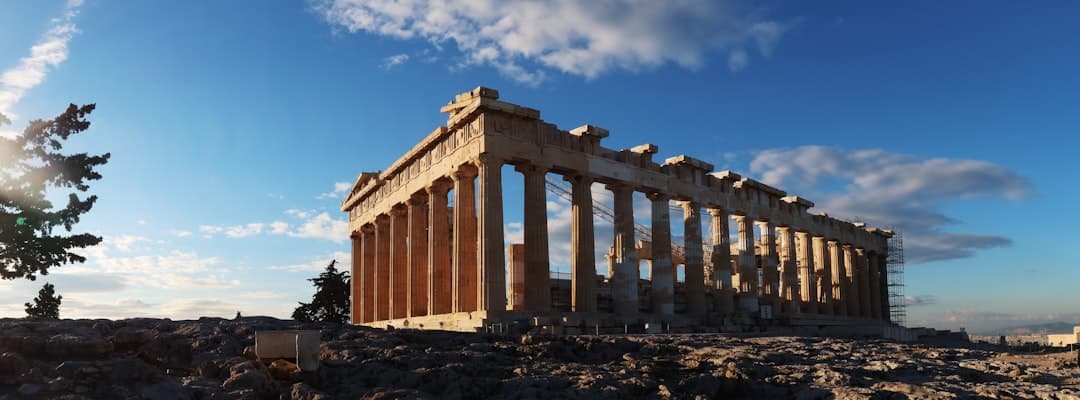
The National Archaeological Museum is Greece's largest museum and one of the most important archaeological collections anywhere in the world. It holds an extraordinary span of objects from prehistoric Greece through the Roman period — some 11,000 pieces on permanent display — drawn from excavations and sites across the entire country. If you want to understand how ancient Greek civilization actually looked, felt, and evolved, this is the single best place on earth to do that. The galleries take you from the Neolithic period all the way through Classical and Hellenistic Greece, and the highlights are genuinely staggering. The Mycenaean collection includes the gold Mask of Agamemnon, discovered by Heinrich Schliemann at Mycenae in 1876 — one of the most recognizable objects in archaeology. The Bronze collection features the spectacular Artemision Bronze, a massive 5th-century BC statue of either Zeus or Poseidon pulled from the sea off Cape Artemision in the 1920s. There are also the frescoes from Akrotiri (the Minoan settlement preserved under Santorini's volcanic ash), entire galleries of grave stelae, and one of the world's finest collections of ancient pottery. Plan to move slowly — this place rewards attention. The museum sits in the Exarcheia neighborhood, a short walk north of Omonia Square. Tuesdays have a different opening window (afternoon only, from 1pm), which catches many visitors off guard — check before you go. The permanent collection is free for EU citizens under 25. For everyone else, admission is modest by international standards. Skip the ground-floor gift shop on arrival and head straight for the Mycenaean hall on the ground floor — it fills up with tour groups by mid-morning.
National Constitution Center
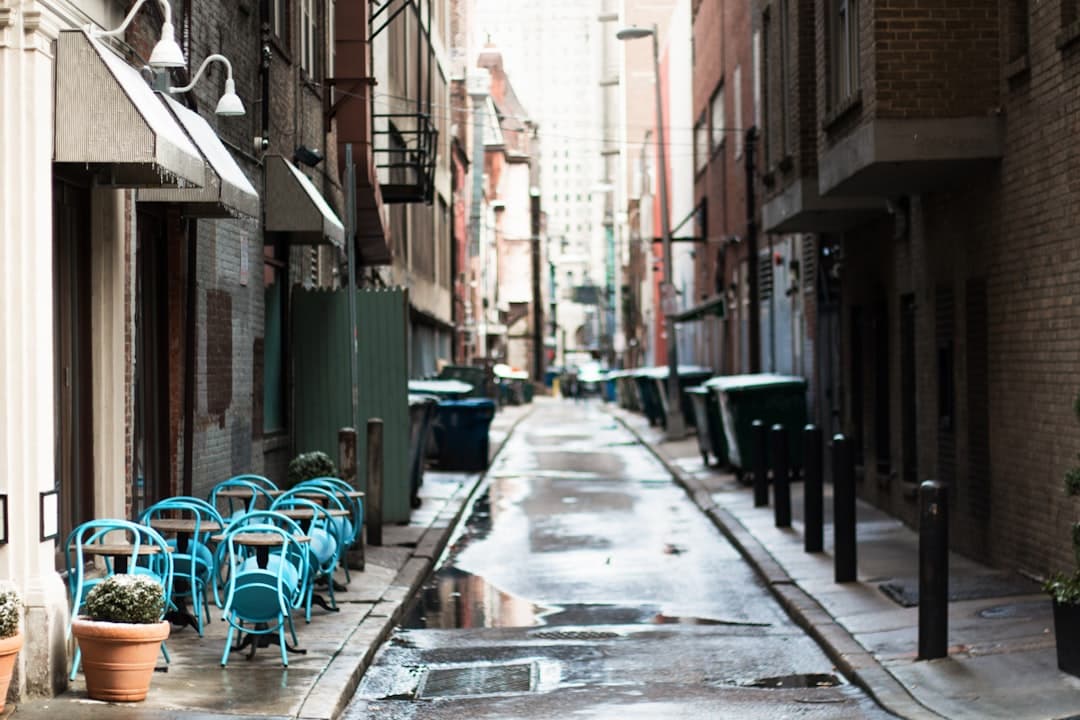
The National Constitution Center is the only museum in the United States dedicated entirely to the U.S. Constitution — the document that has shaped American government, rights, and identity for over two centuries. Opened in 2003 on the Fourth of July, it sits at the north end of Independence Mall, literally steps from where the Constitution was debated and signed in 1787. This isn't a dusty archive — it's an active civic institution that hosts Supreme Court arguments, major exhibitions, and serious national conversations about constitutional issues. If you want to understand what America is actually built on, this is the place to start. The experience is surprisingly dynamic for a museum built around a founding document. The centerpiece is 'Freedom Rising,' a 360-degree theatrical show with a live actor that sets the stage with the full sweep of American constitutional history — it's genuinely moving and a smart orientation before you hit the galleries. From there, you can handle replica documents, interact with multimedia timelines, and stand among 42 life-size bronze statues of the delegates who signed the Constitution in the Signers' Hall — an eerie, powerful room that makes history feel suddenly human-scale. Rotating exhibitions tackle everything from specific amendments to landmark Supreme Court cases with real depth and balance. The museum does a good job of presenting contested constitutional questions without obvious political tilt, which in today's climate feels almost radical. The staff are notably engaged and knowledgeable — ask them questions. The gift shop has some genuinely good civics-minded books and gifts. Budget two to three hours comfortably, and note that it's closed Monday and Tuesday, which catches a lot of visitors off guard.
National Gallery
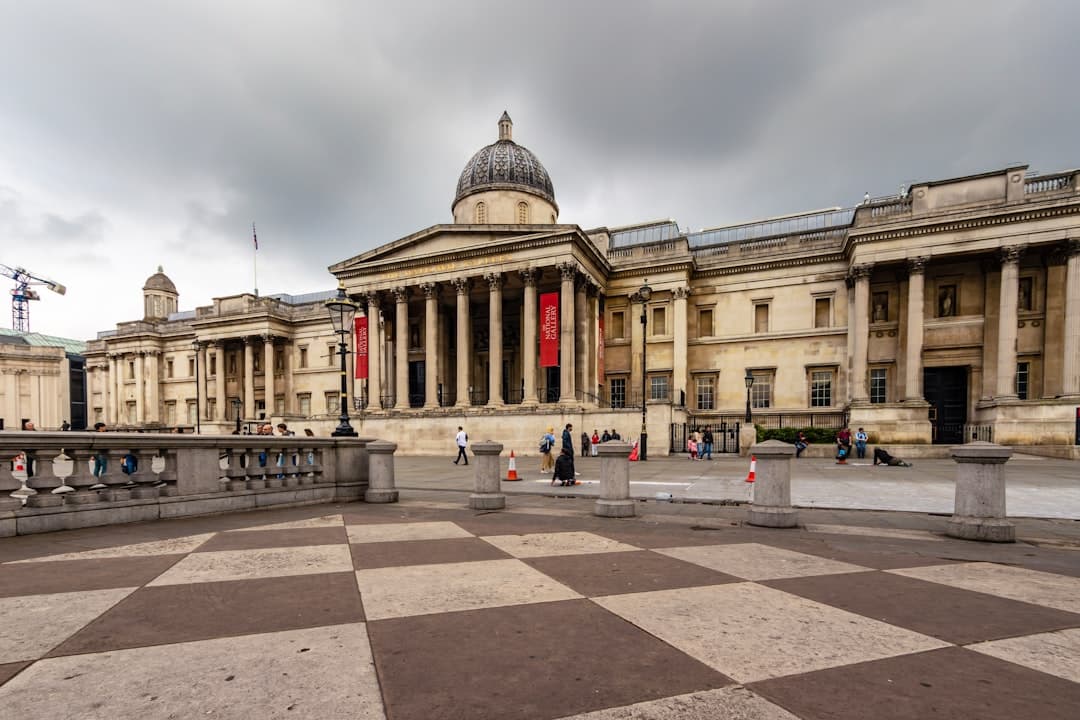
The National Gallery is one of the world's great art museums, housing a collection of over 2,300 paintings spanning from the 13th to the 19th century. Founded in 1824, it was designed from the outset to be a public institution — not a royal collection thrown open grudgingly, but a gallery built for everyone. That democratic DNA still shapes the place today: admission to the permanent collection is free, and the building sits at the symbolic heart of London on Trafalgar Square, accessible to anyone who walks through the door. The collection moves chronologically and geographically through Western European painting. You'll find Van Eyck's jewel-like Arnolfini Portrait, Velázquez's haunting Rokeby Venus, Turner's stormy Fighting Temeraire, Vermeer's Young Woman Standing at a Virginal, and van Gogh's Sunflowers — and those are just the highlights everyone knows. Wander into the less-visited Italian rooms and you'll find Piero della Francesca, Raphael, and Caravaggio. The Sainsbury Wing, added in 1991, holds the earliest works and is worth seeking out specifically. Plan your route loosely — getting deliberately lost here is half the pleasure. Friday evenings are the gallery's best-kept secret: it stays open until 9pm, and the crowds thin out dramatically after 6pm. If you want to stand alone in front of a Rembrandt, Friday evening is your moment. The gallery also runs free lunchtime talks and regularly rotates free temporary exhibitions alongside paid special shows. Bag check is available, and the café in the basement is decent enough for a break, though you'll eat better at almost anything on nearby St Martin's Lane.
National Museum
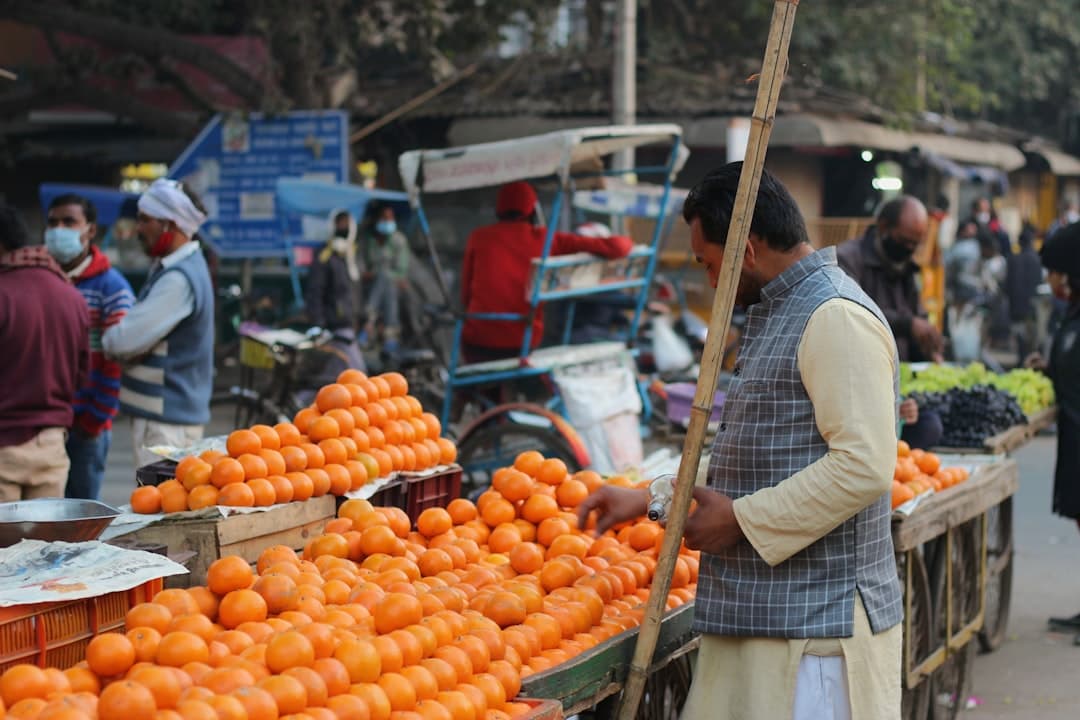
The National Museum in New Delhi is India's largest and most comprehensive museum, holding over 200,000 works that trace the subcontinent's history from the Indus Valley Civilization — roughly 2600 BCE — through to the 20th century. It sits at a prime location on Janpath, close to India Gate and Rashtrapati Bhavan, and was inaugurated in its permanent building in 1960. For anyone trying to make sense of India's staggering depth of history and culture, this is the single best place to start. The collection is genuinely world-class. The Indus Valley gallery alone is worth the trip — you'll see original seals, pottery, and figurines from Harappa and Mohenjo-daro, cities that thrived when Rome was still a village. Beyond that, there are galleries dedicated to Mauryan and Gupta-era sculpture, Mughal miniature paintings, decorative arts, textiles, jewelry, arms and armor, and Buddhist and pre-Columbian art. The famous Nataraja bronze collection and the Dancing Girl figurine from Mohenjo-daro are highlights that stop most visitors cold. The sheer chronological and cultural sweep is extraordinary — you move from stone-age tools to Mughal court paintings in the space of a few corridors. Plan for at least half a day if you want to do it justice, though most visitors spend two to three hours and still only scratch the surface. Arrive early — 10am when it opens — to beat school groups, which can arrive in force by mid-morning. Audio guides are available in multiple languages and are genuinely useful here given how much context each object requires. The museum café is modest, so eat before you come. Entry fees are low for Indian nationals and reasonable for foreigners, and Friday is free for all visitors.
National Museum Bangkok
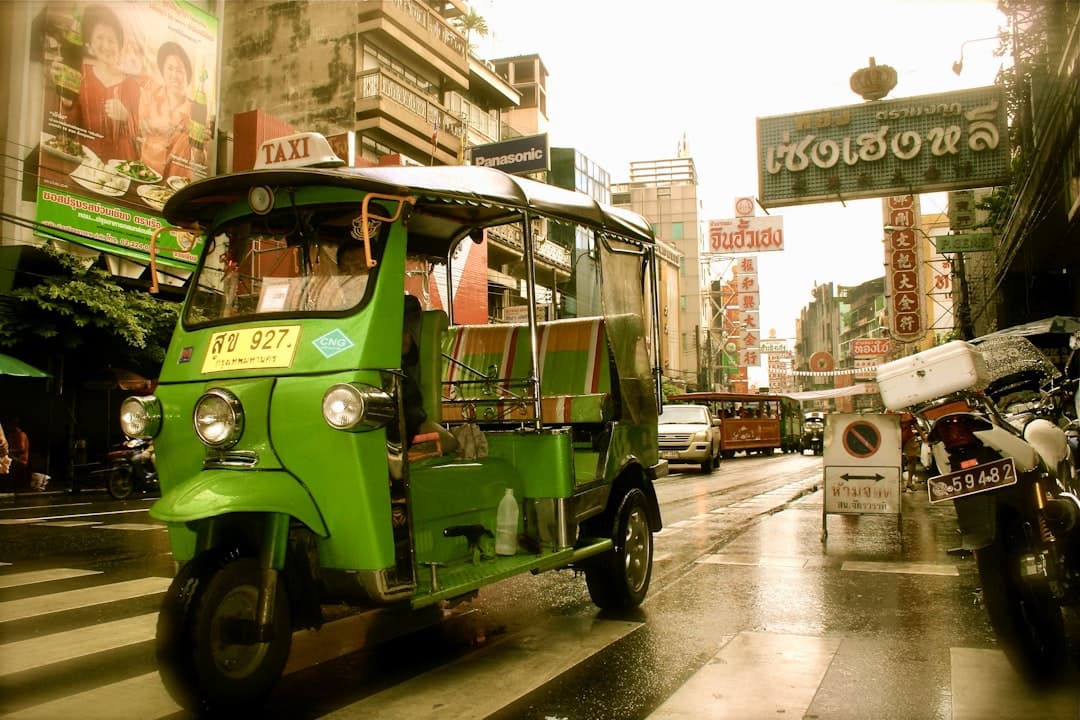
The National Museum Bangkok is Thailand's premier repository of art, history, and culture, housed in a sprawling complex near the Grand Palace in the historic heart of the city. Founded in 1874 by King Rama V, it occupies the former Wang Na Palace — the residence of the deputy king — and has grown into the largest museum in Southeast Asia. Its collection spans thousands of years, from prehistoric artifacts and ancient weapons to royal regalia, ceremonial barges, and some of the finest Buddhist sculpture anywhere in the world. A visit here means moving through dozens of galleries spread across multiple buildings, each devoted to a different period or theme: prehistoric Thailand, the Sukhothai kingdom, the Ayutthaya era, traditional Thai musical instruments, royal funeral chariots, and much more. The Buddhaisawan Chapel, a beautiful 18th-century building within the grounds, contains the revered Phra Phuttha Sihing Buddha image and interior murals that rank among the best examples of early Ratanakosin painting. The sheer scale can be overwhelming, but that's part of the experience — this is a place where you genuinely discover how deep Thai history runs. The museum is closed on Mondays and Tuesdays, which catches a lot of visitors off guard, so plan accordingly. Admission is very affordable — around 200 baht for foreign visitors. The volunteer-run guided tours, offered on Wednesdays and Thursdays in English, are genuinely excellent and free with admission; they transform the experience from a wander through unlabeled objects into something that actually makes sense. Without a guide or some background reading, the sparse English signage can leave you adrift.