
Naschmarkt
Vienna / Naschmarkt

Naschmarkt

Vienna's open-air market where locals actually shop and eat.

🛍️ Shopping🏛️ Sights & Landmarks🍽️ Food & Drink🎯 Activities & Experiences
🧗 Adventurous🍽 Foodie🎭 Cultural

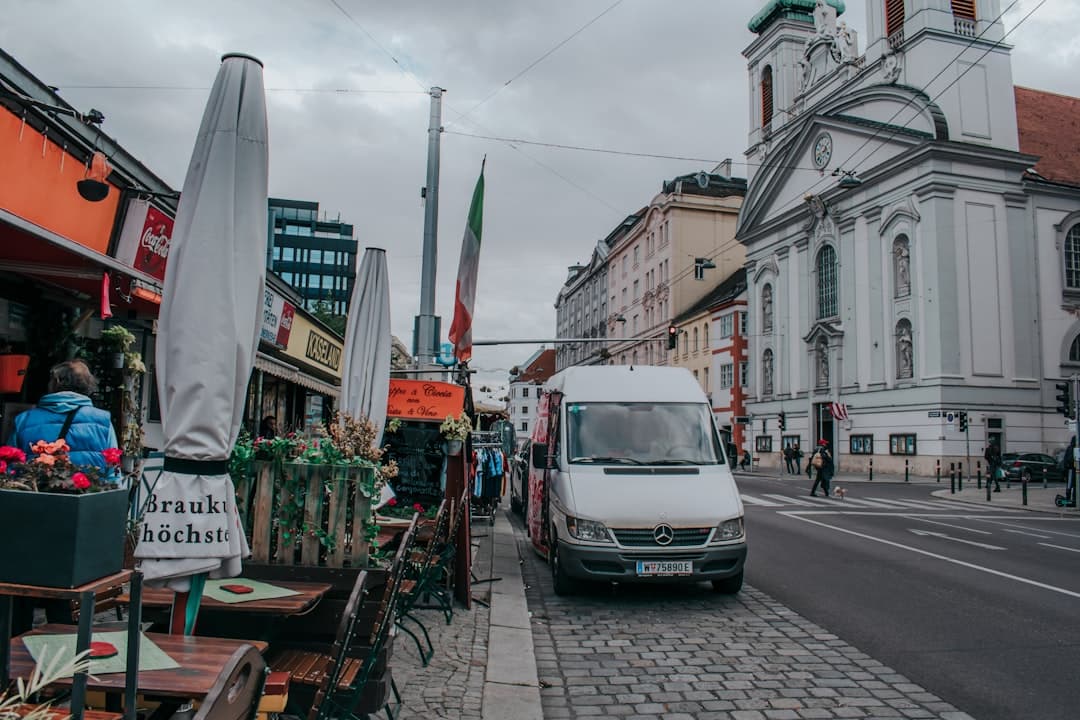
The Naschmarkt is Vienna's most famous open-air market, stretching for roughly 1.5 kilometres along the Wienzeile in the heart of the city. It has been trading in some form since the 16th century, and today around 120 stalls sell everything from Austrian cheeses, cured meats, and freshly baked bread to Middle Eastern spices, Turkish olives, Persian dried fruits, and fresh seafood. It is a genuinely working market where Viennese residents come to do their weekly shop, not a tourist-facing imitation of one — which is what makes it worth your time.

Walking through the Naschmarkt is a full sensory experience. Vendors call out from their stalls, the smell of roasting coffee and grilled sausages drifts through the air, and the visual spread of produce is extraordinary — mountains of pomegranates next to Austrian Liptauer cheese spread, fresh truffles next to cheap falafel wraps. Alongside the market stalls are a string of restaurants and café bars where you can sit down for a proper meal: Gasthaus Ubl is a local favourite, and the sushi and Greek spots have loyal followings. On Saturday mornings the market extends into a large flea market at the Kettenbrückengasse end, selling antiques, vintage clothes, books, and all manner of junk.

The market runs Monday to Friday from around 6am to 7:30pm and Saturday until 5pm — it is closed Sundays. Arrive early on weekday mornings to see it at its most authentic and least crowded. Saturday is the most atmospheric day if you want the full flea market experience, but it is significantly busier. Watch your pockets in the crowds, be sceptical of vendors pushing samples aggressively, and resist the urge to buy from the very first stall — prices vary a lot across the length of the market.

Local Tips

  1. 1

    Start at the Kettenbrückengasse (U4) end and work toward Karlsplatz — the inner section closer to Karlsplatz tends to be more tourist-oriented with higher prices.

  2. 2

    Vendors will often offer free samples; take them freely but don't feel obligated to buy — it's part of the culture and not a binding social contract.

  3. 3

    The sit-down restaurants inside the market are a genuinely good lunch option — places like Umar Fisch for seafood have been there for decades and are used by regulars, not just visitors.

  4. 4

    If you're coming for the Saturday flea market, bring cash and arrive before 10am — the best finds go early and the crowds after that can make browsing frustrating.

When to Go

Best times
Spring and early autumn

The most pleasant time to walk the market — mild temperatures, great seasonal produce, and fewer tourists than peak summer.

Saturday mornings in summer

The flea market is in full swing and the atmosphere is electric, but it draws large crowds — go early (before 9am) if you want space to browse.

Try to avoid
Midday in July and August

The market is largely outdoors with limited shade; the midday heat in high summer can make a long browse uncomfortable.

Winter weekdays

Quieter and atmospheric in a different way, but some stalls reduce their hours or close entirely — the market thins out noticeably.

Why Visit

01

One of Central Europe's great urban markets — 120 stalls covering Austrian staples and ingredients from across the Middle East, Mediterranean, and beyond.

02

The Saturday flea market at the Kettenbrückengasse end is a proper rummage — antiques, vintage finds, and curious objects alongside the regular food stalls.

03

It sits in one of Vienna's most beautiful streetscapes, flanked by Otto Wagner's ornate Jugendstil apartment buildings — great architecture to walk past while you eat.