
Nahargarh Fort
Jaipur / Nahargarh Fort

Nahargarh Fort

Jaipur's hilltop fortress with the city's best panoramic views.

🏛️ Sights & Landmarks🌿 Nature & Outdoors🍽️ Food & Drink
🧗 Adventurous🎭 Cultural🌹 Romantic

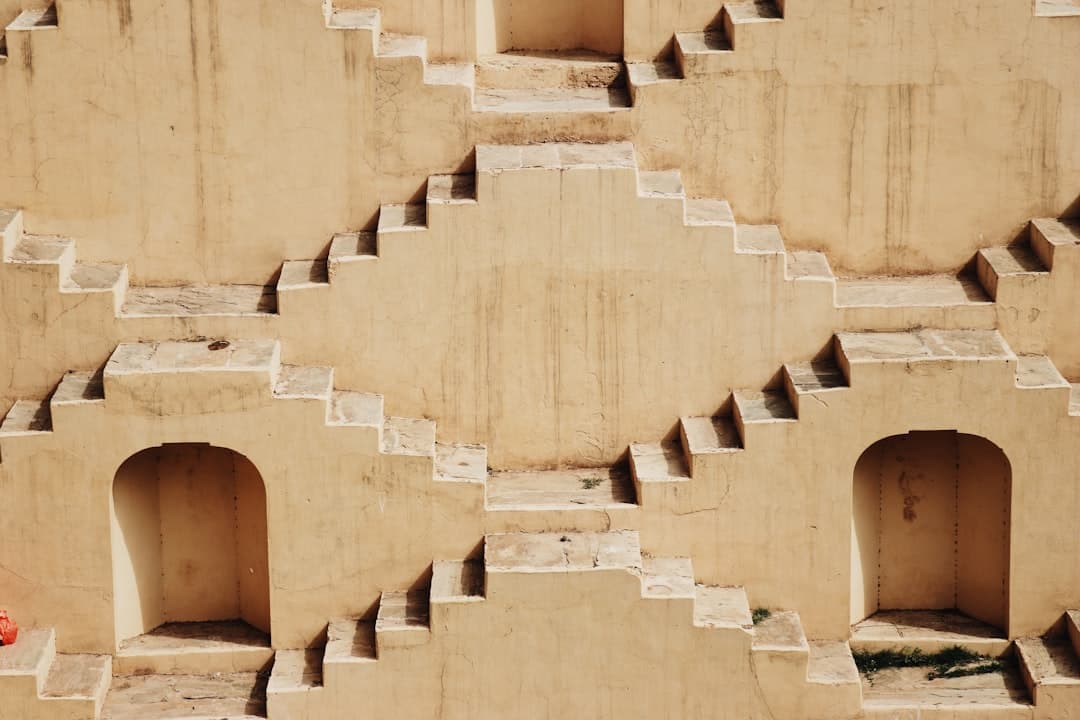
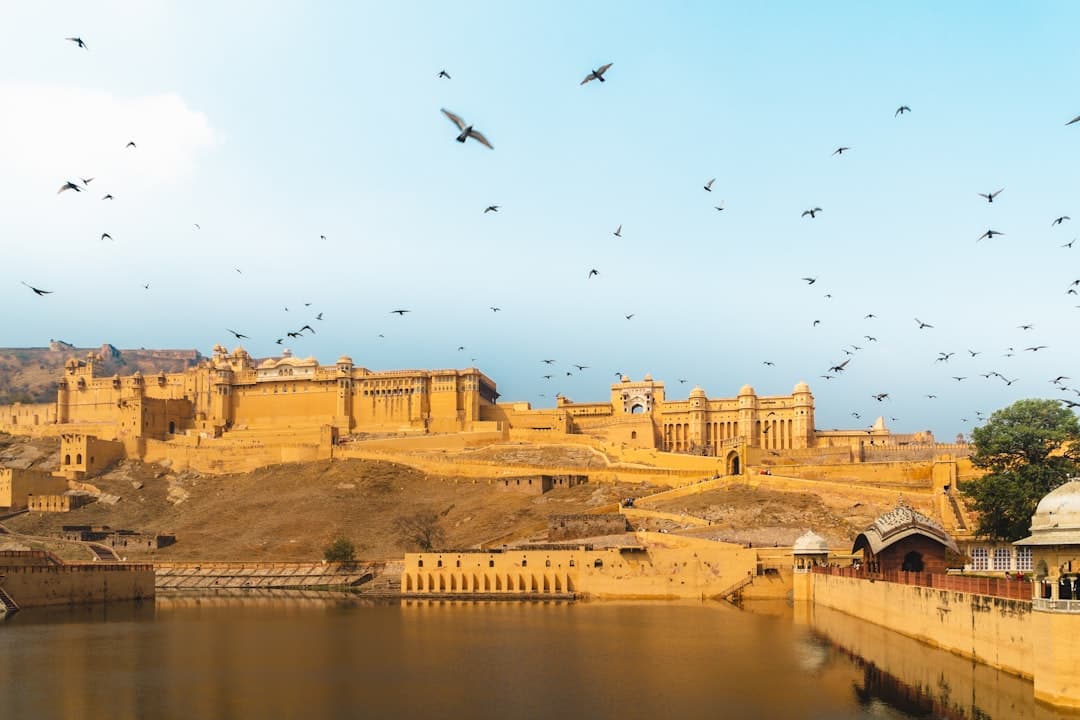
Nahargarh Fort sits on the ridgeline of the Aravalli Hills above Jaipur, built in 1734 by Maharaja Sawai Jai Singh II — the same ruler who founded the Pink City below. Its name means 'abode of tigers,' though legend has it the fort was named after a local prince, Nahar Singh Bhomia, whose restless spirit supposedly haunted the construction site. Alongside Amber Fort and Jaigarh Fort, Nahargarh forms a trio of defensive structures that once guarded the kingdom of Amber, but it has a distinct character of its own — less polished and tourist-heavy than Amber, with a raw, atmospheric quality that history lovers tend to prefer.

The fort complex rewards exploration: the highlight for most visitors is the Madhavendra Bhawan, a remarkable 19th-century palace built by Maharaja Ram Singh II, containing twelve identical suites arranged around a central corridor — one for each of his queens, each connected to his own chambers. The layout is both practical and diplomatic. Beyond the palace, you wander through bastions, crumbling courtyards, and open terraces where the views sweep across the entire pink city, the Jal Mahal water palace in Man Sagar Lake, and on clear days, the distant plains stretching toward Delhi. Sunset here is genuinely spectacular.

The fort sits about a 20-minute drive from central Jaipur — auto-rickshaws and taxis make the winding road up without any trouble. Entry is cheap by any measure. There's a rooftop restaurant called Padao inside the fort precincts where you can have a cold beer or chai while watching the sun drop behind the hills — it's become a well-known spot among both locals and visitors, and for good reason. Go on a weekday morning if you want the place to yourself; weekends draw Jaipur families and can get lively by mid-afternoon.
Local Tips

  1. 1

    The Padao restaurant on the upper terrace is run by RTDC (Rajasthan Tourism) and serves cold beer and basic Indian food — it's one of the few places in Jaipur where you can drink a beer while looking out over the entire city. Worth staying for.

  2. 2

    The road up to the fort is also walkable via a steep forested trail from the Jaipur city wall near Moti Doongri — it takes about 45 minutes on foot and is a lovely alternative to driving, though go with a companion and stick to daylight hours.

  3. 3

    Combine Nahargarh with Jaigarh Fort — the two are connected by a walking path along the ridge and a combined visit takes half a day. Jaigarh has the world's largest wheeled cannon on display, which is worth seeing.

  4. 4

    The fort is a popular evening hangout for Jaipur's young crowd, especially on weekends — if you want peaceful exploration, come on a weekday morning when it opens at 10am.

When to Go

Best times
October to February

The cool, dry season is ideal — comfortable for walking the open terraces and bastions, with clear skies that make the panoramic views exceptional.

Sunset (year-round)

The fort faces west over the city and the views at golden hour are genuinely dramatic. The Padao restaurant rooftop fills up, so arrive 30–45 minutes before sunset to claim a good spot.

Monsoon (July to September)

The hills turn green and the light is beautiful, but the access road can be slippery and overcast skies often obscure the views you came for.

Try to avoid
April to June

Rajasthan's summer heat is brutal — temperatures regularly exceed 40°C, and the open terraces offer no shade. The experience becomes uncomfortable quickly.

Why Visit

01

The panoramic views over Jaipur from the fort's terraces are among the best in Rajasthan — you can see the old walled city, the lakes, and the surrounding desert hills all at once.

02

The Madhavendra Bhawan palace inside the fort is a genuinely fascinating piece of royal domestic architecture — twelve queens' suites, one corridor, one king — with well-preserved murals and frescoes.

03

It's significantly less crowded than nearby Amber Fort, so you get the atmosphere of a real Rajput hilltop fortress without fighting through tour groups.