
All Places
1,073 places around the world
1,073 places · page 25 of 45
Montreal Botanical Garden
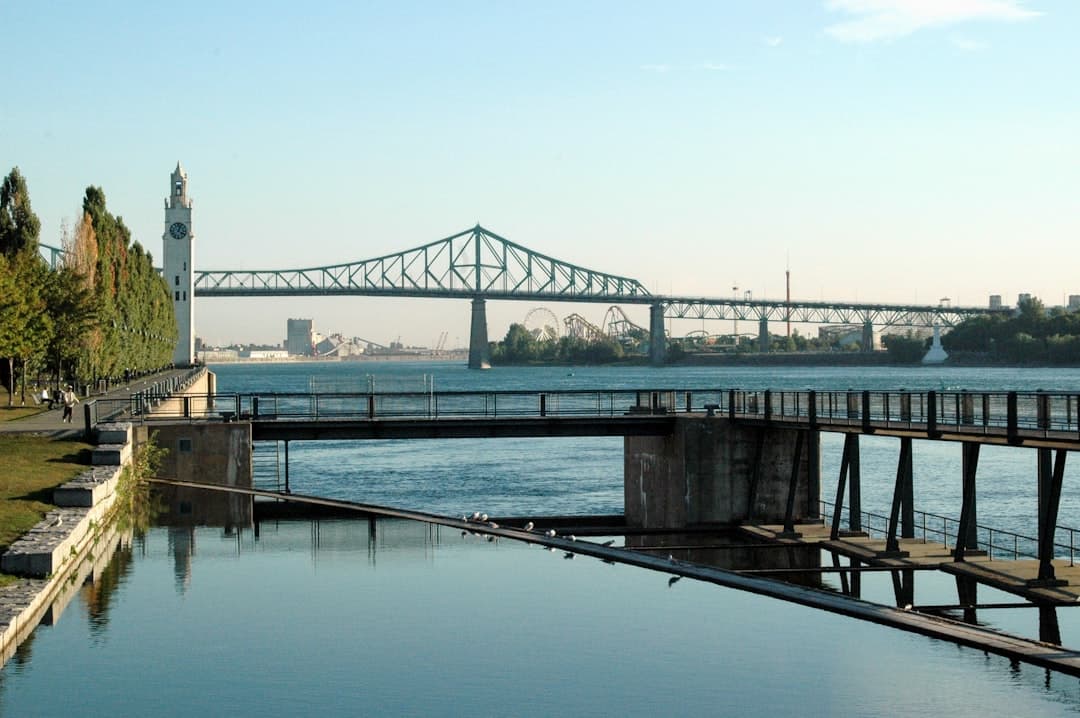
The Montreal Botanical Garden is a sprawling 75-hectare living museum in the east end of the city, founded in 1931 by Brother Marie-Victorin and now recognized as one of the top botanical gardens in the world. It sits alongside the Olympic Stadium and Biodôme in the city's Hochelaga-Maisonneuve district, making it part of a broader cultural and natural sciences hub. With over 22,000 plant species spread across dozens of themed gardens and ten greenhouse pavilions, it's a serious institution — not just a pretty park. Visiting means moving between very different worlds in the span of an afternoon. The Chinese Garden, built in 1991 as a collaboration with Shanghai, is one of the largest traditional Chinese gardens outside of Asia, complete with a pavilion, rockeries, and a lake. The Japanese Garden is equally meditative, with a bonsai collection that's among the finest in North America. You can wander through the First Nations Garden, the Rose Garden (spectacular in June), the toxic plants garden, and the Alpine Garden — each with its own logic and atmosphere. The ten greenhouse pavilions house tropical and sub-tropical plants year-round, meaning even a January visit rewards you with humidity and color. The single best-kept secret here is the Insectarium, which shares admission and sits right next to the garden — don't skip it. Also watch for La Magie des Lanternes (Garden of Light), a beloved autumn event running September through late October when the grounds fill with illuminated Chinese silk lanterns after dark. Hours and pricing vary seasonally, so check the official website before you go rather than relying on fixed hours.
Montreal Museum of Fine Arts
The Montreal Museum of Fine Arts — known locally as the MMFA or by its French acronym MBAM — is the oldest and largest art museum in Canada, with a collection of roughly 44,000 works spanning antiquity to the present day. Founded in 1860, it occupies a sprawling complex of five interconnected pavilions on Rue Sherbrooke in the Golden Square Mile, including the grand neoclassical Michal and Renata Hornstein Pavilion and the more contemporary Jean-Noël Desmarais Pavilion across the street. It's not just a repository of great art — it's a genuine cultural institution that has shaped Montreal's identity as one of North America's most sophisticated cities. Visiting feels genuinely expansive. The permanent collection moves from ancient Egyptian artifacts and European Old Masters through Inuit and First Nations art, Quebec and Canadian painting, and a substantial decorative arts collection that includes furniture, jewelry, and fashion. The MMFA has built a strong reputation for blockbuster temporary exhibitions — think major retrospectives of Picasso, Jean Paul Gaultier, or David Bowie — which reliably draw international attention. The pavilions are connected underground, so you move between them without stepping outside, and the whole experience rewards unhurried exploration. Wednesday evenings are the insider move: the museum stays open until 9pm, and admission to the permanent collection is always free. Temporary exhibitions carry an admission charge, but the free permanent galleries alone justify several hours. The museum café and restaurant, Café des Beaux-Arts, is a perfectly decent lunch stop. Arrive Tuesday through Friday to avoid the weekend family crowds, and check the MMFA website before visiting — major touring exhibitions sell out and timed entry can apply.
Moray
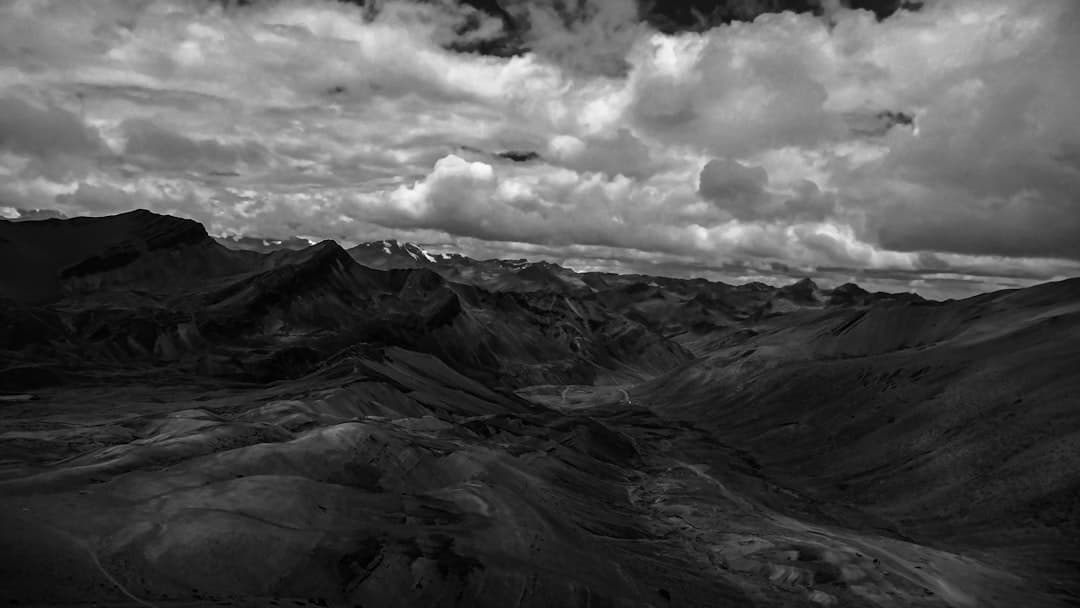
Moray is an extraordinary Inca archaeological site located on the Maras plateau in the Sacred Valley, about 50 kilometers northwest of Cusco. The site consists of several large circular depressions carved into the earth, each lined with concentric agricultural terraces that descend like a natural amphitheater into the ground. The largest depression drops roughly 30 meters from its rim to its lowest terrace. What makes Moray genuinely remarkable is that each terrace ring maintains a slightly different microclimate — researchers have measured temperature differences of up to 15°C between the top and bottom levels — leading to the widely held theory that the Inca used it as an agricultural laboratory to cultivate crops from across the empire under varying conditions. Visiting Moray is a slow, contemplative experience. You walk the rim of the main depression first, taking in the geometry from above — the near-perfect circles are almost surreal against the wide Andean sky. Then you descend via stone stairways into the terraces themselves, which gives you a very different sense of scale and craftsmanship. The stonework is precise and well-preserved, the terraces still grassed and green. There are usually llamas grazing nearby, and on clear days the surrounding mountain panorama is spectacular. The site is quieter than Machu Picchu or Ollantaytambo, which makes it easier to find a moment of stillness. Moray is almost always combined with a visit to the Salineras de Maras — the ancient salt evaporation ponds just a few kilometers away — making for a satisfying half-day loop from Cusco or Ollantaytambo. Many visitors hire a driver or join a small-group tour, though the site is accessible by road if you rent a bike or take a taxi from Maras town. Arrive early to beat the midday tour groups. The entrance fee is covered by the Cusco Boleto Turístico parcial circuit, so check whether you already have that pass before buying a separate ticket.
Mori Art Museum
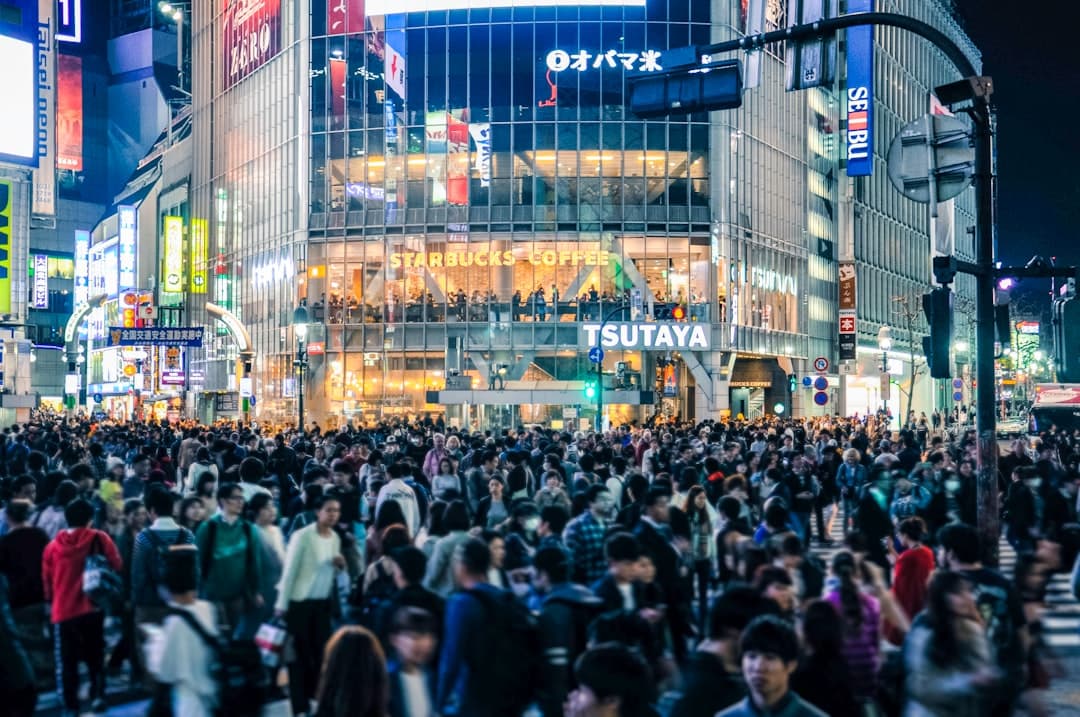
The Mori Art Museum sits at the top of Mori Tower in Roppongi Hills, one of Tokyo's most ambitious urban developments, and it has quietly become one of Asia's most important contemporary art institutions since opening in 2003. Unlike many museums that play it safe, Mori swings for ambitious, often provocative exhibitions — blockbusters on artists like Ai Weiwei and Yayoi Kusama alongside deep-dive shows on architecture, fashion, and emerging Asian art. It's a serious museum with genuine curatorial vision, but it doesn't take itself so seriously that it forgets to be fun. The experience starts with the elevator ride itself — you're whisked to the 52nd floor, then the galleries occupy the 53rd. Exhibitions rotate every few months and are typically large-scale, immersive, and visually spectacular; the curatorial team has a particular gift for site-specific installations that use the dramatic space well. Your combined ticket almost always includes access to the Tokyo City View observation deck on the 52nd floor, which wraps around the building and delivers panoramic views over the entire city — Shinjuku's towers to the west, Tokyo Bay glittering to the south, and on clear days, Mount Fuji on the horizon. Because the museum stays open until 10pm on most nights (Tuesday being the exception, when it closes at 5pm), this is one of the best places in Tokyo to spend an evening — especially if you time it to watch the city light up at dusk. The observation deck after dark is genuinely spectacular. Ticket prices are on the higher end for Tokyo museums, but the combined museum and observation deck package makes it good value. Check the current exhibition before you go, as the museum fully closes between shows for installation periods.
Moulay Hassan Square
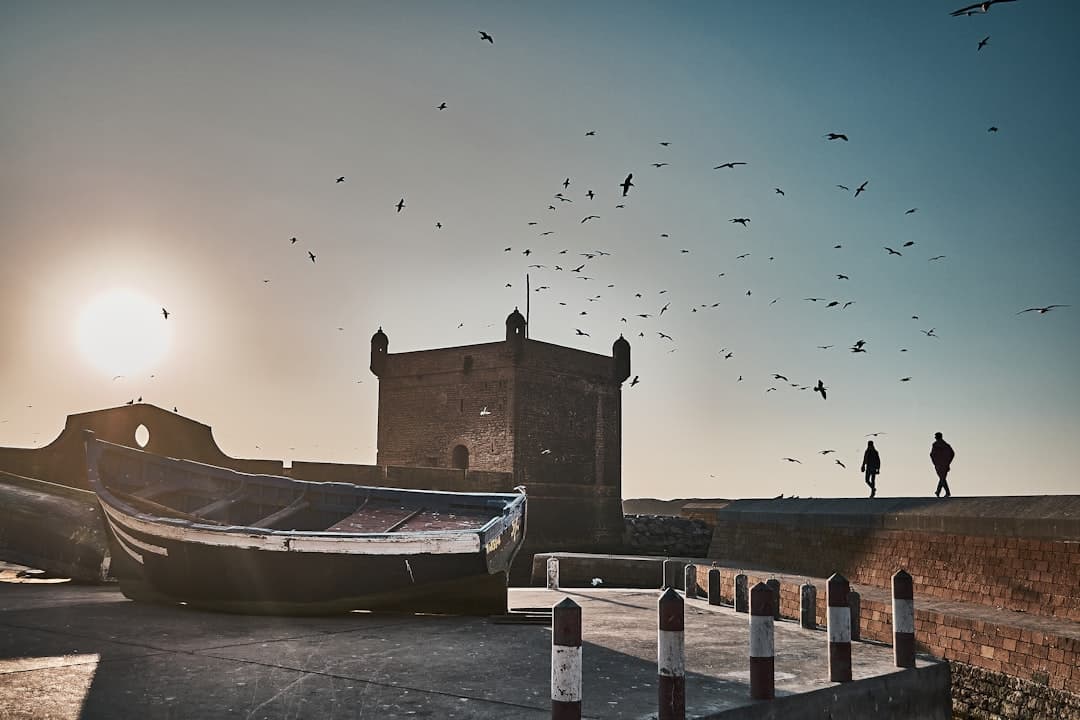
Moulay Hassan Square is the main public square of Essaouira, sitting at the northern edge of the medina just steps from the working port and the famous Skala de la Ville ramparts. Named after the 19th-century sultan who modernized the city, it serves as the social and geographic anchor of this windswept Atlantic town — the place where everything flows through, from locals grabbing a midmorning coffee to tourists fresh off the rampart walk looking for somewhere to sit down and exhale. The square itself is a wide, relatively open space lined with café terraces that spill out under canvas awnings, shielded from the near-constant Atlantic breeze. At almost any hour you'll find people watching the world drift by — kids on bikes, argan oil vendors, gnawa musicians setting up with their guembri lutes and qraqeb castanets. The port entrance is a short walk away, and the smell of grilled sardines from the adjacent fish stalls drifts across on a good afternoon. In the evening the square picks up energy, with families promenading and the café chairs filling with a mix of Moroccan and European faces. For practical purposes, Moulay Hassan is a natural meeting point and orientation anchor — find it once and you'll never get lost in Essaouira again. The cafés here are not the cheapest in town (you're paying for the location), but sitting with a mint tea as the late afternoon light turns the white-and-blue medina walls golden is one of those travel moments that earns its price. The Chez Sam restaurant at the port is nearby if you want to push on for a seafood lunch.
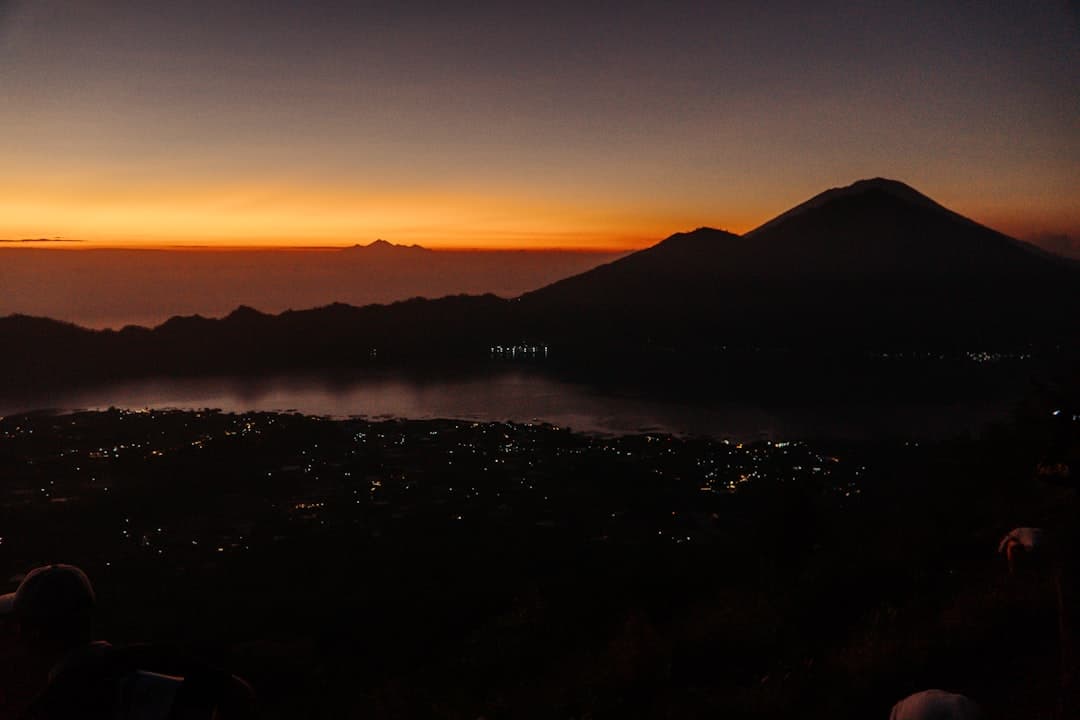
Mount Batur
Mount Batur is a 1,717-metre active volcano sitting inside a massive ancient caldera in Bali's central highlands, roughly two hours north of Ubud. It's one of the most accessible volcano hikes in all of Southeast Asia, and for many visitors it becomes the standout memory of their whole trip. The caldera that frames it — formed by catastrophic eruptions over 20,000 years ago — is enormous, and the steel-blue Lake Batur that fills part of the basin below adds to the visual drama. The Balinese regard Batur as deeply sacred; Pura Ulun Danu Batur, the temple complex perched on the caldera rim in Kintamani, is considered one of the six holiest temples on the island. The main draw is the pre-dawn hike to the summit, typically starting around 4am to reach the top in time for sunrise. The trail itself is steep but not technical — loose volcanic scree, no ropes or climbing gear needed — and most reasonably fit people can make it in roughly two hours. At the top, if the clouds cooperate, you'll see the sun climb above the Lombok-side horizon, turning the lake and the surrounding caldera a deep orange while steam vents hiss from the peak around you. It's genuinely one of those moments. Guides are officially mandatory through the local trekking association (PPPGB), and they'll often bring hard-boiled eggs heated in the natural steam vents at the crater — a small theatrical touch that everyone loves. The Kintamani area around the caldera rim has its own identity — cooler temperatures, a string of restaurants with caldera views, and the village of Toya Bungkah at the lake's edge where most hikers base themselves the night before. Book a guide through your accommodation or via a reputable trekking operator rather than accepting approaches from touts at the trailhead. Prices are semi-standardised but negotiable; expect to pay around 350,000–500,000 IDR per person for a guided sunrise hike as of recent years.
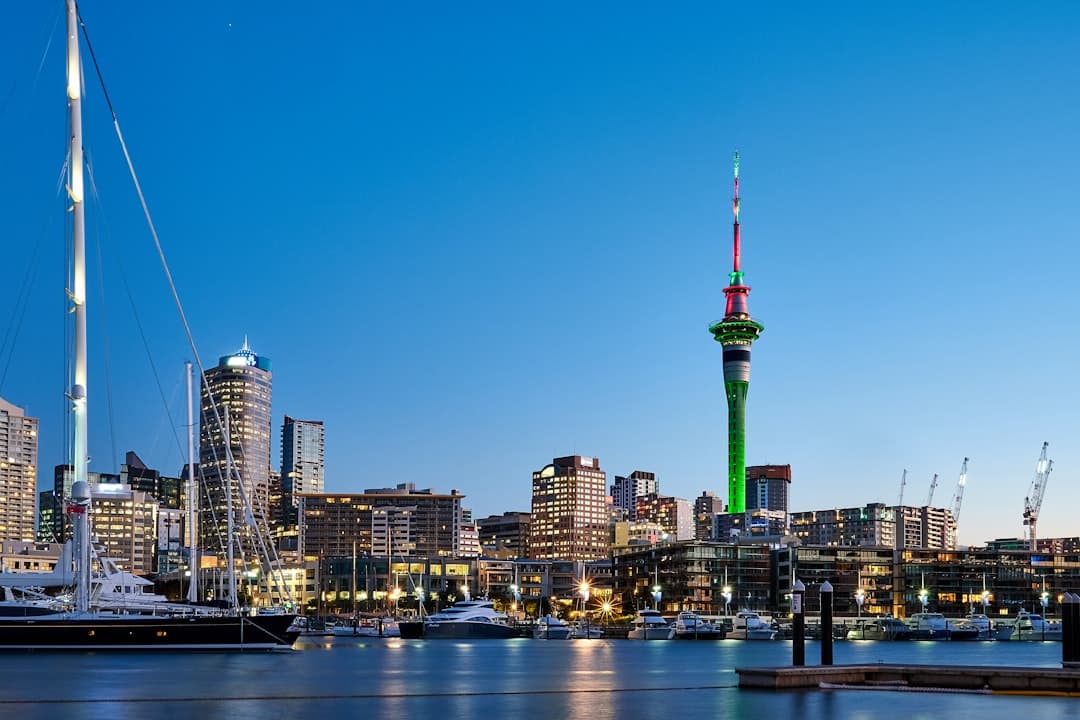
Mount Eden
Mount Eden, known to Māori as Maungawhau, is Auckland's highest natural point — a dormant volcanic cone rising 196 metres above sea level, right in the middle of the city. It's one of around 53 volcanoes that make up the Auckland Volcanic Field, a geological fact that sounds alarming until you learn the last eruption was about 28,000 years ago. For Māori, Maungawhau is deeply sacred — it was a significant pā (fortified settlement) site, and the terraced earthworks carved into its slopes are still visible today, a reminder that this landscape has been shaped by human hands as much as by volcanic fire. The experience is simple and genuinely rewarding. You walk up — it takes about 15 to 20 minutes at a relaxed pace from the lower car park — and at the top you find a perfectly preserved crater dropping about 50 metres deep, which you can walk around but not into (it's protected ground). The panoramic views from the summit take in the Sky Tower, the Waitematā Harbour, Rangitoto Island, and on a clear day much of the Hauraki Gulf. The crater itself has an almost eerie stillness to it — it's one of those places that earns the word 'dramatic' without any exaggeration. A few things worth knowing: the road to the summit is now closed to private vehicles to reduce erosion, so you'll walk from the suburb below. The surrounding Mount Eden village is genuinely worth a wander — it has some of Auckland's better independent cafes and a relaxed, residential feel that's a world away from the waterfront tourist strip. Go at sunrise or sunset if you can manage the timing. Crowds are thinnest early in the morning on weekdays.
Mount Royal
Mount Royal is the forested hill that rises dramatically from the heart of Montreal, giving the city both its name and its most beloved public space. Designed in the 1870s by Frederick Law Olmsted — the same landscape architect behind New York's Central Park — the 200-hectare park sits at around 233 metres above sea level and serves as the city's lungs, its backyard, and its defining landmark all at once. It's not a wilderness retreat; it's an urban park with real personality, used daily by joggers, cross-country skiers, drummers, and picnickers in roughly equal measure. The main draw is the Kondiaronk Belvedere, a grand terrace near the summit that delivers one of the great city panoramas in North America — a sweeping view south over downtown Montreal and across the St. Lawrence River. Getting there is half the experience: you can hike up via wooded trails, take the road past the chalet, or rent a paddleboat on Lac des Castors (Beaver Lake) and work your way around the park on foot afterward. In summer, the open slopes near the chalet fill with people lounging on the grass. In winter, those same slopes become a toboggan run, and the trails turn into cross-country ski routes. The park is free and open year-round, which means it rewards multiple visits across seasons. The Sunday afternoon drum circle at the tam-tams — an informal weekly gathering near the George-Étienne Cartier monument at the foot of the mountain — is a Montreal institution that's been running since the 1970s and is genuinely unlike anything else in the country. Go on a clear day for the best views, arrive early on weekends to find parking, or better yet, take the 11 bus from Mont-Royal metro station.
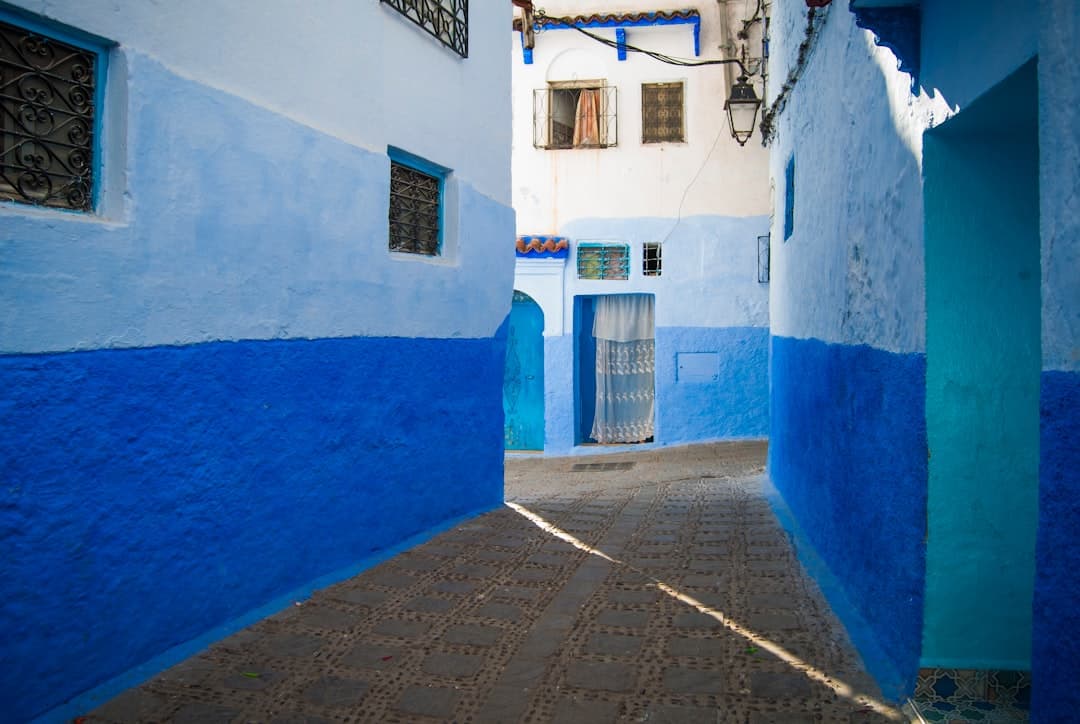
Mount Uhud
Mount Uhud is a reddish granite mountain on the northern edge of Medina, standing about 1,077 meters above sea level and stretching roughly seven kilometers in length. It is one of the most significant sites in Islamic history — this is where the Battle of Uhud took place in 625 CE, a pivotal and painful episode in early Islam in which the Prophet Muhammad's forces suffered a costly defeat against the Meccan army led by Abu Sufyan. Around 70 of the Prophet's companions, including his beloved uncle Hamza ibn Abd al-Muttalib, were killed here. For Muslims worldwide, Uhud is not merely a geological feature — it is a place of reverence, grief, and reflection. Visiting Uhud today means walking through a landscape thick with sacred memory. The mountain itself is dramatic and bare, its dark volcanic rock rising sharply from the plain. Most pilgrims come first to the Martyrs' Cemetery (Maqbarat al-Shuhada), where Hamza and dozens of other companions are buried in simple, unmarked graves — the sight is genuinely moving even for non-Muslim visitors. You can stand on the plain where the battle unfolded and look up at the pass on Uhud's southern flank — the very spot where the archers abandoned their position, a decision that changed the course of the battle. There is also a small mosque, Masjid al-Fassil, near the site. Groups often have guides who narrate the battle in vivid detail; even without one, the landscape tells a coherent story. Uhud sits about five kilometers north of the Prophet's Mosque in central Medina and is easily reached by taxi or as part of a ziyarat (religious site-visiting) tour, which most pilgrims on Hajj or Umrah will join. It can be combined with other northern Medina sites. The area gets extremely hot midday in summer — locals and seasoned pilgrims know to come at dawn or in the late afternoon. Non-Muslims are not permitted to enter Medina at all, so this site is exclusively accessible to Muslim visitors.
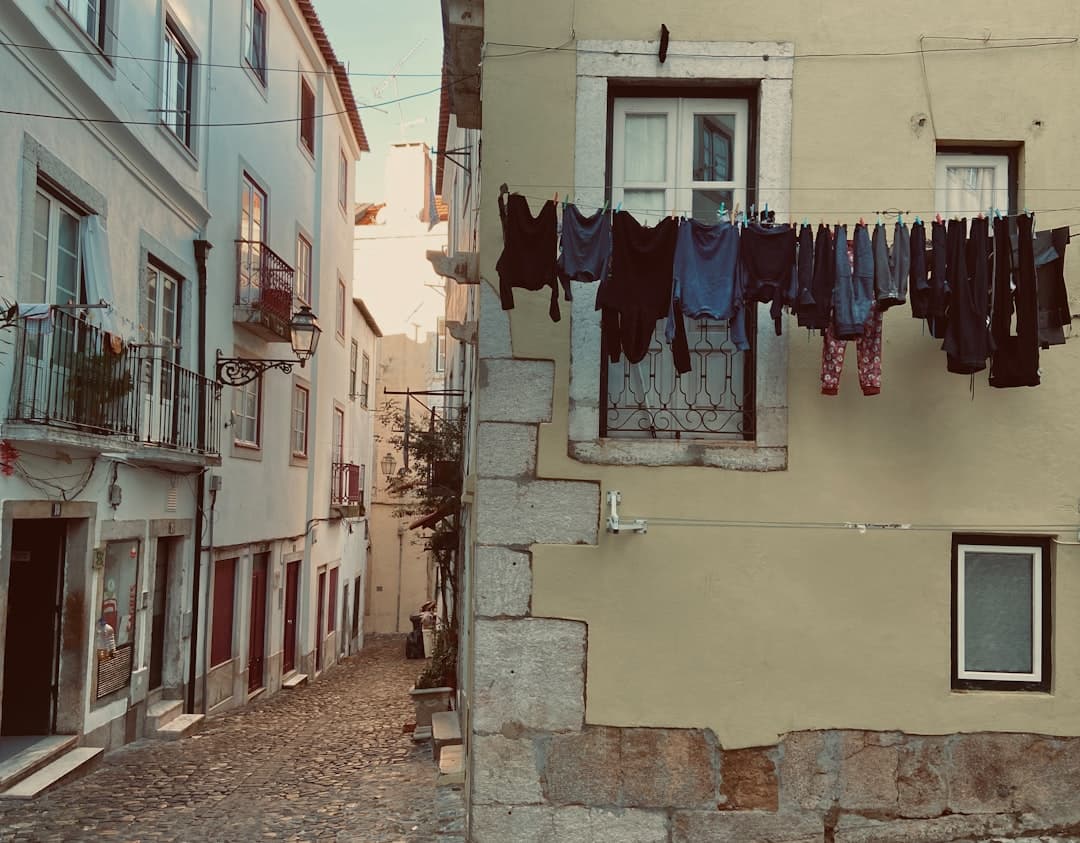
Mouraria
Mouraria is the ancient Moorish quarter tucked below the walls of São Jorge Castle, one of Lisbon's oldest and most historically layered neighborhoods. When the Moors were expelled from Lisbon after the Christian reconquest in 1147, they were forced to settle in this area outside the city walls — hence the name. For centuries it remained a place of outsiders: religious minorities, migrants, the working poor. That marginality gave it character. Mouraria is also widely credited as the birthplace of fado, the haunting Portuguese musical tradition, and is closely associated with Maria Severa, the legendary 19th-century singer whose life story is inseparable from the genre's origins. Walking through Mouraria today means navigating a web of steep, narrow alleyways — calcadas paved in rough stone — that spill into small squares like Largo do Intendente and Largo da Mouraria. The neighborhood is genuinely multicultural, home to a large South Asian and Chinese immigrant community, so you'll find Bangladeshi curry houses, Chinese grocery stores, and Arab tea rooms alongside traditional tascas serving bacalhau and petiscos. Street art covers many walls, and the Museu do Aljube — a former political prison now dedicated to the memory of the Salazar dictatorship's resistance — sits on the neighborhood's edge. The rooftop of the nearby Intendente neighborhood gives sweeping views toward the Tagus. Mouraria resisted the worst of Lisbon's tourist gentrification longer than Alfama or Bairro Alto, so it still has a rawness to it that feels authentic rather than curated. It's not perfectly polished — some streets are rough around the edges — and that's the point. Come during the Festas de Lisboa in June when the neighborhood transforms with lights, music, and street parties that spill into the early hours. Walk uphill through Rua da Mouraria and Rua do Capelão for the most atmospheric stretches, and don't miss a petisco stop at one of the small restaurants on Largo da Mouraria square itself.
Msheireb Museums
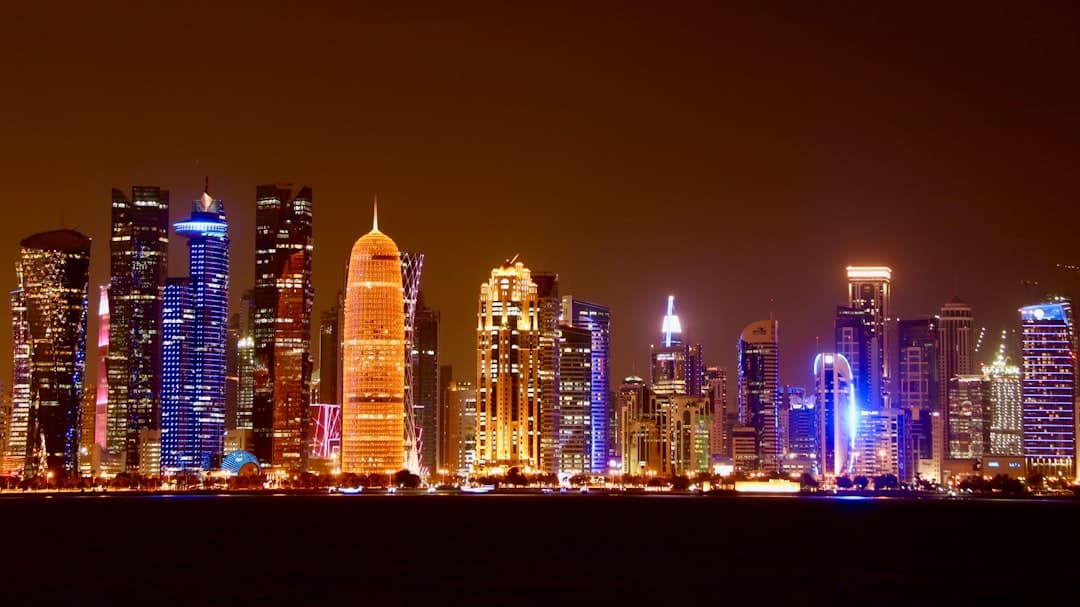
Msheireb Museums is a cluster of four carefully restored merchant houses in the heart of Doha's old downtown district, collectively telling the story of Qatar's past in a way that no other institution in the city quite manages. The complex sits within the Msheireb Downtown Doha development — a massive urban regeneration project that razed and rebuilt a significant chunk of the city centre — and the museums function as both a cultural anchor and a kind of conscience for that transformation, acknowledging what was demolished while preserving what mattered most. The four houses — Bin Jelmood House, Company House, Mohammed bin Jassim House, and Radwani House — each have a distinct focus, covering slavery and its history in the Gulf region, Qatar's relationship with the British colonial-era oil companies, the life of a prominent Qatari family, and the story of Msheireb itself as a neighbourhood. Visiting feels genuinely immersive. The architecture is traditional Qatari courtyard style, with wind towers, carved wooden screens, and cool shaded interiors that contrast sharply with the glass towers visible just beyond the walls. Inside, the exhibitions are well-produced and thoughtful — Bin Jelmood House in particular stands out for its unflinching treatment of the slave trade in the Indian Ocean and Gulf region, a topic rarely addressed so directly anywhere in the Middle East. Company House gives fascinating context to the early days of the Qatar Petroleum Company and what it meant for daily life. You can easily spend two to three hours moving through all four properties without rushing. Fridays have reduced daytime hours, with the museums opening in the afternoon — worth checking before you visit. The complex is a short walk from Souq Waqif and sits right in the middle of the Msheireb Downtown development, so it pairs well with a broader exploration of that neighbourhood. Entry fees are modest by international standards, and the whole experience rewards visitors who take their time rather than rushing through. This is genuinely one of the most intellectually serious cultural attractions in Doha.
Muir Woods
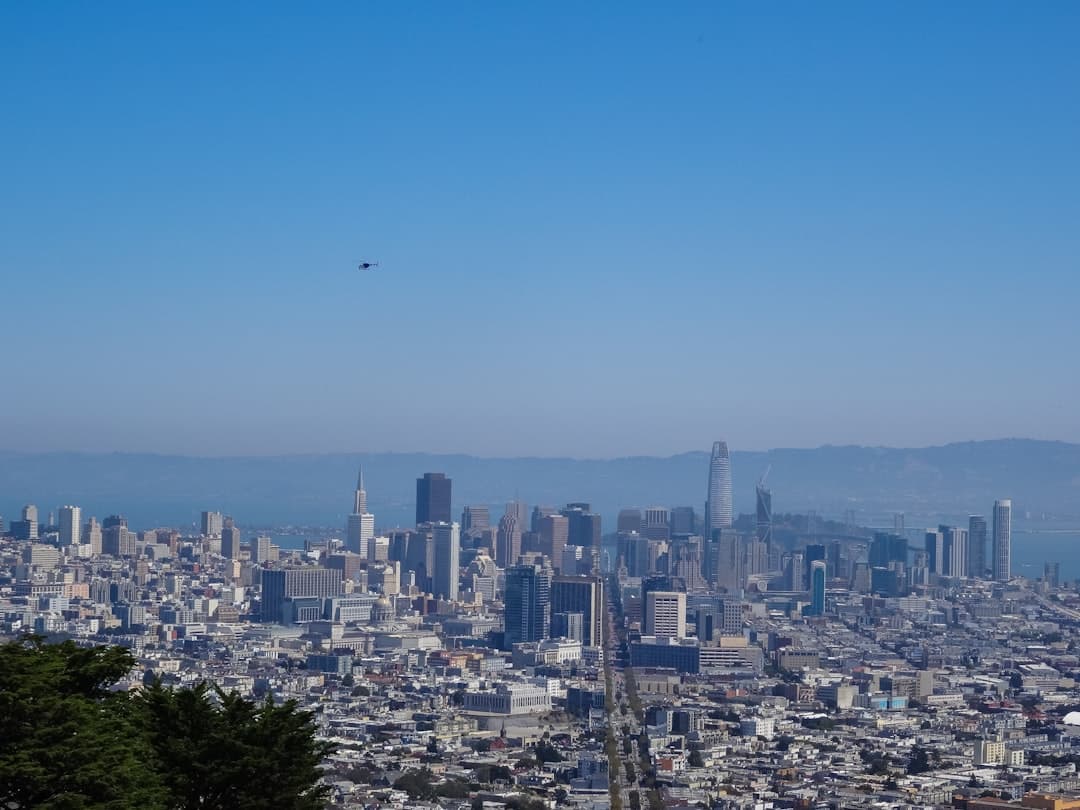
Muir Woods National Monument is a 560-acre old-growth redwood forest tucked into a canyon on the slopes of Mount Tamalpais, just north of San Francisco across the Golden Gate Bridge. It protects one of the last remaining stands of old-growth coast redwood — Sequoia sempervirens — trees that can live over 1,000 years and grow taller than a 35-story building. The monument was established by President Theodore Roosevelt in 1908 and named after naturalist John Muir, who called it "the best tree-lovers monument that could be found in all the forests of the world." For many visitors, it's the first time they've ever stood next to a genuinely ancient living thing. The experience is straightforward and quietly magnificent. A flat, paved main loop trail (the Cathedral Grove trail) winds along Redwood Creek through the densest groves, where the canopy closes overhead and the light goes green and diffused. The air is noticeably cool and damp even on warm days, and the silence — broken only by birdsong and the creek — is almost shocking given how close you are to a major city. Longer unpaved trails branch off toward Mount Tam, offering solitude and elevation if you want to work for your view. The tallest trees here reach around 258 feet, and some of the oldest are over 1,200 years old. Muir Woods requires advance parking or shuttle reservations — this is not optional, and the system exists because the site was genuinely overwhelmed by unmanaged crowds. The Muir Woods Shuttle from Sausalito and Marin City runs seasonally and is often the smarter choice than driving the narrow, winding Muir Woods Road. Arrive early on weekdays if you can; the Cathedral Grove gets genuinely crowded by mid-morning on weekends. The Visitor Center and small café near the entrance are worth a few minutes, and the gift shop stocks decent field guides if you want to learn more about what you're walking among.
Murano
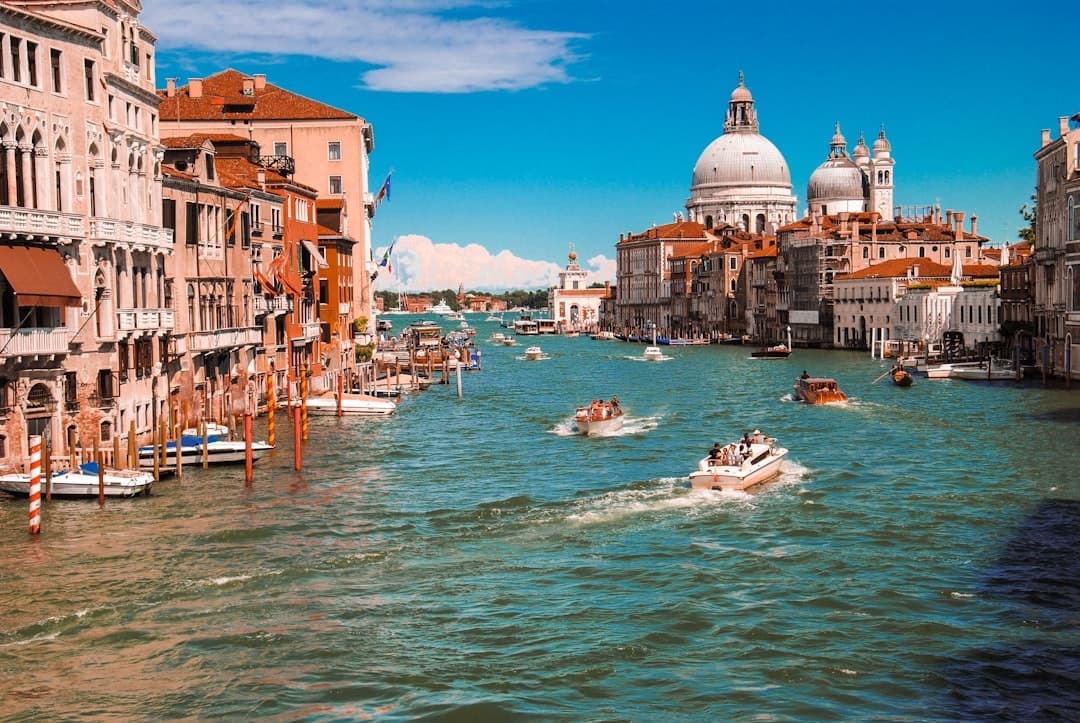
Murano is a small cluster of islands in the Venetian Lagoon, about a ten-minute vaporetto ride from Venice's main island. It's been the world capital of artisan glassmaking since 1291, when the Venetian Republic forced all of the city's glassmakers to relocate here — partly to reduce fire risk in the city, and partly to keep their secrets close. For centuries, the techniques developed on Murano were so closely guarded that glassmakers were forbidden from leaving the Republic on pain of death. That history is still alive in the workshops and showrooms that line every canal. Today, visiting Murano means wandering a quieter, more genuinely residential version of Venice — fewer crowds, actual locals going about their days, and canal-side streets that don't feel like a stage set. The main draw is watching master glassblowers at work: many of the furnaces (fornaci) offer free demonstrations where you can watch artisans shape molten glass into vases, horses, and chandeliers in minutes. The Museo del Vetro on Fondamenta Giustinian is essential — it traces glassmaking history from ancient Rome to the present day and houses some extraordinary pieces. Shopping is a genuine draw too, though the skill is distinguishing handmade Murano glass from the imported imitations that have flooded the market. The key insider move is getting there early — by 11am the day-trippers from cruise ships have arrived and the demonstrazioni feel rushed. Go on a weekday morning and you'll often get an almost private viewing. Also know that not all glass sold in Murano is made in Murano — look for the Vetro Artistico Murano trademark sticker, which indicates genuine locally produced work. The island is small enough to walk in its entirety, so combine the museum, a furnace visit, and lunch at one of the canal-side osterie without any particular plan.
Museo Casa de la Memoria
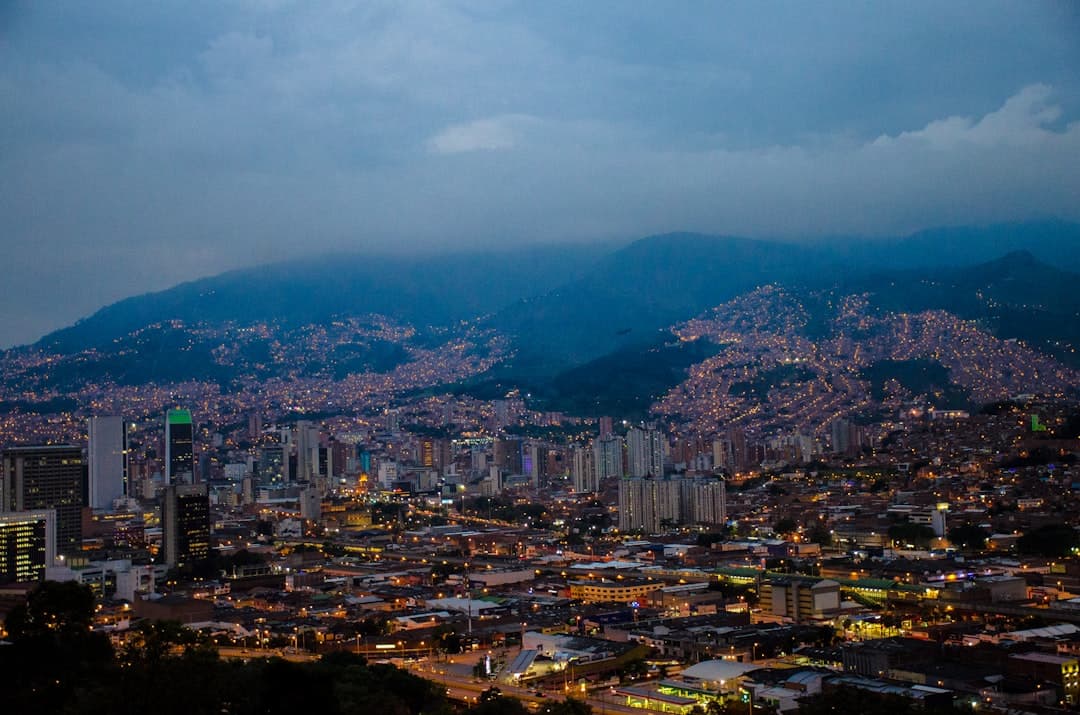
The Museo Casa de la Memoria is Medellín's most important human rights museum — a space dedicated to preserving the testimonies, stories, and documents of those affected by Colombia's decades-long armed conflict. Opened in 2013, it sits in the Parque Bicentenario near the city center and was built specifically to honor victims of paramilitaries, guerrillas, state violence, and narco-related conflict. It's not a comfortable museum, and it's not meant to be. It asks visitors to sit with difficult history rather than look away from it. Inside, the exhibitions combine video testimonies, photographs, sound installations, and personal objects left by victims and their families. The permanent collection traces the roots and evolution of Colombia's conflict, while rotating temporary exhibitions often spotlight specific communities or regions. The architecture itself is part of the message — the building's fractured, angular exterior was designed to evoke rupture and memory. Visitors move through quiet, considered spaces that feel more like a memorial than a traditional museum. The mood is somber but never exploitative, and the curation consistently centers the humanity of those who suffered rather than the spectacle of violence. Entry is free, which is significant — this is a public resource as much as it is a cultural institution. The museum is genuinely accessible to all Medellín residents and is frequently visited by school groups, which says something meaningful about how the city is choosing to educate its next generation. If you're trying to understand the Medellín transformation narrative — the city's much-celebrated reinvention from the world's most dangerous city to a global urban success story — this museum provides the essential, often-omitted counterweight: the human cost of what came before, and the ongoing struggle for truth and reconciliation.
Museu Nacional de Arte Antiga
The Museu Nacional de Arte Antiga — often called the MNAA, or simply the Museu das Janelas Verdes after its street address — is Portugal's national museum of fine and decorative arts, and by almost any measure the most important art museum in the country. Housed in a 17th-century palace that once belonged to the Counts of Alvor, it holds roughly 40,000 objects spanning painting, sculpture, furniture, textiles, ceramics, silver, and gold from the Middle Ages through the 19th century. If you want to understand Portuguese art history, culture, and the country's extraordinary age of maritime exploration in a single afternoon, this is the place to do it. The collection is genuinely world-class. The absolute centerpiece is The Temptation of Saint Anthony by Hieronymus Bosch — a nightmarish, hallucinatory triptych that stops people cold in the middle of the gallery. It's one of only a handful of confirmed Bosch works in existence, and it's here, in Lisbon, which still surprises people. Nearby hang paintings by Dürer, Cranach, Raphael, and Zurbarán, alongside magnificent examples of Portuguese Renaissance painting — particularly the Panels of São Vicente de Fora, attributed to Nuno Gonçalves, which are considered the masterpiece of 15th-century Portuguese art. The decorative arts floors are equally rich: Japanese Namban screens, intricate gold and silver from the Age of Discovery, Limoges enamelwork, and some of the finest Indo-Portuguese furniture you'll see anywhere. The museum sits in the Lapa neighborhood, a short walk or tram ride from Bairro Alto, overlooking the Tagus. It's not in the tourist rush zone, which means crowds are manageable even in summer — a real luxury compared to some of Lisbon's more famous sights. The café and terrace at the back have views over the river that are, frankly, absurdly good. Tuesday through Sunday, with free entry on Sunday mornings before 2pm — a detail worth noting if you're watching your budget.
Museum Island
Museum Island is a UNESCO World Heritage Site sitting in the middle of the River Spree in central Berlin — a narrow strip of land that's home to five of the most important museums in Germany, all built between 1830 and 1930. The complex grew out of the Prussian royal collections, and over nearly a century it became one of the great concentrations of art and antiquity in the world. After suffering serious damage in World War II and decades of neglect during the East German era, a long-running restoration project has been bringing it back to its full grandeur. The result is a place where staggering history and extraordinary objects sit side by side in magnificent 19th-century buildings. The five museums cover an almost absurd range. The Pergamon Museum houses the reconstructed Pergamon Altar from ancient Greece and the stunning Ishtar Gate of Babylon — massive ancient structures reassembled inside a purpose-built hall. The Neues Museum holds the famous bust of Nefertiti, one of the most recognizable works from ancient Egypt. The Altes Museum is a neoclassical temple to Greek and Roman antiquity. The Bode Museum, at the island's northern tip, focuses on Byzantine art and sculpture. The Alte Nationalgalerie is Germany's answer to Paris's Musée d'Orsay, a five-story temple of 19th-century European painting and sculpture. You could spend a week here and still feel like you'd only scratched the surface. In practice, most visitors focus on two or three museums in a day. The Pergamon has been partially closed for major renovations since 2023, with the main hall housing the Pergamon Altar expected to be closed until around 2027 — worth factoring into your plans. A Museum Island day ticket covers all five sites and is genuinely worth it. Come on a weekday morning to beat the tour groups, and book timed-entry tickets in advance, especially for the Neues Museum, which is the most popular. The walk along the Spree embankment between the museums is lovely, and the neighborhood — Mitte, the historic heart of Berlin — is rich with good cafes and the Cathedral (Berliner Dom) directly across the square.
Museum of Anthropology
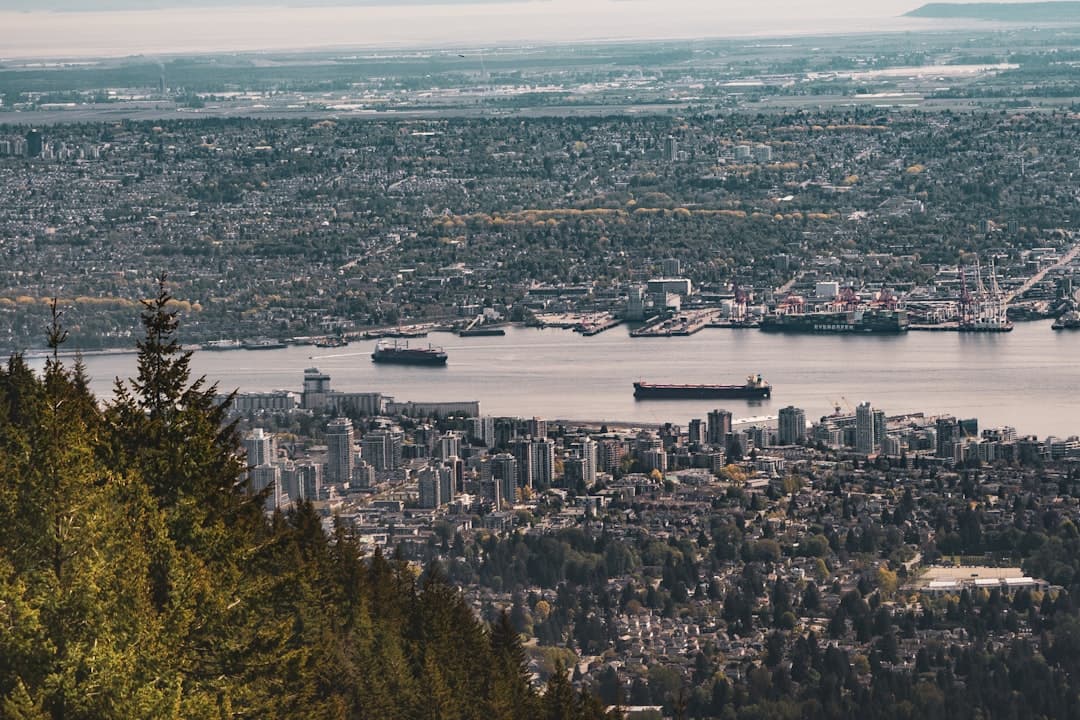
The Museum of Anthropology at the University of British Columbia is one of Canada's most important cultural institutions — and one of its most beautiful buildings. Designed by architect Arthur Erickson and opened in 1976, the structure was inspired by the post-and-beam architecture of Pacific Northwest Indigenous peoples. It sits on the traditional unceded territory of the Musqueam people, who are deeply involved in the museum's programming and collections. This isn't a dusty repository of artifacts behind glass — it's a living institution that treats Indigenous cultures with genuine reverence and intellectual seriousness. The centerpiece is the Great Hall, a soaring glass-and-concrete space flooded with natural light where monumental totem poles, carved house posts, and canoes stand as they were always meant to be seen — tall, commanding, and in conversation with the landscape outside. The Masterpiece Gallery holds intricately carved works by Haida artist Bill Reid, including his enormous cedar sculpture 'The Raven and the First Men,' which alone is worth the trip. Beyond these marquee spaces, the Multiversity Galleries allow visitors to browse more than 10,000 objects in visible storage — an unusual and genuinely fascinating approach that treats the collection as a living archive rather than a curated selection. The museum is on the UBC campus, which means it's a bit of a journey from downtown Vancouver — about 30 to 40 minutes by bus — but the grounds themselves are lovely, and pairing the visit with a walk along the nearby cliffs or a meal at one of UBC's campus spots makes for an excellent half-day out. Thursday evenings the museum stays open until 9pm, which is a great option if you want to avoid weekend crowds. Admission is free on the first Sunday of each month.
Museum of Fine Arts
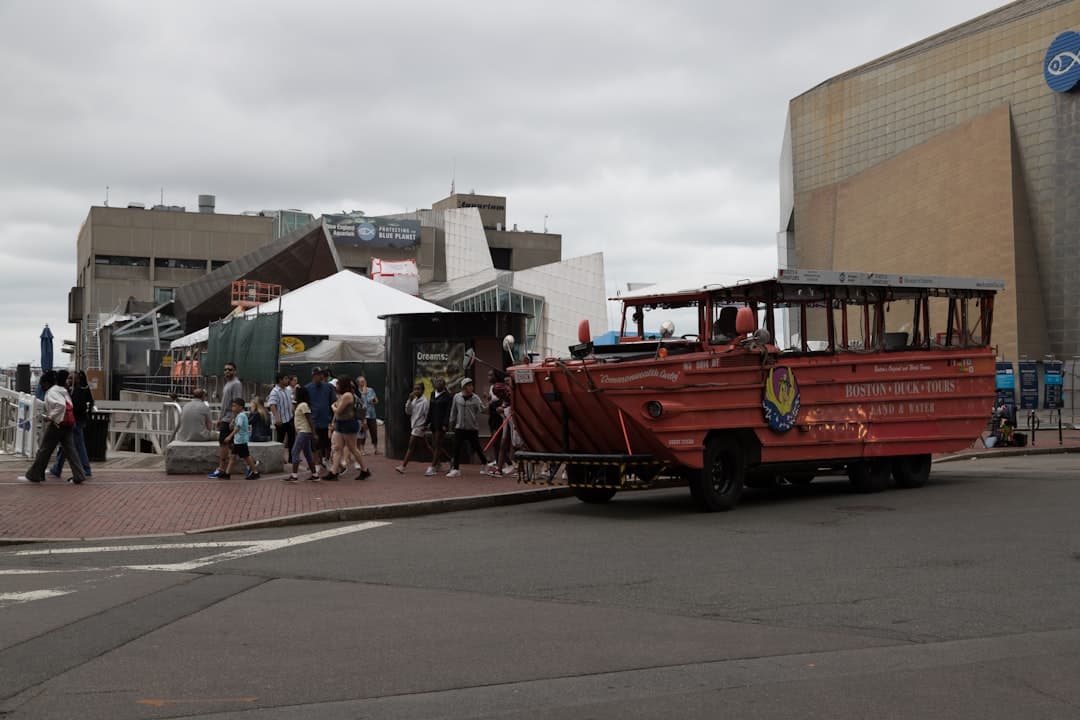
The Museum of Fine Arts Boston is one of the largest and most comprehensive art museums in the United States, holding a permanent collection of nearly 500,000 works spanning more than 5,000 years of human creativity. Founded in 1870 and occupying its current Beaux-Arts building on Huntington Avenue since 1909, the MFA is a genuine institution — the kind of museum that rewards repeat visitors because you simply cannot absorb it in a single trip. It sits in the Fenway-Kenmore neighborhood, just steps from the Isabella Stewart Gardner Museum, making the surrounding blocks one of the most culturally dense stretches in New England. Inside, you'll find one of the finest collections of ancient Egyptian artifacts outside of Cairo, including mummies, sarcophagi, and objects excavated during decades of joint digs with Harvard. The Impressionist holdings are exceptional — the MFA holds more Monets than almost any institution outside France — and the American wing covers everything from colonial portraiture to John Singer Sargent with real authority. The Art of the Americas wing, opened in 2010 in a Foster + Partners–designed expansion, is a gorgeous space to spend an afternoon. Beyond the permanent galleries, rotating special exhibitions are consistently ambitious and well-curated. Thursday and Friday evenings the museum stays open until 10pm, which is one of Boston's best-kept cultural secrets — the crowds thin dramatically after 5pm and the galleries feel almost private. Wednesday through Sunday general admission applies, but members and Boston residents on certain programs can enter free. The museum café and its rooftop terrace (seasonal) are decent enough for a midday break, and the gift shop is unusually good for art books.
Museum of Fine Arts Seville
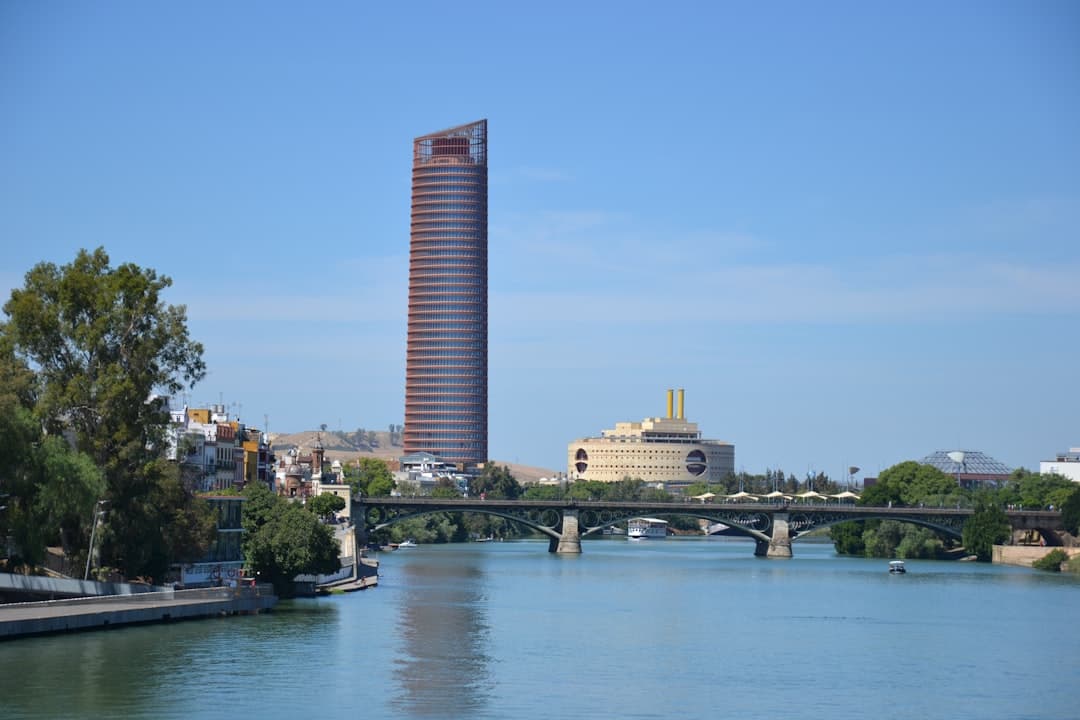
The Museum of Fine Arts in Seville is Spain's second most important art museum after the Prado — a claim that surprises most visitors, who tend to walk past it on the way to more famous sights. Housed in a beautifully restored 17th-century convent, the Convento de la Merced, it holds one of the finest collections of Spanish Baroque painting anywhere in the world, with a particular focus on the Sevillian School, the movement that produced some of Spain's greatest masters. The collection is anchored by extraordinary works from Bartolomé Esteban Murillo, Francisco de Zurbarán, and Juan de Valdés Leal — painters who defined the devotional intensity of Spanish Golden Age art. Murillo in particular is represented here more fully than almost anywhere else on earth; rooms are lined with his luminous religious scenes, which have a warmth and humanity that cuts through even secular sensibilities. The convent itself is part of the experience: you move through cloistered courtyards, tiled corridors, and a soaring former church converted into a grand gallery space with canvases hung floor to ceiling in the old style. Entry is free for EU citizens and very cheap for everyone else, which helps explain why this place is so chronically undervisited — the pricing doesn't signal the quality inside. Arrive on a Tuesday or Wednesday morning and you may find yourself practically alone with masterpieces. The museum sits on a quiet square in the Casco Antiguo just northwest of the Museo del Alamillo area — close enough to the river and the historic centre to combine with a walk along the Guadalquivir.
Museum of Islamic Art
The Museum of Islamic Art sits on its own small island just off the Doha corniche, connected to the mainland by a short causeway — a deliberate bit of drama that sets it apart from the city before you've even walked through the door. The building itself was designed by I.M. Pei, who came out of retirement at age 91 to take on the commission, and spent months traveling the Islamic world studying architecture before producing this quietly monumental structure in 2008. It's one of the finest museum buildings constructed anywhere in the 21st century, and Qatar's crown jewel of cultural ambition. Inside, the collection spans 1,400 years and three continents — ceramics, textiles, jewelry, manuscripts, metalwork, and woodcarving from Spain to Central Asia to sub-Saharan Africa. Highlights include a jaw-dropping collection of Mamluk metalwork, stunning Safavid-era carpets, and one of the world's finest assemblages of Islamic manuscripts and illustrated books. The layout rewards slow, deliberate exploration. The central atrium alone — a soaring geometric space flooded with light from a central oculus — is worth the visit. The museum does serious scholarly work but never feels academic or dry. Practically speaking, entry is very affordable and the museum is rarely as crowded as its reputation might suggest, which means you can linger in front of pieces without fighting for space. Friday hours are shorter — the museum doesn't open until 1:30pm — so plan accordingly. The waterfront park surrounding the building is beautifully landscaped and offers some of the best views of the Doha skyline, so build in time to walk around outside before or after. The in-house IDAM restaurant, by Alain Ducasse, sits on the top floor with panoramic views and is one of the city's more special dining experiences if budget allows.
Museum of Science and Industry
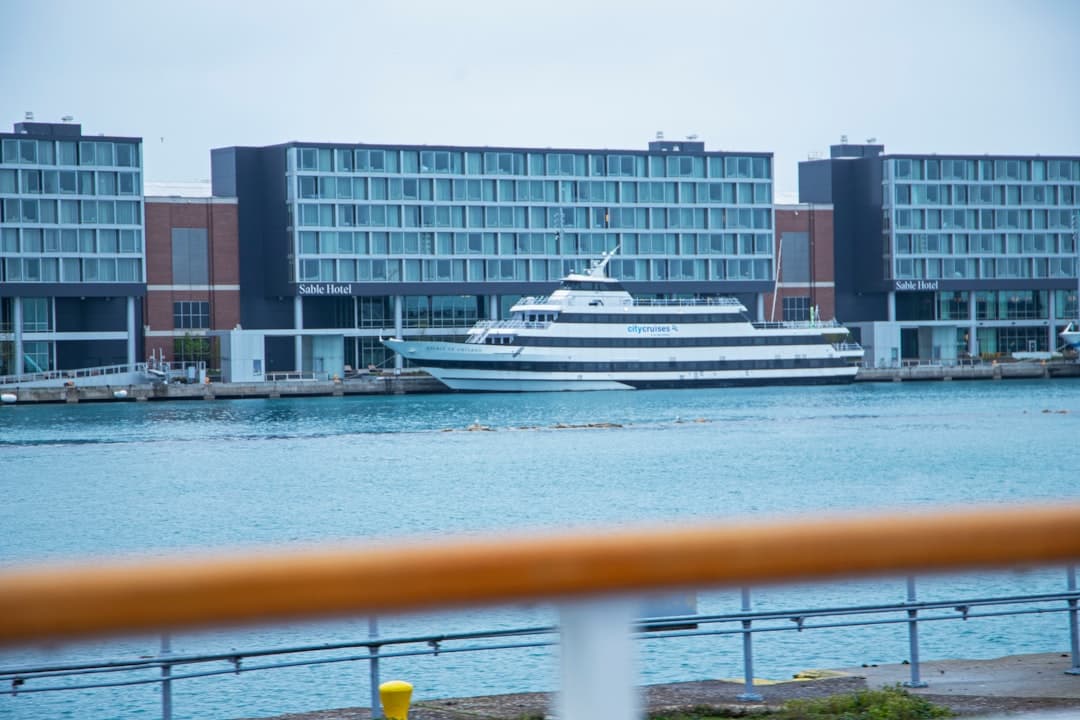
The Museum of Science and Industry occupies one of Chicago's most striking buildings — the former Palace of Fine Arts from the 1893 World's Columbian Exposition, a neoclassical colossus on the shore of Lake Michigan in Hyde Park. It's the largest science museum in the Western Hemisphere, and unlike many institutions that coast on reputation, it genuinely earns the visit. The building alone is worth the trip, but what's inside keeps you for hours: more than 35,000 artifacts and 400,000 square feet of hands-on exhibits spanning everything from space exploration to genetics to the inner workings of a working coal mine. The headliner exhibits are legitimately spectacular. U-505 is an actual German submarine captured by the U.S. Navy in 1944 — you can walk through it, and the story of its capture is gripping military history told with real tension. The Coal Mine sends you underground in a simulated descent to experience what 1930s mining actually looked and felt like. The Science Storms exhibit generates a real 40-foot indoor tornado and a miniature tsunami. For families, the baby chick hatchery and the model railroad layout (one of the largest anywhere, depicting 1940s America across mountains and cities) are perennial crowd-pleasers that hold up even for skeptical teenagers. Hyde Park is about 30 minutes south of the Loop by car or the Metra Electric line, so plan accordingly — this isn't a casual detour. Buy tickets online in advance, especially on weekends and school holidays when the museum fills fast. The Omnimax Theater requires a separate ticket, as does U-505 if you want the full underground access. Arrive at opening if you can; by midday the most popular exhibits have queues and the noise level climbs considerably.
Museum of Tomorrow
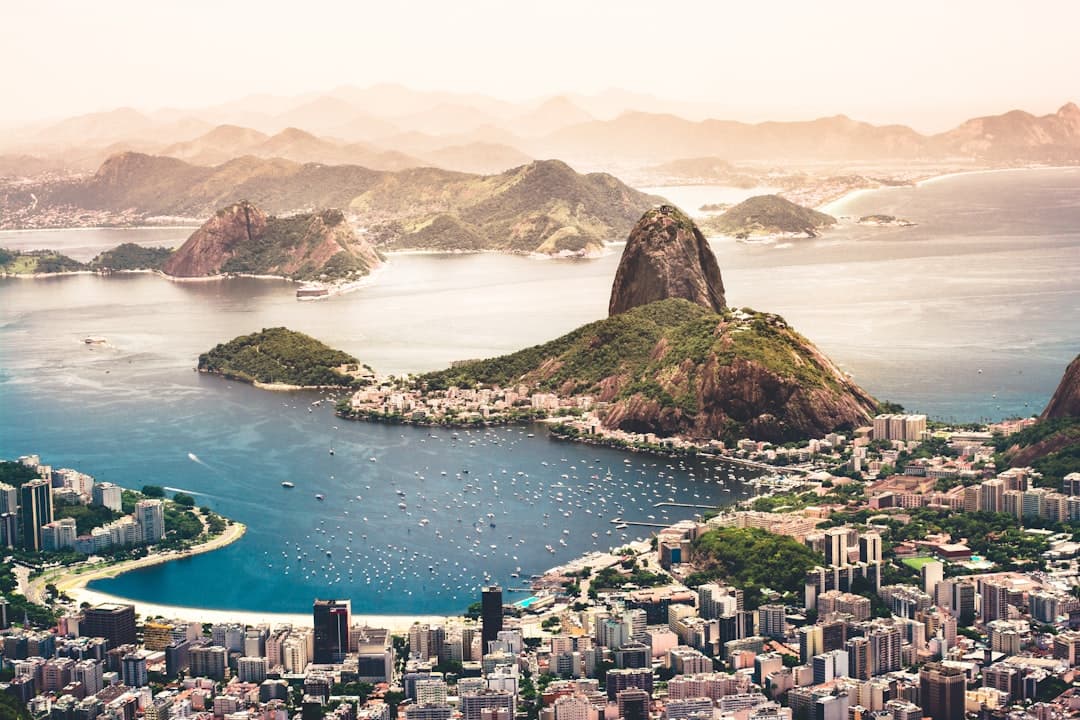
The Museum of Tomorrow — Museu do Amanhã — is a science museum focused not on the past but on the next 50 years of human civilization. Designed by Spanish architect Santiago Calatrava and opened in December 2015, it sits on the revitalized Praça Mauá waterfront in Rio's Port Zone, part of the massive urban renewal project called Porto Maravilha. The building itself is a dramatic white spine that appears to float over a reflecting pool, its solar-panel fins tilting with the sun — and that's before you've even walked inside. It quickly became one of the most recognizable structures in Rio. Inside, the museum is organized around five big existential questions: Where do we come from? Who are we? Where are we? Where are we going? How do we want to go? The experience is immersive and interactive rather than object-based — you won't find traditional artifacts in glass cases. Instead, expect sensory installations, projections, climate data visualizations, and hands-on exhibits exploring biodiversity, the Anthropocene, and human choices about energy, consumption, and coexistence. It's genuinely thought-provoking without being preachy, and well-produced enough to hold the attention of teenagers and adults alike. The museum sits right on the water at Praça Mauá, next to the MAR (Rio Art Museum) and the VLT tram line that runs through Centro. The outdoor promenade and reflecting pool make the approach half the experience — budget time to walk around the building's exterior. Arrive when it opens to avoid school groups and weekend crowds. The permanent collection is the main draw, but check for temporary exhibitions as well. Signage is in Portuguese and English throughout, making it genuinely accessible to international visitors.
Museum of the Revolution
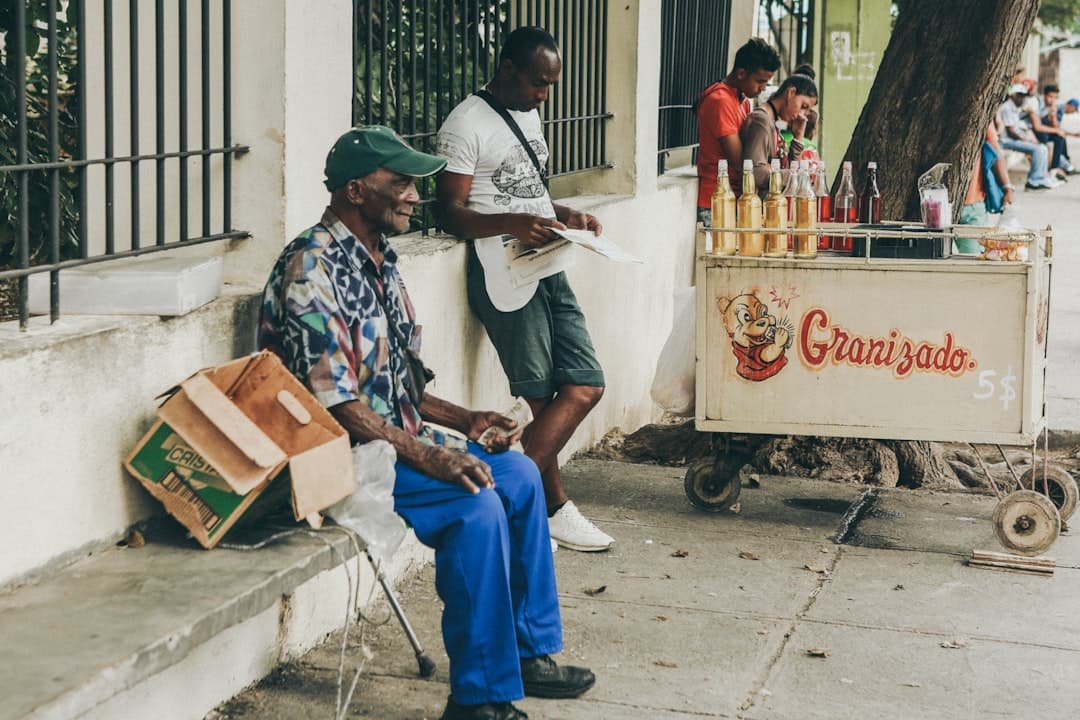
The Museum of the Revolution occupies the former Presidential Palace of Fulgencio Batista — the very dictator whose government Fidel Castro and his rebels overthrew in 1959. That's not a small detail. Walking through these gilded, opulent halls and then encountering the raw history of the revolution that toppled them creates a kind of cognitive dissonance that no exhibit alone could engineer. The building itself, completed in 1920 and designed with help from the Tiffany Studios of New York, is one of Havana's most ornate structures, and it was from here that Batista fled into exile on New Year's Eve, 1958. Inside, the museum traces Cuba's independence struggles from the colonial era through the wars against Spain, the U.S. occupation, and eventually the revolution led by Castro, Che Guevara, Camilo Cienfuegos, and others. You'll see weapons, uniforms, photographs, personal effects, and propaganda from both sides. The famous Salón de los Espejos — the Hall of Mirrors, modeled loosely on Versailles — remains intact, a jarring reminder of the excess the revolutionaries were fighting against. Outside, in the Granma Memorial Garden, the actual yacht that carried Castro and 81 rebels from Mexico to Cuba in 1956 sits enshrined under glass, surrounded by other vehicles of revolution including an armored vehicle and a piece of the U-2 spy plane shot down during the Cuban Missile Crisis. Bring more time than you think you need. The collection is sprawling, the building is enormous, and the political framing is unapologetically one-sided — which is itself worth reflecting on. English-language signage exists but is inconsistent, so hiring a local guide at the entrance significantly deepens the experience. Go early in the morning to beat the tour groups, and don't skip the exterior — the ornate facade and the Granma memorial garden are as compelling as anything inside.
Musée Picasso
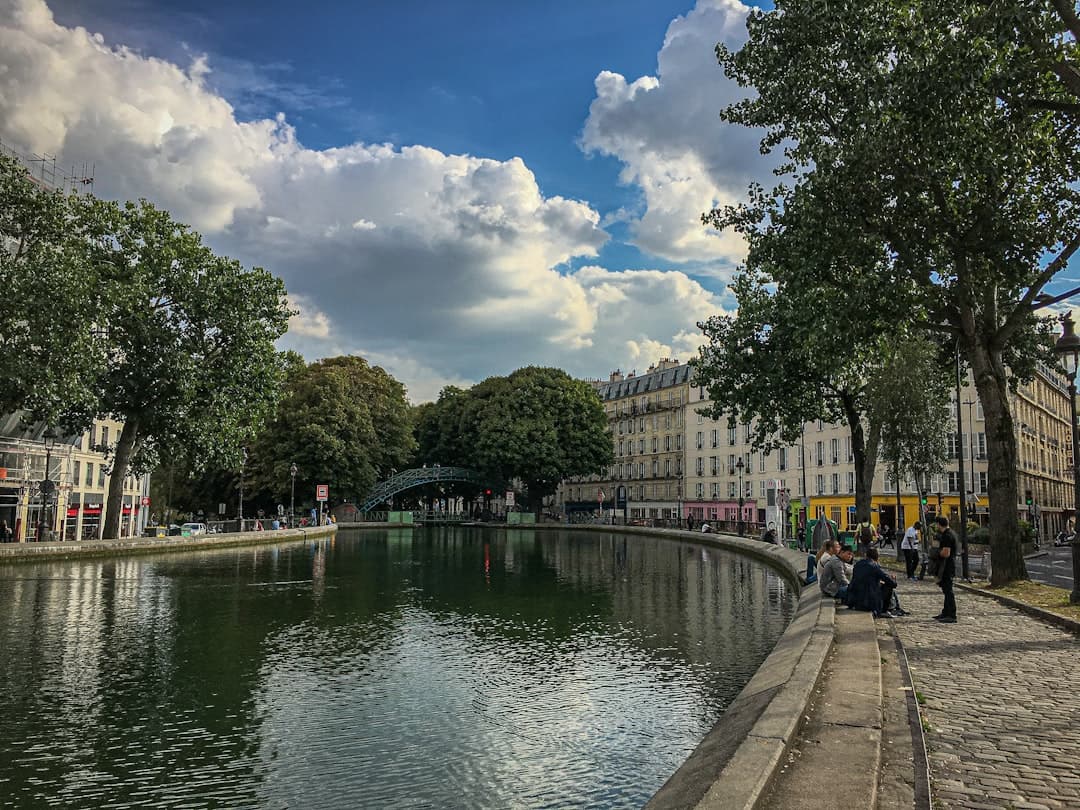
The Musée Picasso is one of the great single-artist museums in the world — a collection dedicated entirely to Pablo Picasso, the Spanish-born painter, sculptor, and ceramicist who spent much of his career in Paris and became arguably the most influential artist of the 20th century. The museum holds around 5,000 works from Picasso's personal collection, which came to the French state in lieu of inheritance taxes after his death in 1973 — a quirk of French tax law that inadvertently gave the public access to the works he chose to keep for himself. That personal dimension is what sets this collection apart: these are the pieces he didn't sell. The building itself is the Hôtel Salé, a grand 17th-century private mansion in the Marais that was beautifully restored and expanded — controversially, and at length — before reopening in 2014 after a five-year closure. Inside, you move through Picasso's entire career chronologically: the Blue Period melancholy of the early 1900s, the revolutionary Cubist experiments he developed with Braque, the classical drawings of the 1920s, the surrealist-inflected work of the 1930s, the dark wartime paintings, and the prolific late period that most visitors underestimate. There are also personal photographs, letters, African and Iberian objects from his own collection, and works by other artists he owned — Cézanne, Matisse, Rousseau — that reveal how he saw himself in relation to others. The museum is closed on Mondays, and Tuesday mornings tend to be quieter. It sits in the heart of the Marais, so you can easily combine a visit with a wander through the neighborhood's galleries, cafés, and the nearby Place des Vosges. The permanent collection is strong enough to anchor a visit on its own, but the temporary exhibitions — usually ambitious and well-curated — are worth checking in advance. Skip the audio guide if you're already reasonably familiar with Picasso's work; the wall texts are substantial and the building itself rewards slow, unhurried exploration.