
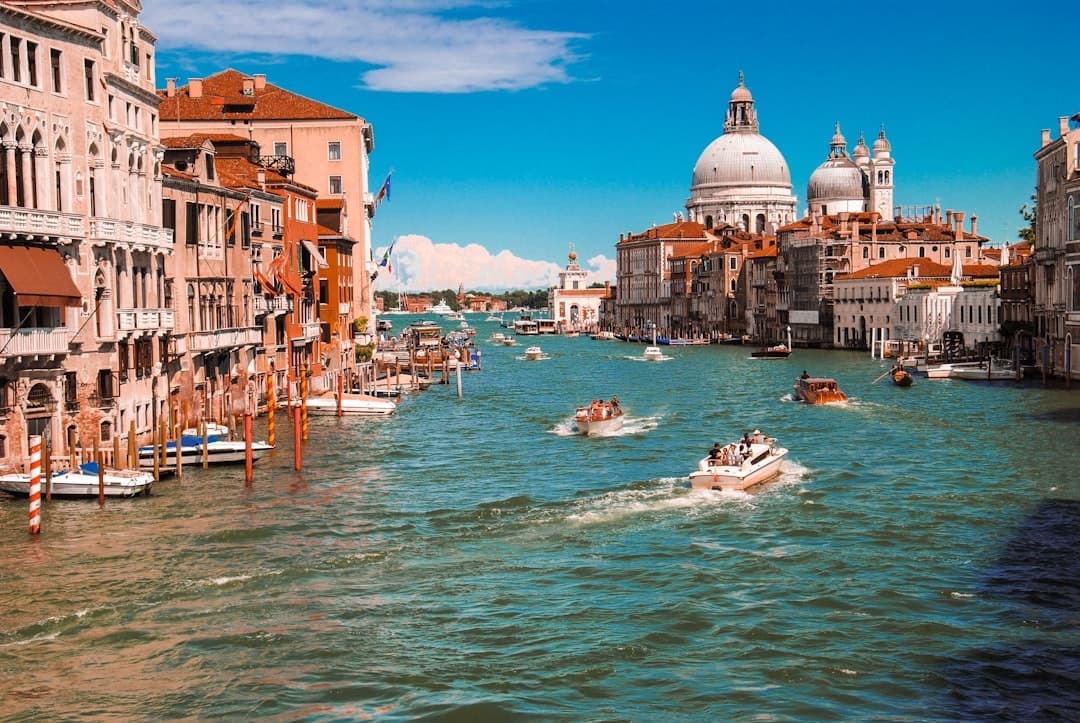
Murano
Venice / Murano

Murano

The island where Venice's legendary glassblowing tradition was born and still lives.

🛍️ Shopping🏛️ Sights & Landmarks🎯 Activities & Experiences🎭 Arts & Entertainment🏘️ Neighborhoods
🌿 Relaxing👨‍👩‍👧 Family-friendly🎭 Cultural🗺 Off the beaten path

Murano is a small cluster of islands in the Venetian Lagoon, about a ten-minute vaporetto ride from Venice's main island. It's been the world capital of artisan glassmaking since 1291, when the Venetian Republic forced all of the city's glassmakers to relocate here — partly to reduce fire risk in the city, and partly to keep their secrets close. For centuries, the techniques developed on Murano were so closely guarded that glassmakers were forbidden from leaving the Republic on pain of death. That history is still alive in the workshops and showrooms that line every canal.

Today, visiting Murano means wandering a quieter, more genuinely residential version of Venice — fewer crowds, actual locals going about their days, and canal-side streets that don't feel like a stage set. The main draw is watching master glassblowers at work: many of the furnaces (fornaci) offer free demonstrations where you can watch artisans shape molten glass into vases, horses, and chandeliers in minutes. The Museo del Vetro on Fondamenta Giustinian is essential — it traces glassmaking history from ancient Rome to the present day and houses some extraordinary pieces. Shopping is a genuine draw too, though the skill is distinguishing handmade Murano glass from the imported imitations that have flooded the market.

The key insider move is getting there early — by 11am the day-trippers from cruise ships have arrived and the demonstrazioni feel rushed. Go on a weekday morning and you'll often get an almost private viewing. Also know that not all glass sold in Murano is made in Murano — look for the Vetro Artistico Murano trademark sticker, which indicates genuine locally produced work. The island is small enough to walk in its entirety, so combine the museum, a furnace visit, and lunch at one of the canal-side osterie without any particular plan.

Local Tips

  1. 1

    Not all glass sold on Murano is made on Murano — cheap imports from China are common. The Vetro Artistico Murano certification sticker is your best guarantee of authentic locally made work.

  2. 2

    The free glassblowing demonstrations at the larger fornaci are worth seeing, but the best craftsmanship is often visible in the smaller, less touristy workshops on the quieter fondamente away from the main canal.

  3. 3

    Take vaporetto line 4.1 or 4.2 from Fondamente Nove rather than the tourist-marketed 'Murano Express' boats, which charge a premium for the same journey public transit covers for the price of a standard ticket.

  4. 4

    Lunch on Murano is genuinely good and cheaper than Venice — Osteria al Duomo near the basilica is a local favourite, and you won't need a reservation on most weekdays.

When to Go

Best times
October–November

Crowds thin dramatically, the light on the lagoon is extraordinary, and you can explore the fornaci and museum at your own pace. Acqua alta is possible but manageable on Murano.

Weekday mornings (year-round)

Arriving before 10am on any weekday gives you near-empty showrooms and a much more personal experience of the glassblowing demonstrations.

Try to avoid
June–August

Cruise ship day-trippers flood the island by late morning; the main canal-front gets genuinely congested and furnace demonstrations feel rushed and crowded.

December–February

Many smaller furnaces and shops reduce hours or close entirely; the Museo del Vetro remains open, but check ahead if specific workshops are on your list.

Why Visit

01

Watch master glassblowers turn molten glass into intricate sculptures right in front of you — it's a genuinely jaw-dropping craft demonstration, not a tourist gimmick.

02

The island is far calmer than Venice proper, with real neighbourhood streets, local bars, and canals you can actually pause beside without being swept along by crowds.

03

The Museo del Vetro houses 700 years of glassmaking history with pieces ranging from delicate 15th-century goblets to bold 20th-century modernist works — one of the most underrated specialist museums in Italy.