
All Places
1,073 places around the world
1,073 places · page 24 of 45
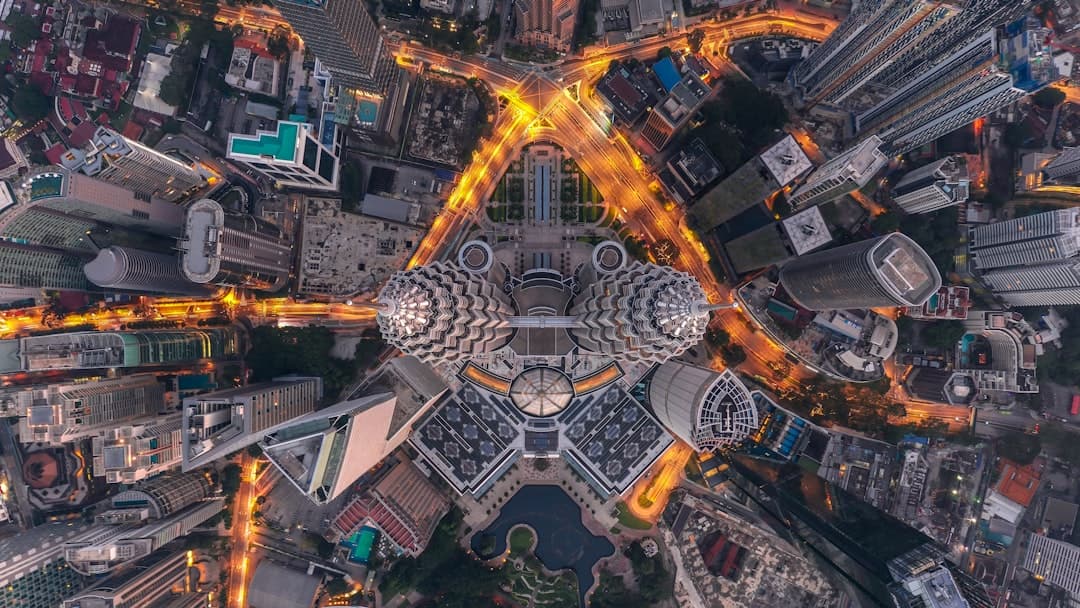
Merdeka Square
Merdeka Square — Dataran Merdeka in Malay — is the open public plaza in the heart of old Kuala Lumpur where the British Union Jack was lowered and the Malaysian flag raised for the first time on August 31, 1957. That moment gave the square its name: merdeka means freedom. It sits at the symbolic and historical core of the city, surrounded by some of the most striking colonial-era architecture in Southeast Asia, and anchored by one of the tallest flagpoles in the world, flying a Malaysian flag you can see from a considerable distance. For anyone trying to understand how KL became what it is today, this is the place to start. The square itself is a broad, grassy field — it was originally the cricket pitch for the Royal Selangor Club, the Tudor-revival black-and-white building that still flanks the western edge like a throwback to a very different era. On the opposite side stands the Sultan Abdul Samad Building, a magnificent Moorish-Gothic structure completed in 1897 with copper domes, arched colonnades, and a clock tower that has become one of the defining images of KL. Walking around the perimeter, you're essentially circling a collision of empires — British colonial administration meeting Islamic architecture, all in the same postcard frame. The square itself hosts public events and national celebrations, particularly around Independence Day in August, when it becomes the focal point of the whole country. Visit in the early morning or at dusk for the best light on the Sultan Abdul Samad Building — the warm tones of the brickwork glow at golden hour. The area is walkable from Masjid Jamek LRT station, and from the square it's an easy stroll south through the old trading quarter toward Petaling Street and Chinatown. The National Textile Museum and the City Gallery, both nearby, pair well with a visit if you want to dig deeper into the history. Weekends can draw crowds, especially if there's an event on the field, so early morning midweek gives you the most space to actually take it in.
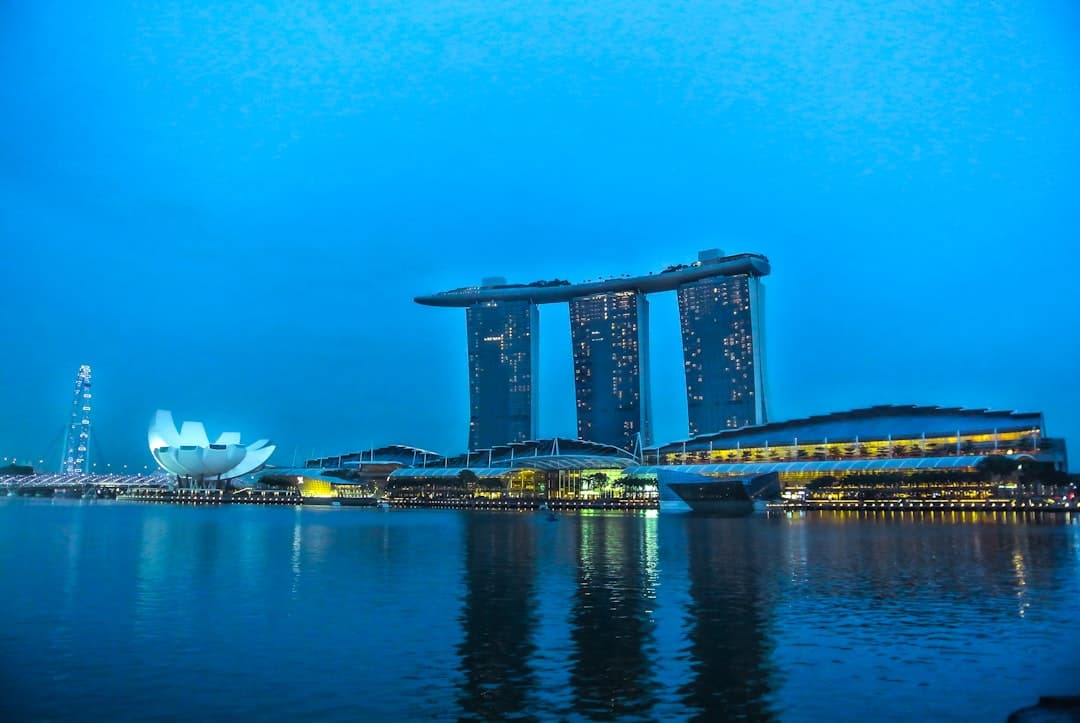
Merlion Park
Merlion Park is home to Singapore's most recognisable symbol: a nine-metre-tall statue of a creature with a lion's head and a fish's body, perpetually spouting water into Marina Bay. The Merlion was designed by Singaporean sculptor Fraser Brunner in 1972 and has become the de facto emblem of the nation — you'll find its image everywhere from souvenirs to official tourism materials. The park sits right on the waterfront at the mouth of the Singapore River, a location that places it at the heart of the city's colonial and commercial history. There's also a smaller, 2-metre Merlion cub statue nearby, though most visitors focus on the main icon. The experience is straightforward and genuinely enjoyable: you stroll along a broad promenade, photograph the statue from various angles, and take in what is arguably the finest urban skyline view in Southeast Asia. Across the water sits the Marina Bay Sands hotel and casino with its famous infinity pool, the glittering Esplanade theatres, and the Gardens by the Bay supertrees rising in the background. At night, the whole scene is illuminated and dramatically more impressive — the fountains are lit, the skyline glows, and the waterfront buzzes with people. The park is also used as a viewing spot for the Spectra light and water show at Marina Bay Sands, which runs several nights a week from the opposite shore. Because it's free, open around the clock, and centrally located, Merlion Park can get genuinely crowded — particularly on weekends and public holidays. The best strategy is to come early morning for photos without the crowds, or late evening when the atmosphere is at its most cinematic. The Fullerton Hotel, one of Singapore's grandest colonial-era buildings, is right next door and worth a look. Nearby One Fullerton has plenty of dining options if you want to sit down and properly savour the view.
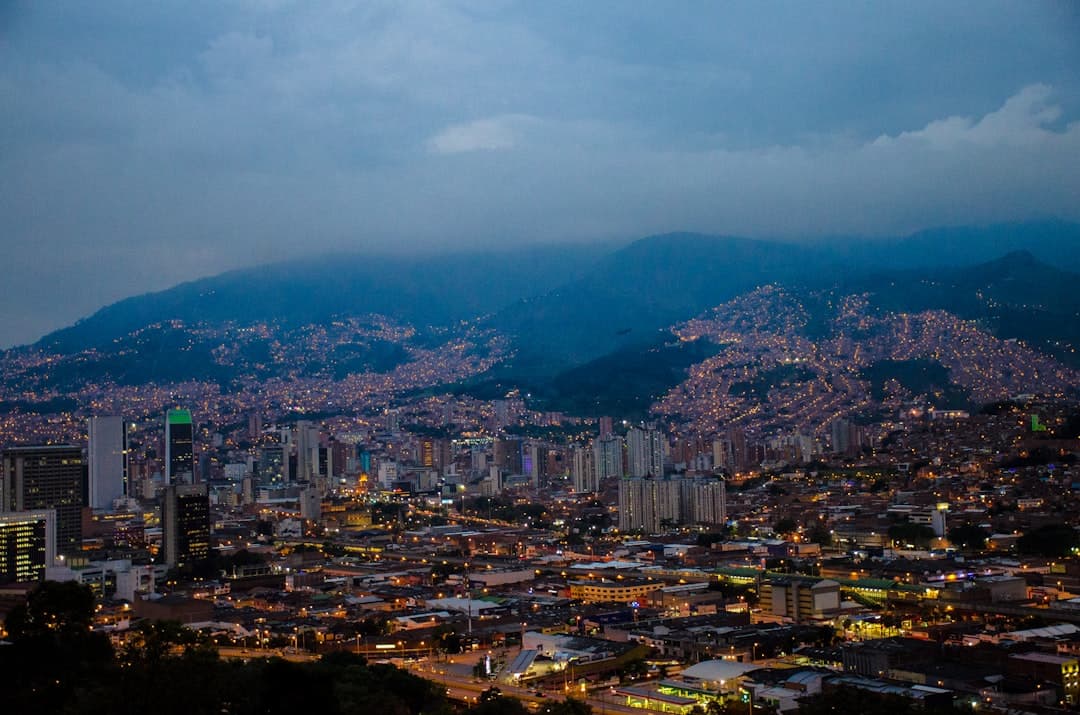
Metrocable
The Metrocable is one of the most celebrated urban transit innovations in Latin America — a gondola cable car system integrated directly into Medellin's Metro network that lifts passengers from the valley floor up into the steep hillside neighborhoods that ring the city. Launched in 2004 starting with Line K, it was built not as a tourist attraction but as genuine public infrastructure, giving communities like Santo Domingo Savio and Andalucía reliable transit access for the first time. The cable car became a symbol of Medellin's dramatic transformation from one of the world's most violent cities into a model of urban innovation, and it's now studied by city planners worldwide. Riding it is a genuinely thrilling experience. You board at a Metro station — typically at Acevedo for Line K — and the gondolas climb steadily over densely packed red-brick homes, street murals, soccer pitches carved into impossible hillsides, and a city that sprawls across the valley below. The views get more expansive with every meter gained. At the top stations you'll find the famous outdoor escalators nearby, the Biblioteca España (now restored), and local life going on completely uninterrupted around you. This is a working neighborhood, not a theme park. The Metrocable referenced here appears to serve the Villatina and Buenos Aires corridor on Medellin's southeast side, which is Line M or a related branch — slightly less touristed than the famous Line K to Santo Domingo. That's actually a point in its favor: fewer cameras, more authentic neighborhood feel, and equally dramatic terrain. Use the Metro card (the Cívica card) to pay — same system as the Metro. Rides are inexpensive and the card is sold at any Metro station.
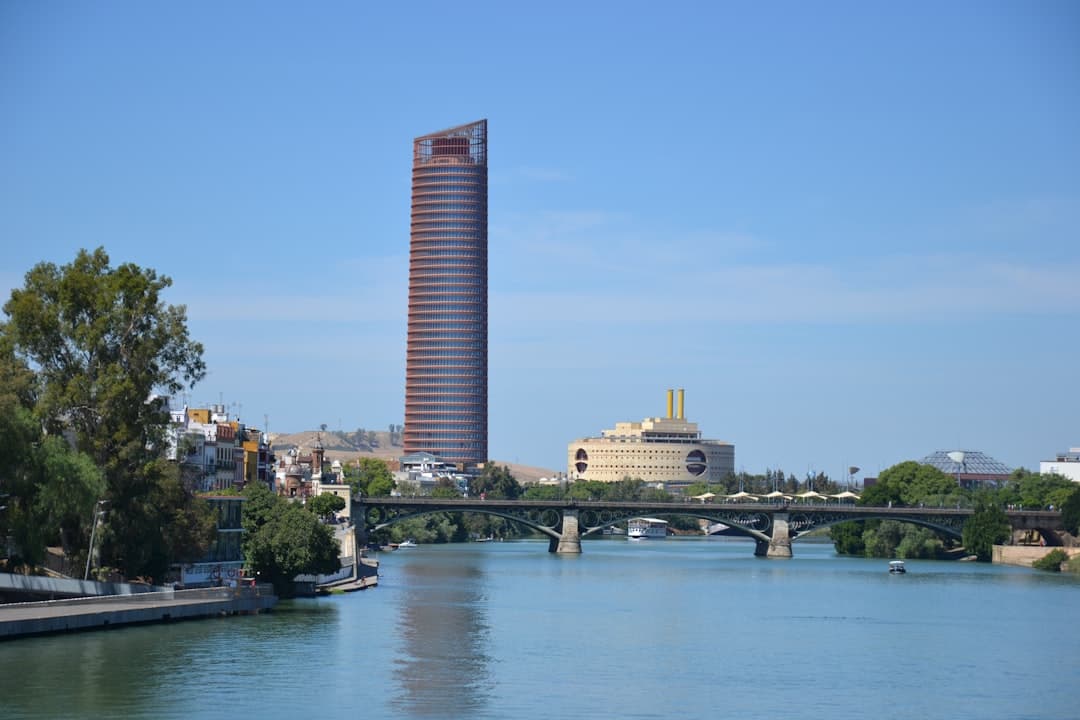
Metropol Parasol
The Metropol Parasol is a vast undulating wooden structure that rises above the Plaza de la Encarnación in central Seville. Designed by German architect Jürgen Mayer H. and completed in 2011, it's one of the largest wooden structures in the world — locals call it Las Setas, meaning 'the mushrooms,' because from the right angle that's exactly what the six interlocking parasols look like. It was a deeply controversial project, wildly over budget and years late, but Sevillians have largely come around on it. Today it's one of the city's most distinctive modern landmarks, sitting in striking contrast to all that Moorish and Renaissance architecture nearby. The structure has several layers worth exploring. Underneath, an archaeological museum called the Antiquarium displays Roman mosaics and artifacts uncovered during construction — genuinely impressive finds that nobody expected to find beneath a 21st-century plaza. At ground level there's a covered market and restaurants. But the real draw is the rooftop walkway, a curving elevated path that winds across the top of the parasols. You walk above the roofline of the old city, with views stretching to the Giralda tower and across a sea of terracotta. At sunset, when the light turns gold and the air cools slightly, this is one of the great urban panoramas in Spain. Tickets for the rooftop walkway include a drink at the bar at the top — a small but appreciated touch. The Antiquarium below requires a separate ticket and is often skipped by visitors in a hurry, but it's worth the extra time if you're even slightly interested in history. Come in the early evening rather than midday when the heat in summer can make the open walkway punishing. The structure is busiest on weekends, but even then the flow of visitors is manageable — it's a big space.
Mikla Restaurant
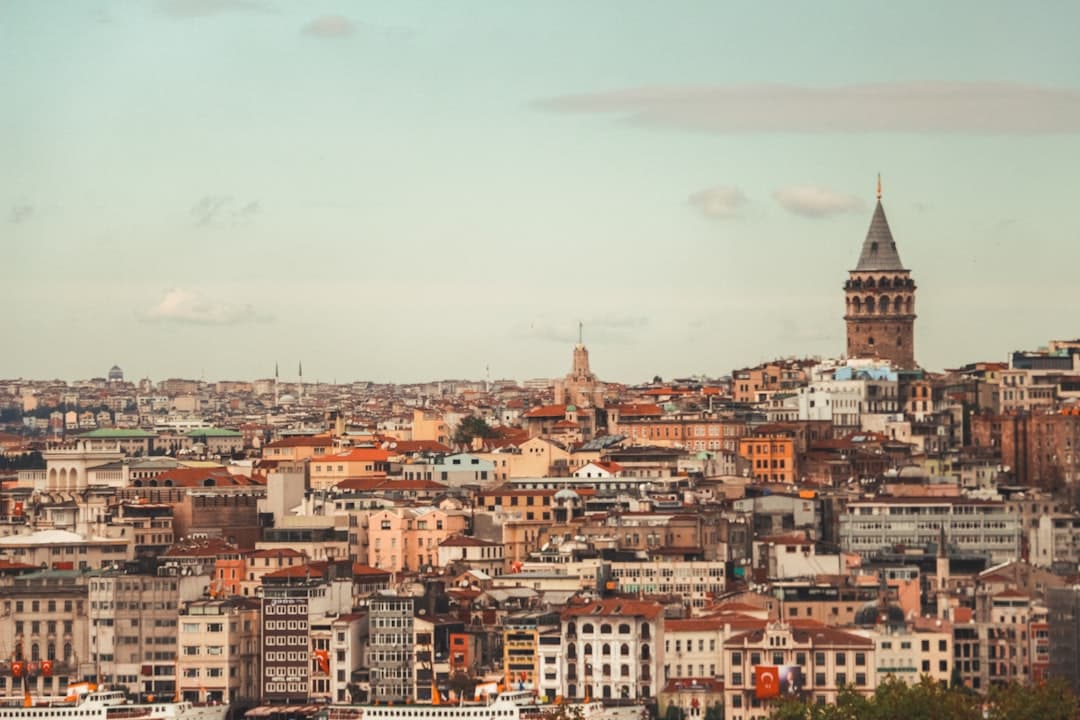
Mikla sits on the top floor of the Marmara Pera hotel in Beyoğlu, and it's one of Istanbul's most celebrated fine dining restaurants. The chef behind it, Mehmet Gürs, was born in Finland to a Swedish-Finnish mother and a Turkish father, and that biography shows up directly on the plate — this is cuisine that draws on Anatolian produce and tradition but thinks about it through a Nordic lens. The result is something genuinely distinctive: not fusion in the lazy sense, but a considered, personal culinary philosophy that has made Mikla a fixture on World's 50 Best Restaurants extended lists and a serious destination for food-minded travelers. The experience is built around a tasting menu that changes to reflect what Gürs and his team are sourcing — expect ingredients from small Anatolian producers, heritage grains, foraged elements, and preparations that feel precise without being cold. The dining room is sleek and modern, but the real drama is outside on the terrace, which gives you a sweeping panorama across the Golden Horn toward the old city, with the silhouettes of the Blue Mosque and Hagia Sophia on the horizon. The bar area is equally spectacular and worth visiting even if you're only stopping for a drink before dinner elsewhere. Reservations are essentially mandatory — this is a small, well-known restaurant and it books out, especially on weekends. Dress is smart; Istanbul's dining scene skews stylish, and Mikla's crowd matches that. Come at dusk so you catch the city transitioning from golden hour to full nighttime illumination — it's genuinely one of the great views in Turkey.
Milford Sound
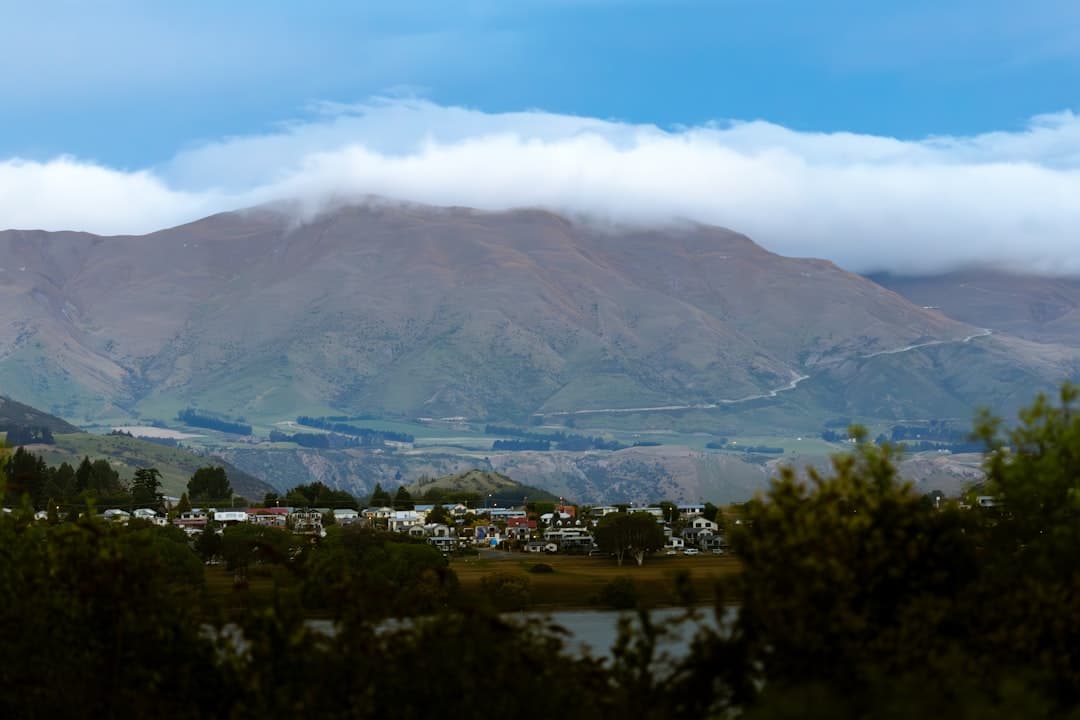
Milford Sound — known in Māori as Piopiotahi, meaning 'a single thrush' — is a fiord carved by glaciers on the southwestern tip of New Zealand's South Island, deep inside Fiordland National Park. Despite the name, it's technically a fiord, not a sound, formed by glacial action rather than river erosion. It's one of the most visited natural sites in New Zealand, and the reputation is earned: sheer rock walls rise nearly 1,200 metres straight out of dark, still water, with Mitre Peak — the country's most photographed mountain — dominating the view from the moment you arrive. Most visitors experience Milford Sound by boat cruise, which is genuinely the best way to understand the scale. Out on the water, you drift past two major waterfalls — Stirling Falls and Lady Bowen Falls — that cascade directly into the fiord. Seals haul out on rocks near the entrance, dolphins occasionally follow the bow, and the resident population of Fiordland crested penguins sometimes makes an appearance. Underwater, the freshwater layer sitting above the denser saltwater creates a rare environment where deep-sea black coral grows unusually close to the surface — some operators run kayak or small-boat tours that get you closer to the walls than the big cruises can. Rain, which falls here roughly 200 days a year, actually makes it more dramatic: hundreds of temporary waterfalls pour off every cliff face. The drive in is part of the experience. The 120km road from Te Anau passes through the Homer Tunnel — a raw, unlined rock tunnel blasted through the Darran Mountains in the 1950s — and descends into the fiord country through a series of increasingly jaw-dropping valleys. Leave Te Anau early to beat tour buses at the tunnel and avoid the cramped car park at the sound's edge. Fly-cruise-fly packages are genuinely worth the cost if the budget allows — landing in a small plane on a grassy airstrip surrounded by peaks is not a bad way to arrive.
Millennium Park
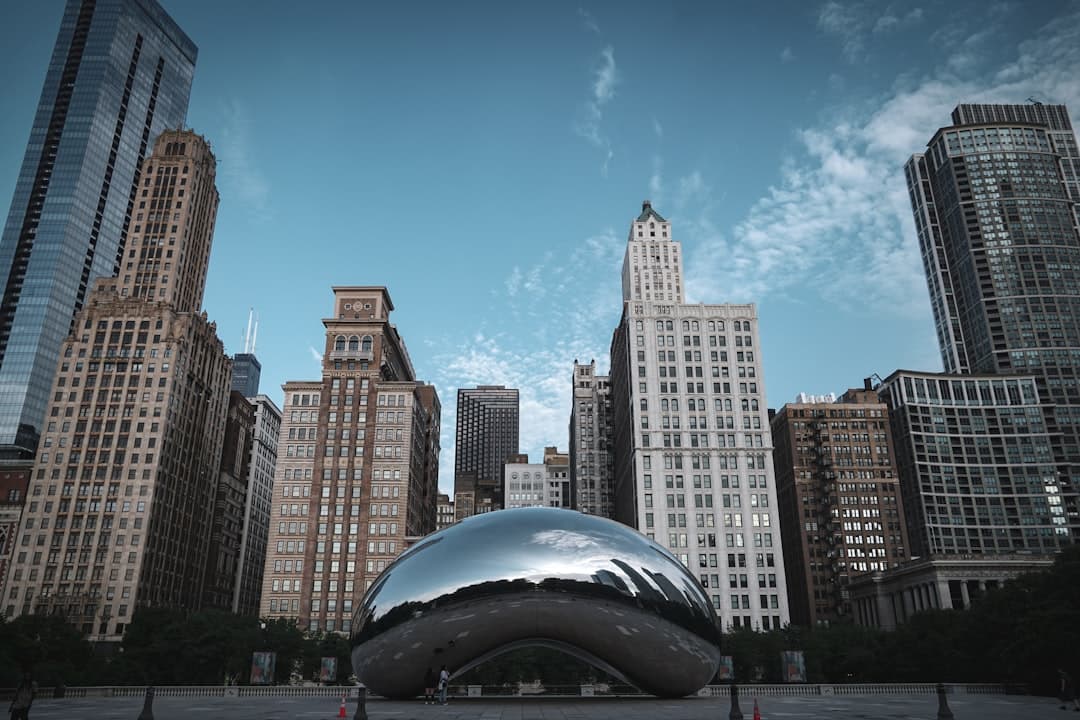
Millennium Park is a 24.5-acre public park in the heart of Chicago's downtown, opened in 2004 after a much-delayed and over-budget construction that transformed a former rail yard into one of the most visited urban parks in the United States. It sits at the eastern edge of the Loop, facing Lake Michigan, and quickly became the cultural centerpiece of the city — a place where world-class architecture, public art, music, and everyday life collide in a way that feels genuinely democratic. Admission is free, which makes the quality of what's here all the more remarkable. The park's two headline attractions are unmistakable. Cloud Gate — the giant mirrored bean-shaped sculpture by Anish Kapoor — distorts the Chicago skyline and your own reflection in ways that never quite get old, no matter how many photos you've seen of it. Nearby, Jaume Plensa's Crown Fountain consists of two 50-foot glass block towers that project video faces of Chicago residents and, in warmer months, shoot water from their mouths into a shallow wading pool that children absolutely lose their minds over. The Jay Pritzker Pavilion, designed by Frank Gehry, hosts free concerts throughout summer and fall — the Grant Park Music Festival plays here on Wednesday, Friday, and Saturday evenings, and the lawn fills with picnickers and families in a way that feels like the best version of what a city can be. Lurie Garden, tucked in the southeast corner, is a surprisingly serene perennial garden designed by Kathryn Gustafson that most visitors walk right past. The park connects directly to the Art Institute of Chicago via the Nichols Bridgeway, a pedestrian bridge that rises from the park's southwest corner. If you're visiting in summer, the BP Bridge — also a Gehry design — offers one of the better elevated views of the park and lakefront. Come early morning if you want Cloud Gate without the crowds; by midday in peak season it's a scrum. The park is entirely free to enter and remarkably well maintained, which still surprises people who've never been.
Ming Tombs
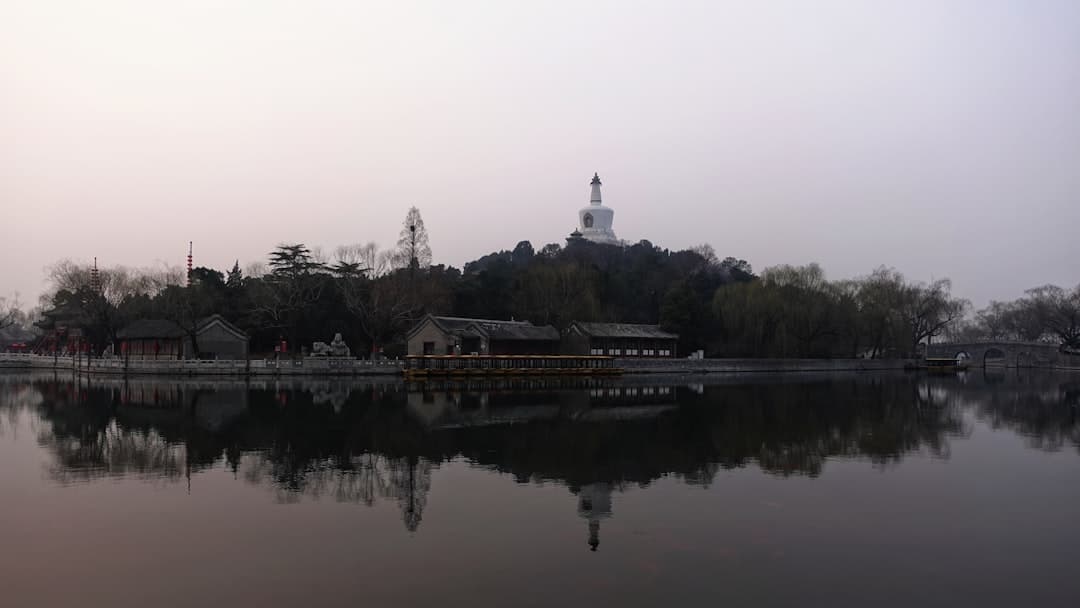
The Ming Tombs are the burial complex of thirteen of the sixteen Ming dynasty emperors, built over more than two centuries beginning in 1409. Spread across a valley at the foot of the Tianzhou Mountains about 50 kilometres north of central Beijing, the site was chosen by the Yongle Emperor using feng shui principles — the surrounding hills were thought to shield the tombs from evil spirits. Together, the complex is a UNESCO World Heritage Site and one of the best-preserved imperial burial grounds anywhere in the world. If you've ever wanted to understand the scale of imperial ambition in China, this is the place — the sheer size of the underground vaults and the ceremonial architecture above them makes the abstract idea of dynastic power feel very, very concrete. Most visitors focus on three of the thirteen tombs. Dingling is the most visited because it's the only one where the underground burial chambers have been excavated and opened to the public — you descend into the actual vault where the Wanli Emperor and two empresses were interred, surrounded by marble thrones and stone gates that still move on their hinges. Changling is the largest and grandest, built for the Yongle Emperor himself, with a magnificent sacrificial hall whose columns are made from entire nanmu trees. Zhaoling is quieter and recently restored, worth visiting if you want to avoid the crowds. The Spirit Way — a ceremonial road lined with stone statues of animals and officials stretching nearly a kilometre — is one of the most photogenic and memorable walks on the whole site. The Ming Tombs are usually visited as a day trip from Beijing combined with the Badaling or Mutianyu sections of the Great Wall, and most tour operators package them together. That's a reasonable approach but it does mean the tombs often get rushed. If you give the site a dedicated half-day rather than treating it as a warm-up act, you'll find it far more rewarding. Come on a weekday if possible — weekends bring significant domestic tourism. The entrance fees for individual tombs are modest by Beijing standards, and the Spirit Way has a separate ticket.
Minnewater
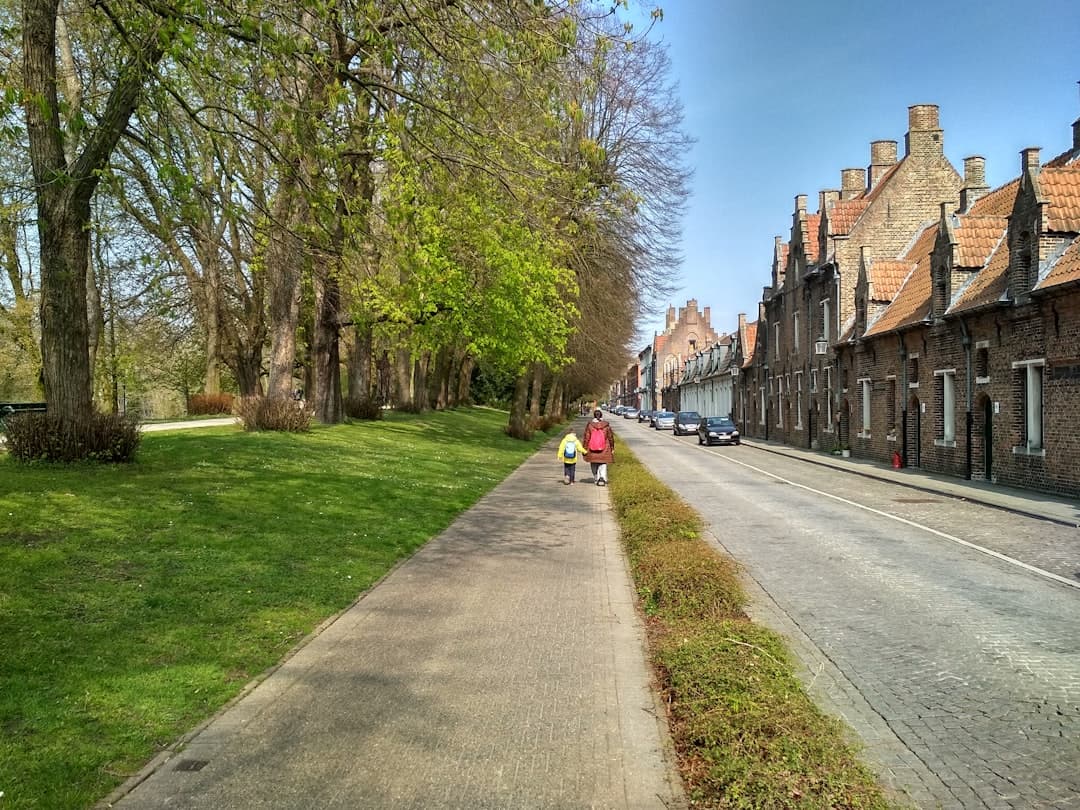
Minnewater — which translates roughly as 'Lake of Love' — is a small, serene lake on the southern edge of Bruges' historic center, just below the Begijnhof. It's one of the most photographed spots in a city that's already overflowing with beautiful corners, and for good reason: the combination of still water, weeping willows, stone bridges, and the soft silhouette of medieval Bruges reflected in the surface feels almost impossibly picturesque. The lake was historically used as a harbor basin, storing water to regulate canal levels, but today its practical origins have been completely overtaken by its reputation as one of Belgium's most romantic outdoor spaces. The experience here is slow and unhurried. You walk along the tree-lined banks, watch the famous white swans glide across the water, and cross the 19th-century stone lock bridge that spans the lake's narrow northern end. The Powder Tower (Poedertorenpoort), a 15th-century remnant of the old city walls, stands at one corner and adds a genuine sense of historical weight to what might otherwise feel like a manicured park. On the southern side, Minnewater Park extends into shaded walking paths and benches, making it easy to settle in for longer than you planned. The swans here are no accident — Bruges has a long tradition of keeping swans on its canals and lakes, tied to a local legend involving a 15th-century mayor. Whether you believe the story or not, the birds have become part of the city's identity. Come early in the morning to have the lake largely to yourself, or visit at dusk when the light goes golden and the day-trippers have largely moved on. The nearby Begijnhof is worth combining into the same walk.
Miradouro da Senhora do Monte
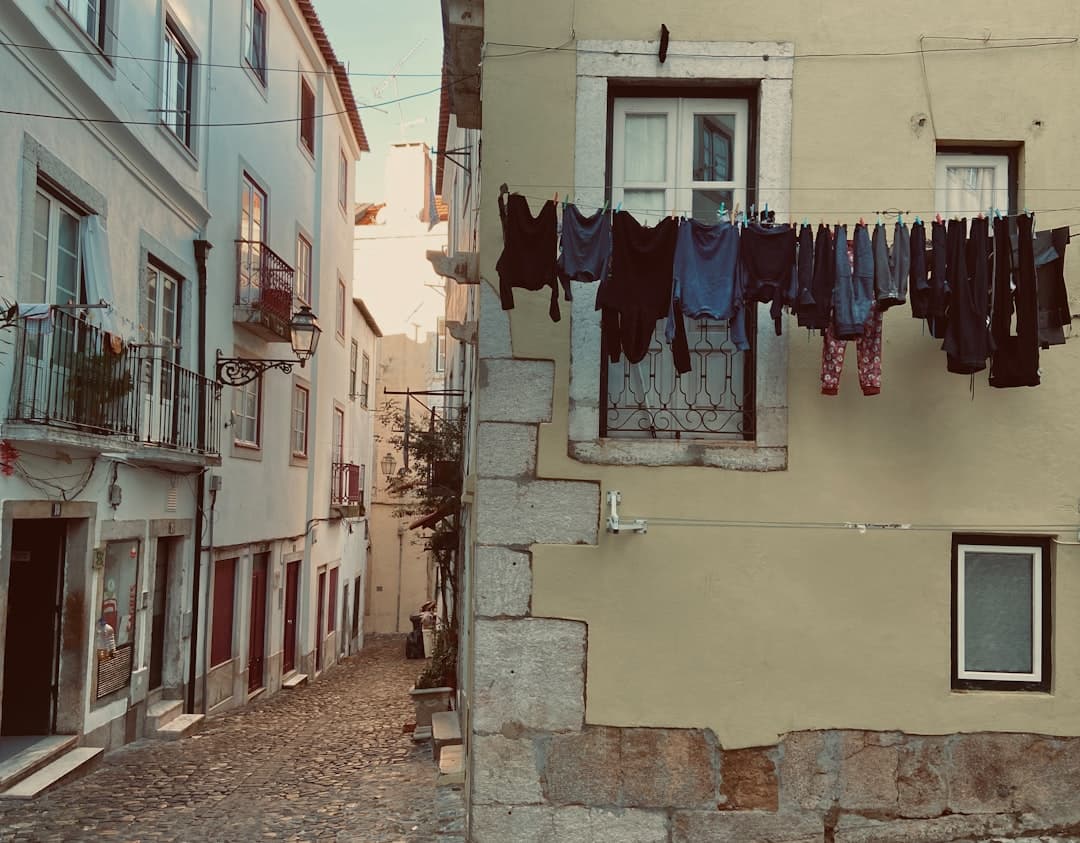
Miradouro da Senhora do Monte sits at the very top of Graça, one of Lisbon's oldest and most characterful hilltop neighbourhoods, and it is widely regarded as the city's highest and most expansive viewpoint. Named for the small chapel of Nossa Senhora do Monte that stands beside it — a modest 18th-century church with a long history of pilgrimage and local devotion — the miradouro offers a sweeping 180-degree arc across the city that takes in landmarks most other viewpoints can only show you from the side: the Castle of São Jorge, the Alfama district tumbling down to the Tagus, the Ponte 25 de Abril bridge in the distance, and on clear days, the Christ the King statue across the river in Almada. The experience here is unhurried and genuinely local. Unlike the more famous Portas do Sol or Santa Luzia viewpoints down in Alfama, Senhora do Monte has no café, no souvenir stalls, and no tour buses idling nearby. You arrive, you find a spot on the low stone wall or one of the concrete benches, and you simply look. The view unfolds slowly — the more you sit with it, the more you pick out: the curve of the river, the pattern of terracotta rooftops, the distant hills of the Serra de Sintra on the western horizon. At sunset, the light turns the whole city amber and the castle glows as if it's been waiting for this exact moment all day. Getting here requires a little effort, which is exactly why it rewards you. The easiest approach is the 28E tram to Graça, then a short uphill walk — or simply follow the old stone lanes up from Martim Moniz. Come early morning to have it almost entirely to yourself, or at dusk when a mix of locals and in-the-know visitors gathers to watch the sun drop. This is not the viewpoint Lisbon puts on its postcards — it's the one Lisboetas actually go to.
Miraflores
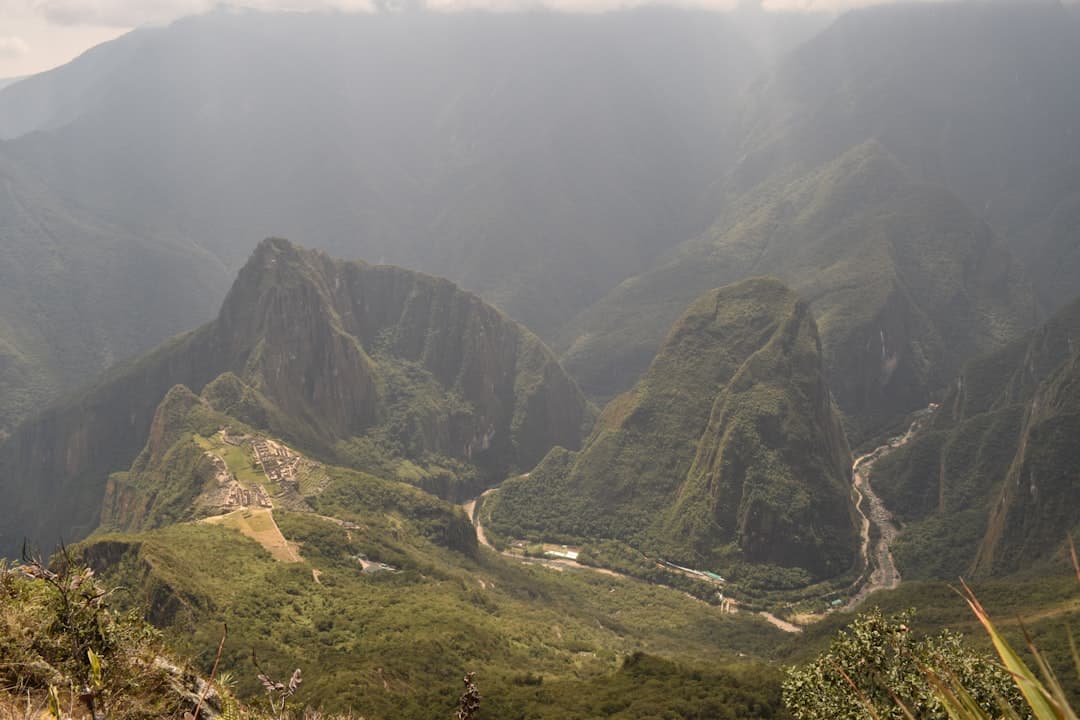
Miraflores is Lima's most affluent and visitor-friendly district, a clifftop neighborhood that sits roughly 70 meters above the Pacific Ocean on the city's western edge. It's the beating heart of modern Lima — where the city's best restaurants, boutique hotels, and manicured parks converge — and for most international visitors it serves as home base. But it's far more than a convenient place to sleep. The neighborhood has its own distinct identity, shaped by decades of investment, a well-educated local population, and a food scene that now rivals any city in South America. The experience here is genuinely layered. Start at Parque Kennedy, the lively central square filled with cats, street vendors, and weekend craft markets, then walk west toward the Malecón — the series of dramatic cliffside promenades overlooking the Pacific. Larcomar, a shopping mall built directly into the cliffs, is worth visiting not for the shops but for the setting; the ocean views from its terraces are genuinely spectacular. The paragliders launching off the cliffs at Parque Raimondi are a constant, cheerful presence. For food, Calle de las Pizzas gets rowdy at night, but the more interesting meals are found in spots like Central (one of the world's top-ranked restaurants, located nearby in San Isidro), or in the excellent cevicherías that dot the neighborhood. Miraflores is Lima's safest and most walkable district, which matters in a city that can otherwise feel car-dependent and fragmented. The Malecón alone is worth an hour or two just for the walk, the surfers below, and the chance to watch the fog roll in off the ocean on a typical gray Lima afternoon. Ubers and taxis are easy and cheap. Most major attractions in Lima — Barranco, the Larco Museum, the Historic Center — are 15 to 30 minutes away.
Mitla
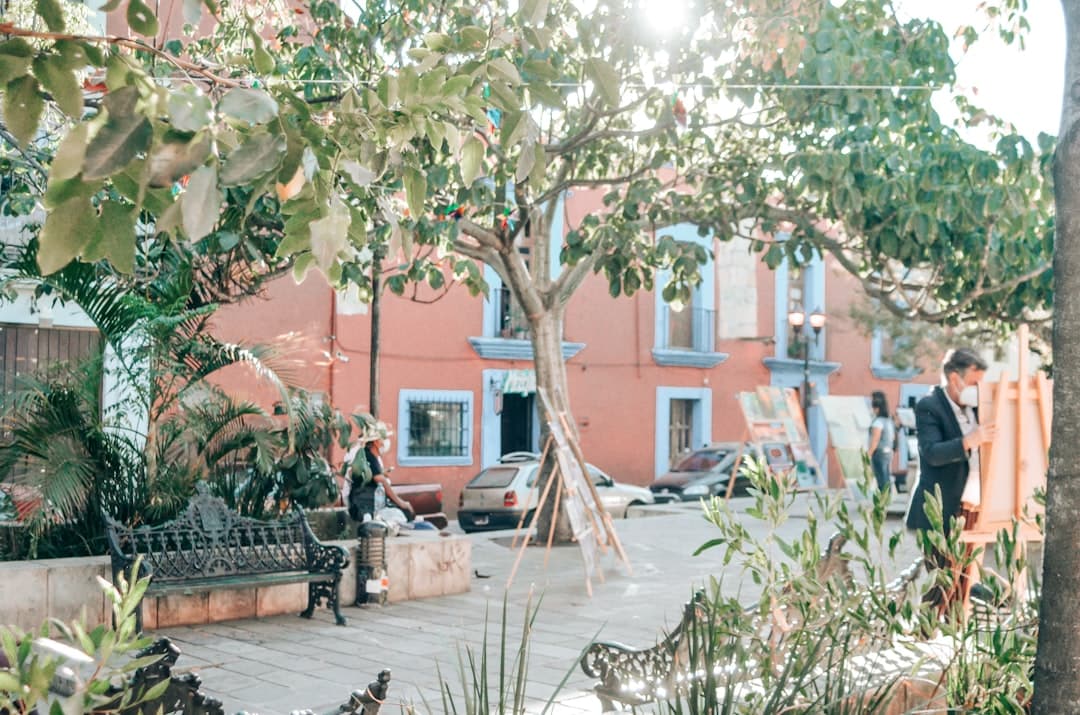
Mitla is one of the most remarkable archaeological sites in Mexico — and one of the most undervisited. Located about 46 kilometers east of Oaxaca City in the Tlacolula Valley, it was the most important religious and burial center of the ancient Zapotec civilization, functioning as a spiritual capital long before and even after the Spanish arrived. Unlike Monte Albán, which was a political and military seat, Mitla was where high priests lived and Zapotec rulers were buried. The name itself likely derives from the Nahuatl word 'Mictlán,' meaning place of the dead. What makes it architecturally extraordinary is its stonework: thousands of cut stone pieces fitted together without mortar into elaborate geometric mosaics — step-fret patterns called greca — that cover entire walls and interior chambers. No two panels are exactly alike. When you visit, you move through a series of palace and temple complexes. The most impressive is the Group of the Columns, where a hypostyle hall contains six massive monolithic columns that once supported a roof. The surrounding rooms are covered floor-to-ceiling in greca mosaics — standing inside them, you genuinely struggle to understand how Zapotec craftspeople achieved this level of geometric precision without modern tools. The Spanish were so determined to suppress Zapotec religion here that they built a Catholic church directly on top of one of the main temple platforms — the Church of San Pablo sits there today, and you can see the original Zapotec stonework integrated into its base. That layering of civilizations, visible and unignorable, is part of what makes Mitla feel so loaded with history. Most visitors do Mitla as a day trip from Oaxaca, often combined with a stop at the nearby El Tule tree (the world's widest trunk) and the mezcal-producing village of Matatlán along the way. The site itself can be covered thoroughly in two to three hours. Come in the morning before tour buses arrive from the city — the light is better and the crowds thinner. The small town of San Pablo Villa de Mitla has a decent Sunday market if you time it right, and there's a local mezcal producer or two worth poking into near the entrance road.
Mnemba Atoll
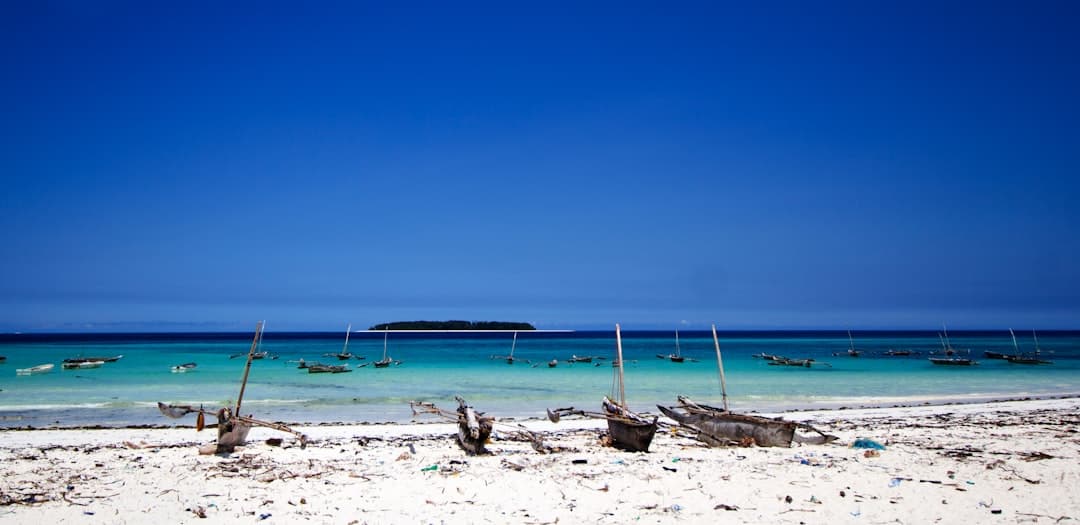
Mnemba Atoll is a protected marine conservation area encircling tiny Mnemba Island, located about three kilometres off the northeastern tip of Zanzibar's main island, Unguja. The atoll encompasses a roughly circular reef system teeming with marine life, and while the island itself is occupied exclusively by the ultra-exclusive &Beyond Mnemba Island lodge, the surrounding waters are accessible to day visitors and divers who make the trip from the mainland. It's one of the most celebrated dive and snorkel sites in the entire Indian Ocean, and for good reason — the reef is genuinely spectacular. What draws people here is the underwater world. The atoll shelters spinner dolphins that often appear at dawn in large pods, hawksbill and green sea turtles that nest on the island's beaches, and reef systems dense with butterflyfish, lionfish, moray eels, and occasional whale sharks during the right season. Divers can explore a series of named sites around the atoll — Big Wall, Kichwani, and Pot Hole among them — ranging from gentle coral gardens perfect for snorkellers to deeper drift dives along dramatic drop-offs. The visibility can reach 30 metres on a good day. Most visitors access Mnemba by boat from Matemwe or Nungwi on Zanzibar's north coast, typically on half-day or full-day excursions run by local dive operators. &Beyond guests have exclusive beach access to the island itself, but the reef waters are shared. If you're a serious diver, book directly with one of the established Matemwe-based operators rather than a general tour desk — the quality of guiding and equipment varies enormously. Go early: morning dives before the day-trip boats arrive offer calmer conditions and fewer crowds.
MoMA
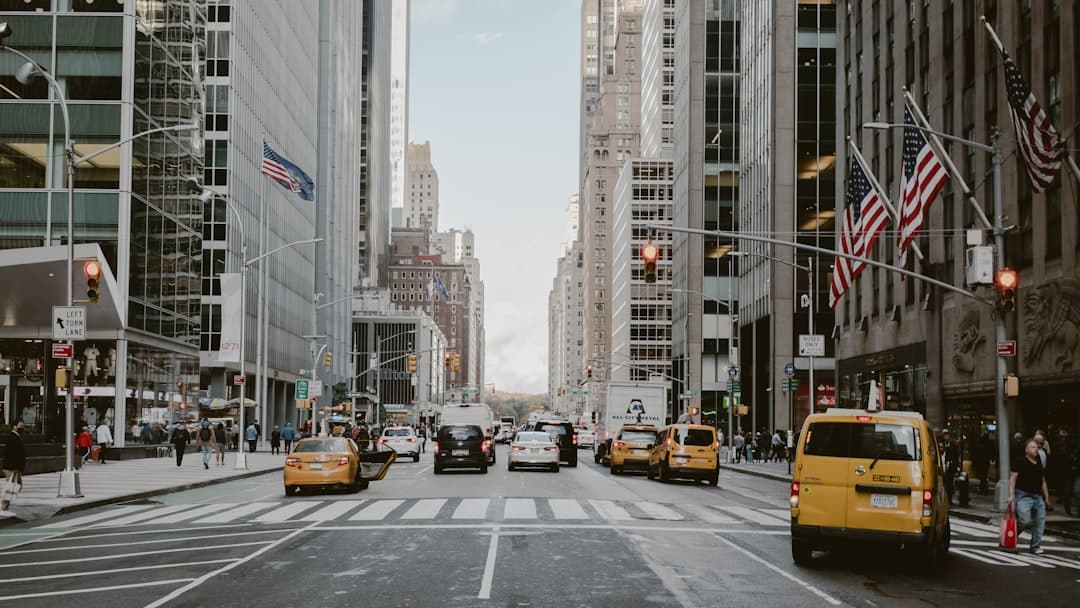
The Museum of Modern Art — MoMA — is one of the most influential art museums in the world, and the place where the story of modern and contemporary art is most compellingly told. Founded in 1929 by a group of visionaries including Abby Aldrich Rockefeller, it pioneered the idea that painting, sculpture, photography, film, design, and architecture all belong under one roof. Today its collection spans over 200,000 works, from the dawn of Impressionism through to art being made right now, housed in a striking Midtown building that was most recently overhauled by architect Diller Scofidio + Renfro in 2019. A visit here means moving through galleries that feel genuinely electric. You'll encounter Van Gogh's The Starry Night and Picasso's Les Demoiselles d'Avignon — both as overwhelming in person as you'd hope — alongside Frida Kahlo's Self-Portrait with Cropped Hair, Jackson Pollock's drip paintings, and Warhol's Campbell's Soup Cans. The design and architecture galleries are often underrated: Charles Eames chairs, a Bell helicopter, a classic Porsche 911. The film program downstairs screens rare and classic cinema daily and is a serious institution in its own right. There's also a peaceful sculpture garden — the Abby Aldrich Rockefeller Sculpture Garden — that offers a rare moment of calm in Midtown. Fridays until 8:30pm offer a slightly less crowded window to visit, and the museum tends to thin out after 4pm on weekdays. Timed-entry tickets are strongly recommended — buying on the door is possible but lines can be brutal, especially on weekends. Members get free unlimited entry, which pays for itself in two visits. If the collection floors you and you need a break, the museum's café and restaurant (The Modern, run by Danny Meyer's Union Square Hospitality Group) are both genuinely good rather than museum-cafeteria afterthoughts.
Mob Museum
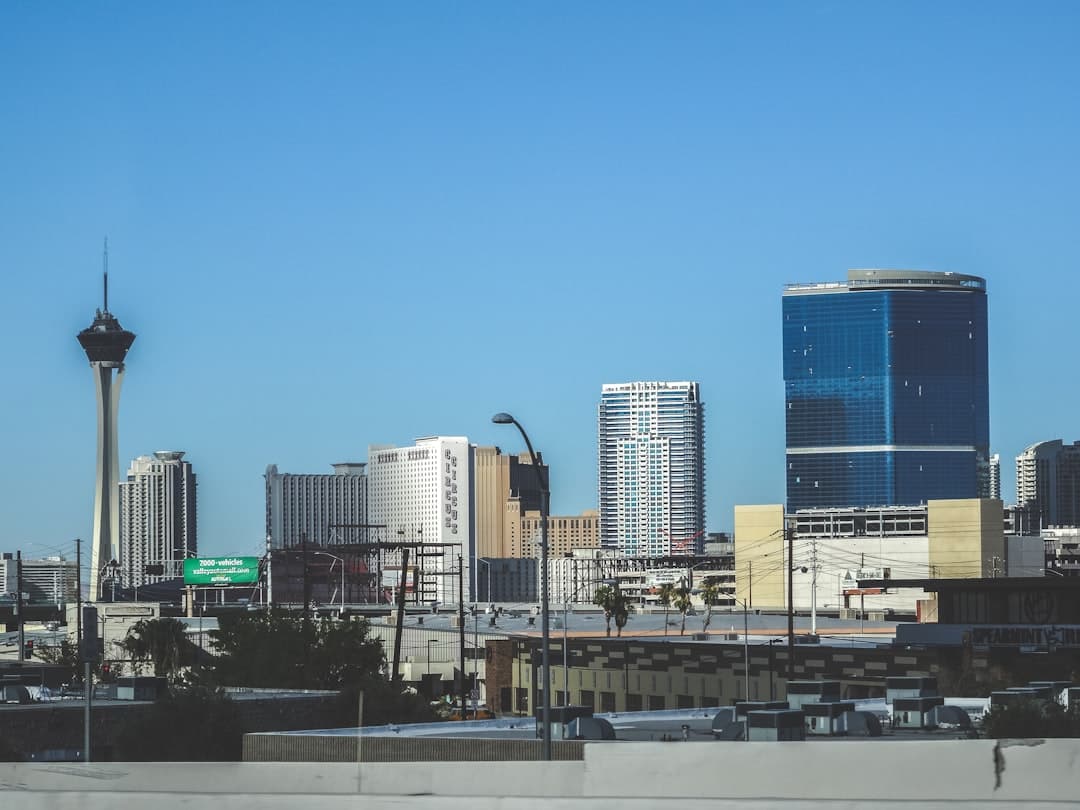
The Mob Museum — officially the National Museum of Organized Crime and Law Enforcement — occupies a building with genuine historical weight: the former Las Vegas Post Office and Federal Courthouse, where in 1950 the U.S. Senate's Kefauver Committee held hearings that exposed the mob's grip on American cities. That setting isn't incidental. It's the whole point. This is a serious, well-funded institution that takes its subject matter seriously, covering the rise and fall of organized crime in America from Prohibition through the modern drug trade, with a deliberate emphasis on the law enforcement side of the story too. Three floors of exhibits move through mob history chronologically and thematically — you'll see the actual brick wall from the 1929 St. Valentine's Day Massacre in Chicago, handle a Tommy gun in a use-of-force simulator, sit in the very courtroom where the Kefauver hearings took place, and encounter artifacts tied to figures like Lucky Luciano, Meyer Lansky, and Bugsy Siegel. The museum doesn't glamorize — it contextualizes. There's real nuance here about how the mob infiltrated unions, corrupted politicians, and built Las Vegas as we know it. The production quality is high, with cinematic multimedia installations throughout. The museum is located in Downtown Las Vegas, away from the Strip, which already makes it feel like a more authentic Vegas experience. In the basement, there's a working speakeasy and craft distillery called The Mob Bar, which serves Prohibition-era cocktails and moonshine made on-site — a genuinely fun bonus that fits the theme without feeling tacky. Budget two to three hours minimum if you're a history reader; you can easily spend more. Ticket prices are reasonable by Vegas standards, and the museum is far less crowded than Strip attractions.
Moco Museum
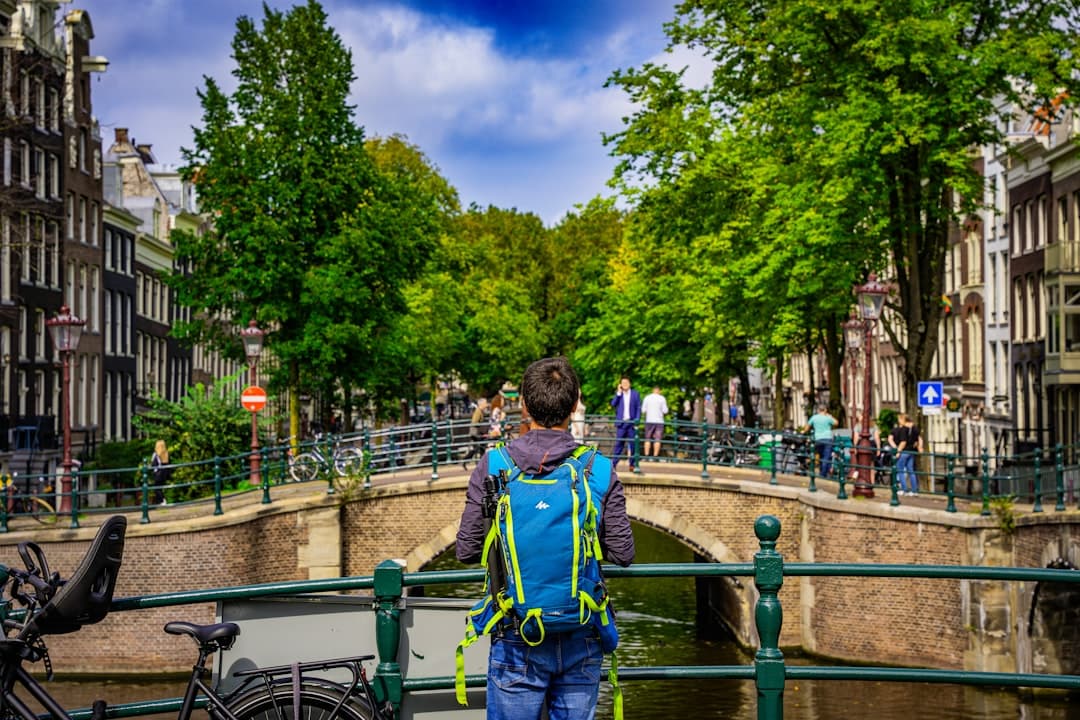
Moco Museum — short for Modern Contemporary — opened in 2016 in the Villa Alsberg, a beautiful 1904 mansion just steps from the Rijksmuseum on Museum Square. It was founded by entrepreneurs Kim and Lionel Logchies with a clear mission: make modern and contemporary art accessible, engaging, and a little bit rebellious. The permanent collection leans heavily on Banksy, with one of the largest dedicated Banksy displays in the world, alongside works by Jean-Michel Basquiat, KAWS, and other heavyweights of street and pop-influenced contemporary art. It has become one of Amsterdam's most-visited museums, particularly popular with younger visitors who find the traditional Dutch masters circuit less compelling. In practice, a visit moves through a series of intimate rooms across the villa's two floors, each curated to surprise. You'll encounter Banksy originals and authenticated prints — including iconic pieces like Girl with Balloon and works commenting on war, capitalism, and authority — alongside multimedia installations and digital art experiences. The immersive rooms, where projections wrap around walls and floor, are consistently popular and tend to generate the most lingering. The building itself adds charm: ornate ceilings and parquet floors set an interesting contrast against the often provocative artwork hanging on them. Moco sits in the Museum Quarter (Museumkwartier), literally a minute's walk from the Rijksmuseum and Van Gogh Museum, so it fits naturally into a museum-heavy day. That location also means crowds, especially on weekends and during school holidays. Booking online in advance is strongly recommended — walk-up availability can be limited, and the timed-entry system keeps the experience pleasant once you're inside. Friday and Saturday evening openings until 8pm are a quieter window worth targeting.
Moderna Museet
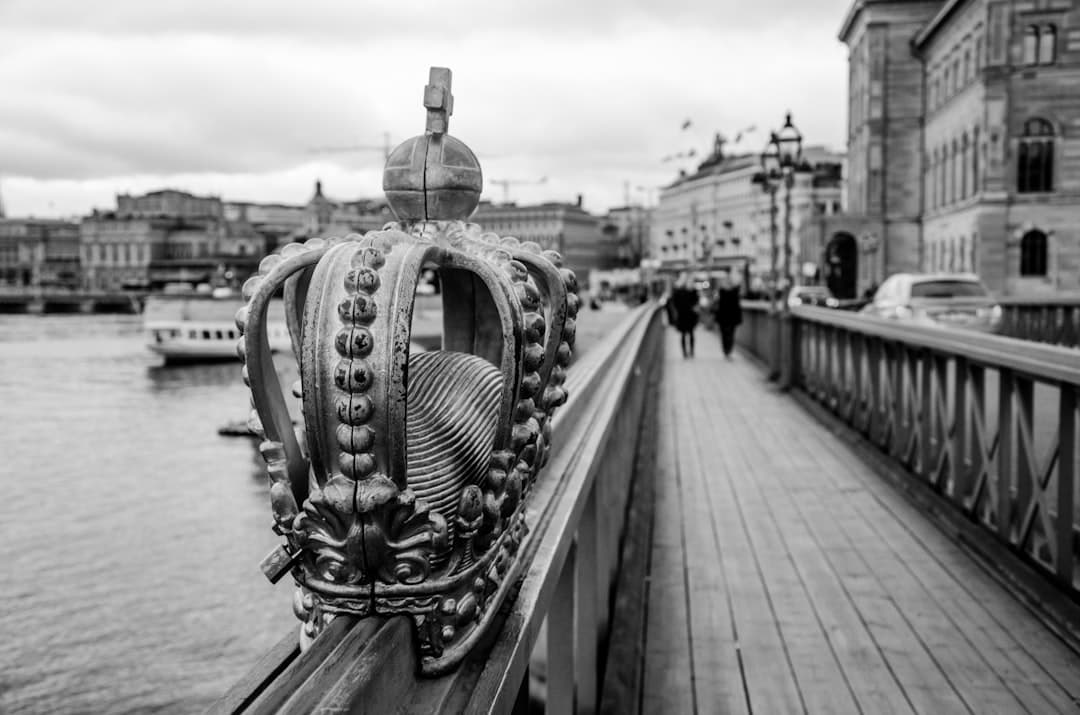
Moderna Museet is Sweden's national museum of modern and contemporary art, and one of the most significant collections of its kind in Europe. It sits on Skeppsholmen, a small island in central Stockholm that was once a royal naval base, and the setting alone — water on all sides, the old city visible across the inlet — gives the place a kind of quiet gravity. The museum holds work from the early twentieth century to the present day, with particular strength in postwar European and American art. The permanent collection includes pieces by Picasso, Matisse, Salvador Dalí, and Andy Warhol alongside major Swedish artists, and the building itself, redesigned by Rafael Moneo and reopened in 1998, lets in extraordinary amounts of Nordic light. A visit here typically involves a mix of the permanent collection and whatever temporary exhibition is running — the museum has a strong track record of ambitious shows and tends to attract serious international names. The permanent galleries are genuinely world-class: Picasso's Guitar Player, Robert Rauschenberg's assemblages, and an exceptional room dedicated to the Surrealists are among the highlights. There's also a strong design and architecture collection in an adjacent building, Arkdes, if you want to extend the day. The café on the ground floor has views over the water and serves well above average museum food. Tuesday and Friday evenings the museum stays open until 8pm, which is a lovely window — the light changes beautifully over the water at that hour and the crowds thin out considerably. Entry to the permanent collection is free, which is unusual for a museum of this caliber and makes spontaneous visits easy. Skeppsholmen is a short walk from the city center via a bridge from Blasieholmen, or you can take the ferry. Give yourself at least two to three hours to do it properly.
Mohammed V Square
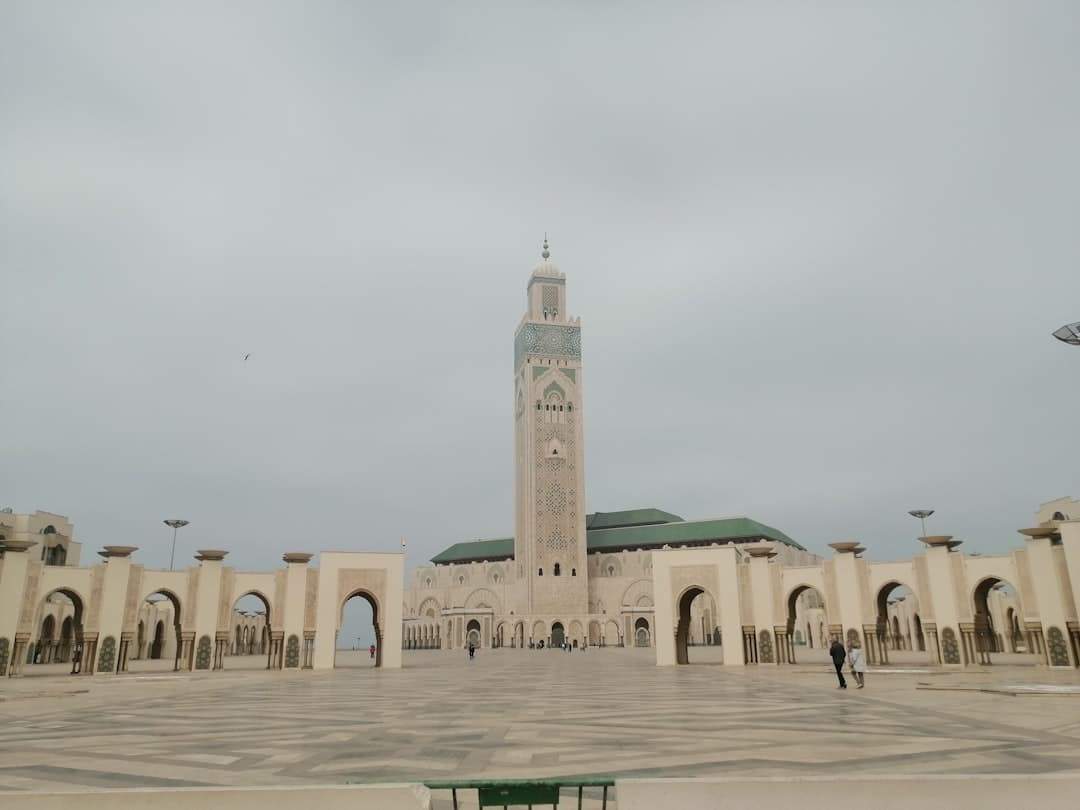
Mohammed V Square is the grand civic centerpiece of downtown Casablanca, a wide, stately plaza ringed by some of the finest French Protectorate architecture in North Africa. Built during the French colonial period in the early-to-mid 20th century, the square was designed to project authority and modernity — and it still does. The buildings that frame it, including the Palais de Justice, the French Consulate, the Bank Al-Maghrib, and the Wilaya (Prefecture), are masterclasses in what architects called Mauresque or Neo-Moorish style: classical European bones dressed in arabesque tilework, carved stucco, and geometric latticework. At the center sits a tiered fountain that lights up at night, and palm trees line the surrounding walkways. It's the kind of place that makes you stop and recalibrate what you thought you knew about Casablanca. Most visitors walk a loop around the square, pausing to look up at the ornate facades and photograph the fountain. The Wilaya building — the regional administrative headquarters — is particularly striking, with its clock tower and colonnaded entrance. Early evening is when the square really comes alive: families promenade, vendors sell snacks, and the fountain illuminations kick in. It's not a museum or a ticketed attraction; it's a living public space, and that's exactly what makes it worth lingering in. The square sits in the heart of the central business district, a short walk from the old Medina and the Habous quarter. It's an excellent anchor point for a walking tour of central Casablanca — from here you can easily reach the Cathedral of the Sacred Heart (now a cultural center), the pedestrianized Boulevard Mohammed V, and numerous café terraces. Come in the late afternoon, stay through the evening fountain show, and you'll see it at its best.
Monastiraki
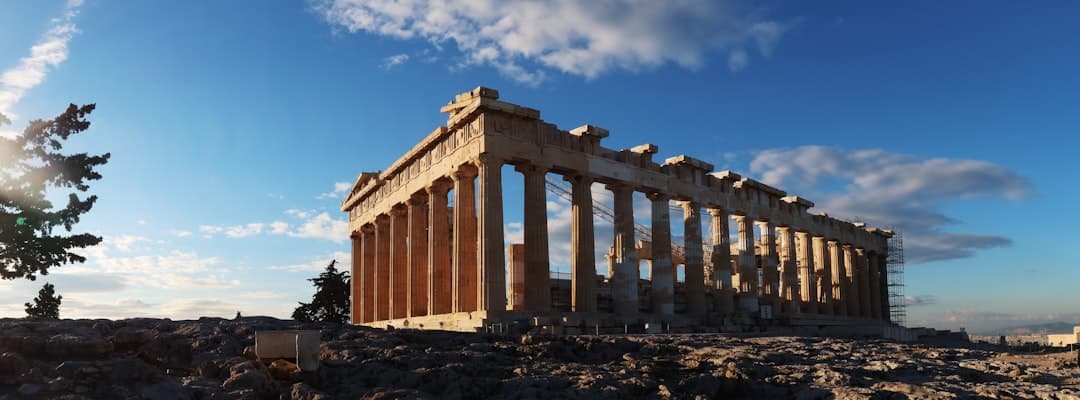
Monastiraki is one of Athens' oldest and most energetic neighborhoods, sprawling out from a central square of the same name in the heart of the city. Built around a Byzantine church — the Pantanassa Monastery, which gave the district its name — it sits at the crossroads of the ancient and the modern, with the Acropolis looming visibly overhead and the Agora ruins just steps away. It's the place where Athens feels most alive and most layered, a neighborhood that has been a marketplace, a meeting point, and a crossroads of cultures for centuries. The experience here is sensory and a little overwhelming in the best possible way. The famous flea market — centered on Plateia Avyssinias and the surrounding streets, especially Ifestou Street — spills out with antique furniture, vintage records, old coins, handmade leather sandals, evil-eye jewelry, and mountains of stuff that defies categorization. On Sunday mornings the market expands dramatically and becomes something closer to a city-wide jumble sale. Beyond the market, the neighborhood bleeds into Psiri to the west and Plaka to the east, with dozens of souvlaki spots, rooftop bars, coffee shops, and mezze restaurants packed into narrow lanes. The view of the Acropolis from the rooftop bars along Ermou and Adrianou is genuinely spectacular. Monastiraki is best explored without a plan. Come hungry — Bairaktaris and Thanasis are the old-school souvlaki institutions right on the square — and give yourself enough time to get genuinely lost in the side streets. Pickpocketing is a real issue in the market crowds, so keep bags in front and don't flash valuables. The square itself can feel overwhelming at peak tourist season midday; early morning or late evening reveals a calmer, more local version of the neighborhood.
Mong Kok
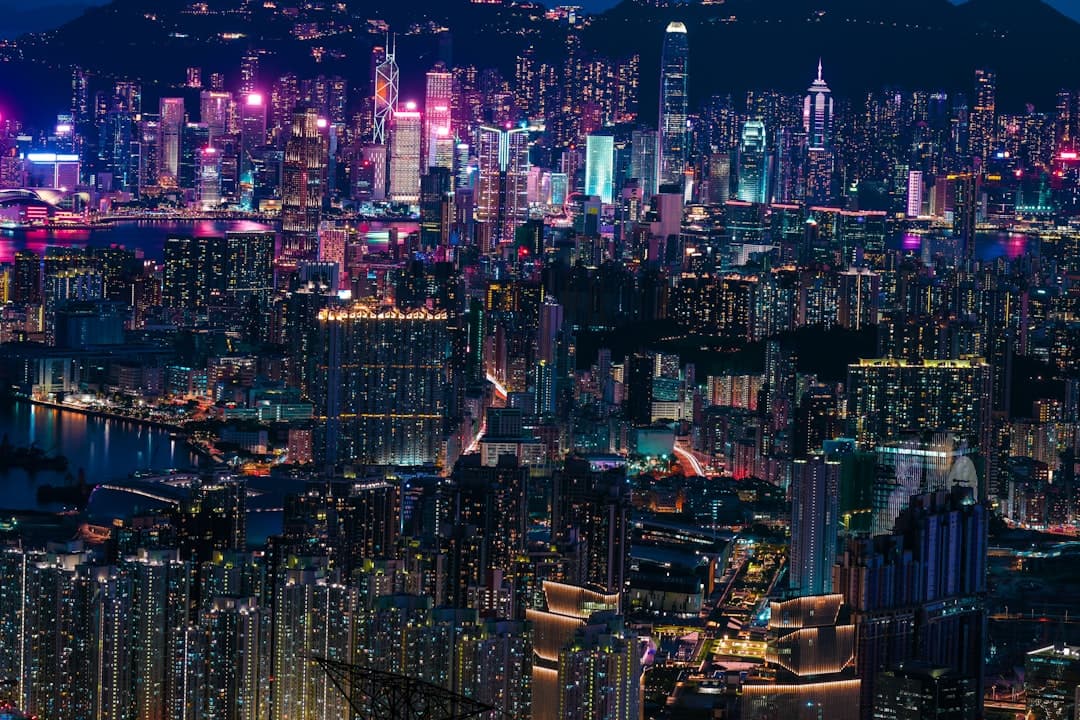
Mong Kok is one of the most densely populated urban areas on Earth, crammed into a few square kilometers on the Kowloon Peninsula. It's not a single attraction but an entire neighborhood — a relentlessly alive district of neon-lit streets, hawker stalls, specialist markets, and local life that feels entirely removed from the polished shopping malls of Causeway Bay or the financial towers of Central. If Hong Kong has a beating, unglamorous heart, this is probably it. The experience is built around wandering. Tung Choi Street hosts the famous Ladies' Market — hundreds of stalls selling clothes, accessories, and tourist knickknacks — but the streets branching off it are where things get interesting. Sneaker shops stack floor to ceiling with rare releases. The Goldfish Market on Tung Choi Street's northern stretch sells tropical fish in transparent plastic bags, a Hong Kong tradition tied to feng shui beliefs about aquatic luck. The Flower Market on Flower Market Road bursts with cut flowers, orchids, and potted plants, especially spectacular in the weeks before Lunar New Year. You can eat cheaply and brilliantly at any hour — congee shops, curry fishball stalls, Hong Kong-style milk tea cafes (cha chaan teng), and roast meat restaurants all compete for your attention within a few blocks. Mong Kok rewards slowness, which sounds counterintuitive given the pace. The streets are genuinely crowded on weekends — this is where Hongkongers shop, not just tourists — so go on a weekday morning if you want breathing room. The MTR stop drops you right into the middle of it. Don't come with a rigid plan; the neighborhood works best when you follow your nose down an unfamiliar alley and stumble into a shop selling nothing but woks, or a decades-old pharmacy selling traditional herbal remedies.
Monserrate
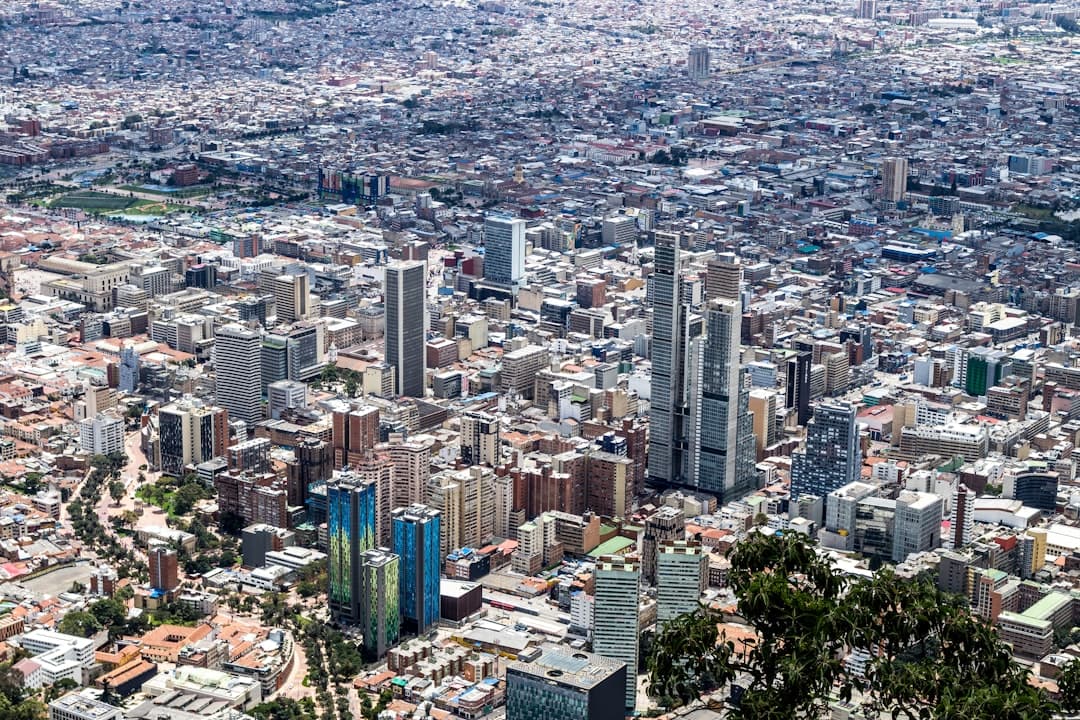
Monserrate is a 3,152-meter peak that rises sharply above central Bogotá, crowned by a white church that has been a place of Catholic pilgrimage since the 17th century. It's one of the most visible landmarks in the entire city — you can spot it from almost anywhere in Bogotá — and for many visitors it becomes the single best way to understand the city's scale and setting. The Andes backdrop, the sprawling urban grid below, and the altitude all combine to make this feel like more than just a viewpoint. Getting to the top is half the experience. You can hike a steep, stone-paved trail that takes about 90 minutes (and genuinely earns you those views), ride a cable car, or take a funicular railway. At the summit there's the colonial-era Santuario del Señor Caído — a church built around a statue of a fallen Christ that draws devoted pilgrims every weekend — along with a few restaurants, souvenir stalls, and gardens. On a clear day you can see the full expanse of Bogotá stretching across the savanna below, with the Andes rolling out in every direction. Clouds can roll in fast, so the experience varies wildly depending on when you go. Weekends bring serious crowds, especially Sunday mornings when pilgrims make the hike barefoot as an act of devotion — a striking and humbling sight. For a quieter visit with better light, weekday mornings are ideal. The cable car and funicular run regularly, but hikers should know that the trail is only open on weekdays (Monday through Saturday) due to past safety concerns on the path. Altitude hits harder than expected for first-timers — Bogotá is already at 2,600 meters — so take it slow on the ascent.
Monte Albán
Monte Albán is one of the most important archaeological sites in the Americas — a sprawling ancient city built by the Zapotec civilization on a flattened mountaintop roughly eight kilometers from downtown Oaxaca. Founded around 500 BCE, it served as the political and ceremonial heart of Zapotec culture for over a thousand years, eventually growing into a city of some 17,000 people before its decline around 700 CE. The site was later used by the Mixtec as a burial ground, which is how archaeologists discovered extraordinary gold and jade treasures inside Tomb 7 in 1932 — artifacts now on display at Oaxaca's Regional Museum. It's a UNESCO World Heritage Site and one of the best-preserved pre-Columbian sites in Mexico. The experience is genuinely awe-inspiring and physically engaging. You walk across a massive central plaza — roughly 300 meters long — flanked by pyramids, temples, and observatory platforms. The Building of the Danzantes is among the most compelling stops: its stone slabs carved with distorted human figures, long thought to depict dancers but now believed to represent sacrificed captives. You can climb several of the main structures for elevated views across the valley, and the sightlines from the North Platform are extraordinary — a panorama of Oaxacan mountains stretching in every direction. The on-site museum is small but well-curated and worth the extra fifteen minutes. Arrive early — the site opens at 8am and the first hour or so is blissfully uncrowded before tour groups arrive from Oaxaca city. The heat on the exposed mountaintop can be punishing by midday, especially in dry season. Most visitors come on a half-day trip from Oaxaca, and the easiest way is via the regular colectivo vans that depart from near the Mercado 20 de Noviembre — cheap, frequent, and reliable. Taxis are also available and some tour operators include a brief stop at the Atzompa ruins nearby, which is worth considering if you have the time and appetite for more.
Montjuïc
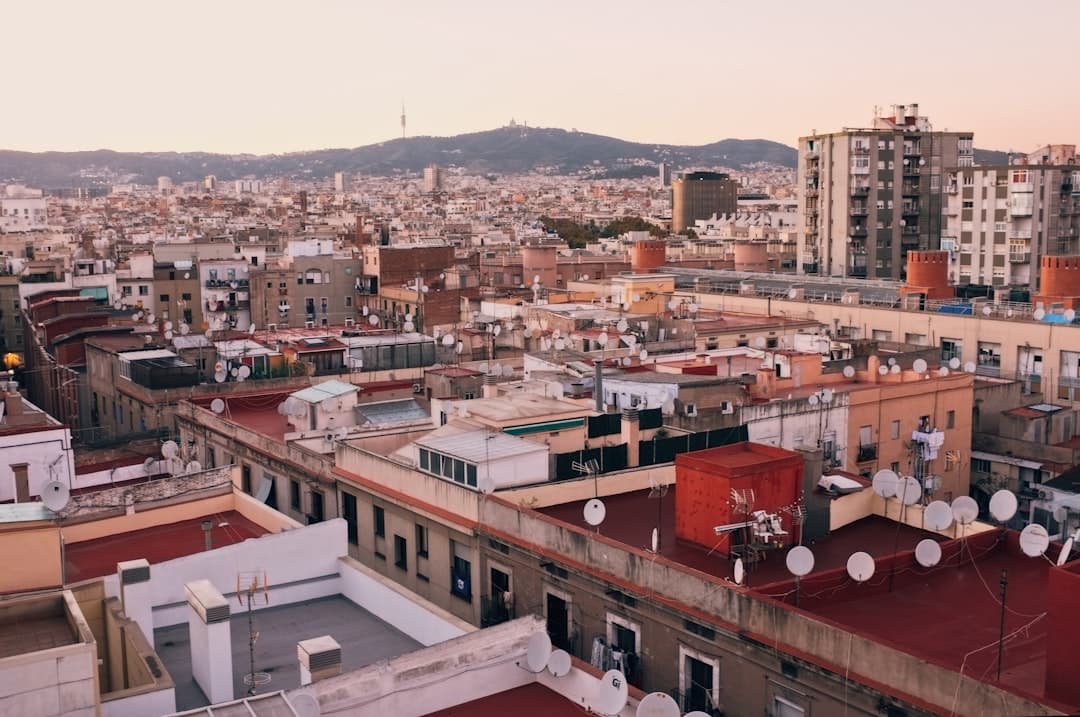
Montjuïc is a 173-metre hill rising dramatically at the southwest edge of Barcelona, overlooking the port and the city's entire skyline. It's not a single attraction but an entire landscape packed with museums, gardens, a medieval castle, the 1992 Olympic stadium, and some of the most sweeping views in Catalonia. For centuries it sat at the edge of the city as both a strategic military outpost and, later, a place of leisure — and today it functions as Barcelona's great outdoor living room, drawing locals on weekends and visitors who finally break free from the Gothic Quarter. On Montjuïc you can spend a morning wandering the terraced Jardins de Laribal or the rose-scented Jardí Botànic, then climb up to the Castell de Montjuïc — a 17th-century fortress with a dark history as a political prison and now a genuinely excellent free viewpoint. The Fundació Joan Miró sits here too, one of the finest art museums in Spain, purpose-built by Josep Lluís Sert to flood Miró's bold, colourful work in natural light. The Museu Nacional d'Art de Catalunya (MNAC) anchors the hill's lower face, its Romanesque collection unmatched anywhere in the world. In the evenings, the Magic Fountain of Montjuïc — the Font Màgica — puts on a free light and water show that the whole city turns out for. The hill is best reached by cable car from Barceloneta (the Telefèric del Port, which crosses the harbour) or by the Telefèric de Montjuïc from Paral·lel metro station — though the Funicular de Montjuïc from Paral·lel is cheaper and more practical for most visits. Give yourself at least a half day, and consider going on a weekday when the gardens are quieter. The west-facing slopes catch the late afternoon sun perfectly, making sundowner drinks at one of the bar terraces a thoroughly worthwhile activity.
Montmartre
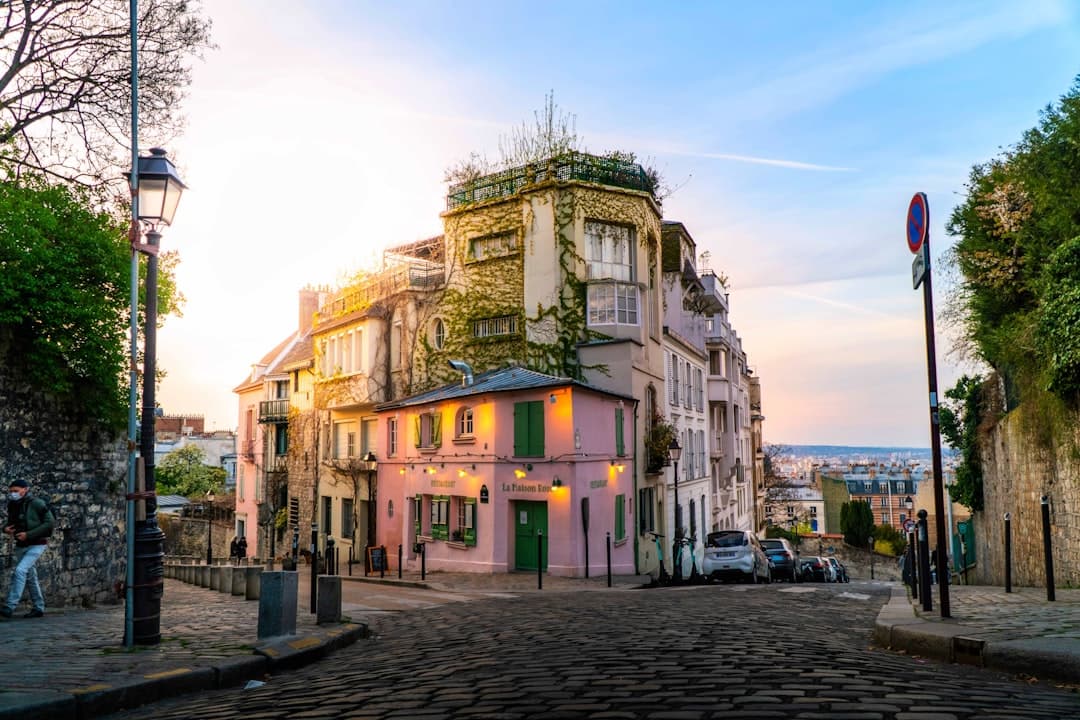
Montmartre is a hilly neighborhood in the 18th arrondissement of northern Paris, perched on the city's highest point and anchored by the iconic white-domed Basilica of Sacré-Cœur. It was famously the bohemian heart of Paris in the late 19th and early 20th centuries — Picasso, Modigliani, Toulouse-Lautrec, and Van Gogh all lived or worked here, drawn by cheap rents and a creative, rebellious atmosphere. That artistic legacy is very much still present, though today it's one of the most visited neighborhoods in the world, so the crowd-management requires a little strategy. Wandering Montmartre is the whole point. You climb the hill — either via the steep steps from Place Saint-Pierre or the funicular from Abbesses metro station — and find yourself in a neighborhood that genuinely feels different from the rest of Paris. There are working artists in Place du Tertre (accept that it's touristy and enjoy it anyway), the oldest vineyard in Paris still producing wine each October, narrow cobbled streets like Rue Lepic that feel almost rural, and the evocative Moulin de la Galette — a real, still-standing windmill that Renoir famously painted. Sacré-Cœur itself is free to enter and the view from its steps over the Paris skyline is one of the best in the city. The smartest way to experience Montmartre is to show up early — the neighborhood transforms before 9am, when the street cafés are quiet, the light is extraordinary, and the Place du Tertre is nearly empty. Come back in the evening for dinner in the village streets or a drink at a bar on Rue des Abbesses. Avoid arriving mid-afternoon on a weekend if you want any sense of the neighborhood's soul — it's genuinely overwhelming at peak times. The lower slopes around Pigalle and Rue des Martyrs offer excellent food shopping and some of Paris's best casual restaurants, giving the area a grounded, local energy below all the tourist action on the hill.