
Mob Museum
The real story of organized crime, told through artifacts, courtrooms, and speakeasies.
The Mob Museum — officially the National Museum of Organized Crime and Law Enforcement — occupies a building with genuine historical weight: the former Las Vegas Post Office and Federal Courthouse, where in 1950 the U.S. Senate's Kefauver Committee held hearings that exposed the mob's grip on American cities. That setting isn't incidental. It's the whole point. This is a serious, well-funded institution that takes its subject matter seriously, covering the rise and fall of organized crime in America from Prohibition through the modern drug trade, with a deliberate emphasis on the law enforcement side of the story too.
Three floors of exhibits move through mob history chronologically and thematically — you'll see the actual brick wall from the 1929 St. Valentine's Day Massacre in Chicago, handle a Tommy gun in a use-of-force simulator, sit in the very courtroom where the Kefauver hearings took place, and encounter artifacts tied to figures like Lucky Luciano, Meyer Lansky, and Bugsy Siegel. The museum doesn't glamorize — it contextualizes. There's real nuance here about how the mob infiltrated unions, corrupted politicians, and built Las Vegas as we know it. The production quality is high, with cinematic multimedia installations throughout.
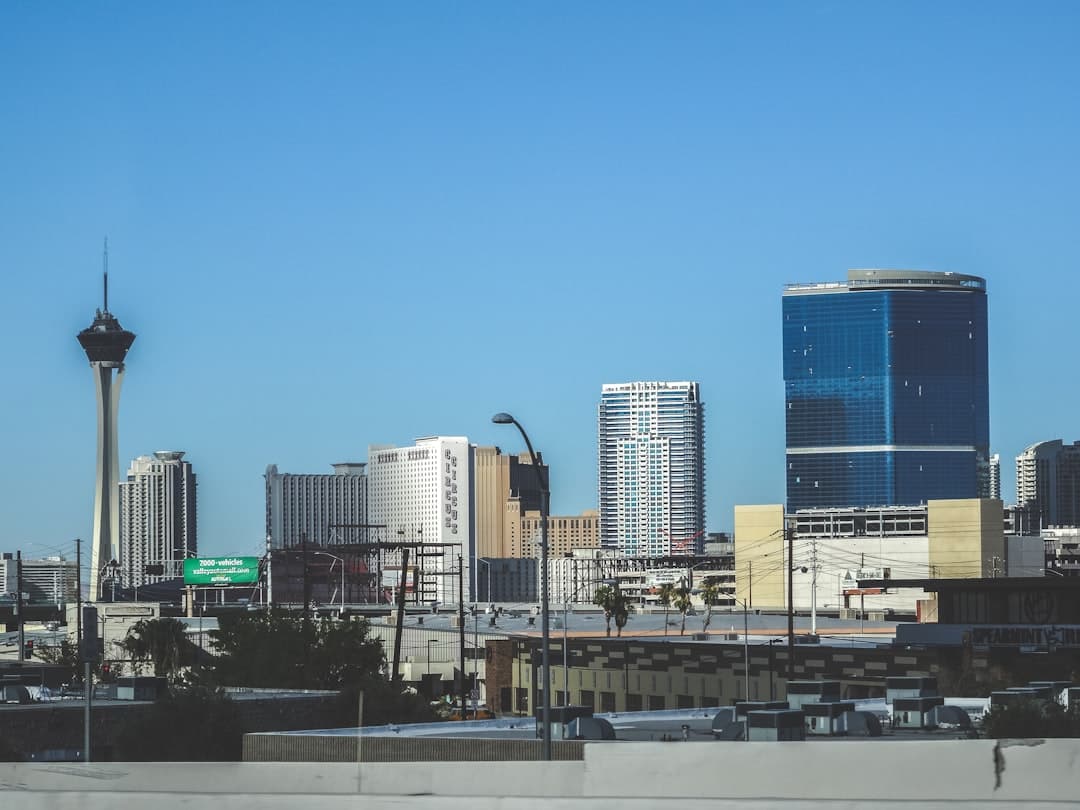
The museum is located in Downtown Las Vegas, away from the Strip, which already makes it feel like a more authentic Vegas experience. In the basement, there's a working speakeasy and craft distillery called The Mob Bar, which serves Prohibition-era cocktails and moonshine made on-site — a genuinely fun bonus that fits the theme without feeling tacky. Budget two to three hours minimum if you're a history reader; you can easily spend more. Ticket prices are reasonable by Vegas standards, and the museum is far less crowded than Strip attractions.