
Metrocable
Medellin / Metrocable

Metrocable

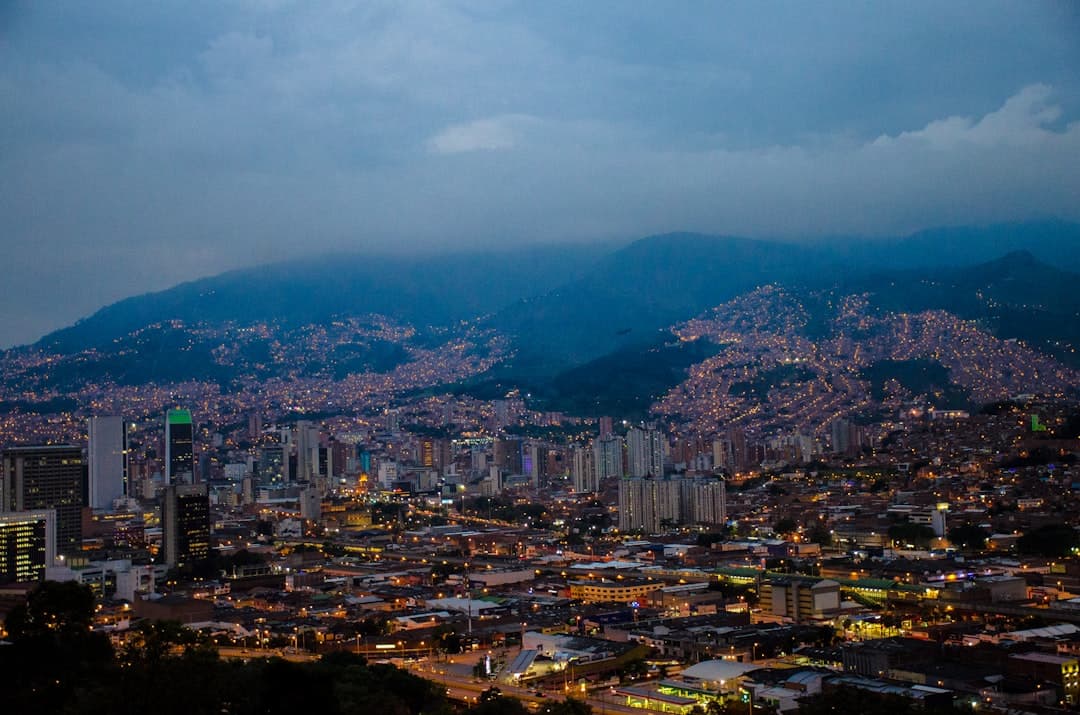
Medellin's famous cable cars connect hilltop comunas to the city below.

🏛️ Sights & Landmarks🎯 Activities & Experiences
🧗 Adventurous🎭 Cultural🗺 Off the beaten path

The Metrocable is one of the most celebrated urban transit innovations in Latin America — a gondola cable car system integrated directly into Medellin's Metro network that lifts passengers from the valley floor up into the steep hillside neighborhoods that ring the city. Launched in 2004 starting with Line K, it was built not as a tourist attraction but as genuine public infrastructure, giving communities like Santo Domingo Savio and Andalucía reliable transit access for the first time. The cable car became a symbol of Medellin's dramatic transformation from one of the world's most violent cities into a model of urban innovation, and it's now studied by city planners worldwide.

Riding it is a genuinely thrilling experience. You board at a Metro station — typically at Acevedo for Line K — and the gondolas climb steadily over densely packed red-brick homes, street murals, soccer pitches carved into impossible hillsides, and a city that sprawls across the valley below. The views get more expansive with every meter gained. At the top stations you'll find the famous outdoor escalators nearby, the Biblioteca España (now restored), and local life going on completely uninterrupted around you. This is a working neighborhood, not a theme park.

The Metrocable referenced here appears to serve the Villatina and Buenos Aires corridor on Medellin's southeast side, which is Line M or a related branch — slightly less touristed than the famous Line K to Santo Domingo. That's actually a point in its favor: fewer cameras, more authentic neighborhood feel, and equally dramatic terrain. Use the Metro card (the Cívica card) to pay — same system as the Metro. Rides are inexpensive and the card is sold at any Metro station.

Local Tips

  1. 1

    You need a Cívica card to ride — it's the same rechargeable card used for the entire Metro system. Pick one up at any Metro station before heading to the cable car.

  2. 2

    Keep your belongings close and stay aware of your surroundings, especially at the top stations. The neighborhoods are generally fine during daylight but petty theft can happen on crowded gondolas.

  3. 3

    The ride itself is fairly short — plan to combine it with exploring the top station area on foot, where you'll find street food vendors, murals, and genuine barrio life.

  4. 4

    If you're visiting the more famous Line K to Santo Domingo, consider doing it on a weekday mid-morning — weekend afternoons bring tour groups and the gondolas get packed.

When to Go

Best times
December–February and June–August

Dry seasons offer the clearest skies and best panoramic views across the valley. December is also festive, with the city's famous Feria de las Flores energy still lingering.

Early morning (7–9am) or late afternoon (4–6pm)

Weekday peak hours mean the cars are packed with commuters, which is authentic but can feel crowded. Mid-morning on weekdays is the sweet spot for a relaxed ride.

Try to avoid
April–May and October–November

Medellin's rainy seasons bring low cloud and mist that can obscure the views and make the ride less spectacular. Heavy rain also occasionally causes brief service suspensions.

Why Visit

01

The aerial views over Medellin's densely built hillside barrios are some of the most striking urban panoramas in South America.

02

It's functioning public transit, not a tourist gondola — riding alongside locals going about their day gives you a window into everyday city life most visitors never see.

03

The cable car system is a living chapter in Medellin's remarkable story of reinvention, and understanding it makes the whole city make more sense.