
Comuna 13
Medellin / Comuna 13

Comuna 13

The hillside neighborhood that transformed from warzone to open-air gallery.

🏛️ Sights & Landmarks🎯 Activities & Experiences🎭 Arts & Entertainment🏘️ Neighborhoods
🧗 Adventurous🎭 Cultural🗺 Off the beaten path

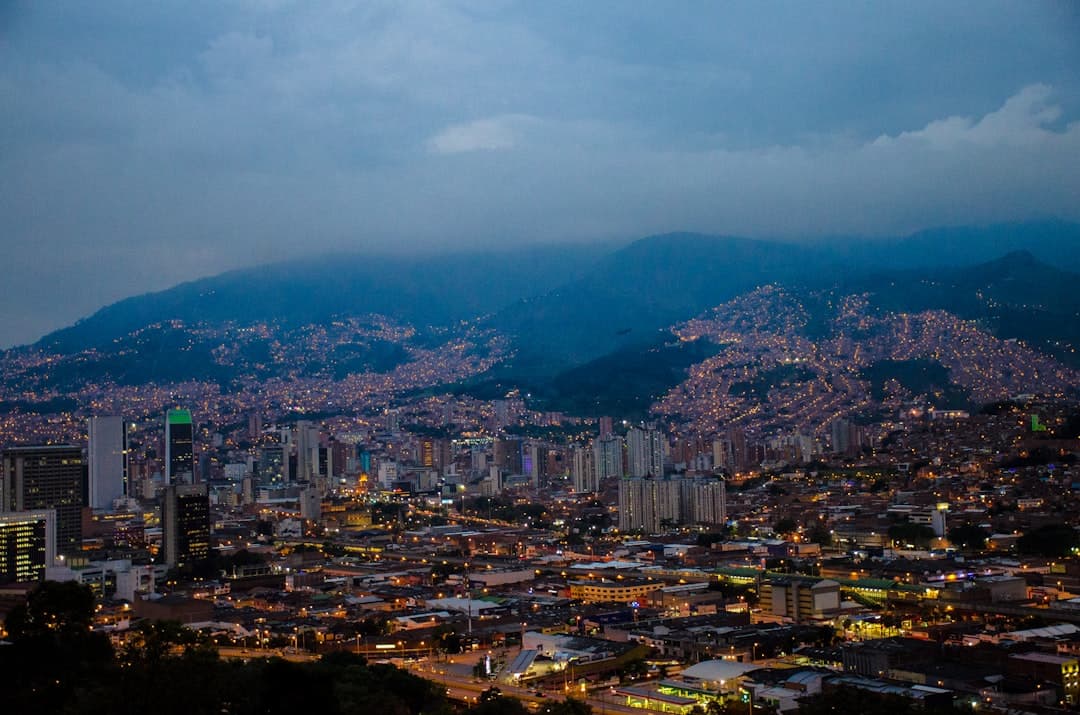
Comuna 13 is one of the most remarkable urban turnaround stories of the 21st century. In the early 2000s, this steep hillside neighborhood in western Medellín was one of the most dangerous places in the western hemisphere — a battleground between guerrillas, paramilitaries, and the Colombian military during a brutal 2002 operation called Operación Orión. Today it draws thousands of visitors a week, not as disaster tourism, but because the community itself has rebuilt around art, music, and memory in a way that is genuinely moving and worth understanding.

The experience centers on the outdoor escalators — a series of six electric escalators built in 2011 that climb 384 meters up the hillside, connecting residents who once had to haul everything on foot to the rest of the city. Along the staircases and walls surrounding them, hundreds of murals document the neighborhood's history, celebrate its survivors, and project its future. Local hip-hop crews perform on corners. Women sell fresh fruit and homemade empanadas from folding tables. Tour guides — most of them residents who lived through the violence — walk you through not just the art but the politics, the grief, and the resilience behind it. You can also access the neighborhood via the San Javier metro station and walk up through the graffiti corridor, which is the most popular route.

The best approach is to hire a local guide rather than joining a large commercial tour — several community organizations run small-group walks where your money stays in the neighborhood. Afternoons tend to be more atmospheric with better light on the murals, though mornings are cooler for the uphill climb. The neighborhood is genuinely safe for tourists during the day, though as with any city you should stay aware of your surroundings. Avoid flashing expensive camera equipment unnecessarily, and take time to actually talk to your guide — their firsthand accounts are what make this more than a photo walk.

Local Tips

  1. 1

    Skip the large commercial tour buses and find a community guide through local operators like Zippy Tours or Real City Tours — your fee goes directly to neighborhood residents and the experience is far more personal.

  2. 2

    The escalators are functional transit, not a tourist ride — be courteous to residents commuting and don't block the way for photo ops during peak morning hours.

  3. 3

    Try the pandebono and fresh fruit from the vendors near the top of the escalators — it's some of the best street food you'll have in Medellín, and buying from them supports the local economy directly.

  4. 4

    Look for the mural dedicated to hip-hop culture near the graffiti corridor — local rap crews like Crew Peligrosos were central to the cultural revival here and still perform in the neighborhood.

When to Go

Best times
December–January

Medellín's Feria de las Flores in August and Christmas season bring extra energy to the neighborhood with music and street performances, but also larger crowds.

Early morning (8–10am)

Cooler temperatures and fewer tour groups make the uphill walk more comfortable and the neighborhood feel more authentically local.

Try to avoid
April–May & October–November

Medellín's rainy seasons make the steep hillside paths slippery and murals harder to appreciate in downpours — afternoon showers are common.

Why Visit

01

The murals and street art aren't decoration — they're a living archive of a community's survival, painted by people who actually lived through Colombia's worst urban violence.

02

The electric escalators that climb the hillside are an urban innovation unlike anything else in Latin America, and riding them gives you a real sense of daily life in a place built vertically on a steep Andean slope.

03

Local guides here are some of the best in Colombia — passionate, honest, and deeply personal in how they tell the story of their own neighborhood.