
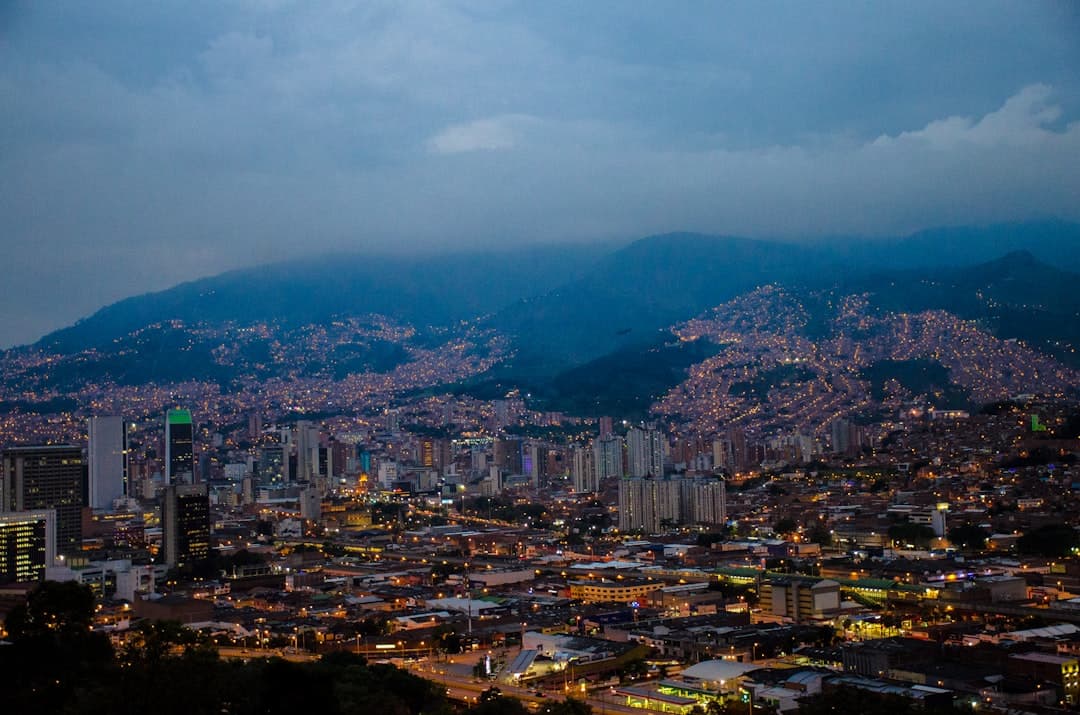
Museo Casa de la Memoria
Medellín's reckoning with its violent past, told through the voices of survivors.
The Museo Casa de la Memoria is Medellín's most important human rights museum — a space dedicated to preserving the testimonies, stories, and documents of those affected by Colombia's decades-long armed conflict. Opened in 2013, it sits in the Parque Bicentenario near the city center and was built specifically to honor victims of paramilitaries, guerrillas, state violence, and narco-related conflict. It's not a comfortable museum, and it's not meant to be. It asks visitors to sit with difficult history rather than look away from it.
Inside, the exhibitions combine video testimonies, photographs, sound installations, and personal objects left by victims and their families. The permanent collection traces the roots and evolution of Colombia's conflict, while rotating temporary exhibitions often spotlight specific communities or regions. The architecture itself is part of the message — the building's fractured, angular exterior was designed to evoke rupture and memory. Visitors move through quiet, considered spaces that feel more like a memorial than a traditional museum. The mood is somber but never exploitative, and the curation consistently centers the humanity of those who suffered rather than the spectacle of violence.
Entry is free, which is significant — this is a public resource as much as it is a cultural institution. The museum is genuinely accessible to all Medellín residents and is frequently visited by school groups, which says something meaningful about how the city is choosing to educate its next generation. If you're trying to understand the Medellín transformation narrative — the city's much-celebrated reinvention from the world's most dangerous city to a global urban success story — this museum provides the essential, often-omitted counterweight: the human cost of what came before, and the ongoing struggle for truth and reconciliation.