
Mong Kok
Hong Kong / Mong Kok

Mong Kok

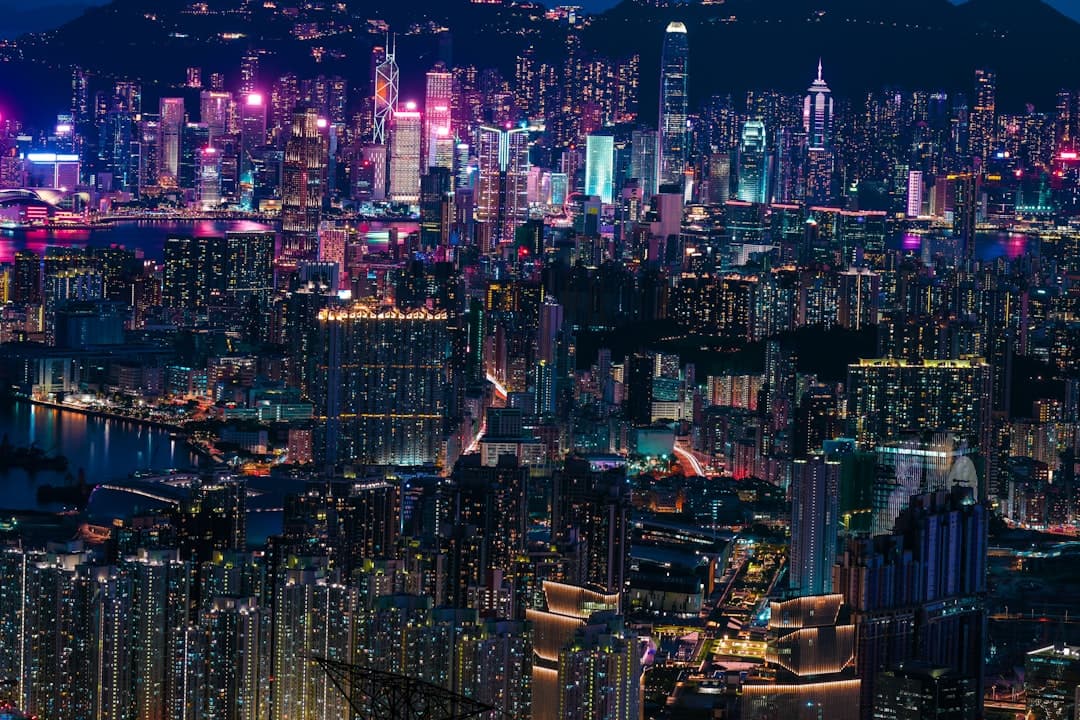
Hong Kong's most densely packed neighborhood delivers sensory overload at every turn.

🛍️ Shopping🏛️ Sights & Landmarks🍽️ Food & Drink🎯 Activities & Experiences🏘️ Neighborhoods
🧗 Adventurous🍽 Foodie🎭 Cultural

Mong Kok is one of the most densely populated urban areas on Earth, crammed into a few square kilometers on the Kowloon Peninsula. It's not a single attraction but an entire neighborhood — a relentlessly alive district of neon-lit streets, hawker stalls, specialist markets, and local life that feels entirely removed from the polished shopping malls of Causeway Bay or the financial towers of Central. If Hong Kong has a beating, unglamorous heart, this is probably it.

The experience is built around wandering. Tung Choi Street hosts the famous Ladies' Market — hundreds of stalls selling clothes, accessories, and tourist knickknacks — but the streets branching off it are where things get interesting. Sneaker shops stack floor to ceiling with rare releases. The Goldfish Market on Tung Choi Street's northern stretch sells tropical fish in transparent plastic bags, a Hong Kong tradition tied to feng shui beliefs about aquatic luck. The Flower Market on Flower Market Road bursts with cut flowers, orchids, and potted plants, especially spectacular in the weeks before Lunar New Year. You can eat cheaply and brilliantly at any hour — congee shops, curry fishball stalls, Hong Kong-style milk tea cafes (cha chaan teng), and roast meat restaurants all compete for your attention within a few blocks.

Mong Kok rewards slowness, which sounds counterintuitive given the pace. The streets are genuinely crowded on weekends — this is where Hongkongers shop, not just tourists — so go on a weekday morning if you want breathing room. The MTR stop drops you right into the middle of it. Don't come with a rigid plan; the neighborhood works best when you follow your nose down an unfamiliar alley and stumble into a shop selling nothing but woks, or a decades-old pharmacy selling traditional herbal remedies.

Local Tips

  1. 1

    The Goldfish Market stalls (northern section of Tung Choi Street) are open from late morning but the best stock and liveliest atmosphere is from around noon — not everything is set up first thing.

  2. 2

    For a genuine cha chaan teng experience, look for places with laminated menus, plastic stools, and a queue of locals — Cafe de Coral is a chain and fine, but the tiny unlabeled neighborhood cafes are the real thing.

  3. 3

    The Langham Place mall on Argyle Street has clean, free toilets and air conditioning — useful to know when you need a break from the street heat.

  4. 4

    Sneaker and streetwear shops on and around Fa Yuen Street (sometimes called Sneaker Street) stock a mix of legitimate rare releases and — let's say — items of uncertain provenance. Know what you're buying.

When to Go

Best times
Late January–February (Lunar New Year)

The Flower Market on Flower Market Road peaks in the days before New Year — massive, fragrant, and festive. Worth timing a visit around if you can.

Weekday mornings

Streets are noticeably quieter, shops are just opening, and you can actually stop and look at things without being jostled. The best time to explore the specialist market streets.

Try to avoid
Saturday and Sunday evenings

The Ladies' Market and surrounding streets become genuinely difficult to move through — shoulder-to-shoulder crowds that can feel overwhelming rather than energizing.

Why Visit

01

The cluster of specialty markets — goldfish, flowers, birds, jade, and night markets — concentrated within walking distance of each other is unlike anything else in the city.

02

Eating here is cheap, authentic, and excellent: cha chaan tengs serving Hong Kong milk tea and pineapple buns, roast goose rice, and street snacks like egg waffles and stinky tofu all within a few blocks.

03

This is genuine local Hong Kong street life, not a curated tourist experience — the crowds here are mostly Hongkongers going about their day, which makes it feel real in a way that many parts of the city no longer do.