
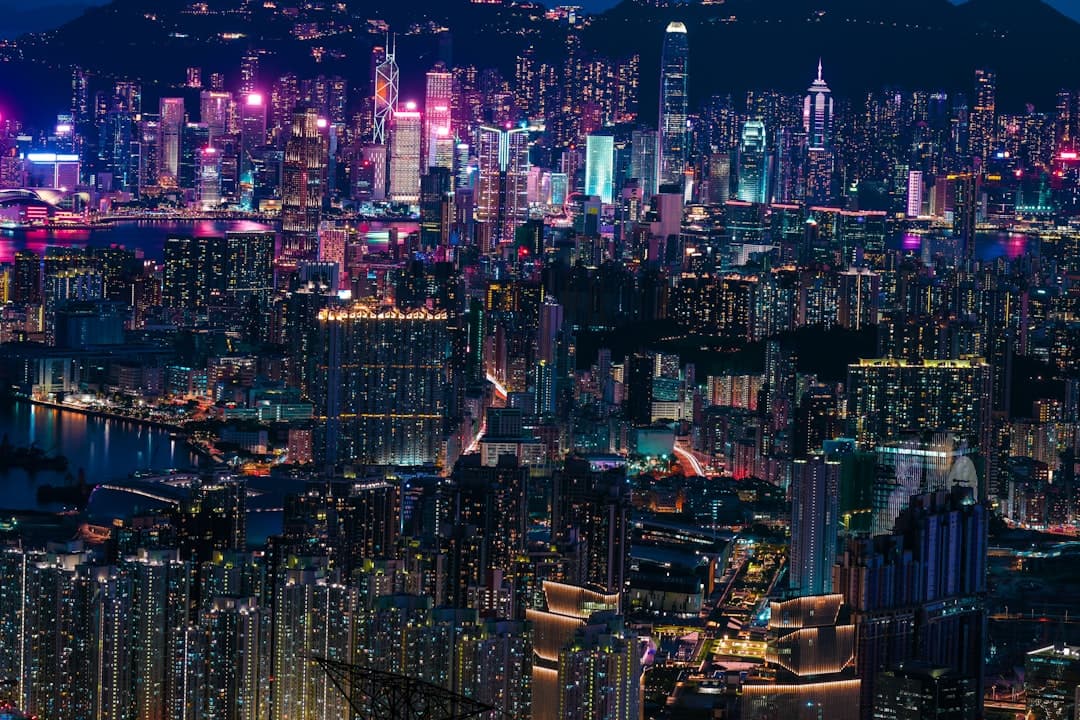
Temple Street Night Market
Hong Kong / Temple Street Night Market

Temple Street Night Market

Hong Kong's most atmospheric street market, alive after dark with food, fortune-tellers, and Cantonese opera.

🛍️ Shopping🎶 Nightlife🏛️ Sights & Landmarks🍽️ Food & Drink🎭 Arts & Entertainment
🧗 Adventurous🍽 Foodie🎭 Cultural

Temple Street Night Market is one of Hong Kong's most famous and enduring street markets, stretching several blocks through the Jordan district of Kowloon. It has been operating since the 1920s and reaches its full, chaotic glory after sunset, when the neon lights flicker on and the street fills with vendors, diners, and wanderers. It's the kind of place that feels like it exists in its own time zone — equal parts local shopping strip, open-air restaurant, and living piece of Hong Kong cultural heritage.

The market splits naturally into sections. The southern end near Jordan MTR is dominated by stalls selling clothes, electronics, watches, phone accessories, and the kind of affordable tchotchkes you didn't know you needed. Push further north and the atmosphere shifts — fortune-tellers set up folding tables and offer palm readings and face readings in Cantonese or broken English, and on weekends you might catch impromptu performances of Cantonese opera near the Tin Hau Temple. The middle section is packed with open-air dai pai dong-style seafood restaurants and congee stalls where locals and tourists share plastic stools over clay pot rice and cold Tsingtao beers.

Go after 7 or 8pm when the market hits its stride — early afternoon it's half-hearted, but by evening it becomes genuinely electric. Bargaining is expected at the goods stalls, but don't be aggressive about it; a friendly approach gets better results. The restaurants here are not fine dining, but the seafood is fresh and the prices are very reasonable by Hong Kong standards. Come hungry and curious, and leave time to wander without a plan.

Local Tips

  1. 1

    Bargaining is normal at the goods stalls — start around 60–70% of the asking price and meet in the middle, but keep it light and good-humoured.

  2. 2

    The fortune-tellers near the Tin Hau Temple section speak varying levels of English — look for ones with English signs if you don't speak Cantonese, and agree on the price before sitting down.

  3. 3

    For food, the stalls in the middle section of the market are generally more reliable than the ones right at the tourist-heavy southern entrance — look for tables busy with local families.

  4. 4

    Jordan MTR (Exit A) puts you right at the southern end of the market, which is the most convenient arrival point. Exit at the top and walk south to take in the best food section first.

When to Go

Best times
October–December

Cooler, drier weather makes the outdoor market far more comfortable. The nights are pleasant and the crowds are manageable.

After 7:00 PM

The market only truly comes alive in the evening — stalls are fully set up, restaurants fill up, and the atmosphere is at its most vibrant.

Try to avoid
Summer (June–September)

Heat and humidity are intense and the outdoor market can feel stifling. Typhoon season can also bring sudden closures or early shutdowns.

Why Visit

01

One of the few places left in Hong Kong where you can eat seafood at a pavement table, get your fortune read, and hear Cantonese opera all within a few hundred metres.

02

Excellent, affordable street food — clay pot rice, seafood, roasted meats — served at informal outdoor tables in the middle of a working street market.

03

A genuine slice of old Kowloon nightlife culture that has survived urbanisation and gentrification, offering a different side of Hong Kong from its gleaming malls and skyscrapers.