
All Places
1,073 places around the world
1,073 places · page 23 of 45
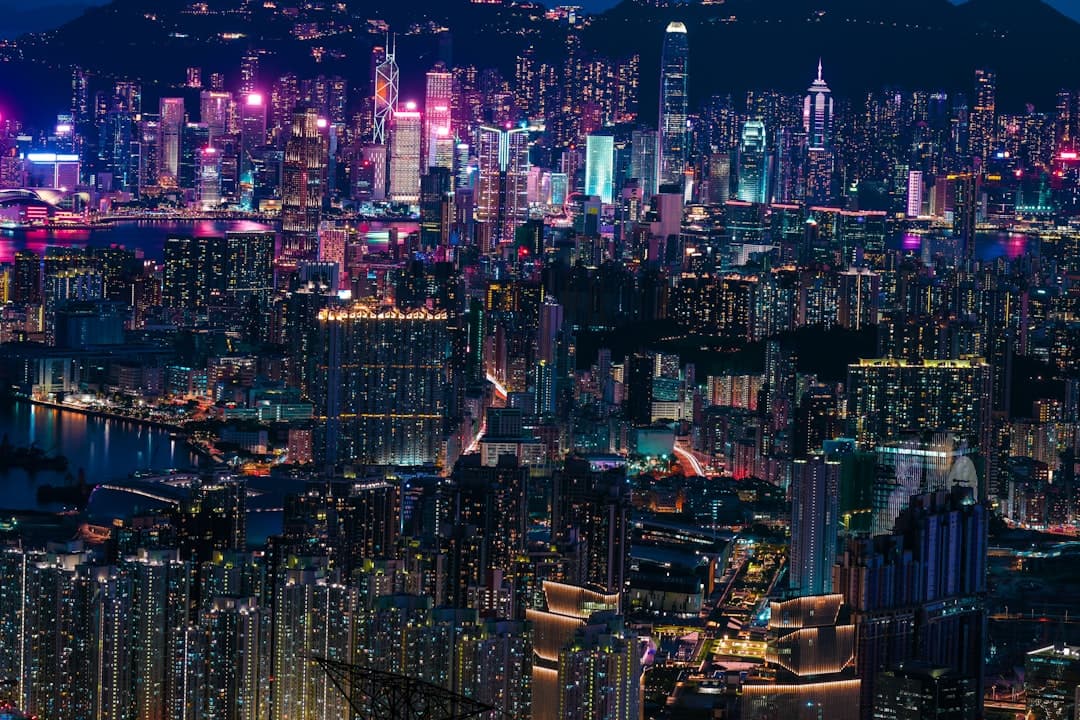
Man Mo Temple
Built in 1847, Man Mo Temple is one of Hong Kong's oldest and most atmospheric places of worship, tucked along Hollywood Road in Sheung Wan. It's dedicated to two deities: Man Cheong, the god of literature, and Mo Kwan, the god of war — an unlikely pairing that reflects the Taoist embrace of complementary forces. In colonial times the temple also served as a courthouse and arbitration hall for the local Chinese community, which had little access to British legal institutions. That layered history — religious, civic, social — gives it a weight that purely decorative historic sites rarely match. Step inside and your senses take over immediately. The air is thick with incense from dozens of enormous hanging coils that dangle from the ceiling, slowly smoldering for days at a time. The light is dim and golden, filtering through smoke. You'll see worshippers burning offerings, shaking fortune-telling sticks in cylindrical cups, and bowing before the red-and-gold altar figures. It's an active, functioning temple, not a museum piece — people come here to pray for exam results, business success, and guidance. The main hall holds bronze deer, elaborately carved sedan chairs once used to carry the deity statues in processions, and walls blackened by centuries of incense smoke. The temple is free to enter and sits right on Hollywood Road, which is itself worth a wander for its antique shops and art galleries. Come on a weekday morning if you want a quieter, more contemplative visit — weekends attract more tourists. Photography is generally tolerated but use discretion and don't interrupt worshippers. The surrounding Sheung Wan neighborhood is excellent for post-temple exploration: dried seafood shops, old clan associations, and good Cantonese lunch spots are all within a short walk.
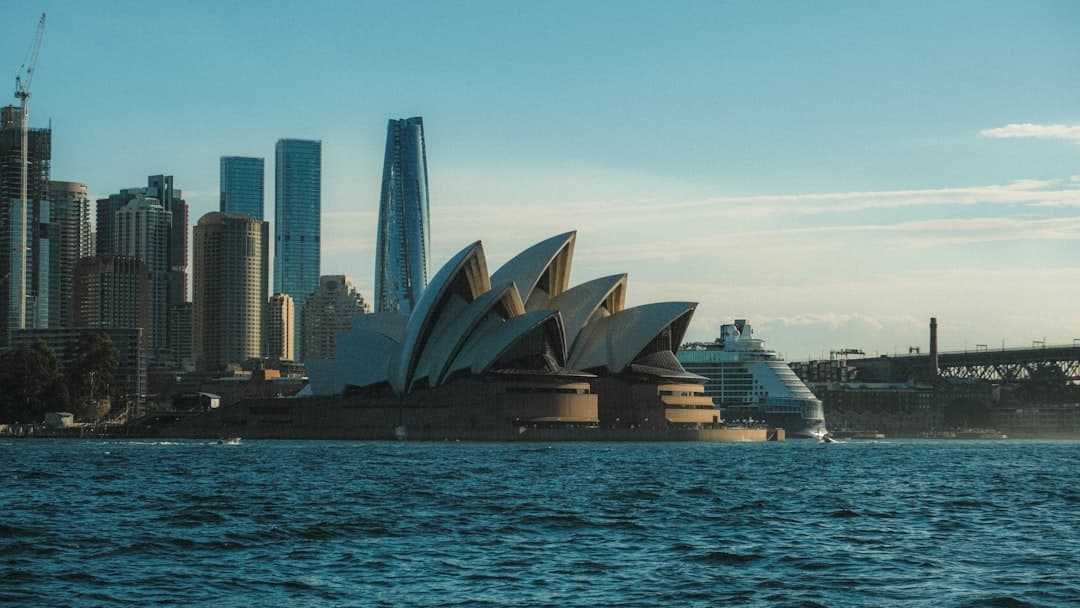
Manly Beach
Manly Beach is a sweeping 1.5-kilometre arc of golden sand on Sydney's Northern Beaches, sitting at the northern head of Sydney Harbour. It's one of Australia's most iconic surf beaches and has been drawing swimmers, surfers, and sunbathers since the 1850s, when entrepreneur Henry Gilbert Smith marketed it as the 'Brighton of the South.' Today it's a full-blown coastal neighbourhood — part beach town, part suburb — with a genuine year-round community that gives it a lived-in energy you don't find at purely tourist-facing beaches. The experience here is properly layered. The ocean-facing beach is wide, clean, and reliably surfable, patrolled by Manly Surf Life Saving Club — one of the oldest lifesaving clubs in the world, founded in 1903. The beach is flanked by Norfolk Island pines, an instantly recognisable silhouette that appears in countless photographs. Behind it runs The Corso, a pedestrian mall connecting the ocean beach to Manly Cove on the harbour side, lined with cafes, surf shops, restaurants, and ice cream stands. The harbour side has calmer water, perfect for kids and kayaks. You can easily spend a full day oscillating between ocean swims, flat-white stops, coastal walks, and sunset drinks. The ferry from Circular Quay is genuinely one of Sydney's great experiences — 30 minutes of harbour views, passing the Opera House and Heads. Don't take the fast ferry if you can help it; the regular Manly Ferry is far more scenic and part of the ritual. Arrive early on summer weekends if you want a decent patch of sand, and consider walking north along the coastal path to Shelly Beach, a sheltered cove that most day-trippers skip entirely.
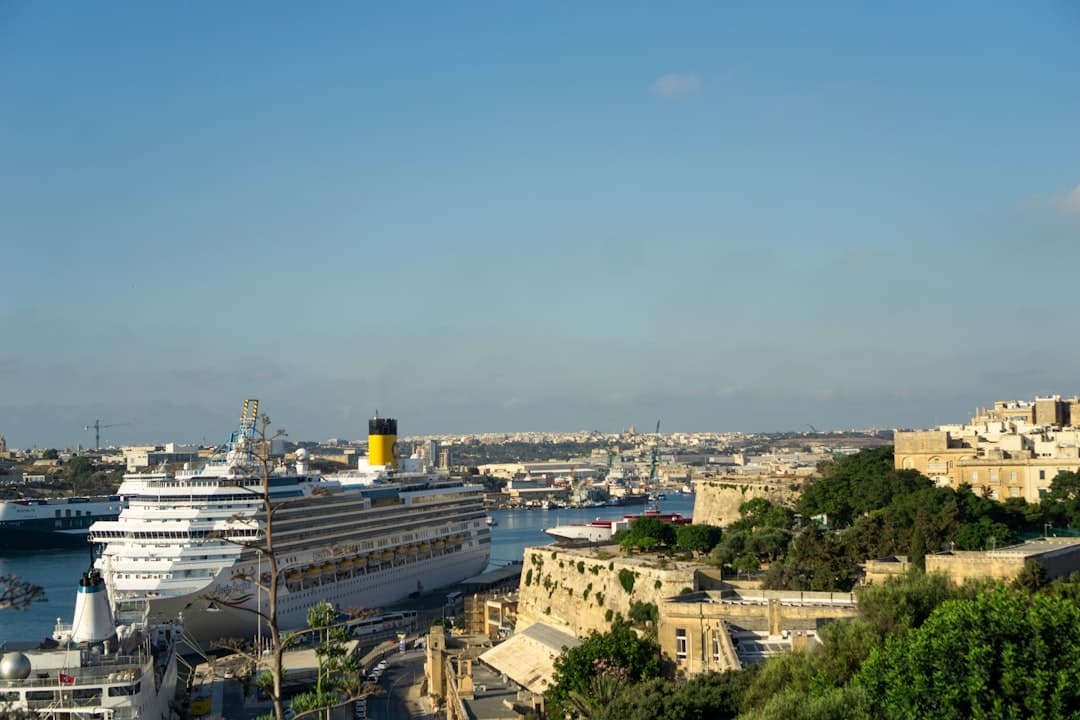
Manoel Theatre
The Manoel Theatre is a baroque gem tucked into the heart of Valletta, Malta's compact capital city. Built in 1731 on the orders of Grand Master António Manoel de Vilhena, it's one of the oldest continuously operating theatres in Europe — a distinction that puts it in genuinely rare company. The building was constructed to give the Knights of St John and the local population a place for entertainment and culture, and it has served that purpose, with occasional interruptions, ever since. Today it functions as Malta's national theatre, hosting opera, ballet, drama, and chamber music throughout the year. Stepping inside is the real reward. The auditorium is intimate and horseshoe-shaped, with three tiers of boxes painted in a warm gold and green, and a capacity of just over 600 — small enough that there's no such thing as a bad seat. The ceiling painting, the gilded woodwork, and the old-fashioned stage machinery all survive largely intact, giving the place an atmosphere of genuine antiquity rather than careful restoration. If you're attending a performance, arrive early enough to linger in the foyer and take in the scale of the place before the house lights go down. If you're not catching a show, the theatre also offers guided tours that take you backstage and into the pit. The Manoel sits on Old Theatre Street in the upper part of Valletta, a short walk from the main Republic Street. Performances here tend to be affordable by European standards — a quality opera or ballet for well under what you'd pay in London or Vienna. The theatre does close between seasons, typically in summer, and tour availability can be limited, so checking the schedule before you visit is worthwhile. For anyone with even a passing interest in performing arts or heritage architecture, this is one of the most rewarding stops in the city.
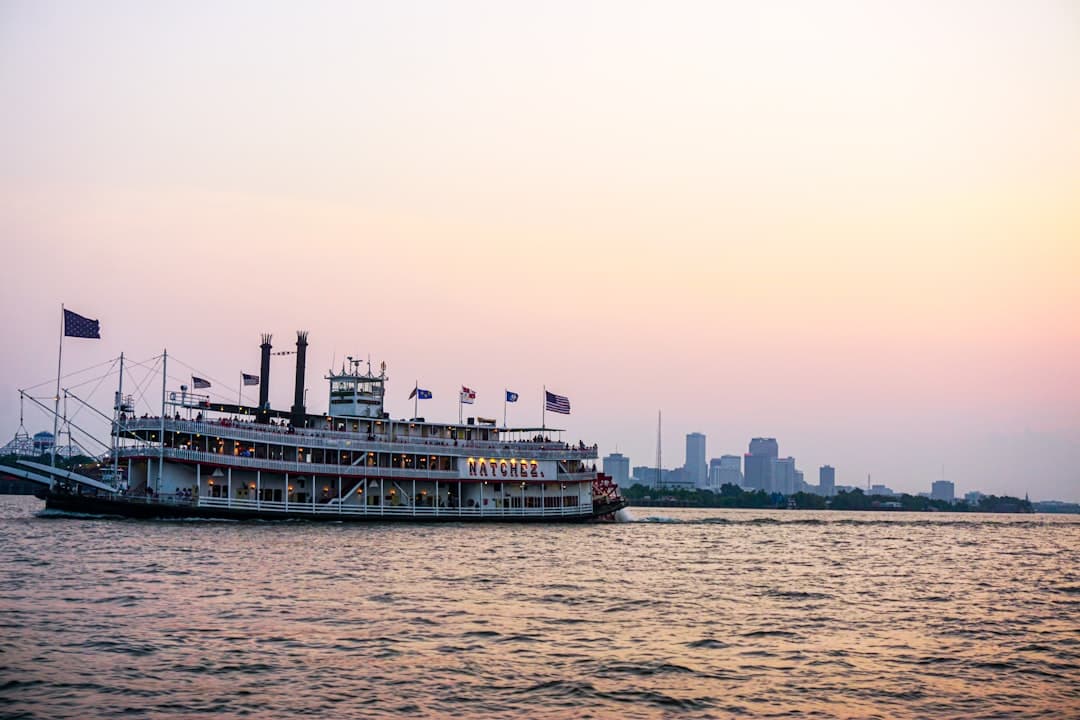
Mardi Gras World
Mardi Gras World is the working warehouse and showroom of Blaine Kern Artists, the family-run float-building company responsible for creating the majority of New Orleans' famous Mardi Gras parade floats for over 70 years. Blaine Kern — often called 'Mr. Mardi Gras' — built his business into an empire, and this facility on the Mississippi riverfront is where you can actually step inside the machinery of the world's most famous party. It's not a museum in the traditional sense; it's an active den of fiberglass, papier-mâché, and paint where artisans are building the next season's floats while you wander around. You get a guided tour through massive, hangar-like rooms packed with giant figures — kings, jesters, dragons, pop culture icons — some half-finished, some awaiting their next Carnival season, many towering two or three storeys above you. You learn how krewes commission floats, how the prop-makers sculpt and paint these enormous pieces, and what it takes logistically to stage parades involving hundreds of floats and thousands of riders. The tour typically runs about an hour and includes a King Cake tasting (at least during the Mardi Gras season) and a chance to dress up in Mardi Gras costumes for photos. The facility sits right on the river at the Port of New Orleans, a short drive or ferry ride from the French Quarter. It's well-suited to visitors who want to understand New Orleans beyond the beads-and-bourbon-street surface level — this is the craft and culture underneath the spectacle. Go on a weekday if you can; groups are smaller and there's a decent chance you'll see artisans actually at work on new builds.
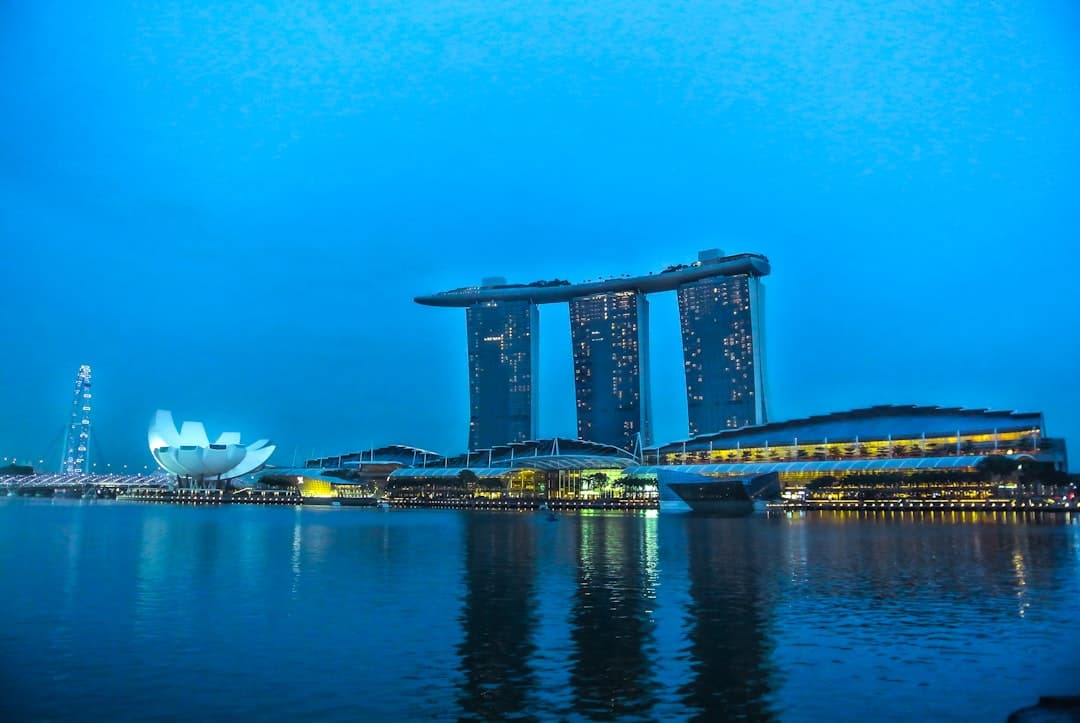
Marina Bay Sands SkyPark
The SkyPark sits on top of Marina Bay Sands, one of Singapore's most recognisable buildings — three towers connected at the top by a massive ship-shaped platform that cantilevers dramatically over the edge. Completed in 2010 and designed by architect Moshe Safdie, it has become one of the defining images of modern Singapore. The observation deck is open to all visitors for a fee, while the famous infinity pool is reserved exclusively for hotel guests staying in the towers below. For non-hotel guests, the SkyPark Observation Deck delivers genuinely spectacular 360-degree views: the geometric tangle of Gardens by the Bay to the east, the colonial buildings of the Civic District across the water, the dense financial district skyline behind you, and on clear days, the coastline of Indonesia and Malaysia in the distance. Hotel guests get the added spectacle of the infinity pool — 150 metres long and appearing to spill right off the edge of the building — which is one of the most photographed swimming experiences in the world. The on-deck bar, Spago Bar & Lounge, offers cocktails to anyone with access, alongside the views. Tickets for the observation deck should be booked online in advance, particularly on weekends and public holidays when queues can be long. The split opening hours — a midday break between around 4:30 PM and 5 PM — reflect a changeover session, so plan around that. The evening session (5 PM onwards) is the most atmospheric: the city lights up dramatically and the nightly light-and-water show at the waterfront, Spectra, is visible from above. Arrive at least 30 minutes before the 10 PM closing time to avoid being rushed.
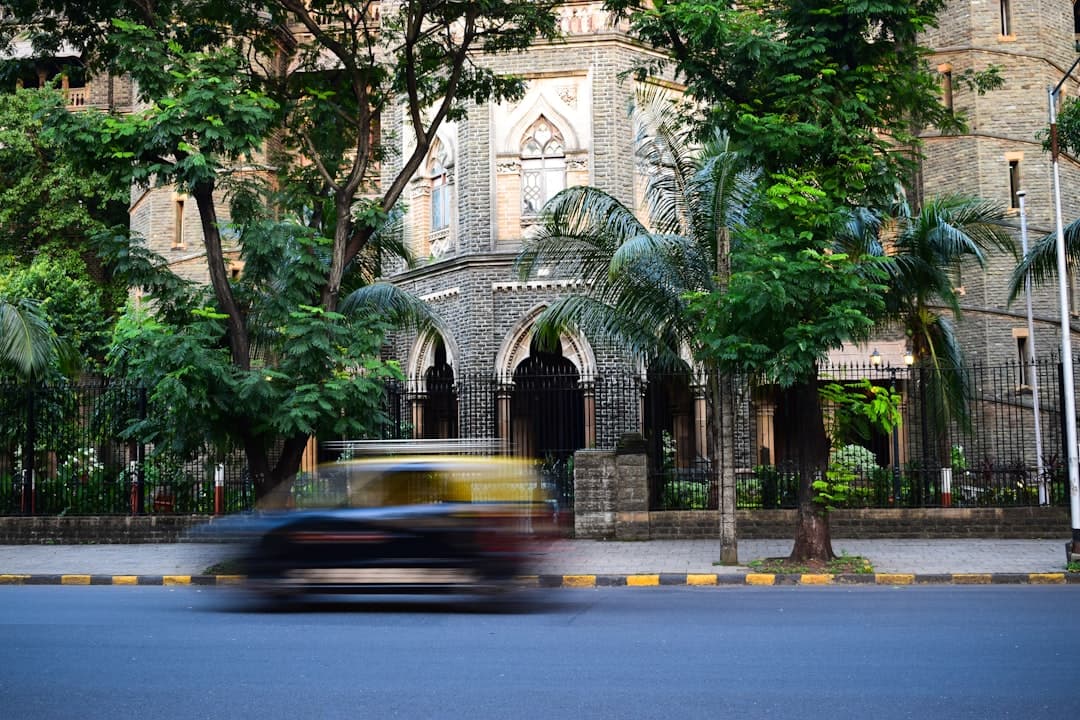
Marine Drive
Marine Drive is a 3.6-kilometre curved boulevard that hugs the shoreline of Back Bay in South Mumbai, stretching from Nariman Point in the south to Babulnath in the north. Built in the 1920s and 30s during the British colonial era, it is one of the most recognisable urban waterfronts in Asia — a graceful arc of Art Deco apartment buildings on one side and the open Arabian Sea on the other. Locals call it the Queen's Necklace, because when seen from the elevated vantage of Malabar Hill at night, the string of amber streetlights curving along the bay looks exactly like a strand of jewels. Coming here, you walk — or simply sit on the broad concrete sea wall, legs dangling, watching the waves roll in. There are no entry gates, no queues, no tickets. People come to exercise in the early mornings, to eat bhel puri and corn from the vendors who materialise at dusk, to watch the sunset turn the sea pink and orange, to talk, argue, read, and do absolutely nothing. During the monsoon, when the waves crash spectacularly over the promenade, crowds gather just to be drenched. At night the Art Deco facades of Eros Cinema and the surrounding apartment blocks glow softly, and the whole stretch feels like a film set. The best times to visit are early morning before 8am — when walkers and yoga practitioners have the place mostly to themselves — or at sunset, when the energy is electric and the light is extraordinary. The stretch near Chowpatty Beach at the northern end is livelier, with more street food and families; the Nariman Point end is quieter and more contemplative. It is entirely free, entirely open, and completely central — one of those rare urban spaces that manages to feel like it belongs equally to everyone.
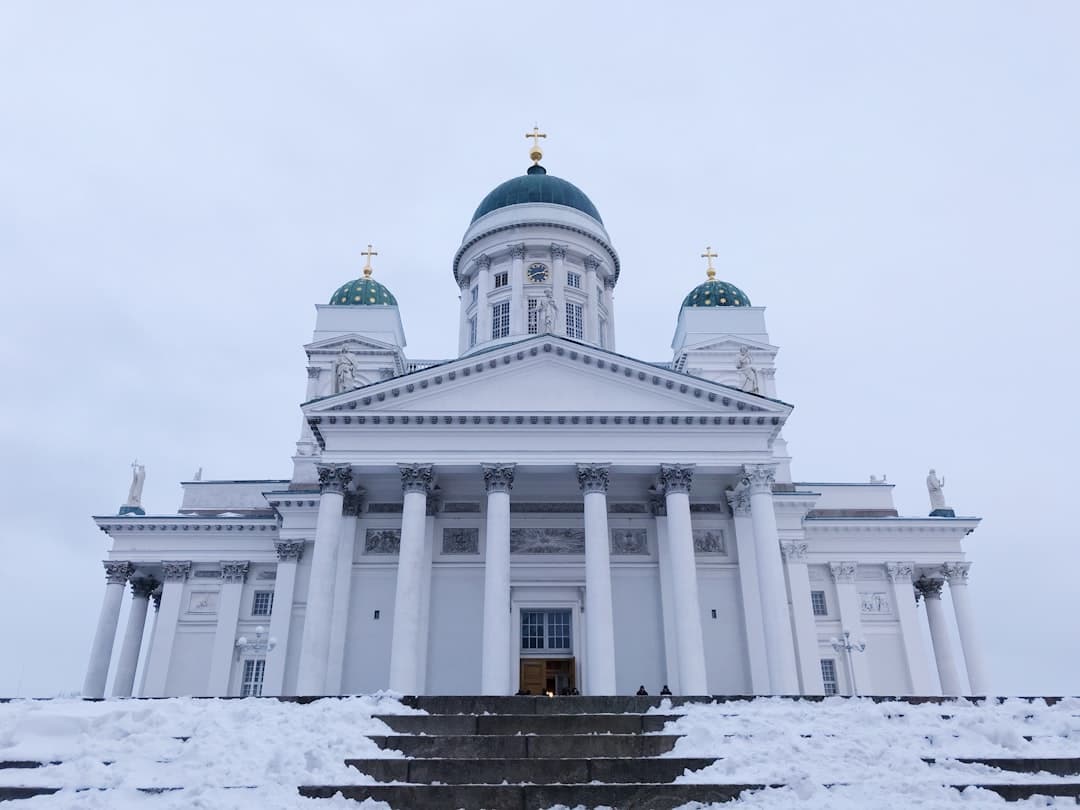
Market Square
Kauppatori — the Market Square — has been the beating heart of Helsinki since the city's founding. Sitting right on the South Harbour, wedged between Senate Square and the sea, it's one of the most strategically beautiful public spaces in Northern Europe: a wide-open plaza where the city meets the water, with ferries to Suomenlinna and Tallinn departing just steps away. This is where Finns have come to buy, sell, and gather for over two centuries, and it still feels genuinely alive rather than museum-piece quaint. The market itself is a concentrated hit of Finnish food culture. Wooden stalls sell smoked salmon straight off the boat, crayfish in season, reindeer meat, squeaky cheese (leipäjuusto) drizzled with cloudberry jam, and freshly baked pastries. In summer the whole place buzzes — vendors call out, seagulls orbit hopefully, and you can eat a paper cone of vendace fried fish perched on a bollard watching the ferries come and go. The famous orange tents are a Helsinki icon. Look for the Old Market Hall (Vanha Kauppahalli) just across the street, an elegant 19th-century iron-and-brick building where the indoor vendors operate year-round. The square is free to enter and rewards an early visit — stalls are fullest and freshest in the morning hours. In summer it runs until around 6pm on weekdays; in winter the outdoor market thins considerably but never disappears entirely. The Presidential Palace and City Hall both face the square, giving it an architectural gravitas that most food markets can only dream of. Don't just pass through on your way to a ferry — slow down, eat something, and watch Helsinki do its thing.
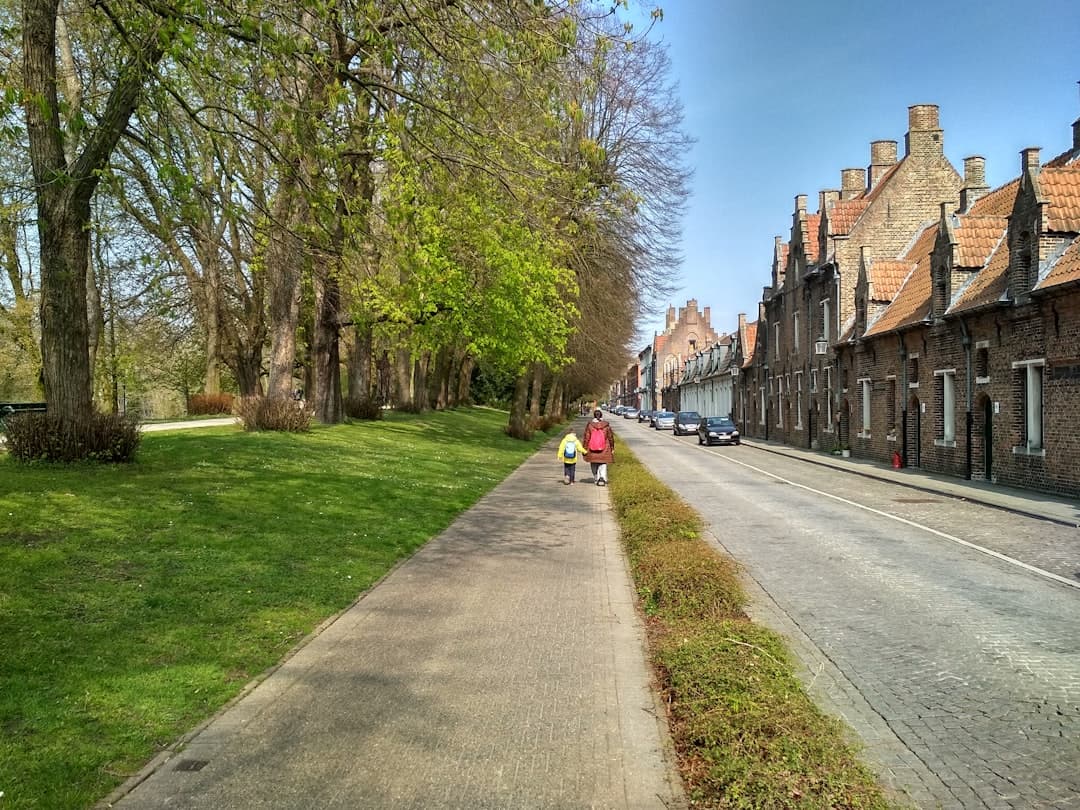
Markt Square
Markt Square is the central public square of Bruges and the city's most iconic address. Flanked by stepped gabled guild houses, horse-drawn carriages, and the towering 83-metre Belfort — a UNESCO-listed medieval belfry that has dominated the skyline since the 13th century — it's the kind of place that makes you genuinely understand why people call Bruges one of the best-preserved medieval cities in Europe. This isn't a reconstructed tourist set; the bones of the square are centuries old, and the bell that rings from the tower above you has been marking time here since the Middle Ages. In practice, Markt is where you orient yourself when you arrive and where you keep returning throughout the day. The square is ringed with café terraces where you can sit under outdoor heaters with a Bruges Zot beer and watch the city move around you. The Provincial Court building on the north side — neo-Gothic and monumental — closes the square dramatically, and the bronze statues of Jan Breydel and Pieter de Coninck at the centre commemorate the Flemish heroes of the 1302 Battle of the Golden Spurs. If you want to climb the Belfort's 366 steps for panoramic views over the rooftops and canals, you join the queue at the base of the tower, tickets in hand. The square gets genuinely crowded from mid-morning through late afternoon in peak season — it's one of the most visited spots in Belgium. For a calmer experience, arrive early or linger into the evening when the crowds thin and the Belfort is lit up against the sky. Wednesday mornings bring a local market that gives the square a more lived-in, less touristy feel. The cafés on the square are pricier than what you'll find on the side streets, but the setting charges a premium you'll probably be happy to pay once.
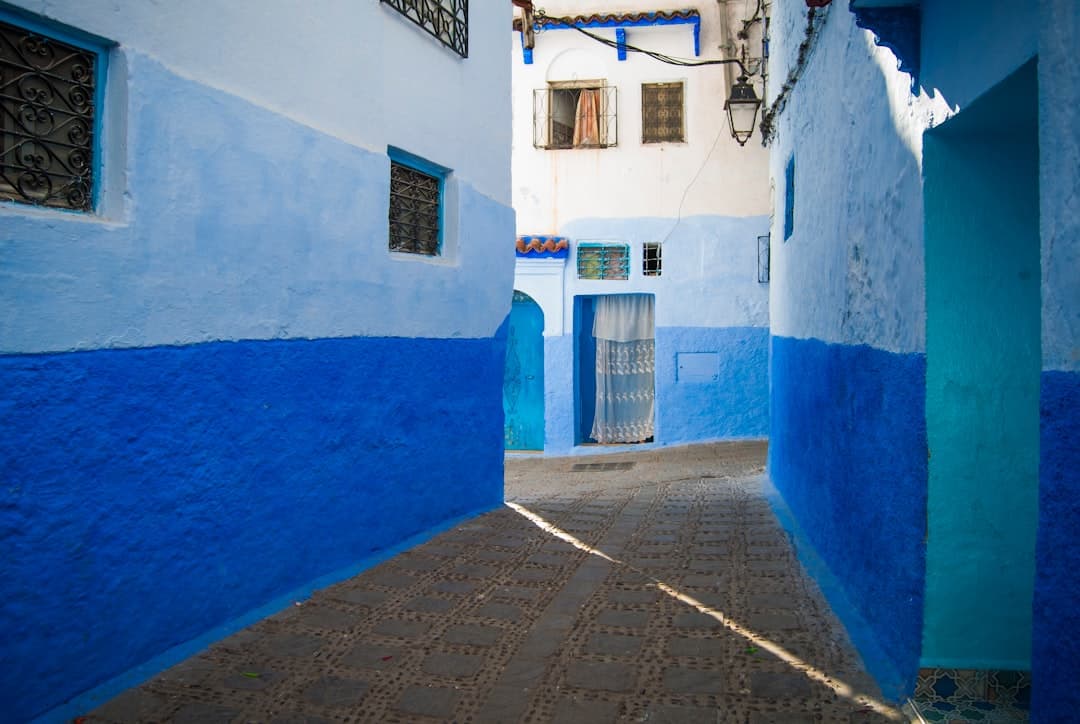
Masjid al-Ghamamah
Masjid al-Ghamamah — the Mosque of the Cloud — sits in the open plaza southwest of Masjid al-Nabawi in central Medina, and carries one of the most evocative origin stories of any mosque in the city. Its name comes from a narration that a cloud (ghamamah) miraculously shaded the Prophet Muhammad during outdoor prayer on this very ground. It is believed to be the site where the Prophet led the first Eid al-Fitr and Eid al-Adha congregational prayers after they were made obligatory, giving it a significance tied directly to the founding rituals of Islam. The current structure, with its Ottoman-era domed form and distinctive red-stone facade, dates largely from renovations carried out in 1482 CE under the Mamluk Sultan Qaitbay, with further work under the Ottomans. Visiting the mosque is a quiet, contemplative experience compared to the constant crowds of the main Nabawi complex. The interior is modest and serene — a single prayer hall beneath a central dome, with the characteristic cool stone and subdued light that defines these historic Medinan mosques. Outside, the surrounding plaza connects it visually to several other small companion mosques in the area, including Masjid Abu Bakr and Masjid Umar, which together form a cluster of early Islamic prayer sites that many pilgrims walk between as a single devotional circuit. Access is generally straightforward for Muslim visitors, and the mosque sits within easy walking distance of the Prophet's Mosque — ten minutes on foot at most. Non-Muslims are not permitted to enter, as is standard across Medina's sacred sites. The best time to visit is outside of the five daily prayer times if you want space to reflect, though attending one of the prayers here carries its own quiet significance. Mornings tend to be calmer than the post-Zuhr or post-Asr rush when groups move through the area.
Masjid al-Ijabah
Masjid al-Ijabah — the Mosque of the Answered Prayer — sits in the Bani Muawiyah district of Medina and holds a significant place in Islamic tradition. Its name comes directly from an account in which the Prophet Muhammad prayed here and three supplications were made to Allah: that his community not be destroyed by famine, not be drowned by flood, and not be turned against each other in internal conflict. Two of the three were granted; the third was not. That narrative gives this mosque a weight that goes well beyond its modest physical size, making it a meaningful stop for Muslim pilgrims who want to connect with the lived geography of the Prophet's life in Medina. The mosque itself is relatively small and unassuming compared to the grand scale of the Prophet's Mosque nearby. Visitors come primarily to pray, to make dua (personal supplication), and to reflect on the specific spiritual significance of the location. There are no elaborate exhibitions or guided tours — the experience is devotional in nature. You enter, observe the mosque's interior, find a place to pray, and spend time in quiet supplication. Many pilgrims make it a deliberate stop during their time in Medina, treating it as one of several historically significant mosques worth visiting beyond the central Masjid al-Nabawi. Masjid al-Ijabah is open around the clock, which is common for mosques in Medina, and access is unrestricted for Muslim visitors. It falls outside the immediate cluster of major pilgrimage sites, so it tends to be quieter and less crowded than the Prophet's Mosque — which, for many, is precisely the appeal. Getting here typically requires a short taxi or ride-hailing trip from the city centre. Non-Muslims are not permitted to enter, in keeping with the rules governing mosques in Medina.
Masjid al-Qiblatayn
Masjid al-Qiblatayn — the Mosque of the Two Qiblas — holds one of the most dramatic moments in Islamic history within its walls. In the second year after the Prophet Muhammad's migration to Medina (around 624 CE), he received a divine revelation during prayer instructing Muslims to change their direction of worship from Jerusalem to Mecca. According to tradition, the congregation pivoted mid-prayer right here, making this the only mosque ever to have housed two qiblas simultaneously. That singular moment is why it remains one of the most historically significant mosques in Medina, visited by pilgrims and historians alike. The mosque you visit today is a modern structure — it was substantially rebuilt and expanded in the 1980s under the Saudi government, replacing an older, more modest building. What you see is a clean, white stone complex with twin minarets and a large prayer hall capable of accommodating thousands of worshippers. Inside, the original qibla direction toward Jerusalem has been preserved as an architectural feature — a subtle niche in the wall that faces north — while the main mihrab naturally faces toward Mecca. For anyone with an interest in Islamic history, standing in that prayer hall and tracing both orientations is a quietly profound experience. Non-Muslim visitors are generally not permitted inside the mosque itself, as is standard for active mosques in Saudi Arabia. Muslim visitors can enter freely at any hour — the site is open around the clock and sees a steady flow of pilgrims, particularly those combining a visit with the nearby sites in Medina's northwestern quarter. It's not on the main pilgrimage circuit the way Masjid al-Nabawi is, so crowds are lighter and the atmosphere more contemplative. Dress modestly, women should bring a headscarf, and plan for a short but meaningful stop.
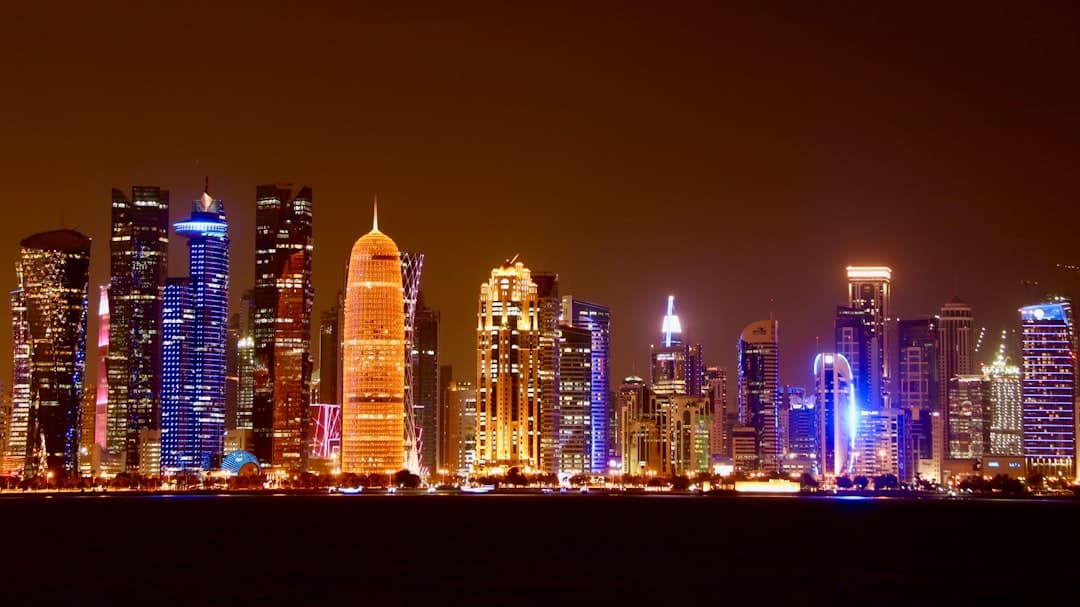
Mathaf Arab Museum of Modern Art
Mathaf — which simply means 'museum' in Arabic — opened in 2010 as part of Qatar's Education City campus and quickly established itself as the most serious institution dedicated to modern and contemporary Arab art anywhere in the world. Founded on a collection assembled largely by Sheikh Hassan bin Mohamed bin Ali Al Thani over several decades, it holds more than 9,000 works by artists from across the Arab world, covering roughly the 1840s to the present. This isn't a vanity project or a diplomat's trophy cabinet — it's a genuine research institution with real scholarly weight, operating under the umbrella of Qatar Museums. Inside, the experience is one of discovery. The permanent collection showcases major figures like Egyptian sculptor Adam Henein, Palestinian painter Samia Halaby, and Iraqi modernist Jewad Selim — artists who were central to their national art movements but remain largely unknown to Western audiences. Temporary exhibitions tend to be ambitious and thematically rich, often connecting historical modernism to current practice. The building itself is a converted school on the Education City campus, which gives it an appropriately academic feel — not the theatrical grandeur of some Gulf museums, but serious, curated, thoughtful. Because it sits within Education City rather than downtown Doha, Mathaf sees far fewer tourists than the Museum of Islamic Art and can feel refreshingly uncrowded. That's a feature, not a bug — you can actually spend time with the work. The museum has a small café and a bookshop with genuinely good publications on Arab art history. A taxi or ride-share is the practical way to get here; allow a couple of hours minimum, and more if you want to dig into the permanent galleries properly.
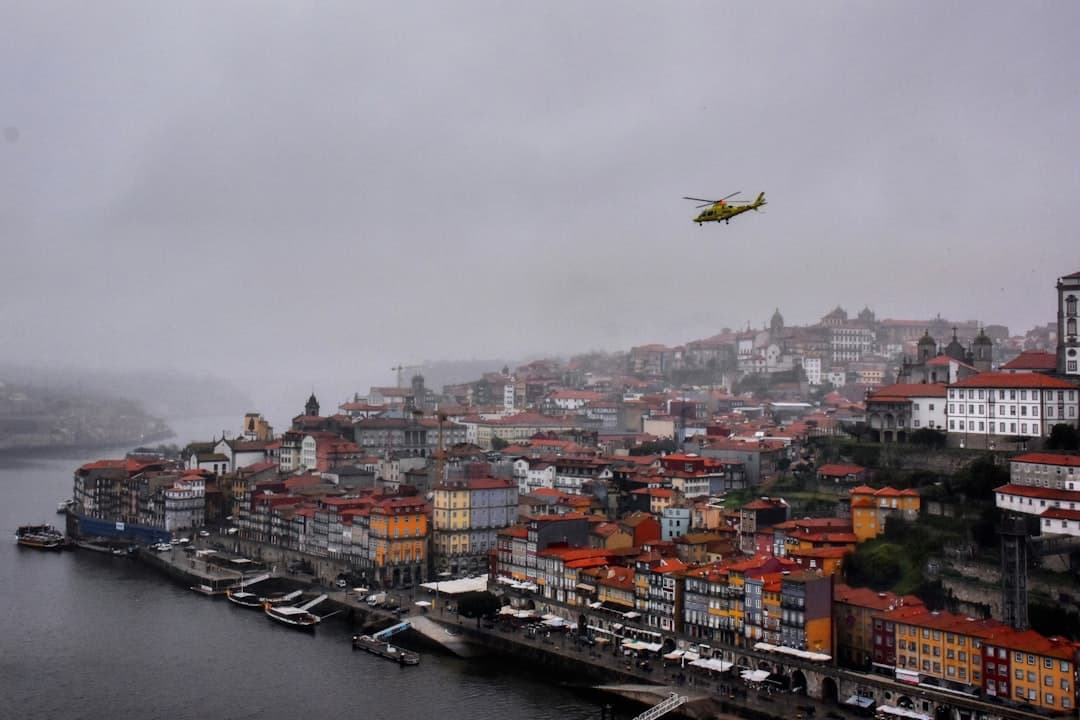
Matosinhos Beach
Matosinhos Beach is a long, wide stretch of Atlantic coastline sitting just north of Porto's city limits in the municipality of Matosinhos. Unlike the river beaches closer to the city centre, this is the real ocean — powerful waves, strong winds, and open horizon — and it's where Porto locals actually go when they want a proper beach day. The sand is pale and generous, the water is cold even in summer, and the whole place has an unpretentious, lived-in energy that's a world away from more tourist-polished alternatives. In practical terms, you come here to swim (if you're brave about the Atlantic temperatures), surf or bodyboard, or simply walk the long promenade that runs parallel to the beach. The surf scene is well established — there are schools and rental outfits operating along the beach, and the consistent Atlantic swell makes it genuinely good for beginners and intermediates. Behind the beach, the Avenida General Norton de Matos is lined with seafood restaurants, and the neighbourhood of Matosinhos Sul just inland is one of Porto's best places to eat grilled fish — particularly fresh sardines and the famous lulas (squid). The beach is directly accessible by Porto's Metro Line B (the Azul line), which makes it easy to reach from the city centre in under 30 minutes without a car. Get off at the Matosinhos Sul or Mercado stop. Come on a summer weekend and it fills up fast — locals arrive early and claim their patches. The water temperature rarely climbs above 19–20°C even in August, so don't expect Mediterranean warmth. What you get instead is bracing, invigorating, and completely honest.
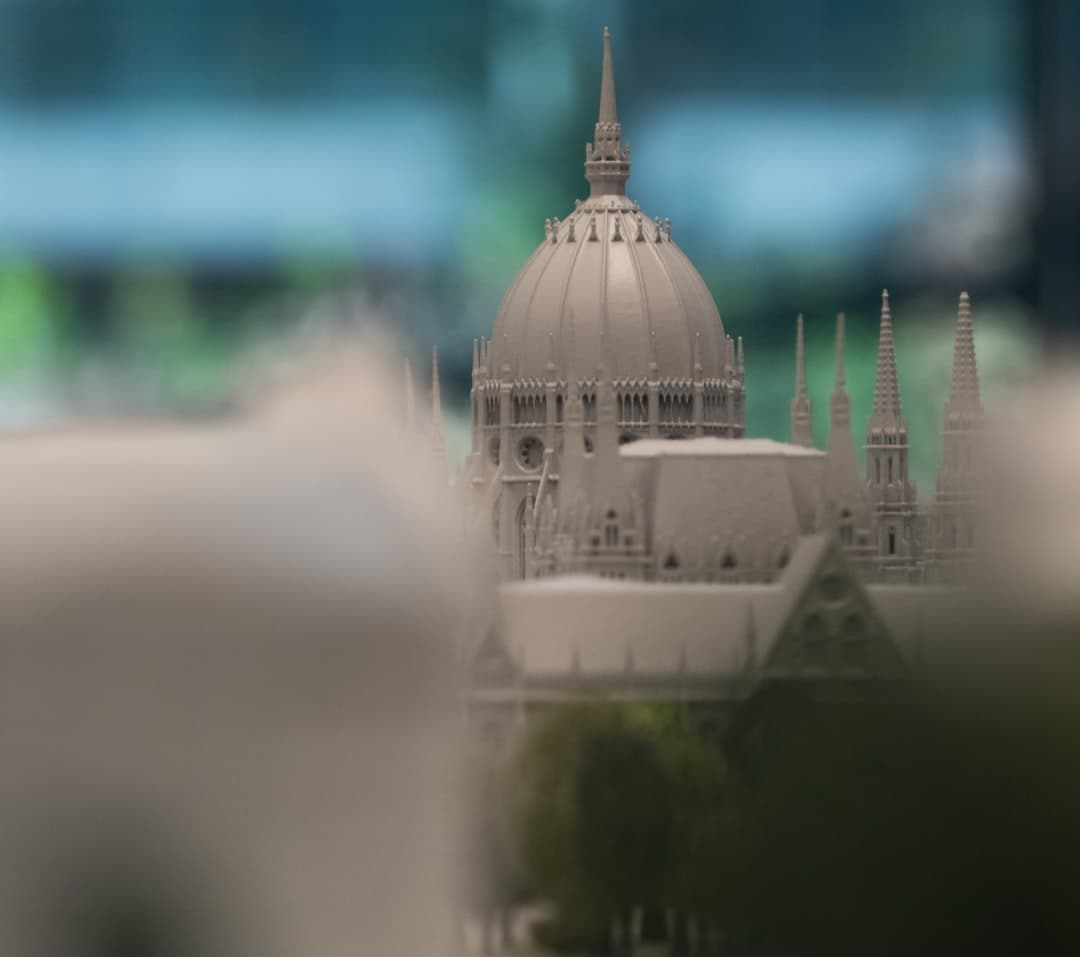
Matthias Church
Matthias Church — officially the Church of the Assumption of the Buda Castle — is one of Hungary's most iconic buildings, sitting at the heart of Castle Hill in Buda's historic district. Originally built in the 14th century, it served as the coronation church for Hungarian kings, including Franz Joseph I of Austria in 1867. Its current appearance is largely the result of a sweeping Neo-Gothic reconstruction by architect Frigyes Schulek between 1874 and 1896, which gave it the polychrome diamond-patterned roof tiles and richly ornamented exterior that make it so visually striking. It's a living church, not just a monument — Mass is still held here regularly. Inside, the church is a revelation. The walls and vaulted ceilings are covered in dense, intricate patterns of floral and geometric fresco work, the result of a 19th-century restoration campaign that blended medieval motifs with romantic historicism. There's a small but worthwhile ecclesiastical museum on the upper floor — accessed via a spiral staircase — that houses medieval stone carvings, royal relics, and replica coronation regalia. The stained glass windows cast jewel-toned light across the interior on sunny days. The main nave has a quiet grandeur, and it's easy to spend a solid hour just taking it all in. Matthias Church is right next to Fisherman's Bastion, so most visitors combine the two. The entrance fee is moderate by European church standards, and the museum is included. If you're visiting on a Sunday morning, be aware that Mass may restrict tourist access during service hours — check ahead. The evening organ concerts held here periodically are genuinely special and worth planning around if your trip allows.
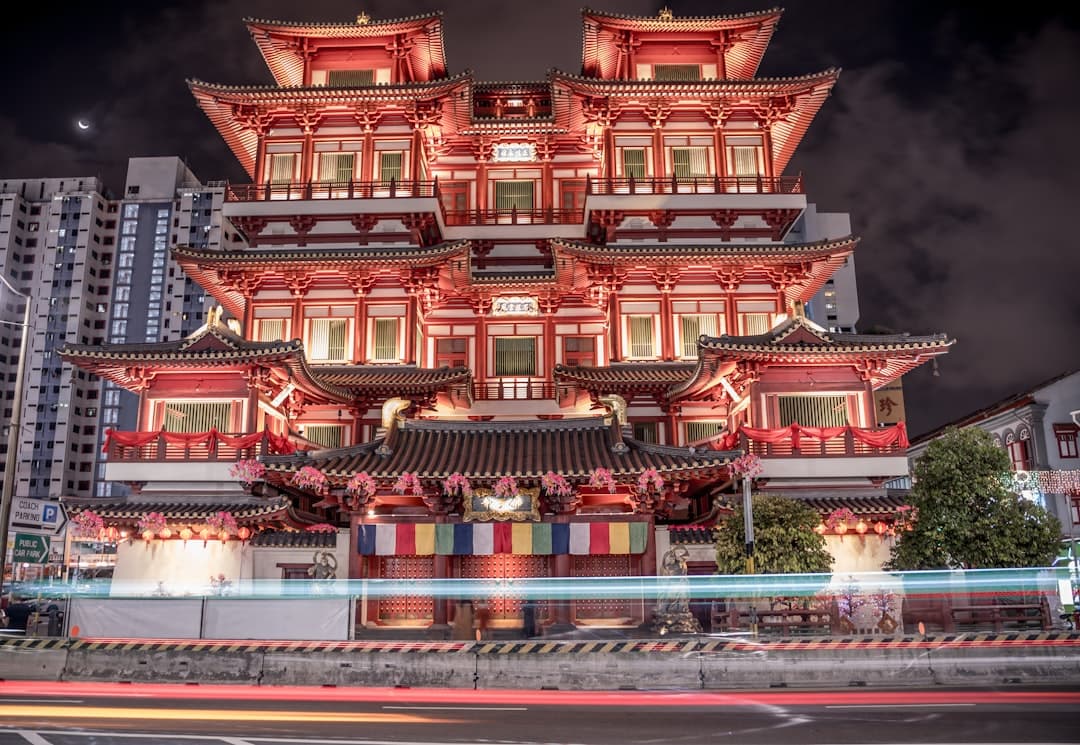
Maxwell Food Centre
Maxwell Food Centre is one of Singapore's most beloved hawker centres — a large, covered open-air market where dozens of individual food stalls sell freshly cooked local dishes at remarkably low prices. Hawker centres are a cornerstone of Singaporean daily life, a democratic institution where office workers, retirees, and tourists all eat side by side on plastic stools. Maxwell is among the most famous of them all, partly because of its central location in Chinatown, and partly because it's home to Tian Tian Hainanese Chicken Rice, a stall so well-regarded that Anthony Bourdain once visited and declared it exceptional — a moment that cemented Maxwell's international reputation. In practice, visiting Maxwell means wandering between roughly 100 stalls and making some genuinely difficult decisions. The classics are Hainanese chicken rice (poached or roasted), char kway teow (wok-fried flat rice noodles with egg and bean sprouts), laksa (spicy coconut curry noodle soup), and rojak (a tangy fruit-and-vegetable salad with prawn paste dressing). You order at whichever stall catches your eye, grab a table, and then go back for more — it's perfectly normal to eat from three or four different stalls in one sitting. Prices are astonishing by any standard: most dishes run S$3–6. Maxwell is busiest at lunch on weekdays, when the surrounding office crowd descends en masse, and the queue at Tian Tian can stretch long. Go early (before 11:30am) or later in the afternoon to avoid the worst of it. The centre sits right across from the red-and-white Sri Mariamman Temple and a short walk from the Buddha Tooth Relic Temple, making it a natural stop on any Chinatown itinerary. Not every stall is open every day — many operators take days off mid-week — so the full spread is best experienced on weekends.
Mdina
Mdina is one of Europe's oldest and best-preserved walled cities, sitting on a rocky outcrop in the center of Malta with views that stretch to the sea on clear days. It served as Malta's capital for centuries before the Knights of St. John shifted power to Valletta in the 16th century, and that shift is part of what preserved it — little was built, little was changed, and today you walk streets that look almost exactly as they did 400 years ago. With a permanent population of just a few hundred, it holds the remarkable distinction of being an inhabited medieval city that also functions as a living museum. The experience is genuinely atmospheric in a way few places in the Mediterranean can match. You pass through the main gate into a labyrinth of narrow limestone alleys, Baroque palaces, and silent courtyards — the silence is so striking that Mdina earned its nickname, the Silent City. The Cathedral of Saint Paul dominates the skyline and is worth stepping inside for its marble floors and the stunning Mattia Preti paintings. The city walls offer sweeping views over Malta's flat, sun-bleached interior toward the coast, and the bastions are ideal for watching the sun go down. A handful of museums, including the Mdina Dungeons and the Cathedral Museum, add texture to the wander. Mdina is only about 12 kilometers from Valletta, easily reached by bus or car, and most visitors combine it with the adjoining town of Rabat, which sits just outside the walls and has its own catacombs and local character. Come early morning or late afternoon — the midday tour buses can overwhelm a place this small. The crowds thin fast, and in the early hours or at dusk you'll get something close to the full Silent City experience.
Meiji Shrine
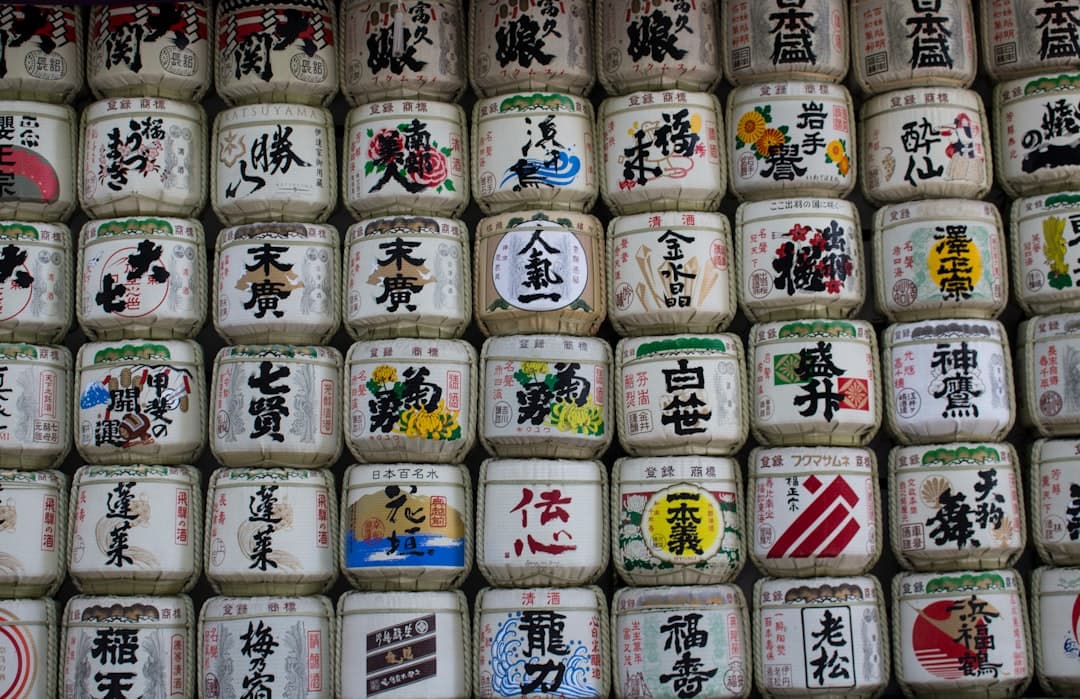
Meiji Shrine is a Shinto shrine dedicated to Emperor Meiji and Empress Shoken, completed in 1920 following the emperor's death in 1912. Emperor Meiji oversaw Japan's dramatic transformation from a feudal society into a modern nation-state during the Meiji era, and this shrine was built by the Japanese people as an act of collective gratitude. It sits at the heart of a 70-hectare evergreen forest planted entirely by hand — 100,000 trees donated from across Japan and beyond — making it one of the most serene and genuinely surprising escapes in any major city on earth. The approach to the shrine is the experience. You enter through one of several towering torii gates — the largest is one of the biggest wooden torii in Japan — and walk along wide gravel paths through dense forest. The noise of Harajuku and Shinjuku fades almost immediately. Inside the inner garden (which requires a small entry fee and blooms spectacularly with irises in June), you'll find koi ponds, wisteria trellises, and a well that Emperor Meiji once used. At the main shrine complex, visitors participate in the standard Shinto ritual: bow twice, clap twice, bow again. On weekends, it's common to witness a traditional wedding procession moving through the grounds in full ceremonial dress — one of the most quietly moving things you can see in Tokyo. The shrine is open from sunrise to sunset every day of the year, and admission to the main precinct is free. Come early on a weekday morning and you may have the forest path largely to yourself. New Year's is a different story entirely — Meiji Shrine receives more visitors over the first three days of January than almost any religious site in the world, with around three million people coming to pay their respects. That's either a reason to go or a very good reason to stay away, depending on your temperament.
Mekong Delta
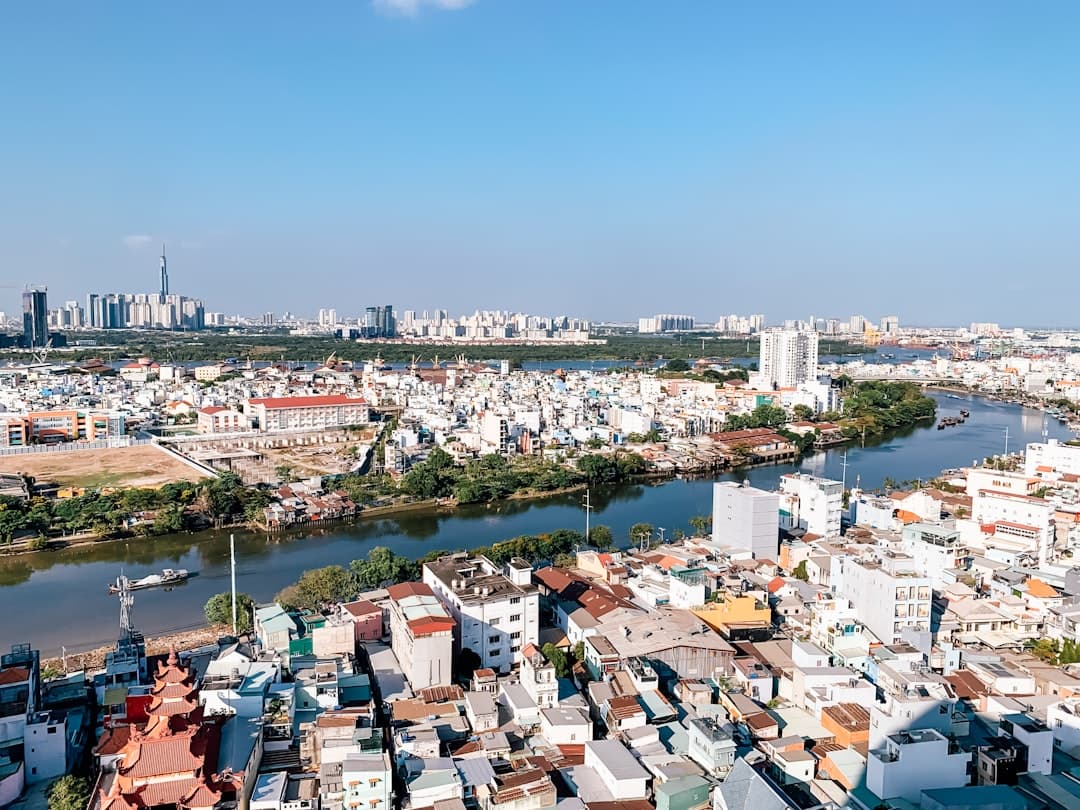
The Mekong Delta is one of Southeast Asia's most productive and densely populated river systems — a sprawling web of tributaries, canals, and rice paddies that fans out across southern Vietnam before draining into the South China Sea. Fed by the Mekong River, which travels all the way from the Tibetan Plateau through China, Myanmar, Laos, Thailand, and Cambodia before reaching Vietnam, this region produces roughly half of Vietnam's rice and the vast majority of its tropical fruit. It's not a single attraction but an entire world — one where people have built their lives around the water for generations, getting around by boat, selling goods from floating markets, and living in stilted houses along canal banks. Most visitors come on a day trip or overnight excursion from Ho Chi Minh City, which sits about 60–90 kilometers to the northeast. The classic experience involves boarding a wooden boat to weave through narrow canals shaded by water palms, stopping at a coconut candy workshop, a rice paper factory, or a honey farm, and visiting one of the delta's famous floating markets — Cai Rang, near Can Tho, is the most atmospheric and largest, while Cai Be is the one most commonly visited on quick day trips. You'll likely eat lunch somewhere along a canal, cross a river by sampan, and ride a bicycle through fruit orchards between boat legs. It sounds like a lot and it is — the delta rewards slow travel more than a rushed checklist. The key practical decision is how much time you're willing to invest. A cheap, crowded group tour from Pham Ngu Lao will technically get you there and back in a day, but the experience will be curated and rushed, and the floating markets you visit may be staged more for tourists than for locals doing actual commerce. If you can spend a night in Can Tho — the delta's largest city and a genuinely pleasant place to base yourself — you can reach Cai Rang market by boat before 6am, when actual trading is happening, rather than arriving at 9am to photograph the last few vendors. Private or small-group tours, while more expensive, make an enormous difference in how much you actually see.
Mellah
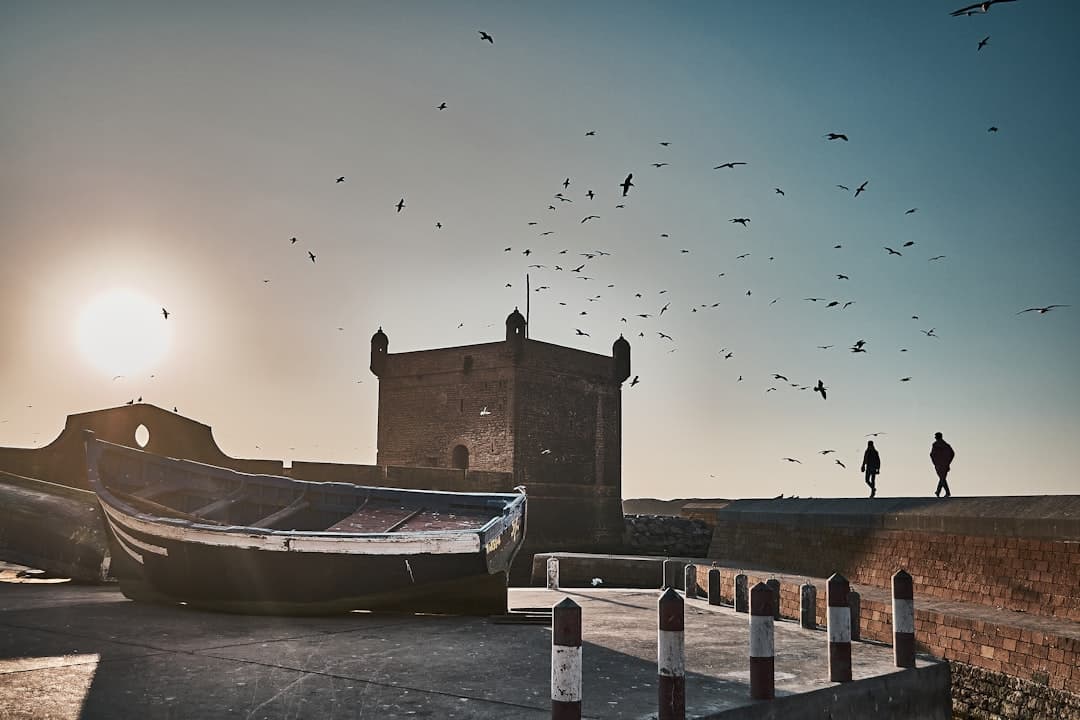
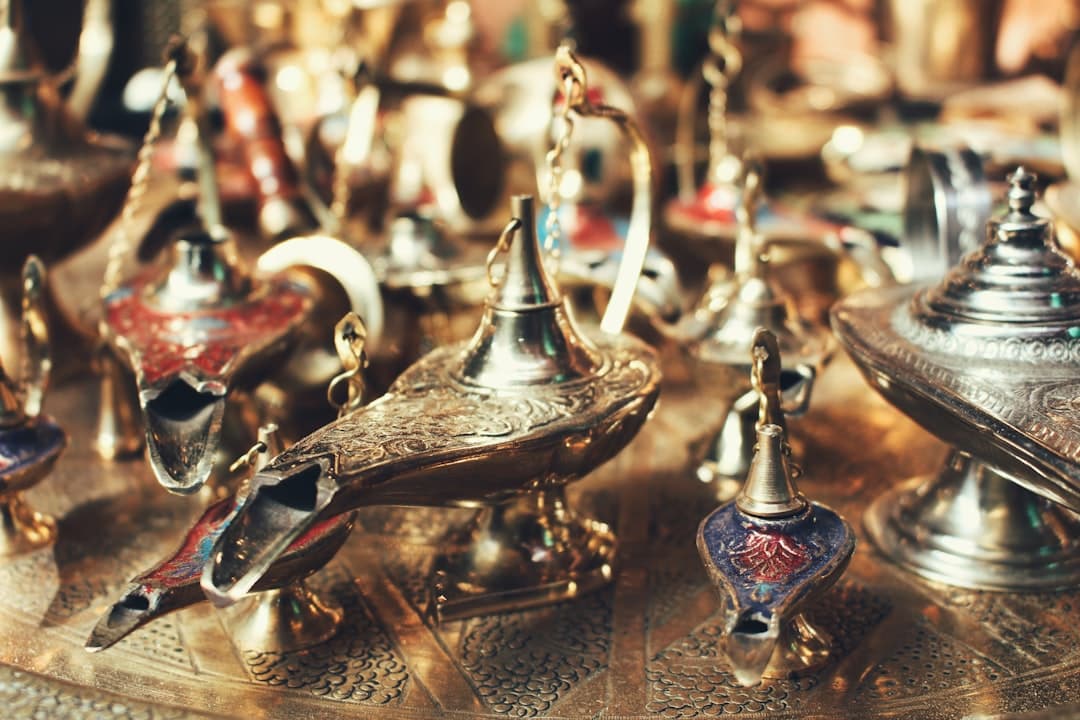
The Mellah is Essaouira's old Jewish quarter, a distinct district within the medina that once housed a substantial Sephardic Jewish community that played a central role in the city's commercial and cultural life. For centuries, Essaouira — then known as Mogador — was home to one of the most prosperous Jewish trading communities in Morocco, and the mellah was their neighborhood: the place where they lived, worshipped, and built a world within a world. Most of that community emigrated to Israel and France in the mid-20th century, and the quarter today is quieter, its synagogues and grand townhouses standing as evidence of a community that shaped this city more than most visitors realize. Walking through the mellah is a slow, atmospheric experience. The architecture is notably different from the rest of the medina — look for the tall, narrow townhouses with wrought-iron balconies characteristic of Jewish Moroccan domestic architecture, very different from the inward-facing riads of Arab neighborhoods. Some of Essaouira's historic synagogues still survive here, including Haim Pinto synagogue, a place of active pilgrimage connected to the revered rabbi whose legacy draws Jewish visitors from around the world. The streets are quieter and less touristy than the main souks, which gives the mellah a contemplative, slightly melancholy quality that rewards those who slow down. This is not a ticketed attraction — the mellah is simply a neighborhood you walk through, so approach it with the mindset of a respectful wanderer rather than a checklist tourist. If you want to visit any of the synagogues inside, dress modestly, go during reasonable hours, and be aware that some are used for active religious purposes or require a caretaker to open them. The best approach is to combine a mellah stroll with a wider medina walk and give yourself enough time to get a little lost.
Mellah (Jewish Quarter)
The Mellah is Marrakech's historic Jewish quarter, established in 1558 by the Saadian sultan to house the city's Jewish population — one of the oldest such designated quarters in Morocco. The word 'mellah' likely derives from the Arabic for salt, a reference either to the salting of executed heads that were once stored near the quarter or to a nearby salt marsh, depending on who you ask. At its peak in the early 20th century, the Mellah was home to tens of thousands of Jewish Moroccans; today, after successive waves of emigration to Israel and France, the Jewish population is largely gone, but the architecture, synagogues, and cemeteries remain as a remarkably intact record of a community that shaped Moroccan commerce, culture, and scholarship for centuries. Walking the Mellah today means navigating a dense labyrinth of covered souks and narrow derbs (alleyways) where the distinctive architecture sets it apart from the rest of the medina — look for the characteristic wrought-iron balconies and larger windows that face the street, a style quite different from the inward-looking riad tradition of Moroccan Muslim homes. The landmark Lazama Synagogue, tucked inside a courtyard off the main market street, is still active and open to visitors; its blue-and-white tilework and serene interior offer a genuine moment of quiet. The large Jewish cemetery nearby — one of the most important in North Africa — is a moving, well-maintained site with whitewashed tombs dating back centuries. The quarter also bleeds into a busy gold and spice market, making it a fascinating blend of living commerce and layered history. The Mellah sits directly adjacent to the Royal Palace and is just a short walk from Jemaa el-Fna, making it easy to fold into a broader medina day. Come in the morning when light filters through the market canopies and the souks are waking up — it's calmer than the tourist-heavy northern medina and rewards slow, curious walking. A local guide who knows the quarter's Jewish history adds enormous depth to the visit, as many of the most interesting stories are invisible without context.
Memphis
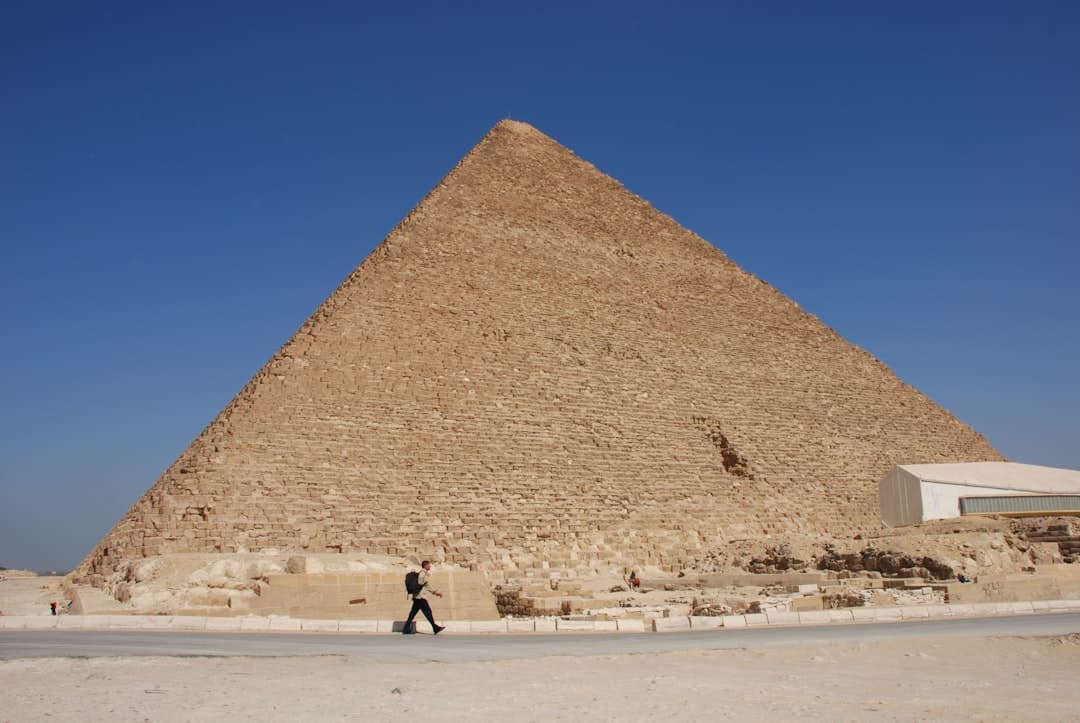
Memphis was the capital of ancient Egypt for much of its history — one of the great cities of the ancient world, founded around 3100 BC by the pharaoh Menes and for centuries the political, religious, and commercial heart of a civilization that shaped human history. At its peak, it rivaled any city on earth. Today the city is gone, swallowed by the Nile floodplain and buried under agricultural land and modern villages near the town of Mit Rahina, about 24 kilometers south of Cairo. What remains is a modest open-air museum on the site, but the scale of what was once here — and the weight of what you're standing on — is genuinely staggering. The main draw is the colossal limestone statue of Ramesses II, lying on its back in a purpose-built shelter because it's too damaged to stand upright. It's enormous — over 10 meters long — and despite everything it has survived, the carving is breathtakingly detailed. You view it from a raised gallery that lets you look down along the length of the body, which gives the whole thing an almost cinematic quality. Outside, there's another, smaller standing statue of Ramesses, an alabaster sphinx weighing around 80 tons, and scattered architectural fragments, including column bases, relief carvings, and the remains of temple structures. It's not a lot on the ground, but each piece is exceptional. Most visitors combine Memphis with nearby Saqqara and the Dahshur pyramids in a single day trip from Cairo — the three sites sit close together and the combination makes for one of the best ancient Egypt days you can put together. Memphis itself takes one to two hours at a comfortable pace. The site is well-maintained but not heavily developed, which is part of its charm — there's no crowds circus here like at Giza. Go in the morning before the heat builds, and consider hiring a local guide at the entrance who can actually explain what you're looking at, because the on-site signage is sparse.
Mercado Benito Juárez
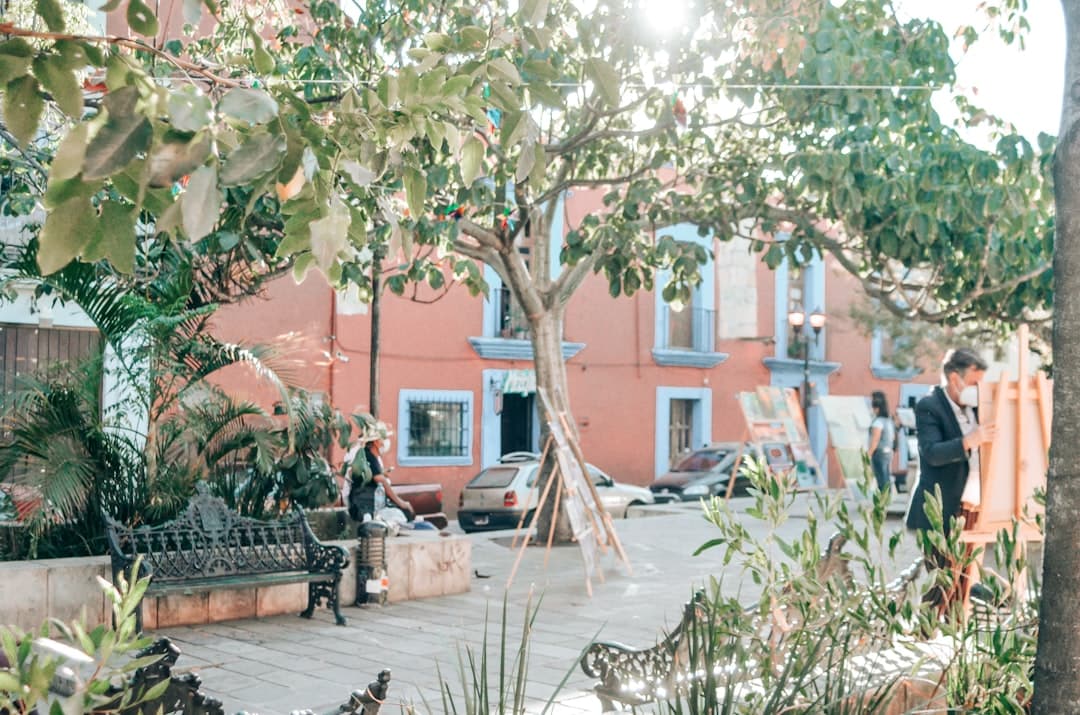
Mercado Benito Juárez is one of Oaxaca's most beloved and well-worn public markets, sitting just a block south of the zócalo in the historic city center. Built in the mid-20th century, it functions as a daily hub for both locals doing their shopping and visitors eager to eat and explore. Unlike some touristified markets, Benito Juárez retains a genuinely working character — vendors have been here for generations, and the atmosphere reflects that lived-in permanence. This is where you come to understand Oaxacan food culture from the ground up. Inside, the market sprawls across a dense grid of stalls selling just about everything the region is known for: mole pastes in every shade from black to red to verde, dried chiles of a dozen varieties, grasshoppers (chapulines) ready to eat, string cheese (quesillo) pulled fresh and sold by the ball, and mezcal dispensed straight from large clay jugs. There are cooked food stalls serving tlayudas — Oaxaca's oversize crispy tortilla dish — alongside tasajo, cecina, and memelas. Textile vendors, leather goods, and handicrafts fill out the perimeter. Navigating it is part of the fun: the market rewards slow wandering and eye contact with vendors. The hours listed online can be unreliable — many stalls wind down in the afternoon, and the food section is at its liveliest in the morning through early afternoon. Saturday closures are not universally observed and may reflect only certain vendors or government-affiliated stalls. Come hungry, bring cash in small denominations, and don't be shy about pointing at what you want to try. The nearby 20 de Noviembre Market, just steps away, is also worth visiting — it's where you go to grill your own meat over charcoal — so it's easy and worthwhile to do both in one visit.
Mercado Roma
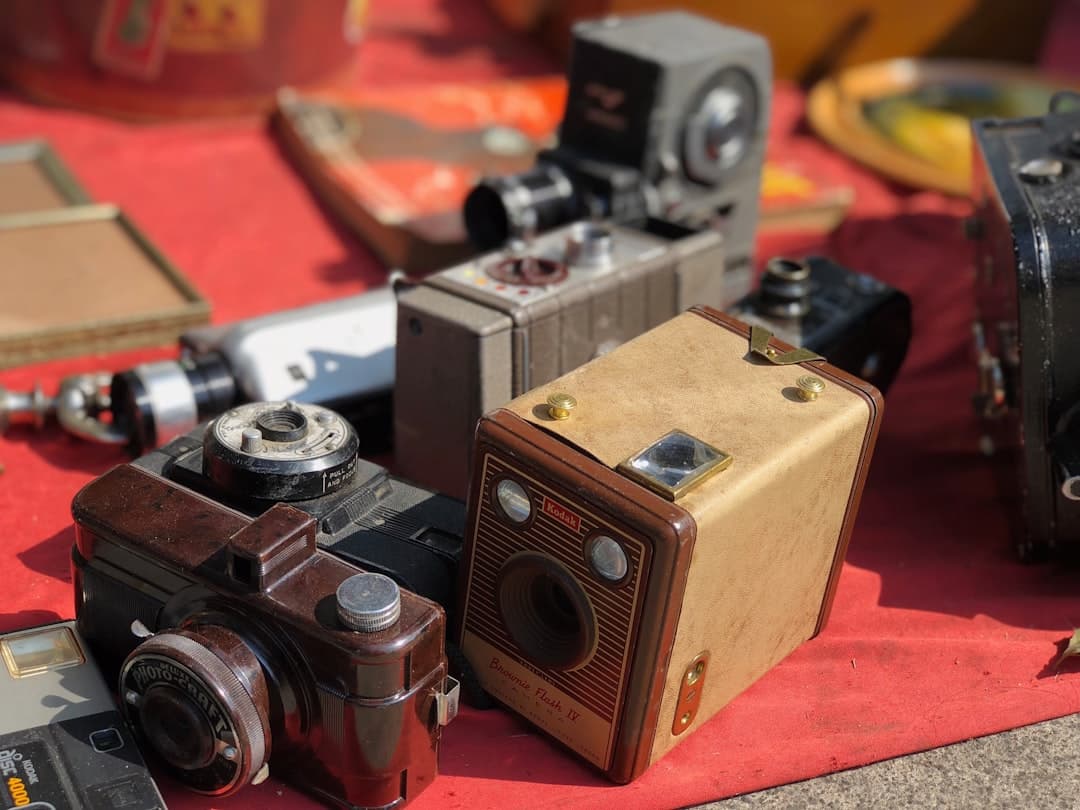
Mercado Roma is a gourmet food market that opened in 2014 in the heart of Roma Norte, one of Mexico City's most fashionable and food-obsessed neighborhoods. Unlike a traditional tianguis or covered market selling produce and household goods, this is a curated, multi-vendor hall designed around eating and drinking well — part food court, part artisan marketplace, part social scene. It quickly became a template for the kind of upscale market concept that spread across CDMX in the years that followed, and it remains one of the better-executed versions. Inside, you'll find around 90 stalls and vendors spread across two floors, covering an impressive range of Mexican regional cuisines alongside international options — tacos, tlayudas, raw oysters, Japanese food, craft beer, mezcal, artisan coffee, fresh juices, and pastries. There's also a rooftop terrace with a bar and city views, which fills up fast on weekend evenings. The ground floor has a lively, buzzing atmosphere with communal seating, and the whole place is designed to encourage grazing — a bite here, a drink there, rather than a single sit-down meal. Mercado Roma attracts a mixed crowd of locals and tourists, and that's worth knowing going in — it's not a hidden gem, and prices reflect the neighborhood. But the quality control is genuinely good, and having so many options under one roof makes it an efficient way to eat your way through a range of Mexican food styles in a single visit. Weekday lunchtimes are noticeably calmer than weekend evenings, when the rooftop especially gets crowded. It's on Calle Querétaro, a short walk from the Álvaro Obregón corridor and easy to combine with an afternoon wandering Roma Norte.
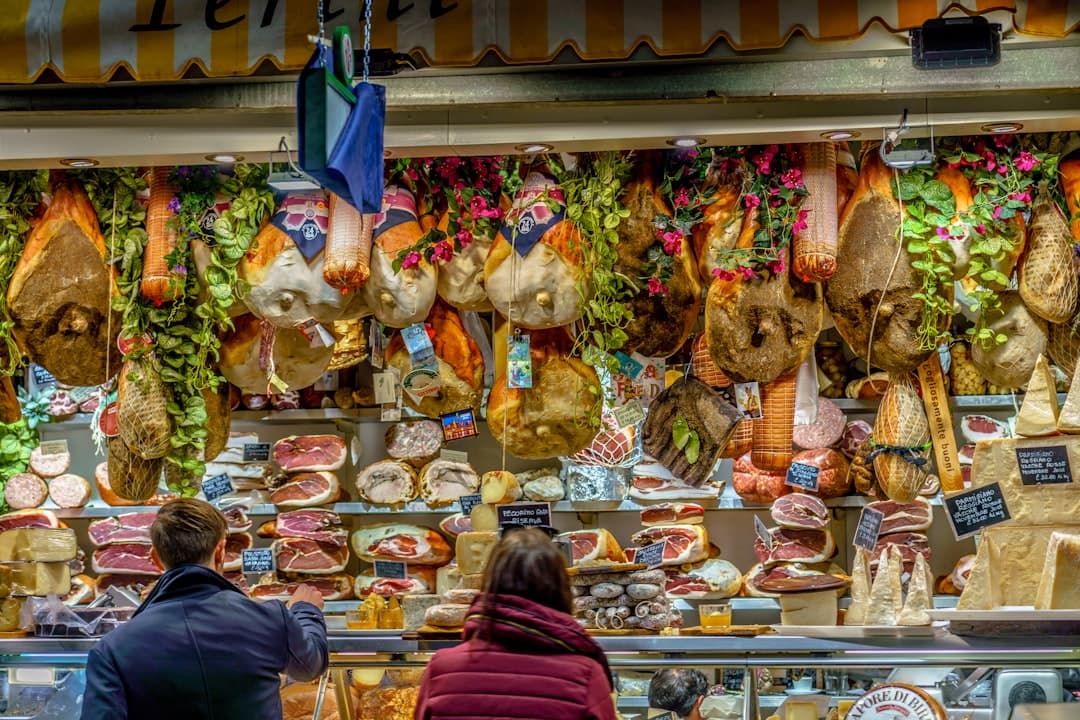
Mercato Centrale
Mercato Centrale is Florence's most celebrated covered food market, housed in a magnificent cast-iron and glass building designed by architect Giuseppe Mengoni — the same man behind Milan's Galleria Vittorio Emanuele II — and completed in 1874. It sits in the San Lorenzo district, a few minutes' walk north of the Duomo, surrounded by the open-air stalls of the Mercato di San Lorenzo that spill across the surrounding streets. The ground floor is a working market selling fresh produce, meat, fish, cheese, and specialty foods to locals and visitors alike; the upper floor was transformed in 2014 into a buzzy food hall that brought in some of the city's most respected producers and artisan food makers under one roof. On the ground floor, you can wander past butchers hanging whole prosciutti, fishmongers with gleaming displays, and cheese counters where you can taste before you buy. Look for the lampredotto vendors — this is the place to try Florence's most distinctive street food, a sandwich made from the fourth stomach of a cow, slow-cooked and served with salsa verde. Upstairs, the food hall runs from morning through late evening, with dedicated counters for pasta fresca, pizza, gelato, tartare, Florentine steak, wine, cocktails, and more. You pick your food from whichever vendor appeals and find a seat at the shared tables. The honest insider angle: the ground floor is the real deal and worth seeing even if you buy nothing, but it closes mid-afternoon on most days, so get there in the morning. The upstairs hall is genuinely good — better than most tourist-area eating options in the city — though prices reflect the setting. Come for lunch rather than dinner when the energy is livelier and the stalls are all open. Sunday is the one day the ground floor market doesn't run, so arrive on a weekday if you want the full experience.